Category: March – April 2026

  • A Class Reunion Trip Down Memory Lane

    When I got the save-the-date card for my 50th high school reunion, I was shocked! Hey, 50th reunions are for old people! Then I realized I must be one!

    So I volunteered to be our Class of 1975 reunion secretary and sent out emails asking for life updates and attendance plans. As I sifted through the replies, I began getting information about classmates who had passed away. A girl I had dated died of cancer. Another I had a crush on had died the year before. I received a heart-breaking email from the widow of a wrestling team buddy saying he had passed. All told, I found out a dozen classmates had passed on.

    Those sad responses convinced me that I must go to the reunion to reconnect with people with whom I had spent four important years.
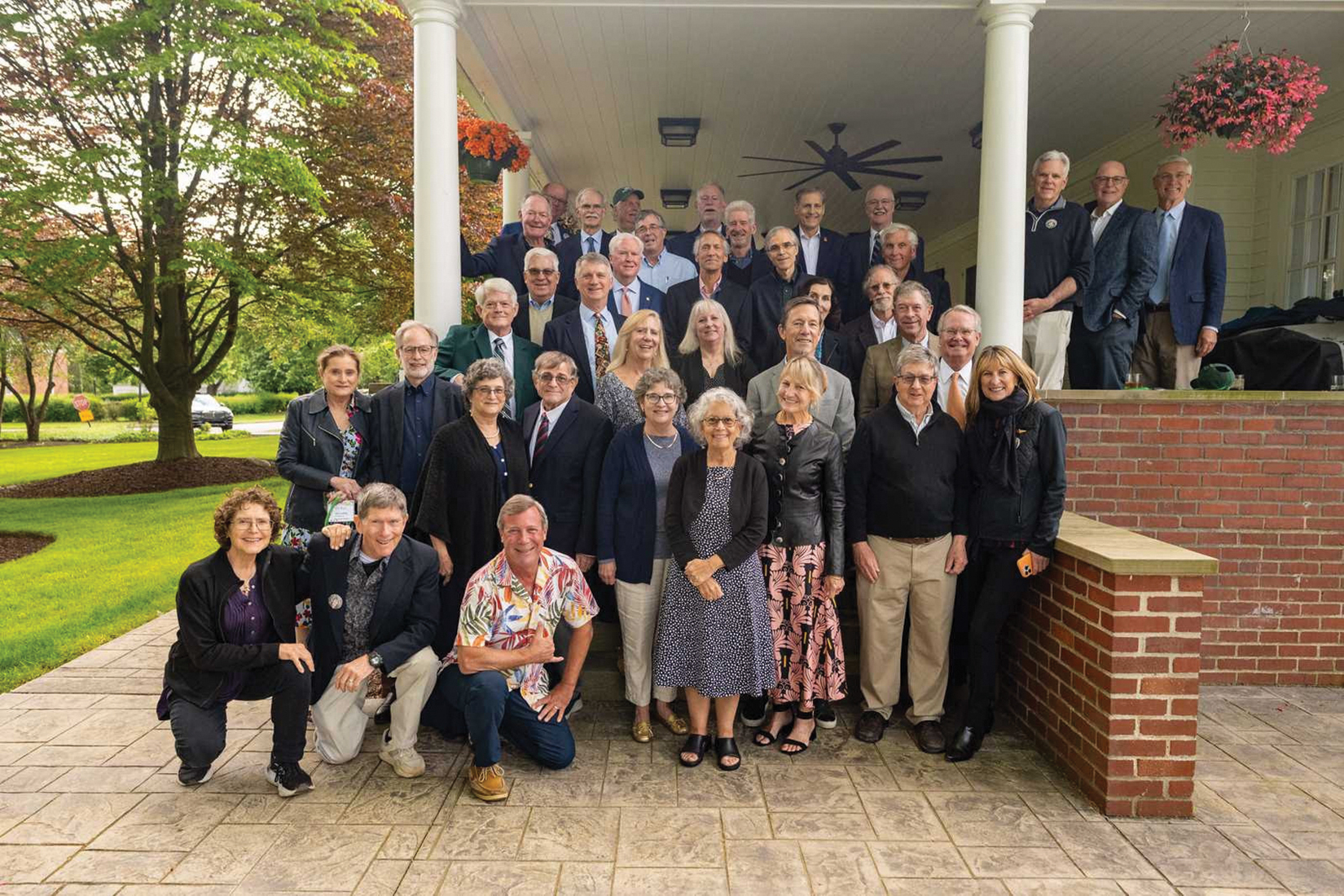
    The 50th reunion of Western Reserve Academy’s Class of 1975 was well-attended. Following “the road less traveled,” Rob paved his own path to a permanent home on Maui, where he enjoys life with wife Kelly

    When my wife and I arrived in my hometown for the reunion, we went for a long walk around the school grounds. Memories came flooding back. The next evening, we dined with our 50th reunion group. I was pleased that 36 classmates of the 100 (about) in our graduating class attended. Everyone looked great! Granted, now in our late 60s, our definition of “looking great” is far more forgiving than it used to be!

    During dinner, we didn’t compare accomplishments, cars or careers—we honored the past as we reminisced about our classmates who are no longer with us. We remembered a classmate I had known since we went to preschool together. After I shared precious memories of her, others who were close to her shared theirs. We remembered another friend—a funny, well-liked, brilliant and athletic student who became a leading brain surgeon at Johns Hopkins. His widow joined us; we all cried with her. And so it went through the list, with shared recollections triggering tears and eliciting laughs. I was pleasantly surprised that as we all told our stories, old friends recalled things that I had forgotten and I was able to jog their memories, as well.

    As we talked, my classmates transformed in my mind’s eye to how they looked in our school days. Grey hair turned brown again and bald heads regrew shoulder-length locks. Guys shuffling painfully to their tables were once again fleet-footed soccer jocks and track stars. Grandmothers with etched laugh lines and crow’s feet transformed into gorgeous young girls again.

    Saying goodbye at the end of the reunion was bittersweet. I hugged it out with everyone.

    I had viewed reunion group photos of the older classes above us, hanging in the hallways. Seeing fewer people in each five-year grouping, I realize that at our next reunion, I may not be seeing some of these dear friends again.

    So I’m glad I went back for the Big Five-O and I’m going to attend all of my class reunions for as long as I am able, God willing.


    ROB MELDRUM was born and raised in Hudson, Ohio, and graduated from Middlebury College in Vt. summa cum laude, with high honors for his senior thesis. After a 20-year career with AT&T, he started a telecomm software company and is a patent-holder. He and his wife, Kelly, moved from Seattle to Maui in 2019. In retirement Rob enjoys playing guitar, writing songs, playing pickleball and baking sourdough bread.

    If you have a story to share, email the editor: debra@generations808.com.
    When I got the save-the-date card for my 50th high school reunion, I was shocked! Hey, 50th reunions are for old people! Then I realized I must be one! So I volunteered to be our Class of 1975 reunion secretary and sent out emails asking for life updates and attendance plans. As I sifted through…

  • Enjoy the Ride!

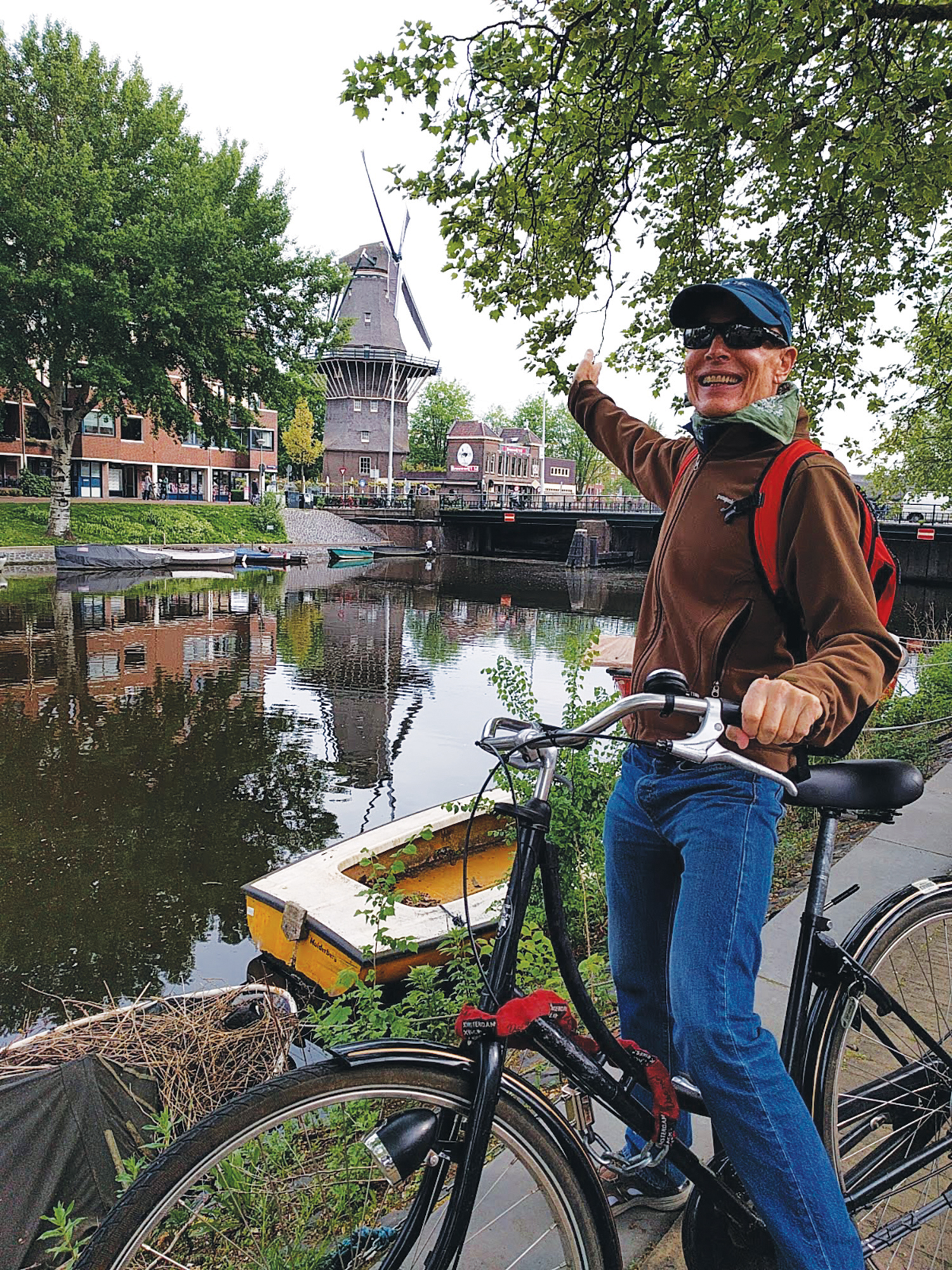
    r. Steve L. Chaplin, a 64-year-old Honolulu psychiatrist, has seen the world from a unique perspective. He has ridden his bicycle through South America, Asia and Europe, cycled through 39 countries, including Morocco, Myanmar, India, Chile and Vietnam, and most recently, biked through Iceland and Greenland.

    What inspired him to see the world this way? Dr. Chaplin’s father taught him to ride at age 6, but initial lessons didn’t include how to stop by using his brakes, which caused him some scrapes. His interest in bicycling blossomed while biking with a friend in San Francisco. The bicycling bug really took hold of him as he navigated the city’s highly textured topography. By then, of course, he had learned how to brake.

    Today, adhering to the hypothesis “safety in numbers,” his excursions always include a friend or a group. He says he has never experienced a bad bike trip. To the contrary, friendly foreigners often approach him, asking about the details of and reasons for his international bicycle trek. He says that riding a bicycle has proven to be an easy way to make friends in a foreign country, as natives are always eager to give him advice and share information about their country.

    Dr. Chaplin says that the most interesting country he visited was Vietnam in 1995. The Vietnamese were very welcoming, saying, “America number one.” And, of course, Dr. Chaplin fit naturally into the culture, as most Vietnamese rode bicycles as their primary transportation.

    Riding his bicycle in a foreign country also gave Dr. Chaplin an opportunity to appreciate the culture and natural beauty at a pace that could not be accomplished in motorized travel mode, yielding time and space for contemplation and reflection, in addition to social interaction.

    Dr. Chaplin says, “Somehow, foreign residents and I succeed in communicating. English seems to be an international language and there is always someone who can speak it to some extent. In the remote parts of a country, where English is barely spoken, we use hand motions and somehow we manage. We smile, we laugh and catch on to what each is saying.

    “For example, when a foreign resident points at my bicycle, I know from experience that they are asking me why I am traveling in their country on a bicycle, especially in a far-off region. Traveling to a foreign country is always an experience. It depends on your attitude of why you are there. So I tell them that riding a bicycle abroad is a priceless experience if your aim is to learn, have fun and meet the people. The bottom line is to be pleasant and patient.”

    Dr. Chaplin believes in exercise and encourages his patients to do so, because studies have shown that such activity promotes mental alertness, stamina and positive interactions. Such being the case, bicycling in a foreign country with his interest focused on a new environment stimulates his mind and memories of people and places.

    Studies have shown that a human on a bicycle is more efficient than a swimming salmon or flying seagull and jet plane. Dr. Chaplin concurs that it reduces global warming and conserves natural resources as well as introduces the bicyclist to different cultures, cuisine, history and people—up close and personal. “There is no doubt that bicycling is good for the health, for the preservation of our Earth and if you travel to a foreign country, I like to believe that in some ways it leads to international understanding, friendship and world peace.”

    His philosophy of life is simple—“enjoy the moment. Enjoy the ride.”

    r. Steve L. Chaplin, a 64-year-old Honolulu psychiatrist, has seen the world from a unique perspective. He has ridden his bicycle through South America, Asia and Europe, cycled through 39 countries, including Morocco, Myanmar, India, Chile and Vietnam, and most recently, biked through Iceland and Greenland. What inspired him to see the world this way?…

  • The Kūpuna Power Movement & Mindset

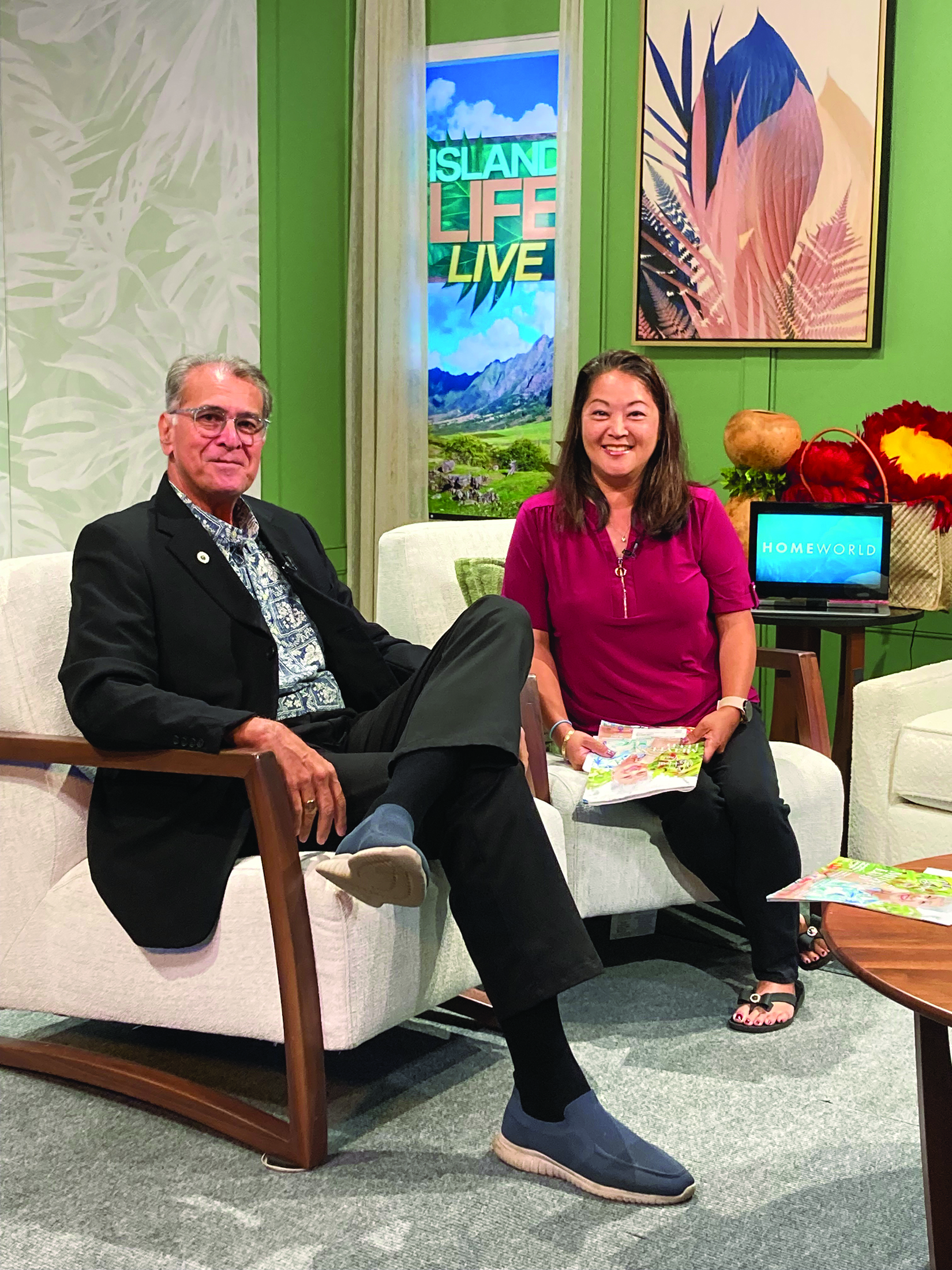
    Kūpuna Power, a platform that seeks to educate and empower Hawai‘i’s elderly, is both a movement and a mindset—a reminder that Hawai‘i’s elders carry not only our history, but our momentum. Born out of an immediate response to a church family member being scammed, I launched the initiative after witnessing firsthand how vulnerable Kūpuna can be when clear, reliable information is hard to find—or when a kupuna is too embarrassed to reveal such a situation. The experience exposed an urgent need for information to accessible resources at the federal, state, county and private levels—and the spark that ignited Kūpuna Power.

    Kūpuna Power is about helping them tap into resources that enable them to live their golden years the way they want to, as independently as possible and without worries. Kūpuna Power helps restore dignity, visibility and agency to the people who built the foundations we stand on today.

    At its core, the initiative insists that kūpuna are cultural anchors and political stabilizers whose lived experiences—from plantation life to the Hawaiian Renaissance—give them a clarity that Hawai‘i still depends on. When elders speak, they bring generations of insight.

    Kūpuna Power channels that wisdom into present-day action by encouraging kūpuna to stay informed, vote, testify, organize and guide the lāhui (people) with the same steady hands that raised families and communities.

    The movement also strengthens intergenerational connection, creating joyful, dignified spaces where young people learn directly from elders through stories, mele and lived truth. That exchange fuels coherence, unity and disciplined civic participation.


    KŪPUNA POWER
    808-768-7700 | info@wearekupuna.com
    wearekupuna.com

    Kūpuna Power, a platform that seeks to educate and empower Hawai‘i’s elderly, is both a movement and a mindset—a reminder that Hawai‘i’s elders carry not only our history, but our momentum. Born out of an immediate response to a church family member being scammed, I launched the initiative after witnessing firsthand how vulnerable Kūpuna can…

  • Mar-Apr-2026

    Mar-Apr-2026

    WANT THIS ISSUE?

    Download your own personal copy of this issue in PDF format. Click the button below:

    DOWNLOAD IT NOW

    The November/December 2024 issue of Generations Magazine features a cover story on multigenerational travel adventures with Road Scholar, emphasizing the importance of shared experiences between grandparents and grandchildren. Other articles include discussions on the significance of travel insurance for seniors, effective case management in caregiving, and strategies for maintaining oral hygiene as one ages. We…