
Category: Sept – Oct 2022

  • Trust Basics

    Businessman and lawyer discuss the contract document. Treaty of the law. Sign a contract business.A trust is created when a person transfers “stuff” to a trustee with the understanding that the trustee will manage it for the benefit of one or more beneficiaries.

    “Stuff” includes any kind of property you can own: real property, such as land and buildings (including timeshares) and personal property, such as bank accounts, stocks and bonds, and personal effects.

    The person who transfers the stuff to the trustee is called a “trustmaker” (also known as a settlor, grantor or trustor). Usually, the trustmaker is also the trustee (or perhaps co-trustee) and the initial beneficiary of the trust.

    It is common for couples to create two separate trusts and to be the co-trustees of both of their trusts during their joint lifetimes. When one spouse dies, the other can either be sole trustee or co-trustee with one or more individuals or a trust company.

    Once assets are transferred to the trustee, the trustmaker no longer holds legal title to them — even if the trustmaker and the trustee are the same person. Thus, if the trustmaker dies or becomes incapacitated, the trust continues and the successor trustee (who is named in the controlling document) takes over administering the stuff in the trust.

    A trust is controlled by a “rulebook” called the “trust agreement.” The trust agreement sets out the rules about how the trust will be run. If the rulebook says that the trustmaker can revoke it or change it, the trust is what we call a “revocable trust.” People create revocable living trusts so that their stuff will not go through probate after they are gone, or through conservatorship if they become incapacitated during their lifetimes, as well as to protect the assets that their loved ones will inherit.

    If the rulebook does not allow the trustmaker to change or revoke it, we have what is called an “irrevocable trust.” Irrevocable trusts are used in many estate plans. They allow trustmakers to make gifts but keep the recipients from having complete control over the gifted assets. They can help provide tax savings, creditor protection and expert management of assets.

    Trusts are often the building blocks of effective estate plans. They provide simplicity, flexibility and predictability in dealing with your assets. They also give you the peace of mind of knowing that you have arranged your affairs to ensure that your wishes will be carried out and that future transitions (such as your incapacity or death) will be much easier on your loved ones.


    SCOTT MAKUAKANE, Counselor at Law
    Focusing exclusively on estate planning and trust law.
    est8planning.com
    808-587-8227 | maku@est8planning.com
    A trust is created when a person transfers “stuff” to a trustee with the understanding that the trustee will manage it for the benefit of one or more beneficiaries. “Stuff” includes any kind of property you can own: real property, such as land and buildings (including timeshares) and personal property, such as bank accounts, stocks…

  • Does Dad Need More Help?

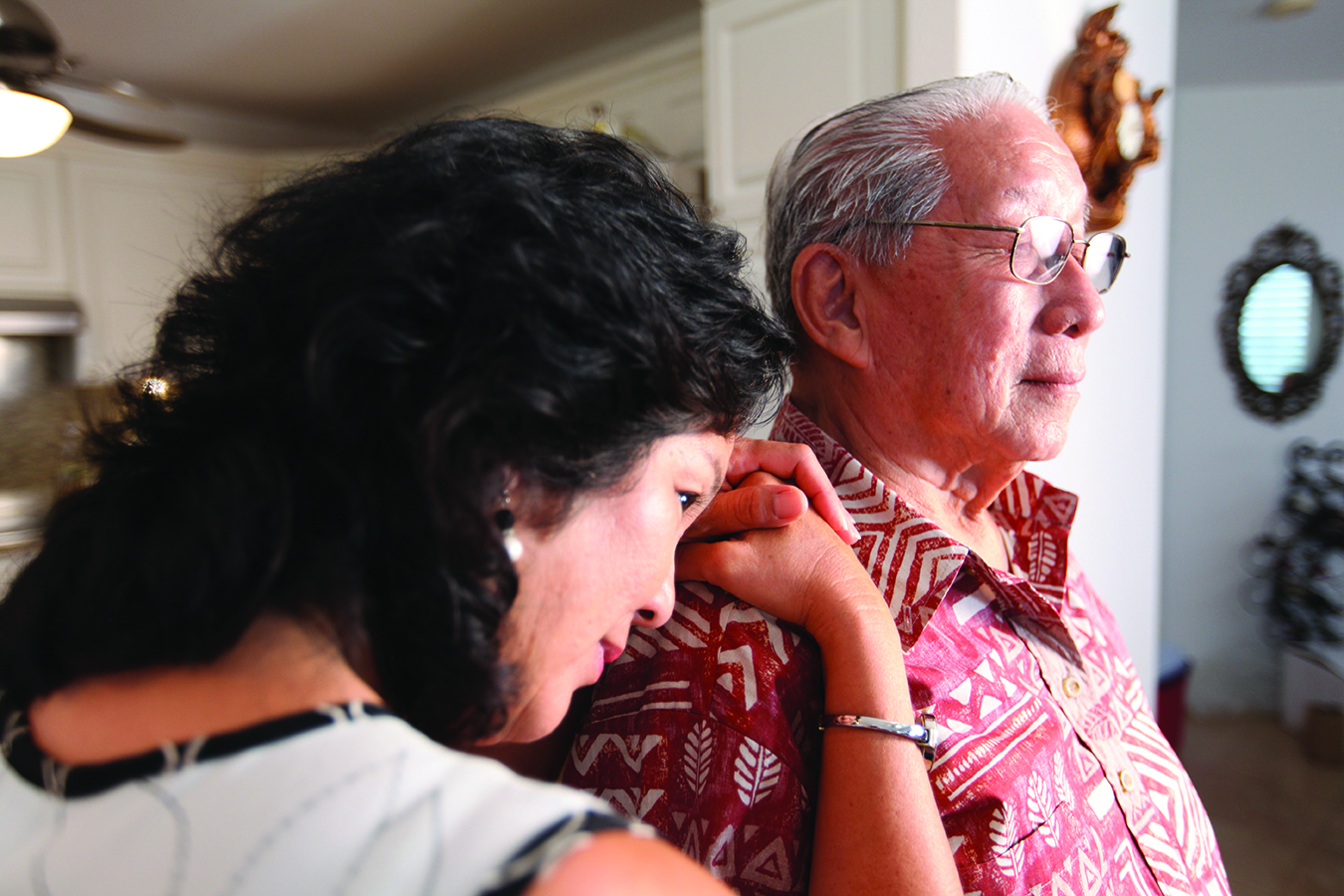
    How do family members prepare for the day their senior needs more help — the kind of help that requires loved ones to re-prioritize their lives? If only there were a date set aside for this change in everyone’s life. Planning on change at this level has never been easy because a plan may not be in place. A sudden fall or illness could change everything and it could happen anytime.

    Our seniors can have active lives up until the day they don’t. So family members may have to change directions suddenly. This may involve taking time off work and moving other commitments to the back burner. But there are some signs that show us our senior may be needing a bit more help. Here are a few to look out for:

    AGE: The older your senior is, the closer they will be to needing help, especially if they are slowing down physically.
    MEMORY: Forgetfulness could be a sign of illness affecting the brain or other systems and it generates worry for family members who leave their senior alone for long periods of time.
    DRIVING: If your senior is not driving anymore because it is not “safe” due to visual problems, mobility issues or cognitive concerns, this may be a sign that other tasks may not be as easy for them, as well.
    WEIGHT LOSS OR DEHYDRATION: These are real concerns that indicate they are not eating or drinking enough. Frequent urinary tract infections may indicate not enough fluid intake or poor personal hygiene in the bathroom.
    UNPAID BILLS/UNOPENED MAIL: Our seniors like to have control over their finances until there comes a day when they stop opening their mail. This is a clue they are either forgetting or its not a priority for them anymore.
     FREQUENT PHONE CALLS WHILE FAMILY IS AT WORK: If family members are receiving frequent calls during the day from their senior, it may mean things are about to change. This can indicate loneliness, forgetting that they just called or anxiety about something they cannot control.
    FALLS: This could be the “last straw,” especially if there is an injury. Family members may have to find outside help to monitor their senior for safe mobility while they are away at work.

    Just like planning ahead for disasters, planning for the day your senior needs help should be a priority. Life can be busy and noticing some of the scenarios listed above should be on your radar. Of course, your senior will deny they need help and may say something like, “I don’t want you to worry about me. I can take care of myself.” If you feel that twinge in your gut telling you that what you are seeing is not consistent with what they are saying, don’t ignore it! Now may be the time to move into a different role for your senior or ask for help.


    ATTENTION PLUS CARE HOME HEALTHCARE
    Accredited by The Joint Commission
    1580 Makaloa St., Ste. 1060, Honolulu HI 96814
    808-739-2811 | attentionplus.com
    AGING IN HAWAII EDUCATIONAL OUTREACH PROGRAM
    by Attention Plus Care — a program providing resources for seniors and their families, covering different aging topics each month. For class information and upcoming topics, call 808-440-9356.

    How do family members prepare for the day their senior needs more help — the kind of help that requires loved ones to re-prioritize their lives? If only there were a date set aside for this change in everyone’s life. Planning on change at this level has never been easy because a plan may not…

  • The Benefits of Medicare Advantage

    A recent study concluded that beneficiaries enrolled in Medicare Advantage Prescription Drug plans (also known as MAPD) spend almost $2,000 less per year on their healthcare costs when compared to those with Original Medicare (Parts A and B) and a stand-alone Medicare Prescription Drug plan (Part D). Maybe the savings are because of the valuable extras that MAPD plans offer their members.

    Medicare Advantage plans are required by law to cover everything that Parts A and B cover, but typically, these MAPD plans add numerous benefits that Original Medicare doesn’t offer. These might include vision, hearing and dental coverage as well as discounted chiropractic and acupuncture. Sometimes they offer free transportation, over-the-counter (OTC) products, gym membership and even a complimentary fitness tracker. Some Medicare Advantage plans value healthy activities to the extent that they are willing to reward members with gift cards for completing preventive screenings or exercising. Also, many MAPD plans charge a lower drug deductible than a stand-alone prescription drug plan. The truly surprising part is that these Medicare Advantage plans often have $0 monthly premiums.

    Check with an expert to see if one of these plans might be beneficial to you.


    THE MEDICARE GEEK
    1221 Victoria St., #3103, Honolulu, HI 96814
    808-724-4993 | robin@themedicaregeek.com
    themedicaregeek.com

    A recent study concluded that beneficiaries enrolled in Medicare Advantage Prescription Drug plans spend almost $2,000 less per year on their healthcare costs when compared to those with Original Medicare (Parts A and B) and a stand-alone Medicare Prescription Drug plan (Part D).