Category: Date

  • Will the Election Impact Markets & Investments?

    Investors are understandably wondering — and maybe even anxious — about how the US presidential election will affect the stock market. Election years often come with increased market uncertainty. And this year, COVID-19 and a fragile economy have added new dimensions to what may be a landmark US election cycle.

    Regardless of who wins in November, the election will likely play a factor in the markets. Here are a few things investors should consider:

    Dealing with uncertainty

    This year’s election season has been marked by unusual circumstances. Republican incumbent Donald Trump is running for a second term as president after a surprise victory in 2016. Former Vice President Joe Biden began the campaign season competing against 25 candidates for the Democratic presidential nomination before emerging as the party’s nominee after a rocky start.

    There are many important issues at stake, including trade, healthcare, tax policies, social justice and our relationship with China. How well the economy is doing is also a significant influence on the election outcome, especially for an incumbent or incumbent party. But that calculus suddenly became clouded by the onset of the COVID-19 pandemic. How long the virus will persist and how significant the impact on economic growth will be remains unclear at the moment.

    Even without these unusual circumstances created by the pandemic, it isn’t uncommon for the stock market to exhibit a degree of volatility in the run-up to an election. This can be particularly true in the final weeks leading up to the election and if the race is neck and neck. Investors should be prepared for circumstances where the “noise” generated by the campaign contributes to overall market fluctuations.

    It’s not just about the president

    It’s true that our president has tremendous influence in the direction our country takes. However, it is important to keep in mind that regardless of who is successful in winning the White House, there is a significant difference between proposals and policy. How much any administration can accomplish is influenced quite heavily by the makeup of the House of Representatives, Senate, local and state legislatures, federal regulators, as well as circumstances in the economy and the country at large.

    In addition to electing a president this fall, voters will also be electing 35 senators; there are now 23 Republicans and 12 Democrats. Currently, the Republican Party has a three-seat majority in the Senate. And as happens every two years, the entire House, where the Democratic party currently controls a 35-seat majority, is up for reelection.\

    Is history a guide?

    While no two election years offer the same set of economic or political circumstances, it may be instructive to take a look back to see how markets have performed in the past as a means of providing some context for the present.

    • Historically, market volatility begins to rise about 45 days ahead (about three weeks into September) before peaking one week before the election.¹
    • When control of the White House changes parties, stock market volatility tends to increase.²
    • During an election year, US stocks and bonds tend to perform better compared to the year after.³
    • Interestingly, there has been very little difference in the performance of the economy under Democratic and Republican presidents since 1977. According to recent analysis by Deutsche Bank, “The average growth rate for a Democrat president is 2.9 percent compared to 2.7 percent for a Republican president.[4] However, the economic performance during a president’s term isn’t necessarily a direct result of the actions of their administration, as presidents ultimately inherit an economy shaped by their predecessor’s actions, as well as other structural factors.

    What may be a more important consideration for investors than who is elected president are the longer-term drivers of economic growth and corporate profits, which are shaped by policy, but also other factors outside Washington.

    The impact on specific market sectors

    Although it’s speculative to try and predict the outcome of the election and all of the policy implications each party would impose, the result of the election is likely to influence key industries, such as healthcare, energy and technology.

    What this means for your finances

    Keep your long-term goals in mind. Review your portfolio diversification and risk tolerance with a financial advisor for an objective perspective on your financial situation.


    MICHAEL W. K. YEE, CFP,® CFS,® CLTC, CRPC®
    1585 Kapiolani Blvd., Ste. 1100, Honolulu, HI 96814
    808-952-1222, ext. 1240 | michael.w.yee@ampf.com
    Michael W. K. Yee, CFP®, CFS®, CLTC, CRPC®, is a Private Wealth Advisor, Certified Financial Planner™ practitioner with Ameriprise Financial Services LLC in Honolulu, HI. He specializes in fee-based financial planning and asset management strategies and has been in practice for 36 years. Investment advisory products and services are made available through Ameriprise Financial Services LLC, a registered investment adviser.
    Ameriprise Financial Services LLC. Member FINRA and SIPC.

    1– David Joy, Ameriprise Chief Market Strategist. Aug. 2020.
    2– Ameriprise Financial: “Committee Perspectives: U.S. Election Guide.” Aug. 2020.
    Compiled by Ameriprise Global Asset Allocation Committee.
    3– “Report: Stock Market Performance By President,” Darrow Wealth Management.
    4– Deutsche Bank Economic Analysis, 2020.
    Investors are understandably wondering — and maybe even anxious — about how the US presidential election will affect the stock market. Election years often come with increased market uncertainty. And this year, COVID-19 and a fragile economy have added new dimensions to what may be a landmark US election cycle.

  • Changing Your SSA Direct Deposit

    Change happens. We get it. The most convenient way to change your direct deposit information with us is by creating a my Social Security account online at www.ssa.gov/myaccount. Once you create your account, you can update your bank information without leaving the comfort of your home.

    Because we are committed to protecting your personal information, we need some form of identification to verify who you are. If you already have an account, we verified your identity when you initially created your personal my Social Security account. All you need to do is log in at www.ssa.gov/myaccount to access or change your information. We highly recommend that you do not close your old bank account until you have seen your Social Security deposit show up in the new bank account.

    We always strive to put you in control by providing the best experience and service no matter where or how you decide to do business with us. Remember, you can do much of your business with us online at www.ssa.gov/onlineservices.


    Call SSA at 800-772-1213 (TTY 800-325-0778)
    Mon–Fri, 8:30am–3:30pm. Use the SSA Office Locator to find your local office at www.socialsecurity.gov

    Change happens. We get it. The most convenient way to change your direct deposit information with us is by creating a my Social Security account online at www.ssa.gov/myaccount. Once you create your account, you can update your bank information without leaving the comfort of your home.

  • Call Hawaii SHIP Today!

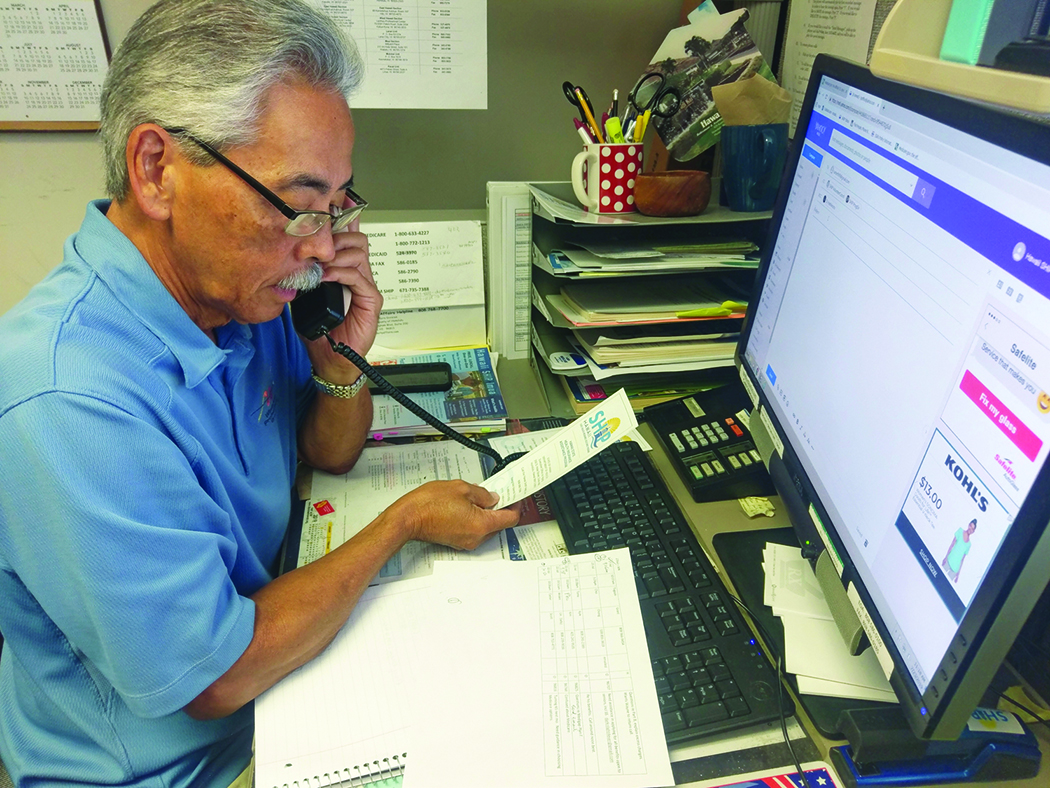
    Medicare’s Open Enrollment Period (OEP) occurs every Oct. 15 to Dec. 7. Beneficiaries may enroll in, switch to or disenroll from Original Medicare, Medicare Advantage (MA) or Part D prescription (PDP) drug coverage. Changes made during OEP take effect on Jan. 1 of the following year.

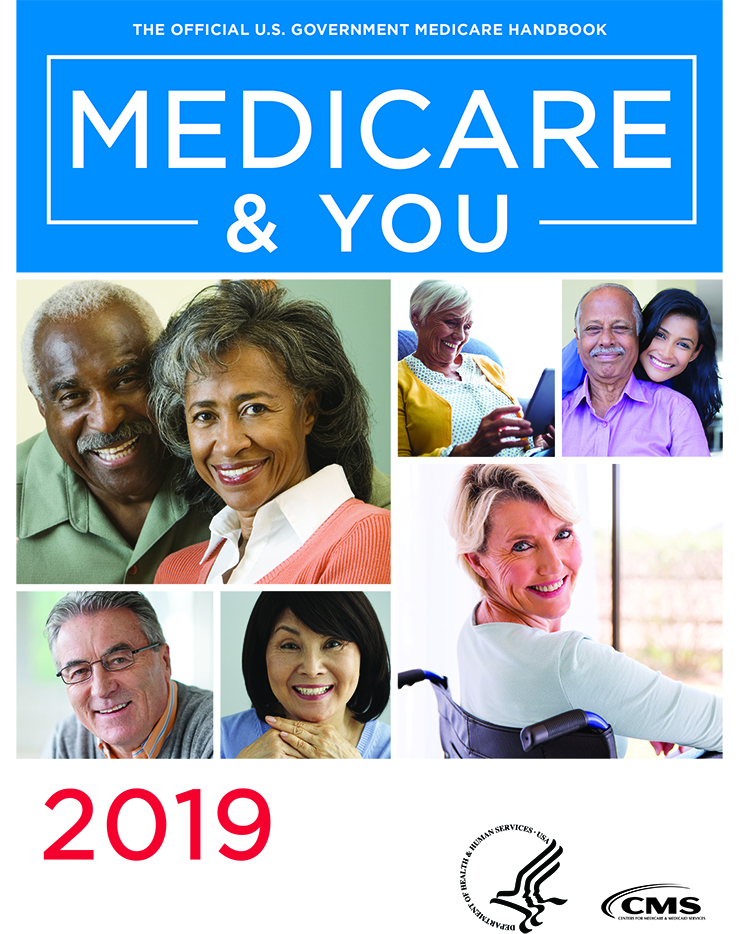
    Health insurance companies promote their plans during OEP, making the decision to stay with or change plans overwhelming.  Fortunately, resources are available. “Medicare & You” handbooks contain costs and benefits offered by MA and PDP plans in Hawai‘i. Medicare.gov has created the Medicare Plan Finder, a tool assisting beneficiaries in making informed choices by comparing health and drug plans.

    Administered by the Department of Health’s Executive Office on Aging, Hawaii SHIP is a federal, volunteer-based program serving beneficiaries, their families, caregivers and soon-to-be retirees. Certified counselors provide information and plan comparisons, helping beneficiaries decide which coverage is right for them. The service is free, confidential and unbiased.

    For more information about program services or volunteering, call Hawaii SHIP.


    HAWAII SHIP
    Free, local, one-on-one Medicare counseling provided by the Hawai‘i State Health Insurance Assistance Program.
    250 South Hotel St., Ste. 406, Honolulu, HI 96813
    Oahu: 808-586-7299 | Toll free: 888-875-9229
    www.hawaiiship.org

    Medicare’s Open Enrollment Period (OEP) occurs every Oct. 15 to Dec. 7. Beneficiaries may enroll in, switch to or disenroll from Original Medicare, Medicare Advantage (MA) or Part D prescription (PDP) drug coverage. Changes made during OEP take effect on Jan. 1 of the following year.

  • More Than Just a Friendly Thrift Shop

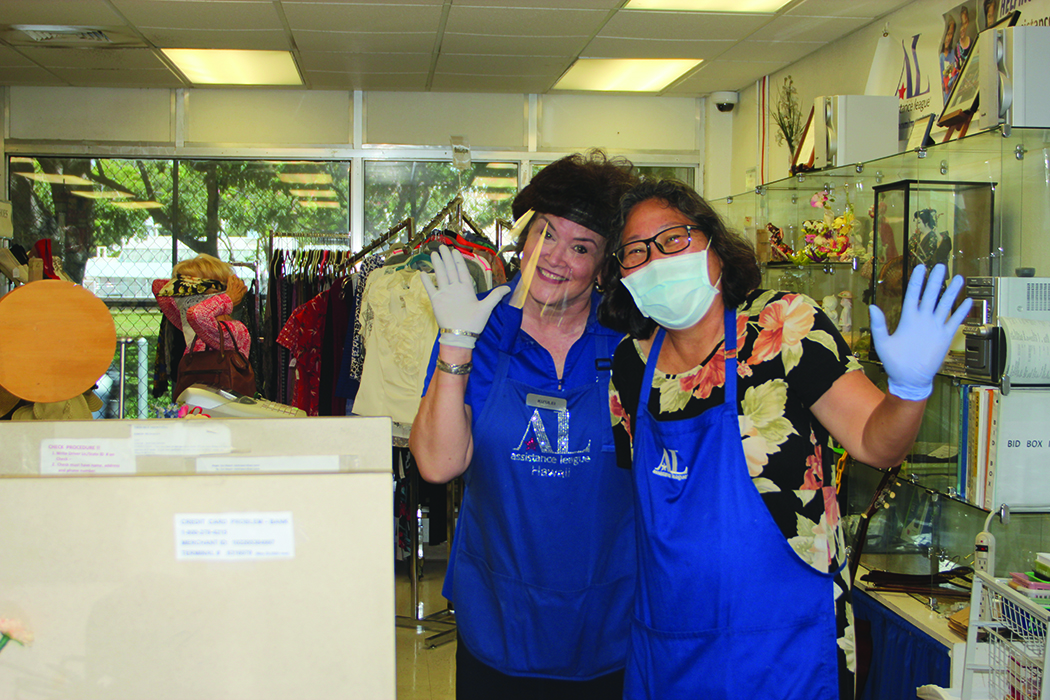
    The Assistance League of Hawaii (ALH) is an all-volunteer, nonprofit organization with 100-plus members and volunteers who strive to make a difference to the people of Hawai‘i.

    The ALH Thrift Shop in Honolulu continues to be the primary source of funding for its philanthropic programs. The shop is staffed and managed entirely by member volunteers. All monetary donations and thrift shop profits stay in Hawai‘i.

    “We are proud of our reputation as one of the best and friendliest thrift shops in Honolulu,” says ALH President Mary Monohon.

    ALH delivers programs to schools, shelters and hospitals. The Share Program distributes donated items that are unsellable in the Thrift Shop to other nonprofits. Programs for keiki include Operation School Bell, which provides new school clothing to Title I students. ALH volunteers teach fourth grade students about endangered species in Operation Wildlife. The We Care Program provides teddy bears to organizations that give them to children in hospitals and hospice centers. And when an emergency strikes, outreach volunteers help other organizations post-crisis.

    Although COVID has changed some of the nonprofit’s practices, ALH’s programs continue to support the keiki and families of our community.


    ASSISTANCE LEAGUE OF HAWAII (501(c) 3 nonprofit)
    1505 Young St., Honolulu, HI 96826
    808-946-1505 | althrift281@gmail.com
    www.assistanceleague.org/hawaii
    ALH, a local chapter of National Assistance League, collaborates with over 120 similar chapters across the US. Photo Courtesy by  Assistance League of Hawaii / Melvin Ah Ching

    The Assistance League of Hawaii (ALH) is an all-volunteer, nonprofit organization with 100-plus members and volunteers who strive to make a difference to the people of Hawai‘i. The ALH Thrift Shop in Honolulu continues to be the primary source of funding for its philanthropic programs. The shop is staffed and managed entirely by member volunteers.…

  • Get the Most Out of Medicare

    Have you found the right Medicare plan yet? If so, stay with it. If not, you can enroll, disenroll, or change plans from Oct. 15 to Dec. 7 during the Medicare Annual Election Period. Every year, plan features and prescription coverage change, so you should practice due diligence to discover what fits your current needs best.

    Plans differ widely in cost, coverage, provider networks, care coordination and additional benefits. Since each person has unique medical conditions, no one plan fits all.

    For instance, can you afford the monthly premiums? What are the deductibles, copays and other out-of-pocket costs? Are all your Part D prescriptions covered and on what tier? Is your doctor in-network or are there additional costs to see out-of-network  providers? Are dental, vision, hearing, gym memberships or flex-cards offered?

    One way to start evaluating options is to open your “Medicare and You” book that is mailed each October. In the back, you will find quick comparison charts of every Medicare Advantage plan in Hawai‘i.

    Remember, you may make more than one enrollment choice during the Annual Election Period, but the last one you chose will be the plan that becomes effective Jan. 1, 2021.


    FINANCIAL BENEFITS INSURANCE INC.
    1311 Kapiolani Blvd., Ste. 504, Honolulu, HI 96814
    808-792-5194 | emotosue@fbihi.com
    www.fbihi.com
    Facebook: Financial Benefits Insurance

    Have you found the right Medicare plan yet? If so, stay with it. If not, you can enroll, disenroll, or change plans from Oct. 15 to Dec. 7 during the Medicare Annual Election Period. Every year, plan features and prescription coverage change, so you should practice due diligence to discover what fits your current needs…

  • Purpose Pals: A Kūpuna-Youth Connection

    When kūpuna and keiki interact, both generations benefit. Although these interactions are more challenging during the COVID-19 pandemic, technology offers an opportunity to connect virtually.

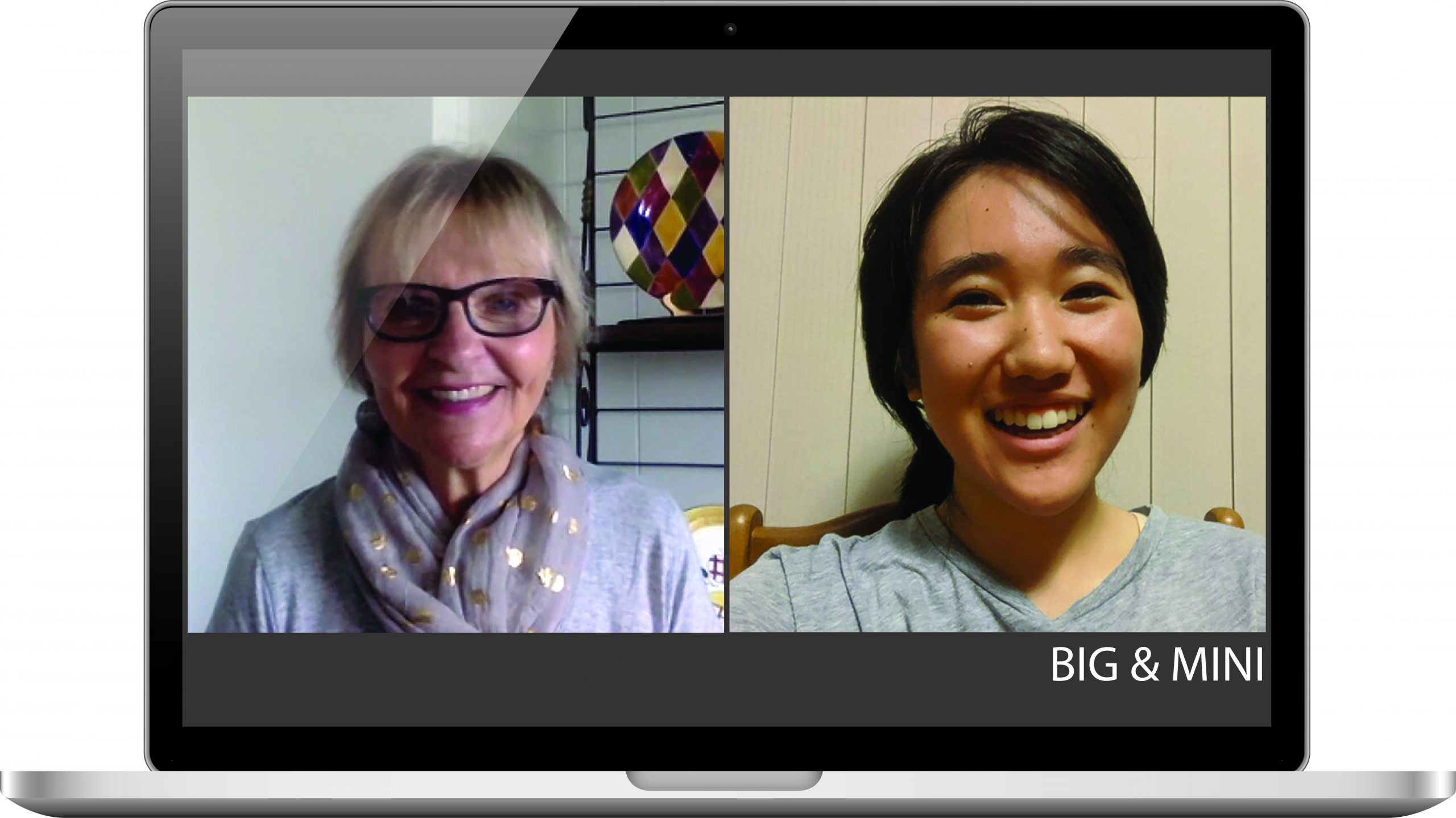
    Purpose Pals is a virtual, intergenerational program led by Christy Nishita and Colby Takeda, in collaboration with Age-Friendly Honolulu, Hawaii Afterschool Alliance and Blue Zones Project Hawaii. Purpose Pals matches adults (50 and over) and youth (high school through college age) based on their interests, and fosters regular communication using Big & Mini, a web-based video conferencing platform. The program provides themed conversation starters and online activities to ensure pals have enriching conversations.

    With funding from an AARP Community Challenge Grant, and in partnership with Big & Mini, Purpose Pals will be offered for free to schools, youth groups, senior clubs and senior living facilities. If technology support is needed, training will be provided.

    Purpose Pals will lessen the challenges of social distancing while building a more age-friendly community. If you are interested in being a pal, or want to bring Purpose Pals to your group, contact Christy at info@purposepals.org.


    PURPOSE PALS
    www.purposepals.org | info@purposepals.org

    Purpose Pals matches adults (50 and over) and youth (high school through college age) based on their interests, and fosters regular communication using Big & Mini, a web-based video conferencing platform. The program provides themed conversation starters and online activities to ensure pals have enriching conversations.

  • Your Medicare Options for 2021

    Each year, Oct. 15 through Dec. 7 is the Medicare Annual Election Period (AEP). During AEP, you will have the opportunity to explore and choose your Medicare coverage for 2021. You will have many choices, which includes selecting a Medicare Advantage plan or staying with your current option.

    Even if you are satisfied with your current option, it is important to review your Medicare plan during AEP for a few reasons:

    ■ Your plan may change.

    The cost and coverage of your Medicare plan may change each year. Make sure that your plan meets your needs. Medicare recommends reviewing your health plan’s “Annual Notice of Change.”

    The physician network, specialists and hospitals may change.

    To avoid having to find a new doctor or paying for higher costs, it’s a good idea to make sure your doctor is participating in your Medicare Advantage plan physician network. Medicare Advantage physician networks vary greatly in size and composition. This may have important implications. For example, if you are enrolled in an HMO plan, you have limited access to the number of doctors or hospitals. Please check and make sure your primary care physician, specialists, and hospitals you trust and prefer are participating in your 2021 Medicare plan option.

    A new plan may be offered — or additional benefits may be available.

    Certain plans offer additional benefits not provided by Original Medicare. Medicare Advantage Plans, for example, offer additional benefits, such as dental, prescription drug, vision or gym membership, possibly at no additional cost.

    Your healthcare needs may change.

    You may find that you want more coverage than you currently have. By planning, you can ensure that you have the coverage that is right for your anticipated healthcare needs.

    Your prescription needs may change.

    You may require different prescription medications if your healthcare needs continue to change.

    Remember, the Medicare annual enrollment period runs from Oct. 15 through Dec. 7, 2020.


    MDX HAWAI‘I
    500 Ala Moana Blvd., Ste. 2200, Honolulu, HI 96813-4993
    808-522-7500 | www.MDXHawaii.com
    MDX Hawai‘i has over 35 years of experience serving the people of Hawai‘i. Our physician network represents over 630 top primary care physicians, and more than 2,200 leading specialists and hospitals. MDX Hawai‘i contracts with Humana HMO, Humana PPO and AARP/UnitedHealthcare PPO Medicare Advantage Plans.

    Each year, Oct. 15 through Dec. 7 is the Medicare Annual Election Period (AEP). During AEP, you will have the opportunity to explore and choose your Medicare coverage for 2021. You will have many choices, which includes selecting a Medicare Advantage plan or staying with your current option. Even if you are satisfied with your…

  • What Did We Learn About Alzheimer’s Disease in 2020?

    While in 2020 the world may have felt like it’s been on hold, the threat and devastation of Alzheimer’s disease has not been. Here are four important things we learned about Alzheimer’s disease this year.

    Emphasis on the Connection Between Brain Health and Heart Health

    Over the years, science has shown that a healthy lifestyle may counteract the risk for Alzheimer’s disease. Recent research has  shown strong linkages between brain health and heart health factors such as high blood pressure and diabetes, which can lead to a higher risk of cognitive decline. Maintaining good heart health is one key lifestyle choice recommended by the association, in addition to physical activity, eating healthy and social engagement.

    COVID-19 Health Disparities Exposed

    The pandemic has further exposed the health differences that exist between racial and ethnic groups due to economic and social conditions. Studies showed Black/African Americans are two to three times more likely to develop Alzheimer’s disease and Hispanics are one to two times more likely to develop Alzheimer’s disease than whites. Additionally, multigenerational households, which are more common among some racial and ethnic minorities, may find it harder to protect older family members or to isolate in limited home space. Lack of access to insurance and work conditions of minorities also make them especially vulnerable to COVID-19. Conditions of inequality can isolate people from resources and services to keep their families safe. The association is deeply committed to addressing such inequities. The Alzheimer’s Association’s board of directors, volunteers and staff are committed for the long term to close these gaps.

    Blood Test for Abnormal Brain Protein May Confirm Alzheimer’s Disease Diagnosis

    Great advancements have been made in developing a blood test that could accurately detect Alzheimer’s disease. Studies focused on biological markers that detect abnormal versions of the tau protein in blood or plasma, including a specific form of tau known as p-tau217, which is most specific to Alzheimer’s disease. Blood tests could offer an easier way for families to get a  diagnosis earlier, which could greatly benefit families now and in the future.

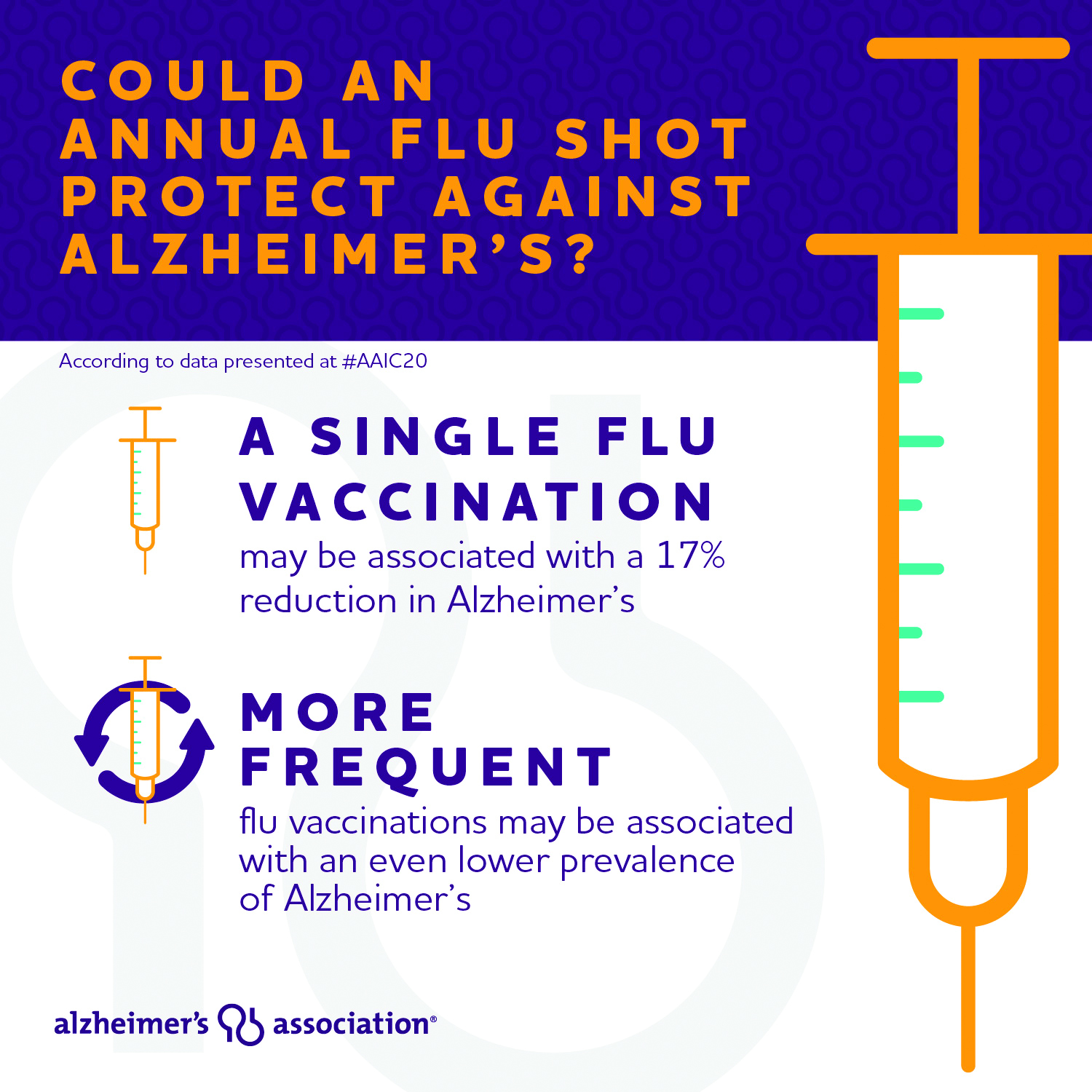
    Flu and Pneumonia Vaccination Tied to Lower Risk of Alzheimer’s

    New research suggests that flu and pneumonia vaccination are associated with a reduced risk of Alzheimer’s. The reports are some of the first large-scale studies investigating the relationship between vaccination and Alzheimer’s risk, highlighting the potential of vaccination as an accessible intervention and supporting further research into the biological mechanisms underlying the observed protective effects of vaccination.

    As we wrap up this unprecedented year, these are just a few milestones reached by the association, in addition to providing uninterrupted and increased services during the crisis by transitioning programs to virtual and telephonic platforms.


    ALZHEIMER’S ASSOCIATION (501(c) 3 nonprofit)
    Online Community: www.alzconnected.org
    Online Education: www.training.alz.org
    Support Groups & Programs: www.alz.org/hawaii
    24/7 HELPLINE: 800-272-3900
    Hawai‘i Office: 808-591-2771

    While in 2020 the world may have felt like it’s been on hold, the threat and devastation of Alzheimer’s disease has not been. Here are four important things we learned about Alzheimer’s disease this year.

  • Dental Caregiving

    Early in my dental career, I was the dental advisor for elder care facilities in Honolulu. The most challenging tasks were demonstrations on dental care. Some patients were extraordinarily combative!

    The combative patient’s teeth are typically not clean — minimal toothbrushing is done. It can be a struggle! Occasionally, though, you may be able to use a proxy-brush (a small Christmas tree-shaped brush) to clean between their teeth. Sometimes, using a thin, wet cloth or gauze around your finger works well in place of a toothbrush.

    Teeth that are very loose should be removed. They may choke and/or aspirate them.

    If the person can still go to the dentist and has cavities, the amount of difficulty and risk while conducting the restorative treatment must be weighed against the amount of discomfort the patient is in. A product we call “Silver Diamond” (silver diamine fluoride) is easy to use and works well in arresting decay. It does turn the decayed area black and may require more than one application.

    If the person you are caring for is cooperative, then do whatever you can to remove the plaque and debris. I admire all of you who are caregivers. You all have hearts of gold.


    DR. PAUL K. TANAKA, DDS
    4747 Kilauea Ave., Ste. 113, Honolulu, HI 96816
    808-737-6229 | office@paultanakadds.com
    www.paultanakadds.com

    Early in my dental career, I was the dental advisor for elder care facilities in Honolulu. The most challenging tasks were demonstrations on dental care. Some patients were extraordinarily combative!

  • For Med Safety, Work With Your Pharmacist

    When medications are not properly administered, the result can be harmful — even fatal. Research indicates there is a vital need for people to manage their medications to avoid adverse drug reactions. This is especially true for our kūpuna.

    According to one study, adverse drug events accounted for 4.5 million visits to outpatient settings and emergency rooms nationally per year. Adults over 65 had the highest adverse drug events rate. The odds of these events increased in proportion to the number of medications taken. Public health officials are especially concerned about older adults who take five or more medications.

    Although Hawai‘i’s kūpuna generally use fewer prescription drugs compared to their counterparts across the nation, they still fill an average of 25.7 prescriptions per year.

    The Hawaii Pharmacists Association (HPhA) and the Honolulu Subarea Health Planning Council (HONSAC) have begun a public education program promoting patient safety in self-administered medications for our kūpuna through locally produced public service announcements that will air statewide. The three new PSAs remind kūpuna to “know” their medications, adhere to all medication guidelines and take advantage of any additional pharmaceutical services that provide healthcare benefits. The campaign empowers kūpuna to work with their pharmacists in preventing harm from self-administered medications.

    “The PSAs serve as a reminder that pharmacists are a resource whom kūpuna can rely on for medication management that must be carefully executed to avoid adverse drug events and other types of patient harm,” said HPhA President Dr. Janelle Siu.

    “For kūpuna, pharmacists are sometimes the most accessible healthcare practitioners, so we want to encourage the kūpuna to feel comfortable in asking their pharmacists questions about their prescriptions, over-the-counter medications, vaccinations or any other services the pharmacy can provide,” said Dr. Wes Sumida, who chairs HONSAC. “We want them to “Ask questions. Get the answers. Age wisely.”


    HAWAII PHARMACISTS ASSOCIATION (501(c) 6 nonprofit)
    PO Box 22954, Honolulu, HI 96823
    hawaiipharm@gmail.com | www.hipharm.org
    View the PSAs: youtu.be/6fv41EH8IdY,
    youtu.be/tdl3jasCStk, youtu.be/Uik7-4yQXAA

    When medications are not properly administered, the result can be harmful — even fatal. Research indicates there is a vital need for people to manage their medications to avoid adverse drug reactions. This is especially true for our kūpuna.

  • Caregivers’ Tips for a Healthy Smile

    Most caregivers know good oral health is important at every age and is a clear indication of their patient’s overall health.
    Some things caregivers should look for are signs of change in the patient’s mouth. Has there been recent tooth loss, discoloration or dryness? Often, seniors may experience those conditions, which affects how they digest their food or indicates other health problems. It’s important to monitor even small changes or signs of discomfort while eating or drinking.
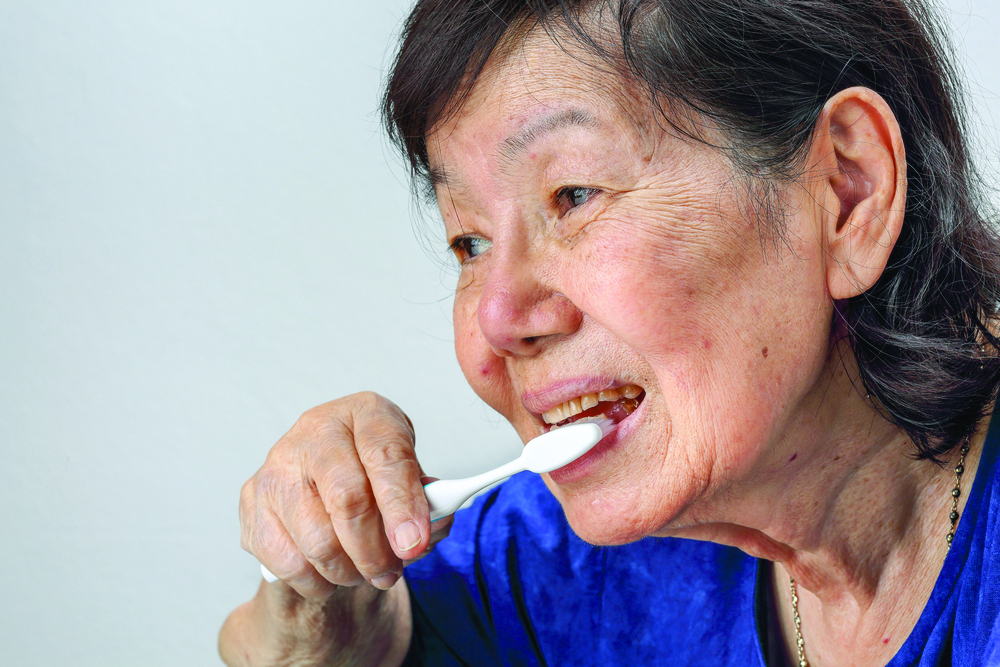
    Caregivers can maintain good oral health for their patients by brushing their teeth twice a day for two minutes and flossing daily. Use special oral health tools to properly brush and floss. Rinse dentures after every meal and brush them with a denture cleaner. Don’t forget to take the dentures out before bedtime and store them in water.

    Nutrition plays a large role in maintaining good oral health at any age; it’s best to limit sugary foods and drinks. Drinking lots of water keeps the teeth and body healthy. Also, don’t forget that seniors still need to see the dentist twice a year for exams and cleanings, even if they have dentures.

    Lastly, I want to say thank you to all caregivers for caring for our kūpuna. You are appreciated and valued. We hope these tips help your patient or loved one live well and smile more.


    HAWAII DENTAL SERVICE
    Kahala Howser, Wellness & Events Manager
    808-521-1431 | khowser@hawaiidentalservice.com
    www.HawaiiDentalService.com

    Most caregivers know good oral health is important at every age and is a clear indication of their patient’s overall health. Some things caregivers should look for are signs of change in the patient’s mouth. Has there been recent tooth loss, discoloration or dryness? Often, seniors may experience those conditions, which affects how they digest…

  • SEED for the Holidays

    The holiday season is a time of joy, but for many, it’s a challenging time as well. When the body holds too much tension and emotional energy, it can affect the immune system, making a person more prone to illness, as well as depression. And while we all want to enjoy this time, if we’re not proactive in taking care of ourselves, we may not feel like celebrating. So here is a word to practice to make this winter more wonderful: SEED, an acronym for stress, exercise, emotions and diet.

    Stress: More than 80 percent of chronic diseases are caused by stress. Learn to manage and reduce stress through proper breathing and meditation.

    Exercise: Deliberately move your body for one minute every hour at least 10 times a day to help make your body stronger and your brain smarter.

    Emotions: Positive emotions are the most powerful vitamins for your mental health. Spend time each day to appreciate yourself, your life and your loved ones. Smiling goes a long way, too.

    Diet: If overeating or making bad choices is challenging for you, stock your fridge with fruits and vegetables, and eat them before you indulge in holiday party food. You’ll eat less and your body will thank you.

    Plant this SEED now and ring in the New Year in better health. Happy holidays!


    KAIMUKI BODY & BRAIN
    3569 Harding Ave #B, Honolulu, HI 96816
    808-738-5522 | www.bodynbrain.com/kaimuki

    The holiday season is a time of joy, but for many, it’s a challenging time as well. When the body holds too much tension and emotional energy, it can affect the immune system, making a person more prone to illness, as well as depression. And while we all want to enjoy this time, if we’re…