Category: Date

  • Create a Legacy: 1031 Exchange

    Imagine living life on your terms, free to focus on family, friends and your passions. Few among us don’t desire to live this way. Passive income streams can help lead you to this reality. There are many ways to begin forming them.

    Baby boomers, in particular, would do well to be thinking about passive income streams. A 1031 is one way of creating a passive income stream.

    A 1031 exchange is a powerful tool used to defer capital gains taxes when selling one investment property and purchasing another. By deferring taxes, one can reinvest their profits into larger and more profitable properties, creating a larger estate for future generations. Additionally, a 1031 exchange allows investors to pass their properties to heirs with minimal tax consequences.

    For mature adults, incorporating a 1031 exchange into a real estate plan can be a key component of legacy planning. Incorporating a 1031 exchange into your real estate plan requires careful planning and execution. With the right guidance and execution, a 1031 exchange can be an effective strategy for achieving your financial goals and planning for your legacy.


    THE COMPLETE SOLUTION™
    Powered by The Ihara Team of Keller Williams Honolulu RB-21303
    1347 Kapiolani Blvd., Ste. 300, Honolulu, HI 96814
    Dan Ihara (RA), CAPS, CLHMS, SRES RS-65892
    808-256-7873
    Julie Ihara (RA), SRES RS- 67440
    808-754-2225 | ihara@iharateam.com
    iharateamhawaii.kw.com

    Imagine living life on your terms, free to focus on family, friends and your passions. Few among us don’t desire to live this way. Passive income streams can help lead you to this reality. There are many ways to begin forming them.

  • Breeze Through the Airport with TSA Cares

    Back view of an airport male employee transporting a disabled female traveler to a plane

    Going through security at the airport is stressful. The lines are long. People around you are losing their minds. Airport air conditioning is way too cold, and when you finally get to the security scanner, TSA officials are shouting confusing directions: “Take your shoes off!” “Pour out that water!”

    But this unavoidable airport experience shouldn’t stop you from traveling. A program called “TSA Cares” is available to anyone who needs assistance, free of charge.

    TSA Cares isn’t picky about what qualifies you for assistance. Here are some example qualifiers:

    • Difficulty standing or waiting in line
    • Difficulty understanding instructions
    • Mobility limitations
    • Use of mobility aids or support devices
    • Internal/external devices that should
    not go through the metal detector
    • Traveling with medically necessary
    liquids over the standard 3.4 oz.

    A passenger support specialist will meet you before security and guide you through.

    To use this program, you or a loved one can call 855-787-2227 up to 72 hours before a flight, or go to request assistance. TSA Cares will take care of the rest.

    Requesting this assistance is a great way to prevent airport stress and ensure you get off island.


    MANOA COTTAGE KAIMUKI
    748 Olokele Ave., Honolulu, HI 96816
    808-800-4089 | info@manoacottage.com
    manoacottage.com

    Going through security at the airport is stressful. The lines are long. People around you are losing their minds. Airport air conditioning is way too cold, and when you finally get to the security scanner, TSA officials are shouting confusing directions: “Take your shoes off!” “Pour out that water!”

  • Crazy Little Thing Called Love!

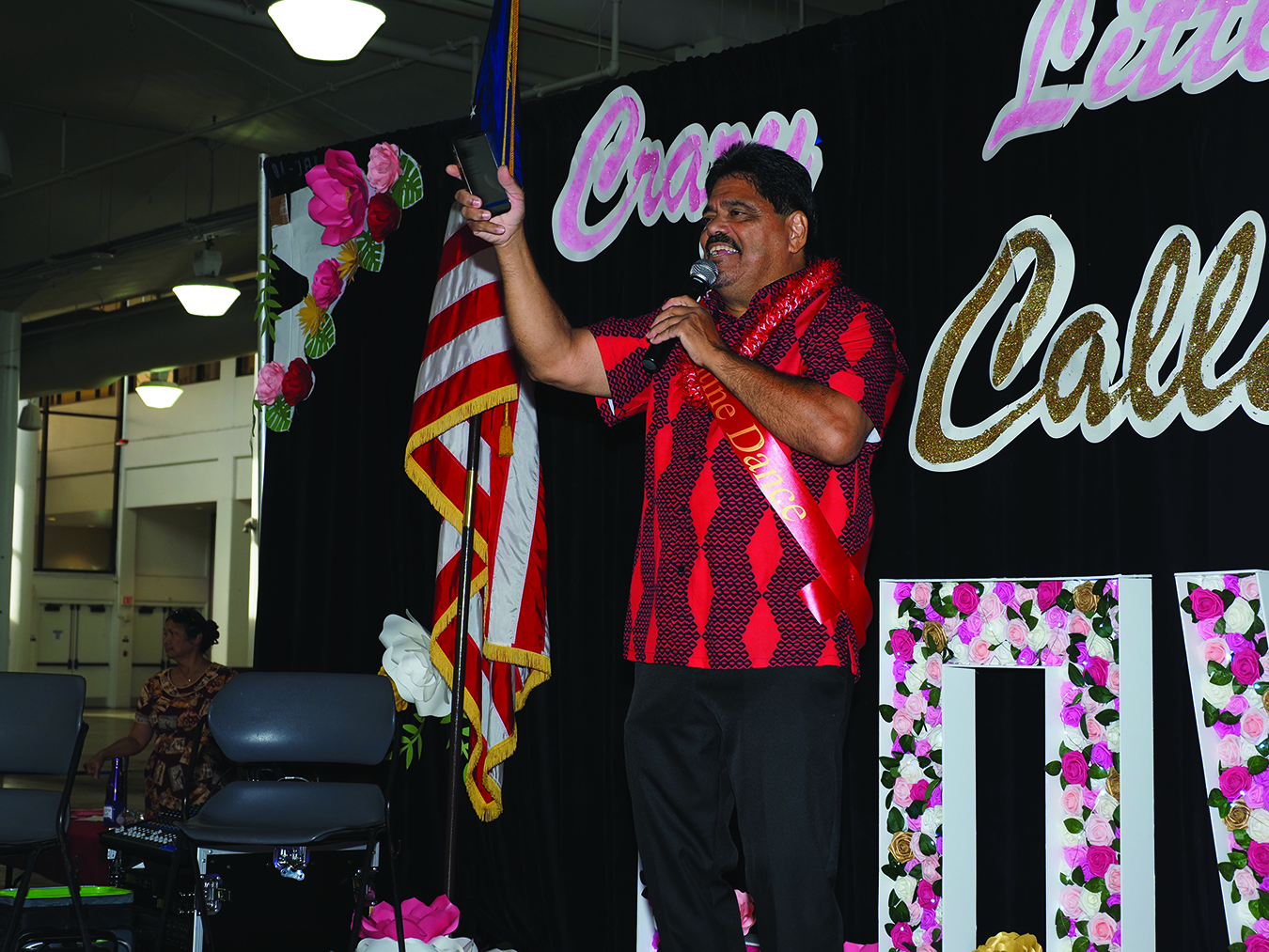
    Hearts were racing, booties were shaking and the music kept playing! Smiles and laughter donned the floor. It was hard to resist just getting caught up and joining in the fun.

    The city and county’s Department of Parks and Recreation (DPR) Senior Citizens Program made a splash this year hosting an annual event Valentines Day dance titled Crazy Little Thing Called Love. Sponsored by Bank of Hawaii and DPR. Music by the Royal Hawaiian Band. 850 hearts (people) attended!

    Local celebrities: comedians, singers, newscasters, HPD, HFD, even the mayor were paired up with seniors. Volunteered MC, Rodney Villanueva, was tantalizing, witty and humorous. This is certainly an even to look forward to next year again, 2024!


    CITY AND COUNTY OF HONOLULU
    DEPT. OF PARKS & RECREATION
    1541 Kalākaua Ave., Honolulu, HI 96813
    808-768-6895 | honolulu.gov/parks
    DPRseniorcitizens@honolulu.gov

    The city and county’s Department of Parks and Recreation (DPR) Senior Citizens Program made a splash this year hosting an annual event Valentines Day dance titled Crazy Little Thing Called Love. Sponsored by Bank of Hawaii and DPR. Music by the Royal Hawaiian Band. 850 hearts (people) attended!

  • Can You Trust Wristband Health Readings?

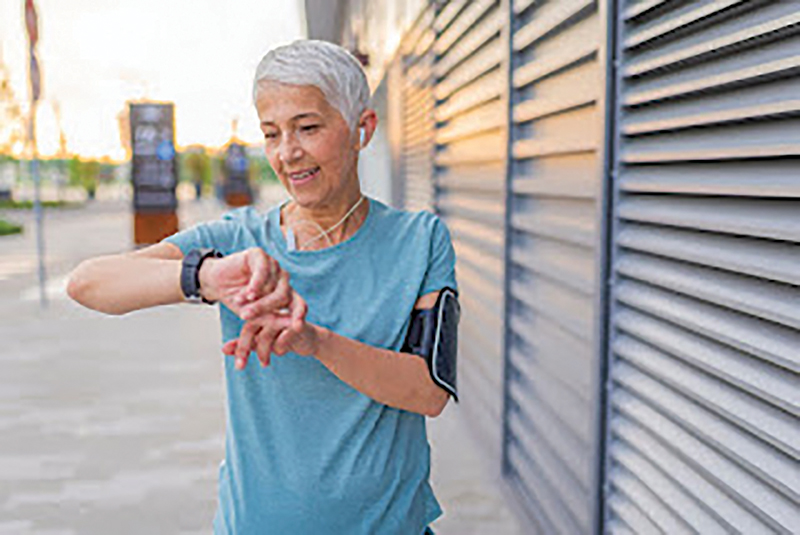
    wristband health technologyRapid advances in healthcare technology allow many older adults to monitor their vital signs with a glance at their wrist. But is the wristband health technology accurate?

    You’ve probably seen or heard of the multitude of health monitors you can strap on your wrist. And you might assume that they have passed testing to show that they are accurate and reliable. Well, think again.

    Most wrist-worn health monitoring products that come on the market are not approved by the FDA. For example, Fitbit, Samsung and Apple devices all detect blood oxygen levels. However, none of them tie those readings to any medical conditions, so they did not need clearance from the agency before they were made available to consumers.

    FDA Approved

    There is one outlier. The Withings ScanWatch, which scans for abnormal heart rhythms via an EKG feature and also warns about breathing issues during sleep with a blood oxygen sensor, is the first unit to garner FDA approval on both features. The ScanWatch monitors blood oxygen levels, heart rate and movement to flag breathing problems that could indicate chronic obstructive pulmonary disease or sleep apnea, according to a company spokesman.

    A study of the pulse oxygen feature was published in the Journal of Medical Internet Research and found that readings from the smartwatch and a standard pulse oximeter were virtually the same. An ongoing trial is evaluating whether or not the ScanWatch can accurately diagnose sleep apnea. Fitbit and Apple are working on similar products.

    Sleep experts see the smartwatch as a potential means to diagnose sleep apnea at an early stage; the condition often goes undiagnosed. However, experts are cautious since doctors normally use other measurements in combination with those indicated by the watch to make a final diagnosis.

    How Do Wearables Work?

    Smartwatches shine a broad-spectrum LED onto the user’s skin and evaluate changes in the light that is reflected back. Some sensors in development use several discrete laser outputs from a single chip, enabling assessments of a variety of biometric markers including those in blood, interstitial fluids and different layers of skin.

    As time goes on, you can expect wearables with a greater variety of health measurements and increased accuracy. But before you buy, make sure to do your homework and check how accurate the data is.

    Hot Tip: Place your fitness tracker in a pocket near your hip for a more accurate step count. If you must wear it on an arm or hold it, use your non-dominant side.


    SCSA (Society of Certified Senior Advisors)
    The SCSA educates and supports specialists in aging dedicated to improving lives of older adults.
    1-800-653-1875 | csa.us
    Sources:
    scmp.com/lifestyle/gadgets/article/3132243/apple-watch-monitor-blood-pressure-blood-sugar-and-alcohol-levels
    modernhealthcare.com/technology/fda-approves-blood-oxygen-and-ecg-monitoring-smartwatch
    ncbi.nlm.nih.gov/pmc/articles/PMC7055753/theverge.com/2021/10/12/22722333/withings-fda-clearance-blood-oxygen-heart-rhythm
    techradar.com/news/no-the-next-apple-watch-wont-measure-blood-glucose-and-alcohol
    health.harvard.edu/heart-health/how-accurate-are-wearable-heart-rate-monitors

    Rapid advances in healthcare technology allow many older adults to monitor their vital signs with a glance at their wrist. But is the wristband health technology accurate? You’ve probably seen the multitude of health monitors you can strap on your wrist. And you assume that they have passed testing to show that they are accurate…

  • Lifelong Learning in Hawai‘i

    The population structure in the U.S. is rapidly changing. Increased life expectancy, strong immigration and a fertility rate of presently 1.64 children per woman — higher than in other developed countries — will cause a population increase from 336 million (2023) to 373 million (2053). The population ages 60 and older will experience the strongest growth, and their share in the total population is expected to increase from 12 percent (1950) to 28 percent (2050). These developments are also visible in Hawai‘i. Estimates suggest that more than a quarter of the population in the state will be aged 60+ by 2030.

    These demographic developments create new societal challenges, such as for retirement and healthcare systems, but education in older age has the potential to transform such challenges into opportunities. A 2019 study by Xu et al. in JAMA Neurology found lifelong learning and engagement in cognitive training to be one of the most significant modifiable factors in reducing the risk of dementia and depression. Also other research suggests that learning provides numerous benefits for kūpuna with respect to cognitive functioning, overall well-being and health, self-confidence and social inclusion.

    Although learning in old age benefits society and the individual, enrollment data indicate that traditionally older adults have been underrepresented in organized education. Nevertheless, mature adults in our community can choose from a rich assortment of educational programs and providers, including the following:

    Osher Lifelong Learning Institutes: As one of the 125 OLLIs in the United States, the OLLI at the University of Hawai’i at Mānoa (OLLI-UHM) is a membership-based educational program that offers mature adults aged 50+ a wide array  of non-credit college-level courses, workshops, lectures and other events that enrich the mind and foster a community of learners. Classes are held at the UH Mānoa campus or online via Zoom and include topics such as arts, music, history, politics, health and mindfulness. Membership ($75 per term, $50 for new members) is open to all interested kūpuna and entitles individuals to enroll in 3+ courses per term.

    University of Hawai‘i: At multiple campuses (e.g., UH Mānoa, Windward Community College, Kauai Community College), kūpuna can take university classes free of charge through their Senior Citizen Visitor Programs (SCVPs). While the various SCVPs can differ in their administration, they typically do not require formal educational degrees and grant course access on a space available basis with prior registration and faculty approval.

    Outreach College: At UH Mānoa offers a diverse array of non-credit and credit courses to help participants of all age groups pursue personal growth and  professional development.

    Department of Parks and Recreation’s Senior Citizens Program: With 32 locations on O‘ahu, these programs strives to improve the quality of life of kūpuna in the community through various activities, such as business meetings, speakers, community service, excursions and luncheons.

    Front Porch’s Well Connected: For kūpuna over the age of 60 who want to take classes from the comfort of their home, this national non-profit organization program provides an array of educational programs in person and online.


    HAWAII PACIFIC GERONTOLOGICAL SOCIETY
    (501(c) 3 nonprofit)
    PO Box 3714, Honolulu, HI 96812
    Sherry Goya, HPGS Executive Director
    808-722-8487 | Sgoyallc@Aol.com
    hpgs.org

    The population structure in the U.S. is rapidly changing. Increased life expectancy, strong immigration and a fertility rate of presently 1.64 children per woman — higher than in other developed countries — will cause a population increase from 336 million (2023) to 373 million (2053). The population ages 60 and older will experience the strongest…

  • Grief & Bereavement — Part V

    Clients who start the estate planning process do so with the knowledge that they will die one day. This death awareness comes with some degree of death anxiety, as  well as anticipatory grief.

    Clients may also have preconceived notions about lawyers; they may be concerned about cost. They may be unsure of what estate planning is and how to go about it. They are entering a legal environment that is unfamiliar to them. All of these factors create stress, anxiety and fear.

    But in order for clients to be able to consider important matters — quality of life questions, exploring family relationships and establishing the plan to coordinate their assets with this understanding — clients must be as relaxed and calm as possible. Estate planning attorneys must not only create a physical environment conducive to this process, but we must also maintain a level of calm and comfort, so that the client can continue to give concentrated thought and effort to this task at hand. We must do our best in our interviewing, counseling and facilitating so as not to inadvertently and unnecessarily arouse defensiveness in a client.

    As attorneys, we serve as counselors for our grieving clients to guide each of them through grief as they adapt to the loss and facilitate reentering into life in a meaningful way. But we are not therapists who need to delve into deep-seated issues, neuroses, psychosis, dysfunctions or pathologies in order to fix someone or something. As counselors, we want to address our clients’ daily concerns and issues. In Drs. Darcy Harris and Howard Winokuer’s “Principles and Practice of Grief Counseling,” they suggest that as counselors, we want to do the following:

    • Help clients gain insight and perspective on their situation, behavior, emotions and relationships.
    • Provide a safe place for clients to express feelings and clarify their thoughts.
    • Offer a context for clients’ experiences within a broader perspective (e.g., within a family context, social and political structures, existential viewpoint).
    • Enhance the development of clients’ skills in dealing with painful and distressing situations.
    • Empower clients to become their own best advocates.
    • Facilitate clients’ process of finding and making meaning in their experiences.


    STEPHEN B. YIM, ATTORNEY AT LAW
    2054 S. Beretania St., Honolulu, HI 96826
    808-524-0251 | stephenyimestateplanning.com

    Clients who start the estate planning process do so with the knowledge that they will die one day. This death awareness comes with some degree of death anxiety, as  well as anticipatory grief.

  • Hiring Strangers as Caregivers

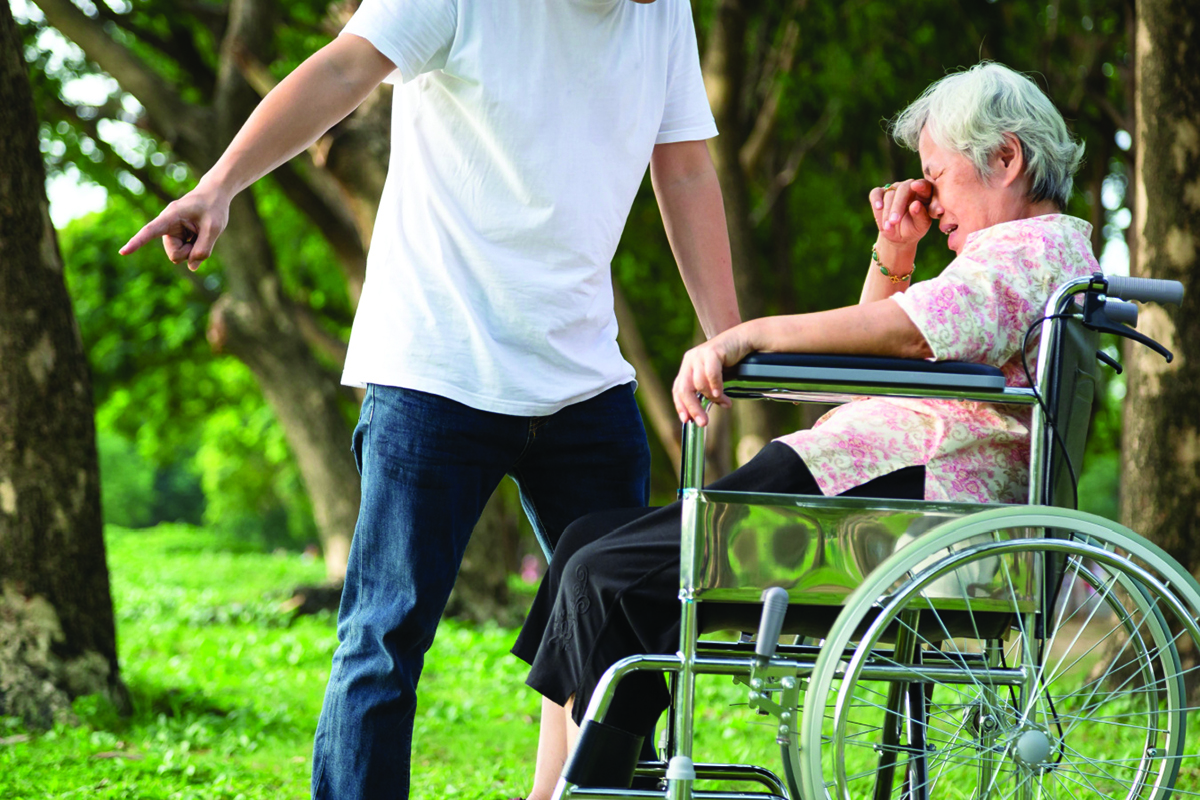
    When Hiroko hired a healthcare agency to assist her in caring for her husband, she trusted that the company would provide her with caregivers who were responsible and professional. Unfortunately, this agency sent a “caregiver” who helped herself to Hiroko’s jewelry. This is only one of many cases of caregiver abuse handled by the Office of the Prosecuting Attorney, but it highlights the need for people to become aware of the risks involved when hiring a stranger as a caregiver.

    These are the two agencies that can be contacted to see if any complaints have been made against a licensed care provider service are:

    1) The Better Business Bureau: 808-536-6956
    2) The Consumer Resource Center: 808-587-3222

    Also, seek recommendations from friends who have already gone through the process of finding somebody.

    Things to consider when hiring:

    • Ask the healthcare agency about their workers’ training and experience

    • What kind of coverage does their insurance provide in case there are accidents in the home?

    • What kind of experience do they have in providing the specific care you need for your loved one?

    • What background checks have been done? And what are their rules about the caregivers accepting gifts from their patients?

    Our office has received many complaints over the years about caregivers receiving thousands of dollars in “gifts” and “loans” from their patients. Is there a policy regarding this?

    The above questions may seem too probing to ask, but you must remember, a stranger is going to be entering your home. It is a lot better to know than assume they are the caregivers you envisioned them to be.

    Even when hiring a caregiver outside an agency, it is wise to ask the above questions, as well. Keep in mind that any caregiver is an employee — they are not a family friend or a relative. Problems can arise when employees think of themselves as your pal. They may be more likely to take advantage of you or the family member in need of care.


    If you suspect elder abuse, call these numbers:
    Police: 911 | Adult Protective Services: 808-832-5115
    Elder Abuse Unit: 808-768-7536
    For questions, email ElderAbuse@honolulu.gov

    When Hiroko hired a healthcare agency to assist her in caring for her husband, she trusted that the company would provide her with caregivers who were responsible and professional. Unfortunately, this agency sent a “caregiver” who helped herself to Hiroko’s jewelry. This is only one of many cases of caregiver abuse handled by the Office…

  • Starting Your Estate Planning Journey

    The first steps in your estate planning journey are learning 1) how to stay in control of your stuff while you are able to be in control and 2) how to make sure your wishes are carried out when incapacity or the grim reaper catch up with you. Sorry to rub it in, but there is a 100% probability that at least one of these things is going to happen to you and a 70% probability that both of them will.

    Your estate plan should reflect your choices about such things as the kind of healthcare you will receive throughout your life, as well as who will enjoy your stuff when you are done with it. The only way to make effective choices about these things is to learn what your choices are.

    Choices, Changes & Flexibility

    This is a lifelong challenge, because your choices will change as your circumstances change. Your health is going to change — so will your assets, your comfort with your list of designated decision-makers and the laws that affect your estate plan. As things change, you will need to stay on top of the choices you can make in order to be confident that your wishes will be followed at every phase of your life — and beyond.

    The Sooner the Better

    Let’s say you are thinking about going on an adventure. Where do you want to go? How do you want to get there? Are there any better destinations you might want to consider? Is there a better means of getting you there than the one you originally chose?

    The only way to know the answers to these questions is to do some research, talk with people who have taken similar trips and better yet, talk with folks who have helped lots of people take all kinds of journeys. It’s kind of like asking for directions.

    While I have never regretted asking for directions, I have regretted waiting too long to do so. The sooner you learn about your estate planning options, the sooner you can implement ways to head off problems that are headed your way, even though you don’t know exactly what they are or when they will arrive.


    SCOTT MAKUAKANE, Counselor at Law
    Focusing exclusively on estate planning and trust law.
    808-587-8227 | maku@est8planning.com
    est8planning.com

    The first steps in your estate planning journey are learning 1) how to stay in control of your stuff while you are able to be in control and 2) how to make sure your wishes are carried out when incapacity or the grim reaper catch up with you. Sorry to rub it in, but there…

  • Out-of-Pocket Healthcare Costs

    The number of infants born in the US jumped significantly after World War II and continued to increase through the mid-1960s. Social scientists believe it was the result of the thousands of WWII veterans returning home to a booming economy and GI Bill benefits that provided access to home ownership, encouraging them to marry and start families. These infants born between 1946 and 1964 are known as baby boomers.

    The oldest boomers are well past age 65 and those born at the end of the range will be there soon. According to the most recent US census, the Medicare population is expected to double, along with the number of people drawing Social Security benefits and qualifying for Medicare insurance. Healthcare costs may also increase for approximately 63 million existing Medicare beneficiaries and those “aging in,” as they experience the aging process and health issues that are likely to develop.

    Little has been written about how unprepared boomers are as they find themselves living longer and working past age 65. Unlike the prior generation, boomers must sometimes navigate the post-65 Medicare enrollment process and deal with episodes of illness that can strike unexpectedly. Many boomers are also unprepared for the cost of healthcare premiums and out-of-pocket costs for certain procedures, prescription drugs and non-covered medical expenses.

    In 2023, the standard Medicare Part B premium is $164.90 per month. Unless another entity pays the premium, Medicare beneficiaries must pay as long as they have Medicare Part B. Some Medicare beneficiaries pick up a Medicare Advantage, prescription drug or Medigap plan (Medicare Supplemental Insurance) at an additional ongoing cost. According to Fidelity Investments, the average 65-year-old couple retiring today can expect to pay $275,000 in out-of-pocket health expenses in their lifetimes. At a minimum, boomers need to ask their financial advisors how they will cover these costs in retirement and plan ahead. Boomers need to acknowledge that with longevity comes the need to set aside funds to cover out-of-pocket healthcare costs to stay on track for a healthy and happy retirement.


    GET2INSURANCE.COM FAMILY OFFICE
    1003 Bishop St., Ste. 2700, Honolulu, HI 96813
    800-226-3660 | martha@get2insurance.com
    Get2insurance.com

    The number of infants born in the US jumped significantly after World War II and continued to increase through the mid-1960s. Social scientists believe it was the result of the thousands of WWII veterans returning home to a booming economy and GI Bill benefits that provided access to home ownership, encouraging them to marry and…

  • Tips for Transitioning Into Retirement

    Retirement marks the end of a chapter in your career and the start of a new lifestyle. This unique transition can bring a myriad of emotions, most commonly, excitement and apprehension. If you’re pondering retiring in the next year or so, here are five tips to help you transition smoothly.

    1) Know the transition could take weeks — or even months. You likely spent decades forming a routine around your work schedule. Establishing your new normal of volunteer work, an encore career or helping family will take time. If you are married, remember that your retired status may affect your spouse’s routine, too. Talk openly about how you’re feeling during the transition to keep your spouse in the loop.

    2) Communicate your retirement plans with family members. Your parents, kids or other family members will likely be interested in how you intend to spend your retirement days. Will you be visiting the grandkids more often? Will you continue to host family get-togethers? Are you planning to move or purchase a retirement home? As you share your plans, don’t forget to discuss your financial picture. The benefits of open communication are three-fold:

    • It reassures your kids that you’re financially prepared;

    • allows you to introduce or remind your family of your estate and legacy plans;

    • and establishes a safe space for both sides to discuss potentially challenging financial topics.

    3) Maintain healthy habits. Staying diligent with the activities that help you feel your best is important as you shift into retirement. Prioritize eating healthy, sleeping well, staying fit and maintaining friendships in your new routine.

    4) Evaluate your finances. Prior to retirement, you likely outlined how you will manage your cash flow. (If not, today is the day to put a plan in place!) As you enter  retirement, review your expenses to ensure they’re aligned with your plan. It’s common to revise your spending and activities after experiencing the first few weeks away from your primary job, so it’s okay if you need to adjust how much you withdraw from your accounts each month. If you want to increase your spending, calculate what that means for your later retirement years, as you don’t want your savings to come up short. Consult a financial advisor for guidance on how to make your money last while living the lifestyle you desire.

    5) Reset your attitude. Retirement is not the ultimate finish line. Experiencing a lot of emotions is common, but try to focus on what you’re excited about in this next chapter. And remember, you’re not alone. Talk to friends, family and professionals in your life for support along the way.


    MICHAEL W. K. YEE, CFP,® CFS,® CLTC, CRPC®
    1585 Kapiolani Blvd., Ste. 1100, Honolulu, HI 96814
    808-952-1240 | michael.w.yee@ampf.com
    ameripriseadvisors.com/michael.w.yee
    Michael W. K. Yee, CFP®, CFS®, CLTC, CRPC ®, is a Private Wealth Advisor, Certified Financial Planner ™ practitioner, with Ameriprise Financial Services, LLC. in Honolulu, HI. He specializes in fee-based financial planning and asset management strategies and has been in practice for 38 years. Investment advisory products and services are made available through Ameriprise Financial Services, LLC, a registered investment adviser. Investment products are not insured by the FDIC, NCUA or any federal agency, are not deposits or obligations of, or guaranteed by any financial institution, and involve investment risks including possible loss of principal and fluctuation in value. Ameriprise Financial Services, LLC. Member FINRA and SIPC.© 2023 Ameriprise Financial, Inc. All rights reserved.


    Retirement marks the end of a chapter in your career and the start of a new lifestyle. This unique transition can bring a myriad of emotions, most commonly, excitement and apprehension. If you’re pondering retiring in the next year or so, here are five tips to help you transition smoothly.

  • Getting Ahead of Incapacity

    Many of us go through life believing everything will go according to plan. However, as the saying goes, even the best-laid plans go astray. So, to avoid unnecessary interruptions later in life that can be both financially and emotionally costly, it is wise to plan now for the possibility of incapacity.

    Incapacity can come in several forms, and it can occur suddenly or gradually over a period of time. Some of the negative impacts of incapacity — especially dealing with finances and health-care decision-making — can be avoided by having your estate plans prepared in advance. Planning for incapacity can include things like having all the appropriate estate planning documents (e.g.,durable power of attorney, advance healthcare directive, will and/or trust) drafted and executed. However, each person is different, so you should consult with an estate planning attorney to provide guidance and explain the documents you will need to be best prepared in the event of incapacity.

    In addition to estate planning documents, it can be very helpful that you prepare others, such as family and friends, for the possibility of incapacity. Having a frank conservation with them about your wishes and directions can limit the emotional impact and provide clarity about your estate plan.


    CSI TRUST COMPANY (501(c) 3 nonprofit)
    1001 Bishop St., Ste. 2305, Honolulu, HI 96813
    808-538-0353 | csitrustcompany.org

    Many of us go through life believing everything will go according to plan. However, as the saying goes, even the best-laid plans go astray. So, to avoid unnecessary interruptions later in life that can be both financially and emotionally costly, it is wise to plan now for the possibility of incapacity.