Category: Date

  • Healthy Teeth and Gums at Every Age

    September is National Gum Care Month—a great reminder for kūpuna to care for their oral health and protect their smiles. As we age, maintaining healthy gums becomes even more important to overall well-being. One common concern is gum disease, also called periodontal disease, which affects nearly 60% of adults over age 65.

    Often caused by poor brushing and flossing habits, gum disease can lead to tooth loss and increase the risk of other health problems if left untreated. It is fortunate that it’s both preventable and treatable, especially when caught early.

    Early signs include red or swollen gums, tenderness, bleeding, bad breath, painful chewing and receding gums. These symptoms may seem small but can lead to serious problems.

    To keep your gums healthy, brush twice a day with fluoride toothpaste and floss daily. Regular dental visits are also important, especially if you notice changes. Your dentist may recommend a deep cleaning, such as scaling and root planing, or surgery.

    Caring for your gums is a lifelong habit. This September, make oral health a priority and keep your smile strong for years to come.

    HAWAII DENTAL SERVICE
    Dr. Vinh Tran, DDS, Dental Director
    808-529-9213
    vinh.tran@hawaiidentalservice.com
    HawaiiDentalService.com

    September is National Gum Care Month—a great reminder for kūpuna to care for their oral health and protect their smiles. As we age, maintaining healthy gums becomes even more important to overall well-being. One common concern is gum disease, also called periodontal disease, which affects nearly 60% of adults over age 65. Often caused by…

  • Think Pink in October

    The pink ribbons and pink merchandise at retail stores mean it is National Breast Cancer Awareness Month, commemorated annually in October. Think Pink is a campaign for prevention, perseverance in finding a cure and the possibilities for surviving breast cancer.

    According to the National Cancer Institute, 1 in 8 women and 1 in 800 men in America will develop breast cancer. Yes, men are susceptible, too. Breast cancer is the second most diagnosed cancer in the US, and No. 1 in Hawai‘i. Although diagnosis rates are high, death rates have significantly decreased.

    The best way to increase your chance of survival is to detect cancer early. Getting tested according to your doctor’s recommendations is so important. If you are due or overdue for a mammogram, please call your doctor’s office today! Many insurance plans do not charge a copayment for mammograms. And if copay amounts are a concern, most hospitals will work with patients to provide financial assistance or a payment plan.

    In between machine screenings, everyone can benefit from self-exams. If at any time you see or feel anything unusual or suspicious, contact your doctor.

    Do it for yourself and the ones you love.

    ALOHACARE
    1357 Kapiolani Blvd., Ste. G101, Honolulu, HI 96814
    808-973-0712 | toll free 1-877-973-0712
    kreid@alohacare.org | alohacare.org

    The pink ribbons and pink merchandise at retail stores mean it is National Breast Cancer Awareness Month, commemorated annually in October. Think Pink is a campaign for prevention, perseverance in finding a cure and the possibilities for surviving breast cancer. According to the National Cancer Institute, 1 in 8 women and 1 in 800 men…

  • Ready, Aim, Fun!

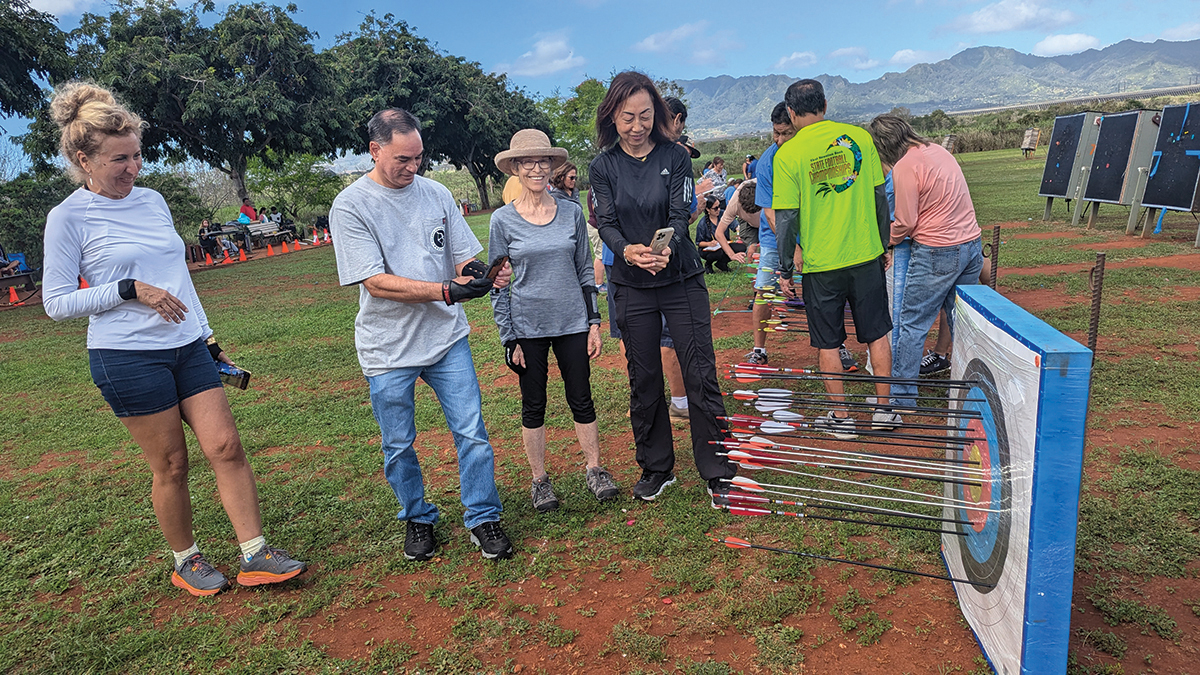
    Archery, the sport of kings, is finding its way into our city parks. The City and County of Honolulu Department of Parks and Recreation has introduced archery into its programs. Many participants say they first shot a bow and arrow at a summer camp. Then they grew up and found other interests. With cartoons and TV series recently including the sport, archery interest has resurged.

    City and County of Honolulu Parks and Recreation programs are open to people of all ages. But the group seeing the most growth is ku¯ puna. It is never too late to recreate and archery is a sport in which they can shine!

    Archery is one of the few sports in which men and women compete together at a venue. In our program, men and women shoot side by side at the range.

    It is both a social sport and a “private” sport. You can enjoy the camaraderie of all the other archers, laughing and talking between shots, or you can find your “Zen” space and use it as a contemplative time. Our island seniors have found both. We may have a wife talking to her archery friends between shots while her husband finds his relaxation drilling holes in a gold circle.

    Archery equipment is not extremely expensive for a beginner. It costs way less than a set of golf clubs and the range is free.

    Archery is also not difficult to start. Equipment can be borrowed from the recreation center; you will buy your own as you get into the sport.

    The strength needed to pull the string is adjusted to your physical capability. As you develop your muscles, you will move up to better equipment. But many archers use the same bow for a long time. The arrows, of course, are reusable.

    Your biggest competition is yourself. You can shoot for fun and relaxation or you can shoot for higher scores. So, get up, get out and join other senior citizens in our programs who are re-finding the sport of archery!

    Clear your mind and sharpen your focus! Call your local park to find the nearest class.

    CITY & COUNTY OF HONOLULU DEPT. OF PARKS & RECREATION, RECREATION SUPPORT SERVICES
    1000 Uluohia St., Kapolei HI, 96707
    808-768-3045 | ssantiago@honolulu.gov
    honolulu.gov/dpr

    Archery, the sport of kings, is finding its way into our city parks. The City and County of Honolulu Department of Parks and Recreation has introduced archery into its programs. Many participants say they first shot a bow and arrow at a summer camp. Then they grew up and found other interests. With cartoons and…

  • How Pickleball Changed My Life

    We don’t always know what’s missing until it shows up in our lives. For these three women, that “something” was a game called “pickleball.”

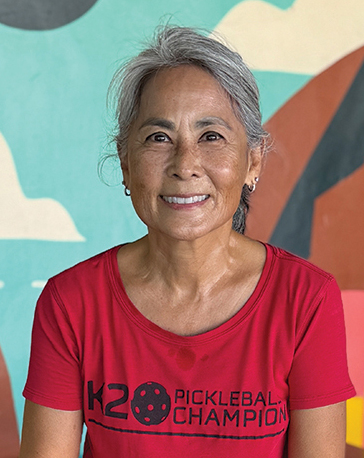
    For Lori Tokutomi, the discovery came in her late 50s. “Someone mentioned it at a gym, so I just showed up,” she says. “They told me to get on the court, explained the rules as we went—and that was it. I was addicted.”

    After that first day, she played every day she could, even driving 30 minutes across the Bay Area to find games. Now in her 60s, she still plays regularly and calls it her go-to for fun, fitness and stress relief. “It’s the perfect sport for any age. Easy to start and you don’t have to be the best to enjoy it.”

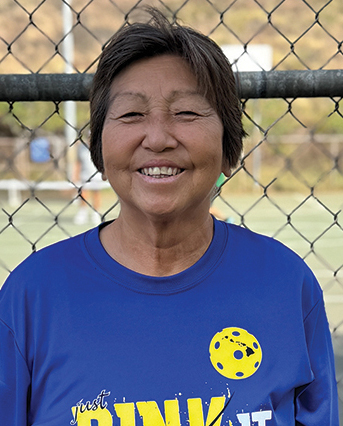
    At 61, Susan Seki discovered pickleball with her husband just before the pandemic. “We borrowed paddles at the rec center, played once—and immediately bought our own.”

    The couple now plays four to five times a week. “Pickleball is everything now. We drop everything to go play.” She didn’t expect to fall in love with the sport—or the friendships. “We’ve made so many new friends and I’m going to know these people for a long time.”

    A colon cancer survivor, Susan also credits pickleball with helping her stay healthy. “At my last cardiology appointment, I kept going and going on the treadmill. The nurse finally told me to stop—and the doctor accused me of showing off!” she laughs.

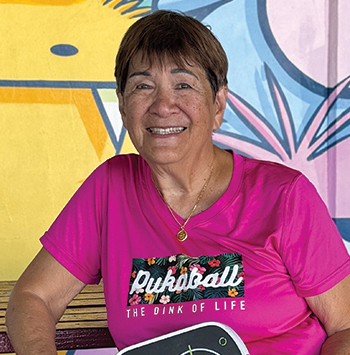
    Rachel Haili discovered pickleball in her 70s, soon after retiring from her Hawaiian
    catering and entertainment business of over 40 years. She found herself missing the daily interactions with staff and customers. Pickleball filled that gap—combining movement with social connection. “You meet new people from all over and all different parts of the island,” she says. She plays several times a week and complements it with yoga, tai chi and weight training. Her advice: “I say, just go out and try.”

    Each woman picked up a paddle at a different stage in life. What they found wasn’t just a game—it was movement, meaning and community in one beautiful surprise.

    Personal growth is always within reach. It’s never too late to discover something new and realize it’s exactly what you’ve been missing.

    HAWAII PICKLEBALL MAGAZINE
    P.O. Box 61514, Honolulu, HI 96839
    jen@hawaiipickleballmagazine.com
    hawaiipickleballmagazine.com

    We don’t always know what’s missing until it shows up in our lives. For these three women, that “something” was a game called “pickleball.” For Lori Tokutomi, the discovery came in her late 50s. “Someone mentioned it at a gym, so I just showed up,” she says. “They told me to get on the court,…

  • Gram’s Portuguese Bean Soup

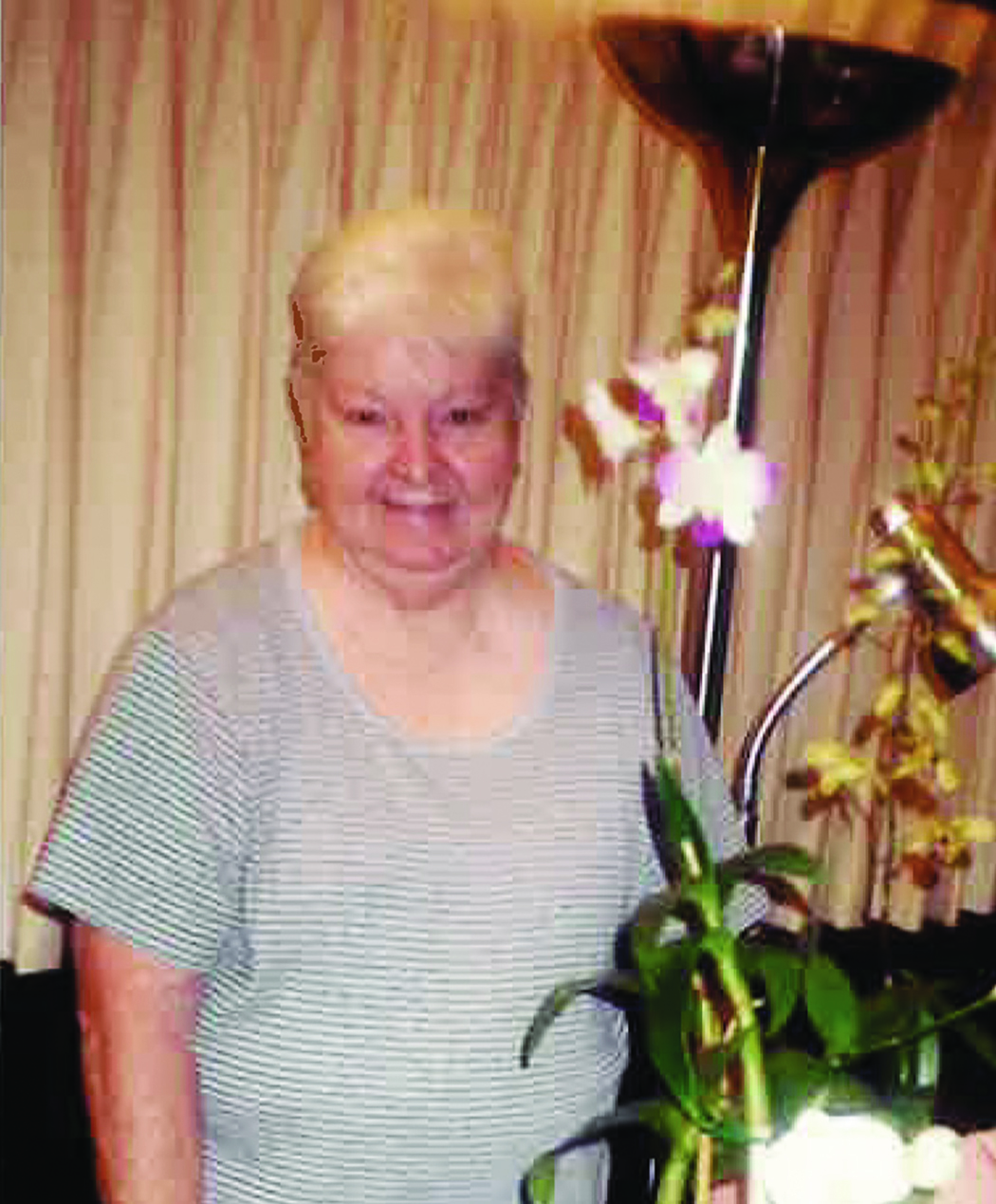
    The Portuguese Bean Soup recipe my family has made for generations was never actually written down until my niece, Nadine, asked my mother for it. My mom, Vivian, would make a huge pot for parties or mainland visitors. The soup was prepped early in the morning and simmered on the stove well into the evening. To this day, the smell of the simmering soup always brings me back to the days when I was young, playing in the yard with the aroma in the air.

    In memory of Vivian August (2004)

    Ingredients

    2 lbs. red kidney beans (dry)
    3 links Portuguese sausage
    1 pkg. ham hocks
    2 large onions, chopped
    3 15 oz. cans tomato sauce
    salt & pepper to taste
    chili pepper flakes to taste
    2 bunches watercress cut into 1-inch pieces or… 1 head cabbage, chopped

    Directions

    Put beans in pot and rinse them well. Pick out any debris (little stones).

    Add water to 3 inches above the beans. Add sausage, ham hocks, onions, watercress (preferred) or cabbage and tomato sauce, and salt, pepper and chili pepper to taste.

    Bring to a heavy boil, then cover pot, lower heat and simmer for 5 or 6 hours.

    After 2 hours, taste to see that it has enough tomato sauce. Add a small can of tomato sauce if you think it needs more.

    After 5 or 6 hours, remove bones from ham hocks and cut up sausage into small pieces. Make rice. Put a large scoop of rice in a bowl and pour a healthy ladle of soup over the rice.

    Prep & cook time: 6–7 hours

    Serves: 15–20 medium bowls

    Do you have a favorite recipe and story to share? For consideration in the next issue, include a photo and mail them to Generations Recipe, PO Box 4213, Honolulu, HI 96812, or email them to Cynthia@generations808.com.

    The Portuguese Bean Soup recipe my family has made for generations was never actually written down until my niece, Nadine, asked my mother for it. My mom, Vivian, would make a huge pot for parties or mainland visitors. The soup was prepped early in the morning and simmered on the stove well into the evening.…

  • Celebrating the Portuguese Culture

    Since more than 1,500 years ago, Kānaka Maoli (Native Hawaiians) have welcomed immigrants from every corner of the globe, cultivating and perpetuating a tapestry of diverse cultures. In the fifth article in this ongoing series on the many cultures that comprise Hawai‘i, we will focus on the Portuguese, how the people arrived in the Hawaiian Islands, the culture and a few widely celebrated observances, with a focus on Festa and celebrating construction of the new Portuguese Cultural Center on O‘ahu.

    Portuguese Arrival in Hawai‘i

    With the rapid growth of Hawai‘i’s economy in the mid 1800s came the demand for more sugarcane plantation workers. In 1876, Portuguese Consul and Hawai‘i settler Jason Perry (Jacinto Pereira) suggested plantation owners could source workers from the Madeira and Azores islands of Portugal. Both regions were similar in climate to Hawai‘i. Sugarcane was a staple in these areas of Portugal for hundreds of years, so the inhabitants were knowledgeable about the industry. So in 1878, about 400 Portuguese migrants began settling in Hawai‘i. By 1911, the population quadrupled. Today, there are about 45,500 Portuguese descendants in Hawai‘i—3.14% of the population.

    Culture and Tradition

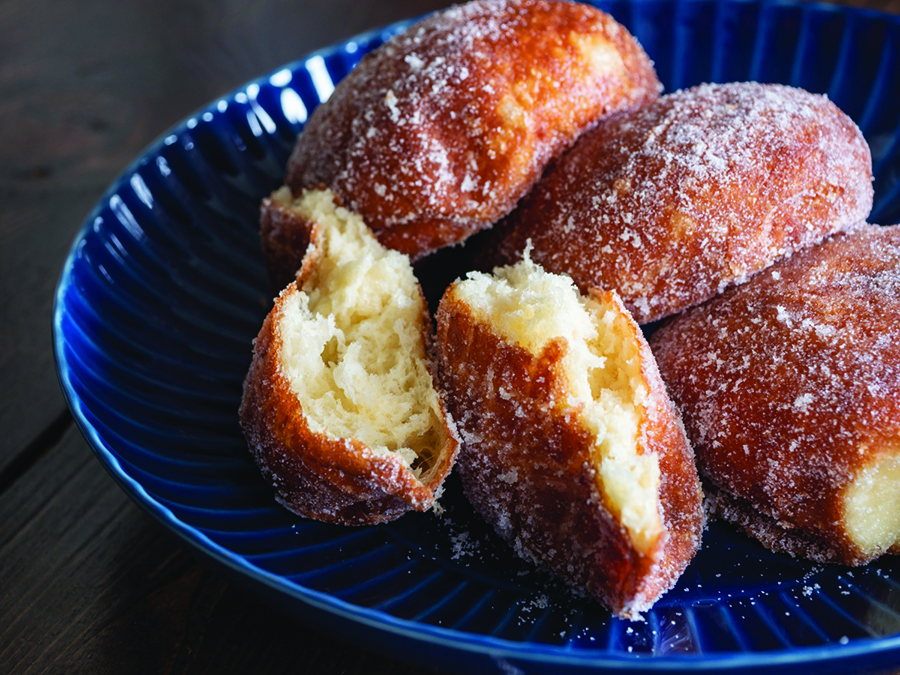
    Unlike other immigrant groups, Portuguese settlers often came to Hawai‘i with their entire families, establishing strong family lines and preserving their traditions. Few could read or write, so many of their traditional and cultural practices were oral. Today, Portuguese culture is an important part of local life. Many grew up eating linguiça (Portuguese sausage) and learning ‘ukulele, the instrument inspired by the braguinha/ cavaquinho used by Portuguese paniolo (cowboys). One Portuguese tradition that undoubtedly many are familiar with is making (and eating) malasadas. Traditionally, they were made to use up butter and sugar on Terça-feira Gorda—also known as Carnaval, Mardi Gras, Shrove Tuesday, Fat Tuesday and Malasada Day—which took place the day before fasting for Lent began.

    Festa Season

    For the Portuguese diaspora, maintaining a connection to their homeland is a significant part of their identity. Festa (festival) celebrations are a prime example. Kicking off the season this year in July was the annual A Day in Portugal Festa by the Portuguese Culture & Historical Center (PCHC). Last month, Our Lady of Lourdes Catholic Church on Hawai‘i Island hosted its Holy Ghost Festa to celebrate their heritage and express their faith. Finally, coming up on Sept. 17 is PCHC’s gala dinner in celebration of the upcoming construction of the new cultural center.

    For more information, see PCHC’s website (portugueseculturehistoricalcenter.org) as well as Generations Magazine’s Facebook page (facebook.com/genmag808) and website calendar (generations808.com/calendar) for community events and opportunities.

    The next article in this series will feature the influences of Filipino culture in Hawai‘i.

    Since more than 1,500 years ago, Kānaka Maoli (Native Hawaiians) have welcomed immigrants from every corner of the globe, cultivating and perpetuating a tapestry of diverse cultures. In the fifth article in this ongoing series on the many cultures that comprise Hawai‘i, we will focus on the Portuguese, how the people arrived in the Hawaiian…

  • Striving for Peace 80 Years After WWII

    This year marks 80 years since World War II ended. To me, this is a time to reflect on the horrors of war and remind ourselves to take steps to resolve conflict without violence.

    Hawai‘i is in a unique position as the steward of two icons of WWII history. The USS Arizona Memorial, a powerful symbol of America’s entry into the war on Dec. 7, 1941, stands guard over the remains of the vessel sunk by bombs in Pearl Harbor. Visible from that memorial is the USS Battleship Missouri Memorial, where the Japanese signed the Instrument of Surrender, which officially ended World War II on Sept. 2, 1945.

    Between those two historic bookends, we all suffered the shame of killing each other, with both sides grieving for lost sons and daughters.

    After the surprise attack on Pearl Harbor, approximately 300,000 Japanese immigrants in the US and Americans of Japanese ancestry (AJA) were considered “enemy aliens,” just because they looked like the enemy.

    The 1,432 AJA already in the US Army were segregated into a separate unit—the 100th Infantry Battalion. This small group, less than .5% of the affected population, would prove their fighting ability and loyalty to America, eventually leading to the formation of the 442nd Regimental Combat Team. Together, they were considered one of the most decorated units in US military history for size and length of service.

    An annual memorial service is held at the National Memorial Cemetery of the Pacific in Honolulu to honor the AJA units—those killed in service and those since passed, reminding us to avoid repeating the pain of war by exercising tolerance and conflict resolution. Although the AJA endured discrimination and loss of civil rights, they overcame these obstacles with positive outlook, high-performance thinking and quiet endurance. Postwar, when no bank would serve them, they didn’t give up. They built their own bank, which we know today as Central Pacific Bank.

    Although we all face challenges and setbacks, how we react affects the end result. Steve Sue of nonprofit ID8 keeps the AJA WWII legacy and values alive with a movie called, “The 100TH: Seeds of Aloha,” targeted for release in 2026. Steve notes, “…this is more than a war story—it’s an epic tale of service, sacrifice and an enduring legacy of aloha that spans over 80 years.”

    100th INFANTRY BATTALION VETERANS
    520 Kamoku St. Honolulu, HI 96826
    For more information: info@100thbattalion.org | 808-946-0272

    This year marks 80 years since World War II ended. To me, this is a time to reflect on the horrors of war and remind ourselves to take steps to resolve conflict without violence. Hawai‘i is in a unique position as the steward of two icons of WWII history. The USS Arizona Memorial, a powerful…

  • Benefits of Using Artificial Intelligence, Part I

    In this two-part series, the benefits, risks and how seniors can reduce the possibility of being negatively impacted by artificial intelligence (AI) will be explored, beginning here by examining how AI can significantly enhance the lives of seniors by promoting independence, improving health management and providing companionship and support.

    HOW DOES AI WORK?

    AI learns from data just like people learn from their experiences. For example, if you show an AI many pictures of cats and dogs, it can learn to tell the difference between them.

    AI can understand and respond to human language. For instance, when you talk to a virtual assistant like Siri or Alexa, AI is used to understand your words and give you answers.

    AI can help make decisions based on the information it has. For example, it can suggest the best route to take when driving, based on traffic conditions.

    AI can help with everyday tasks, provide information quickly and assist with health monitoring. AI helps machines think and learn, making them useful tools in our daily lives.

    HEALTH MONITORING & MANAGEMENT

    Wearable devices: AI wearables can track vital signs, alerting users and caregivers to changes.

    Medication reminders: AI devices can help seniors manage their medications and their health.

    SAFETY AND SECURITY

    Home monitoring: AI systems can monitor homes for unusual activity, providing alerts in case of emergencies, such as falls or intrusions.

    Emergency response: AI can facilitate quick communication with emergency services.

    SOCIAL INTERACTION

    Virtual companions: AI chatbots and virtual assistants can provide companionship, engage in conversation and help reduce feelings of loneliness and isolation.

    Video calls: AI can enhance call experiences, making it easier for seniors to connect with family/friends.

    TRANSPORTATION ASSISTANCE

    Smart navigation: AI can help seniors navigate public transportation or provide ride-sharing options.

    COGNITIVE SUPPORT

    Brain games: AI can offer personalized games and activities designed to stimulate cognitive function and memory, helping to keep the mind sharp.

    Learning tools: AI can provide tailored educational content, allowing seniors to learn new skills or hobbies at their own pace.

    HOME AUTOMATION

    Smart home devices: AI can control lighting, heating and appliances, making it easier for seniors to manage their home environment with voice commands or automated settings.

    Voice assistants: Devices like Amazon Echo or Google Home can help seniors perform tasks hands-free, such as setting reminders, playing music or answering questions.

    PERSONALIZED SERVICES

    Customized recommendations: AI can suggest activities, entertainment or even meal plans based on individual preferences and health needs.

    Telehealth services: AI can facilitate virtual doctor visits, making healthcare more accessible and convenient for seniors.

    In the next issue, Chris will talk about the risks of AI and how to mitigate those risks.

    CHRIS DUQUE, Hawai‘i’s premier “cyber cop,” is a retired Honolulu Police Department detective and nationally recognized expert on a variety of computer crimes. Email Chris at aikea808@gmail.com with your security questions.

    In this two-part series, the benefits, risks and how seniors can reduce the possibility of being negatively impacted by artificial intelligence (AI) will be explored, beginning here by examining how AI can significantly enhance the lives of seniors by promoting independence, improving health management and providing companionship and support. HOW DOES AI WORK? AI learns…

  • Why Seniors Should Keep Working

    Retirement isn’t one-size-fits-all. For many seniors in Hawai‘i and beyond, continuing to work—whether full-time, part-time or on a volunteer basis—offers benefits that extend far beyond a paycheck. Staying in the workforce can sharpen the mind, support physical health and bring daily structure that gives life meaning.

    Stay Mentally Sharp

    Just as vital as mental stimulation is social connection. Work helps keep the brain active and can reduce the risk of cognitive decline. The stimulation that comes from problem-solving, engaging with others and learning new skills boosts memory, concentration and a lasting sense of purpose. Seniors who remain involved often feel more alert and mentally agile than those who fully step away.

    Maintain Social Connection

    Many older adults struggle with loneliness and isolation, which can be as damaging as chronic illness. The workplace creates natural opportunities for conversation, collaboration and companionship that are essential for emotional well-being. Whether it’s chatting with coworkers, mentoring someone younger or simply being part of a team, social engagement matters.

    Sustain Physical Health

    Work also promotes physical engagement. Having a reason to get up and out each day increases mobility and daily movement. Seniors who remain active through work often report fewer chronic health issues and more energy than their sedentary peers. A consistent routine helps maintain physical strength and emotional resilience alike.

    Support Financial Stability

    Even a modest income can stretch retirement savings and ease the burden of rising costs—groceries, utilities, medical bills. For some, working is necessary. For others, it’s a financial move that brings peace of mind and a little extra breathing room.

    Perpetuate a Sense of Purpose

    Work gives structure, identity and a reason to get up in the morning. Whether it’s mentoring the next generation, sharing decades of expertise or contributing to a cause, seniors often find deep satisfaction in staying engaged.

    Continue Community Contribution

    Kūpuna who stay engaged enrich their communities with wisdom and cultural knowledge that is irreplaceable. Their involvement strengthens our social fabric and preserves local traditions.

    Working in your senior years can add vitality, purpose and connection to your life. It’s not just about money. It’s about preserving your health, mind, meaning and your place in the world.

    Retirement isn’t one-size-fits-all. For many seniors in Hawai‘i and beyond, continuing to work—whether full-time, part-time or on a volunteer basis—offers benefits that extend far beyond a paycheck. Staying in the workforce can sharpen the mind, support physical health and bring daily structure that gives life meaning. Stay Mentally Sharp Just as vital as mental stimulation…

  • Staying in the Driver’s Seat

    After receiving a well-worded summons from the Department of Motor Vehicles stating that at my age, I needed to take the road test to renew my driving license, I kept a low profile, hoping it would go away. My 80th birthday was fast approaching.

    I pictured this uniformed wiseacre 30-something yelling, “I said left Mrs. Crombie, not right”… and so on. After all, on my only other road test over 60 years ago at the South Tacoma DMV, I had collapsed in a sobbing heap after an unsuccessful attempt at parallel parking. I failed my first road test at age 15—so how hard was this going to be? Suppose I don’t pass and need someone to cart me
    around? What an unbearable thought!

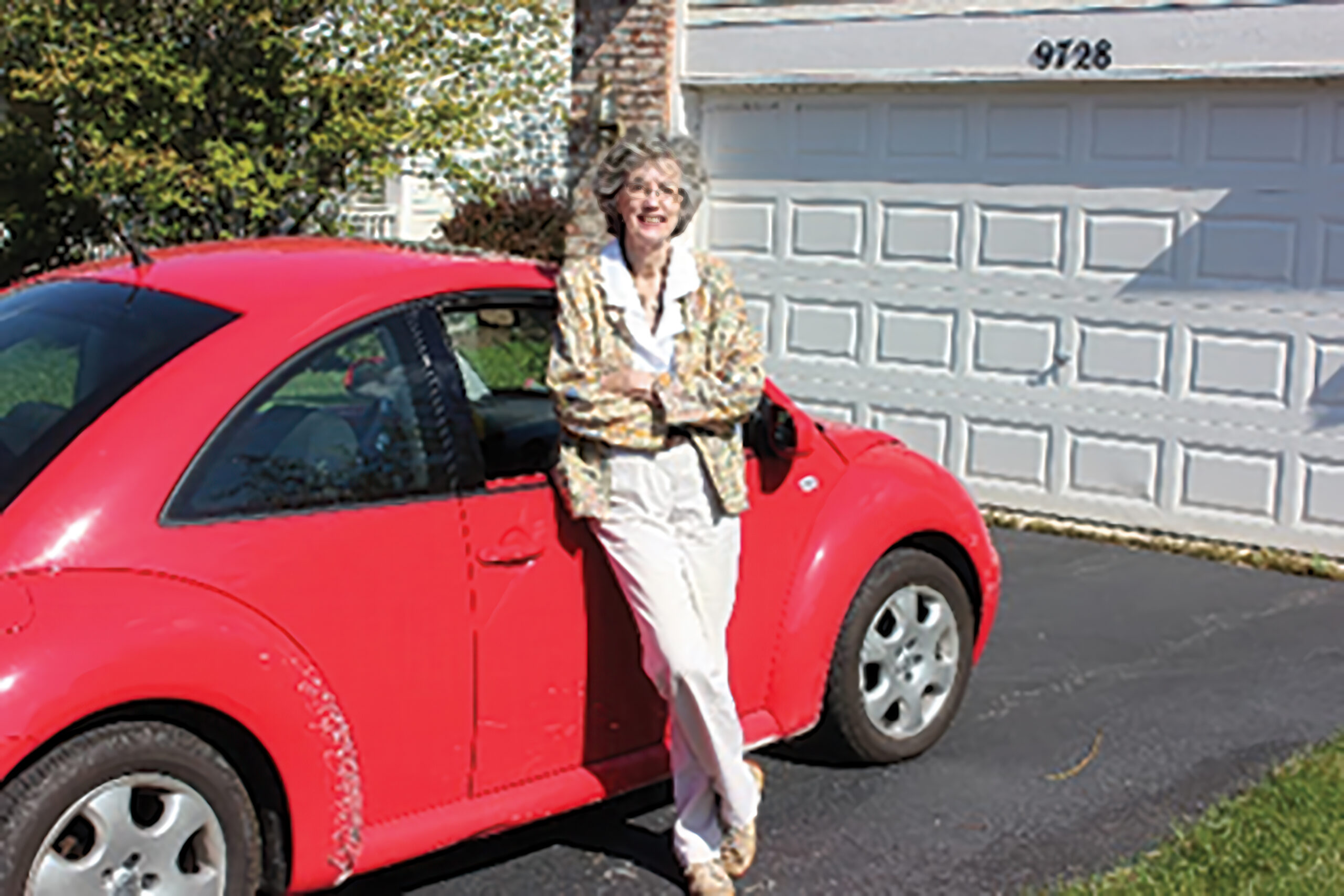
    On a proper Monday morning before my birthday, I stepped on the gas and drove my VW Beetle down Route 47, through our local farmland, finally locating the DMV in a strip mall next to a supermarket. The sign on the door (next to the one discouraging the use of concealed weapons) informed me the place was closed on Mondays.

    Four days later, I gathered up enough mojo to try it again. I was met by lines for every conceivable motor matter. There was a special line for seniors, a special line for the written test and so on.

    A very nice fellow, really, asked me pertinent questions about any DUIs I might have incurred, how many people I had hit, etc. He then examined my eyes. I could not read his chart until he informed me that if I was wearing bifocals, I should maybe look up, not down. Well said.

    I seated myself in the designated area and waited for what came next. To my delight, there was no written test. You do get a new, refreshed photograph of yourself, though.

    I looked around at kids, other seniors and a woman whose red lace thong was visible in the back. That immediately put me at ease. No magazines were supplied to idle away the time. This was okay because most people were peering into their devices.

    An elderly gentleman with white hair and a clipboard approached me. A sweatshirt (with the name “Paul”) was paired with a pair of jeans. This was it. However, he appeared to be more interested in my VW Bug than having me take him for a spin. I told him I had had one when they had first come out in the ‘60s. He then informed me that was about the same time he had started work with the government.

    We had a nice drive around the neighborhood, stopping at stop signs, putting on turn signals, turning at traffic lights and parking on a hill. I am happy to report that I passed.

    Oh, it was a glorious moment, so I only did what came naturally—after a high-five to my new friend, Paul, I thoroughly enjoyed a few well thought-out victory laps.

    Wynne Crombie, age 80, of Nicholasville, Kentucky, has a master’s degree in adult education. She has taught both stateside and with the Department of Defense at Aviano Air Base in Italy and in Berlin. Her work has appeared in Alaska Airlines Magazine, Travel + Leisure, Italy Magazine, Dallas Morning News, Catholic Digest, Senior Living, Birds and Blooms, Yours Magazine (UK), Get Lost Magazine (AU) and Your Genealogy Today.

    If you have a story to share, email the editor: debra@generations808.com.

    After receiving a well-worded summons from the Department of Motor Vehicles stating that at my age, I needed to take the road test to renew my driving license, I kept a low profile, hoping it would go away. My 80th birthday was fast approaching. I pictured this uniformed wiseacre 30-something yelling, “I said left Mrs.…

  • Averting Hawai‘i’s Caregiver Crisis

    The findings of a recent Columbia University study—that Hawai‘i is a high-risk state for a family caregiver shortage—should come as no surprise to the estimated 154,000 family caregivers who reside here.

    AARP estimates that Hawai‘i’s family caregivers put in 144 million hours of unpaid care a year to loved ones in Hawai‘i. If they were paid, the value of what they do for others would be $2.6 billion.

    Without family caregivers, our long-term care system in Hawai‘i would collapse; we wouldn’t be able to take care of our kūpuna.

    The study looked at demographics. Hawai‘i’s older population is increasing faster than other states. As more of our population ages, there will be fewer younger residents who can take care of kūpuna who need care.

    The study also looked at the need for workers who can provide paid services in-home and the availability of nursing home or adult residential care home services.

    Family caregivers, especially those who live in rural areas, know those services are in short supply. There are not enough workers now and the need will grow unless we can increase the paid caregiving workforce.

    The cost of living and the cost of caregiving are other factors. Caregiving isn’t cheap. Family caregivers spend about $7,200 of their own money on average—about 26% of their income—on out-of-pocket caregiving expenses. Add in Hawai‘i’s high cost of living and that some caregivers may retire early or quit work to care for loved ones, the financial sacrifices family caregivers make can be overwhelming.

    The Hawai‘i Legislature has taken some steps to increase Medicaid payments for companies providing paid caregiving services. But other policies that can help, like paid family leave and a tax credit for family caregivers, were not passed.

    If you’re a family caregiver, know that you are not alone.

    Help is available and AARP is advocating for you. If we all make our voices heard, there are too many of us for lawmakers to continue to ignore. Hawai‘i must do better for family caregivers and avert the crisis that is clearly ahead of us.

    Join us in fighting for caregivers through the state legislature by contacting Advocacy Director Audrey Suga-Nakagawa at hiaaarp@aarp.org.

    AARP HAWAI‘I (nonprofit)
    1001 Bishop St., Ste. 625, Honolulu, HI 96813
    866-295-7282 | hiaarp@aarp.org | aarp.org/hi
    facebook.com/aarphawaii
    Resources for Family Caregivers:
    Aarp.org/caregiving
    AARP Caregiver Support Group on Facebook:
    facebook.com/groups/aarpfamilycaregivers/
    Aging and Disability Resource Center:
    Hawaiiadrc.org | 808-643-2372
    Aloha United Way 211:
    auw211.org | 2-1-1
    Join us in advocating for caregivers at the Legislature:
    Contact Advocacy Director Audrey Suga-Nakagawa at hiaaarp@aarp.org

    The findings of a recent Columbia University study—that Hawai‘i is a high-risk state for a family caregiver shortage—should come as no surprise to the estimated 154,000 family caregivers who reside here. AARP estimates that Hawai‘i’s family caregivers put in 144 million hours of unpaid care a year to loved ones in Hawai‘i. If they were…

  • Hawai‘i Honors Its Senior Volunteers

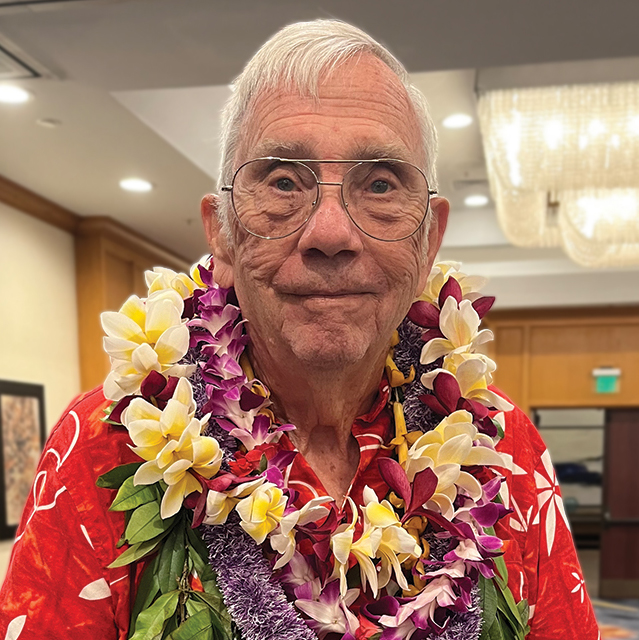
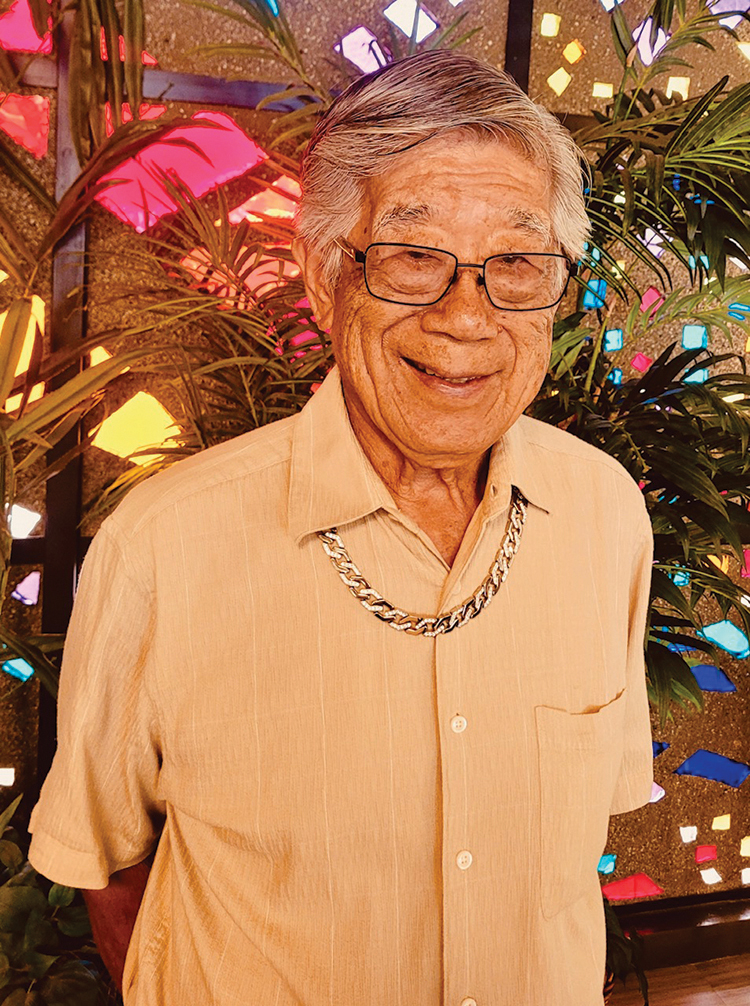
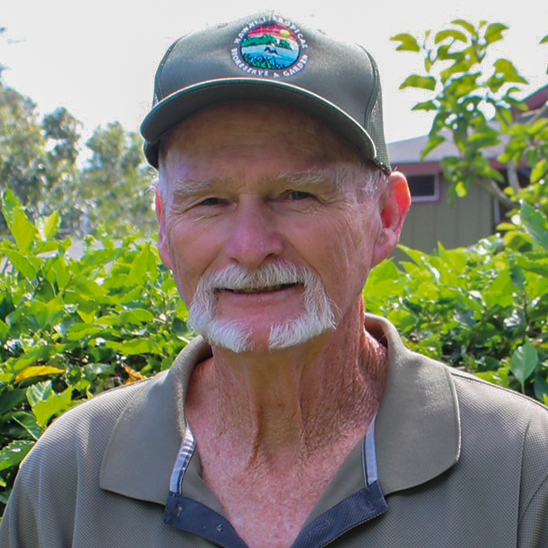
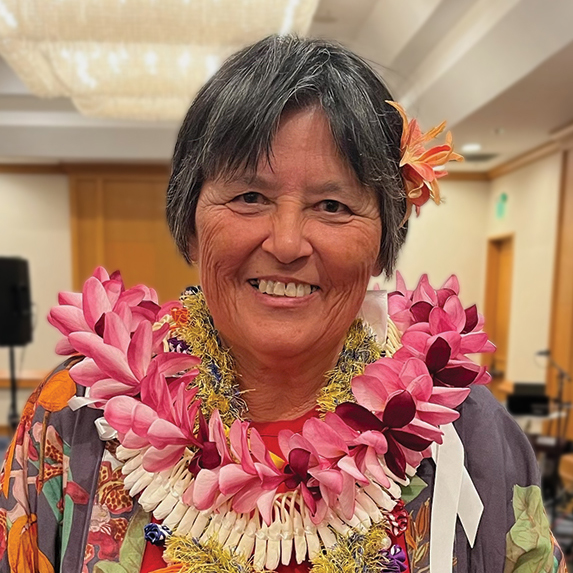
    During National Older Americans Month each May, Hawai‘i’s four county Area Agencies on Aging receive nominations from the public for Outstanding Older Americans known for their volunteer accomplishments. A man and a woman from each county are chosen to be honored. This year’s theme, Flip the Script on Aging, focused on transforming how society perceives, talks about and approaches aging. The following volunteers were honored on June 13, 2025, on O‘ahu.

    Dotty Kelly-Paddock (Honolulu County) is an educator and community leader with a lifelong commitment to disability advocacy and resilience planning. She helped develop inclusive education services in U.S.-affiliated Pacific jurisdictions at UH Mānoa’s Center on Disability Studies. She is a Neighborhood Board member in Hau‘ula, president of the Hau‘ula Community Association and Executive Director of Hui O Hau‘ula. She co-founded the Hau‘ula Emergency Leadership Preparedness team and authored strategy that lead to the creation of O‘ahu’s first resilience hub. Her leadership strengthens disaster preparedness and cultural revitalization in Ko‘olauloa and beyond.

    Charlene Dorsey (Kaua‘ i County), a Vietnam veteran and retired DOH clerk, is a passionate advocate for veterans. For over a decade, she’s helped lead the Kaua‘i Veterans Council and Miss Kaua‘i Veteran Scholarship Program. She has served with the Kaua‘i Veterans Museum for 15 years, sharing Kaua‘i’s military history and caring for hundreds of artifacts. She co-founded local chapters of Vietnam Veterans of America and AMVETS. She also volunteers with RSVP, Kaua‘i Veterans Memorial Hospital Auxiliary, Hanapēpē Library and her church. Her strength, optimism and unwavering dedication uplift the veteran community and inspire all who serve alongside her.

    Ronald Ebert (Hawai‘i County) of Ka‘ū is a lifelong public servant focused on safety and community resilience. He served as captain of two volunteer fire departments and has led ‘O Ka‘ū Kakou since 2006, supporting health, safety and local events. Ron also serves on the Ka‘ū Hospital Charitable Foundation board, and raises funds with Red Hatters and Ka Lae Quilters. The Ocean View Church of Christ minister supports community safety and outreach, sending $10,000 for Lahaina wildfire recovery. With his wife Nadine and the Pāhala Senior Club, Ron brings heartfelt care and steadfast leadership to every endeavor.

    Ed Tagawa (Honolulu County), of Kea‘au is a retired teacher and Army veteran dedicated to lifelong service. After serving in a record-breaking training unit with fellow Hawai‘i soldiers, Ed pursued higher education and then taught at He‘eia Elementary School. Since retiring, Ed has volunteered at Nalo Farms, Ho‘ola Aina Pilipili and Hawai‘i Meals on Wheels. Whether preparing Thanksgiving meals, mentoring new volunteers or assisting at outreach events, Ed embodies the meaning of aloha. As a DMV concierge and neighborhood helper, he brings kindness to every interaction. Known for his friendly nature and tireless service, he touches lives through acts of care and connection.

    Gary Smith (Kaua‘ i County) spent his life enriching the Kīlauea community through leadership, historical preservation and civic service. He served on many boards focused on local agriculture and heritage. He’s a passionate historian and educator, working with the Kaua‘i Historical Society and the DOE Kupuna Program to preserve Kilauea’s stories and landscapes. He leads cultural hikes, volunteers with local cemeteries and plays key roles in community events like Kīlauea Kalikimaka. He’s an advocate for safe roads, parks and land stewardship. Known as a storyteller, singer, builder and problem-solver, Gary is a community cornerstone whose energy and dedication span generations.

    Patricia Dunn (Hawai‘i County) of Hilo is a model of volunteerism and community spirit. A retired public servant, she fills her days with service—from gardening and ceramics to Meals on Wheels and Lions Club projects. She has helped organize vision screenings, food drives, zoo painting projects and educational events. A member of the Order of the Eastern Star, she has supported scholarships and charitable causes. She’s deeply involved with the Hilo Orchid Society, YMCA tree sales, AARP tax support and the Papaikou Senior Club. Her joy and energy are contagious. She inspires others to get involved, building a sense of belonging.

    Bishop Pahia (Maui County) of Waiehu has transformed lives through his work in reentry and prison ministry. A former correctional officer turned MEO Being Empowered and Safe Together specialist, he guided hundreds of formerly incarcerated individuals toward productive lives. He’s helped clients obtain housing, jobs and stability, offering dignity and second chances without judgment. Now retired, he continues volunteering with MEO and co-leads a prison ministry. He’s also MEO’s 2023 Volunteer of the Year. Whether offering support or simply believing in someone, Bishop embodies compassion, humility and the transformative power of care.

    Patricia K. Niibu (Lāna‘i City, Maui County) spent decades uplifting her community through education and service. A retired teacher, she now devotes her time to caring for kūpuna—visiting homes, delivering meals and providing companionship with aloha. She volunteers with the Lāna‘i Food Bank and her church, aiding over 100 older adults. She mentors teachers, helps local businesses and contributes to social connection across generations. Whether checking in with elders, volunteering at the school or filling staffing gaps at shops, Patricia meets every need with grace and humility. Her quiet leadership weaves strength, resilience and compassion into the fabric of island life.

    During National Older Americans Month each May, Hawai‘i’s four county Area Agencies on Aging receive nominations from the public for Outstanding Older Americans known for their volunteer accomplishments. A man and a woman from each county are chosen to be honored. This year’s theme, Flip the Script on Aging, focused on transforming how society perceives,…