Category: Date

  • Uplifting Choices: Playing a Significant Role

    An Uplifting Story

    If you live long enough, you are likely to have an experience that is life-altering. Right now, there are two families living on the Big Island living out just such an experience; and it started out with a casual conversation between two mothers who are involved with their sons’ softball team.

    Angie Toma, a scorekeeper for her son’s team, and Leanne Hirata, the coach’s wife, were in the press box one day when Angie happened to mention to Leanne that she has had three kidneys from birth. As it turned out, Leanne’s husband, Gregg, has experienced a deteriorating kidney for 20 years. Although he looks healthy, Gregg is gravely ill with kidneys that are only functioning at 11%. He is in need of a kidney transplant.

    Angie thought it over and decided to donate one of her kidneys to Gregg (Leanne and Gregg’s father were ineligible to donate for a variety of reasons). Since following through on her initial decision, Angie learned that two of her kidneys had grown together, so she only has two kidneys, rather than three. Undeterred, Angie continued with the medical process and expects to donate her kidney when medical procedures are complete. For Gregg, Angie’s generosity means he will be there for his wife and three young boys, with a healthy kidney and a new lease on life.

    BEHIND THE STORY

    Not everyone is so fortunate. In Hawai‘i, approximately 400 people are on the waiting list for a new kidney. The supply of healthy kidneys is not sufficient to fill the need. And many patients pass away before a matching donor can be located. In the past decade, the number of patients waiting for a transplant has doubled, while the number of transplants has remained level. The need tends to increase because people are generally living longer, putting additional stress on their organs. Younger people, like Gregg, and children are also on the list. There have been approximately 1,200 transplants performed in Hawai‘i since 1988, most of them performed by the medical team currently residing at The Queens Medical Center.

    Organ transplantation in Hawai‘i has been a reality since 1969, when Dr. Livingston Wong performed Hawai‘i’s first kidney transplant. He put together a team of doctors who pioneered the procedure at St. Francis Transplant Center, and later Hawai‘i Medical Center. When the latter closed its doors about a year ago, Hawai‘i was left with no facility for transplantation until The Queen’s Medical Center came forward to fill the gap. The new center is home to physicians and staff with over 20 years of experience in transplantation, including Drs. Whitney Limm and Linda Wong (daughter of Livingston Wong).

    HELPING TO CREATE NEW STORIES

    The National Kidney Foundation of Hawai‘i’s mission includes improving the health and well-being of individuals and families affected by kidney and urinary tract diseases, and to increase the availability of all organs and tissue for transplantation in Hawai‘i. Among their programs is a mentoring program of one-on-one help for dialysis and transplant patients. Recently, we have assisted in the creation of a new Council of NKFH known as the Hawai‘i Organ Transplant (H.O.T.) Support Group, whose mission is to improve the support for, and education of, people who’ve had or who are in the process of organ transplantation procedure through educational events and mentorship programs. The support group consist of people who are organ donors, recipients and others who are interested in transplantation.

    Our hope is that organizations like NKFH and H.O.T. will help grow awareness of the need for healthy donors and encourage kidney patients who experience this life-giving process. Our hope is for even more stories like Gregg and Angie’s.

    If you are interested or have questions relating to organ transplantation, you can reach NKFH at 808-593-1515, H.O.T. at 808-589-5965, or The Queen’s Transplant Center at 808-691-8897.


    National Kidney Foundation of Hawaii
    1314 South King St., #304, Honolulu, Hawai‘i 96814
    808.589.5976 info@kidneyhi.org www.kidneyhi.org

    An Uplifting Story If you live long enough, you are likely to have an experience that is life-altering. Right now, there are two families living on the Big Island living out just such an experience; and it started out with a casual conversation between two mothers who are involved with their sons’ softball team. Angie…

  • “Name the Show” and Win!

    ‘Olelo Community Media is honored to serve the diverse people, groups and communities of O’ahu, Hawai’i. Citizens don’t often have a voice in commercial media, so Public, Education and Governmental (PEG) Access provides them with an added source of information and opinion, a forum to discuss issues, and a means of sharing first-hand stories about O’ahu’s rich community life, to island residents and the world.

    Playing Piano - Generations Magazine - February-March 2013So, the City and County of Honolulu Elderly Affairs Division is excited to announce an upcoming television program that will be aired on an ‘Olelo Media television channel by the New Year, 2013. This program is intended for our island kupuna, and will showcase a mix of current events, personal interviews, recreation, sports, services, demonstrations, inter-generational opportunities, tips, etc. The program will serve as a means of obtaining information, as well as, provide entertainment and potential life lessons to our entire audience no matter their age. Best of all, the program’s segments will be produced by seniors from our very own community! It will give them the chance to share their mana‘o (knowledge), give back to their community, explore and utilize new technology. Our ku¯puna has so much to offer, and we intend on tapping into that wealth of knowledge.

    So, we have this amazing vision and structure to our program, but NO name! We decided on extending the opportunity to a select population of 55 and better, to give their suggestions for the title of this new show. The winner of this contest will receive a Longs Drugs $50 gift certificate and recognition on the television program.

    The following are the details to be considered when naming the show:

    • Must be original
    • Must be four words or less
    • Must encompass the essence of the program
    • Rules to enter the contest:
    • Must be 55 years old and better
    • Must be a resident of O‘ahu
    • Only one entry per person

    All entries must be received by Dec. 31, 2012.

    Click here to download the entry form

    EAD Logo - Generations Magazine - February-March 2013

    ‘Olelo Community Media is honored to serve the diverse people, groups and communities of O’ahu, Hawai’i. Citizens don’t often have a voice in commercial media, so Public, Education and Governmental (PEG) Access provides them with an added source of information and opinion, a forum to discuss issues, and a means of sharing first-hand stories about…

  • Financial: Retirement Confidence Boost

    Dos and Don’ts on Preparing for Retirement

    As baby boomers near retirement, many are discovering that they aren’t yet financially prepared to leave their careers. Moving from a full-time job to a life of travel, volunteer work and time spent with family and friends may seem like a natural next step. For those who are still determining how they’ll fund their retirement, however, cutting the strings of employment may not look so appealing.

    Here are several sobering facts from the New Retirement Mindscape® 2012 City Pulse index1, an annual survey that examines retirement readiness among individuals in 30 of the largest U.S. cities: Just 63 percent of respondents say they’re saving for retirement. What’s worse, only 37 percent of respondents nationwide say they feel “on track” to retire, and just 11 percent say they were able to retire earlier than planned because they were financially able to do so.

    Here are some important do’s and don’ts designed to help you move toward punching the clock for the last time and living a happy, healthy retirement.

    Do strive to be debt free upon retirement.

    This involves making well-planned, wise choices — and sometimes making trade-offs — during your last 10 to 15 years of your career. If possible, maximize funding into your 401(k) plan before refinancing or adjusting your 30-year mortgage to a 15-year term in order to retain the tax advantages available to you that come with saving for retirement. That might mean focusing on savings vs. paying off a mortgage or other long-term debt.

    Don’t assume your retirement will be “traditional.”

    In recent years, baby boomers have redefined what “retirement” really means. Some choose to work part time or start a career in which they’re really passionate about. If you aspire to have a part-time career, start laying the foundation now. Identify what you hope to do as well as the companies or organizations that might benefit most from your experience.

    Don’t disregard your health.

    As we age it becomes more important to carefully monitor our physical and mental well being. Obesity, high blood pressure and high cholesterol are the most common health issues in America. So get an annual physical and health screening and talk to your doctor about any health concerns you may have and what the future costs may be so you can accurately plan for them in your retirement savings.

    Don’t underestimate.

    When determining your retirement expenses think about the rising costs of health care, gasoline and travel (just to name a few) that you’ll continue to consume in retirement. Remember to create some contingency plans to cover unforeseen expenses. You likely won’t regret saving a little extra now for your retirement years rather than not having what you will need once you leave the workforce.

    It may be a bumpy ride to retirement, but the surest way to feel confident about your future is to plan for it right now.


    For info, contact Michael W.K. Yee at (808) 952-1240.

    1 The Money Across Generations IISM study was commissioned by Ameriprise Financial, Inc. and conducted by telephone by GfK in December 2011 among 1,006 affluent baby boomers (those with $100,000 or more in investable assets); 300 parents of baby boomers; and 300 children of baby boomers at least 18 years old. The margin of error is +/- three percentage points for the affluent boomers segment and +/- six percentage points for the parents and children of boomers segments.

    Ameriprise Financial and its representatives do not provide tax or legal advice. Consult with your tax advisor or attorney regarding specific tax issues.

    Brokerage, investment and financial advisory services are made available through Ameriprise Financial Services, Inc. Member FINRA and SIPC. Some products and services may not be available in all jurisdictions or to all clients. ©2012 Ameriprise Financial,Inc. All rights reserved. File # 143286

    Dos and Don’ts on Preparing for Retirement As baby boomers near retirement, many are discovering that they aren’t yet financially prepared to leave their careers. Moving from a full-time job to a life of travel, volunteer work and time spent with family and friends may seem like a natural next step. For those who are…

  • Serious Consequences for Elderly Falls

    Falls are the leading cause of injuries among seniors in Hawai‘i. The risk and frequency of falling increase with age. Every 5 hours a senior in Hawai‘i suffers a fall that results in the senior being hospitalized. One in three adults 65 years or older in the US suffers a fall each year. Falls can affect seniors in many ways. Falls can result in bruises, sprains, broken bones, and/or head injuries. Falls account for 87% of all fractures among people aged 65 years or older. It can cause injury and their ability to live independently decreases. It can also limit confidence and the ability to live a comfortable life.

    What are the causes of falls in seniors?

    For people aged 65 years or older, 60% of fatal falls occur in the home, 30% in public places and 10% in health care institutions. Falls can be caused by many factors which are associated with health and aging conditions. Predictors of falls include a previous fall, poor posture, poor balance, prolonged bed rest, muscle weakness, mobility problems, loss of sensation in the feet, vision changes, dehydration, and drug interactions. Chronic health conditions such as arthritis, osteoporosis, stroke, Parkinson’s disease, urinary incontinence, diabetes, and heart problems may predispose to falls. Review of physician prescribed and over the counter medications, alcohol consumption, and marijuana use, may provide information that can be useful in decreasing the occurrence of falls. Environmental hazards such as slippery surfaces, poor lighting, and tripping obstacles also play a contributing role in falls.

    Is there a role for therapy and exercise?

    Home safety evaluations conducted by a physical therapist or an occupational therapist are invaluable in the prevention of falls. There is no charge for home safety evaluations by medical insurance, if the evaluation is prescribed by a physician. Senior participation in community fall prevention exercise programs and educational classes help prevent in-home falls. Tai Chi is excellent in decreasing the number of falls and fear of falling. Studies have shown Tai Chi to improve functional balance and physical performance in physically inactive seniors.

    FALL PREVENTION

    Home Modifications:

    Home safety is very important in preventing falls and disabilities. Some falls can be prevented by use of the following.

    • Non-slip flooring.
    • Install stair railing and/or stair climber.
    • Eliminate area rugs that shift or curl.
    • De-clutter the living spaces and footpaths throughout the home.
    • Provide a roll-in or curb-less shower stall.
    • Install grab bars in the shower and tub areas.
    • Appropriate height toilet seat.
    • Lights in hallways as well as closets.
    • Replacing door knobs and faucets with lever type handles.
    • Increase the width of doorways to 32 inches or more to accommodate the use of a wheelchair or walker.
    • Installation of a smoke detector and fire extinguisher according to code.
    • Setting of hot water heater thermostat at 110˚F or lower.

    Lifestyle Changes:

    • Have your vision & hearing checked regularly.
    • Talk to your doctor or pharmacist about the side effects of your medication.
    • Limit your intake of alcohol.
    • Use caution when getting up from eating or sleeping.
    • Use a cane or walker to help maintain your balance.
    • Wear supportive, rubber-soled shoes.
    • Maintain a regular exercise program to improve strength and tone

    Falls are the leading cause of injuries among seniors in Hawai‘i. The risk and frequency of falling increase with age. Every 5 hours a senior in Hawai‘i suffers a fall that results in the senior being hospitalized. One in three adults 65 years or older in the US suffers a fall each year. Falls can…

  • Benefits Enrollment Center: Can Help You

    EAD Meeting - Generations Magazine - February-March 2013The Elderly Affairs Division (EAD) was recently awarded one of 20 Benefits Enrollment Center (BEC) Grants nationwide from the National Council on Aging. The BEC grant supports the development of person-centered, community-based system to provide outreach, and to help seniors and younger adults with disabilities with limited means to enroll in public and private programs that help pay for prescription drugs, medical care, food and utilities. These programs include:

    • Low Income Subsidy for Medicare Part D
    • Medicare Savings Program
    • Medicaid
    • Supplemental Nutrition Assistance Program
    • Low Income Home Energy Assistance Program

    EAD is an active participant in identifying and enrolling eligible persons into these programs. While most individuals are already enrolled, there are still many who do not know about these programs or may need assistance in applying.

    For more information, please call the Senior Helpline at 808-768-7700.

    The Elderly Affairs Division (EAD) was recently awarded one of 20 Benefits Enrollment Center (BEC) Grants nationwide from the National Council on Aging. The BEC grant supports the development of person-centered, community-based system to provide outreach, and to help seniors and younger adults with disabilities with limited means to enroll in public and private programs…

  • It’s a Matter of Life

    Think FAST - Generations Magazine - February-March 2013

    The chance of having a stroke doubles for each decade of life after age 55 and are common among the elderly. In 2009, about 650 Hawai‘i residents died of a stroke, according to the state Department of Health. But here’s the good news: a stroke is largely preventable and is the No. 1 preventable cause of disability.

    Created in 1997, the American Stroke Association (ASA), a division of the American Heart Association (AHA) is to empower and educate you and loved ones of preventing strokes.

    According to recent research commissioned by the ASA, about 93% of Americans do not consider stroke as a major health concern, yet it is the fourth-leading cause of death in the U.S. It is also the second leading cause of death in the world. Ages 60 – 79, 7.2% are men, 8.25% are women. For Asian or Pacific Islander, 34% are males and 32.1% are females. This was above cancer, accidents, diabetes, and pneumonia.

    But here’s a hopeful statistic: 80% of strokes may be prevented. It is largely treatable. One thing to remember, to help recognize a stroke, is to think FAST.

    For the first time in its 38-year history, the International Stroke Conference will be at the Hawai‘i Convention Center on Feb. 5–8, 2013. It is the world’s largest meeting for cerebrovascular healthcare professionals and will have the latest research findings and science. The conference will have over 1,300 scientific presentations.

    The American Stroke Association’s mission is to reduce disability and death from stroke. Also, to help stroke survivors and their families recognize they are not alone in the recovery and to provide helpful resources for a productive life.

    For information, visit StrokeAssociation.org, StrokeConference.org, or call 1-888-4Stroke.

    The chance of having a stroke doubles for each decade of life after age 55 and are common among the elderly. In 2009, about 650 Hawai‘i residents died of a stroke, according to the state Department of Health. But here’s the good news: a stroke is largely preventable and is the No. 1 preventable cause…

  • AARP: Long-Term Care Awareness

    AARP Hawai’i’s Top Legislative Priority in 2013

    In a state with a high cost of living — where one in five residents will be 65 or older by 2032 — island residents are worried about paying for long-term care. In Hawai‘i, costs range from $17,500 for one year of adult day care to about $126,000 for private nursing home care — more than twice the median household income.

    In a recent AARP survey, most members expressed little confidence they could afford the cost of nursing home care, and half doubted they could even afford less expensive care in their own homes. That could mean additional pressure on family caregivers in the future, the number of whom is projected to decline as the number of residents requiring some form of care increases over the next 20 years.

    To address these concerns, AARP Hawai‘i is making long-term care a priority issue in the 2013 legislative session. Our goals include:

    • Support for Kupuna Care — AARP supports an appropriation of $9 million for Kupuna Care from the base budget. Kupuna Care is a state-funded program designed to meet the needs of frail older adults who cannot live at home without help from family or formal services.
    • Support for the Aging and Disability Resource Center (ADRC) — AARP supports an appropriation of $1.8 million for continued implementation and state-wide expansion of ADRCs. ADRCs are designed to help eliminate confusion by providing a “one-stop shop” for residents looking for long-term care services. A recent AARP report ranked Hawai‘i 41st in the nation in the ability to access long-term care through an ADRC.
    • Investigate the Cost of a Public Long-Term Care Insurance Program — AARP supports the study of the cost and feasibility of a limited mandatory public long-term care program, as recommended by the Hawai‘i Long-Term Care Commission. The study would identify eligibility requirements, benefit amounts, benefit period, and premium payments.

    To find out more about the long-term care challenges facing Hawai‘i, or to get involved as a volunteer advocate, call 808-545-6005.

    AARP Pension Tax Posse - Generations Magazine - February-March 2013
    Pension Tax Posse II

    AARP Hawai’i’s Top Legislative Priority in 2013 In a state with a high cost of living — where one in five residents will be 65 or older by 2032 — island residents are worried about paying for long-term care. In Hawai‘i, costs range from $17,500 for one year of adult day care to about $126,000 for private nursing home…

  • ‘Tis the Season of Merriment & Stress

    Relief is in your hands. Here are points that can be used easily and quickly. The Sea of Vitality (B-23 and B-47) in the lower back, are super important healing points to counteract holiday stress, lower back pain, and health problems due to excess cold. Use these points to boost your immune system!

    Body diagram - Generations Magazine - February-March 2013Place your fists into your back and rock them gradually, in slow motion, to activate these points. Do this 2–3 times daily.

    There are also other complimenting points that are helpful in this time of high energy. One in particular is Bearing Support (B-36), that governs resistance, especially to colds and flu. It is located near the spine, off the tips of the shoulder blades. Conversely, they are also the first to get blocked up just before an illness.

    Relief is in your hands. Here are points that can be used easily and quickly. The Sea of Vitality (B-23 and B-47) in the lower back, are super important healing points to counteract holiday stress, lower back pain, and health problems due to excess cold. Use these points to boost your immune system!

    Place your fists into your back and rock them gradually, in slow motion, to activate these points. Do this 2–3 times daily.

    There are also other complimenting points that are helpful in this time of high energy. One in particular is Bearing Support (B-36), that governs resistance, especially to colds and flu. It is located near the spine, off the tips of the shoulder blades. Conversely, they are also the first to get blocked up just before an illness.

    Acupressure Points & Methods for Boosting and Strengthening Immunity

    In a fast-paced world, everyday stresses accumulate inside our bodies, causing shoulder and neck tensions; and anxieties that often make it hard to breathe. It is easy to overwork yourself with too many commitments and extending yourself to the point of exhaustion. This energy imbalance weakens the immune system. Eating properly, getting enough rest, exercise, practicing techniques that release tension and balancing the body would help the resistance to illnesses. Acupressure and especially deep breathing strengthen the immune system and helps to ward off disease.Front of Body Diagram - Generations Magazine - February-March 2013

    Traditional Chinese medicine discovered that excesses of particular activities weaken the immune system by overstressing certain acupressure meridian pathways.

    Excess standing damages the bladder and kidney meridians, which can cause fatigue and low backaches. To restore these meridians, stimulate the Sea of Vitality (B-23 and B-47) points by rubbing your lower back for one minute. Then hold Elegant Mansion (K-27) directly below your collarbone for another minute. Finally, hold the Bigger Stream (K-3) points on the insides of your ankles for one minute as you breathe deeply.

    Excess sitting can damage the stomach and spleen meridians, which can contribute to anemia or digestive disorders. Stimulate the Three Mile Points (St -36) on the outsides of your calves to benefit these meridians.

    Side of Body Diagram - Generations Magazine - February-March 2013Excess lying down can damage the large intestine and lung meridians, which can affect both respiration and elimination. For these meridians use Joining the Valley (Hoku, LI-4) in the valley between the thumb and forefinger and Crooked Pond (LI-11) on the upper edge of your elbow.

    Excess use of your eyes (as in close desk work) or emotional stress can damage the small intestine and heart meridians, which can create emotional imbalances. The Sea of Tranquility (CV-17) on the center of your breastbone is an excellent point for balancing these meridians.

    Excess physical exertion can damage the gallbladder and liver meridians, which can cause cramps and spasms. Use Bigger Rushing (LV-3) on the top of your feet to benefit these meridians.

    By using these acupressure points regularly, balancing your activities, eating proper foods and practicing deep breathing, you can counteract stresses, prevent fatigue, and boost your immune system.


    For more information, visit Acupressure.com.

    *This article is originated from the book Acupressure’s Potent Points and was given reprint permission by Acupressure.com, the official website for acupressure.

    Relief is in your hands. Here are points that can be used easily and quickly. The Sea of Vitality (B-23 and B-47) in the lower back, are super important healing points to counteract holiday stress, lower back pain, and health problems due to excess cold. Use these points to boost your immune system! Place your…

  • December – January 2013

    December – January 2013

    WANT THIS ISSUE?

    Download your own personal copy of this issue in PDF format. Click the button below:

    DOWNLOAD IT NOW

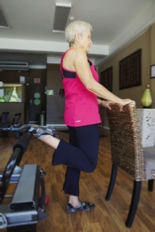
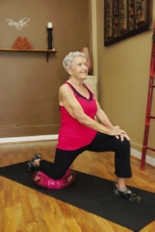
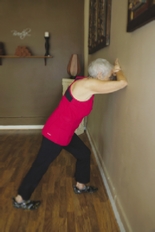
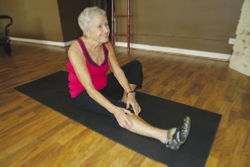
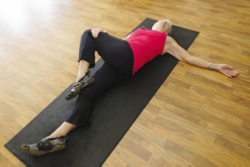
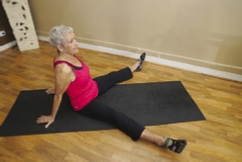
    Silver & Strong: Three Seniors, Exercising Life

  • Queen’s Medical Center vs. Koga

    The Honolulu Star-Advertiser has featured several stories by reporter Dan Nakaso about the plight of Karen Okada. Karen is a 95-year-old woman who signed a “Death with Dignity Declaration” and a “Durable Power of Attorney for Health Care Instructions” back in 1998. Both documents purport to control “in all circumstances.”

    The Queen’s Medical Center has determined that Karen is essentially brain dead, or, in any event, has “permanently” lost the ability to participate in medical treatment decisions, and that the provisions of her Death with Dignity Declaration now require that her feeding tube be withdrawn.

    On the other hand, Karen’s healthcare agent, in consultation with doctors who are not associated with Queen’s, disagrees with the hospital’s physicians. What the agent knows, and the Queen’s physicians discount, is that just before she was hospitalized, Karen was conscious and able to interact meaningfully with her family and caregivers. During the time she has been at Queen’s with pneumonia, Karen has been unresponsive during examinations, but she has smiled at least twice at her adult grandchildren and nodded to her grandson in response to his question of whether she was able to breathe freely.

    The policy of Queen’s is to give precedence to an advance healthcare directive over a durable power of attorney in all events, and without inquiring into why a person may have signed contradictory documents. Accordingly, Queen’s sued Karen’s healthcare agent in order to get a court order forcing him to order that Karen’s feeding tube be removed.

    Since no one would want to be part of this kind of drama, what can you do to make your wishes clearly known so there will be no questions?

    1. If you do not have an advance health care directive, get one. Make sure your loved ones, including your children over the age of 18 have one too.

    2. Learn all you can about the options that can be written into your advance health care directive. These are not “one size fits all” documents. Your wishes may differ greatly from those of your friends and family members, and the document you sign should express your particular desires.

    3. If you have an advance health care directive that is more than 5 years old, there is a good chance that it will not accomplish what you think it will. Review it right away with your legal counsel. Make any appropriate changes and updates.

    4. If you want to give a trusted family member or friend the power to make health care decisions for you, make sure the power of attorney meshes well with any other instructions.

    5. Be sure to give your health care providers your permission to give your medical information to your family members or other trusted decision makers. Federal and state privacy laws restrict your doctor from talking with your health care agent unless you grant that permission.

    6. Review your advance health care directive periodically to make sure it accurately states your current wishes. Once per year is not too often.

    7. Make sure you have a mechanism in place for giving you access to your advance health care directive, no matter when or where an emergency might occur. Not all health problems happen at home, and if you have a crisis while you are traveling, you will need a way to make your health care documents accessible to your caregivers.

    8. Talk with your family about your wishes before a crisis arises. Make sure everybody is on the same page. If your decision makers indicate hesitation about carrying out your wishes, think about naming someone who will. Your assurance to your loved ones of how seriously you intend your instructions to be taken will give them the courage to carry them out.

    Knowledge is power. The more you know about advance health care directives, the more likely it will be that your wishes will be carried out.


    Scott Makuakane, Attorney at Law
    Specializing in estate planning and trust law.
    www.est8planning.com
    O‘ahu: 808-587-8227, Maui: 808-891-8881
    Email: maku@est8planning.com

    The Honolulu Star-Advertiser has featured several stories by reporter Dan Nakaso about the plight of Karen Okada. Karen is a 95-year-old woman who signed a “Death with Dignity Declaration” and a “Durable Power of Attorney for Health Care Instructions” back in 1998. Both documents purport to control “in all circumstances.” The Queen’s Medical Center has…

  • The Perfect Match

    A living donor offers a two-for-one gift of life

    Nearly 15 years ago Andrea Lee’s youngest daughter Jenevieve was diagnosed with systemic lupus erythematosus (SLE), a long-term autoimmune disorder that may affect the skin, joints, kidneys, brain and other organs. Jenevieve was 15, an age where her main concern should have been friends and fun. Instead, she focused on staying out of the sun, away from those who were sick and eating bananas for potassium. By the time she was 25, her ravaged body needed drugs, surgeries and dialysis. Her kidneys were functioning at a dismal 7 percent.

    Jenevieve made many friends at the three-times-a-week dialysis treatments. She knew the nurses by first name, befriended the regulars, and made craft gifts for everyone. Outside of dialysis, except for a limp from osteoporosis of a hip joint, one would never guess that she was so sick with Chronic Kidney Disease (CKD). A life of dialysis seemed the answer until Jenevieve and Andrea were sent to a class about kidney transplantation.

    The transplant coordinator helped them navigate the world of organ donation. She scheduled tests and put Andrea in touch with organ donors and recipients. They had experience, tips and connections, plus they understood what Jenevieve and Andrea were going through.

    Jenevieve put her name onto a national list of patients who needed a kidney and then waited. While waiting, Andrea learned that one of the best organ donor candidates is a family member. She decided to undergo prescribed lab tests and passed every single test. After a few months, Andrea was cleared as a good donor match for Jenevieve.

    In August 2008, Jenevieve and Andrea spent a week in the hospital and the kidney transplant was a success.

    Once at home, Andrea allowed her body to heal. Soon she was back to normal— playing with grandkids, working, traveling, and other life activities that she enjoys. At the follow-up visit, her doctor told her that her lab results were so good that it looked like she still had two kidneys!

    Today, Jenevieve, who turned 30 this year, thrives. She is a full-time student studying radiology at Kapi‘olani Community College. She wants to give back to the medical community that helped her through her journey. She continues her jewelry craft and makes herself available to those who want to learn about kidney dialysis, transplant or SLE.

    Also, Andrea’s family volunteers for the newly established Hawai‘i Organ Transplant (H.O.T.) Support Group, a council of the National Kidney Foundation of Hawai‘i. Its mission is to support and educate people who have had, or are in the process of, an organ transplant. For more information, please visit www.hawaiiorgantransplant.wordpress.com.


    National Kidney Foundation of Hawaii
    1314 South King St., #304, Honolulu, Hawaii 96814
    808.589.5976
    info@kidneyhi.org
    www.kidneyhi.org

    A living donor offers a two-for-one gift of life Nearly 15 years ago Andrea Lee’s youngest daughter Jenevieve was diagnosed with systemic lupus erythematosus (SLE), a long-term autoimmune disorder that may affect the skin, joints, kidneys, brain and other organs. Jenevieve was 15, an age where her main concern should have been friends and fun.…

  • Creditor-Protection Gets a Boost

    Due to recent changes in our state law, Hawai‘i is one of a handful of states that affords creditor-protection to those who hold “Tenants by the Entirety” property. Tenants by the Entirety is a method by which married couples have equal interest in a property and hold the title together. Each owns the undivided whole of the property. In order for one spouse to modify his or her interest in the property in any way, the consent of both spouses is required. One of the benefits of Tenants by the Entirety is that it protects property from creditors. A home held as Tenants by the Entirety may only be reached by creditors of joint debts of both the husband and wife. In the event of an individual debt of (or judgment against) a husband or wife, the property may not be partitioned, sold or encumbered without the permission of both spouses — in essence, protecting the property from a forced sale.

    This type of property ownership can cause uncertainty for married couples. Prior to July of this year, couples that wanted to transfer their real estate to a revocable inter-vivos trust (or living trust) would lose the creditor-protection associated with Tenants by the Entirety. Having to choose between the two plans always had a proposed risk — there was never a perfect solution.

    Effective July of this year, Congress amended Section 509-2, Hawaii Revised Statues. This law allows couples to hold their real estate in their living trust, as well as maintain creditor-protection. To be effective, the real estate needs to be held as Tenants by the Entirety first and then transferred into the trust.

    In order to be eligible to hold real estate as Tenants by the Entirety, you must be a legally married couple, which includes civil unions (effective January of this year) or reciprocal beneficiaries. A valid reciprocal beneficiary relationship must include the following:

    • each of the parties be at least eighteen years old
    • neither of the parties be married nor a party to another reciprocal beneficiary relationship
    • the parties be legally prohibited from marrying one another under chapter 572
    • consent of either party to the reciprocal beneficiary relationship has not been obtained by force, duress, or fraud
    • each of the parties sign a declaration of reciprocal beneficiary relationship as provided in Section 572C-5

    If you do not have an estate plan or it has been a while since you last visited with your estate-planning attorney, this would be a great time to create or update your estate plan in order to fully optimize these new laws.


    Stephen B. Yim, Attorney at Law
    2054 S. Beretania Street, Honolulu, HI 96826
    (808) 524-0251 stephenyimestateplanning.com

    Due to recent changes in our state law, Hawai‘i is one of a handful of states that affords creditor-protection to those who hold “Tenants by the Entirety” property. Tenants by the Entirety is a method by which married couples have equal interest in a property and hold the title together. Each owns the undivided whole…