Category: October – November 2020

  • Purpose Pals: A Kūpuna-Youth Connection

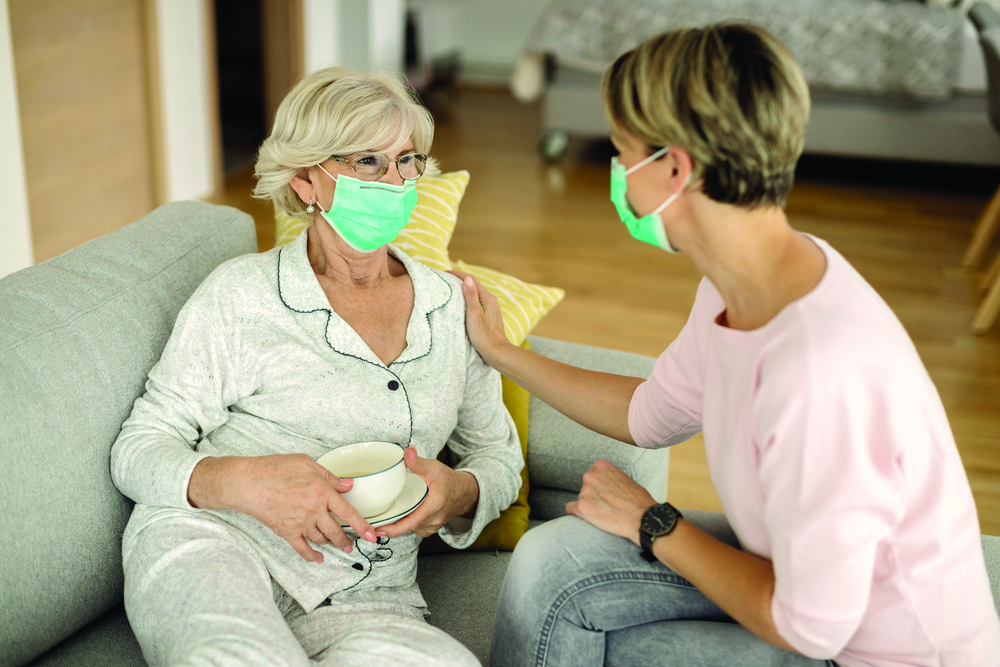
    When kūpuna and keiki interact, both generations benefit. Although these interactions are more challenging during the COVID-19 pandemic, technology offers an opportunity to connect virtually.

    Purpose Pals is a virtual, intergenerational program led by Christy Nishita and Colby Takeda, in collaboration with Age-Friendly Honolulu, Hawaii Afterschool Alliance and Blue Zones Project Hawaii. Purpose Pals matches adults (50 and over) and youth (high school through college age) based on their interests, and fosters regular communication using Big & Mini, a web-based video conferencing platform. The program provides themed conversation starters and online activities to ensure pals have enriching conversations.
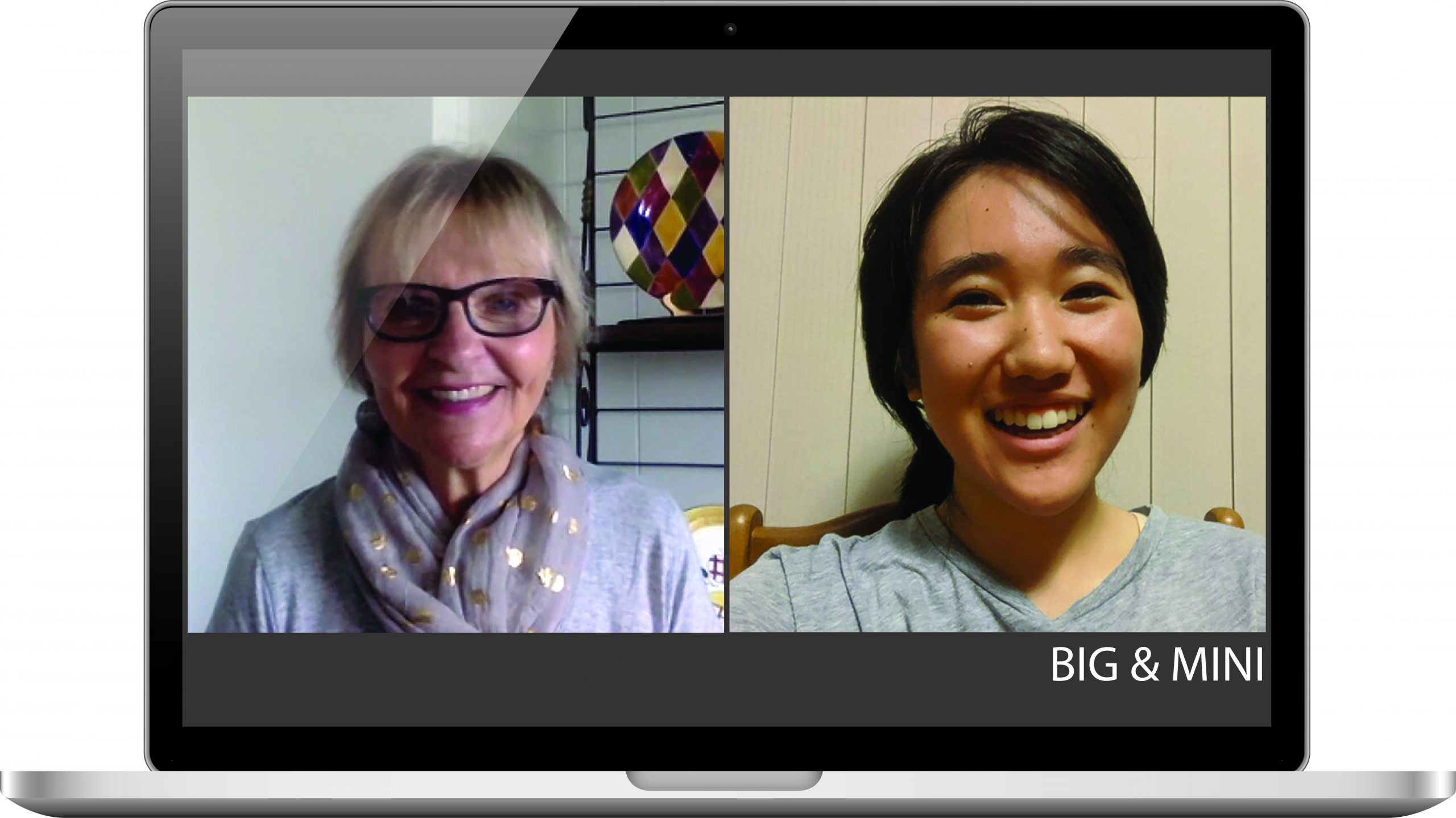
    With funding from an AARP Community Challenge Grant, and in partnership with Big & Mini, Purpose Pals will be offered for free to schools, youth groups, senior clubs and senior living facilities. If technology support is needed, training will be provided.

    Purpose Pals will lessen the challenges of social distancing while building a more age-friendly community. If you are interested in being a pal, or want to bring Purpose Pals to your group, contact Christy at info@purposepals.org.


    PURPOSE PALS
    www.purposepals.org | info@purposepals.org

    Purpose Pals matches adults (50 and over) and youth (high school through college age) based on their interests, and fosters regular communication using Big & Mini, a web-based video conferencing platform. The program provides themed conversation starters and online activities to ensure pals have enriching conversations.

  • Your Medicare Options for 2021

    Each year, Oct. 15 through Dec. 7 is the Medicare Annual Election Period (AEP). During AEP, you will have the opportunity to explore and choose your Medicare coverage for 2021. You will have many choices, which includes selecting a Medicare Advantage plan or staying with your current option.

    Even if you are satisfied with your current option, it is important to review your Medicare plan during AEP for a few reasons:

    ■ Your plan may change.

    The cost and coverage of your Medicare plan may change each year. Make sure that your plan meets your needs. Medicare recommends reviewing your health plan’s “Annual Notice of Change.”

    The physician network, specialists and hospitals may change.

    To avoid having to find a new doctor or paying for higher costs, it’s a good idea to make sure your doctor is participating in your Medicare Advantage plan physician network. Medicare Advantage physician networks vary greatly in size and composition. This may have important implications. For example, if you are enrolled in an HMO plan, you have limited access to the number of doctors or hospitals. Please check and make sure your primary care physician, specialists, and hospitals you trust and prefer are participating in your 2021 Medicare plan option.

    A new plan may be offered — or additional benefits may be available.

    Certain plans offer additional benefits not provided by Original Medicare. Medicare Advantage Plans, for example, offer additional benefits, such as dental, prescription drug, vision or gym membership, possibly at no additional cost.

    Your healthcare needs may change.

    You may find that you want more coverage than you currently have. By planning, you can ensure that you have the coverage that is right for your anticipated healthcare needs.

    Your prescription needs may change.

    You may require different prescription medications if your healthcare needs continue to change.

    Remember, the Medicare annual enrollment period runs from Oct. 15 through Dec. 7, 2020.


    MDX HAWAI‘I
    500 Ala Moana Blvd., Ste. 2200, Honolulu, HI 96813-4993
    808-522-7500 | www.MDXHawaii.com
    MDX Hawai‘i has over 35 years of experience serving the people of Hawai‘i. Our physician network represents over 630 top primary care physicians, and more than 2,200 leading specialists and hospitals. MDX Hawai‘i contracts with Humana HMO, Humana PPO and AARP/UnitedHealthcare PPO Medicare Advantage Plans.

    Each year, Oct. 15 through Dec. 7 is the Medicare Annual Election Period (AEP). During AEP, you will have the opportunity to explore and choose your Medicare coverage for 2021. You will have many choices, which includes selecting a Medicare Advantage plan or staying with your current option. Even if you are satisfied with your…

  • What Did We Learn About Alzheimer’s Disease in 2020?

    While in 2020 the world may have felt like it’s been on hold, the threat and devastation of Alzheimer’s disease has not been. Here are four important things we learned about Alzheimer’s disease this year.

    Emphasis on the Connection Between Brain Health and Heart Health

    Over the years, science has shown that a healthy lifestyle may counteract the risk for Alzheimer’s disease. Recent research has  shown strong linkages between brain health and heart health factors such as high blood pressure and diabetes, which can lead to a higher risk of cognitive decline. Maintaining good heart health is one key lifestyle choice recommended by the association, in addition to physical activity, eating healthy and social engagement.

    COVID-19 Health Disparities Exposed

    The pandemic has further exposed the health differences that exist between racial and ethnic groups due to economic and social conditions. Studies showed Black/African Americans are two to three times more likely to develop Alzheimer’s disease and Hispanics are one to two times more likely to develop Alzheimer’s disease than whites. Additionally, multigenerational households, which are more common among some racial and ethnic minorities, may find it harder to protect older family members or to isolate in limited home space. Lack of access to insurance and work conditions of minorities also make them especially vulnerable to COVID-19. Conditions of inequality can isolate people from resources and services to keep their families safe. The association is deeply committed to addressing such inequities. The Alzheimer’s Association’s board of directors, volunteers and staff are committed for the long term to close these gaps.

    Blood Test for Abnormal Brain Protein May Confirm Alzheimer’s Disease Diagnosis

    Great advancements have been made in developing a blood test that could accurately detect Alzheimer’s disease. Studies focused on biological markers that detect abnormal versions of the tau protein in blood or plasma, including a specific form of tau known as p-tau217, which is most specific to Alzheimer’s disease. Blood tests could offer an easier way for families to get a  diagnosis earlier, which could greatly benefit families now and in the future.

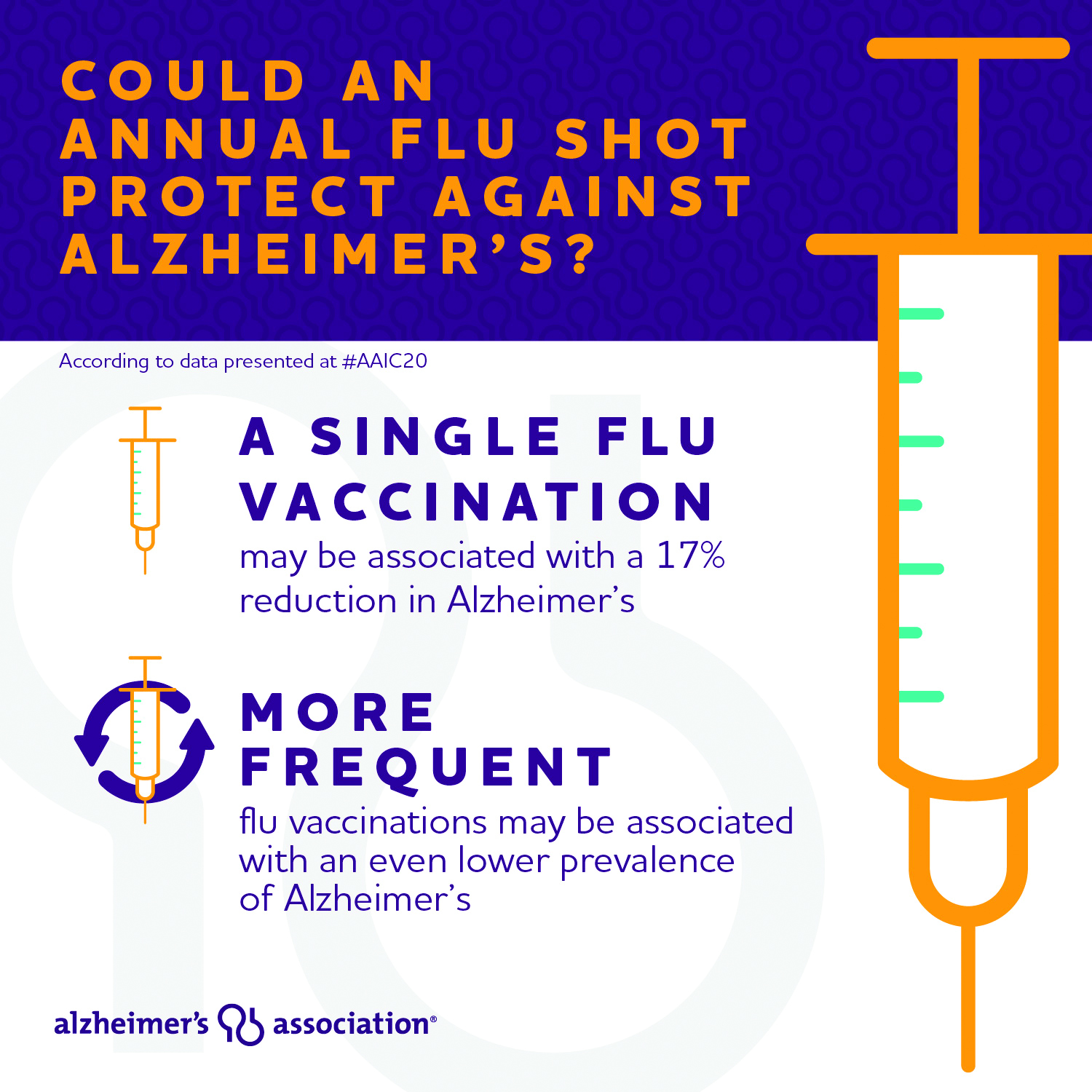
    Flu and Pneumonia Vaccination Tied to Lower Risk of Alzheimer’s

    New research suggests that flu and pneumonia vaccination are associated with a reduced risk of Alzheimer’s. The reports are some of the first large-scale studies investigating the relationship between vaccination and Alzheimer’s risk, highlighting the potential of vaccination as an accessible intervention and supporting further research into the biological mechanisms underlying the observed protective effects of vaccination.

    As we wrap up this unprecedented year, these are just a few milestones reached by the association, in addition to providing uninterrupted and increased services during the crisis by transitioning programs to virtual and telephonic platforms.


    ALZHEIMER’S ASSOCIATION (501(c) 3 nonprofit)
    Online Community: www.alzconnected.org
    Online Education: www.training.alz.org
    Support Groups & Programs: www.alz.org/hawaii
    24/7 HELPLINE: 800-272-3900
    Hawai‘i Office: 808-591-2771

    While in 2020 the world may have felt like it’s been on hold, the threat and devastation of Alzheimer’s disease has not been. Here are four important things we learned about Alzheimer’s disease this year.

  • Dental Caregiving

    Early in my dental career, I was the dental advisor for elder care facilities in Honolulu. The most challenging tasks were demonstrations on dental care. Some patients were extraordinarily combative!

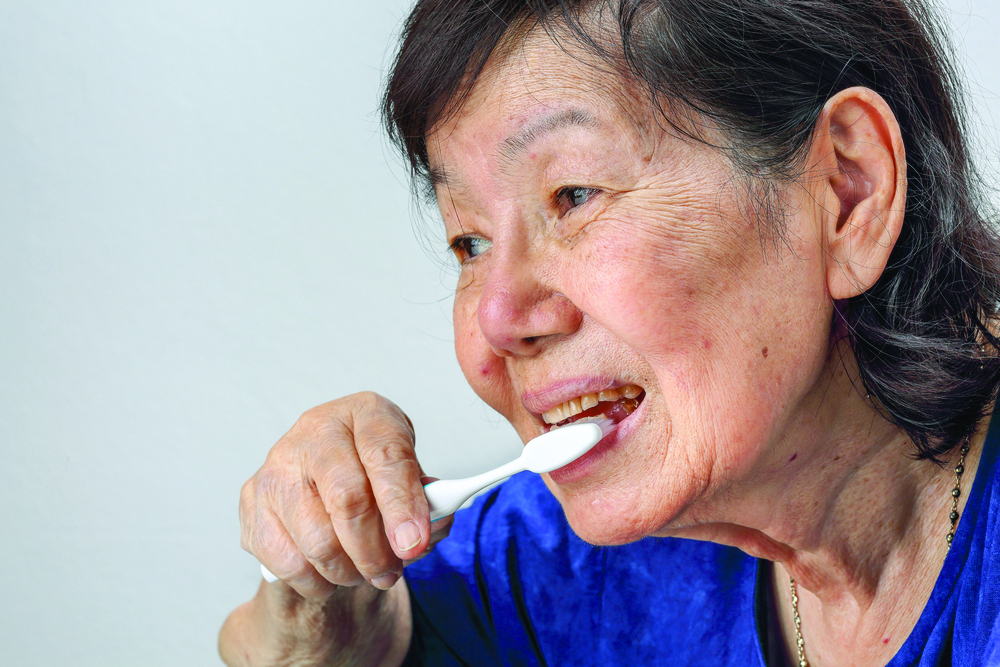
    The combative patient’s teeth are typically not clean — minimal toothbrushing is done. It can be a struggle! Occasionally, though, you may be able to use a proxy-brush (a small Christmas tree-shaped brush) to clean between their teeth. Sometimes, using a thin, wet cloth or gauze around your finger works well in place of a toothbrush.

    Teeth that are very loose should be removed. They may choke and/or aspirate them.

    If the person can still go to the dentist and has cavities, the amount of difficulty and risk while conducting the restorative treatment must be weighed against the amount of discomfort the patient is in. A product we call “Silver Diamond” (silver diamine fluoride) is easy to use and works well in arresting decay. It does turn the decayed area black and may require more than one application.

    If the person you are caring for is cooperative, then do whatever you can to remove the plaque and debris. I admire all of you who are caregivers. You all have hearts of gold.


    DR. PAUL K. TANAKA, DDS
    4747 Kilauea Ave., Ste. 113, Honolulu, HI 96816
    808-737-6229 | office@paultanakadds.com
    www.paultanakadds.com

    Early in my dental career, I was the dental advisor for elder care facilities in Honolulu. The most challenging tasks were demonstrations on dental care. Some patients were extraordinarily combative!

  • For Med Safety, Work With Your Pharmacist

    When medications are not properly administered, the result can be harmful — even fatal. Research indicates there is a vital need for people to manage their medications to avoid adverse drug reactions. This is especially true for our kūpuna.

    According to one study, adverse drug events accounted for 4.5 million visits to outpatient settings and emergency rooms nationally per year. Adults over 65 had the highest adverse drug events rate. The odds of these events increased in proportion to the number of medications taken. Public health officials are especially concerned about older adults who take five or more medications.

    Although Hawai‘i’s kūpuna generally use fewer prescription drugs compared to their counterparts across the nation, they still fill an average of 25.7 prescriptions per year.

    The Hawaii Pharmacists Association (HPhA) and the Honolulu Subarea Health Planning Council (HONSAC) have begun a public education program promoting patient safety in self-administered medications for our kūpuna through locally produced public service announcements that will air statewide. The three new PSAs remind kūpuna to “know” their medications, adhere to all medication guidelines and take advantage of any additional pharmaceutical services that provide healthcare benefits. The campaign empowers kūpuna to work with their pharmacists in preventing harm from self-administered medications.

    “The PSAs serve as a reminder that pharmacists are a resource whom kūpuna can rely on for medication management that must be carefully executed to avoid adverse drug events and other types of patient harm,” said HPhA President Dr. Janelle Siu.

    “For kūpuna, pharmacists are sometimes the most accessible healthcare practitioners, so we want to encourage the kūpuna to feel comfortable in asking their pharmacists questions about their prescriptions, over-the-counter medications, vaccinations or any other services the pharmacy can provide,” said Dr. Wes Sumida, who chairs HONSAC. “We want them to “Ask questions. Get the answers. Age wisely.”


    HAWAII PHARMACISTS ASSOCIATION (501(c) 6 nonprofit)
    PO Box 22954, Honolulu, HI 96823
    hawaiipharm@gmail.com | www.hipharm.org
    View the PSAs: youtu.be/6fv41EH8IdY,
    youtu.be/tdl3jasCStk, youtu.be/Uik7-4yQXAA

    When medications are not properly administered, the result can be harmful — even fatal. Research indicates there is a vital need for people to manage their medications to avoid adverse drug reactions. This is especially true for our kūpuna.

  • Caregivers’ Tips for a Healthy Smile

    Most caregivers know good oral health is important at every age and is a clear indication of their patient’s overall health.
    Some things caregivers should look for are signs of change in the patient’s mouth. Has there been recent tooth loss, discoloration or dryness? Often, seniors may experience those conditions, which affects how they digest their food or indicates other health problems. It’s important to monitor even small changes or signs of discomfort while eating or drinking.
    Caregivers can maintain good oral health for their patients by brushing their teeth twice a day for two minutes and flossing daily. Use special oral health tools to properly brush and floss. Rinse dentures after every meal and brush them with a denture cleaner. Don’t forget to take the dentures out before bedtime and store them in water.

    Nutrition plays a large role in maintaining good oral health at any age; it’s best to limit sugary foods and drinks. Drinking lots of water keeps the teeth and body healthy. Also, don’t forget that seniors still need to see the dentist twice a year for exams and cleanings, even if they have dentures.

    Lastly, I want to say thank you to all caregivers for caring for our kūpuna. You are appreciated and valued. We hope these tips help your patient or loved one live well and smile more.


    HAWAII DENTAL SERVICE
    Kahala Howser, Wellness & Events Manager
    808-521-1431 | khowser@hawaiidentalservice.com
    www.HawaiiDentalService.com

    Most caregivers know good oral health is important at every age and is a clear indication of their patient’s overall health. Some things caregivers should look for are signs of change in the patient’s mouth. Has there been recent tooth loss, discoloration or dryness? Often, seniors may experience those conditions, which affects how they digest…

  • SEED for the Holidays

    The holiday season is a time of joy, but for many, it’s a challenging time as well. When the body holds too much tension and emotional energy, it can affect the immune system, making a person more prone to illness, as well as depression. And while we all want to enjoy this time, if we’re not proactive in taking care of ourselves, we may not feel like celebrating. So here is a word to practice to make this winter more wonderful: SEED, an acronym for stress, exercise, emotions and diet.

    Stress: More than 80 percent of chronic diseases are caused by stress. Learn to manage and reduce stress through proper breathing and meditation.

    Exercise: Deliberately move your body for one minute every hour at least 10 times a day to help make your body stronger and your brain smarter.

    Emotions: Positive emotions are the most powerful vitamins for your mental health. Spend time each day to appreciate yourself, your life and your loved ones. Smiling goes a long way, too.

    Diet: If overeating or making bad choices is challenging for you, stock your fridge with fruits and vegetables, and eat them before you indulge in holiday party food. You’ll eat less and your body will thank you.

    Plant this SEED now and ring in the New Year in better health. Happy holidays!


    KAIMUKI BODY & BRAIN
    3569 Harding Ave #B, Honolulu, HI 96816
    808-738-5522 | www.bodynbrain.com/kaimuki

    The holiday season is a time of joy, but for many, it’s a challenging time as well. When the body holds too much tension and emotional energy, it can affect the immune system, making a person more prone to illness, as well as depression. And while we all want to enjoy this time, if we’re…

  • Battlefield Acupuncture for Pain

    Some of our best inventions come out of the military: the walkie-talkie (1930s), duct tape (1942) and “Battlefield Acupuncture” (2001).

    Chronic pain is a serious problem for many of us, including combat veterans and soldiers. Unfortunately, pain medications, including opioids, often have limited efficacy and may impose adverse effects.

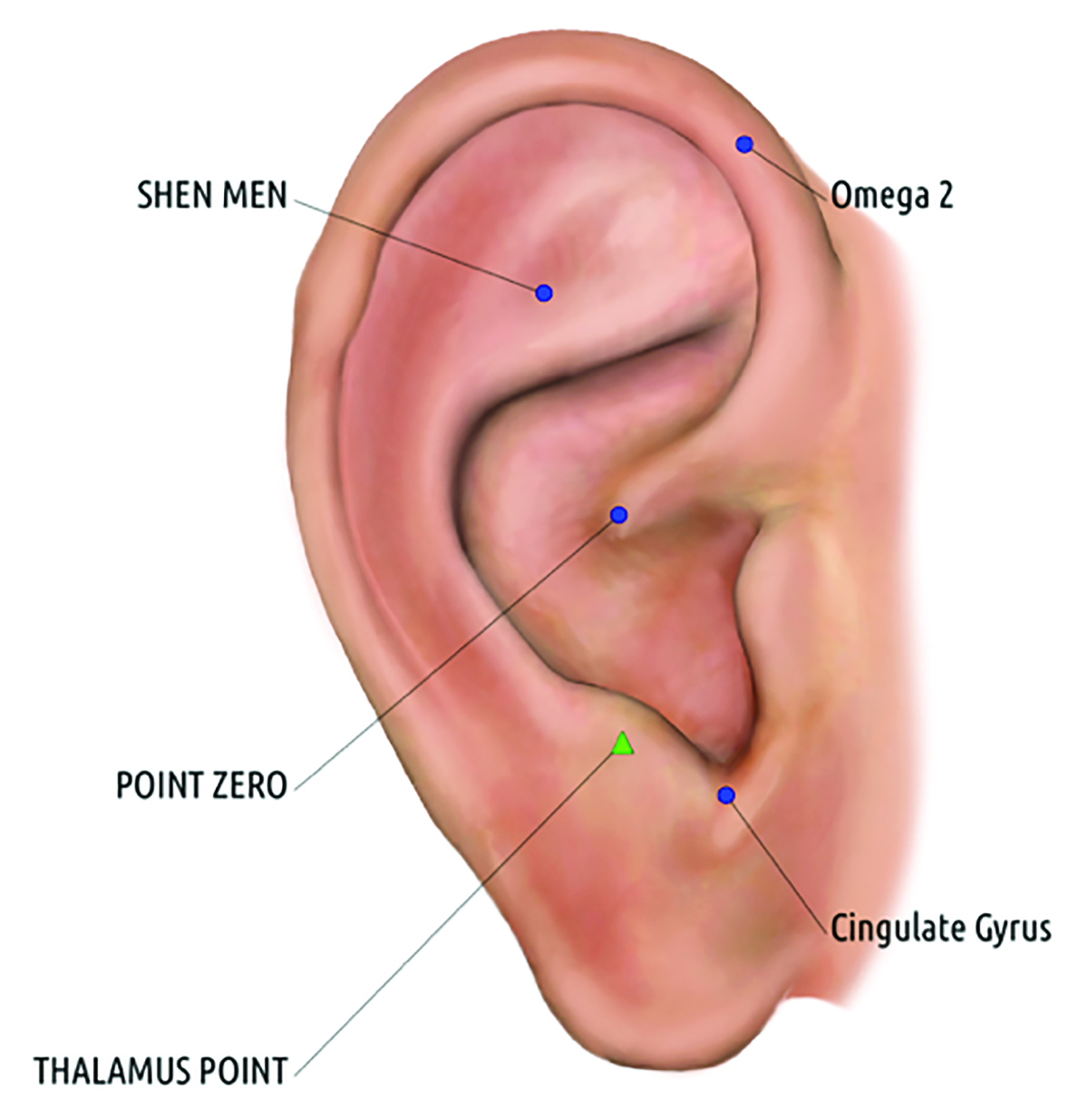
    Acupuncture is known to provide immediate relief for acute and chronic pain without the risk of addiction. Dr. Richard Niemtzow, MD, has finetuned this idea by developing Battlefield Acupuncture (BFA), an acupuncture protocol in which needles are placed in the ear.

    There are five points in this protocol: 1) Cingulate Gyrus, 2) Thalamus, 3) Omega 2, 4) Shen Men and 5) Point Zero. These points influence how the central nervous system processes pain. It has been suggested that they elicit short-term analgesia or anti- inflammatory cytokines for long-term effects. BFA has been proven effective for immediate pain reduction.

    Little gold semi-permanent needles are left to fall out on their own in a few days. But conventional acupuncture needles can work, too. This protocol is a quick and effective way of managing pain.


    NEEDLES OF HOPE
    1314 S. King St., Ste. 1050, Honolulu, HI 96814
    808-450-2527 | kathy@needlesofhope.com
    www.needlesofhope.com
    Source: Miridia Technology

    Chronic pain is a serious problem for many of us, including combat veterans and soldiers. Unfortunately, pain medications, including opioids, often have limited efficacy and may impose adverse effects.

  • Hearing Tips During the Pandemic

    This has been a tough year. Our lives have been disrupted at the least and dramatically changed at the worst by COVID-19. The effects are far-reaching and life-changing for us all — especially for our kūpuna.

    For those with hearing problems, it’s even more difficult to understand conversation when the speaker is wearing a mask. Voices become muffled and visual speech clues are hidden. Social distancing requires a separation of at least six feet, which makes it harder to communicate. The following are some tips for the kūpuna with hearing loss and their family and friends.

    Tips for kūpuna with hearing loss:

    • Let the speaker know you have problems hearing.
    • Ask the speaker to talk slower and louder so you are more likely to understand him or her.

    Tips for family and friends:

    • Make sure you have the person’s attention before you begin to speak.
    • Never speak from another room or over a long distance.
    • Ask a simple question to determine if you are being heard and understood. “Tūtū, can you understand me now?”
    • Do not start speaking and then turn away. Always face the person you are talking to.


    OHANA HEARING CARE
    1296 S. Beretania St., Ste. 102, Honolulu, HI 96814
    808-593-2137 | www.ohanahearingcare.com
    www.honoluluprosecutor.org/contact-us/

    This has been a tough year. Our lives have been disrupted at the least and dramatically changed at the worst by COVID-19. The effects are far-reaching and life-changing for us all — especially for our kūpuna. For those with hearing problems, it’s even more difficult to understand conversation when the speaker is wearing a mask.

  • Dementia Patients, Caregivers & COVID-19

    {Play}The disruption can cause them greater confusion and increased stress, which may prompt abnormal behaviors, such as acting out.

    The best thing family caregivers can do while keeping their loved one home during the pandemic is to establish new routines. Make a daily schedule that incorporates consistency in activities. This new routine will soon become the new norm.

    One normal routine seniors with dementia and their families have grown to depend upon is adult day care, which provides respite for families and activities, exercise and an opportunity for socializing for the senior. All of these have been proven to help slow the progression of dementia. But because many centers closed during the pandemic, families have reported noticeable cognitive decline in their loved ones.

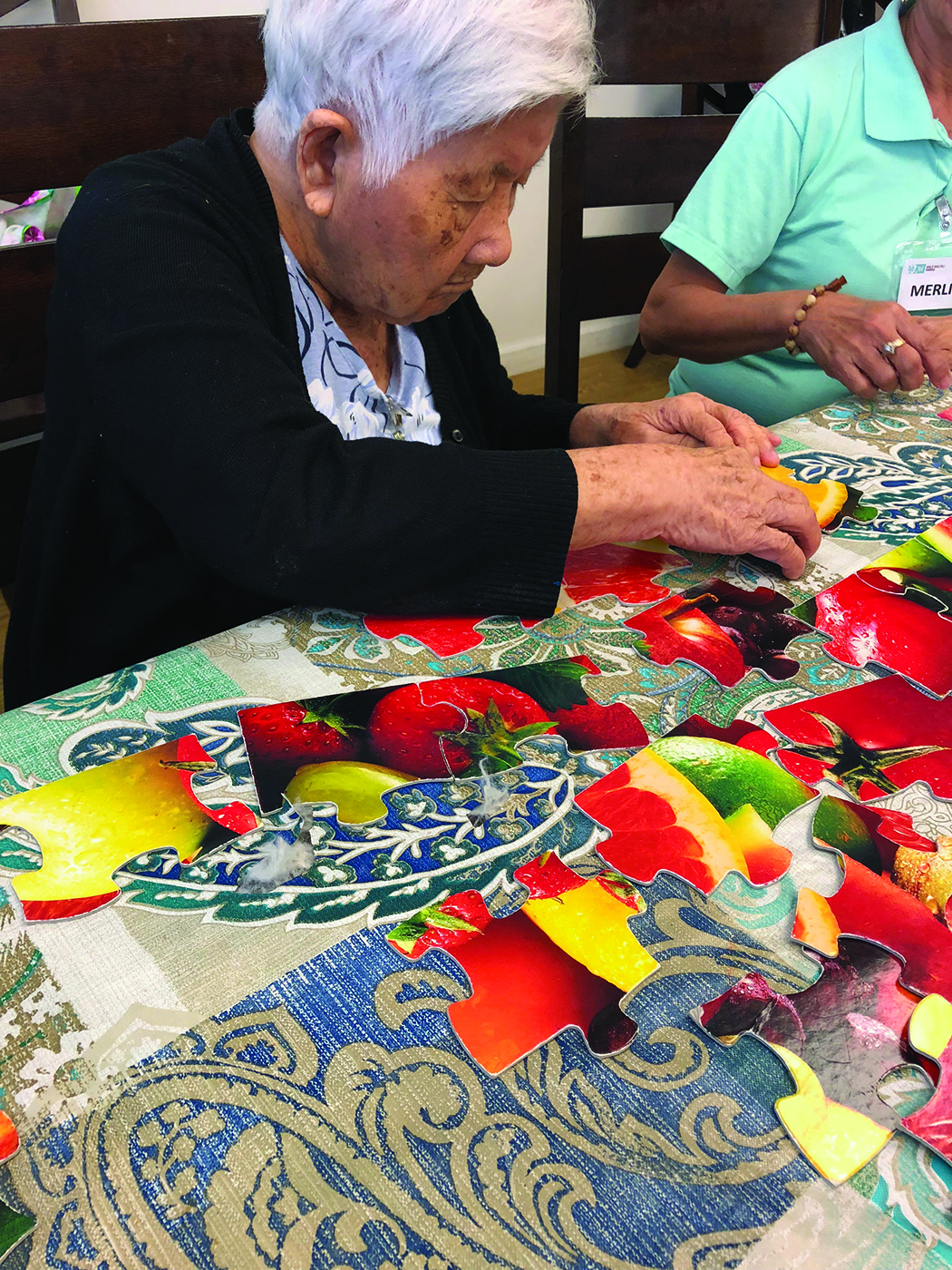
    Family caregivers can help by scheduling simple daily exercises and engaging them in activities, such as puzzles, singing, or arts and crafts. To help them socialize, set up FaceTime or Zoom meetings with friends and family.

    Other challenges and disruptions for seniors with dementia are the safety measures needed to prevent the spread of the virus. Seniors with dementia may not understand why they need to wear a mask and will refuse to do so willingly. They may not fathom the importance of thorough handwashing and must be assisted. They may not grasp the necessity of socially distancing from their loved ones.

    And the general public may not understand these aspects of dementia when they see a senior without a mask and not social distancing. Signage that explains why some seniors aren’t wearing masks might be helpful. To increase the public’s awareness, more emphasis on how dementia patients are affected by the pandemic could be discussed in statewide town hall meetings and televised press conferences.

    The state’s COVID-19 press conferences encourage everyone to wear masks to curtail the spread of the disease. Due to health problems, some people are not able to wear them — this includes some dementia patients.

    Health and safety come first, but tolerance and understanding are more important than ever.


    HALE HAU‘OLI HAWAI‘I
    98-1247 Kaahumanu St., Ste. 207, Aiea, HI 96701
    808-798-8706 | kwyatt01@aol.com
    www.halehauolihawaii.org

    The COVID-19 pandemic has affected everyone in some way. But our most vulnerable population, our senior citizens — especially those with dementia — are being particularly challenged. Our normal routines have been altered during the pandemic. This can be devastating for dementia patients, who thrive on the consistency of a regular routine.

  • The Medicalization of Family Caregiving

    Healthcare systems are changing, with radical implications for family caregiving. Cost-saving reductions in hospital stays ensure that patients are discharged “quicker and sicker.” Management of complex chronic care thus moves to the home, and responsibility for that care shifts from medical professionals to family caregivers. US family members have always provided the bulk of long-term care for older adults (around 80 percent). Now, in addition to assistance with activities of daily living (ADL) (e.g., bathing, grooming) and instrumental activities of daily living (IADL) (e.g., cooking, housekeeping), caregiving involves complex medical/nursing (M/N) tasks. Approximately 60 percent of family caregivers provide M/N care, which includes assistance with complex medication regimens, mobility devices, special diets, wound care, medical equipment (such as ventilators, oxygen tanks, suctioning tubes), catheters, IV fluids or meds, injections, blood glucose monitoring, tube feedings, home dialysis and ostomy care. Of those providing M/N care, approximately 35 percent perform three to four M/N tasks; 26 percent perform five or more.

    M/N caregivers are stressed. They worry they will make a mistake or hurt their care receiver. M/N tasks are emotionally difficult, especially pain management. Demands of providing special diets and incontinence care are constant and unending. Considerable skill is required to master complex procedures, recognize complications and side effects, and know when to seek additional help. Most claim they learned M/N tasks on their own. Peer support is rare. Although mandated in most states, caregiving instruction at hospital discharge is typically limited by time constraints to the most complicated tasks (tube feeding, suctioning, managing IVs), with less attention to more constant and anxiety-provoking demands, such as incontinence care or special diets.

    Decisions regarding severity of need and allocation of services should consider M/N tasks, in addition to ADL and IADL.

    A number of resources are available to reinforce initial M/N training:

    M/N Caregiving Instructional Videos and Resource Guides
    Home Alone Alliance™
    Videos on incontinence care, specialty diets, etc.
    www.aarp.org/nolongeralone
    Supporting Family Caregivers: No Longer Alone Videos on wound care, injections, etc.
    https://journals.lww.com/ajnonline/pages/collectiondetails.aspx?TopicalCollectionId=38

    Reports:

    Caregiving in the United States 2020 by AARP, National Alliance for Caregiving
    https://doi.org/10.26419/ppi.00103.001
    Home Alone Revisited: Family Caregivers Providing Complex Care by Reinhard, S.C. et al. (2019), AARP
    https://www.aarp.org/ppi/info-2018/homealone-family-caregivers-providing-complexchronic-care.html


    CENTER ON AGING — University of Hawai‘i at Mānoa
    2430 Campus Road, Gartley Hall, 201B, Honolulu, 96822
    808-956-5001 | map3@hawaii.edu
    www.hawaii.edu/aging

    Healthcare systems are changing, with radical implications for family caregiving. Cost-saving reductions in hospital stays ensure that patients are discharged “quicker and sicker.” Management of complex chronic care thus moves to the home, and responsibility for that care shifts from medical professionals to family caregivers.

  • Caregiving During COVID-19

    As overwhelming as it may be, we have the responsibility to guide our loved ones through this difficult time. Here are a few tips to help our care partners continue to provide care, compassion and find time for self-restoration.

    Ask your primary care physician for a telehealth appointment

    Telehealth is a visit with your doctor or specialist powered by digital technologies. It allows us to experience the physician visit without the travel and unnecessary exposure. In today’s society, it is difficult and somewhat scary to book appointments in person and get a PLWD to and from the doctor’s office. As a resident care manager caring for six ku¯ puna, I’ve found that telehealth appointments are easily accessible while allowing our ku¯ puna to stay in the comfort of their home. We spoke directly to the doctor within 15 minutes and were able to have all our questions answered.

    Learn how to use video call apps

    FaceTime, Skype, Zoom, GoToMeeting and any video call app will suffice for video calls. At this time, care homes are following strict CDC guidelines by decreasing visitations. Our residents and families are very understanding of these changes but also find it frustrating to be distant from each other. In lieu of regular in-person visits, we transitioned to scheduling Zoom meetings. All you’d need is a smartphone or laptop computer to allow you to have interaction with your loved one. Video calls, letters and phone calls are crucial to keeping our residents happy and fulfilled.

    Make time to care for yourself

    Everyone knows that you need to put your mask on before a child’s in a distressed airplane. The same concept applies to caregiving. Burnout will happen if you don’t take precautions. Find a relief care partner for a few hours and take a break. Go somewhere that helps relieve your stress. Go for a drive, read a book, listen to music, enjoy a cardio workout or go for a walk. Taking breaks is vital in order to give sufficient quality care to our loved ones.


    KINA‘OLE ESTATE
    Adult Residential Care Homes
    808-233-4455 | beth@kinaoleohana.com
    www.kinaoleestate.com

    The COVID-19 pandemic has all of us dealing with additional stressors in life, and many of us may find that our abilities to deal with conflict and issues are short-fused. People living with dementia (PLWD) rely on their care partners to provide assistance with activities of daily living with kindness and compassion. PLWD also require…