Category: October – November 2019

  • Prostate Cancer Support Group

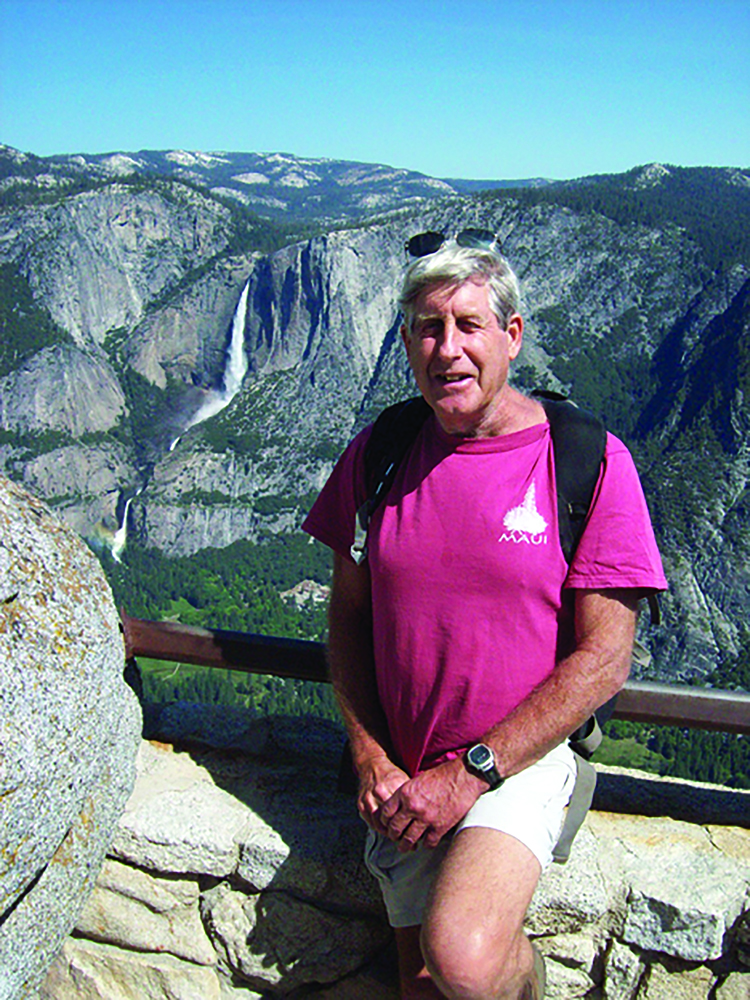
    Most men seem to have little knowledge about prostate cancer, even though it is one of the most common cancers found in men in the U.S. Until diagnosed, most of us tend to ignore the issue entirely. I was no different some six years ago — before I was diagnosed with aggressive prostate cancer. I was in denial, even though I was symptomatic. I convinced myself that I knew better and self-diagnosed what I thought was simply an enlarged prostate. Little did I know I was about to embark upon an adventure and steepen my learning curve on the topic.

    For the past five years or so, I have been engaged as an advocate, working with men across the nation — particularly in Maui County — helping them navigate through the ever-changing complexities of treatment modality, imaging options and interventions available in the world of prostate cancer. Fortunately, most men will be diagnosed with fairly low-grade disease that in many cases needs only active surveillance. But a significant number of men will fall into the category of those needing treatment for their disease.
    The Support Group

    I work through the peer-driven Answer Cancer Foundation (AnCan.org) as well as the Pacific Cancer Foundation on Maui to provide support, navigation and advocacy for men who are dealing with any cancer diagnosis, not just prostate cancer. I moderate free, live, online/telephone, bimonthly support groups for men. I have men calling in from O‘ahu and Neighbor Islands. We put our heads and hearts together to provide support and information for each other.

    When I was first diagnosed, I was desperate for answers. I found my way to a support group predominantly comprised of women breast cancer survivors. I was the token male and welcomed, but I got no answers. I quickly realized that as men, we are not looking for emotional support and tissues as much as reliable information from peers who are going through a similar experience.

    The world of cancer diagnostics and treatment is a rapidly developing dynamic. I have had scans, genetic tests and treatments that were not yet FDA approved or even conceived of when I was first diagnosed. Staying up to date with the latest technology is imperative. Awareness of treatment options can be life-changing.

    I urge all men to connect with a support network. Remember, I am here to help you, too — including helping women who are trying to support their man through a tough time in this life.


    ANCAN: MEN’S TALK STORY SUPPORT GROUP
    Sponsored by Pacific Cancer Foundation (501(c) 3 nonprofit)
    PCF Office: 808-242-7661 | Peter Kafka: 808-298-1655
    www.pacificcancerfoundation.org/mens-talk-story
    www.ancan.org/maui-mens-group/

    Most men seem to have little knowledge about prostate cancer, even though it is one of the most common cancers found in men in the U.S. Until diagnosed, most of us tend to ignore the issue entirely. I was no different some six years ago — before I was diagnosed with aggressive prostate cancer. I…

  • Understand Your Medicare Options

    Medicare serves more than 60 million people nationwide. Hawai‘i has 268,000 Medicare beneficiaries in 2019 — nearly 19 percent of the state’s total population. About 45 percent of Hawai‘i’s beneficiaries select Medicare Advantage plans. The remaining 55 percent are covered under Original Medicare.

    Every year during Medicare’s Annual Election Period (AEP) — Oct. 15 to Dec. 7 — Medicare beneficiaries can add, drop or switch plans. Medicare health plans and prescription drug plans can change in cost, coverage and services every year, so look at your plan’s coverage for 2020 and compare it with other plans.

    Hawai‘i residents can chose from between six and 19 Medicare Advantage plans in 2019, depend- ing on their county. Fourteen insurers offer Medigap plans in Hawai‘i.

    When looking at other plans, check the provider’s network and formulary. Unless you are willing to find a new doctor, make sure your doctor is in that network. Every plan has a different formulary — a list of prescription drugs covered by a prescription drug plan. Make sure the drugs you are taking are in that plan’s formulary or else you will need an exception or another drug. Check the cost; prices vary between plans.

    Other Medicare options are Medicare Supplement Insurance policies, also known as Medigap policies. Original Medicare pays for much, but not all of the cost of covered healthcare services and supplies. Medicare Supplement Insurance policies sold by private companies can help pay some of the remaining costs.

    The 2020 “Medicare & You” book that comes in the mail in early October lists all the Medicare health plans and their costs. It also compares service areas, monthly premiums, out-of-pocket limits, primary care visits, specialist visits and so forth.

    Medicare beneficiaries can also compare plans using the Medicare plan finder at www.medicare.gov. Compare up to three plans at a time by sorting by lowest estimated annual costs.

    Medicare rates all health and prescription drug plans each year based on quality and performance. Use these ratings to compare plans.

    If you have limited income and resources, you may qualify for help to pay for some healthcare and Medicare prescription drug costs. If you qualify for Extra Help and join a Medicare drug plan, you will get help paying your Medicare drug plan’s costs, have no coverage gap and have no late enrollment penalty.

    Start researching now to see if you have all the benefits and services you deserve.


    FINANCIAL BENEFITS INSURANCE INC.
    1311 Kapiolani Blvd., Ste. 504, Honolulu, HI 96814
    808-792-5194 | emotosue@fbihi.com
    www.fbihi.com
    Facebook: Financial Benefits Insurance

    Hawai‘i has 268,000 Medicare beneficiaries in 2019 — nearly 19 percent of the state’s total population. About 45 percent of Hawai‘i’s beneficiaries select Medicare Advantage plans. The remaining 55 percent are covered under Original Medicare. Every year during Medicare’s Annual Election Period, Medicare beneficiaries can add, drop or switch plans. Medicare health plans and prescription…

  • Dementia Activity Ideas

    Planning activities for a Person Living With Dementia (PLWD) isn’t easy. I’ve found it challenging to identify activities that peak and maintain the interest of a PLWD. The Positive Approach to Care philosophy states that PLWD need a balance of activities that include leisure, productivity, restoration and self-care.

    There are variations of engagement for everyone in any GEMS® state of dementia. GEMS® is a dementia characteristic and ability model. Providing activities that the person is able to do mentally and physically is the key. Personal interests, abilities, opportunities and where they are in the progression of the disease must be considered. Care partners must remember that engagement and interest in an activity is our purpose, not an end product. Here are some examples.

    DIAMOND — reluctant to change Diamonds stick to routines and are inflexible. You may need to give more verbal reminders leading up to an activity or event. Activities may include word or jigsaw puzzles; crafting, such as crocheting; sorting items by quantity or function; and household chores, such as washing dishes.

    EMERALD — needs to know what’s next Emeralds could benefit greatly from walking. They may also be skillful with household chores, such as folding clothes; sorting items with visible differences, such as color; simplified word puzzles; or other enjoyable crafts. Allow mistakes; your PLWD may not complete the task as you expected, but allow them the gratification of helping.

    AMBER — stuck in a moment Ambers are all about sensations and touch. Ambers and Emeralds are wanderers. Ambers are very curious and possess little safety awareness. Consider setting up a few safe places around the house where these wanderers can touch items. A lap mat, activity boards with latches and switches, and other sensory items can be found online.

    RUBY — fine motor is slowing down, gross motor strength Rubies are great with gross motor skills that can be best utilized with games such as batting a balloon back and forth, playing catch with a foam ball or cradling a doll. Rubies also enjoy old familiar tunes and may even like to sing along. Sensory items mentioned in the Amber state would also work well.

    PEARL — end-stage, difficult to reach but still there A person in the Pearl state is not always easy to be around. At this stage, they are typically bed-bound and non-verbal. However, they are still human beings and take pleasure in being treated as such. Pearls are great listeners, although they may not always respond. They may enjoy listening to music, hearing about your day or family, or a favorite story or poem, and having the grandkids play near them, allowing them to hear the laughter and receive kisses and hugs. For a more intimate experience (with proper training), you might choose to assist with feeding, grooming or incontinence care.


    HAWAII MEMORY FRIENDS LLC
    Caregiver Education & Consultation
    Mapuana Taamu, Certified PAC Trainer
    808-469-5330 | mfriends808@gmail.com
    Contact Hawaii Memory Friends to learn about GEMS® character models through the caregiver’s workshops: IT’S ALL IN YOUR APPROACH, scheduled at Pohai Nani (October), Kapiolani CC (September, October, November).

    Planning activities for a Person Living With Dementia (PLWD) isn’t easy. I’ve found it challenging to identify activities that peak and maintain the interest of a PLWD. The Positive Approach to Care philosophy states that PLWD need a balance of activities that include leisure, productivity, restoration and self-care. There are variations of engagement for everyone…

  • Senior Exercises for the Mind & Body

    Through daily exercise, seniors can combat illnesses such as arthritis and osteoporosis, which can afflict them in their golden years. And as physical health declines, untreated depression can decrease the quality of life.

    So seniors must remain, mentally and physically active for optimum health. For example, strength training is useful to combat the loss of muscle mass associated with aging, and helps to maintain flexibility and range of motion.

    WALKING has been proven to have extraordinary benefits for memory and the prevention of dementia, for blood circulation and for mood. For physical and mental benefits, walk in a group as a social event. Take a nature hike or plan a trip to a local park, beach, zoo, aquarium, Foster Garden or Bishop Museum.

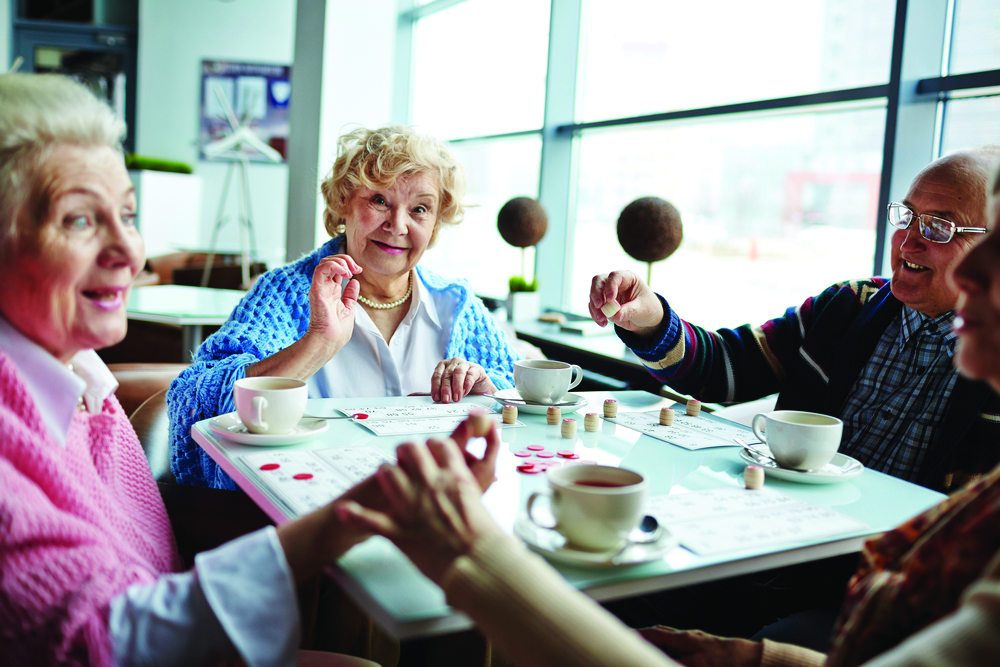
    MENTAL EXERCISES keep your brain active and alert while engaged in life’s pleasures. Play games such as cards, trivia or bingo, or do crossword puzzles or word searches. Read aloud or look through old photo albums. Exercising both the body and brain helps seniors live longer, stronger, healthier lives.


    AIEA HEIGHTS & WAIALAE SENIOR LIVING 1 & 2
    99-1657 Aiea Heights Drive | 2945 Kalei Drive
    808-488-5521 | 808-941-6960
    www.aieaheightsseniorliving.com

    Through daily exercise, seniors can combat illnesses such as arthritis and osteoporosis, which can afflict them in their golden years. And as physical health declines, untreated depression can decrease the quality of life. So seniors must remain, mentally and physically active for optimum health. For example, strength training is useful to combat the loss of…

  • Repetitive Questioning in Alzheimer’s

    In home care, a question I often get asked is how to care for someone with Alzheimer’s who asks the same questions over and over again. To better understand and manage what’s going on, it helps to first know a bit about Alzheimer’s disease and dementia.

    Alzheimer’s is a type of dementia that affects memory, thinking and behavior. It’s a progressive disease, where brain cells deteriorate and eventually a person can’t make sense of the world. When short-term memory is affected, it can lead to repetitive behaviors, like talking or asking about the same things over and over. In essence, your loved one can’t recall having already asked a question because of their memory loss. People with Alzheimer’s may be unsure of what’s around them, where they are or the passage of time, and may not recognize anyone. Altogether, it’s very unsettling and a source of discomfort for them. Understanding how they feel, or describing their own feelings and needs, can also be lost in a person with Alzheimer’s disease.

    Affected by these conditions, your loved one isn’t trying to be annoying or repeating questions because they need information. They’re really asking questions because they feel lost, stressed and anxious, and need reassurance. As a caregiver, answering these questions can be difficult and wear out your ability to care for a loved one. To help, caregivers should be prepared with some basic knowledge and awareness of how to respond:

    ♥ Keep it simple. Use short and simple responses. Reassure with a calm voice and gentle touch. Avoid complex explanations with multiple ideas when asked a question.

    ♥ Physical. See if there is discomfort, pain or something physical at the root of the cause. For example, infections or side effects from medications can also cause changes in behavior and awareness in older adults.

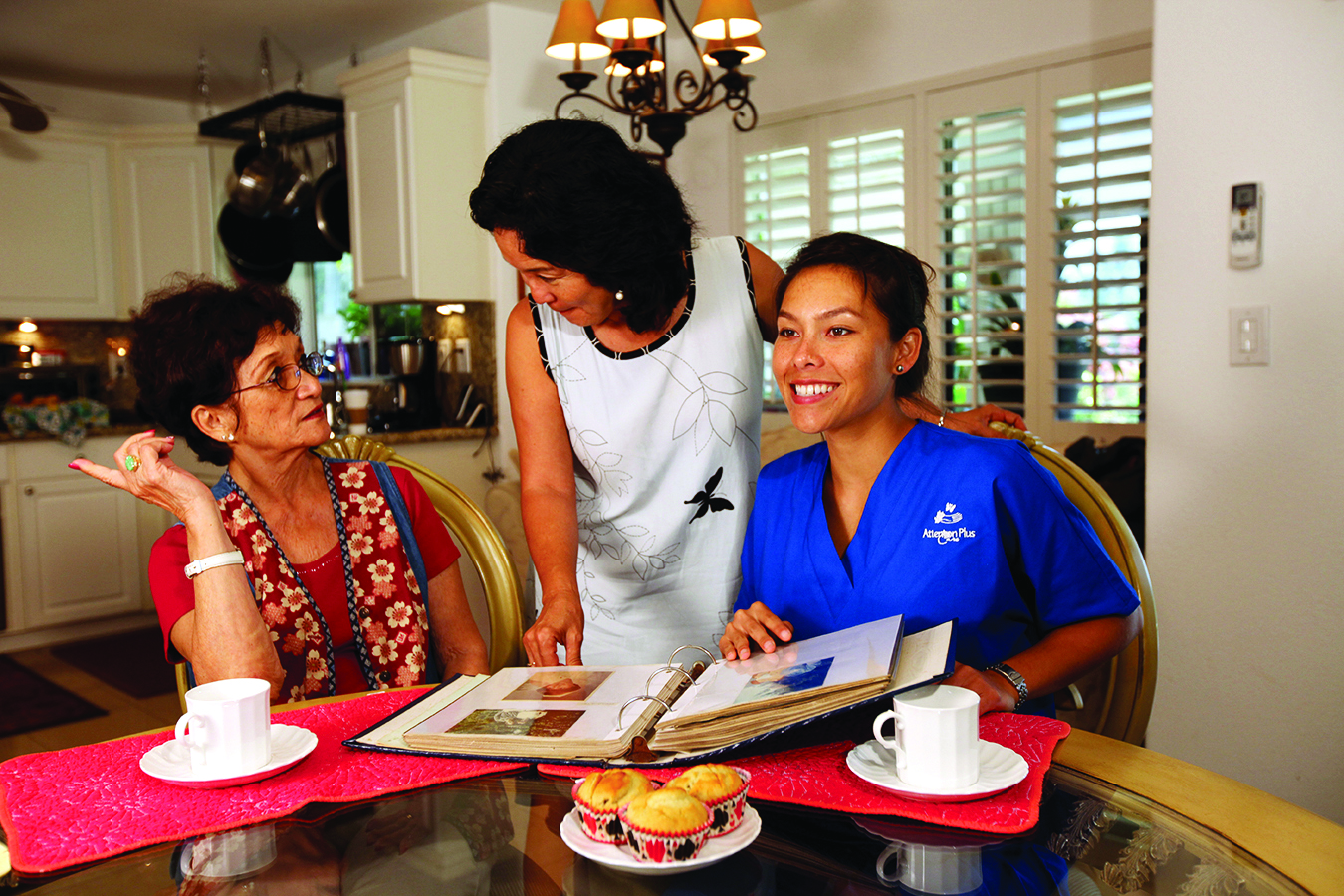
    ♥ Be aware of feelings. Know what triggers unpleasant feelings. For example, a lost sense of time can bring on anxious feelings. Try safe, repetitive and soothing activities like sorting or folding familiar items, or dusting and wiping to keep hands and minds calmly occupied. Walks, listening to music and looking at familiar photos or books can be pleasant diversions.

    ♥ Change the subject. Sometimes changing the subject can shift one’s attention enough to have a calming effect. Asking a simple question can also shift a person’s focus in the same way.

    ♥ Abilities. Check if you’re asking your loved one to do more than they’re able to. Accept your loved one as they are in the moment and that they are doing the best they can.

    Above all, take a deep breath, give your loved one a reassuring hug, and try to see behind the behavior and words repeated. It’s also vital to keep up your own health, and have a support system, including the local Alzheimer’s Association chapter, family, friends and faith groups. Addressing repetitive questioning in Alzheimer’s and dementia can be a trying experience. But with knowledge and awareness, these moments shared with your loved one can be the most precious of gifts.


    ATTENTION PLUS CARE HOME HEALTHCARE
    Accredited by The Joint Commission
    1580 Makaloa St., Ste. 1060, Honolulu, HI 96814
    808-739-2811 | www.attentionplus.com
    AGING IN HAWAII EDUCATIONAL OUTREACH PROGRAM by Attention Plus Care — a program providing resources for seniors and their families, covering different aging topics each month. For class information and upcoming topics, call 808-440-9356.

    In home care, a question I often get asked is how to care for someone with Alzheimer’s who asks the same questions over and over again. To better understand and manage what’s going on, it helps to first know a bit about Alzheimer’s disease and dementia. Alzheimer’s is a type of dementia that affects memory,…

  • Protect Yourself With a Flu Vaccination

    Due to the weakening of the immune system, people 65 years and older are at high risk of getting seriously ill from the flu.

    During most flu seasons, adults 65 years and older experience the greatest burden of severe flu and complications. Between about 70 and 85 percent of flu-related deaths in the United States occur among people 65 years and older. And people 65 and older account for between about 50 and 70 percent of the flu-related hospitalizations.

    Vaccination is highly effective in preventing flu and its potential complications.

    Flu vaccination has been shown to reduce flu illness and serious complications that can result in hospitalizations or even death in older people. A 2017 study showed that flu vaccination reduced deaths, intensive care unit admissions and overall duration of hospitalization for patients 65 years and older.

    Take control of your health. Get a flu shot this winter. For more information about the flu or the vaccine, contact your primary care physician.


    MDX HAWAI‘I
    500 Ala Moana Blvd., Ste. 2200, Honolulu, HI 96813-4993
    808-522-7500 | www.mdxhawaii.com
    Office hours: Mon.– Fri., 8am–5pm Headquartered in Honolulu, MDX Hawai‘i has over 34 years of experience serving the people of Hawai‘i. Our physician network represents over 630 primary care physicians, and more than 2,200 specialists, hospitals, and ancillary providers statewide. MDX Hawai‘i contracts with Humana HMO, Humana PPO, and AARP/ UnitedHealthcare PPO Medicare Advantage Plans on O‘ahu, Maui, and Kauai.

    Due to the weakening of the immune system, people 65 years and older are at high risk of getting seriously ill from the flu. During most flu seasons, adults 65 years and older experience the greatest burden of severe flu and complications. Between about 70 and 85 percent of flu-related deaths in the United States…

  • Healthy Aging & Hearing Loss

    As we age, our hearing often loses its edge. Clinical research suggests that hearing loss can have a negative effect on some key measures of healthy aging as cognitive, physical and social functioning decline. A study by the National Institute on Aging indicates that people with untreated hearing loss are significantly more at risk of developing Alzheimer’s and dementia.

    Hearing loss gradually sneaks up on us. Over time, we adjust and adapt, but even a mild hearing loss can be a source of misunderstanding and failed communication, leading to stress, fatigue and self-imposed isolation.

    Modern hearing devices are virtually invisible, comfortable and easy to use. As a result, those with hearing loss are no longer prevented from enjoying the activities that make life more enjoyable, like dining out with friends at their favorite restaurant or being present with family.

    The first step in correcting a hearing problem is to have the amount and type of loss measured by a hearing specialist. A professionally fitted hearing aid may be the key to enjoying a better tomorrow!


    OHANA HEARING CARE
    1296 S Beretania St., #102, Honolulu, HI 96814
    808-593-2137 | www.ohanahearingcare.com

    As we age, our hearing often loses its edge. Clinical research suggests that hearing loss can have a negative effect on some key measures of healthy aging as cognitive, physical and social functioning decline. A study by the National Institute on Aging indicates that people with untreated hearing loss are significantly more at risk of…

  • Engage Your Abs for a Strong Core

    Whether your goal is to reduce low back pain or slim your waist, adding exercises to your workout that engage your core can make a significant difference.

    The most important, yet often overlooked muscle that must be strengthened, is the transverse abdominis (TA) which is the deep, inner abdominal muscle that begins at the spine and wraps around your waist. This incredible muscle acts as a corset or internal brace stabilizing the spine and pelvis. It can reduce low back pain, prevent future back injuries and best of all, flatten your stomach.

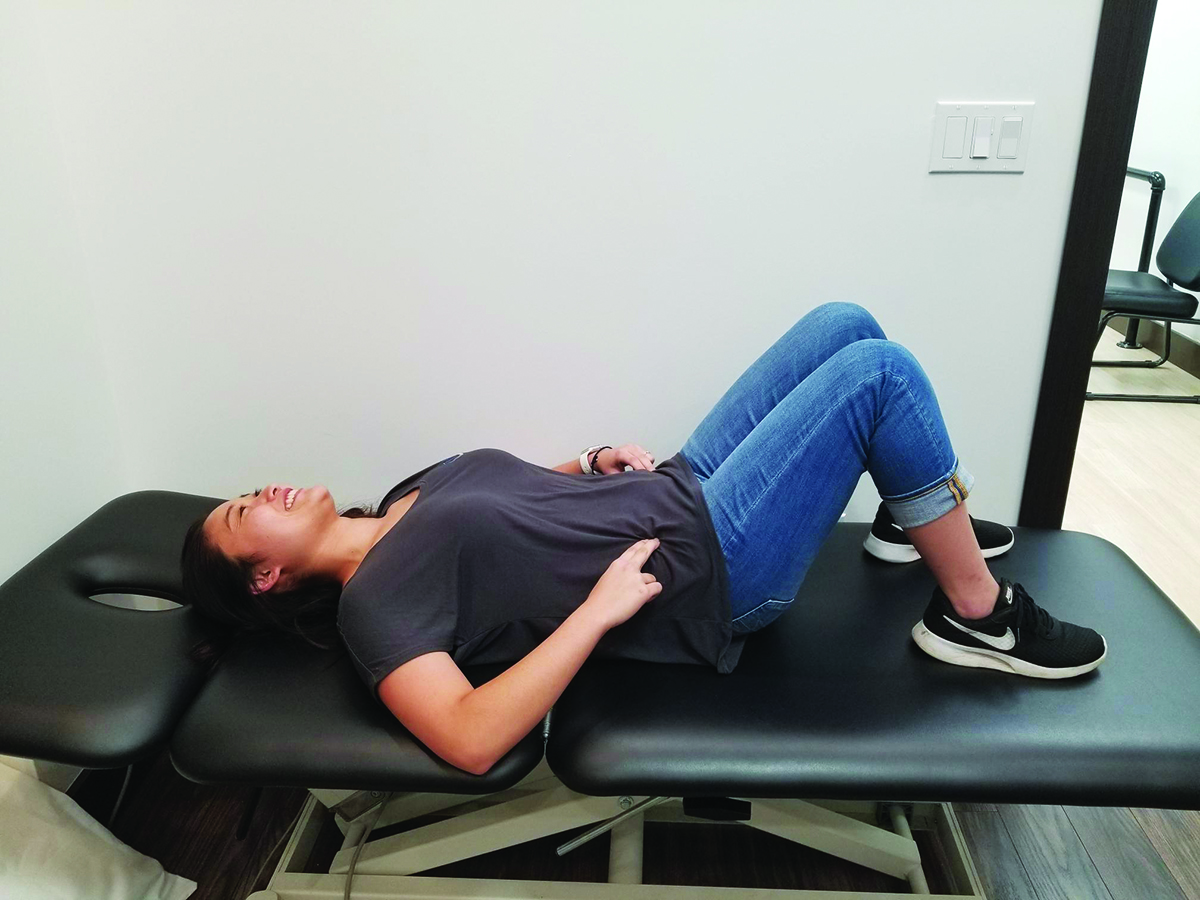
    To find and activate your TA, lie on your back, maintaining the natural curve of your spine with knees bent. Place two fingers at the bony areas of your pelvis, then slide the fingers in about an inch and down about an inch. A little cough will engage the TA and you should feel it tighten under your fingers. Take a deep breath in and exhale slowly as you gently tighten the muscle under the belly button without moving the shoulders or hips, or rounding your back. Imagine pulling your zipper up to your belly button as you tighten the muscle. Practice while sitting, standing or lifting.

    Learning how to draw in your TA takes some practice, but once you master it, you will see the results — a stronger core, improved posture and a much tighter tummy.


    MOON PHYSICAL THERAPY, LLC
    320 Ward Ave., Ste. 107, Honolulu, HI 96814
    95-1057 Ainamakua Dr., F-11, Mililani HI 96789
    808-597-1005 | www.moonpt.com

    Whether your goal is to reduce low back pain or slim your waist, adding exercises to your workout that engage your core can make a significant difference. The most important, yet often overlooked muscle that must be strengthened, is the transverse abdominis (TA) which is the deep, inner abdominal muscle that begins at the spine…

  • The Art of Falling

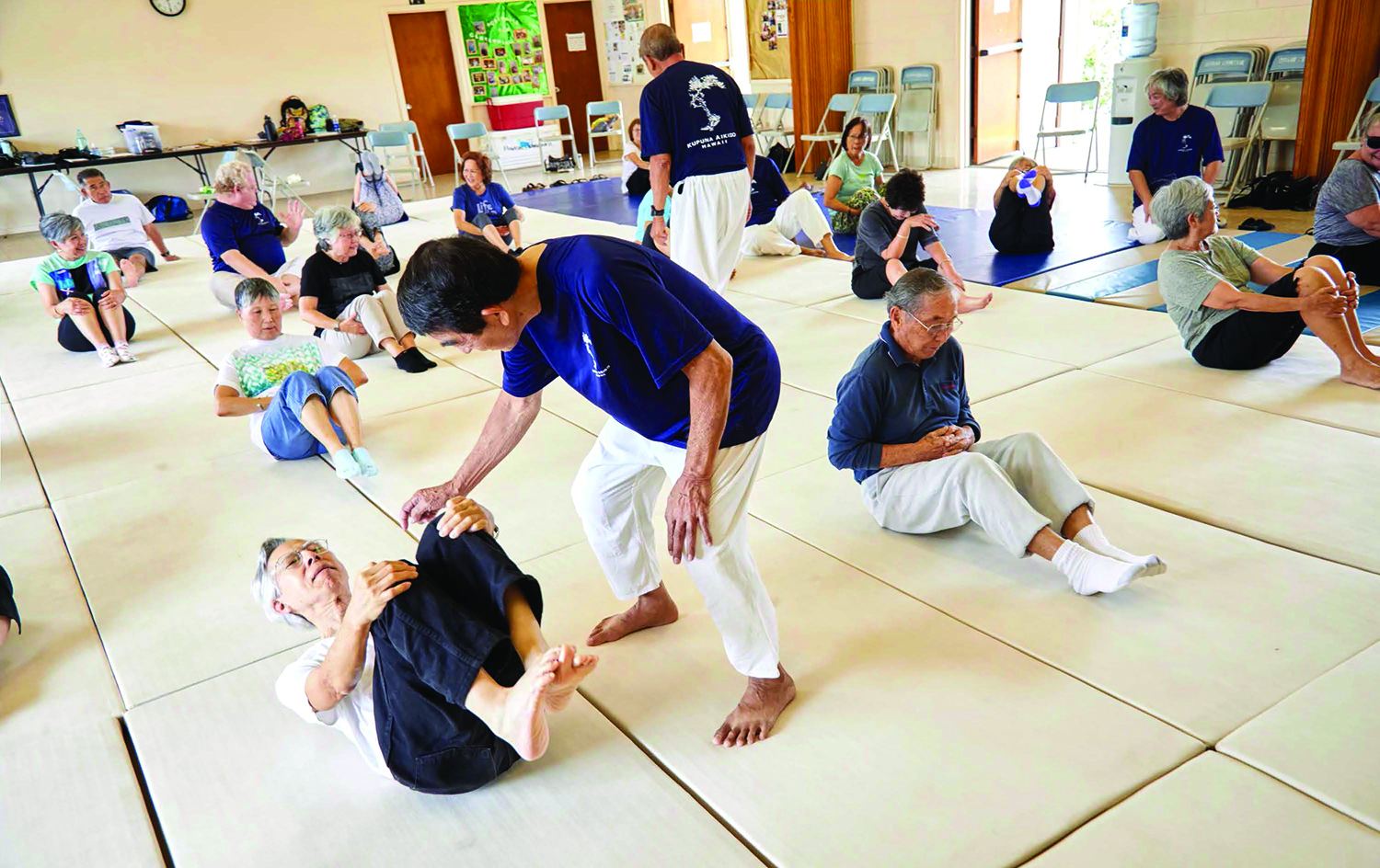
    Falling can become a major threat to our quality of life. According to Hawai‘i’s Department of Health, it is the No. 1 cause of fatal injuries in seniors. The DOH reports that one in three people over 65 will fall this year. While there are a number of precautions you can take, you can also protect yourself by learning how to fall safely.

    What does falling safely mean? It means falling in a way that helps to protect your head and body from injury. Learning how to fall is one of the skills being taught at the nonprofit Kupuna Aikido Hawaii. Its mission is “to empower Hawai‘i’s kūpuna with aikido-based philosophies to preserve and protect their mobile independence.” The techniques are based on the Japanese martial art aikido, which often translates to “the way of the harmonious spirit.” This marital art is a method of defending yourself while displacing the energy of your attacker so no one gets injured.

    The Safe Falling classes consist of two eight-week sessions — the Foundation Course and the Continuation Course.

    The Foundation Course teaches safe falling techniques and an introduction to low-impact aikido. Attendees will also learn about the importance of stretching, different breathing techniques and understanding balance.

    The Continuation Course is more advanced and includes an introduction to defense techniques, such as escaping the grasp of an attacker.

    Each course is $25 for those 65 years and older. The courses are held a few times a year at the Higashi Hongwanji Mission in the Liliha neighborhood of Honolulu and at Mililani District Park.

    Kupuna Aikido Hawai‘i recommends using the ABC prevention method:

    A for awareness. Look where you are going, walk heel to toe, and lift your feet and legs as you walk. Always pay attention and do not be distracted by smartphones or conversation as you are walking.

    B for balance. Exercise regularly to develop strength and flexibility. Tai chi and yoga are other good activities that can help build muscle and brain connection.

    C for control. Take the safest path — even if it’s longer. Use handrails. Install handrails and add grab bars in your bathroom.

    Contact Kupuna Aikido Hawaii for class registration information and schedules.


    KUPUNA AIKIDO (501(c) 3 nonprofit)
    Two locations:
    ♦ Higashi Hongwanji 1685 Alaneo St., Honolulu, HI 96817
    ♦ Mililani District Park 94-1150 Lanikuhana Ave., Mililani, HI 96789
    www.kupunaaikido.org/contact

    Falling can become a major threat to our quality of life. According to Hawai‘i’s Department of Health, it is the No. 1 cause of fatal injuries in seniors. The DOH reports that one in three people over 65 will fall this year. While there are a number of precautions you can take, you can also…

  • Understanding Whole-Body Donation

    Choosing end-of-life arrangements can be one of those tough decisions as a senior. However, these are very important decisions to make. With so many options available, how can anyone decide what the most cost-effective and responsible way to proceed would be? According to the National Funeral Directors Association, the trend of having an expensive burial is on the decline (down 16 percent since 2005). Cremation rates, however, are on the rise nationally (55 percent) and locally (75 percent). In recent years, a new option has become available — whole-body donation in which you donate your body to science.

    You may have heard someone say they want to donate their body to science after they pass. Many people are interested for a variety of reasons, including philanthropic, wanting to give back, covering the cost of cremation or aiding in education, research and the development of new medical interventions.

    According to Associated Press reports, whole-body donation is becoming a more popular option. However, in Hawai‘i, information about the process and its benefits are not well understood. For example, did you know that the decision to donate your body to science can be made in advance or can be made by a family member after one’s passing? And, you can pledge to be both an organ donor and a whole-body donor.

    The decision to donate your body to science is an extremely important one and it is an opportunity to make a difference in your community.

    One benefit of whole-body donation is that the cost of cremation is covered, but the benefits go far beyond just cost savings.Whole-body donor tissues are used by universities, orthopedic device developers, researchers and hospitals all over the world in order to aid in the advancement of medicine and treatment. Surgeons use donated tissue in order to learn new surgical techniques, for example. A single donor has the potential to help thousands of people all over the world.

    Whole-body donation organizations are a fairly new development. Until recently, there were no alternate options in Hawai‘i until now, through Ke Ola ‘Uhane (pledges can be made on its website).

    This is an important and needed service for residents of Hawai‘i, since it will directly benefit research and medical education in the state.

    What is the impact of my donation?

    Beyond education and research, there are also significant benefits for medical innovation. For example, Zion Harvey is the first child in the world to receive a double hand transplant. At age 2, Zion’s hands and feet were surgically amputated due to an infection. Due in part to whole-body donor organizations, Zion was able to undergo a life-changing 10-hour surgery at just 8 years old. One year later, he is able to write his name and grip a baseball bat.


    KE OLA ‘UHANE (501(c) 3 nonprofit)
    905 Kalanianaole Hwy., #4504, Kailua, HI 96734
    808-391-6041 | F: 808-261-0245
    www.keolauhane.org

    Choosing end-of-life arrangements can be one of those tough decisions as a senior. However, these are very important decisions to make. With so many options available, how can anyone decide what the most cost-effective and responsible way to proceed would be? According to the National Funeral Directors Association, the trend of having an expensive burial…

  • Life in a Retirement Community

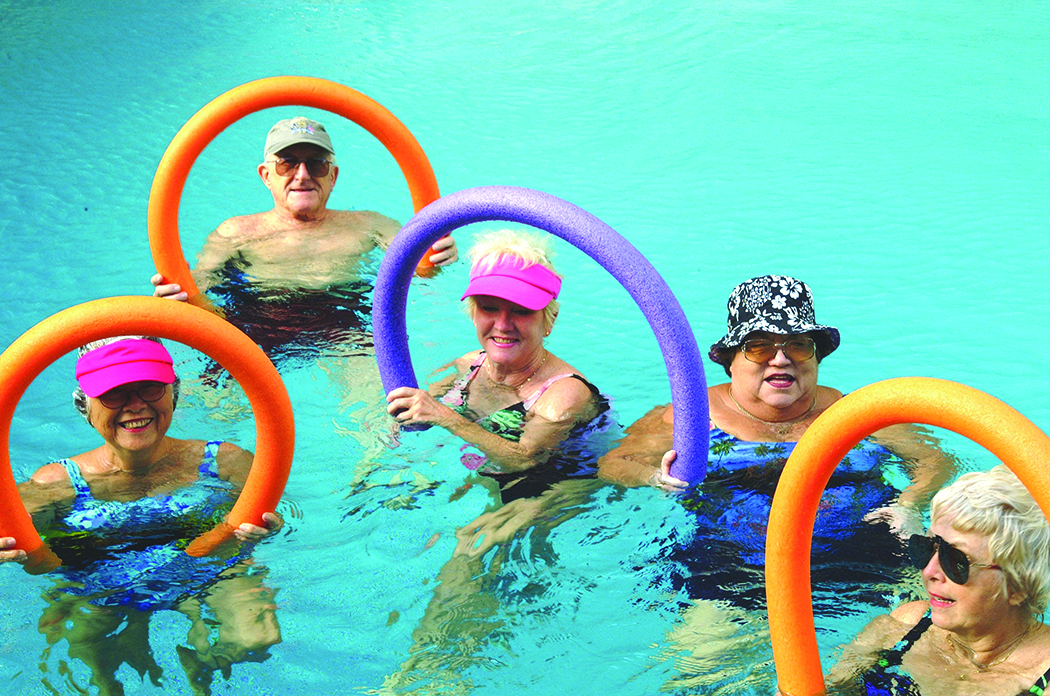
    Retirement communities are a lot like cruise ships. There’s a lot of excitement and options to choose from, including delicious cuisine, opportunities to relax, read and watch movies. There’s also time to talk story with neighbors and participate in activities such as hula and art classes, tai chi, water aerobics and more.

    You’ve worked hard all your life. Now it’s your time to be pampered and not worry about cooking, cleaning, yard and house work, grocery shopping or finding parking at the doctor’s office. Don’t let life pass you by. Don’t wait until you can’t enjoy the fun and excitement that retirement living can offer. At a retirement community, you will never even have to worry about what you’re going to do on any given day!

    Aging is a natural process that no one wants to face alone. Many seniors battle silent depression, a lack of healthy meals and rapid decline of health. Start your search now for a retirement community that will support your needs. Don’t wait too long and end up saying “I should of but I didn’t!”

    Many retirement communities have a full continuum of care options that allow residents to stay within one campus as they age. And as a resident in a retirement community, you become part of the ‘ohana. Explore your options now and see how your quality of life can be enhanced by living in a retirement community.


    GOOD SAMARITAN SOCIETY – POHAI NANI
    45-090 Namoku St., Kaneohe, HI 96744
    808-247-6211 | www.good-sam.com/locations/pohai-nani

    Retirement communities are a lot like cruise ships. There’s a lot of excitement and options to choose from, including delicious cuisine, opportunities to relax, read and watch movies. There’s also time to talk story with neighbors and participate in activities such as hula and art classes, tai chi, water aerobics and more. You’ve worked hard…

  • Friendship Through Flowers

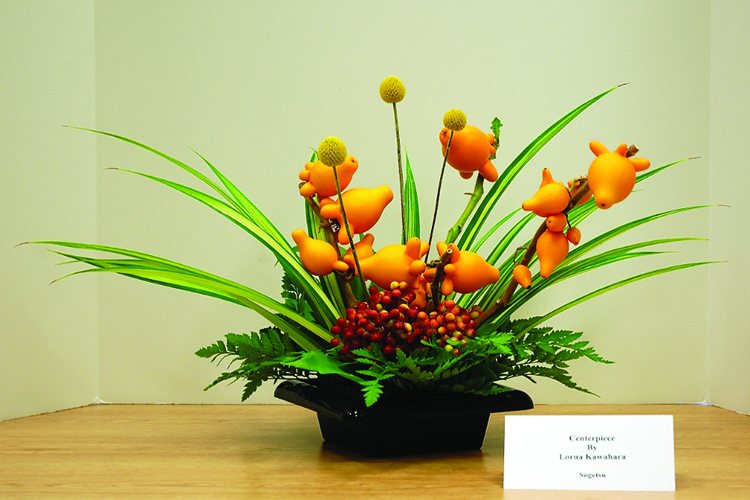
    Sogetsu centerpiece

    Ikebana, the Japanese art of flower arranging, is also known as kadō — the way of the flowers. Based on an ancient Buddhist ritual of using flowers to honor the spirits of the dead, kadō is one of the three Japanese arts of refinement.

    More than 600 years later, this ancient art form is celebrated by more than 8,500 people in more than 60 countries through Ikebana International. Started in 1956 by Ellen Gordon Allen, a U.S. general’s wife who was stationed in Japan, this international organization was founded to unite people and create a worldwide “Friendship of Flowers.”

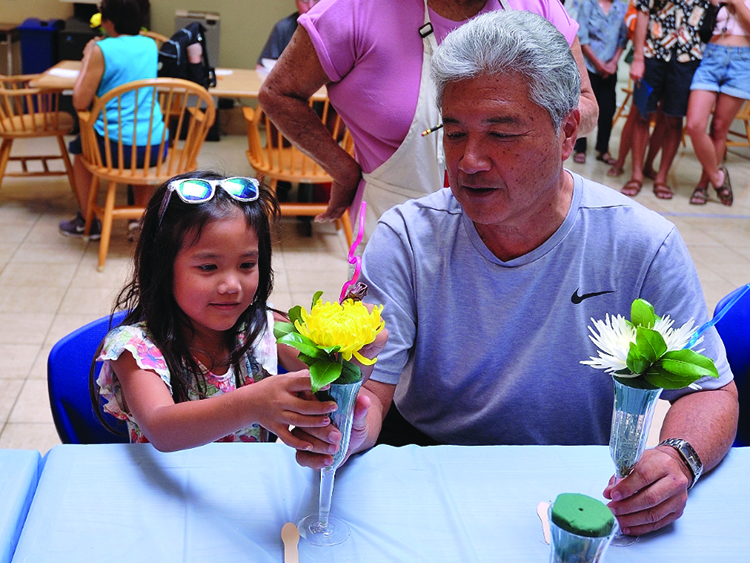
    Make & Take

    Hawai‘i’s chapter began in 1961, when a friend of Ellen’s, Pearl Jensen, met local arrangers from Enshu, Ikenobo, Koryu, Ohara and Sogetsu schools while attending an exhibit at the Shirokiya Department Store. Since then, the Honolulu Chapter, known as Hawai‘i’s Ikebana International Honolulu Chapter 56, has been promoting cultural understanding and appreciation of this craft through exhibitions, demonstrations, workshops and community service projects.

    The biggest exhibit is the Splendors of Ikebana held every summer in Honolulu. This year’s event brought thousands of people to the Hawai‘i State Library, with some even trying their hand at ikebana in the make-and-take workshop. While the elegant and restrained creations may seem simple, they are anything but. This delicate art form can take decades to master.

    Look for other ikebana workshops and classes throughout the year at the Mo‘ili‘ili Community Center, the University of Hawai‘i at Mānoa, Honolulu Museum of Art, Honolulu Hale, and various other schools and nonprofits.


    IKEBANA INTERNATIONAL – CHAPTER 56 (501(c) 3 nonprofit)
    P.O. Box 61306, Honolulu, HI 96839-1306
    information@ikebana-hawaii.org
    www.ikebana-hawaii.org
    Facebook: @ikebanainternationalhonolulu

    Ikebana, the Japanese art of flower arranging, is also known as kadō — the way of the flowers. Based on an ancient Buddhist ritual of using flowers to honor the spirits of the dead, kadō is one of the three Japanese arts of refinement.