Do I need a trust?” This is a common question I am asked when meeting with a client who is unfamiliar to estate planning. My usual response is, “It depends.” It depends on the client’s intentions or wishes, the client’s goals and concerns, the types of assets the client has, the age/maturity of client’s beneficiaries and whether there is a high risk of conflict.
Generally, a trust is beneficial for anyone who owns real property, has liquid assets of cumulative value of $100K or more and growing, has children or beneficiaries, has children or beneficiaries who have disabilities or are minors and/or children or beneficiaries who are not mature or responsible.
A trust is necessary for anyone who wants to prepare for incapacity, ensure a smooth transition of wealth, avoid probate, reduce conflict between the beneficiaries and reduce potential estate taxes.
A trust is a very important and flexible tool that can assist you throughout life and that extends through death.
Please understand that there are many different types of trusts. For the purposes of this article, consider revocable trusts or passthrough trusts, generally. You will want to meet with an estate planning attorney to see if a trust is suitable for you.
Do I need a trust?” This is a common question I am asked when meeting with a client who is unfamiliar to estate planning. My usual response is, “It depends.” It depends on the client’s intentions or wishes, the client’s goals and concerns, the types of assets the client has, the age/maturity of client’s beneficiaries…
Your revocable living trust (RLT) is a vehicle to deliver your assets to your beneficiaries — including you, if you become incapacitated. Think of your RLT as a little red wagon. In order for your wagon to do its job, you must load it up with your stuff. Anything you do not put into your wagon may not reach your intended beneficiaries without being subjected to an expensive, time-consuming public court proceeding.
If the proceeding is required in order to allow your assets to be spent on you while you are incapacitated, it is called a “conservatorship.” If the proceeding is required in order to allow your loved ones to receive their inheritances, it is called a “probate.” Either way, going to court can be costly and take a long time. Court proceedings can also draw unwanted attention.
You can spare yourself and your loved ones from having to go to court by transferring (called “funding”) all of your stuff into your RLT.
There are a few assets (most notably, life insurance policies, annuities and retirement plans), that do not need to be transferred into your RLT during your lifetime. Often, the most effective way of transferring these kinds of assets is through beneficiary designations. Another item you might not want to put into your RLT is your automobile, but you should discuss it with your attorney.
Your revocable living trust (RLT) is a vehicle to deliver your assets to your beneficiaries — including you, if you become incapacitated. Think of your RLT as a little red wagon. In order for your wagon to do its job, you must load it up with your stuff. Anything you do not put into your…
Children often learn their first lessons about money from the adults they’re closest to. Whether it’s listening to parents discuss a purchase or watching them pay bills online, kids are observant and their relationship with money is often shaped by what surrounds them. If you are a parent looking to instill financial wisdom in your children, here are some ways to get started.
◆ Set a good example. Kids often model what they see. Be intentional about the example you’re setting. Proactively discuss money with your children. Talk about what’s important to you moneywise and use everyday moments to bring it to life, such as bringing them along when you speak to a financial advisor or consider an expenditure.
◆ Share knowledge. You can give your kids important life skills by building their foundation of financial knowledge. Shape good habits with simple lessons about how to track spending or saving up for something special. Why wait until they’re on their own to talk about the value of good credit or to explain how compound interest can make savings grow? Talk about the rewards (and challenges) of delayed gratification and the perils of debt. As they get older, emphasize the importance of financial security and the value of professional guidance.
◆ Encourage goal setting. Instill the habit of goal setting early. Discuss your own goals — such as paying for a family vacation or saving for a new car — and how you follow through on them. Encourage your children to set a goal or two of their own.
◆ Reinforce the value of work. Children learn the value of a dollar sooner when they are exposed to the effort that goes into earning each one. Consider whether you want to provide an allowance or pay them for helping with chores. When they start a part-time job, talk through the various ways they can allocate the money earned. It’s human nature to be more careful when spending your own versus someone else’s money.
◆ Introduce the concept of budgeting. A spending plan can be empowering because you know exactly what money is going to meet each need and goal. Start explaining this concept early. Kids should understand that you impose limits on your own spending and why it’s important to live within your means. A trip to the grocery store can be an opportunity to share why you make the choices you do.
◆ Model philanthropy. If you donate to causes important to you, it can be impactful to show your children the power of giving. You might suggest they apply a save-spend-share philosophy toward their own money. The idea is to set aside a portion of their allowance or earnings for future wants or needs, spend another portion on today’s wants or needs and give a portion to causes they care about. Whether it’s enacting a spending philosophy or having a conversation with your child about how you use your money to give back, passing down your philanthropic values can be a rewarding experience for both parties.
◆ Be a resource. Most kids make a few financial mistakes as they mature into adulthood. So let them know they can turn to you for guidance. Encourage them to continue to build smart money habits and remind them they don’t have to navigate their financial journey alone.
Children often learn their first lessons about money from the adults they’re closest to. Whether it’s listening to parents discuss a purchase or watching them pay bills online, kids are observant and their relationship with money is often shaped by what surrounds them. If you are a parent looking to instill financial wisdom in your…
Hawai‘i’s unique housing landscape relies heavily on condominium and community association laws, which manage shared living spaces, properties and the intricate relationships within them. Governed by specific statutes, these laws include HRS 514B for condominiums, HRS 421J for community associations, HRS 421I for cooperatives and HRS 514E for timeshares. Of these, condominium laws stand out for their comprehensiveness, detailing everything from a developer’s responsibilities to the finer points of house rules. On the other hand, statutes for other housing types are strikingly thin, often leaving owners with little guidance in case of disputes.
This imbalance becomes even more apparent in properties that combine housing models. For example, a condominium might house timeshare organizations or rental pool groups within it, creating a complicated web of governance. These associations function as hybrid entities: They resemble corporations with directors and shareholders (owners), operate like families with close living arrangements that foster interpersonal conflicts, and act like governments with the authority to create rules and collect fees. Each aspect presents opportunities for friction and dysfunction, making their efficient operation critical for residents’ quality of life.
Hawai‘i’s Invisible County
The importance of these laws extends beyond their governance structures. Hawai‘i’s condominiums and community associations represent over $100 billion in real estate value. Condominiums alone make up more than 31% of the state’s housing units, the highest percentage in the US. About 420,000 people — nearly 30% of Hawai‘i’s population — reside in these communities.
To put this into perspective, this population is larger than the combined populations of Kaua‘i, Maui, and Hawai‘i Counties. These associations form Hawai‘i’s “invisible second-largest county,” and their influence on housing and the economy is undeniable.
Beyond housing, these associations help drive Hawai‘i’s economy, supporting contractors, landscapers, property managers and numerous service providers. As new housing developments increasingly adopt these models, the reliance on condominium and community association laws will only grow. These associations are not only residential communities but also economic ecosystems, ensuring jobs and livelihoods for thousands of workers who support their operations.
Despite their pivotal role, these associations often go unnoticed until governance issues erupt into public disputes. Disputes can arise from disagreements over shared expenses, misuse of funds, or lack of communication between boards and residents. These problems underscore the importance of proactive attention, improved transparency and ongoing reforms to make the system more equitable for all involved.
Hierarchy of Governance
To understand the structure of these associations, it’s essential to examine their hierarchical governance system. At the federal level, statutes like the Fair Housing Act (FHA) and the Americans with Disabilities Act (ADA) set broad protections to ensure equal access and non-discrimination. State laws, particularly HRS 514B and HRS 421J, provide detailed regulations governing everything, from how condos are developed to how they are marketed and managed. These state laws work in conjunction with community-specific documents: declarations (the “mini-constitutions”), bylaws (operational rules) and house rules (everyday guidelines). Meetings are governed by Robert’s Rules of Order, which help maintain procedural order and promote fair participation.
Inconsistencies in Governance
Despite this framework, the system is far from perfect. Condominium laws are significantly more detailed than those for cooperatives or timeshares, creating inconsistencies in governance. Judges often rely on condominium laws to resolve disputes in other association types, which can lead to misapplication of the statutes. This tendency can create further confusion and exacerbate tensions between owners and boards. Moreover, developers and management companies have historically played a significant role in drafting these laws, often prioritizing their interests over those of the residents. This influence can result in regulations that favor financial expediency or development goals at the expense of fairness or long-term sustainability. However, growing owner activism has resulted in notable reforms, including the anti-retaliation provision (HRS 514B-191), which protects residents who raise concerns from being targeted by their boards. Those dealing with condominiums are also required to act in good faith (HRS 514B-9). These requirements are a significant step forward but highlight the ongoing need for balance and equity in the governance structure. While the governance structure of community associations is designed to promote fairness and efficiency, several practical challenges arise.
■ Misuse of Executive Sessions. One persistent issue is the misuse of executive sessions. These private board meetings are intended for sensitive topics, such as personnel matters or potential litigation. However, boards frequently abuse this power to obscure discussions and decisions that should be made publicly. This lack of transparency undermines trust and leaves owners uninformed about critical matters affecting their community. For example, major decisions like approving large-scale renovations or reallocating shared expenses are sometimes made behind closed doors, leading to frustration and disputes among residents.
■ The Voting Process. Another common problem is the voting process. Boards often control proxies and voting timelines, giving incumbents a significant advantage. This kind of manipulation allows them to campaign more effectively than challengers, leading to imbalanced governance outcomes. Some boards also engage in practices such as targeting voters who have not yet participated, using direct outreach to sway results. Quite often, incumbents have the email addresses of owners via the management company which are not shared with challengers. These tactics undermine the principle of democratic representation and create divisions within communities.
■ Financial Planning. Financial planning also poses significant challenges. Hawai‘i’s reserves law mandates that condominiums set aside funds for future repairs and maintenance, but compliance is inconsistent.
Many associations neglect this requirement, resulting in sudden special assessments that burden owners with unexpected costs. This lack of planning is particularly problematic in aging buildings, where deferred maintenance can lead to significant safety risks and expensive emergency repairs. Ensuring adequate funding for reserves is critical to maintaining the long-term viability of these properties. The recent insurance crisis also is putting a significant strain on condominiums across the state.
■ Gender Disparities. Gender disparities further complicate the governance dynamics of community associations. Women, especially single women, frequently face harassment or discrimination from male board members or neighbors. This issue underscores the need for greater inclusivity and respect within community associations.
Advocacy and education are crucial to addressing these inequities, creating an environment where all residents feel empowered to participate in decision-making processes.
In the May-June issue, Part 2 of this two-part series will continue to cover how to navigate challenges in the complex world of condominium law and how to pave the way for reform.
Hawai‘i’s unique housing landscape relies heavily on condominium and community association laws, which manage shared living spaces, properties and the intricate relationships within them. Governed by specific statutes, these laws include HRS 514B for condominiums, HRS 421J for community associations, HRS 421I for cooperatives and HRS 514E for timeshares. Of these, condominium laws stand out…
The amount of unwanted medical waste has risen considerably in recent decades. But did you know that unused or expired medicine should be properly disposed of when it is no longer needed? But proper disposal does not mean throwing it in the trash or flushing it. Proper disposal by the proper authorities during Drug Take Back Days reduces the risk of prescription drugs entering the human water supply or potentially harming aquatic life.
Why proper disposal of expired or unused medication is important, according to government officials and law enforcement agencies:
Expired medicines may lose their effectiveness.
Improper use of prescription drugs can be as dangerous as illegal drug use.
Having unused or expired medicine in your home increases the risk of accidental poisoning — especially in homes where children or the elderly live, as they are especially vulnerable.
People may mistake one type of medicine for another, as pills can look very similar.
Children may mistake medicine for candy.
Plus, the drug overdose epidemic in the US has become a clear and present public health, public safety and national security threat.
The main goal of the program is to fight the opioid epidemic, which medical professionals say can stem from the easy access to such medicines in homes everywhere. Removing unneeded medicine helps to prevent misuse and opioid addiction from ever starting and is also intended to help reduce drug-related violence.
For the public’s safety, the Hawai‘i Department of the Attorney General has partnered with the US Drug Enforcement Administration (DEA), the Hawai‘i Department of Public Safety’s Narcotics Enforcement Division, and other local law enforcement agencies to participate in the National Prescription Drug Take Back Days. Results of these take-back events have been substantial, “with thousands of pounds of unneeded and potentially dangerous medications being collected and safely destroyed,” the DEA says.
National Take Back Initiatives (NTBIs) are conducted every spring and fall and are free and anonymous services to the public — no questions asked. Anyone with expired or unused medications is encouraged to bring them to the collection sites located on O‘ahu, Maui, Kaua‘i and Hawai‘i Island on April 26 and Oct. 25, 2025, from 10am to 2pm. The majority of the take-back locations will be drive-through. So, if you’ve got a bottle or patch of medicine, or a vaping device you no longer use, drive to one of these centers for safe disposal.
Tablets, capsules, liquids, and other forms of medication will be accepted. Everything can be kept in its original container. Labels do not need to be removed. But batteries must be removed from vaping devices before dropping them off. New or used syringes will not be accepted.
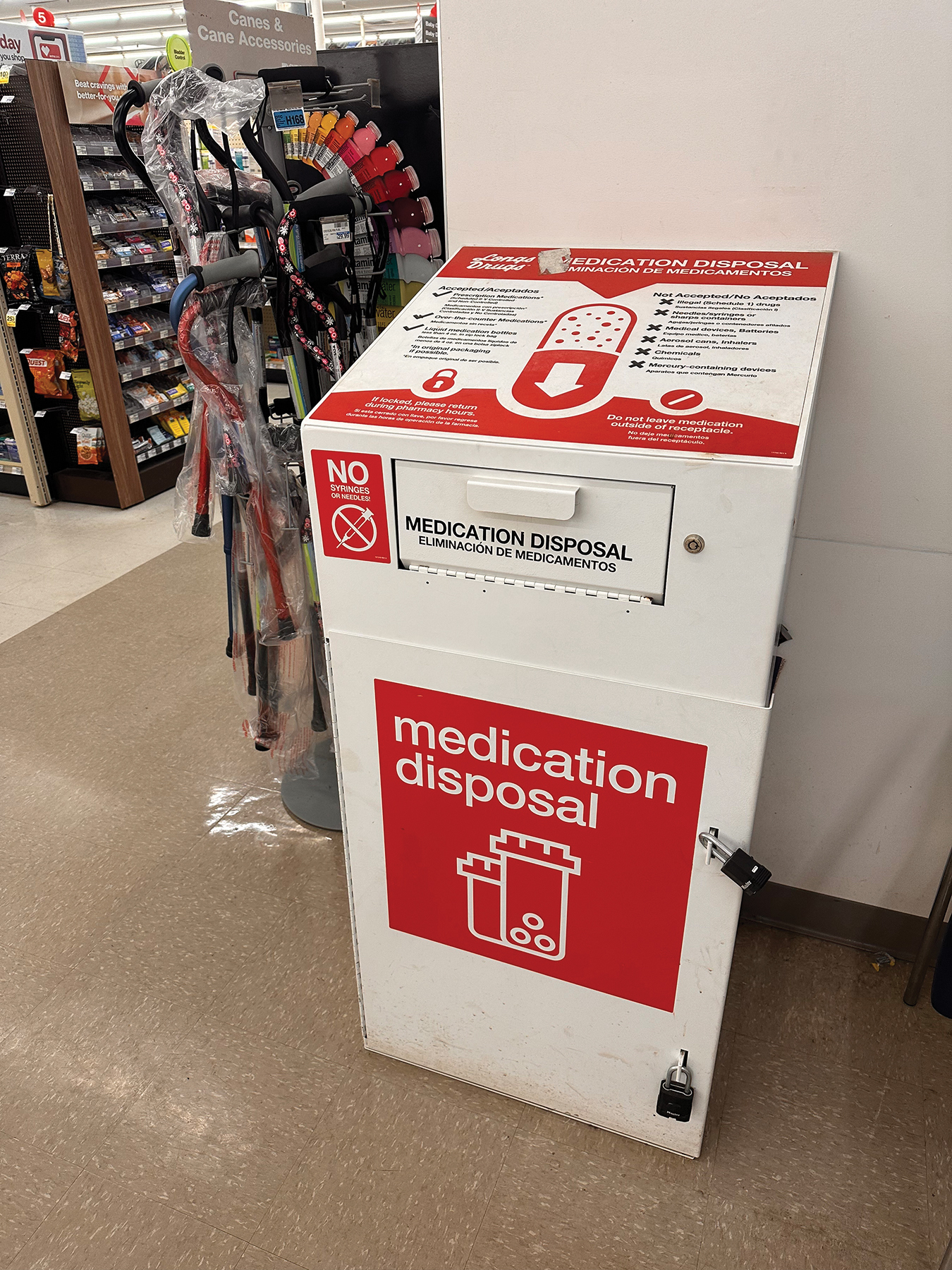
Visit manoa.hawaii.edu/c3od2a/take-back for a list of take-back locations in Hawai‘i. To find your nearest take-back location, visit dea.gov/takebackday#resources (enter your zip code). If you are unable to participate in the take-back event, there are several year-round medication drop-off sites across the state. Any police or fire station will accept medication. Many CVS stores and all military pharmacies also have anonymous drop-off boxes that look like large mail boxes. Ask your pharmacist for help locating a box.
The amount of unwanted medical waste has risen considerably in recent decades. But did you know that unused or expired medicine should be properly disposed of when it is no longer needed? But proper disposal does not mean throwing it in the trash or flushing it. Proper disposal by the proper authorities during Drug Take…
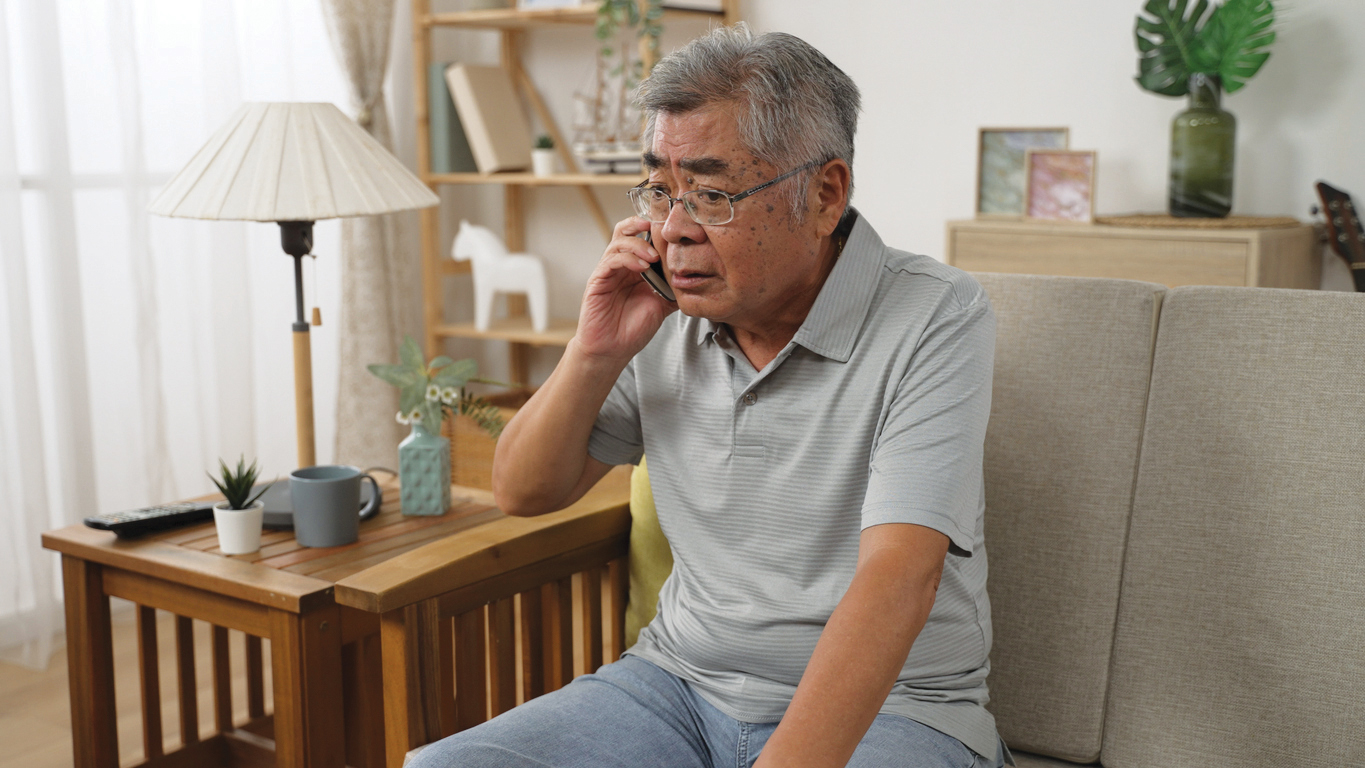
Medicare fraud poses a significant threat to the integrity of healthcare systems, leading to increasing healthcare costs and undermining trust. Medicare loses an estimated $60 billion annually due to fraud, errors and abuse, but the actual figure is difficult to measure. Medicare fraud and abuse can block people’s access to potentially lifesaving services and benefits. Educating yourself and your loved ones on how to prevent Medicare fraud, errors and abuse is the best place to start.
Understanding Medicare Fraud
Medicare fraud involves the intentional deception or misrepresentation that results in unauthorized benefits. Common examples are as such:
Phantom billing: Charging for services or equipment not provided.
Patient billing: Using a beneficiary’s Medicare number for false claims.
Upcoding: Billing for more expensive services than those actually performed.
Kickbacks: Receiving incentives for patient referrals or prescribing specific products.
Preventing Medicare Fraud
Beneficiaries should be vigilant:
Protect personal information: Never share Medicare numbers with unverified groups.
Review statements: Regularly examine Medicare Summary Notices (MSNs) and Explanation of Benefits (EOBs) for inconsistencies.
Avoid unsolicited offers: Offers for free medical services or equipment may be scams.
Detecting and Reporting Fraud
To identify potential fraud:
Verify services: Ensure all billed services were received and necessary.
Check provider legitimacy: Confirm that providers are reputable/services were authorized.
If fraud is suspected:
Contact providers: Discuss billing concerns with healthcare providers.
Report to authorities: Reach out to the Senior Medicare Patrol (SMP) or the Office of Inspector General.
Senior Medicare Patrol
SMP Hawaii is a federally funded volunteer program that empowers and assists Medicare beneficiaries to prevent, detect and report healthcare fraud. By staying informed and vigilant, we all can play a crucial role in identifying and mitigating dishonest activities.
Medicare fraud poses a significant threat to the integrity of healthcare systems, leading to increasing healthcare costs and undermining trust. Medicare loses an estimated $60 billion annually due to fraud, errors and abuse, but the actual figure is difficult to measure. Medicare fraud and abuse can block people’s access to potentially lifesaving services and benefits.…
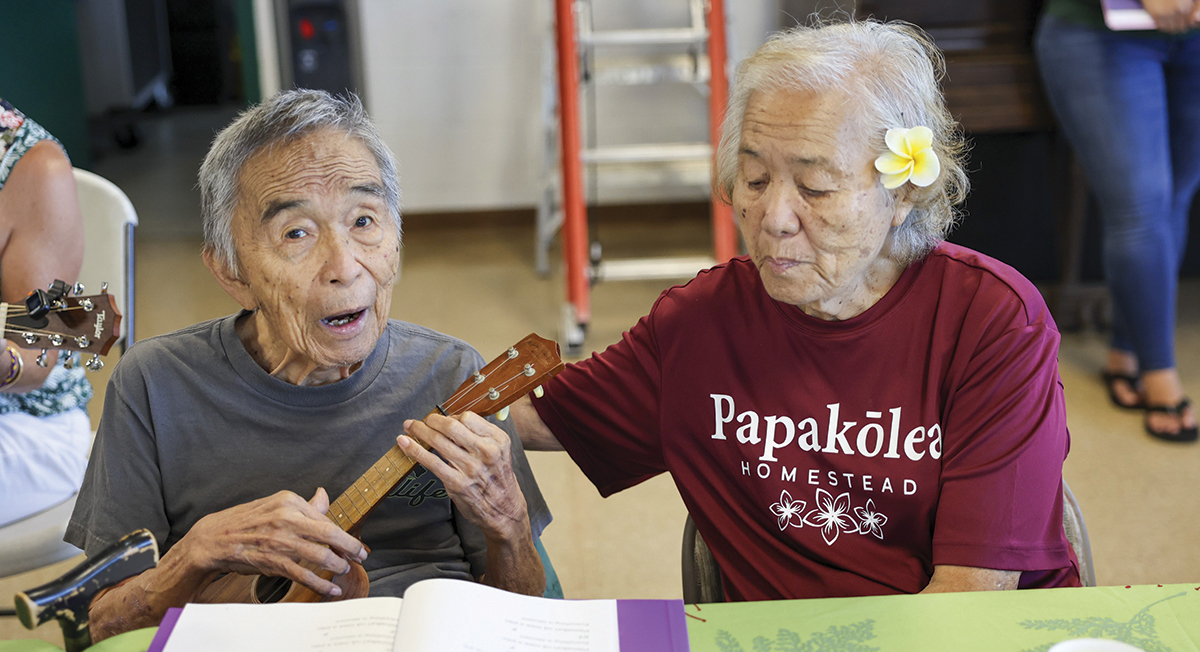
Hawaiian elders are treasured and revered for their profound and invaluable role in strengthening families and sustaining the rich tapestry of Hawaiian culture and language. But despite their significance, they have the poorest health outcomes compared to their counterparts from other ethnic groups in Hawai‘i. They are at the highest risk of developing dementia as they age.
In 2023, Papa Ola Lōkahi (POL), the Hawaiian Board of Health, followed the Healthy Brain Institute (HBI) Road Map for Indian Country to develop the Road Map for Native Hawaiians to inform the state plan of public health strategies to specifically address their unique needs.
Using cultural sensitivity and understanding, POL conducted focus groups with kūpuna and stakeholders to gain information about service barriers and gaps, caregiver and patient support, and culturally relevant recommendations.
The HBI Road Map for Indian Country highlighted important themes that guided POL’s inquiries when it engaged with advisory board members, Hawaiian elders and focus group participants. The process was grounded in cultural values, with utmost respect for Hawaiian elders, sensitivity toward their family/caregivers and mindfulness that trust is essential to developing and sustaining collaborative relationships.
POL utilized insights and recommendations from this process to assist the Hawai‘i Department of Health Executive Office on Aging (EOA) in updating its State Plan on Aging. This initiative aims to enhance the development and implementation of the Road Map for Native Hawaiians. Dr. Adrienne Dillard, PhD., CEO of Kula No Nā Po‘e Hawai‘i (KULA) of Papakōlea, is one of five members on the advisory board involved in the road map project and is currently leading its implementation through a grant from the EOA.
This “living document” can change and grow over time, and is designed to bring together kūpuna, families, caregivers and service agencies to help support those affected by dementia in Native Hawaiian communities. It also includes suggestions for overcoming obstacles that prevent access to essential resources.
Upcoming KULA road map conversations will be held on O‘ahu and Lāna‘i, and in Kona and Hāna. KULA will continue caregiver training on O‘ahu. For information a about a meeting or caregiver training, contact KULA at kula.papakolea@gmail.com or 808-649-3725. Access the Native Hawaiian Road Map at papaolalokahi.org/program/kupuna-brain-health.
Hawaiian elders are treasured and revered for their profound and invaluable role in strengthening families and sustaining the rich tapestry of Hawaiian culture and language. But despite their significance, they have the poorest health outcomes compared to their counterparts from other ethnic groups in Hawai‘i. They are at the highest risk of developing dementia as…
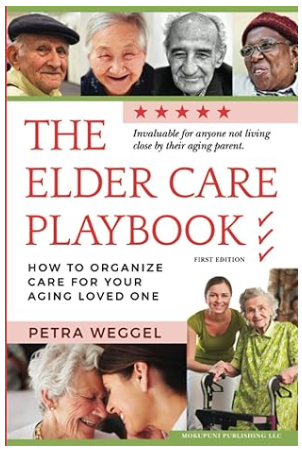
Maui resident Petra Weggel learned about caregiving the way most people do… the hard way, through the trial and error of first-hand experience.
“It is incredibly stressful to witness the decline of an aging loved one while at the same time thinking about your own mounting responsibilities,” Petra said in the introduction of The Elder Care Playbook. “You probably have your own job, a family or significant other, and bills that are piling up. To deal with all of that while also knowing your parent’s affairs are a mess can leave you feeling lost and hopeless. If you’re like I was, you won’t even know where to begin…” In her effort to help others deal with the challenges of caregiving — and especially for those who cannot become a full-time caregiver for their loved one due to distance or other factors — Petra wrote a well-organized, thorough guide, complete with checklists.
“It’s for everyone like me in the Sandwich Generation who can’t bring a parent home to live with them but still wants to ensure they’ll be cared for.” You don’t have to be physically present to do your part, she says. Petra suggests you contribute to the welfare of an aging loved one like she did, by becoming a care organizer, while still working and attending to your life.
Through personal anecdotes, Petra shares many aspects of organizing care, why you must put your own well-being first, along with coping methods to deal with frustration, guilt and helplessness.
“It is much easier to care for an aging loved one when you’re prepared,” says Petra. “However, you will always need to expect the unexpected.” She wants you to think of this book as not only a tool for planning, but also, your inspirational support manual. She shares how you really can find time for yourself, avoid burnout and help the person you care about at the same time.
Petra discloses that the book is not a comprehensive text on the subject of senior care or caregiving, but she has broken the caregiving process into digestible, understandable chunks. Where you begin ultimately depends on your own circumstances, your loved one’s health issues, your relationship to each other and your own particular family situation.
The book is all about helping you adopt a positive mindset so you can spend each day in a way that feels meaningful instead of overwhelming, as Petra says, in order to “make every day a good day.” Disclaimer: This book is not intended to offer legal, financial or healthcare advice.
Maui resident Petra Weggel learned about caregiving the way most people do… the hard way, through the trial and error of first-hand experience. “It is incredibly stressful to witness the decline of an aging loved one while at the same time thinking about your own mounting responsibilities,” Petra said in the introduction of The Elder…
Gen Xers are going to repeat what we Baby Boomers have been living through — caring for our parents and children while managing everything else. We can help our Gen Xer children by organizing our affairs and vowing to be practical.
Overcoming practical issues is not as difficult as managing the emotional dynamics of caregiving. Here are some suggestions from a Baby Boomer to a Generation Xer:
Listen: Listening and creating moments of shared communication can change your caregiving world. If cognitive issues make that difficult, listen for what can be shared — even for the 50th time. Soon enough, there will only be silence.
Set limits for yourself: You will face conflicting emotions. You must work to keep life in balance. Everything will not be what you wanted or expected. Your parents’ finances, personal strength and healthcare needs may make aging at home impossible for them. Be open to the alternatives available without guilt.
Accept imperfection: Accept what help is available and offered — even if it is not perfect or what you expected. Caregiving does not mean you provide all the care. It means you ensure that care is provided.
Remember, the moment in front of you is all you have. Be patient and do the best you can.
Gen Xers are going to repeat what we Baby Boomers have been living through — caring for our parents and children while managing everything else. We can help our Gen Xer children by organizing our affairs and vowing to be practical. Overcoming practical issues is not as difficult as managing the emotional dynamics of caregiving.…
In this new era for Alzheimer’s disease and related dementias, we have hope. This hope is fueled by scientific evidence that is stronger than ever and a collective movement that is driving positive change. In this new era, we can reduce risk for developing dementia and offer disease modifying treatments that can slow decline.
Nearly half of dementia cases could be reduced or delayed by addressing modifiable lifestyle risk factors (2024 Lancet Commission). These risk factors include things like managing heart health, protecting your brain, exercising regularly, eating a heart healthy diet, getting restorative sleep and staying social. It is never too early or too late to boost brain health.
We have disease modifying treatments available for people with early-stage Alzheimer’s disease This is not a cure, but an opportunity to slow the progression of the disease so that patients have more good days to make cherished memories with loved ones. Of course, these treatments come with side effects, they are expensive and they’re not for everyone. But now, we have options.
With these new developments on a global scale reaching our shores, we are building momentum in the islands to ensure that it benefits all of us. Now more than ever, our resolve is strong as we journey forward in this new era of hope. Visit alzhopehawaii.org.
In this new era for Alzheimer’s disease and related dementias, we have hope. This hope is fueled by scientific evidence that is stronger than ever and a collective movement that is driving positive change. In this new era, we can reduce risk for developing dementia and offer disease modifying treatments that can slow decline. Nearly…
Holistic medicine offers seniors a natural, gentle approach to wellness. By focusing on the balance of mind, body and spirit, holistic practices address the root causes of health concerns, helping seniors to feel their best every day.
Holistic medicine combines natural therapies with traditional care to support your body’s healing abilities. Gentle treatments like acupuncture, chiropractic care, meditation, light therapy patches and herbal supplements can ease chronic pain, reduce stress and improve flexibility and mobility. Light therapy patches use innovative technology to promote cellular repair and improve energy levels, offering a convenient and non-invasive option. Stretching or strengthening exercises can also enhance balance, help prevent falls and keep your mind sharp.
Good nutrition is essential! Choosing organic and foods rich in nutrients gives you more energy and strengthens your immune system. Staying socially active — whether it’s joining a senior club, going to church or enjoying pickleball or golf — can brighten your outlook on life and create deeper social connections.
Holistic medicine empowers you to stay independent, energetic and vibrant by embracing a lifestyle that supports your well-being, helping you enjoy your golden years with vitality.
LIFEWAVE 808-554-9710 (text only, no calls) About Lightwave: startx39now.com
Holistic medicine offers seniors a natural, gentle approach to wellness. By focusing on the balance of mind, body and spirit, holistic practices address the root causes of health concerns, helping seniors to feel their best every day. Holistic medicine combines natural therapies with traditional care to support your body’s healing abilities. Gentle treatments like acupuncture,…
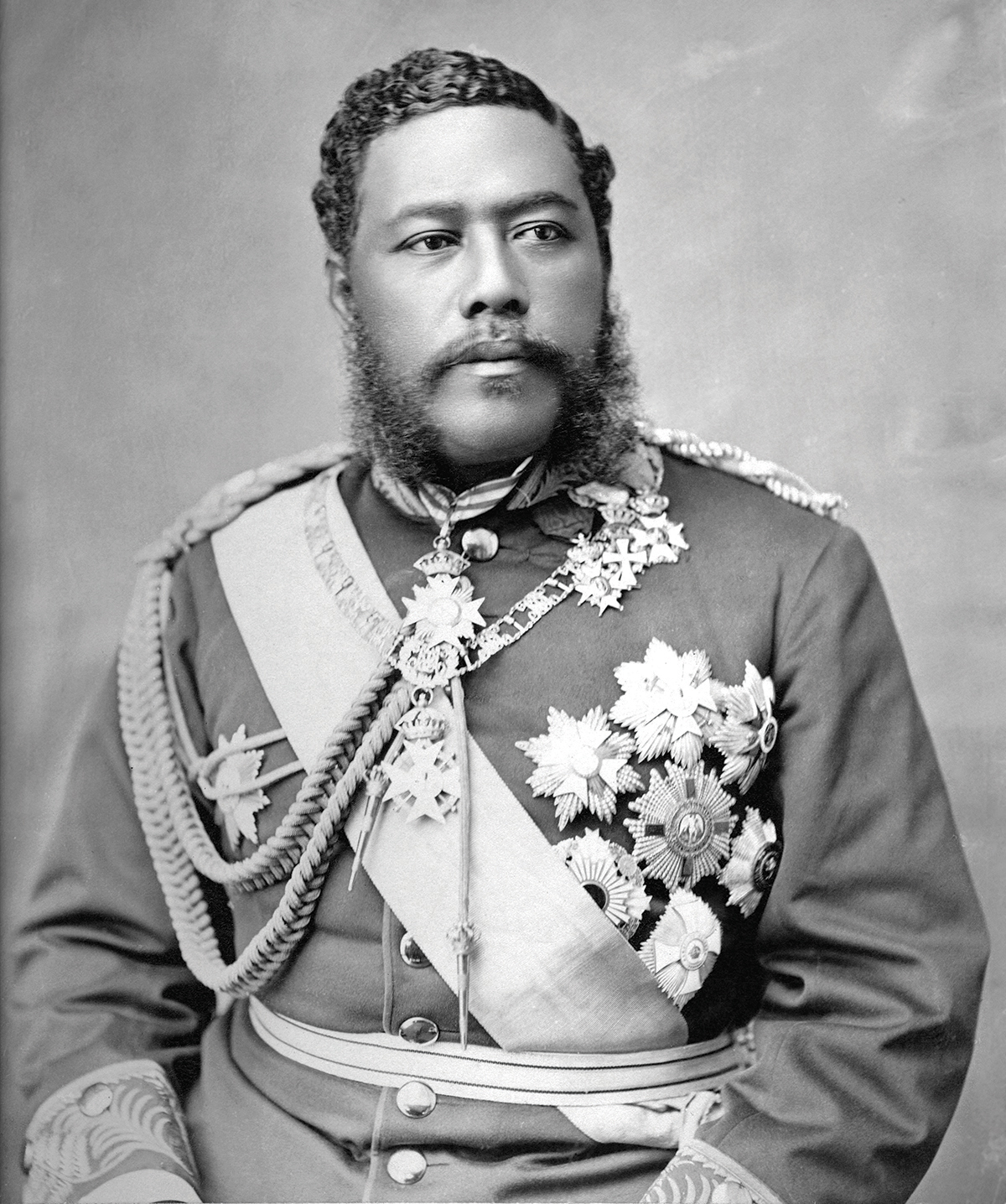
The heartbeat of the Hawaiian people has re-emerged, reverberating through the centuries with fullness, clarity and strength since once being banned. Kumu hula and hālau hula had gone into hiding at one point in history, practicing in secret. Then, when David Kalākaua became king in the late 1800s, he initiated a resurgence of Hawaiian arts and culture known as the First Hawaiian Renaissance.
Hawaiians say ‘haweo’ to refer to a glow of light that makes things visible. It is in the light of knowledge that the darkness and confusion of the past are now being destroyed and the heroic deeds of our ancestors are being revealed. The responsibility is now ours to carry on where they left off. From resistance to affirmation, we are who we were.”
Ku‘ualoha Ho‘omanawanui, Hawaiian scholar, aloha ‘āina advocate and poet, wrote this in reference to Kānaka Maoli (Native Hawaiian) activist Kau’i Goodhue and the call for resistance.
In the 1800s, when the missionaries first sailed to Hawai‘i, they arrived with puritanical Calvinist values drastically countering those found in traditional Hawaiian society. Hula was banned as too erotic and worshiping Hawaiian gods was condemned. Hula is an important part of religion and that’s why it was chosen to be annihilated. Many teachers went into hiding.
When writing about Kānaka Maoli empowerment, Ho‘omanawanui is empathic. “Branded ‘lewd and lascivious’ by Calvinist missionaries, hula was officially banned as a cultural practice in the 1830s. Yet many hālau (hula schools) continued to practice and perpetuate hula in secret, despite missionary protests.”
Hula is and always has been an important storytelling vehicle for Hawaiian mo‘olelo (stories), she continues. “In the 19th century, Ali‘i (King) David Kalākaua proclaimed it ‘the heartbeat of the Hawaiian people.’”
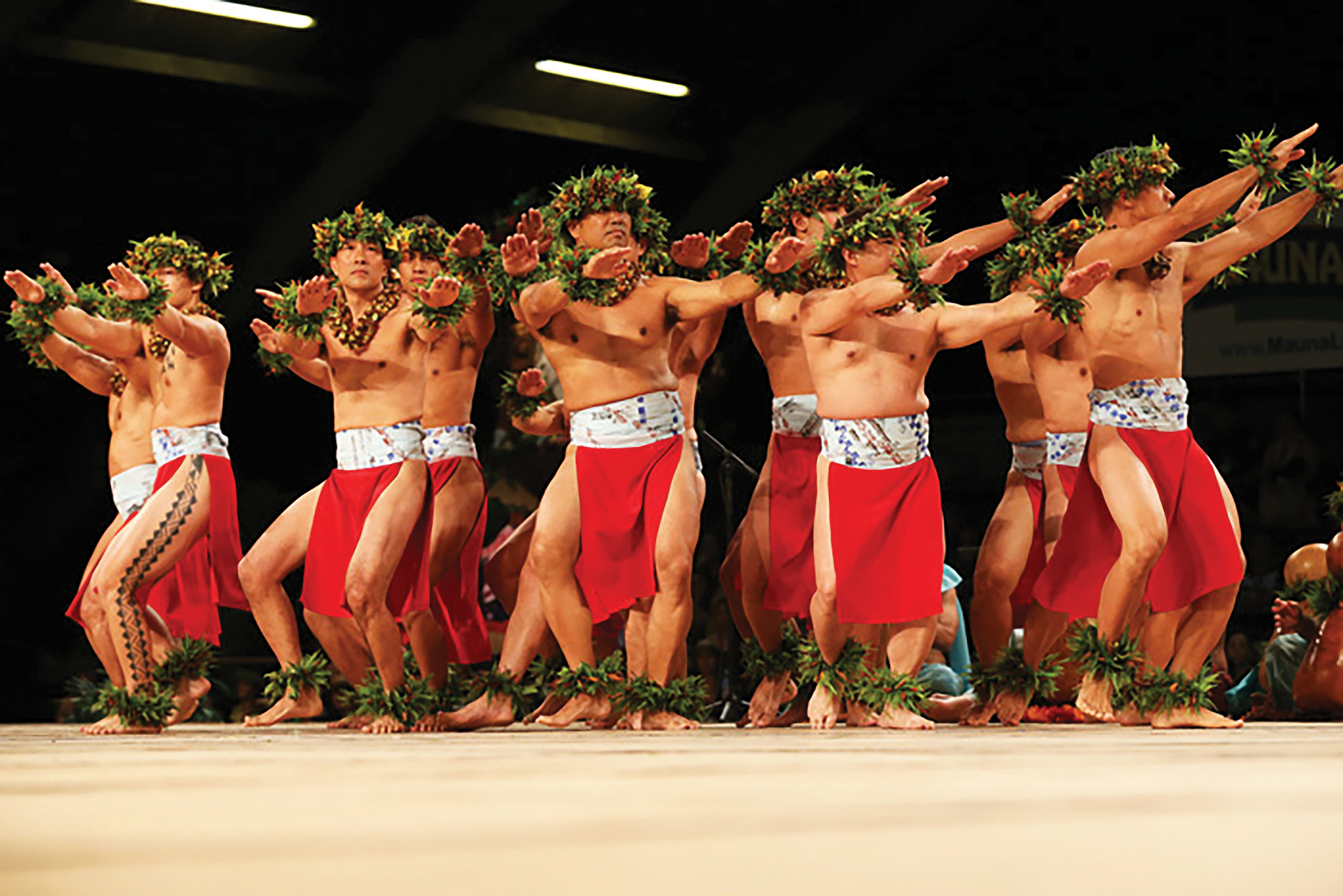
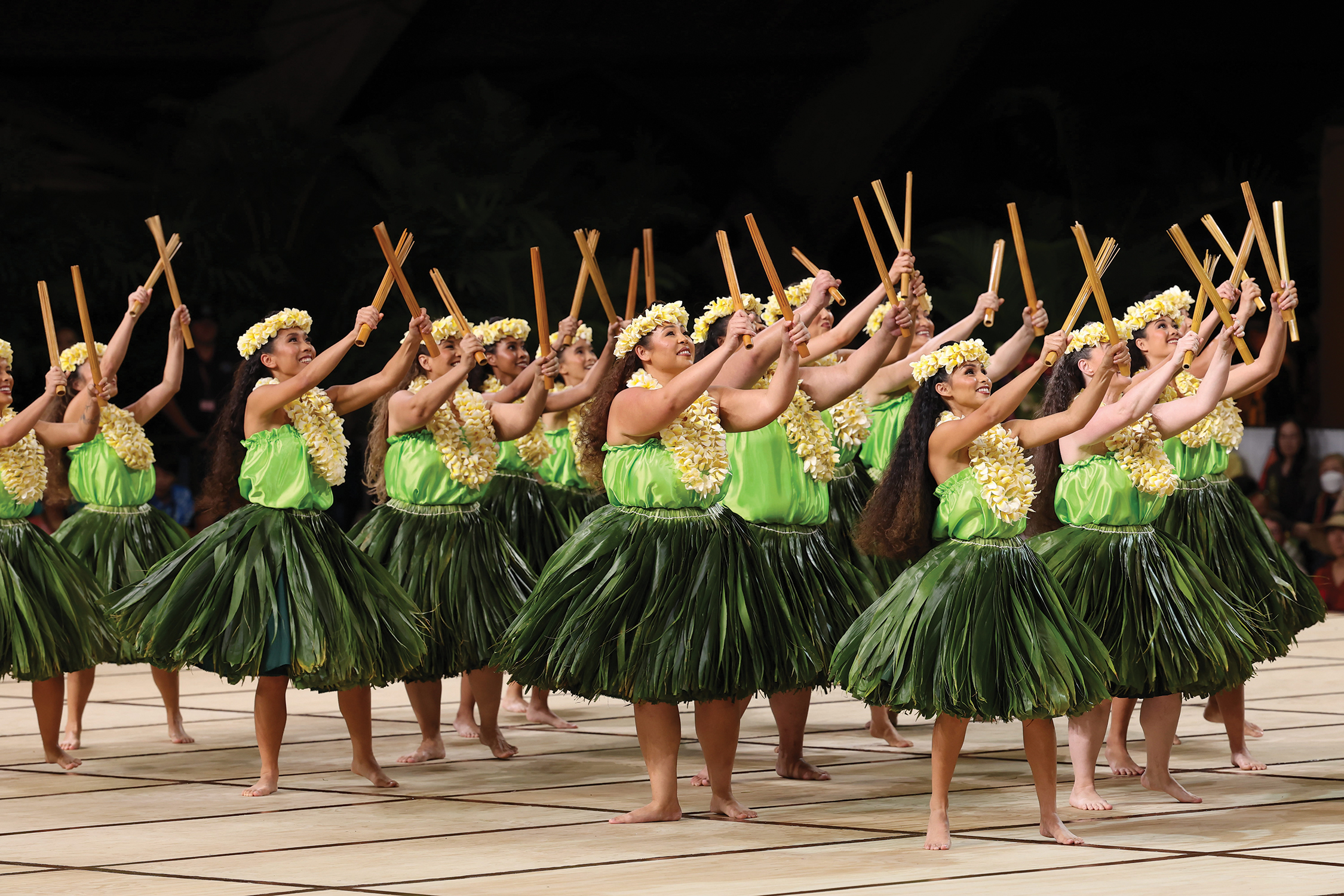
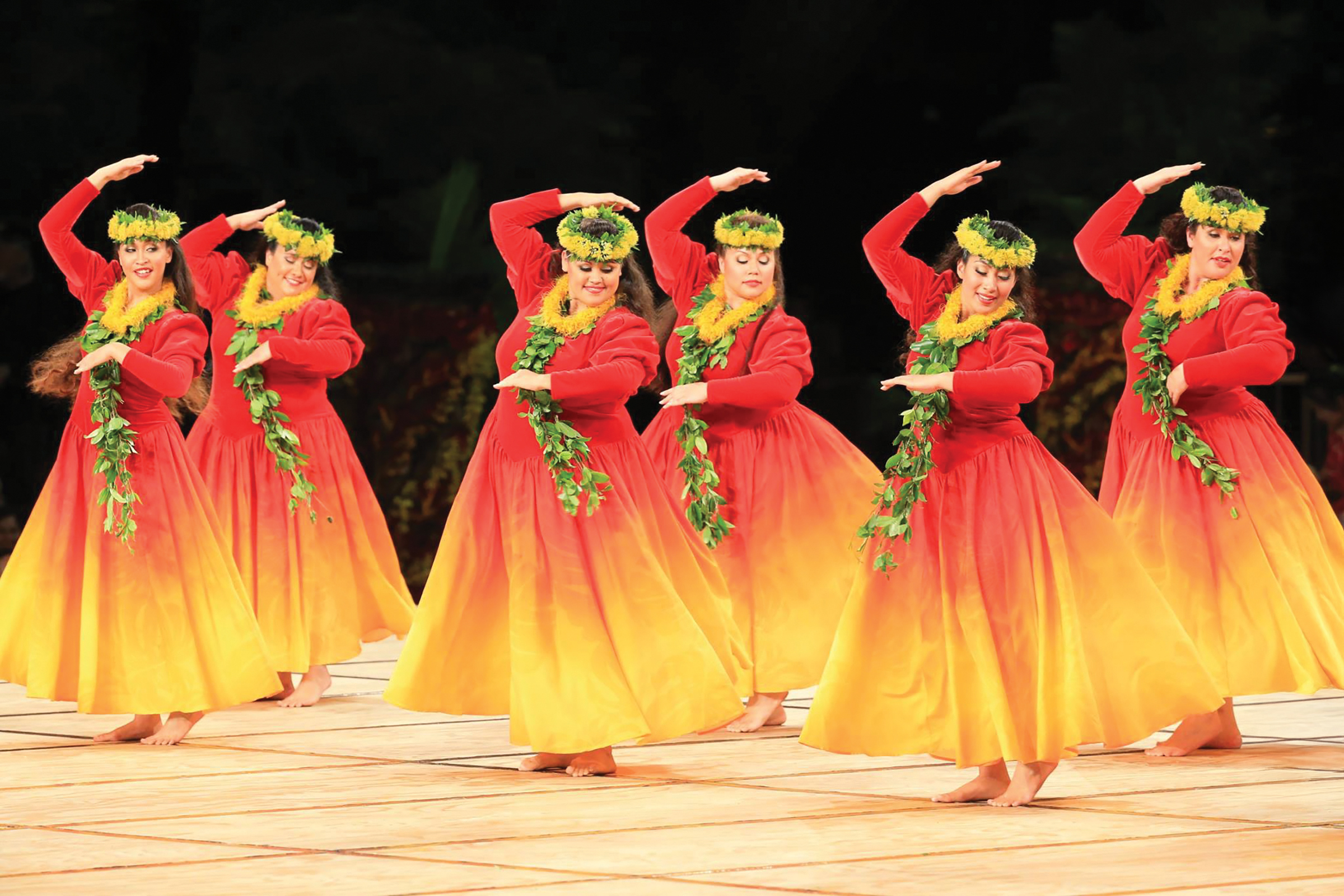
Hālau Nā Kamalei O Līlīlehua at the 2015 Merrie Monarch Festival. PC: Merrie Monarch Festival
When he became king, Kalākaua brought the heartbeat back and this movement became known as the First Hawaiian Renaissance, when Hawaiian arts and culture thrived. But after the monarchy was overthrown in 1893, hula went underground until the Second Hawaiian Renaissance of the 1970s, which marked a renewed interest in everything Hawaiian. The new aloha had finally begun — the hiding was over.
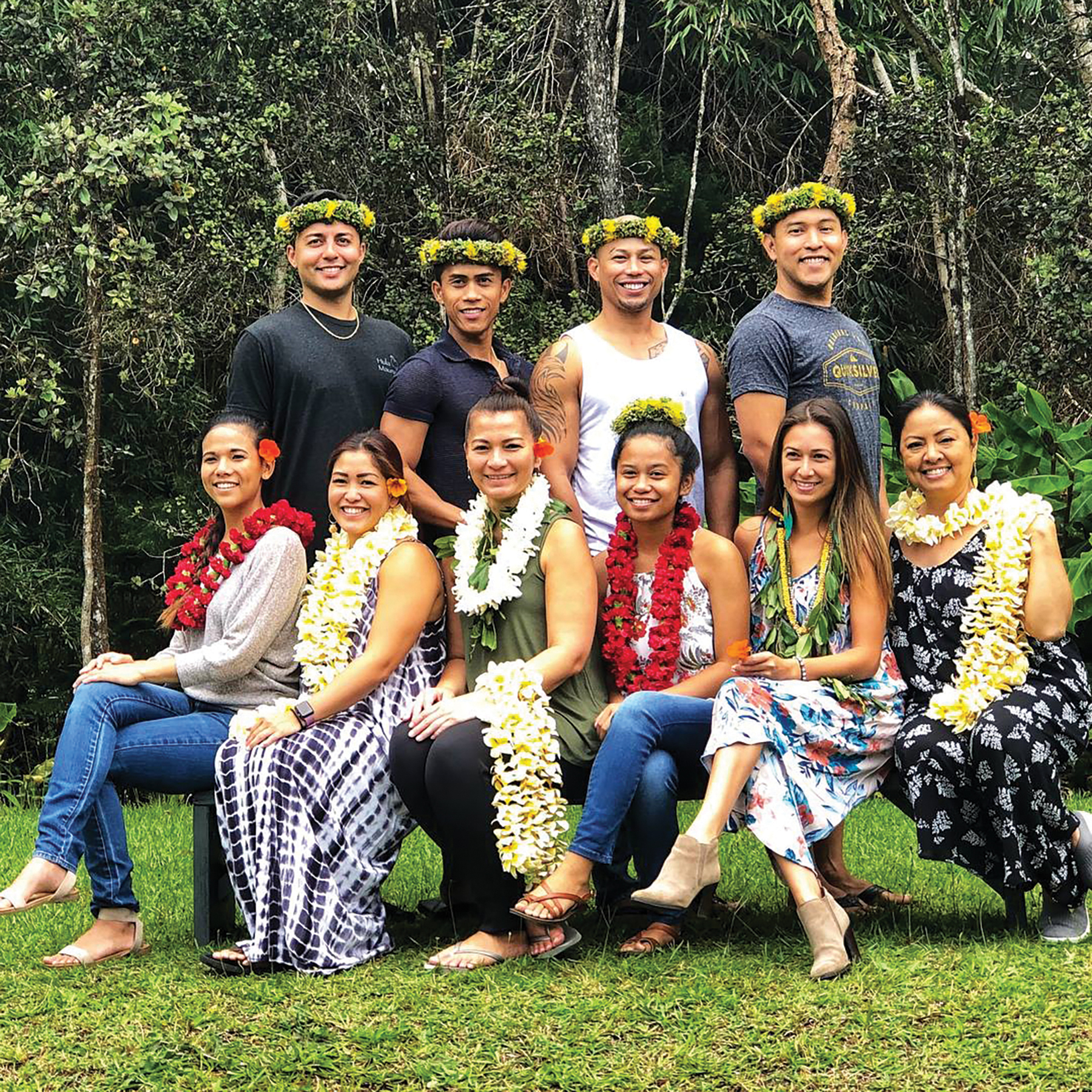
Today, among many, there are three kumu hula (teachers) and hālau that have personified the art of the dance — Robert Cazimero and Hālau Nā Kamalei, Vicky Holt Takamine and Pua Ali‘i ‘Ilima, and Michael Pili Pang and Hālau Hula Ka No‘eau. All three were taught and mentored by legendary hula master Aunty Ma‘iki Aiu Lake, and they have continued the legacy of one generation inspiring another. A fourth kumu hula, Keolalaulai Dalire and Keolalaulani Hālau Olapa O Laka, was inspired and taught by her mother, the first Miss Aloha Hula at the Merrie Monarch Festival in 1971— Aloha Dalire.
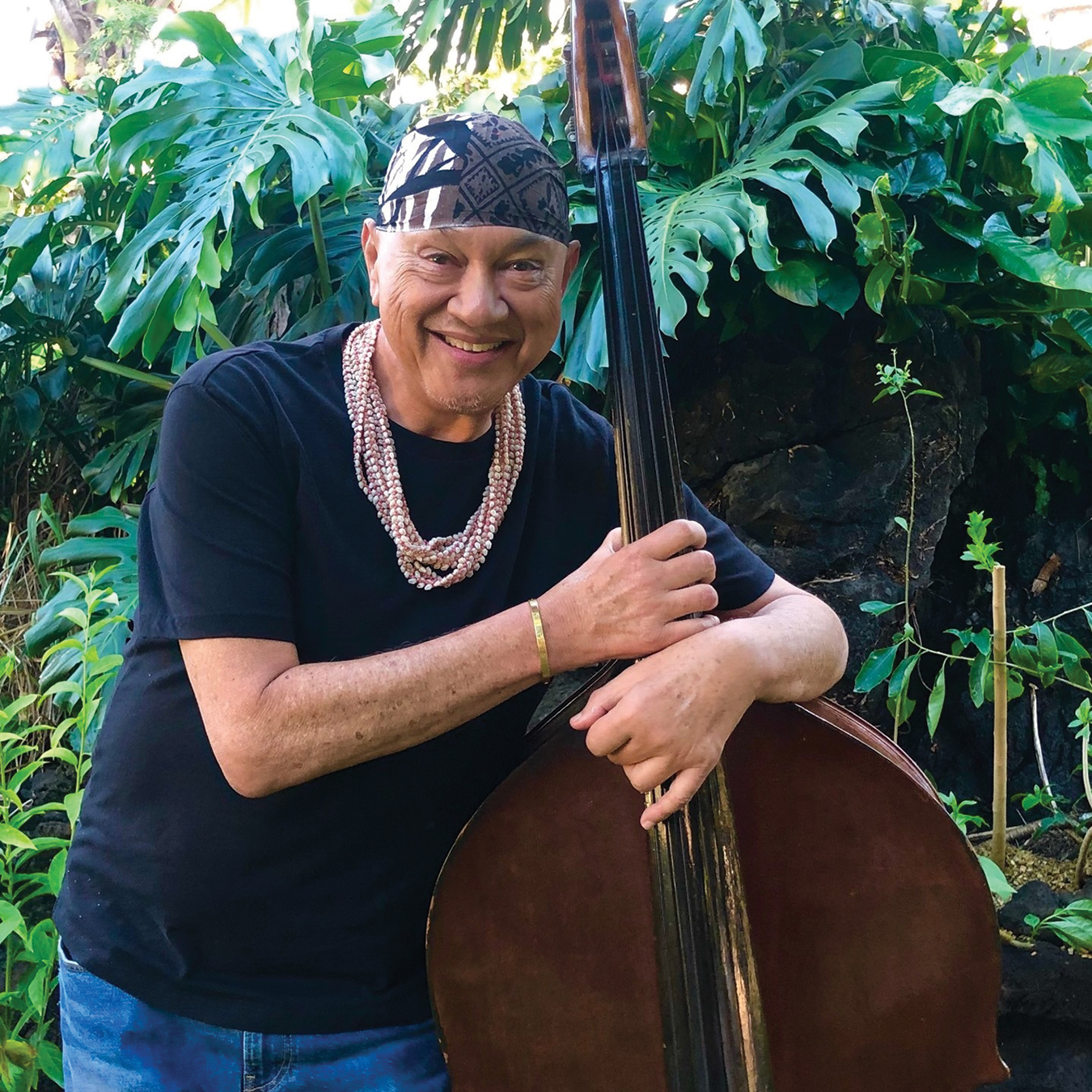
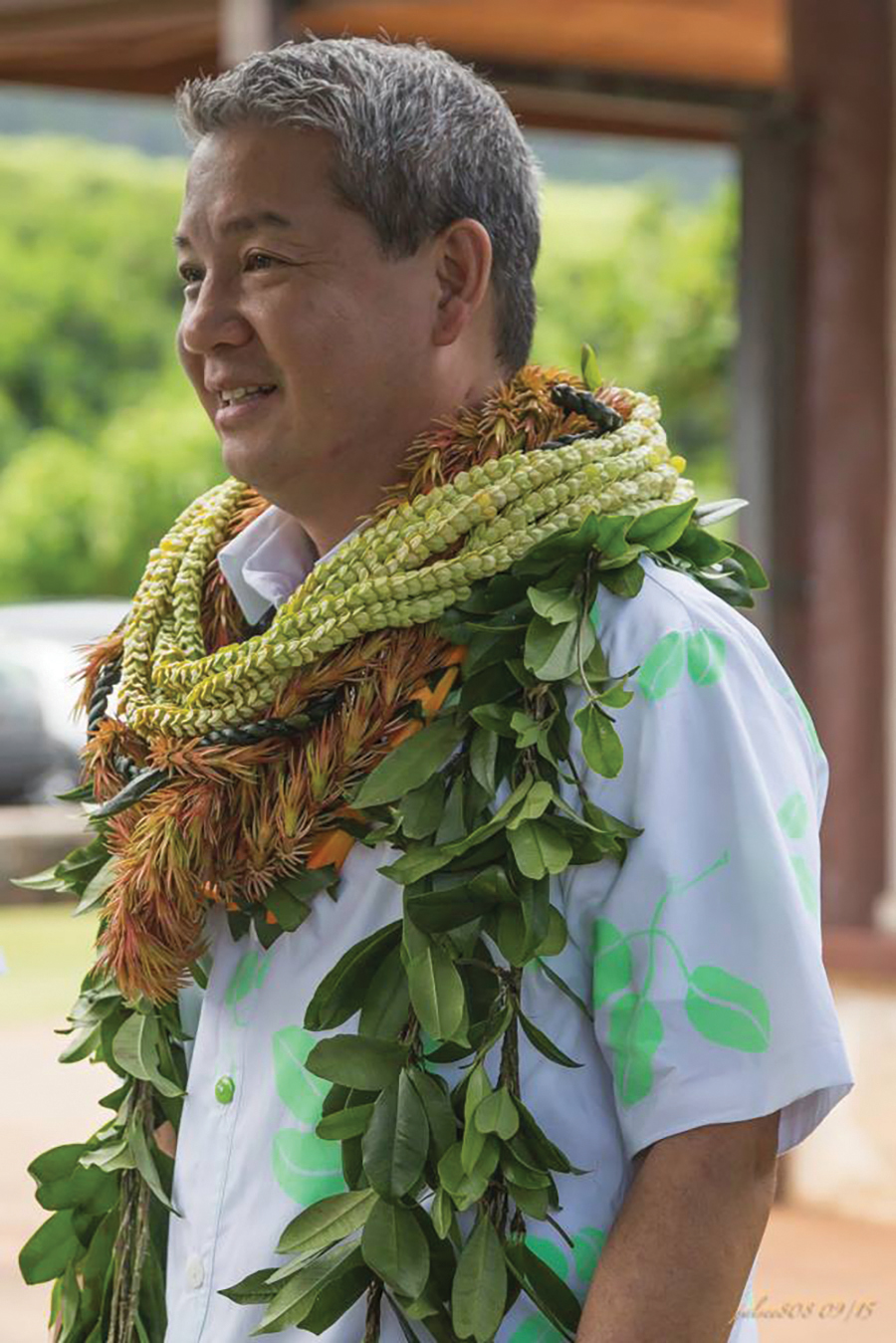
Robert Cazimero and Hālau Nā Kamalei
For many, there is a defining moment when the voyage of discovery leads you back to yourself. For Robert Cazimero, it occurred in 1966, the year he was introduced to Aunty Ma‘iki Aiu Lake, a kumu who would teach him the ways of hula. Robert says nothing happens by accident. He was meant to be taught by Ma‘iki and believes what she believed: We can all be made better for daring to dance.
A statement like that can be construed as a challenge, and for Robert, that’s exactly what it was. Nā Kamalei was her dream, he says, and it was Ma‘iki who asked him, her student at the time, to open a hālau for male dancers.
“I loved her so much,” he says, “I would have done anything she told me.” In 1975, with six young high school students, he founded Hālau Nā Kamalei.
Today, Robert Cazimero is considered one of the most respected kumu of Hawaiian dance. The men of Nā Kamalei perform around the world, and for nearly half a century, have carried on the tradition of male hula. They have won most major hula competitions, including the prestigious Merrie Monarch Festival on Hawai‘i Island. As an explanation for the hālau’s success, Cazimero says, “Hula is life.”
Nā Kamalei’s enduring strength comes from adherence to one steadfast creed: Dare to hula and leave your shame at home. “There are times when I don’t want to get up and dance, but, sometimes, you just have to leave old thoughts behind and just do it,” Robert says. “You have to leave the shame behind, to forget what others are thinking about my dancing.”
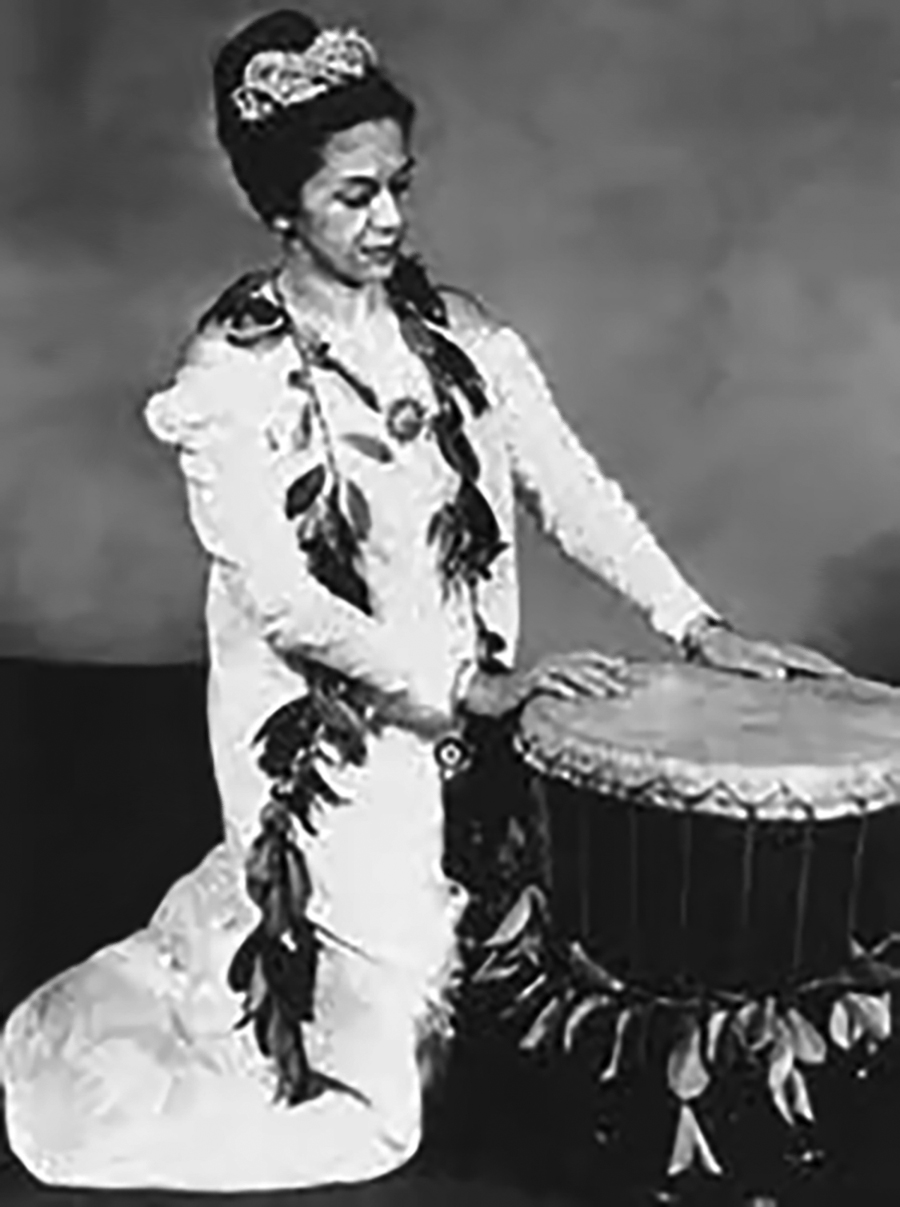
Legendary Kumu Hula Aunty Ma‘iki Aiu Lake.
In ancient times, hula was a sacred practice in which music, dance and poetry encompassed the genealogy and legends of Hawai‘i’s people. While the first mention of hula in recorded Hawaiian history is of a woman, it was men who performed the ritual dances. Through talk story, Hawai‘i’s oral tradition, stories about the gods were passed on through nā mele (songs) and nā hula (dances), and regarded as the highest form of spiritual and artistic expression.
Al Makahinu Barcarse, hula master of Ka Ua Kilihune, says, “At one time in our history, nothing was written down. There was no written language and everything had to be memorized. Hula keeps our history and our people alive, and without it one cannot truly identify oneself as being Hawaiian.”
“I studied hula because of language,” says Holoua Stender, Hawaiian dance instructor at Kamehameha Schools. “I could see the beauty of the poetry and beauty of the Hawaiian language through dance and chant. That’s what made me interested in hula, because hula demonstrated the beautiful soul of the Hawaiian language.”
The island spirit isn’t only measured by words, but by actions, and for Robert, his encompasses both. He is most at home when blending the motions of lasting gestures into a oneness that celebrates life’s dance.
In 2005, at the internationally renowned Merrie Monarch Hula Festival, his efforts led directly to the winner’s circle. Nā Kamalei won the kane kahiko (traditional) chant, kane ‘auana (contemporary) song and overall festival awards. Although they expected to place well in the kane (men’s) division, it’s unusual for a men’s hālau to be chosen the overall winner.
About the multiple win, he says, “I am so proud of my students. I really only came back for them,” referring to breaking his own rule of entering Merrie Monarch every 10 years. He wanted to give his students the chance to celebrate the hālau’s 30th anniversary there, especially since two were from the original 1975 group. What made the 2005 win so poignant was that Robert and his men won the festival’s kane award in 1976, one year after the hālau was formed.
When Nā Kamalei members received their trophies in front of the judges, his hālau peers and a screaming crowd of several thousand, Robert announced, “In a lot of things in life, you work hard and don’t get a nod. This is more than a nod. It’s humbling; it’s outstanding.” Then he looked out into the audience and tipped his cap.
Robert has a rule that the hālau travels to Hilo to compete in Merrie Monarch every 10 years. In 2015, they won the kāne division and overall winner. And this upcoming festival in 2025, Hālau Nā Kamalei is preparing to return again.
The hālau was founded in 1975 and in 2025, they will celebrate their 50th anniversary.
As a musician and kumu hula, Robert has this to say: “The best thing Hawai‘i can do is let the world know that we have a dance form. What the world can do is let Hawai‘i know that dance is universal. People are drawn to hula, not just the hālau. That’s the way art is — it’s inviting; it’s enticing.”
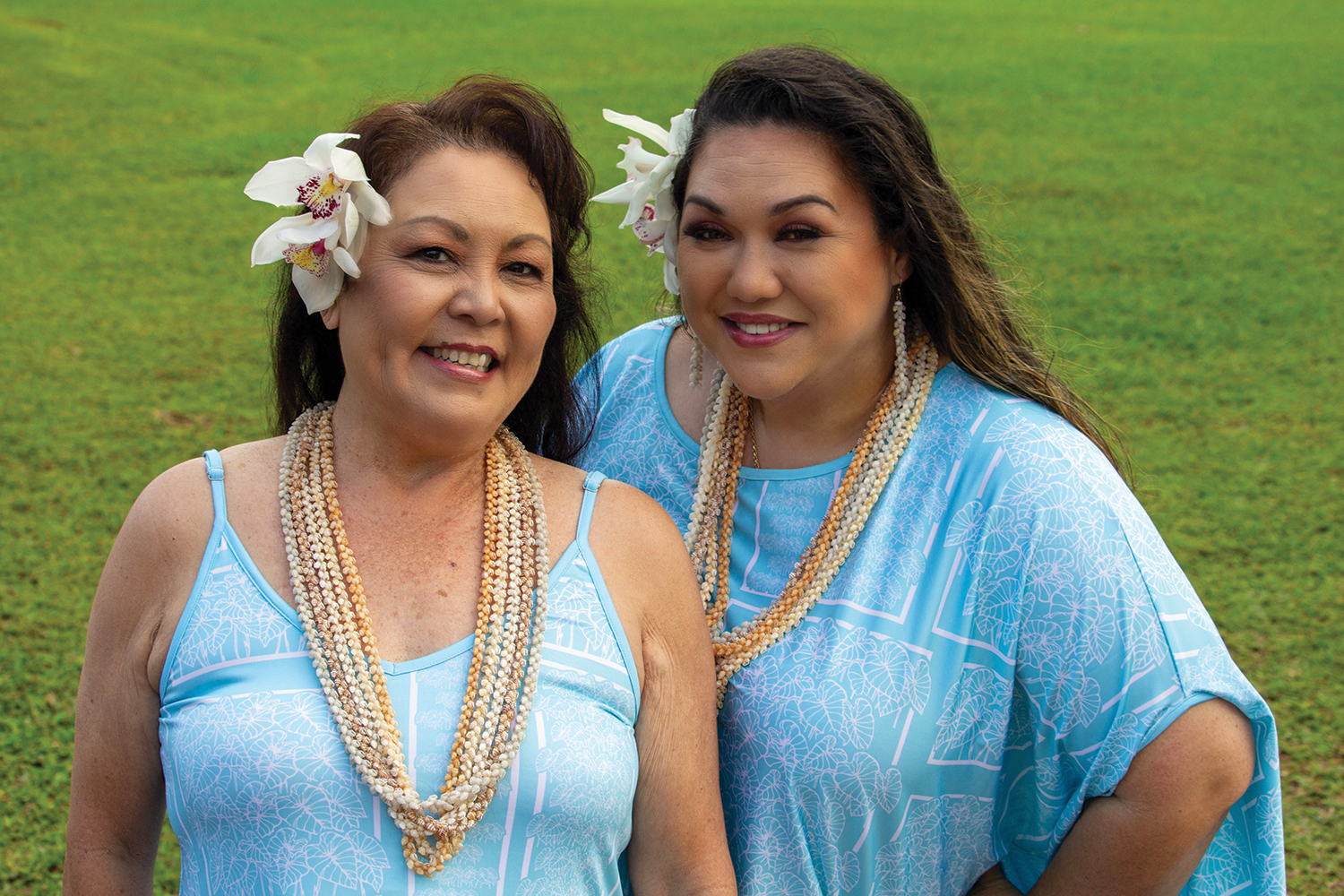
Vicky Holt Takamine and Pua Ali‘i ‘Ilima
In a 1995 interview, Vicky Holt Takamine described her own history in hula and her philosophy for teaching. “I started dancing at a very young age by watching television and watching my mother dance. She used to dance with the Alama sisters. I took formal lessons with Ma‘iki Aiu at about the age 15…”
“I knew I was going to be a teacher when I started dancing with Aunty Ma‘iki,” she says. “I had a love for the hula and Hawaiian culture, and I knew that’s what I wanted to do.” In 1975, Vicky graduated as ‘ōlapa (dancer), ho‘opa‘a (chanter) and kumu hula. Because Aunty Ma‘iki was her only teacher, she didn’t think that she could diverge from her style of dance. “Of course, you develop your own ways, but the basic foundation that she’s laid for me will always be there. I think I pretty much carry on her style of dancing.”
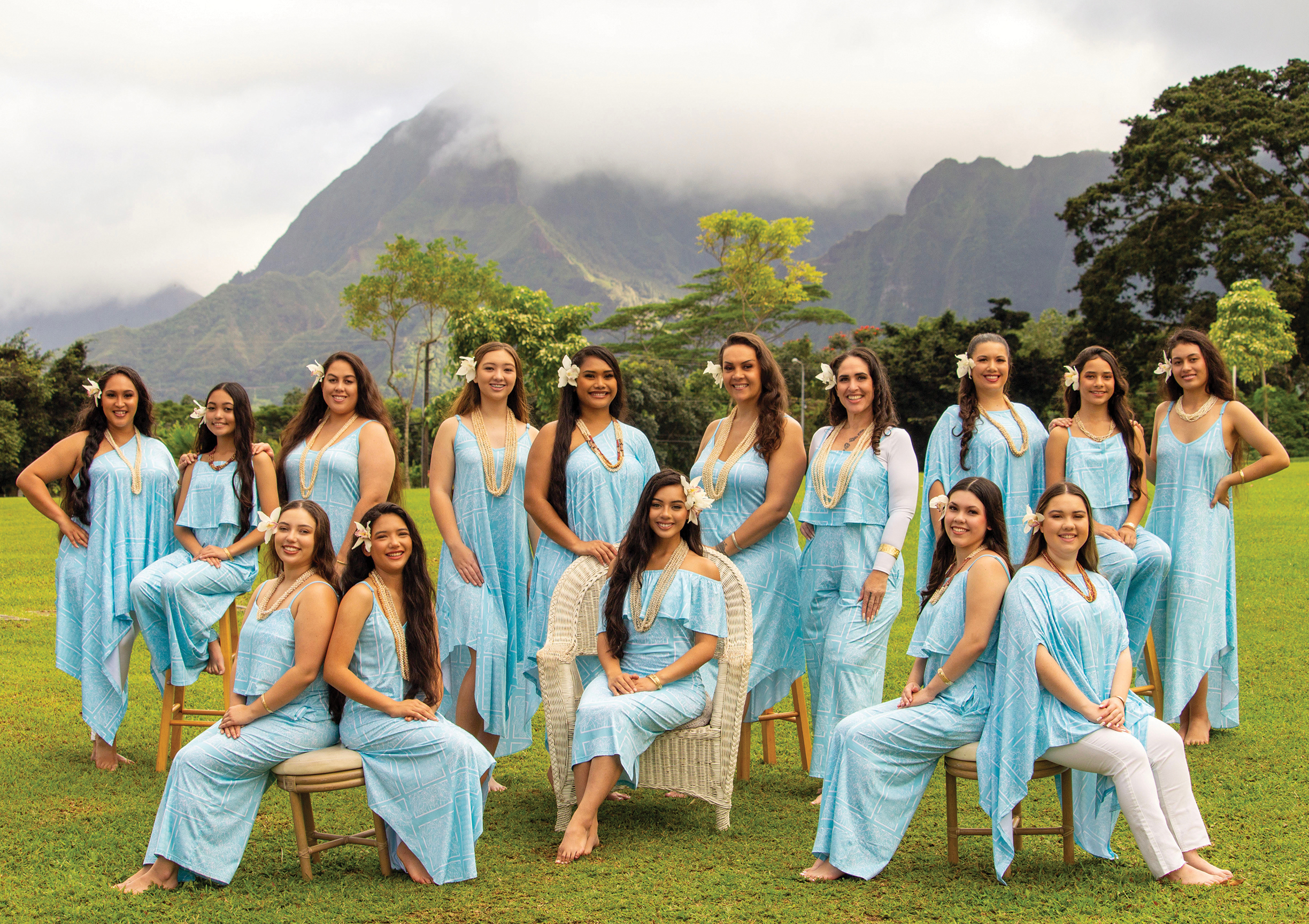
Back in 1977, Vicky founded her own hālau hula — Pua Ali‘i ‘Ilima (Royal ‘Ilima Blossom). The school’s mission is to preserve and perpetuate Native Hawaiian arts and culture traditions for future generations.
About her own hālau and haumana (students), Vicky says, “When students come to me, the first thing I tell them is that I might not be the right teacher for them. So if they don’t care for the way I’m teaching or if they’re not getting anything out of my classes, I don’t feel badly if they want to move on. If they come and they want to adapt to my style, then the first thing we do is train in kahiko.
“I also teach them the text of a song because the important thing about the dance is not just the movements, it’s the text,” she says. “Just teaching feet and hands has no meaning. It is not Hawaiian. I teach them a song right away to get them moving and get them involved. I want them to feel that they can accomplish a chant or a song in a short period of time. I want to start getting them to feel very confident in their own ability.”
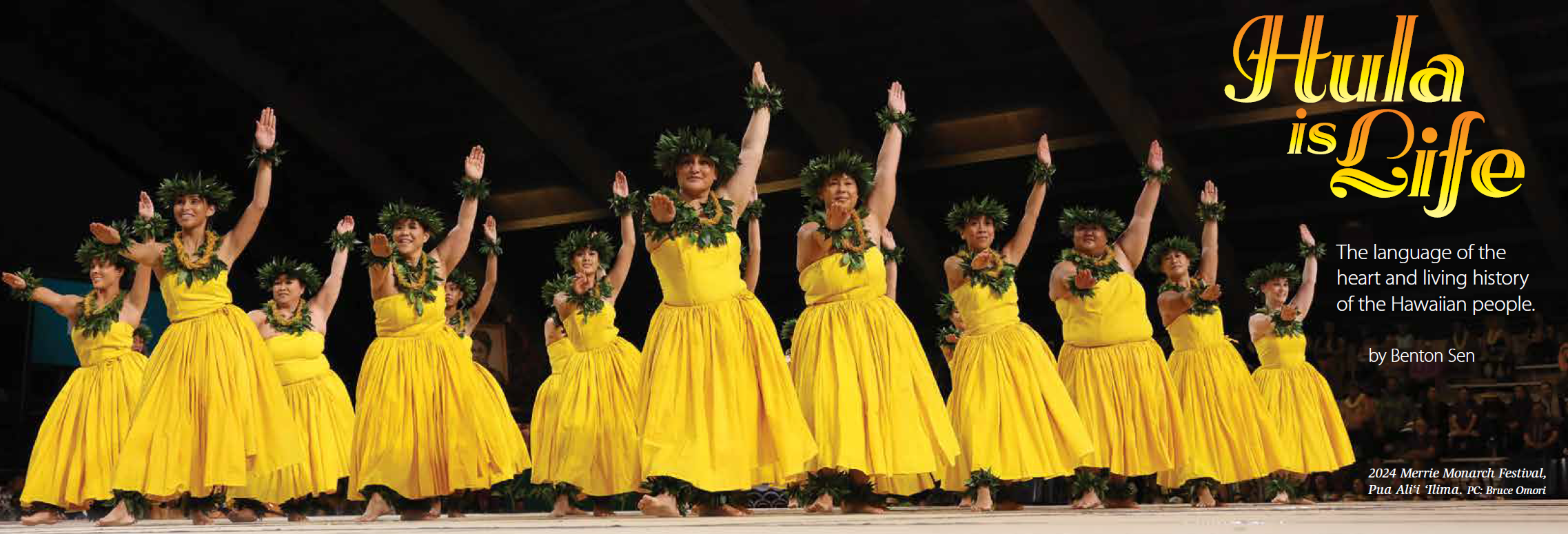
Pua Ali‘i ‘Ilima at the 2024 Merrie Monarch Festival. PC: Bruce Omori
She enjoys sharing different experiences with her students — seeing them get involved and watching them develop as a dancer, and develop self-confidence and grace. “It’s satisfying to nurture somebody who will want more of the Hawaiian culture and the language instead of just the movements to the dance.”
Vicky: Ola Ka ‘Ilima Artspace
Since her humble beginnings, Vicky has become a kumu hula, social activist and community leader, seeking creative solutions that would rectify the many wrongs her people and native artists have endured. She is executive director of the Pa‘i Foundation. Its mission is to preserve and perpetuate Native Hawaiian cultural traditions for future generations.
In 2020, she expressed her mana‘o (thoughts) about “huliau” — a time of change. As we navigate the next few years, she wonders what lies ahead. “What kind of society will we be? Who will survive? Will we be more compassionate, loving, caring to one another? Will there be justice for all?
“We have a lot of challenges in the Native Hawaiian community,” she explains, citing hotels built in sacred locations and her people’s overall invisibility in their homeland. “For artists, those challenges also include getting their work seen, being included in exhibitions, experiencing critiques,” she says.
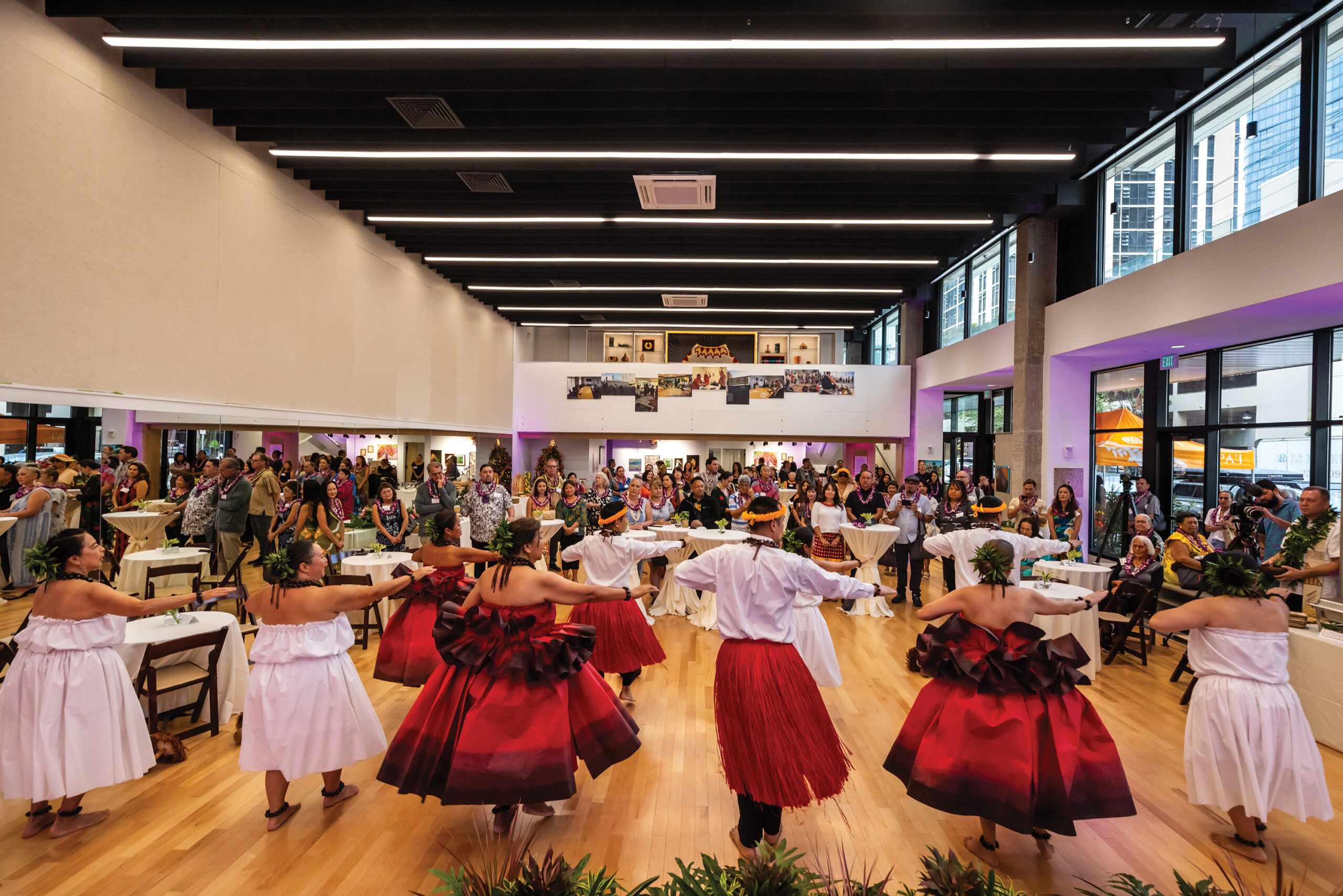
In 2017, Vicky got her wish for change when Ola Ka ‘Ilima Artspace Lofts in Honolulu broke ground. The new, mixed-use arts development — created with support from the Ford Foundation, the National Endowment for the Arts and ArtPlace and with local developer Hui Kauhale Inc. — is located in the Kaka‘ako neighborhood of Honolulu, a transitional area between downtown and Waikiki Beach.
“We are excited and thrilled to partner with Artspace,” she says. “This is exactly what we need in Honolulu to help boost our economy by providing affordable live and work space for our local community of artists.”
Vicky: Shangri La
In 2024, Shangri La Museum of Islamic Art, Culture & Design in Honolulu chose Vicky as the center’s Native Hawaiian cultural advisor. “Shangri La exists because of Doris Duke’s deep and abiding passion for Hawai‘i, its people and its culture,” said Sam Gill, president and CEO of the Doris Duke Foundation. “I can think of no one better than a revered Kanaka ‘O¯ iwi (Native Hawaiian) like Kumu Vicky to enrich Doris Duke Foundation’s essential connection to our community and its proud traditions.”
“I continue to be inspired by Shangri La, its history and dedication to Islamic art and culture,” Vicky says. “It is a privilege for me to work alongside the Shangri La staff to be able to share the rich cultural traditions, mo‘olelo (stories) and the history of Hawai‘i to develop a stronger pilina (connection) between Shangri La, the ‘āina (land) and the people of Hawai‘i.”
Vicky: Gish Prize
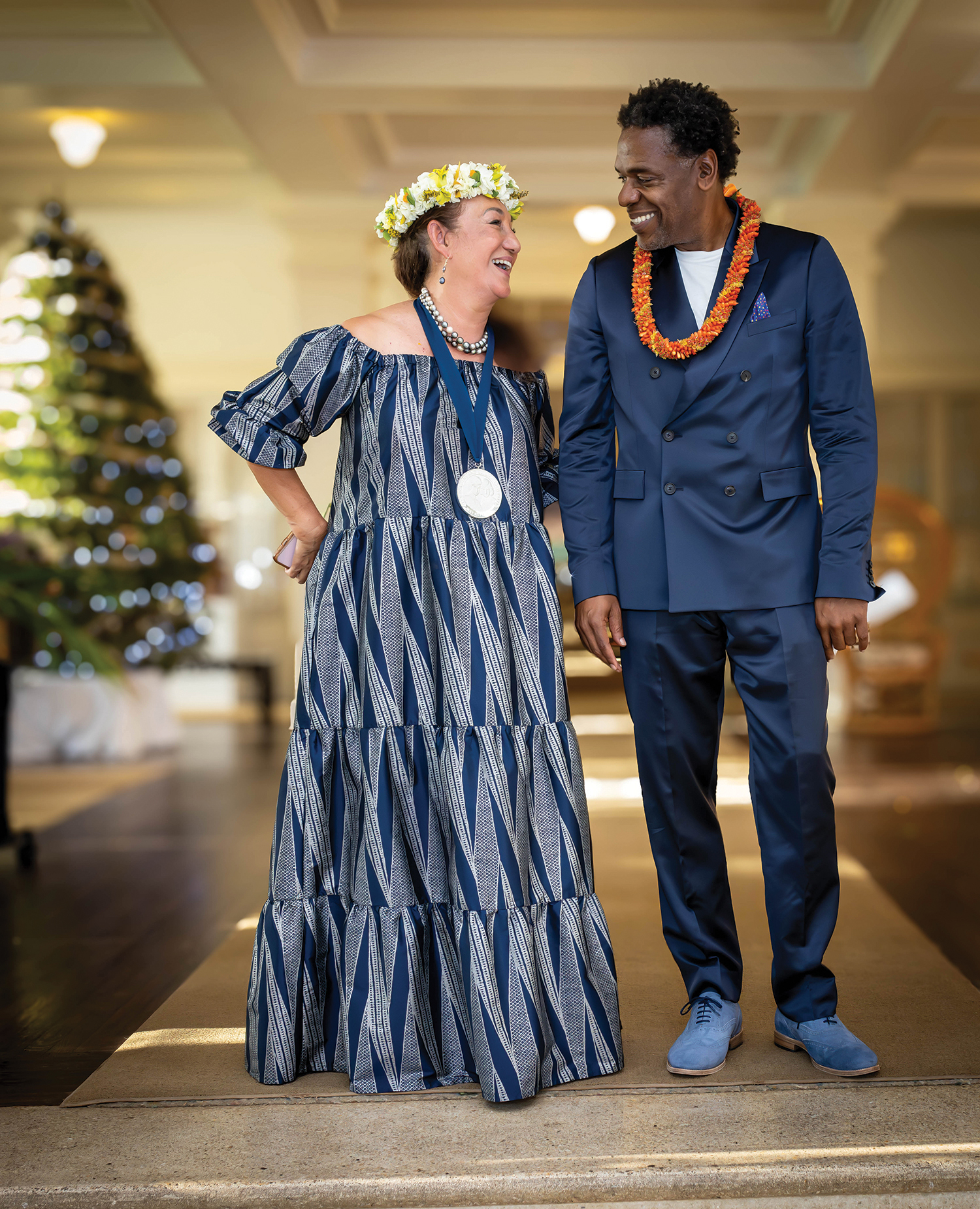
Last year, for her work with Hawaiian arts and culture, Vicky was awarded the 31st annual Dorothy and Lillian Gish Prize from the Gish Prize Trust. The award is given each year to a “highly accomplished figure” who has “pushed the boundaries of an art form, contributed to social change and paved the way for the next generation.” In the words of Lillian Gish, a pioneer film actress, the annual prize is intended for an artist or arts advocate “who has made an outstanding contribution to the beauty of the world and to [humankind’s] understanding and enjoyment of life.”
Terrance McKnight, the chair of the selection committee, said, “The recipient of the Gish Prize needs to be both a creator and an instigator — someone who has enhanced beauty in the world and worked to make society more whole, someone who is highly accomplished and yet remains an agent of change. This year, the selection committee rose to the challenge by lifting its eyes across the horizon and unanimously choosing Vicky Holt Takamine. It is an honor to present the Gish Prize to her, helping to bring her contributions to culture the recognition it so richly deserves.”
“What an honor for my people and my community and for Hawai‘i and for the art of hula, which never really gets this kind of recognition.”
Hula, she said, is often seen as a form of entertainment for tourists, but for her, it is a way to safeguard indigenous culture — how we preserve our culture, our stories and the Hawaiian language, she says. “Hula is a form of resistance,” she says. “This has been my life’s work. I don’t think about it. I just do it. And to be recognized in this manner for me is like validation and credibility.” I hope it brings awareness to my people and my culture, she says.
Michael Pili Pang and Hālau Hula Ka No‘eau
For Michael Pili Pang, hula has been a lifelong experience. One day in school when he was being kolohe (mischievous), his teacher, who was also a social worker, took him to a hula class. “Her sister was teaching the class and I learned hula from her through grade school,” he says. “When I went to high school, she said I can’t do anything more for you, and told me to call Aunty Ma‘iki.”
“The three of us come from different stages in hula,” says Michael. “Vicky is first as a child in the 1960s, then Robert in the 1970s, and I come in the end of the 1970s and ’80s. There’s a good 20-year span between the three of us and each of us had a different time with Aunty Ma‘iki.”
Michael has worked with her for many years. When he went to college at Puget Sound University, he joined the Hawaiian Club. Aunty Ma‘iki told him to start teaching hula. He ended up teaching hula, organizing the club’s lū‘au.
“When I came home from Puget Sound, she said, ‘Now, finish your hula training.’” She was going to Japan, and when she came back, they planned to talk about hula… everything. “But when she returned, she died. I thought my future died; hula is pau (finished). But I continued to work because I thought it was important to continue her legacy.”
Michael firmly believes in huliau — to look back in order to move forward. “Hula is an indigenous art form,” he says. “It is not something that has to be kept on a shelf. It evolves.”
He says his styling mirrors Ma‘iki’s. In the 1800s, Hawaiians spoke poetry and understood the innuendos of poetry. A flower wasn’t just a flower; a lei not a lei. It was a lover. Certain words have many meanings. Aunty Ma‘iki conveyed that in her dances. “You can’t just mimic music or show off the words. You have to interpret words and present them as if you understand them. Her philosophy comes from idea that hula is everything you see, hear, taste, touch and feel.”
Hālau Hula Ka No‘eau. PC: Michael Pili Pang
In 1986 Michael opened Hālau Hula Ka No‘eau on Hawai‘i Island, and later in 2002, he added a second hālau in Honolulu. He explores both the traditional styles of his hula genealogy and creates new hula based on Hawaiian tradition. They have taught hula classes in Waimea, Honoka‘a, Hilo, Kona, Waikoloa and in Chicago. Since 1994, they have performed throughout North America, Korea, Japan and Taiwan.
Michael became a senior staff member for then-Mayor Mufi Hannemann’s administration. As executive director in the Office of Culture and the Arts, he created granting programs, built the arts administration (a staff of five, all practicing artists), fostered partnerships and collaborated on cultural and capacity-building programs.
“To this day, we are recognized as the keepers of Aunty Ma‘iki’s tradition,” Michael says. When he dances, he says, he still sees her in front of him, showing him what to do, “The feelings you express in the dance are the most important.”
To further hula’s reach in Honolulu, Michael offers hula classes for anyone interested in learning to dance. “I run an ad two times a year. I want new students to learn my styling that was passed down to us. They start from ground zero. I want them to learn how to hula my way. People would say that my dances are like Aunty Ma‘iki’s, but that was not my intention. I ended up maintaining her teachings. It never was my intention. It just happened that way.”
Keola Dalire and Keolalaulani Hālau ‘Olapa O Laka
Hula is about tradition and passing the torch to future generations. No one knows that better than kumu hula Keola Dalire.
“For a long time, hula was just a dance to me (entertainment or cultural preservation) but my mom instilled in us that hula is expression of our innermost feelings,” says Keola. “It helped me realize that hula can help you express grief, anger, joy, happiness and love. When you come to hālau, leave everything at the door and come in with an open mind and allow yourself to just feel. Hālau is her safe space and security,” she says.
Keola said that her mother, Aloha, was the first hula dancer to win the coveted Miss Aloha title at the Merrie Monarch Hula Festival the year the festival launched its hula competition in 1971. Keola said that her two sisters succeeded their mother by winning the title — Kapualokeokalaniakea Dalire as 1991 Miss Aloha Hula; Kau‘imaiokalaniakea Dalire in 1992.
In 1999, Keola, the third and youngest daughter, also won the title. “This was not only an honor,” she says, “but a privilege for me to join the long line of women who have become Miss Aloha Hula.” She said it’s even sweeter knowing that her mother was the first to win the honor more than a half-century ago.
In 2013, her hālau celebrated its 50th anniversary. When interviewed by “Ka Wai Ola” back in 2013, Aloha was asked what her mother would say about her hālau’s legacy stretching five decades. “Honestly, I think she would be really proud and she would say ‘Hula is alive and well, and it is the koko (lifeblood) of our family.’”
Keolalaulani Hālau ‘Olapa O Laka
Hula became a choice. “I chose to be here. My mother said she never forced us to dance hula, but that’s all she exposed us to. Sometimes I like to tell myself I chose hula, but if I be honest, hula chose me. It’s an honor for me to dance and perpetuate my culture and the lessons learned and continue to learn with my haumana.”
When asked about the emotional impact of hula, she refers to “kaona”—“hidden meaning.” Two years ago, her hālau performed a mele at Merrie Monarch about electricity arriving in Kane‘ohe, which it could have been, but when you think about kaona, it’s a love story.
“You compare electricity going on and off with being in a relationship,” she says. “This song had a hidden meaning. It’s a story about electricity coming over mountains to Kane‘ohe, but the original words of this song is a love song, a story between two people and how they had that ‘aha moment,’ and they get married. Everyone thinks it’s electricity, but it’s about types of electricity — not the just the kind going through to a lightbulb.”
Keola says that she opens up her hālau for hula classes. Everyone is welcome. People of all ages come to learn to dance hula, and we also offer classes for kūpuna — for exercise, to keep moving and have fun. Our classes are offered Mondays, Wednesdays, and Thursdays from 4 to 9pm.
Keola says what she values are the teachings and sentiments of her mother. “Hula is the expression of one’s innermost feelings,” she says. And that brings us back full circle to Kumu Robert Cazimero and his firm belief that hula is life.
The halau’s 2015 performance at the Merrie Monarch Festival. PC: Bruce Omori
To Conquer the Darkness, Shine Your Brightest
When asked what lesson he’d like to impart, Robert Cazimero says this about his voice in hula and mele: in an interview with the Keep It Aloha podcast, Robert says that when he sings, he goes someplace. “It’s like a perfect singing storm. It could be the lighting, the people, but mostly it’s me. It has to do with the farthest light that I can see wherever I am — whether it’s a star or a pin light… the farthest light away from where I am.
“I sing to that spot because I think that’s where all the people I know are who are around me. That’s where they come from. I feel like I’m singing to them — it’s when my voice is the sweetest, happy, grateful, sad, emotional singing.”
“No matter how much time I have left,” he says, “it’s important to do the best you can, for our people, to be strong, to love who you are, and love others for who they are. It’s easy to say, but hard to get there, but once you get there, you wonder what took you so long.”
For more information on joining a hula class, contact: Michael Pili Pang and Hālau Hula Ka No‘eau: halauhkn@aol.com Keola Dalire and Keolalaulani Hālau Olapa O Laka: khoolhula@gmail.com
Hawaiians say ‘haweo’ to refer to a glow of light that makes things visible. It is in the light of knowledge that the darkness and confusion of the past are now being destroyed and the heroic deeds of our ancestors are being revealed. The responsibility is now ours to carry on where they left off.…