Category: Mar – Apr 2023

  • Grief & Bereavement — Part V

    Clients who start the estate planning process do so with the knowledge that they will die one day. This death awareness comes with some degree of death anxiety, as  well as anticipatory grief.

    Clients may also have preconceived notions about lawyers; they may be concerned about cost. They may be unsure of what estate planning is and how to go about it. They are entering a legal environment that is unfamiliar to them. All of these factors create stress, anxiety and fear.

    But in order for clients to be able to consider important matters — quality of life questions, exploring family relationships and establishing the plan to coordinate their assets with this understanding — clients must be as relaxed and calm as possible. Estate planning attorneys must not only create a physical environment conducive to this process, but we must also maintain a level of calm and comfort, so that the client can continue to give concentrated thought and effort to this task at hand. We must do our best in our interviewing, counseling and facilitating so as not to inadvertently and unnecessarily arouse defensiveness in a client.

    As attorneys, we serve as counselors for our grieving clients to guide each of them through grief as they adapt to the loss and facilitate reentering into life in a meaningful way. But we are not therapists who need to delve into deep-seated issues, neuroses, psychosis, dysfunctions or pathologies in order to fix someone or something. As counselors, we want to address our clients’ daily concerns and issues. In Drs. Darcy Harris and Howard Winokuer’s “Principles and Practice of Grief Counseling,” they suggest that as counselors, we want to do the following:

    • Help clients gain insight and perspective on their situation, behavior, emotions and relationships.
    • Provide a safe place for clients to express feelings and clarify their thoughts.
    • Offer a context for clients’ experiences within a broader perspective (e.g., within a family context, social and political structures, existential viewpoint).
    • Enhance the development of clients’ skills in dealing with painful and distressing situations.
    • Empower clients to become their own best advocates.
    • Facilitate clients’ process of finding and making meaning in their experiences.


    STEPHEN B. YIM, ATTORNEY AT LAW
    2054 S. Beretania St., Honolulu, HI 96826
    808-524-0251 | stephenyimestateplanning.com
    Clients who start the estate planning process do so with the knowledge that they will die one day. This death awareness comes with some degree of death anxiety, as  well as anticipatory grief.

  • Hiring Strangers as Caregivers

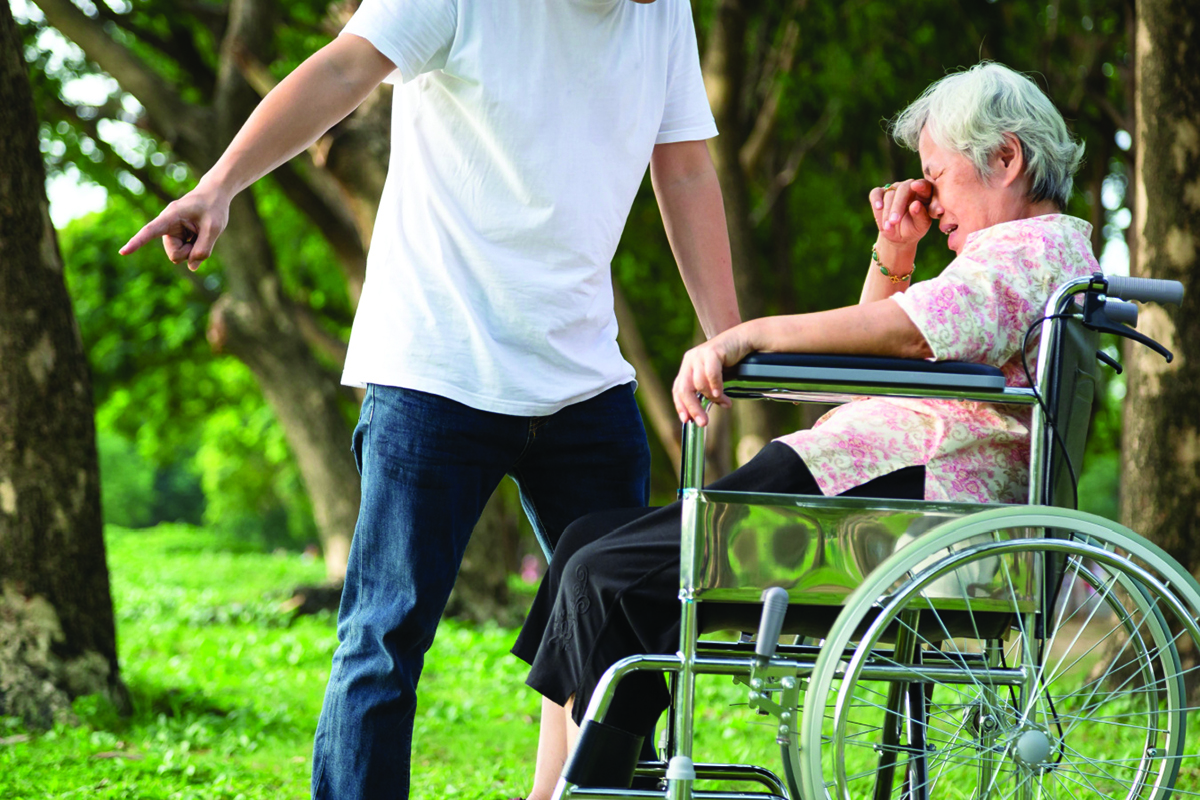
    When Hiroko hired a healthcare agency to assist her in caring for her husband, she trusted that the company would provide her with caregivers who were responsible and professional. Unfortunately, this agency sent a “caregiver” who helped herself to Hiroko’s jewelry. This is only one of many cases of caregiver abuse handled by the Office of the Prosecuting Attorney, but it highlights the need for people to become aware of the risks involved when hiring a stranger as a caregiver.

    These are the two agencies that can be contacted to see if any complaints have been made against a licensed care provider service are:

    1) The Better Business Bureau: 808-536-6956
    2) The Consumer Resource Center: 808-587-3222

    Also, seek recommendations from friends who have already gone through the process of finding somebody.

    Things to consider when hiring:

    • Ask the healthcare agency about their workers’ training and experience

    • What kind of coverage does their insurance provide in case there are accidents in the home?

    • What kind of experience do they have in providing the specific care you need for your loved one?

    • What background checks have been done? And what are their rules about the caregivers accepting gifts from their patients?

    Our office has received many complaints over the years about caregivers receiving thousands of dollars in “gifts” and “loans” from their patients. Is there a policy regarding this?

    The above questions may seem too probing to ask, but you must remember, a stranger is going to be entering your home. It is a lot better to know than assume they are the caregivers you envisioned them to be.

    Even when hiring a caregiver outside an agency, it is wise to ask the above questions, as well. Keep in mind that any caregiver is an employee — they are not a family friend or a relative. Problems can arise when employees think of themselves as your pal. They may be more likely to take advantage of you or the family member in need of care.


    If you suspect elder abuse, call these numbers:
    Police: 911 | Adult Protective Services: 808-832-5115
    Elder Abuse Unit: 808-768-7536
    For questions, email ElderAbuse@honolulu.gov

    When Hiroko hired a healthcare agency to assist her in caring for her husband, she trusted that the company would provide her with caregivers who were responsible and professional. Unfortunately, this agency sent a “caregiver” who helped herself to Hiroko’s jewelry. This is only one of many cases of caregiver abuse handled by the Office…

  • Starting Your Estate Planning Journey

    The first steps in your estate planning journey are learning 1) how to stay in control of your stuff while you are able to be in control and 2) how to make sure your wishes are carried out when incapacity or the grim reaper catch up with you. Sorry to rub it in, but there is a 100% probability that at least one of these things is going to happen to you and a 70% probability that both of them will.

    Your estate plan should reflect your choices about such things as the kind of healthcare you will receive throughout your life, as well as who will enjoy your stuff when you are done with it. The only way to make effective choices about these things is to learn what your choices are.

    Choices, Changes & Flexibility

    This is a lifelong challenge, because your choices will change as your circumstances change. Your health is going to change — so will your assets, your comfort with your list of designated decision-makers and the laws that affect your estate plan. As things change, you will need to stay on top of the choices you can make in order to be confident that your wishes will be followed at every phase of your life — and beyond.

    The Sooner the Better

    Let’s say you are thinking about going on an adventure. Where do you want to go? How do you want to get there? Are there any better destinations you might want to consider? Is there a better means of getting you there than the one you originally chose?

    The only way to know the answers to these questions is to do some research, talk with people who have taken similar trips and better yet, talk with folks who have helped lots of people take all kinds of journeys. It’s kind of like asking for directions.

    While I have never regretted asking for directions, I have regretted waiting too long to do so. The sooner you learn about your estate planning options, the sooner you can implement ways to head off problems that are headed your way, even though you don’t know exactly what they are or when they will arrive.


    SCOTT MAKUAKANE, Counselor at Law
    Focusing exclusively on estate planning and trust law.
    808-587-8227 | maku@est8planning.com
    est8planning.com

    The first steps in your estate planning journey are learning 1) how to stay in control of your stuff while you are able to be in control and 2) how to make sure your wishes are carried out when incapacity or the grim reaper catch up with you. Sorry to rub it in, but there…

  • Out-of-Pocket Healthcare Costs

    The number of infants born in the US jumped significantly after World War II and continued to increase through the mid-1960s. Social scientists believe it was the result of the thousands of WWII veterans returning home to a booming economy and GI Bill benefits that provided access to home ownership, encouraging them to marry and start families. These infants born between 1946 and 1964 are known as baby boomers.

    The oldest boomers are well past age 65 and those born at the end of the range will be there soon. According to the most recent US census, the Medicare population is expected to double, along with the number of people drawing Social Security benefits and qualifying for Medicare insurance. Healthcare costs may also increase for approximately 63 million existing Medicare beneficiaries and those “aging in,” as they experience the aging process and health issues that are likely to develop.

    Little has been written about how unprepared boomers are as they find themselves living longer and working past age 65. Unlike the prior generation, boomers must sometimes navigate the post-65 Medicare enrollment process and deal with episodes of illness that can strike unexpectedly. Many boomers are also unprepared for the cost of healthcare premiums and out-of-pocket costs for certain procedures, prescription drugs and non-covered medical expenses.

    In 2023, the standard Medicare Part B premium is $164.90 per month. Unless another entity pays the premium, Medicare beneficiaries must pay as long as they have Medicare Part B. Some Medicare beneficiaries pick up a Medicare Advantage, prescription drug or Medigap plan (Medicare Supplemental Insurance) at an additional ongoing cost. According to Fidelity Investments, the average 65-year-old couple retiring today can expect to pay $275,000 in out-of-pocket health expenses in their lifetimes. At a minimum, boomers need to ask their financial advisors how they will cover these costs in retirement and plan ahead. Boomers need to acknowledge that with longevity comes the need to set aside funds to cover out-of-pocket healthcare costs to stay on track for a healthy and happy retirement.


    GET2INSURANCE.COM FAMILY OFFICE
    1003 Bishop St., Ste. 2700, Honolulu, HI 96813
    800-226-3660 | martha@get2insurance.com
    Get2insurance.com

    The number of infants born in the US jumped significantly after World War II and continued to increase through the mid-1960s. Social scientists believe it was the result of the thousands of WWII veterans returning home to a booming economy and GI Bill benefits that provided access to home ownership, encouraging them to marry and…

  • Tips for Transitioning Into Retirement

    Retirement marks the end of a chapter in your career and the start of a new lifestyle. This unique transition can bring a myriad of emotions, most commonly, excitement and apprehension. If you’re pondering retiring in the next year or so, here are five tips to help you transition smoothly.

    1) Know the transition could take weeks — or even months. You likely spent decades forming a routine around your work schedule. Establishing your new normal of volunteer work, an encore career or helping family will take time. If you are married, remember that your retired status may affect your spouse’s routine, too. Talk openly about how you’re feeling during the transition to keep your spouse in the loop.

    2) Communicate your retirement plans with family members. Your parents, kids or other family members will likely be interested in how you intend to spend your retirement days. Will you be visiting the grandkids more often? Will you continue to host family get-togethers? Are you planning to move or purchase a retirement home? As you share your plans, don’t forget to discuss your financial picture. The benefits of open communication are three-fold:

    • It reassures your kids that you’re financially prepared;

    • allows you to introduce or remind your family of your estate and legacy plans;

    • and establishes a safe space for both sides to discuss potentially challenging financial topics.

    3) Maintain healthy habits. Staying diligent with the activities that help you feel your best is important as you shift into retirement. Prioritize eating healthy, sleeping well, staying fit and maintaining friendships in your new routine.

    4) Evaluate your finances. Prior to retirement, you likely outlined how you will manage your cash flow. (If not, today is the day to put a plan in place!) As you enter  retirement, review your expenses to ensure they’re aligned with your plan. It’s common to revise your spending and activities after experiencing the first few weeks away from your primary job, so it’s okay if you need to adjust how much you withdraw from your accounts each month. If you want to increase your spending, calculate what that means for your later retirement years, as you don’t want your savings to come up short. Consult a financial advisor for guidance on how to make your money last while living the lifestyle you desire.

    5) Reset your attitude. Retirement is not the ultimate finish line. Experiencing a lot of emotions is common, but try to focus on what you’re excited about in this next chapter. And remember, you’re not alone. Talk to friends, family and professionals in your life for support along the way.


    MICHAEL W. K. YEE, CFP,® CFS,® CLTC, CRPC®
    1585 Kapiolani Blvd., Ste. 1100, Honolulu, HI 96814
    808-952-1240 | michael.w.yee@ampf.com
    ameripriseadvisors.com/michael.w.yee
    Michael W. K. Yee, CFP®, CFS®, CLTC, CRPC ®, is a Private Wealth Advisor, Certified Financial Planner ™ practitioner, with Ameriprise Financial Services, LLC. in Honolulu, HI. He specializes in fee-based financial planning and asset management strategies and has been in practice for 38 years. Investment advisory products and services are made available through Ameriprise Financial Services, LLC, a registered investment adviser. Investment products are not insured by the FDIC, NCUA or any federal agency, are not deposits or obligations of, or guaranteed by any financial institution, and involve investment risks including possible loss of principal and fluctuation in value. Ameriprise Financial Services, LLC. Member FINRA and SIPC.© 2023 Ameriprise Financial, Inc. All rights reserved.

    Retirement marks the end of a chapter in your career and the start of a new lifestyle. This unique transition can bring a myriad of emotions, most commonly, excitement and apprehension. If you’re pondering retiring in the next year or so, here are five tips to help you transition smoothly.

  • Getting Ahead of Incapacity

    Many of us go through life believing everything will go according to plan. However, as the saying goes, even the best-laid plans go astray. So, to avoid unnecessary interruptions later in life that can be both financially and emotionally costly, it is wise to plan now for the possibility of incapacity.

    Incapacity can come in several forms, and it can occur suddenly or gradually over a period of time. Some of the negative impacts of incapacity — especially dealing with finances and health-care decision-making — can be avoided by having your estate plans prepared in advance. Planning for incapacity can include things like having all the appropriate estate planning documents (e.g.,durable power of attorney, advance healthcare directive, will and/or trust) drafted and executed. However, each person is different, so you should consult with an estate planning attorney to provide guidance and explain the documents you will need to be best prepared in the event of incapacity.

    In addition to estate planning documents, it can be very helpful that you prepare others, such as family and friends, for the possibility of incapacity. Having a frank conservation with them about your wishes and directions can limit the emotional impact and provide clarity about your estate plan.


    CSI TRUST COMPANY (501(c) 3 nonprofit)
    1001 Bishop St., Ste. 2305, Honolulu, HI 96813
    808-538-0353 | csitrustcompany.org

    Many of us go through life believing everything will go according to plan. However, as the saying goes, even the best-laid plans go astray. So, to avoid unnecessary interruptions later in life that can be both financially and emotionally costly, it is wise to plan now for the possibility of incapacity.

  • How to Stop Your Gums From Receding

    If you’ve noticed your teeth are getting longer and your gums are getting shorter, perhaps it’s time to see a dentist.

    Gum recession can affect anyone, even those who brush twice a day and floss daily. Although it can’t be reversed, there are some things you can do to stop them from receding.

    Gum recession can be a form of gum disease in which the gum tissue pulls away from the teeth, revealing the tooth’s root. Also called “periodontal disease,” bacterial gum infections can destroy gum tissue and supporting bone that hold your teeth in place. Gum disease is the main cause of gum recession and can result from poor oral health, pre-existing medical conditions, dry mouth, aggressive brushing, smoking or the effects of age and even genetics.

    Gum disease makes you more prone to cavities and a higher risk of tooth loss. In addition to the visible signs of receding gums, other symptoms of gum disease are as follows:

    • bleeding after brushing or flossing
    • red and swollen gums
    • bad breath
    • pain at the gum line
    • loose teeth

    You can slow or even stop your gums from receding by first visiting your dentist for an exam and cleaning. Your dentist can identify problem areas and recommend certain treatments to stop gum disease from progressing.

    Ask your dentist which treatments are best for you. There are surgical and non-surgical treatments that may help. Healthy habits are essential to stopping gums from receding, like maintaining a balanced diet, eliminating tobacco use and improving your oral health routine at home.

    Remember, losing your teeth is not a foregone conclusion as you age — if your gums are healthy, it is still important to maintain good oral health through brushing twice a day, flossing daily and seeing your dentist at least twice a year so you can live well and smile more!


    HAWAII DENTAL SERVICE (501(c) 4 nonprofit)
    Kahala Howser, Wellness & Events Manager
    808-521-1431 | khowser@hawaiidentalservice.com
    HawaiiDentalService.com

    If you’ve noticed your teeth are getting longer and your gums are getting shorter, perhaps it’s time to see a dentist. Gum recession can affect anyone, even those who brush twice a day and floss daily. Although it can’t be reversed, there are some things you can do to stop them from receding.

  • A Calling to Gerontology

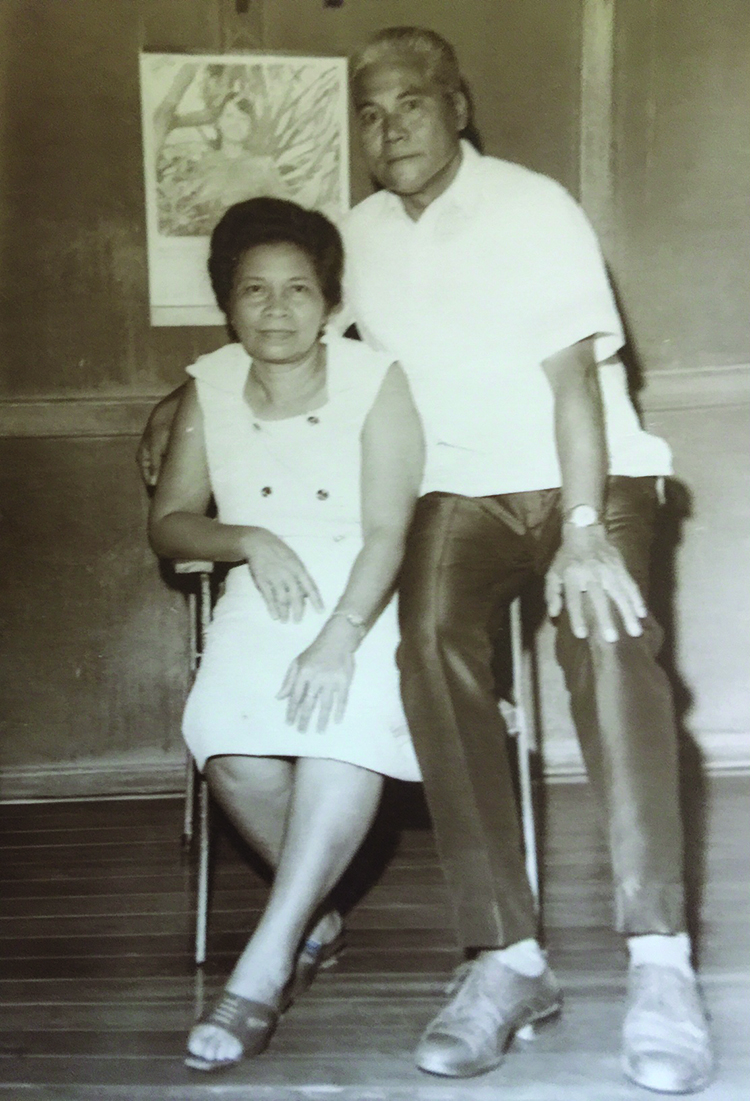
    I hold dear the life lessons my Lolo (grandpa) and Lola (grandma) taught me.
    I hold dear the life lessons my Lolo (grandpa) and Lola (grandma) taught me.

    There are many reasons why working with seniors became my passion. One was to prepare myself to care for my loved ones as they age. We will all eventually encounter the challenges of caregiving. What better way to prepare than by choosing gerontology as a career?

    To keep continuously employed, I embraced working with members of an aging society. My parents’ generation — the baby boomers — will account for an estimated 61 million by 2030, so there will always be those who need care.

    However, the main reason I chose gerontology as my college degree was because of the love I have for my grandparents. Although I learned a lot about them through their letters, pictures and phone calls from the Philippines, I’ll never forget meeting Leonardo and Eriberta in person for the first time when they finally moved to America.

    Every day, I hold dear the life lessons they taught me. The unconditional love they showed me sparked my desire to choose a career to care for other members of this older and wiser generation. I honor my grandparents today by continuing to learn, and by putting what they taught me about love and kindness into practice by providing superior care to seniors, enabling them to maintain a comfortable lifestyle with dignity.


    ROSELANI PLACE (501(c) 3 nonprofit)
    88 South Papa Ave., Kahului, Maui, HI 96732
    808-871-7720 | Toll Free: 800-554-9853
    info@roselaniplace.com | roselaniplace.com

    There are many reasons why working with seniors became my passion. One was to prepare myself to care for my loved ones as they age. We will all eventually encounter the challenges of caregiving. What better way to prepare than by choosing gerontology as a career?

  • Caregiver Compatibility is Key

    As we age, our loss of independence can lead to reluctance to both accept or ask for help. Often, finding a caregiver who is compatible with you or your loved one and their particular personality traits can help them transition to receiving care.

    You want to be sure that whoever you work with asks the right questions about you or your loved one in order to determine a good personality match.

    Will we be working with someone who is quiet and shy, or talkative and extroverted?
    Are they more routine oriented or laid back?
    Would they prefer going out for walks or sitting indoors and playing a board game?

    Matching seniors to caregivers with whom they best connect will improve the quality of their life and ensure they receive the care they need to keep them thriving.

    Everyone is different and likes to be treated differently. So when researching home care services, inquire about customized care plans to ensure that you or your loved one will receive the specialized and tailored care that will meet their individual needs now, and into the future.


    ALTRES Home Care
    967 Kapiolani Blvd., Honolulu, HI
    808-591-4930
    homecare@altres.com | altreshomecare.com

    As we age, our loss of independence can lead to reluctance to both accept or ask for help. Often, finding a caregiver who is compatible with you or your loved one and their particular personality traits can help them transition to receiving care.

  • Houselessness: How Can You Help?

    blurred image through window of old man with gray hair on train

    When you see a gray-haired person clinging to the few possessions they have and wandering the streets, it is because they are trying to find shelter, a safe place to sleep and something to eat.

    Among Hawai‘i’s houseless population, there are aging persons unable to live in safe and healthy environments. Regardless of the particular circumstances that got them in this situation, aging and houselessness are not compatible — it is simply not an acceptable state of being for any senior. So when you see an older person who is in need, consider the status of their welfare with compassion and without judgement:

    • Is this person lost due to dementia?
    • Do they have an untreated medical condition?
    • Are they approachable?
    • If so, what can I do to help?

    Supporting organizations that provide resources to houseless persons is a great way to help. Specialists at Aloha United Way 211, Hawai‘i’s only statewide helpline, connect those in need to resources and emergency assistance. Depending on location and need, they are trained to find resources that people in need can utilize right away.

    Call 2-1-1 or 877-275-6569 and ask how you can make a difference.


    THE CAREGIVER FOUNDATION (501(c) 3 nonprofit)
    926 3rd St., Pearl City, HI 96782
    808-625-3782 | info@thecaregiverfoundation.org
    thecaregiverfoundation.org

    When you see a gray-haired person clinging to the few possessions they have and wandering the streets, it is because they are trying to find shelter, a safe place to sleep and something to eat. Among Hawai‘i’s houseless population, there are aging persons unable to live in safe and healthy environments.

  • Helping Seniors With Technology

    Technology is ever-advancing these days, with information on new devices everywhere. For early adopters, this is seen as helpful and even normal. However, for some seniors, adapting to new devices can be challenging due to physical limitations. Vision loss is one of the more common problems experienced, as is age-related macular degeneration (AMD) that typically affects older adults.

    Millions of Americans every year are affected by AMD, which destroys central vision, leaving only the peripheral vision. Those affected may no longer be able to see the faces of their family members, drive a car or read a newspaper. Using a mobile device can have the same results. Nearly one in every three adults over the age of 75 is currently affected by AMD. According to Dr. Chris Knobbe, clinical associate professor emeritus at the University of Texas Southwestern Medical Center, “AMD is an epidemic — worldwide. Globally, one in every 11 persons over the age of 50 has some degree of AMD.”

    The good news is technology is improving for those with vision loss like AMD. Currently, there are many tools which can help individuals to read their devices, from simple magnifiers and brighter reading lights, to more sophisticated screen readers and applications. The accommodation of selecting larger fonts and web page sizes has also been available across media to make information more legible. These visual aids have helped those with vision impairments to maximize their usable vision, and make better use of devices and technology. The use of voice command devices has also become more mainstream and should be considered for those with vision impairments. Amazon has ECHO, a home voice command device, and Samsung has a smart TV that also listens to voice commands.

    Bridging these gaps between seniors and technology can also be a challenge for caregivers sometimes, given the limitations that vision loss can have on using devices. But once these hurdles are cleared, research shows that adults older than 65 using smart phones or other electronic devices are more likely to become daily internet users.
    Caregivers can help by doing a few simple things:

    • Avoid complex devices with distracting features.
    • Use technology that accommodates physical limitations.
    • Choose devices relevant to user needs and values.
    • Encourage technology that is socially rewarding.
    • Be their technical support.

    Once on the internet, seniors using devices with social media apps such as Facebook, Instagram and Twitter are more in touch and engaged with others. Forrester Research also showed in its “Digital Seniors” report that 60% of all US seniors are online, and of those, roughly half are also using Facebook. “Many people have the misunderstanding that seniors are averse to technology. I don’t find that true at all,” said RN Kari Foster. “It’s the simpler things — like arthritis or forgetting their glasses on their head — that gets in the way.”


    ATTENTION PLUS CARE HOME HEALTHCARE
    Accredited by The Joint Commission
    1580 Makaloa St., Ste. 1060, Honolulu HI 96814
    808-739-2811 | attentionplus.com
    AGING IN HAWAII EDUCATIONAL OUTREACH PROGRAM
    by Attention Plus Care — a program providing resources for seniors and their families, covering different aging topics each month. For class information and upcoming topics, call 808-440-9356.

    Technology is ever-advancing these days, with information on new devices everywhere. For early adopters, this is seen as helpful and even normal. However, for some seniors, adapting to new devices can be challenging due to physical limitations. Vision loss is one of the more common problems experienced, as is age-related macular degeneration (AMD) that typically…