Category: June – July 2015

  • Reflecting on Governor John A. Burns

    1In midlife, documenting the lives of our ancestors and our own memories suddenly becomes important. Even if our kids aren’t interested — we know someday they will be.

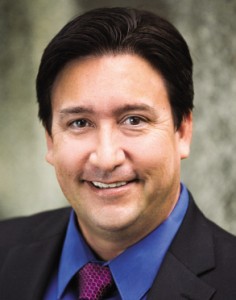
    Brendon Burns, 47-year-old grandson of Hawai‘i Gov. John A. Burns, has applied his writing and journaling skills to an earnest and diligent “look back” at the “greatness” that surrounded his grandfather, the second governor of the State of Hawai‘i, from 1962 to 1974. When Brendon’s dad, retired Appellate Court Chief Judge Jim Burns, had a bout of cancer in 2012, he and Brendon took time to recollect the personalities and dynamics of the governor’s era, and rise to power.

    2Author Burns said, “I realized that it is time to pass on those lessons from his life to the next generation.” For Burns, an educator and principal of ‘Aina Haina Elementary School, the lessons are about leadership and consensus building, wrapped in detailed and well-researched historical context that seniors will remember as irrevocable changes in state politics.

    John Burns’ tough childhood prepared him for grassroots politics, lobbying and assuming the risks of huge economic growth in the early years after statehood. Brendon Burns conceived this book for posterity and brings it to us with much aloha and perspiration. An Aura of Greatness: A Reflection on Governor John A. Burnsis available at local bookstores and online at Amazon:www.tinyurl.com/AnAuraOfGreatness.

    In midlife, documenting the lives of our ancestors and our own memories suddenly becomes important. Even if our kids aren’t interested — we know someday they will be. Brendon Burns, 47-year-old grandson of Hawai‘i Gov. John A. Burns, has applied his writing and journaling skills to an earnest and diligent “look back” at the “greatness”…

  • 5 Tips for Senior Sun Safety

    Summer and family fun is right around the corner! More sunshine not only makes the great outdoors more inviting, but increased UV rays and heat also create a few risks.

    Seniors don’t “feel the heat” the way younger people do and might not be aware of the risks of high temperatures. Physiologically, as we age, our bodies lose some natural ability to regulate temperature, making seniors more susceptible to sunburn, eye damage, dehydration, heat exhaustion and more. With some precautionary steps and healthy personal care, everyone can enjoy the summer sun.

    Five ways to play it safe in the sun:

    • Apply sunscreen early and often throughout the day. Try to apply sunscreen an hour before you head outside. The higher the SPF, the more protection there is. Reapply every two hours.
    • Drink plenty of water. Six to eight glasses per day is recommended; more if you’re engaging in physical activity or it’s particularly hot.
    • Stay indoors between 10 am and 2 pm, when the sun is most intense. When outdoors, look for shade, especially during the hottest hours.
    • Some medications cause increased sensitivity to the sun. Ask your doctor if you have any concerns about your medication side effects.
    • Wear the right clothing and eye protection. Lightweight, breathable fabrics are best. Wear wrap-around sunglasses that protect eyes from both UVA and UVB radiation.


    HiHomeCare, 745 Fort Street, Suite 116, Honolulu
    808-356-HELP | info@hihealthcarehawaii.com
    hihealthcarehawaii.com

    Summer and family fun is right around the corner! More sunshine not only makes the great outdoors more inviting, but increased UV rays and heat also create a few risks. Seniors don’t “feel the heat” the way younger people do and might not be aware of the risks of high temperatures. Physiologically, as we age,…

  • Estate Planning for College Students

    I recently received a call from a client who has a daughter attending college on the Mainland. Her daughter had been in a ski-accident and was in the hospital. When the mother called the hospital to find out her daughter’s status, they would not release any information or allow the mother to make any decisions on her daughter’s behalf. You can imagine the mother’s distress, thousands of miles away and helpless.

    This situation is all too common. Once your child reaches age 18, you are no longer entitled to see your child’s medical and financial records or make decisions on their behalf. Therefore, it is important for young adults to appoint trusted individuals to make medical and financial decisions in the event they are unable to do so.

    Few 18-year-olds consider the need for an estate plan, because most have little in the way of property. But if your child were to suddenly lose the ability to make or communicate decisions, they would need a an authorized person to make decisions for them. Your college student will want to consider two important Powers of Attorney:

    An Advance Health Care Directive gives you the ability to act on your child’s behalf with regard to medical decision-making in the event that your child is unable to do so.

    A General Durable Power of Attorney gives you legal authority to act on your child’s behalf regarding financial matters, regardless of whether they are able to make decisions on their own or not. It may be used in matters of both emergency and convenience.


    Stephen B. Yim, Attorney at Law
    2054 S. Beretania St., Honolulu
    808-524-0251 | www.stephenyimestateplanning.com

    I recently received a call from a client who has a daughter attending college on the Mainland. Her daughter had been in a ski-accident and was in the hospital. When the mother called the hospital to find out her daughter’s status, they would not release any information or allow the mother to make any decisions…

  • Asian-Style Mini Turkey Meatloaves

    1

    This recipe works as a quick weekday dinner or as a great pupu ! Adjust the portion size for muffin-size individual portions, tart-sized tantalizing bites or sliders (mini sandwiches made in dinner rolls) by flattening the tart-sized portions before cooking on a baking sheet.

    Ingredients:

    Meatloaf

    • 1-1/2 lbs ground turkey
    • 1/2 cup panko bread crumbs
    • 3/4 cup thinly sliced green onion (all parts)
    • 1/2 cup chopped fresh cilantro (extra for garnish)
    • 1 tablespoon Thai/Vietnamese fish sauce
    • 1 tablespoon soy sauce
    • 1/4 cup sweet chili sauce (such as Mae Ploy)
    • 1 egg plus 1 egg white, lightly beaten
    • Fresh ground pepper

    Asian BBQ Glaze

    • 1/2 cup ketchup
    • 2 tablespoons hoisin sauce
    • 2 tablespoons sweet chili sauce (Mae Ploy)

    Directions:

    Preheat oven to 350 degrees and lightly spray a standard-sized cupcake tin with non-stick cooking spray. Or for pupu size, you’ll need a mini-tart sized tin(s), allowing for 30 pieces per recipe.

    In a medium bowl, combine ingredients for the meatloaf, adding the panko last. Shape meatloaf mixture into eight ball-shaped portions and drop each meatloaf ball into individual cups (there will be empty cups if using a standard 12-cup tin).

    Put mini meatloaves into preheated oven and set a timer for 20 minutes. While meatloaf cooks, combine ingredients for the bbq glaze in a small ramekin/cup.

    After 20 minutes, take tin out of oven and lightly mop the top of each meatloaf with the glaze, then return to the oven for five to seven minutes to let the glaze thicken. Remove from the oven and let rest for five minutes; plate individually or on a serving platter and garnish with fresh cilantro for an attractive finish. Enjoy!

    Servings: 8 individual or 30 pupu –sized portions

    Time: 30 minutes

    This recipe works as a quick weekday dinner or as a great pupu ! Adjust the portion size for muffin-size individual portions, tart-sized tantalizing bites or sliders (mini sandwiches made in dinner rolls) by flattening the tart-sized portions before cooking on a baking sheet. Ingredients: Meatloaf 1-1/2 lbs ground turkey 1/2 cup panko bread crumbs…

  • Gifts Anyone Can Afford

    Sometimes I am asked by people how they can help our cause without disturbing their finances. Surprisingly, there are ways to accomplish that goal. Each situation is different, so consulting your tax advisor is a good idea. You may wish to consider these ideas:

    •  Designating a charity as a beneficiary in your will or trust is a simple way to commit to a cause you believe in, without affecting your cash flow during your lifetime. Additionally, it’s easy to revoke this type of gift, if your situation or goals change.

    •  Naming a charity as the beneficiary of an IRA or other retirement plan, financial account, annuity or unneeded life insurance policy is another easy way to help while you continue to benefit from these assets during your lifetime.

    •  If you own low-interest assets like bank Cds, you may donate them to charity and receive a Charitable Gift Annuity with an annual payment to you, often with a higher interest rate.

    •  Real estate you no longer need or wish to sell may be given to a charity without impacting your cash flow. You may also benefit from capital gains tax avoidance, while receiving a tax deduction for the gift.

    •  If you own your home and wish to remain living there, you can transfer your home to a charity, while retaining the right to use the home during your lifetime. You may even enjoy the added benefit of an income tax deduction while you live in your home!


    National Kidney Foundation of Hawaii
    808-589-5976 | jeff@kidneyhi.org
    For Planned Giving: www.kidneyhawaii.org
    Main: www.kidneyhi.org | www.kidney.org

    Sometimes I am asked by people how they can help our cause without disturbing their finances. Surprisingly, there are ways to accomplish that goal. Each situation is different, so consulting your tax advisor is a good idea. You may wish to consider these ideas: •  Designating a charity as a beneficiary in your will or…

  • Transition to Care at Home

    Straub Hospital

    “The case manager was excellent in preparing us for the care that my mother needed. She went beyond the call of duty.”

    “I want you to know how grateful we are and how wonderfully helpful, supportive and resourceful your social worker has been — above and beyond, and a tribute to you and the hospital.”

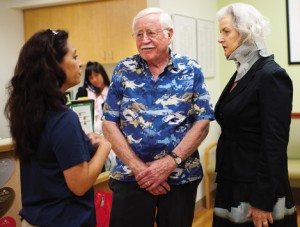
    These notes of mahalo come from patients and family members who are thankful for quality care they received during what can be a very complex situation hospital discharge and preparing for the tasks of at-home care.

    Hospitals throughout Hawai‘i follow strict guidelines set forth by the Centers for Medicare & Medicaid Services and The Joint Commission, for training caregivers with the goal of ensuring the patient’s safety and well being.

    Last year, Consumer Reports Magazine rated Straub Clinic and Hospital as the safest hospital in Hawai‘i. Specifically noted were a low medical mortality, avoidance of infections and the state’s lowest surgical mortality rate.

    Developing a culture of safety requires constant communication among physicians, nurses and everyone involved in the patient’s treatment team. From the moment a patient enters the hospital, a nurse assesses the patient’s support system, residence and daily activities. A hospital case manager also determines any special transition needs, based on individual diagnosis and recovery.

    If a patient is incapable of or uncomfortable with administering their own necessary at-home care, the case manager will ask if a family member, friend or neighbor would be willing and available to serve as a caregiver.

    If none are identified, the case manager will discuss home care visits or short-term placement in a nursing or rehab facility. The patient’s short-term and long-term options are evaluated based on finances, insurance coverage, available community resources and patient/family preference. Then, appropriate services are arranged to coordinate with the patient’s expected date of discharge.

    At-home care support also includes classes and hands-on medication training set up around the patient and caregiver’s schedule. Written instructions and printed educational materials also are provided for patients and caregivers.

    2Communication continues with a review of all at-home arrangements at the time of discharge, and calls to both patient and caregiver within 48 hours, to answer any questions or concerns and make sure they both understand the importance of critical appointments and medications.

    By communicating and working with patients’ and caregivers’ educational needs from admission through recuperation, we are able to better provide a safe environment for the patient, both at the hospital and at home.


    Straub Clinic & Hospital
    808-522-4000 | info@straubhealth.org
    straubhealth.org

    “The case manager was excellent in preparing us for the care that my mother needed. She went beyond the call of duty.” “I want you to know how grateful we are and how wonderfully helpful, supportive and resourceful your social worker has been — above and beyond, and a tribute to you and the hospital.”…

  • Where Do Caregivers Find Help?

    You know mom’s getting worse and you’re overwhelmed, with no time to even look for help. Don’t wait until you are running on empty and need help immediately to understand your choices, prioritize needs and know exactly how to select a qualified home health care provider.

    There are experienced home health agencies licensed in Hawai‘i and accredited by The Joint Commission, the nation’s oldest and largest accrediting body in health care. A licensed and accredited agency meets state and national standards to provide safe and effective care of the highest quality and value. Ask if your current or potential home care company is licensed.

    Many families are surprised to learn about the significant differences between “home care,” and “home health care” agencies in Hawai‘i. Cynthia Baker, BSN, RN, recently explained in a workshop for seniors and caregivers, “Home health agencies that provide direct or indirect skilled nursing and therapeutic services are held to a higher standard and must be licensed and regulated in the State of Hawai‘i. By contrast, home care agencies are not licensed in the state. Both provide important, but very different services.”

    There are many educational seminars being offered these days. As more seniors choose to age in place and be cared for at home, there is greater need for good information on managing the symptoms they may have from chronic disease to natural aging. “Kupuna love being educated, as it helps empower them and their quality of life,” said Baker.


    Attention Plus Care, Accredited by The Joint Commission
    1580 Makaloa St., Ste. 1060, Honolulu, HI 96814
    808-739-2811 | www.attentionplus.com

    You know mom’s getting worse and you’re overwhelmed, with no time to even look for help. Don’t wait until you are running on empty and need help immediately to understand your choices, prioritize needs and know exactly how to select a qualified home health care provider. There are experienced home health agencies licensed in Hawai‘i…

  • Prescriptions or Addiction?

    The pharmaceutical abuser looks like you or me … They start running out of their meds. So now, they start going to the doc to get more and more…the doc cuts them off. Then they start visiting the ER, making up injuries … Now they become our problem as law enforcement.”— Keith Kamita, State of Hawai‘i Public Safety Division Narcotics Enforcement from a documentary film that focuses public attention on prescription drug addiction and polypharmacy in the senior population.

    Since last year, prescription drug abuse was responsible for more than 475,000 emergency room visits and 32,329 deaths across America. Over the past 15 years in Hawai‘i, reported fatal drug overdoses in persons 60 and over increased nearly 400 percent; a large portion of these fatalities involved prescription drug abuse.

    For seniors, a critical factor is “polypharmacy,” taking several medications simultaneously and drinking alcohol. Currently, about half of people over 65 take five or more medications per week. About 12 percent take 10 or more.

    Combining alcohol with some agents for hypertension, type 2 diabetes and anxiety — drugs that are all metabolized in the liver — can be deadly. Patients and their doctors have to consider how drugs interact and how they will be taken.

    Alan Johnson, CEO of Hina Mauka, Hawai‘i’s largest drug and alcohol treatment center, reports that this year, 16 percent of the center’s 1,500 adult patients are over 50. This increase mirrors a 35 percent increase in fatal drug poisonings among seniors. He added, “… they’re taking pain medication. The family doesn’t know what to do. Now [grandpa] has this huge addiction and he’s becoming manipulative, he’s in denial, he can’t be managed … That’s very difficult to treat when you’re at that age.” Johnson emphasizes that the longer anyone takes powerful painkillers and anti-anxiety medications, the more they need to get relief. So what are the possible solutions? Most addiction specialists agree that physicians need more training to spot addictive patterns of misuse, abuse and dependency, as well as underlying behavioral issues. Doctors then need to refer patients to therapeutic psychologists who can help them cope with underlying issues.

    Through greater public awareness we may be able to get help for patients who become addicted, reduce the number of fatalities due to drug poisoning, now our number one cause of accidental death in America.

    For a copy of Unprescribed — Prescription for Addiction (58-minute film), call: 808-599-6403 or email: studio@filmworkspacific.com.

    “It is estimated that 2.1 million Americans are addicted to opioid pain killers which reflects the wide spread availability of these drugs. Heroin abuse in our country affects more than half a million Americans, and is driven by individuals switching from prescription opioids to heroin because it is cheaper and easier to access.”

    — Nora D.Volkow, M.D., Director, National Institute for Drug Abuse, NIH

    The pharmaceutical abuser looks like you or me … They start running out of their meds. So now, they start going to the doc to get more and more…the doc cuts them off. Then they start visiting the ER, making up injuries … Now they become our problem as law enforcement.”— Keith Kamita, State of…

  • Someone’s Knocking at The Door

    “Someone’s knockin’ at the door, somebody’s ringin’ the bell, do me a favor, open the door and let them in.” Chances are, if you recognize the lyrics to “Let Them In,” written by McCartney, you may have already gotten a knock on the door by a Medicare agent. Few people can recall how Medicare was first sold. Medicare was signed into law by President Lyndon B. Johnson on July 30, 1965, and benefits became effective July 1, 1966. Eligible seniors did not get auto-enrolled; a force of 5,000 workers paid $1.25 per hour for 20 weeks went door to-door to ask them to enroll. In 1966, the Washington Post asked a reporter to shadow a Medicare worker. The reporter observed people who were home but would not answer the door — others slammed the door on the salesperson and a few reluctantly let them in. When asked about their hesitancy to sign up, many replied that they didn’t need it, assumed it was for the poor or that they couldn’t afford the $3 monthly premium. According to Social Security records, approximately 19 million were eligible and 93 percent enrolled in the summer of 1966, making the launch successful. Door-to-door solicitation is no longer allowed, but Medicare beneficiaries can schedule a no-cost, no-obligation home visit by an agent to learn about their Medicare options. So if you schedule an appointment with a Medicare agent, do yourself a favor — open the door and let them in!


    808-543-2073 | getmedicare@aol.com
    www.Get2insurance.com
    A Medicare Moment With Martha
    A radio program with Martha Khlopin
    AM690: Saturdays, 11 am –11:30 am
    99.5FM: Sundays, 10 am –10:30 am

    “Someone’s knockin’ at the door, somebody’s ringin’ the bell, do me a favor, open the door and let them in.” Chances are, if you recognize the lyrics to “Let Them In,” written by McCartney, you may have already gotten a knock on the door by a Medicare agent. Few people can recall how Medicare was…

  • Decisions to Make as You Age

    Where am I going to live as I age and will I need more assistance? Many feel overwhelmed with uncertain options, lack of assistance, decreasing energy and concern about financial burdens. What should I do? Most keep on living their lives without a plan. Some will get lucky and their lives will play out well without a plan. But most of us need a plan with options we decide, to help in times of crisis.

    As your LIST Sotheby’s International Realty Senior Concierge and residential Realtors, we will help you with your plan so you are prepared to live out your days the way you want to. If that’s staying in your family home until the day you die, we will connect you with service providers to retrofit your home for safety and comfort. If downsizing and moving out of your large home is your preferred route — we will guide you through that process as well. It’s your decision.

    For more information on aging in place, retirement communities, health care, and other senior issues and real estate topics, consider attending the upcoming free seminars hosted by LIST Sotheby’s Senior Concierge:

    June 27, 2015—Aging-In-Place, Caregivers & Fall Prevention – Preparing Your Home for Independent Living

    August 29, 2015—Medical & Healthcare Options Workshop – Healthcare Laws, Medicare, Medicaid & Long Term Care

    For more information, registration (seating is limited) and a 2015 schedule of free senior seminars, please call: 808-282-1399.


    List Sotheby’s International Realty
    808-282-1399 | Seniors@LaneyRE.com
    www.laneyre.com.

    Where am I going to live as I age and will I need more assistance? Many feel overwhelmed with uncertain options, lack of assistance, decreasing energy and concern about financial burdens. What should I do? Most keep on living their lives without a plan. Some will get lucky and their lives will play out well…

  • Do I Have a Tip For You!

    1

    After the debut of this column in the April/May 2015 issue, family, friends and readers came up with some new tips to share. One household item that came up more than once was the fabric softener “dryer sheet.” Here are a few suggestions for its use outside of the dryer:

    • put one in your vacuum bag to keep dust from clogging the tubes.
    • use a sheet to scrub dead bugs off your car without scratching the paint.
    • a slightly wet sheet will remove soap build-up in your tub.
    • save used sheets to polish your bathroom mirror.
    • sheets with fragrance can be an effective mosquito repellant.

    For the cook … buy bulk hamburger, split into portions and place in Ziploc bags. Use a rolling pin to flatten and freeze—instant patties when ready.

    Clean plastic covers … keep a toothbrush at your kitchen sink to scrub the seals in plastic container covers.

    Shower curtain … put your shower curtain in the washing machine with a towel and wash on regular cycle. No soap is needed. If some mildew remains, repeat.

    Shampoo container … recycle a hand soap pump dispenser and put shampoo in it. Pumping is so much easier than tipping a half-empty bottle upside down, waiting for shampoo to drip out.


    Help us share your wisdom by giving us your helpful tips.
    Contact Sherry Goya. Or comment on this article online.
    808-722-8487 | sgoyallc@aol.com | generations808.com

    After the debut of this column in the April/May 2015 issue, family, friends and readers came up with some new tips to share. One household item that came up more than once was the fabric softener “dryer sheet.” Here are a few suggestions for its use outside of the dryer: put one in your vacuum…

  • Four Generations Big

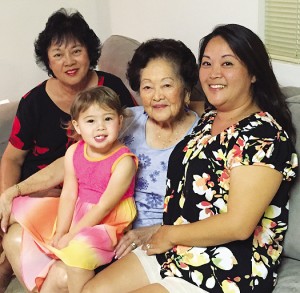
    Sherry, mom Shirley, daughter Cynthia and granddaughter Alexis

    What a blessing it is that my husband and I have our three children, son-in-law and granddaughter all within 10 miles of us. My parents live nearby, and four of my five siblings and their families live on O‘ahu. Four generations of my immediate family get together every month for birthdays and holidays!

    Hawai‘i’s generational families are plentiful throughout the islands. “Local style” is to take care of your kupuna and keiki, whether in the same household or anywhere in Hawai‘i. Families are fortunate to have local agencies and companies available to provide the education and/or assistance our kupuna and caregivers need.

    A big mahalo to the many writers and business partners at Generations Magazine, who are dedicated to educating Hawai‘i’s families. Many kupuna do not use a computer and they love having our printed magazine in their hands.

    For those who are computer savvy, all past issues are a click away at www.Generations808.com. Family members can also read past issues, search all our Resource Guides (one per issue), look up a topic or find that advertiser they want to contact. With the support of our writers, advertisers and readers Generations Magazine is Hawai‘i’s Resource for Life!


    Stories for and about seniors and their caregivers are
    always worth sharing, like a 100 birthday announcement,
    send it to me, Sherry Goya, with a photo.
    808-722-8487 | SGoyaLLC@aol.com

    What a blessing it is that my husband and I have our three children, son-in-law and granddaughter all within 10 miles of us. My parents live nearby, and four of my five siblings and their families live on O‘ahu. Four generations of my immediate family get together every month for birthdays and holidays! Hawai‘i’s generational…