 Medicare Identity Theft is a serious and growing problem that impacts the lives of millions of seniors every year. A variety of reasons, including the expansion of technology and the Internet, allow personal information to be stolen and sold worldwide. Furthermore, the sheer magnitude of Medicare provides both incentive and opportunity for thieves to take advantage of the program. Medicare serves 46 million beneficiaries, who are primarily seniors, and expends $375 billion annually. Because it is so large and complex, with thousands of health care providers submitting millions of claims daily, Medicare is difficult to oversee. As a result, $68 billion is estimated to be lost to fraud annually.
The loss of a senior’s Medicare card or Social Security card (Note: both numbers are the same) immediately puts the senior at risk. While Social Security will replace the Medicare or Social Security card, it will not issue a new number. When this valuable identification falls into the wrong hands, the senior will be at risk of being victimized for the rest of his or her life.
What risks might the senior be exposed to from identity theft? Theft and misuse of a beneficiary’s Medicare number can lead to false claims being filed under that number and can impact the beneficiary with staggering medical bills, maxed-out benefits and compromised medical history records.
In a report about medical identity theft, Pam Dixon, Executive Director of the World Privacy Forum (WPF) pointed out, “Victims of medical identity theft may receive the wrong medical treatment, find their health insurance exhausted, and could become uninsurable for both life and health insurance coverage.” She warned, “Changes made to victims’ medical files and histories can remain for years and may not ever be corrected, or even discovered, which can have deadly consequences.”
A different blood type, incorrect reports of substance abuse, someone else’s lab test results, wrong history of illnesses — think about the serious consequences any one of these could have for the victim of medical identity theft.
What should seniors do to protect themselves from shattering financial loss and personal harm? The primary protection is to exercise extreme vigilance and caution on all matters relating to Medicare and personal identification, such as Medicare number, Social Security number, birth date, birthplace, and mother’s maiden name. Here are some precautions that will minimize risk:
- Keep a record of doctor visits, hospital visits and medical supplies and equipment purchases. The Senior Medical Patrol (SMP Hawai‘i) has a Personal Health Care Journal for that purpose. Call 586-7319 or 1-800-296-9422 for a copy.
- Check the Medicare Summary Notice (MSN) or Explanation of Benefits (EOB) for possible errors. If there is a mistake in the Medicare statement or another billing issue, call SMP Hawai‘i for assistance. All that may need to be done is to call the provider to correct the error. If concerns remain, SMP Hawai‘i staff and certified volunteers will assist.
- Always safeguard your Medicare card. Be careful not to give out the number to anyone questionable.
- Do not accept money or free gifts, products, or services in exchange for the Medicare number.
- Beware of persons that claim to be from the government and ask for personal information or money. Try to get their name and phone number. Report the contact to SMP Hawai‘i.
- Be informed about beneficiary’s rights under Medicare, including access to medical records, statements of services received, and appeals of unfavorable decisions.
In summary, Medicare identity theft is a real and growing threat to seniors’ wellbeing and Medicare’s sustainability. Seniors are the best front-line defense to detect, prevent, and report Medicare identity theft. To perform that role, they need to keep informed and be proactive.
“Who is the Senior Medicare Patrol (SMP Hawai‘i)?”
In 1997, through Public Law 104-208, the U.S. Administration on Aging established 12 grant-funded demonstration projects to recruit and train retired professionals to identify and report error, fraud and abuse related to Medicare. Hawai‘i received one of the original 12 grants, and named its Senior Medicare Patrol project, “SageWatch.” Now, “SMP Hawai‘i,” the project is based in the State Executive Office on Aging.
SMP Hawai‘i has volunteers on Kaua‘i, O‘ahu, Maui, Moloka‘i and Hawai‘i. The volunteers engage in educational outreach about Medicare fraud by disseminating information at community events and group presentations. Currently, SMP Hawai‘i is conducting a statewide media campaign to recruit volunteers and to reach Cantonese, Ilocano, Tagalog and Vietnamese populations in Hawai‘i. You may have seen SMP ads in Generations Magazine and RSVP newsletters and heard SMP radio announcements on KNDI, ESPN 1420/1500, and Hawai‘i Public Radio. In the works, is a volunteer recruitment public service announcement for TV.
For more information, contact Senior Medicare Patrol (SMP) program: www.smpresource.org | 808-586-7281 | 1-800-296-9422 (toll-free)
For presentations, resource materials or a volunteer application packet, call: 808-586-7319
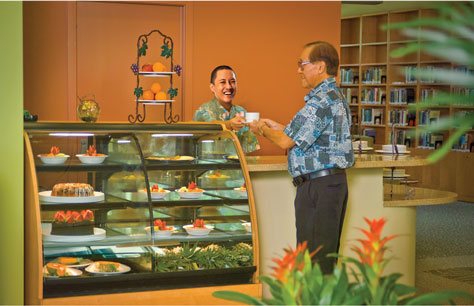 15 Craigside is Hawai‘i’s newest not-for-profit senior living community. It welcomed its first residents on March 4, 2011. It is the first continuing care retirement community in Hawai‘i geared to moderate-income seniors who believed that a retirement community with a full continuum of care was not possible until now.
 15 Craigside also offers a number of attractive lifestyle features, including a small e-café/bistro with wireless communication and technology, and a private dining area for special occasions, complete with a quality menu selection of many types of cuisines to entice the palate.
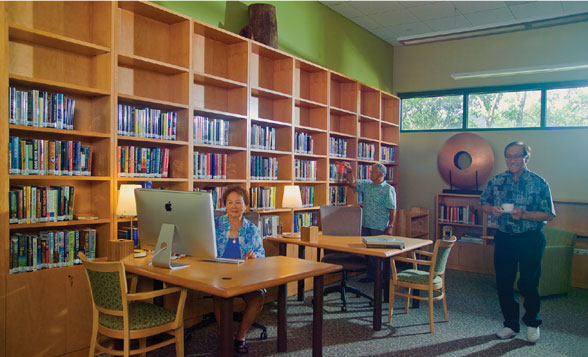 The development of the community brings life to the perception that 15 Craigside is a place where active and happy seniors want to spend the “best years” of their lives. “Imagine the possibilities!” says White with enthusiasm, “What would you be able to do if you had someone else cooking and cleaning and maintaining your home? We have seniors who engage in writing and painting, creating Websites, learning how to ‘Skype,’ volunteering and doing things that they never had time to do before. It is an exciting time providing the means for a very fulfilling life.”
 As we kick off the summer, it is time to start spending more time with our friends and families, and to be thankful for our health. Although the summer days are long, our time is short. Take a moment to call and say hello to a family member or friend. Personally, once a year I spend several days with my entire family (30+ and growing) to play sports, go to the beach, eat meals together and reminisce about the good ol’ days. We spend hours talking story and, yes, we probably tell the same stories each year, but none of us mind. I tell all my friends that this is what keeps our family together. Thanks, Mom and Dad!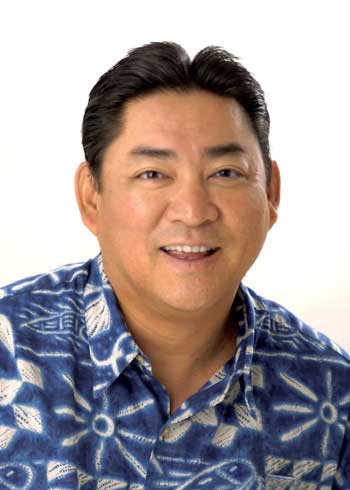
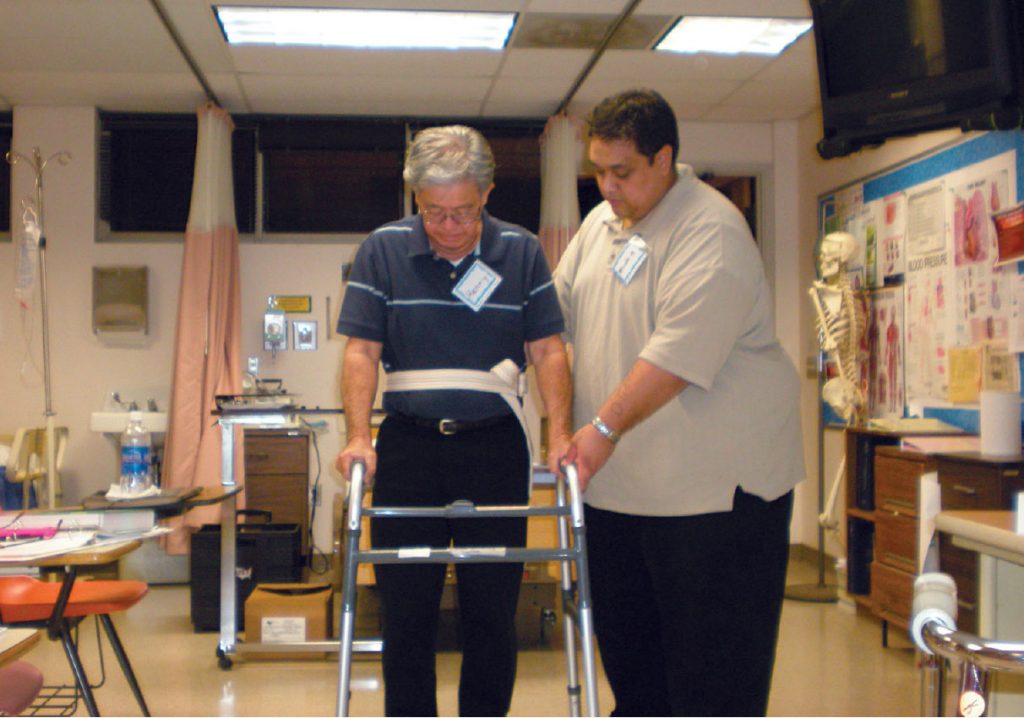 Moving and transferring the elderly is a challenge for many caregivers, especially those who lack formal training. But, the process can be made easier and safer by learning some simple tips.
 Last year, Neil Abercrombie proposed a vision for older adults that caused us to consider aging in a new way. He suggested that most adults over 60 are a tremendous economic and social asset. Elder care professionals, however, have been focused on the rapid growth of the aging population and the challenges that it poses to Hawai‘i’s resources to pay for more workers and services. For decades, there have been evaluation studies, financing proposals and legislative changes to promote new initiatives. Despite these efforts, we are still grappling. Where are we going? What is our statewide goal for long-term care? Do we wish to promote self-responsibility? Should we promote a state mandate to finance long-term care? Should we try to re-balance the system by emphasizing non-institutional care? Should we limit care for only the very needy?
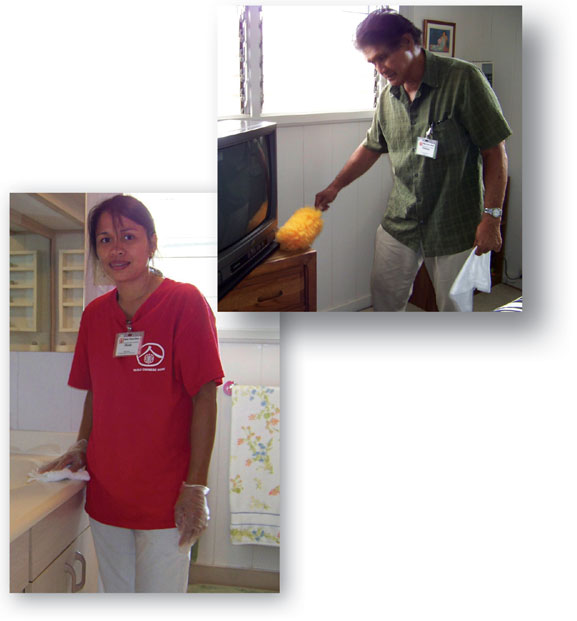 Pālolo Chinese Home provides home cleaning for seniors living at home. For as little as $30, residents aged 65 years or older (and whose annual income is less than $24,000) can have their home cleaned, with satisfaction assured by Pālolo Chinese Home. “Our professional staff will visit your home, evaluate your cleaning needs, and perform the work under our supervision and with our full security,” says Nakayama. “It is thanks to a PIN grant provided by the Hawai‘i Community Foundation that these services can be provided,” she adds. The PIN grant is limited and may end later this year.