Category: July – August 2023

  • 15th ANNUAL AGING IN PLACE WORKSHOP

    Generation’s Magazine’s 15th annual Aging in Place Workshop was held on Saturday, August 12 at the Ala Moana Hotel.

    Thanks to everyone who attended and those who participated as volunteers and sponsors. Your help was greatly appreciated.

    If you attended and would like to leave us a comment, please fill out our comment form by clicking on the QR below:

    Generation’s Magazine’s 15th annual Aging in Place Workshop will take place on Saturday, August 12 at the Ala Moana Hotel. Everyone is invited – there’s no admission fee and no reservations are required. For details, call 808-234-3117.

  • Grief & Bereavement — Part VII

    Portrait of depressed senior man crying during therapy session with female psychiatrist trying to console himEstate planning attorneys help their  clients make sound, intentional decisions relating to their estate plans when they manage to help clients minimize guilt, conflict and anxiety. At the same time, survivors should be allowed experience the natural process of grief.

    An estate planning attorney can achieve this balance by:

    • Creating a safe, comfortable physical environment
    • Utilizing good counseling skills
    • Encouraging and facilitating open, transparent and respectful communication among family members and others involved in the estate.

    Physical Environment

    Facing one’s mortality, visiting with an attorney, worrying about costs and dealing with new terminology can cause clients to experience stress. No one can make sound decisions while under stress. In Janice Mucalov’s article entitled “Lawyers: Gatekeepers for Psychological Issues,” she outlines the precarious nature of this issue.

    “Emotionally distressed clients pose greater risks than non-distressed clients,” she writes. “Because emotions cloud their thinking, you may fail to appreciate the nature of the client’s problems, or they may fail to understand your advice.”

    Truly, the estate planner’s first effort should be in creating a safe, calm environment for the client. This will reduce stress.

    Counseling

    Attorneys will want to learn and apply good counseling skills in order to help clients make the best decisions regarding their estate plans. Carl Rogers introduces a  particularly useful method of counseling for estate planning in his work On Becoming a Person. He proposes developing and applying three qualities of counseling:

    • Meet and interact with each client in counseling with genuineness and congruence.
    • Enter each relationship and treat each clientwith unconditional positive regard.
    • Enter and engage each counseling session with empathic understanding.

    Communication

    Estate planning attorneys must emphasize that because life is fluid, a periodic review of the client’s estate plan is essential in order to ensure that the plan remains current. How often the client meets with the attorney depends on the client’s particular situation and need. The process, however, remains constant. Estate planners can provide guides for each client to sit in self-reflection and consider for themselves what is most important with respect to healthcare and quality of life choices, as well as how to plan their financial estate.


    STEPHEN B. YIM, ATTORNEY AT LAW
    2054 S. Beretania St., Honolulu, HI 96826
    808-524-0251 | stephenyimestateplanning.com

    Estate planning attorneys help their  clients make sound, intentional decisions relating to their estate plans when they manage to help clients minimize guilt, conflict and anxiety. At the same time, survivors should be allowed experience the natural process of grief.

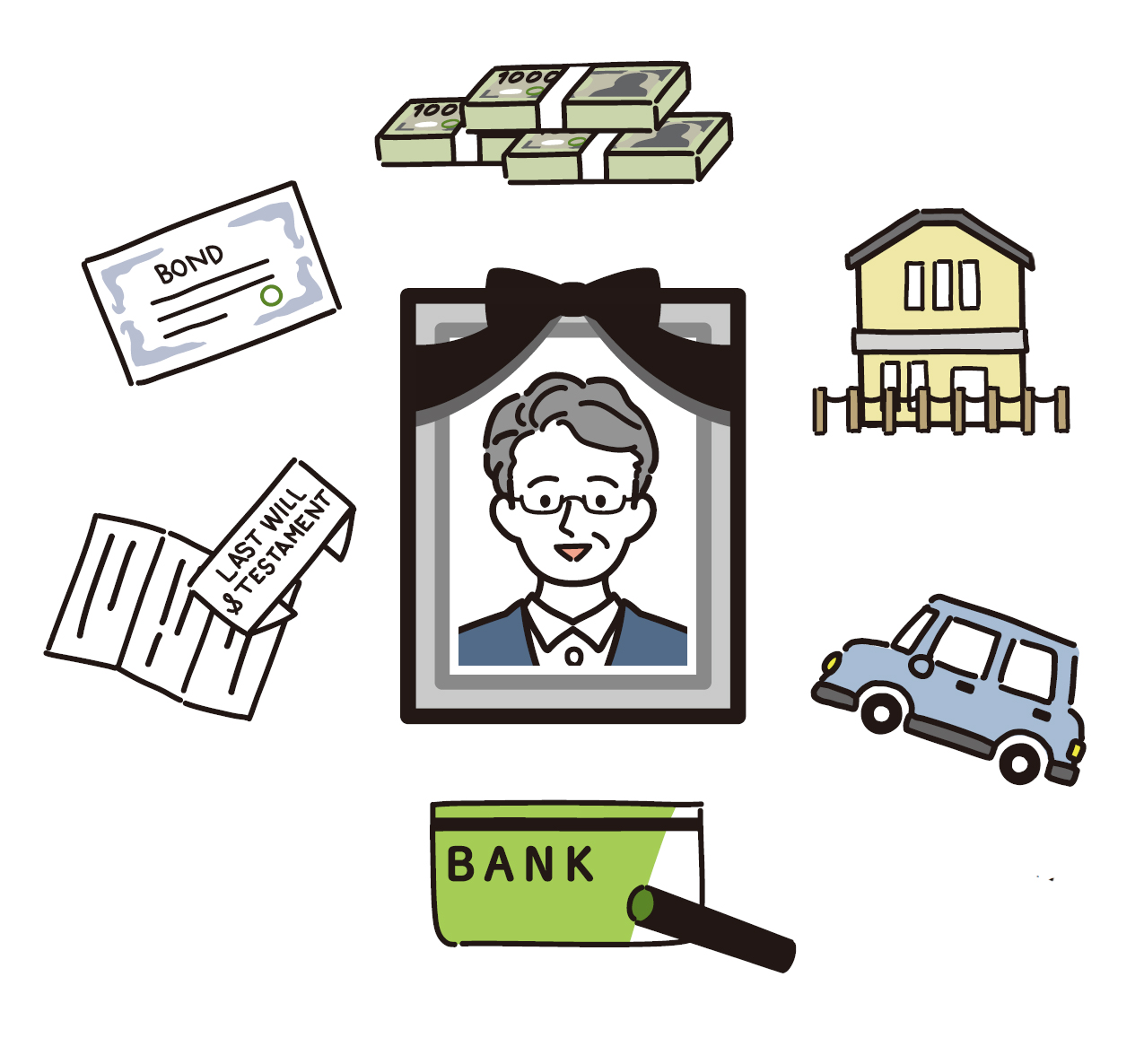
  • The Great Certainties: Death & Taxes

    They say that the only certainties in life are death and taxes. When your life comes to an end, your loved ones can be left facing both certainties at the same time. The good news is that to some extent, we can postpone both, and we can avoid (notice I did not say evade) taxes almost entirely. Postponing death is a matter of staying as healthy as we can through diet, exercise, meditation, having an emotional support system, and maintaining a positive state of mind. Of course, if we don’t look both ways before we cross the street, then all those vegan rice cakes, pickleball games and Ommm sessions go out the window. On the other hand, postponing or avoiding taxes takes a lot less work and can be almost as fun as staying healthy.

    The taxes that could take a swipe at your loved ones after you die are mostly these: income tax, capital gains tax, estate tax, and generation-skipping transfer tax. Although the gift tax only applies to transfers made during your lifetime, your lifetime transfers may impact your ultimate estate tax liability. Other taxes may apply as well, but those are the big ones collected by the IRS. Each state also imposes and collects a variety of taxes. Hawai‘i does not officially have a gift tax, but it does collect the other taxes listed above. Hawai‘i’s estate tax takes into account lifetime gifts, so while there is no state gift tax during your lifetime, your estate may have to pay additional Hawai‘i estate taxes that more or less make up for the fact that you did not have to pay Hawai‘i gift tax during your lifetime.

    But don’t despair. There are relatively painless ways to minimize or avoid all of these taxes, especially if you would prefer to support your favorite charity instead. When it comes down to it, estate tax can be completely avoided through a combination of taking advantage of the estate tax “coupon” (the amount that you can give away estate tax free) and the unlimited estate tax charitable deduction. If the value of your estate exceeds the coupon amount, you can give the coupon amount to your loved ones (so far, no tax) and any excess to your favorite charity, just like that, you have passed on significant wealth without giving any of it to the tax man.

    Disinheriting both the IRS and the State of Hawai‘i means that some assets that could have gone to family will instead go to good causes that will benefit your community, possibly for years after you are gone. Not only that, you will have proven that taxes may not be a “certainty” after all. Your trusted advisors can show you the way.


    SCOTT MAKUAKANE, Counselor at Law
    Focusing exclusively on estate planning and trust law.
    808-587-8227 | maku@est8planning.com
    est8planning.com

    They say that the only certainties in life are death and taxes. When your life comes to an end, your loved ones can be left facing both certainties at the same time. The good news is that to some extent, we can postpone both, and we can avoid (notice I did not say evade) taxes…

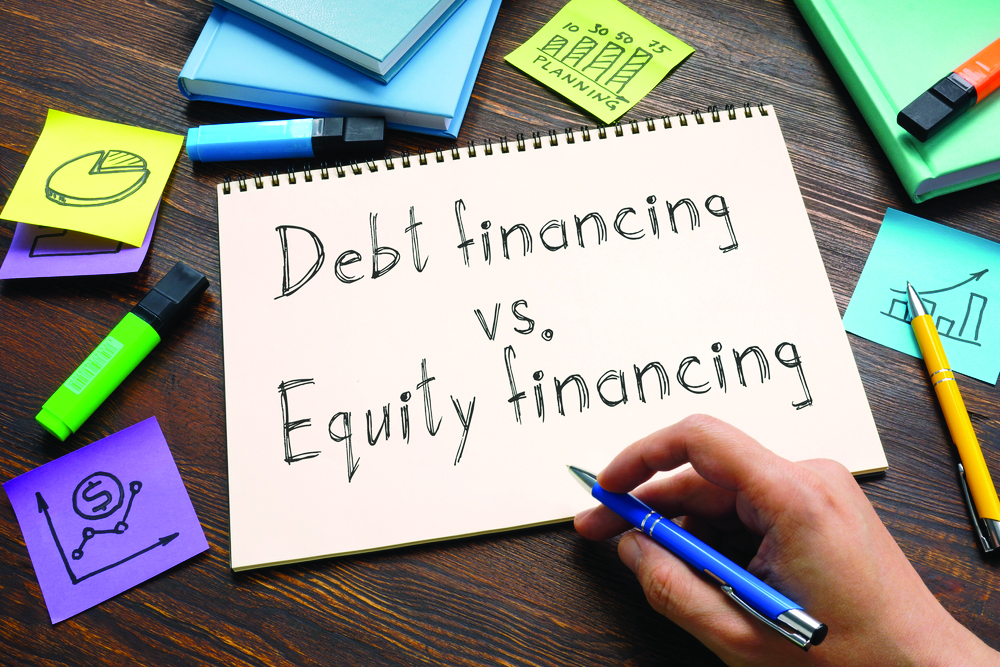
  • Pay Off Debt or Invest: A Balancing Act

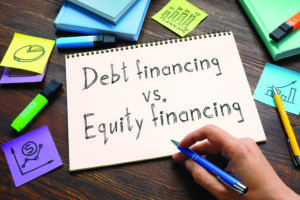
    Debt financing vs. equity financing are shown on a photo using the textIf you find yourself with extra cash — either a lump sum or excess dollars from your monthly paycheck — you may be wondering what to do with it. If you have debt — such as a mortgage or student loans — the prudent option may be to pay off your balances. Yet it might make more sense to put the money to work in the form of investments that have the potential to generate greater returns than the interest rate on your debt.

    Deciding what to do requires analysis.

    When Paying Down Debt Makes Sense

    Depending on your financial circumstances, there may be good reasons to try to get at least some debt off your books. Among the most notable:

    • You hold loans that come with high-interest rates. This is especially the case if you’ve accumulated credit card debt, where rates tend to be particularly burdensome.
    • You want to improve your credit score. Paying off debts can help boost your credit rating, which may put you in a better position to pursue auto or home loans.
    • You feel more comfortable lightening your debt load. It isn’t just a matter of dollars and cents. If the level of debt you hold makes you uneasy, it may be worth  lessening the load when you can.

    A general rule of thumb is to place a priority on paying off any debts where interest rates reach levels of 7% or greater. These costly loans can be a big drain on your resources and may exceed the returns you’d be able to achieve in a typical mix of investments.

    When Investing Makes Sense

    In some situations, it may be best to put available dollars to work in investments to help you achieve future goals. Growing wealth can help achieve a more  c comfortable future, particularly if:

    • Your current debt load is manageable, not placing an undue burden on your overall monthly cash flow situation.
    • You are coming up short of a key financial goal that’s important to you, and an infusion of extra cash could help you achieve that goal. For example, you should make a priority of adjusting your budget (and using your extra cash to help make it happen) if you have not been in a financial position to take full advantage of employer-matching contributions to your workplace retirement plan.
    • There is a shortfall in your emergency fund. You should have at least three-to-six months’ worth of income set aside in liquid savings to pay the costs of an unforeseen expense.

    Finding a Middle Ground

    Depending on the circumstances, a case can be made for a “hybrid” approach: using some of the cash to pay down debt while investing the other portion of your funds. Once again, this is a matter of choosing your priorities. You may not be able to accomplish everything you’d like, but you can determine what combination of debt repayment and investing makes the most sense for you, based on the priorities laid out above.

    Work with a trusted and experienced financial advisor to ensure any decision you make is consistent with your overall financial plan and investment strategy.


    MICHAEL W. K. YEE, CFP,® CFS,® CLTC, CRPC®
    1585 Kapiolani Blvd., Ste. 1100, Honolulu, HI 96814
    808-952-1240 | michael.w.yee@ampf.com
    ameripriseadvisors.com/michael.w.yee
    Michael W. K. Yee, CFP®, CFS®, CLTC, CRPC ®, is a Private Wealth Advisor, Certified Financial Planner ™ practitioner, with Ameriprise Financial Services, LLC in Honolulu, HI. He specializes in fee-based financial planning and asset management strategies and has been in practice for 39 years. Ameriprise Financial and its affiliates do not offer tax or legal advice. Consumers should consult with their tax advisor or attorney regarding their specific situation. Investment advisory products and services are made available through Ameriprise Financial Services, LLC, a registered investment adviser. Investment products are not insured by the FDIC, NCUA or any federal agency, are not deposits or obligations of, or guaranteed by any financial institution, and involve investment risks including possible loss of principal and fluctuation in value. Ameriprise Financial Services, LLC. Member FINRA and SIPC. ©2023 Ameriprise Financial, Inc. All rights reserved.


    If you find yourself with extra cash — either a lump sum or excess dollars from your monthly paycheck — you may be wondering what to do with it. If you have debt — such as a mortgage or student loans — the prudent option may be to pay off your balances. Yet it might…

  • Don’t Let The Clock Run Out on Part D

    It’s official: You signed up for Original Medicare Parts A and B. Your enrollment isn’t quite finished yet though — at least, it shouldn’t be. Your next step is to enroll in a prescription drug plan. This is true even if you’re not presently taking any medications. It is important that you enroll in a timely fashion to avoid lifetime late enrollment penalties. The two ways to get drug coverage are through a Medicare Advantage Plan (Part C) which usually includes a prescription drug plan (known as MA PDP); or to enroll in a stand-alone Part D plan.

    When selecting an MA PDP or Part D plan it is important to consider:

    • Are the medications you’re taking on the plan’s list of covered drugs?
    • Monthly premiums, deductibles, copayments and coinsurance.
    • Which pharmacies are in network.

    If you need help paying for your prescriptions, consider applying for Extra Help, a low-income subsidy program from the Social Security Administration. If you are not sure if you qualify, contact Hawaii SHIP to have a trained specialist compare Part D plans for you and help determine your eligibility.


    HAWAII SHIP
    Free, local, one-on-one Medicare counseling is provided by the Hawai‘i State Health Insurance Assistance Program.
    250 South Hotel St., Ste. 406, Honolulu, HI 96813
    Oahu: 808-586-7299 | Toll free: 888-875-9229
    hawaiiship.org

    It’s official: You signed up for Original Medicare Parts A and B. Your enrollment isn’t quite finished yet though — at least, it shouldn’t be. Your next step is to enroll in a prescription drug plan. This is true even if you’re not presently taking any medications. It is important that you enroll in a…

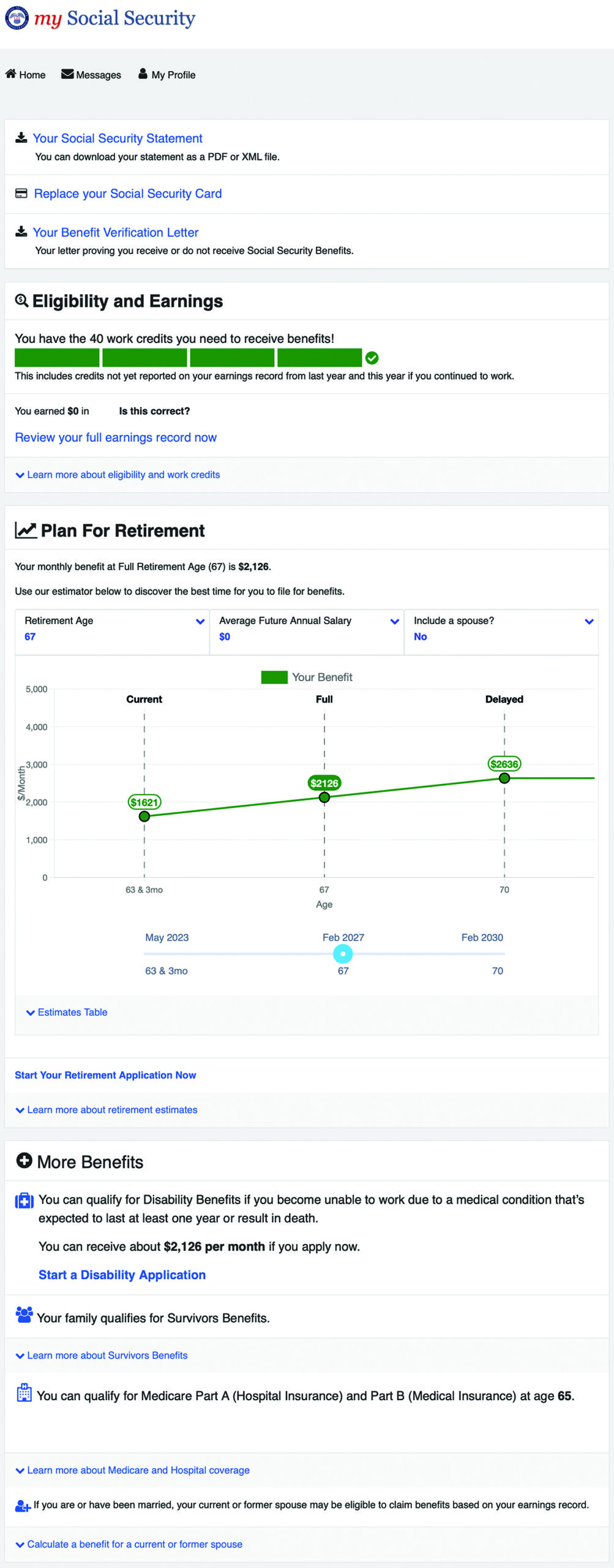
  • Ask Medicare About IRMAA

    Whether you are newly enrolled into Medicare or had coverage for awhile, you may be one of the beneficiaries subject to a higher monthly premium for Medicare Part B. Approximately 7% of all Medicare enrollees pay a higher premium. Those impacted are notified by letter.

    You may request a redetermination of your Part B premium Income-Related Monthly Adjustment Amount (IRMAA), by filing form SSA-44 (ssa.gov/forms/ssa-44.pdf). For assistance, call SSA at 1-800-772-1213, 7am–7pm, weekdays.

    Why the increase?

    Medicare Part B beneficiaries with high incomes pay an additional amount. If you are subject to the income-related adjustment, it will be calculated based on your tax return’s modified adjusted gross income two years prior to each new calendar year in which you have Part B or based on the date you enroll. The premium increase is based on income.

    Requesting Redetermination

    Complete form SSA-44 to request a redetermination based on a life-changing event, such as: work reduction or stoppage, loss of pension or income producing property, employer settlement payment, marriage, divorce/ annulment, death of spouse. By demonstrating an income decrease occurred after the initial  determination, your premium increase may be waived.


    GET2INSURANCE.COM FAMILY OFFICE
    1003 Bishop St., Ste. 2700, Honolulu, HI 96813
    800-226-3660 | martha@get2insurance.com
    Get2insurance.com

    Whether you are newly enrolled into Medicare or had coverage for awhile, you may be one of the beneficiaries subject to a higher monthly premium for Medicare Part B. Approximately 7% of all Medicare enrollees pay a higher premium. Those impacted are notified by letter.

  • Seniors Have Fun & Flourish at the YMCA

    Seniors in our communities have been severely impacted by the pandemic, often struggling with hardships, health issues and feelings of disconnection. A staggering 45% of those surveyed in Honolulu County reported distress due to loneliness, anxiety and isolation.

    Staying active physically is also important; active lifestyles help prevent common diseases like heart disease, diabetes, and Alzheimer’s. Exercise can also improve mental health, mobility, strength and balance — all essential for reducing the risk of falls.

    YMCA Senior Programs

    The YMCA prioritizes seniors’ health and well-being. Engaging activities in a safe environment help members connect with each other. Bodies are strengthened and community bonds built.

    YMCA senior memberships are available at discounted rates or free with certain Medicare plans like Kaiser or HMSA’s Silver & Fit – Kaiser or United-Healthcare’s Renew Active. Financial assistance is also available for those who need it.

    Membership benefits include unlimited access to classes such as Zumba Gold or line dancing; heated pools for water exercises; yoga; stretching; chair-based strength training and aerobics; pickleball; gardening clubs; book clubs; walking clubs and more.

    The YMCA’s state-of-the-art fitness centers are equipped with user-friendly machines while friendly staff are ready to assist if needed. Virtual programs are available, too, allowing members to tune in from home when they be unable to attend in person.

    Free Kūpuna Food and Fun for the Community

    In partnership with the City and County of Honolulu Elderly Affairs Department, the YMCA also offers free nutritious lunchtime meals, socializing, enrichment, and physical activity classes at seven YMCA locations three times a week. No YMCA membership is required, but registration is required since spots are limited.

    Work or Volunteer at the YMCA

    The YMCA is always seeking talented individuals to join their staff team or volunteer. Work with children in the YMCA’s afterschool or child watch programs, or volunteer to help with programs like Kūpuna Food and Fun.


    YMCA OF HONOLULU (501(c) 3 nonprofit)
    Metro Office: 1441 Pali Hwy., Honolulu, HI 96813
    808-531-9622 | info@YMCAhonolulu.org
    YMCAHonolulu.org
    For information on membership, working or volunteering; and for the Kūpuna Food & Fun program, please call 808-678-4296.

    Seniors in our communities have been severely impacted by the pandemic, often struggling with hardships, health issues and feelings of disconnection. A staggering 45% of those surveyed in Honolulu County reported distress due to loneliness, anxiety and isolation.

  • Insights from a Dementia Nurse

    Caring for anyone with memory loss is difficult. Patients with memory loss can be fearful. Unsure of what’s happening around them. Imagine, after all, forgetting the faces of your loved ones. Driving and suddenly realize you can’t recall your destination.

    I’ve spent seven years working as a nurse caring for patients suffering from memory loss. It isn’t easy work. It requires me to empathize with patients, to help soothe their fears when I can. Along the way, I’ve realized their caregivers also need my attention.

    Patients are not the only ones impacted when they are diagnosed with dementia. Their caregivers are affected just as much. They will be there to care for the patient when the patient forgets those closest to them — including the caregiver themselves.

    When evaluating a patient for memory loss, the patient’s primary caregiver or family will discuss their concerns with the doctor. The patient may be misplacing belongings, forgetting names, faces and locations of places they know well —like the grocery store.

    The patient also comes in for an evaluation. At times, depending on the severity of their memory loss, the patient sits in silence. Sometimes they are unsure of what is happening or why they are visiting the doctor’s office. Patients may be unable to answer the clinical questions required to assess for dementia because they simply cannot remember what was said just a few minutes ago.

    Many patients suffering from dementia are fearful. They may be fearful when they are left alone. As a nurse, the best thing I can do is remind them of where they are, what’s being done.

    Caregivers sometimes cry and become frustrated expressing their concerns. They are not physically losing their family member, but almost feel as if they are. The strain of having to care for their loved one, make sure the environment is safe for them and frequently having to remind them of reality can be exhausting.

    It is essential to educate a patient’s caregiver about how the patient feels, about how the patient is experiencing the world around them. Encouraging the caregiver to get help when they experience burnout is vital.

    This small step can ensure a better, more positive experience for both the caregiver and person experiencing memory loss. It’s a win-win situation for both.

    No one should have to deal with Alzheimer’s or dementia alone. The Alzheimer’s Association – Hawaii provides resources to support both unpaid family caregivers and professional caregivers.


    Support for Alzheimer’s disease or a related dementia:
    24/7 Helpline 800-272-3900 | 808-591-2771
    alz.org/Hawaii

    Caring for anyone with memory loss is difficult. Patients with memory loss can be fearful. Unsure of what’s happening around them. Imagine, after all, forgetting the faces of your loved ones. Driving and suddenly realize you can’t recall your destination.

  • A Care Home Can Be the Right Choice

    Moving to a care home can be a life-changing decision, one that is often fraught with emotional and practical considerations. As our loved ones age, their care needs change, and it’s crucial to evaluate the key factors in making this decision.

    First, consider the individual’s physical and mental health. Do they struggle with daily tasks, such as bathing, preparing meals or getting dressed? Are you worried about falling, mobility issues or memory problems? If the answer is yes, a care home might be an appropriate option.

    Benefits of a care home include around-the-clock trained staff monitoring safety and well-being. Social interaction is also vital, as loneliness affects seniors’ health. Care homes foster community through group activities, promoting emotional and social well-being.

    Financial factors can’t be overlooked either. It’s important to weigh the costs of in-home care versus a care home and determine which option is more feasible in the long run. Care homes can often be more cost-effective, providing all-inclusive care and eliminating the need for multiple service providers.

    Lastly, it’s crucial to involve the individual in the decision-making process, ensuring their preferences and concerns are heard. Open communication can help alleviate anxiety and make the transition to a care home smoother for everyone involved.


    NURSING HOME PARTNERS
    828 Ailuna street Honolulu, HI 96821
    808-468-9112 | Info@Nursinghomepartners.com
    nursinghomepartners.com

    Moving to a care home can be a life-changing decision, one that is often fraught with emotional and practical considerations. As our loved ones age, their care needs change, and it’s crucial to evaluate the key factors in making this decision.

  • Give Yourself Credit For Caregiving

    Stayin’ Alive: the Bee Gees’ message remains important for those of us involved in caregiving. Too often we allow our own health and wellbeing to decline while we try to keep our loved ones safe and content. Here are a few easy to do things that can help keep you — the caregiver — alive… Whether you’re a brother or whether you’re a mother!

    • Smile every day. Find one thing, no matter how ordinary, to spark a grin.
    • Watch out for signs of stress and depression. You might not recognize them, so consider asking your doctor.
    • Eat better — no junk food! Ask a family member to bring a balanced meal once a week. Drink lots of water.
    • Find a way to exercise. A good walk is great. If that won’t work try a homebound exercise like “chair” Tai Chi!
    • Don’t overload daily to-do lists. Be realistic and set limits. Some things won’t get done. It’s OK. Prioritize.
    • Let others help with household chores. Accept that things might not be perfect and spotless. It really is OK.
    • Join a Caregiver Support Group. You don’t have to pretend here. You can tell it like it is.
    • Give yourself credit. The care you give makes a difference.


    THE CAREGIVER FOUNDATION (501(c) 3 nonprofit)
    926 3rd St., Pearl City, HI 96782
    808-625-3782 | info@thecaregiverfoundation.org
    thecaregiverfoundation.org

    Stayin’ Alive: the Bee Gees’ message remains important for those of us involved in caregiving. Too often we allow our own health and wellbeing to decline while we try to keep our loved ones safe and content. Here are a few easy to do things that can help keep you — the caregiver — alive……

  • Mental Health Impacts Oral Health

    The connection between oral and total body health is well-known. For example, poor oral health increases your risk for heart disease, stroke, and other serious illnesses. Likewise, your dentist can identify conditions like diabetes, oral cancer, osteoporosis, anemia, HIV, eating disorders and more during your dental visits. So, what about the relationship between oral health and mental health?

    Studies have found that people with mental disorders are less likely to practice good oral hygiene habits such as consistent, daily brushing or seeing a dentist regularly. This can lead to dental disease and other health problems. The connection between oral health and mental health is a two-way street. Here are a few ways bad dental health can exacerbate mental health problems:

    • Some dental problems affect speech, cause chronic bad breath, or encourage tooth loss, which can lead to anxiety in social settings. This can also lead to poor self-esteem and decreased desire to do enjoyable things.
    • Pain associated with certain dental diseases can negatively affect the quality of life.

    If you struggle with anxiety, depression, or other mental conditions, let your dentist know so any associated dental problems can be identified and addressed so you can live well and smile more.


    HAWAII DENTAL SERVICE (501(c) 4 nonprofit)
    Kahala Howser, Wellness & Events Manager
    808-521-1431 | khowser@hawaiidentalservice.com
    HawaiiDentalService.com

    The connection between oral and total body health is well-known. For example, poor oral health increases your risk for heart disease, stroke, and other serious illnesses. Likewise, your dentist can identify conditions like diabetes, oral cancer, osteoporosis, anemia, HIV, eating disorders and more during your dental visits. So, what about the relationship between oral health…