Category: February – March 2020

  • Helpful Hints for Organizing Your Space

    Organizing and de-cluttering your home can be daunting. Conflicting emotions are sure to arise, so first, prepare yourself mentally. When you sense these feelings bubbling up, remind yourself that this is normal. Start thinking about enlisting a support team: a trusted family member, friend or  professional to help you step by step through the process. Here are some initial helpful hints:

    Clear Pathways. Cluttered or disorganized floor spaces or stairs are major safety concerns. De-clutter walkways first so you can ensure ease of movement throughout your home.

    Use Clear Containers. Clear containers allow you to easily see what’s stored where. In the kitchen, OXO Pop containers designed for people with arthritis open easily and seal in freshness.

    Maximize Vertical Space. Over-the-door storage racks and wall hooks help turn an ordinary wall or door into efficient storage space. These items are particularly useful if you’ve already downsized to a smaller space and are still needing homes for some of your belongings.

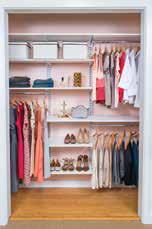
    Optimize Closet Organization. An organized closet makes getting dressed much easier. Organize your pantry for more effective meal preparation. The freedomRail® closet system provides a sturdy, flexible and economical solution to pantry, closet and storage area organization.


    ALOHA ORGANIZERS
    4348 Waialae Ave., Ste. 939, Honolulu, HI 96816
    808-347-7480

    Organizing and de-cluttering your home can be daunting. Conflicting emotions are sure to arise, so first, prepare yourself mentally. When you sense these feelings bubbling up, remind yourself that this is normal. Start thinking about enlisting a support team: a trusted family member, friend or  professional to help you step by step through the process.

  • Shopping for the Best Online Shipping

    Seniors with family and friends on the mainland know what high shipping costs can do to a budget. Hawai‘i small business owners hurt even more. They pay to ship in supplies and inventory, and high shipping costs prevent them from competing with big box stores and online retailers.
    Supporting our local economy keeps our neighborhood stores open. But families and seniors on fixed incomes are forced to look for the lowest prices, so here are some tips when looking for the best shipping costs.

    If you can’t find what you need locally, visit webstores that will ship via the United States Postal Service. USPS is our fairest, lowest cost shipper. Retailers who really want our Hawai‘i business may also offer UPS standard air, which runs a bit higher and takes at least as long to get here. However,  UPS also offers retailers an economy service that only ships to “48 contiguous states.” So, search for shipping options before your browse a site to avoid disappointment at checkout.

    SHIPPING TIPS
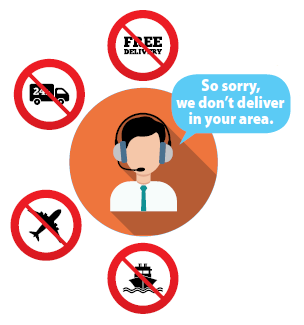
    ■ Rule No.1: “Free shipping” never applies to Hawai‘i. Even Amazon.com Prime charges a membership fee and then still adds a shipping premium to many “free shipping” items.
    ■ Avoid “UPS Ground” shipping to Hawai‘i. This means your goods will come via an expediter on a container ship that may take six weeks to arrive!
    ■ Don’t buy from online sites that require “special quotes for International shipping” after you have input your payment information. If you got there from an ad, send feedback to Google.
    ■ Don’t waste your time trying to buy pieces of furniture or other heavy items from mainland outlets. Shipping costs may run more than the item you want! By the way, most online furniture stores are owned by Wayfair, whose shipping policies are unfavorable for Hawai‘i. Buy new or used furniture locally. Buy locally when you can, be smart when buying online and when you get the chance, ask our state legislators and members of Congress to support the Post Office and prevent us from getting cut off from family, friends and business on the mainland.


    HONU MEDIA, LLC
    Freelance Writing Services
    Katherine Kama‘ema‘e Smith
    808-268-0787

    Seniors with family and friends on the mainland know what high shipping costs can do to a budget. Hawai‘i small business owners hurt even more. They pay to ship in supplies and inventory, and high shipping costs prevent them from competing with big box stores and online retailers.

  • Mellow Friends

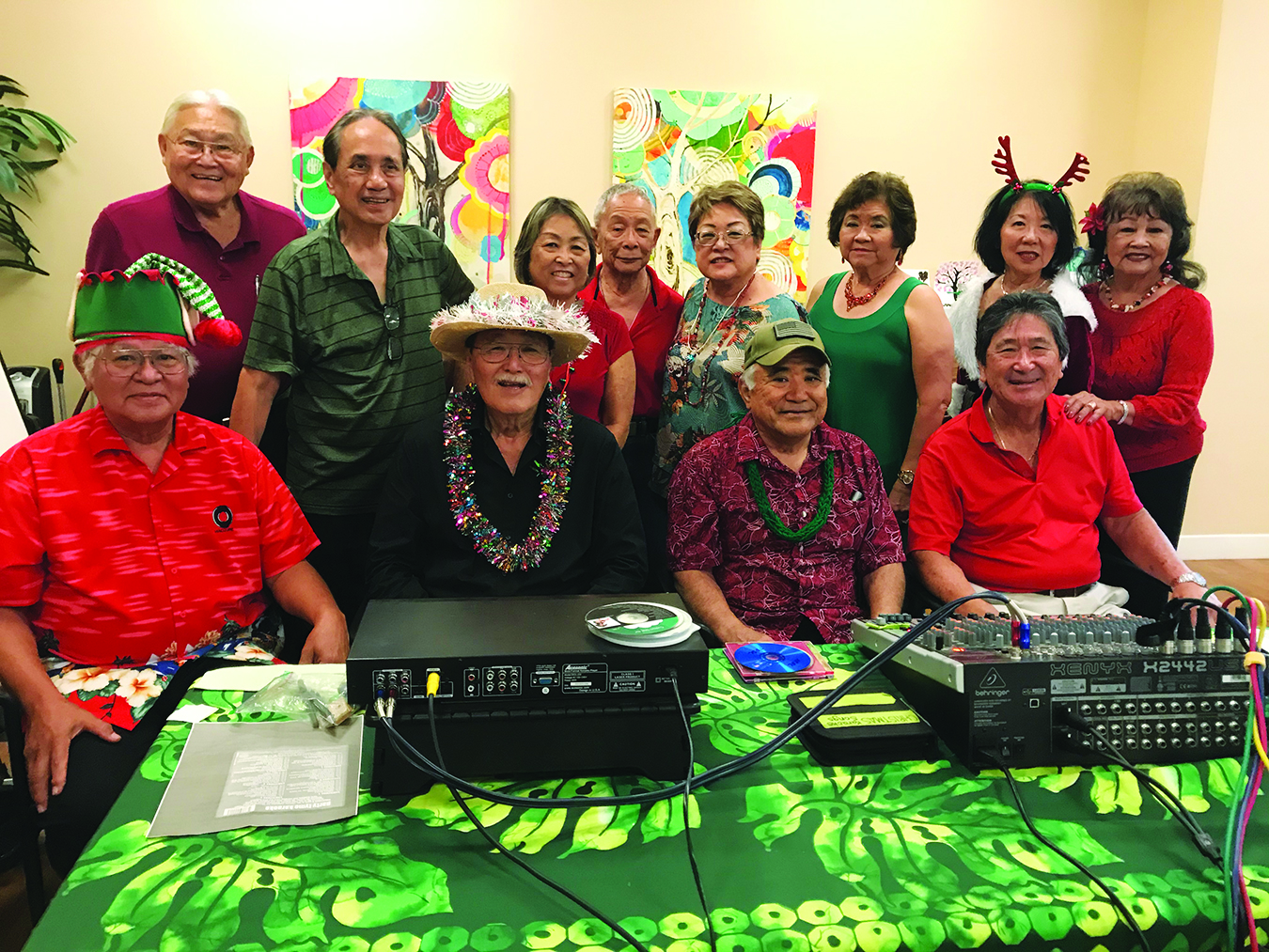
    Mellow Friends, a group of karaoke enthusiasts, visited 11 senior centers and assisted living facilities starting in 2011. Melvin Watarai, the founder of this volunteer ensemble, had the karaoke equipment and a format for the singers to perform solo songs, duets and group sing-alongs with the seniors. Three years ago, Gary Shimabukuro took the helm, adding more equipment and four more locations, increasing their total number of monthly visits to 15.

    (L–R, sitting) Simon Sanidad, Mel Watarai, Gary Shimabukuro, Al Sakihara, (standing) Roy Hamasaki, Woody Batula, Mae Fujimoto, Clarence Kane, Jean Yamanaka, Jennie Wolfe, Yvonne Watarai and Florence Matsukado.
    (L–R, sitting) Simon Sanidad, Mel Watarai, Gary Shimabukuro, Al Sakihara, (standing) Roy Hamasaki, Woody Batula, Mae Fujimoto, Clarence Kane, Jean Yamanaka, Jennie Wolfe, Yvonne Watarai and Florence Matsukado.

    One of the locations that Mellow Friends visits is Manoa Cottage Kaimuki. Executive Director and Administrator Calvin Hara says, “The music of Mellow Friends provides comfort and local style to our residents. The songs of yesteryear reach into the residents’ memories as they reminisce and enjoy social stimulation with others.”

    Mellow Friends volunteers are multi-talented seniors who dance hula and sing a variety of songs in different languages. Seniors look forward to their monthly visits to sing along loud and proud.

    For the last four years at the annual Generations Senior Karaoke Contest at the Mayor’s Craft & Country Fair, Simon Sanidad and Al Sakihara have provided Gary valuable assistance.


    MELLOW FRIENDS
    Gary Shimabukuro | gsjx2@gmail.com

    Mellow Friends, a group of karaoke enthusiasts, visited 11 senior centers and assisted living facilities starting in 2011. Melvin Watarai, the founder of this volunteer ensemble, had the karaoke equipment and a format for the singers to perform solo songs, duets and group sing-alongs with the seniors. Three years ago, Gary Shimabukuro took the helm,…

  • Maui Sunset Lilikoi Bars

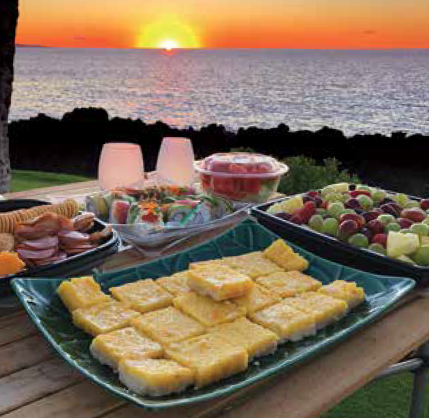
    There’s nothing better than sharing a perfect, tropical sunset with friends and family. The only thing that can enhance the experience further is sharing a favorite dessert. Here’s mine!

    INGREDIENTS

    Crust

    1 cup butter (softened)
    1/2 cup powdered sugar
    2 cups all-purpose flour

    Filling

    1-1/4 cup white sugar
    1 tsp. baking powder
    1/4 cup all-purpose flour (to help set)
    4 eggs (slightly beaten)
    1/3 cup fresh lilikoi juice without seeds (use a citrus juicer) or packaged lilikoi juice purchased online from Amazon.com or at an island grocer in Hawai‘i

    INSTRUCTIONS

    Crust

    Preheat the oven to 350°F/175°C. Prepare the crust using a medium bowl. Blend together all of the crust ingredients. Mix with a wooden spoon or a mixer on low until it has a crumbly texture.

    Using your hands, press the uncooked crust evenly throughout an ungreased 9-by-13-inch pan.

    Bake 20 minutes until firm and golden. Timing should be just about right for the lilikoi filling after the crust is baked.

    Filling

    In another bowl, whisk together the white sugar and all-purpose flour. Add the four slightly beaten eggs and whisk until smooth. Add in the lilikoi juice, then whisk again together.

    Once the crust is baked, pour the filling over the crust and return it to the oven for an additional 20 minutes. Then remove and let it sit to cool.

    The bars will firm up as they cool completely, then you may cut the bars. (Optional: sprinkle 1-1/2 tablespoons of powdered sugar on top before cutting.)

    Serve loosely on a platter and enjoy.

    Serves: 30 2-by-2-inch bars

    Total time: approximately 55 minutes

    There’s nothing better than sharing a perfect, tropical sunset with friends and family. The only thing that can enhance the experience further is sharing a favorite dessert. Here’s mine for Maui Sunset Lilikoi Bars.

  • How to Join the Flexible Workforce

    I have often written to you about imagining your future — daring to dream and following your own internal journey as you think about the many opportunities for work in the year ahead.

    FIRST THINGS FIRST — YOU! Your first step in exploring your future is to take an internal journey in order to make a decision to work for pay, for fun or for the good of others. Part-time and other ways of working flexibly are bountiful. Many offer unique advantages to mature workers over that old classic — the 9-to-5 job.

    Think of this new time, with its many new ways to work, as the time that change and innovation are opening financial and social opportunities for those of us who need or wish to continue working over our much longer lifetimes. Think you’re alone in this new quest? Think again, as older workers form more than 30 percent of the flexible workforce; the number is growing daily.

    Where do you find flexible work in Hawai‘i?

    • Google “temporary staffing agencies in Hawai‘i.”
    • Or, search for opportunities my way and Google product or service areas that interest you. I am a writer and find many options by Googling “opportunities for writers and editors in Hawai‘i and beyond.”
    • Join LinkedIn. For example, through my 1,100 people connections on LinkedIn, I have been able to link with people who are working remotely — here, there and everywhere. For me, the most appealing way to work is remotely from my lānai in Hawaii Kai.

    Of course, you need to have relevant market skills in order to secure new opportunities of interest to you, as well as to clients and customers.

    Adding basic skills to your experience is the easiest way to prepare. How easy is it? Well, I learned many necessary technical user skills from my 16-year-old granddaughter! In exchange, I helped her to develop the confidence and skills to drive a car!

    Unfortunately, unrealistic fears block many mature workers from new learning experiences. Here are two sources that have helped me overcome the reluctance to reinvent myself. AARP and OSHER (www.osher.socialsciences.hawaii.edu/) offer ideas, connections and referrals to suitable skill building programs throughout Hawai‘i. Step up. Find renewed purpose through some form of work. You’ll be glad you did!


    NEW WORKFORCE HAWAII
    Carleen MacKay
    916-316-0143 | carleenmackayhi@gmail.com
    www.newworkforcehawaii.com

    Contact Carleen via her website and receive New Ways to Work, a free PDF book co-written with Phyllis Horner.

    our first step in exploring your future is to take an internal journey in order to make a decision to work for pay, for fun or for the good of others. Part-time and other ways of working flexibly are bountiful. Many offer unique advantages to mature workers over that old classic — the 9-to-5 job.

  • US Commissaries Open to 3M More Vets

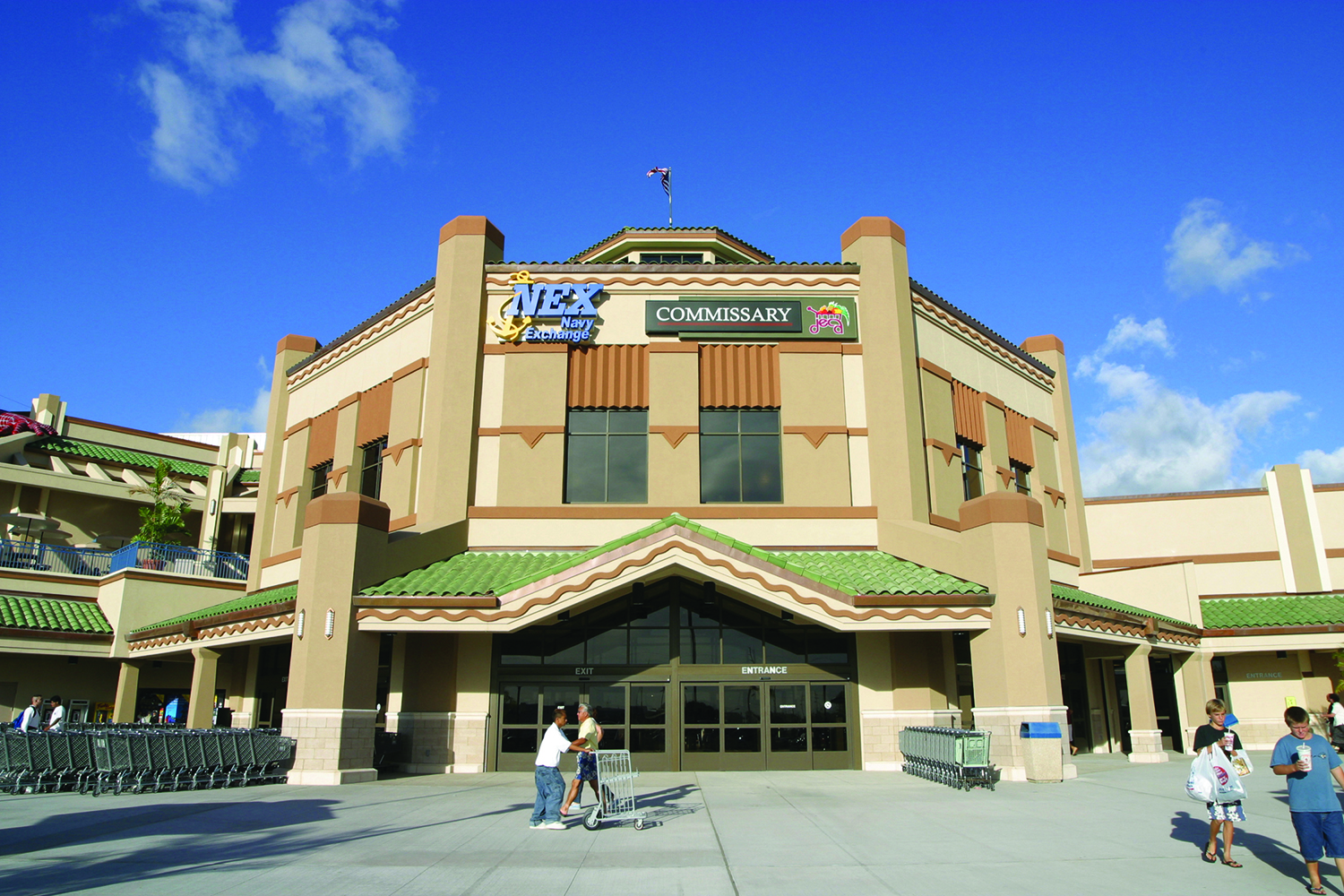
    Customers and employees move about in front of the new “Mall at Pearl Harbor.” The 350,000 square foot mall houses the largest Navy Exchange in the world, the largest Department of Defense Commissary in Hawaii, and was designed based on recommendations from customers through surveys and focus groups. U.S. Navy photo by Photographer's Mate 1st Class William R. Goodwin.

    On Jan. 1, 2020, 15,000-plus veterans in Hawai‘i — a “high cost area”— became eligible to shop in military stores. Commissaries have low prices and no state tax. Commissaries are like big box stores — some brands may be missing, but they carry almost everything you need. (Note that you will pay an additional fee if you use a credit card, so use cash if you can.)

    How do I receive this benefit?

    • Disabled and other eligible veterans can just use their veteran health card to get in. The commissaries scan your card and they are gearing up inventory for the influx of new customers.
    • Caregivers who are primary caregivers for a wounded/injured veteran and are registered with the Department of Veterans Affairs caregiver program. You will see a memo posted to VA.gov for use to access front gates.

    You will also have to show your driver’s license. In the near future, the VA will transition all to a caregivers ID card for base access.

    How do I receive a veteran health card?

    Call 1–877–222–8387 before 4 pm Hawai‘i time. They can access your DD 214 (discharge papers). You will then be asked numerous questions, but because you called them, the information is secure.

    If your records were destroyed in the 1973 fire in St. Louis, it will take longer. A form will be sent to you to have Archives assist.

    In person, you can visit either of two locations:

    • 459 Patterson Road, Spark Matsunaga VA Medical Center at Tripler. Call 800–214–1306 for information/directions/room number.
    • 91-2135 Ft. Weaver Road, Leeward Community Based Outpatient Clinic in room 501. 808–312–6800

    Enjoy all the commissary has to offer; shopping with Veteran Health Card is just one more opportunity your VA card gives you.

    On Jan. 1, 2020, 15,000-plus veterans in Hawai‘i — a “high cost area”— became eligible to shop in military stores. Commissaries have low prices and no state tax. Commissaries are like big box stores — some brands may be missing, but they carry almost everything you need. (Note that you will pay an additional fee…

  • Honorees Take a Stand Against Falls

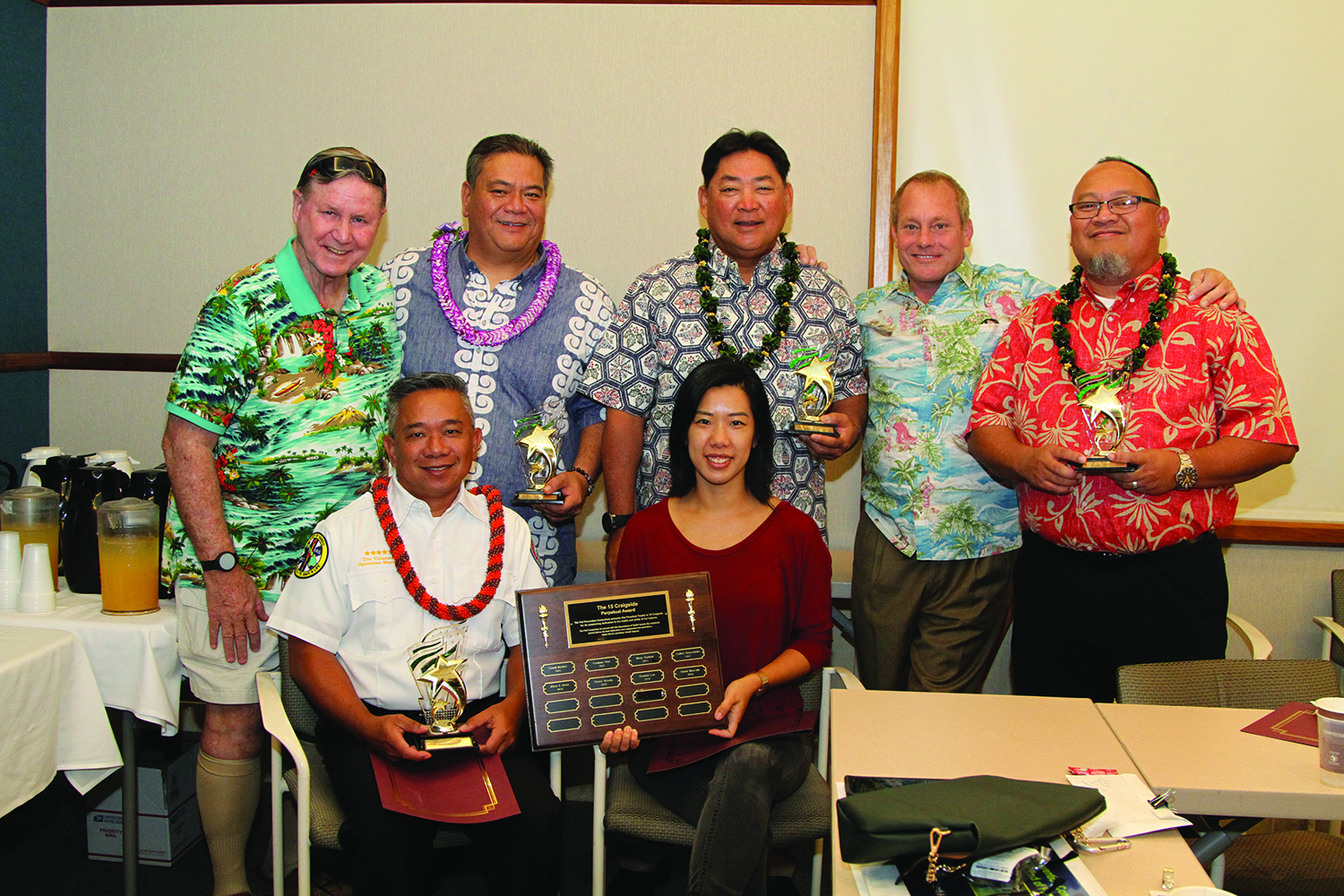
    (L–R, standing) Stan Michaels, Chris Pa, Percy Ihara, Michael Dowell, Peter Reyes, (seated) Tito Villanueva and Phoebe Hwang (DrPH, owner-operator, Omniworks).
    (L–R, standing) Stan Michaels, Chris Pa, Percy Ihara, Michael Dowell, Peter Reyes, (seated) Tito Villanueva and Phoebe Hwang (DrPH, owner-operator, Omniworks).

    More than 9,950 injuries from falls occur annually among seniors statewide. Each year, the Hawai‘i Fall Prevention Consortium (HFPC) identifies individuals with passionate dedication to reducing the number and severity of injuries from falls among seniors and honors their efforts to promote fall prevention initiatives in the state.

    The HFPC presented its Annual Fall Prevention Awards for Outstanding Community Service at the end of 2019 to: Chris Pa, activities director at Leeward YMCA; Peter Reyes, program director at Catholic Charities Hawai‘i (CCH); Percy Ihara, owner/publisher of Generations Magazine (GM); and Tito Villanueva, Kauai Operations Manager for American Medical Response (AMR).

    Chris Pa’s leadership has enabled many kūpuna to actively attend tai chi classes and events at Leeward YMCA. “Chris is truly a community treasure,” said Ileina Ferrier, master trainer for the Tai Chi for Health Institute.

    Peter Reyes became a master trainer for Matter of Balance at CCH. “Peter is a great trainer who truly believes in the importance of reducing the fear of falling and of preventing falls,” said Diane Terada, division administrator at CHC Community & Senior Services.

    Percy Ihara is one of the great forces in senior well-being and understanding through GM, said Michael Dowell, chair of the HFPC and owner of Ohana Stairlifts. “Percy is amazing in his continual energy and drive to improve the lives of all of Hawai‘i’s kūpuna.”

    Tito Villanueva is the inspiration and driving force behind the growth and success of Kauai’s Home Safety Program for Seniors and has also provided mentoring and support for other programs as the AMR operations manager. “His dedication is astounding,” said Stanley Michaels, senior fall prevention coordinator at the DOH.

    In addition, Phoebe Hwang, DrPH, was honored for her outstanding contract work for the HFPC. “Phoebe is truly amazing,” said Michaels.


    EMERGENCY MEDICAL SERVICES & INJURY PREVENTION PROGRAM
    808-733-9202 | stanley.michaels@doh.hawaii.gov
    www.health.hawaii.gov/injuryprevention

    A complete summary of the fall prevention campaign, special videos for seniors and/or their care-givers, and a recap of accomplishments is online at www.nogethurt.hawaii.gov.

    More than 9,950 injuries from falls occur annually among seniors statewide. Each year, the Hawai‘i Fall Prevention Consortium (HFPC) identifies individuals with passionate dedication to reducing the number and severity of injuries from falls among seniors and honors their efforts to promote fall prevention initiatives in the state.

  • 2020 Census Forms Will Be Available Online

    Every 10 years, the U.S. government embarks on the herculean task of counting every person in the country. An accurate decennial census count is important in order to allocate more than $675 billion in federal  funds annually for community programs and services, such as healthcare services for the elderly, education programs, housing and community development, and job training. For example, in federal Fiscal Year 2016, Hawai‘i received over $3.6 billion from 55 different federal programs, including nearly $1.5 billion in Medicaid funding.

    Starting in March 2020, people will receive postcards alerting them that the census will begin on April 1, Census Day. Unlike past census events, the 2020 census may be completed online. Between March 12 and 20, the majority of people will receive a letter advising them that they may complete the census survey online. However, about 20 to 25 percent of the population will still receive a paper survey due to demographic characteristics and internet connectivity in their area.

    The 2020 census general questions will be:

    How many people were living or staying in this house, apartment or mobile home on April 1, 2020?

    Were there any additional people staying here on April 1, 2020 that you did not include in Question 1?

    Is this a house, apartment or mobile home?

    What is your telephone number?

    Please provide information for each person living here. If there is someone living here who pays the rent or owns this residence, start by listing him or her as Person 1. If the owner or the person who pays the rent does not live here, start by listing any adult living here as Person 1.

      • Name, Sex, Age
      • Is Person 1 of Hispanic, Latino, or Spanish origin?
      • What is Person 1’s race?

    It will not contain a citizenship question.

    If you are not able to complete the census by April 1, you will get several reminder mailings through April. Thereafter, through August, census enumerators will conduct door-todoor interviews to collect information from those who have not completed the questionnaire.


    COMMON CAUSE HAWAII
    P.O. Box 2240, Honoulu, HI 96804
    808-275-6275 | www.commoncause.org

    The decennial census is a huge endeavor to ensure a fair, accurate and complete count. The U.S. Census Bureau is looking to hire enumerators and other positions throughout Hawai‘i. Consider being a census worker. Applicants must: 1) have a valid email address; 2) be a U.S. citizen; 3) be 18 years of age or older. Apply now at www.2020census.gov/jobs.

    Every 10 years, the U.S. government embarks on the herculean task of counting every person in the country. An accurate decennial census count is important in order to allocate more than $675 billion in federal  funds annually for community programs and services, such as healthcare services for the elderly, education programs, housing and community development,…

  • Elder Abuse: Senior Advocates & Your Rights

    Senior advocates understand personal rights, elder abuse, consumer rights, the legislative process and how programs are funded. They also see that agencies correctly implement laws and draw attention to the ones needing changes. This article focuses on personal rights and elder abuse law. Effective advocates begin by reading the laws and understanding what rights they protect. Hawai‘i law defines six kinds of abuse: physical, psychological, sexual, caregiver neglect, financial exploitation and self-neglect.

    • “Capacity” means the ability to understand and appreciate the nature and consequences of making decisions concerning one’s person or to communicate these decisions.
    • “Caregiver” means any person who has knowingly and willingly assumed the care, supervision or physical control of, or who has a legal or contractual duty to care for the health, safety and welfare of a vulnerable adult.
    • Caregiver neglect” means the failure of a caregiver to exercise that degree of care for a vulnerable adult that a reasonable person with the responsibility of a caregiver would exercise within the scope of assumed, legal or contractual duties:

    (1) Assist with personal hygiene

    (2) Protect the vulnerable adult from abandonment

    (3) Provide, in a timely manner, necessary food, shelter or clothing

    (4) Provide, in a timely manner, necessary healthcare, access to healthcare, medication, psychological and physical care, or supervision

    (5) Protect the vulnerable adult from dangerous, harmful or detrimental drugs, except those provided to the vulnerable adult pursuant to the direction or prescription of a practitioner

    (6) Protect the vulnerable adult from health and safety hazards

    (7) Protect the vulnerable adult from abuse by third parties

    • “Financial exploitation” means the wrongful taking, withholding, appropriation or use of a vulnerable adult’s money, real property or personal property, including but not limited to:

    (1) The breach of a fiduciary duty, such as the misuse of a power of attorney or guardianship privileges, resulting in the unauthorized appropriation, sale, or transfer of property

    (2) The unauthorized taking of personal assets

    (3) The misappropriation or misuse of moneys belonging to the vulnerable adult

    (4) Failure to effectively use a vulnerable adult’s income and assets for the necessities required for his or her support and maintenance It’s the government’s job to ensure that these kinds of abuse do not happen.


    KOKUA COUNCIL
    20 S. Vineyard Blvd., Honolulu, HI 96813
    facebook.com/KokuaCouncil/

    Senior advocates understand personal rights, elder abuse, consumer rights, the legislative process and how programs are funded. They also see that agencies correctly implement laws and draw attention to the ones needing changes. This article focuses on personal rights and elder abuse law.

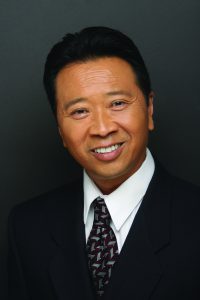
  • Aging in Hawai‘i – The Wise-Soul Perspective of a Baby Boomer Turning 62

    An interview: author Michael W. K. Yee, Financial Advisor and Ameriprise Certified Financial Planner

    by Generations Magazine Staff

    Are Hawai‘i seniors living well and thriving?

    Hawai‘i is the best place to retire and thrive. The climate and culture of ‘ohana is second to none for living a good life with family and friends. Also on the plus side, seniors get to enjoy more quality of life here. It’s no surprise Hawai‘i has the highest longevity in the country.

    That said, in 36 years of financial advising, I have learned not to predict longevity for anyone. Longevity statistics are just average ages. Some people still die before they get old. Instead, I tell my clients, “I have no idea how and when a person is going to die. What I do know is that not many people die quickly; whether life is long or short, we will likely experience long-term care.

    So should we still wish for a long life?

    I used to say, “I hope you live a good life.” I define “good” as living a full life that quickly ends in a painless death. Sadly for many, this scenario is not the case. Advances in medicine and technology that extend quality of life are good, but when they increase what I call the “slow go,” (the time of disability and diminished capacity to enjoy life), it may not be so good. Extending slow go with long-term care can become a lengthy “no go” (living in complete dependency on caregivers). Preventing the “let go” (the end of life) may not be the kind of longevity we wished for.

    Dementia care is long-term care, too.

    Yes, social security states that seven in 10 persons will experience long-term care. The average time they spend in “slow go” through “no go” is three years. Half of Hawai‘i seniors over 85 experience some form of dementia. The average length of care for dementia is 10 years. Caregiving is not free. There is always a huge price — physical, emotional, relational and financial. We have to focus not only on the person receiving care, but also on the caregiver. Some families break apart when caregiving — others come together. If family members cannot be caregivers, they have to pay professional services. That can cost lots of money.

    In 2019, a private room in a Hawai‘i nursing home cost an average of $160,418 per year (Genworth study). Few of us have so much money that we can write a check of any size without dipping into savings or our retirement account. It’s easy to see why many families facing enormous costs of long-term care feel depressed and hopeless.

    What planning options do seniors have?

    Many seniors are proactive about improving their health and quality of life. That’s the first thing to take care of. Others are planning their dying experience with their doctors. But between living and dying is a guessing game. The good news is that I see many seniors taking a proactive approach to improve their financial readiness for whatever comes. They have an idea what they would like, so they discuss their wishes with their family and heirs. The conversation generates many financial questions for me — legal questions for their attorney. They want to maintain their independence and they see planning ahead as a way to do that. Into the bargain, they can enjoy a better retirement experience and better quality of life later on if they face sickness, decline and dying.

    Describe the kind of seniors who take the proactive approach to life?

    There are no accidents. I see that people who are proactive and intentional are more successful at living a life of choice rather than one of chance. People who plan look ahead to the future. Seniors come in different sizes and shapes financially, as well as family-wise. The right thing to do for one is different for another, but in general, people who succeed are comfortable with setting goals. They like to focus on the prize — and use it to measure their progress. To succeed, they must have both a good plan and good execution. Their plan must be holistic and comprehensive in that it includes every aspect of their lives. It must address retirement, long-term care, death and legacy.

    Another aspect of successful seniors is that they appreciate teamwork. They realize they aren’t going to be good at everything so they pick a dream team of their favorite health, financial and legal professionals to work together for their benefit . They want all their experts on the same page — not working independently. These kind of seniors wants to get their big decisions right. Lastly, these people communicate well and share their plan with their families.

    Boomers your age are seniors now. What kind of care can they expect in the future?

    Experts call baby boomers “the sandwich generation.” They experienced their parents facing the benefits and hardships of retirement and long-term care. Many helped care for grandparents and parents at the same time they were educating their kids. I don’t know all things, but I do observe that more boomers — especially women — own long-term care insurance based on their personal experience with caregiving.

    I am optimistic; boomers don’t see caring for a parent as just hardship or burden. Many view caregiving as lesson and a gift. I believe our world view is the sum of past learning and experiences. This is the essence of Hawaiian ho‘oponopono — keeping things righteous. Past knowledge and wisdom descends from our ancestors and parents; from us, it flows forward to coming generations. Our parents brought us into this life with love, so the greatest gift we can give them is to walk them home with love. Yes, I have faith in the boomers and their kids. And faith is not blind; it comes from an abundance of undeniable evidence.

    An interview with author Michael W. K. Yee, Financial Advisor and Ameriprise Certified Financial Planner

  • February – March 2020

    February – March 2020

    WANT THIS ISSUE?

    Download your own personal copy of this issue in PDF format. Click the button below:

    DOWNLOAD IT NOW

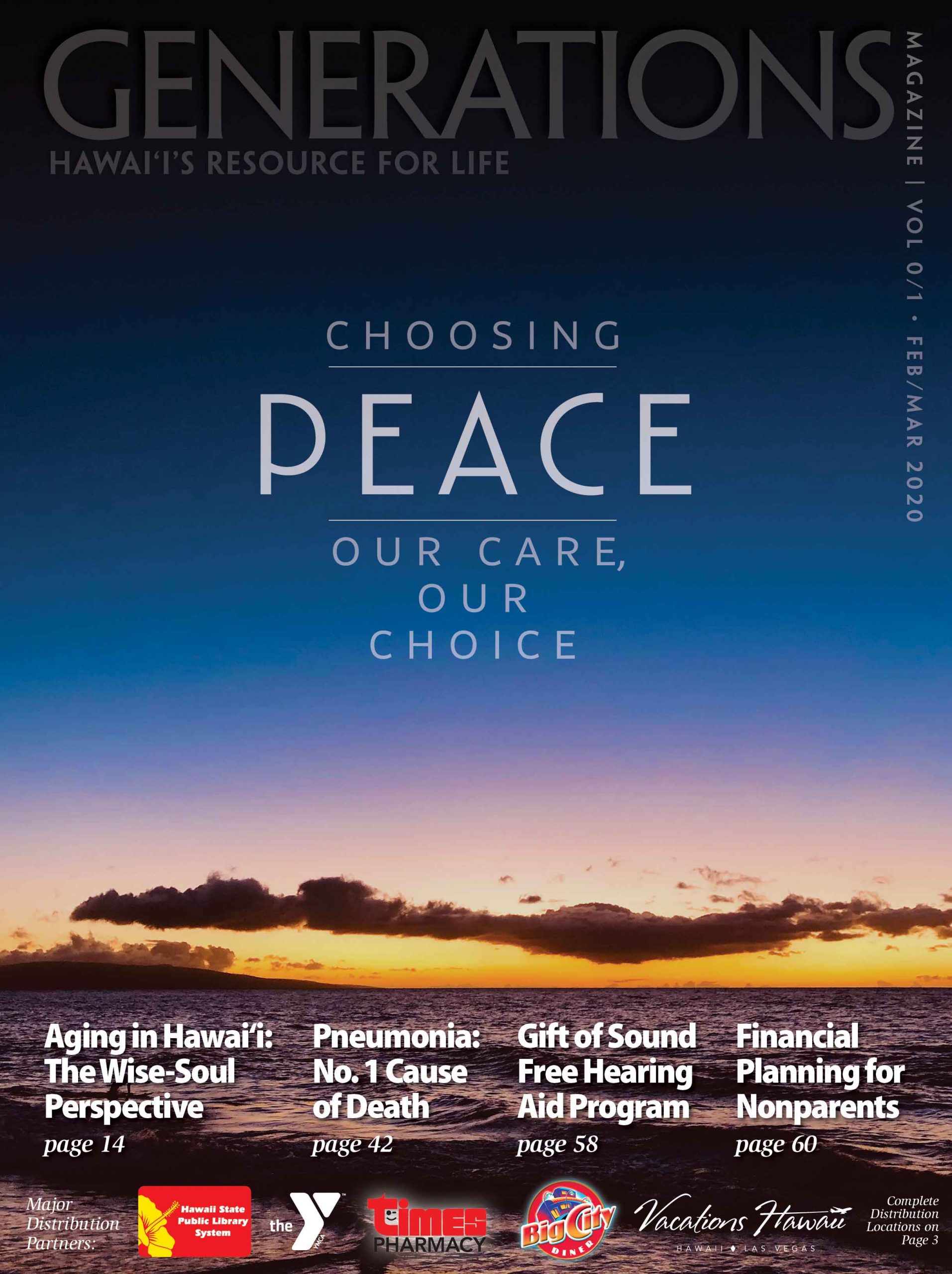
    Dying at home can be traumatic for loved ones. We long for a peaceful walk into a beautiful sunset. But most have never seen anyone die and that first indelible experience will stick with us. We may wish to die in our sleep, suffer an accident where we “never knew what happened” or drop dead…