
Category: February – March 2020

  • Choosing Peace: Our Care, Our Choice

    Choosing Peace: Our Care, Our Choice

    {Play}We are compassionate people who avoid pain and go to great lengths to protect our loved ones from suffering. So why is there controversy about Hawai‘i’s Our Care, Our Choice Act, the aid-in-dying law that allows terminal patients to have medications that will ensure a peaceful passing?

    One night sticks in my memory. Mild-mannered Pete had an aggressive brain tumor that slowly paralyzed him; no therapy would cure it. His wife, Carole, was a genius at finding ways to overcome his growing disabilities — taking him out for lunch,
    to concerts or playing with the grandkids. Pete never experienced the crushing pain I saw with patients on chemotherapy.
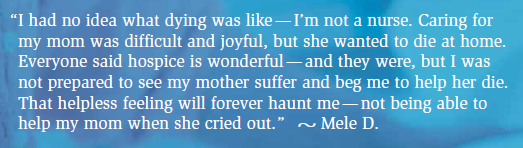
    One evening, Carole called and told me Pete’s breathing sounded like gurgling. I rushed to the house to help; I knew the end was near.

    It’s impossible to know what to do or say, but being with loved ones seems to help. Hospice was at the house to ensure Pete was not experiencing pain. His frail chest rose and fell at a rapid pace as he struggled for air for over an hour. Our priest came in and performed the last rites. Pete kept hanging on.

    The family could do nothing but watch him struggle. Even in his delirium, Pete was fighting death to the end. Hospice gave him more morphine and finally the death throes stopped — the first silence in many hours. Tears gave way to funeral preparations and paperwork. Eventually, Carole and the kids’ memories healed; consolation came.

    I don’t have children and won’t be able to afford skilled nursing, so I plan to die at home. Last year, arguments for “dignity in dying” and others against “assisted suicide” honestly confused me.

    Quality of life is my focus. I am in my 70s, and over the summer, I injured my back and couldn’t walk. Physical therapy cured my back, but being disabled for a while made me seriously consider how I would handle being dependent on others for daily care. Will I choose to fight a terminal disease to the last breath like Pete? Not a chance; I am a lover, not a fighter. I’d really like to die in my sleep, peacefully, like my mom did. Can I do that?


    What “Choice” Are We Talking About?
    Getting at the facts about our Hawai‘i law…

    “Compassionate Choice,” “Medical Assisted Death,” “Assisted Suicide” and “Dignity in Dying” are ways people refer to aid-in-dying laws in many states that allow terminal patients to avoid suffering when they die. The various names reflect deeply held feelings people may have about death, dying or end-of-life. Even between friends, the taboo topic is oven avoided, because bringing it up unleashes our worst fears and saddest memories.

    Generations Magazine believes that our readers can only plan for the future and live well if they have all the facts. Smart seniors manage to live independently, enjoy life and prepare themselves for the future, whatever it brings. Akamai seniors also need to consider their options based on Hawai‘i’s recently enacted aid-in-dying law.

    So we found people with the most information about Hawai‘i’s Our Care, Our Choice Act (OCOCA), which has been in effect since Jan. 1, 2019. You can decide the pluses and minuses, understand the knowns and unknowns, and read the facts about how the law is working after its first year in practice.

    Let’s start with an interview with the daughter of a terminally ill woman who used medical aid-in-dying via the OCOCA last year. Kim McAden was very sad to lose her mom, but was glad to be able to honor her mother’s decision to stop prolonging her suffering once there were no more options for a cure.
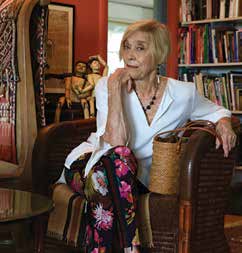

    The amazing Jeanne Elder (below), age 80, plant designer and owner of Exclusively Bromeliads, sits in her favorite chair in her home in Kane‘ohe, posing for a photo for her daughter. Born on a farm in North Carolina, Jeanne raised her family as a Navy wife, while forging a design career in Miami. Divorce, intelligence and passion led her to new horizons in Hawai‘i — beloved mother, successful businesswoman and world traveler.
    The amazing Jeanne Elder (below), age 80, plant designer and owner of Exclusively Bromeliads, sits in her favorite chair in her home in Kane‘ohe, posing for a photo for her daughter. Born on a farm in North Carolina, Jeanne raised her family as a Navy wife, while forging a design career in Miami. Divorce, intelligence and passion led her to new horizons in Hawai‘i — beloved mother, successful businesswoman and world traveler.

    The Passing of Jeanne Elder,
    Easter Sunday, 2019
    An interview with her daughter, Kim McAden

    “My mother, Jeanne Elder, always had this in her mind since the 1970s. She did not want to be disabled by a terminal disease. I think she didn’t want to be trapped and unable to make her own decisions — particularly if there was no hope for recovery.

    “When my mom was diagnosed with melanoma three years ago, the disease had already escaped the lymph nodes. She went through immunotherapy on O‘ahu and in San Diego. The side effects she suffered were very troubling for her and for us.

    “In January 2019, she had pain in one arm and found the disease had metastasized to her spinal cord. By the end of  February, the cancer progressed and she could walk no longer, but she was not ready to quit. ‘I will still fight,’” she said.

    “By April, Mom felt she had lost her battle with cancer. She didn’t want to leave us, but with melanoma winning, she decided to participate in the Our Care, Our Choice law enacted January 2019. I remember what she said: ‘This needs to happen. I am a resident of Hawai‘i and this is my decision. It’s the law; they have to let me do this.It is my decision.’

    “As her caregiver, I encountered many problems carrying out her wishes under the new law. I was her advocate and my e experience as a purchasing manager for biotech companies gave me the sourcing skills I needed to help her, but everyone in this situation may not have these skills.

    “The Social Worker Association of Hawai‘i was outstanding — they admitted that my mom was their first patient seeking a psychological evaluation for an OCOCA prescription. They offered to put out feelers to their members on Facebook and by email. The in-home psychological evaluation they lined up helped qualify Mom for OCOCA and I cannot emphasize enough what a kindness this assistance was to our family.

    “Mom’s attending oncologist also faced uncharted territory with my mother’s case. After much soul searching, he worked with his staff to create new policies and protocols concerning medical aid-in-dying. When they were in place, he visited my mother at Hospice Hawaii for a final evaluation. It was comforting to know we had his support. We will be eternally grateful for his love and care.

    “Jeanne Elder was a charming, adventurous, passionate, beautiful, independent woman. She fought against the stereotypes beautiful woman face and enjoyed great respect. She owned a successful business and a beautiful home; she took great joy in traveling the world.

    “I wish everyone could understand how peaceful my mom’s passing was. She never lost her dignity. In her bedroom were family, friends, flowers and music. She passed in 30 to 45 minutes. She fell asleep in about 10 minutes and had just a little labored breathing, but her death was very peaceful and beautiful. I feel like she’s a part of all of us now.

    “For readers who are family caregivers and advocates, I encourage them to honor and respect their loved one’s wishes. Be strong, take one step at a time and don’t get overwhelmed. Download all the information you can, ask questions and expect things to change every day. If the pressure gets too great, it’s okay to back out or take a rest — but do try to find someone to take your place. I think this goes for all family members and attending medical staff. There are lots of support resources for you — you are not alone. May your path forward be filled with peace and love, knowing your loved one’s wishes were honored.”

    Kim recalls her mother’s zest for life as she sits in her mother’s chair.
    Kim recalls her mother’s zest for life as she sits in her mother’s chair.

    Is Our Care, Our Choice About Avoiding Pain?
    Pain is not what I am worried about…

    Our first inclination is to think of medically assisted death as a way to avoid pain. But in fact, doctors today have many medications to treat pain. The main service hospice provides is “palliative care,” which does not necessarily treat the condition, but keeps the patient comfortable and controls pain.

    Nevertheless, hospice professionals point out that terminal patients suffer two more things — the debilitating outcomes of their disease and the effects of the curative therapies they undergo, such as surgery, chemotherapy or radiation. Convulsions, incontinence, tremors, hallucinations, disabilities and increasing dependency can rob patients’ dignity. Doctors and hospice nurses will try to modify these problems, but what the patient might consider good quality of life may not return.

    Some patients will resign themselves to decline and embrace death. Others deny the inevitable and fight for every last breath. Until last year, a terminal patient’s only options were to discontinue medications and efforts to keep them alive on machines. And the only way they could hasten their death was to refuse water and food.


    OCOCA Patient Zero Advises,
    “Plan Your Peace”
    An interview with John Radcliffe, former lobbyist and business owner…

    The first terminal patient in Hawai‘i to request a prescription for OCOCA medications to induce sleep and death is still living and able to give us guidance! I call him “Patient Zero.” John Radcliffe was diagnosed with terminal stage 4 cancer in June 2014. When he heard that an aid-in-dying bill was proposed at the Hawai‘i Legislature, he stepped out of retirement to exercise one of his talents — lobbying. John’s passion for the right to legally choose how and when he would die ran deep. He wanted to help extend that choice to everyone while fighting his own terminal cancer. His advice to patients facing death is to take action and plan your end-of-life while you can.

    “I had ‘inoperable cancer’ and they gave me six months to live,” says John. “No law would allow me to choose a peaceful death if my suffering got to be too intense. If I wanted to die at home, there was no way to protect my loved ones from watching me struggle and suffer at the end.
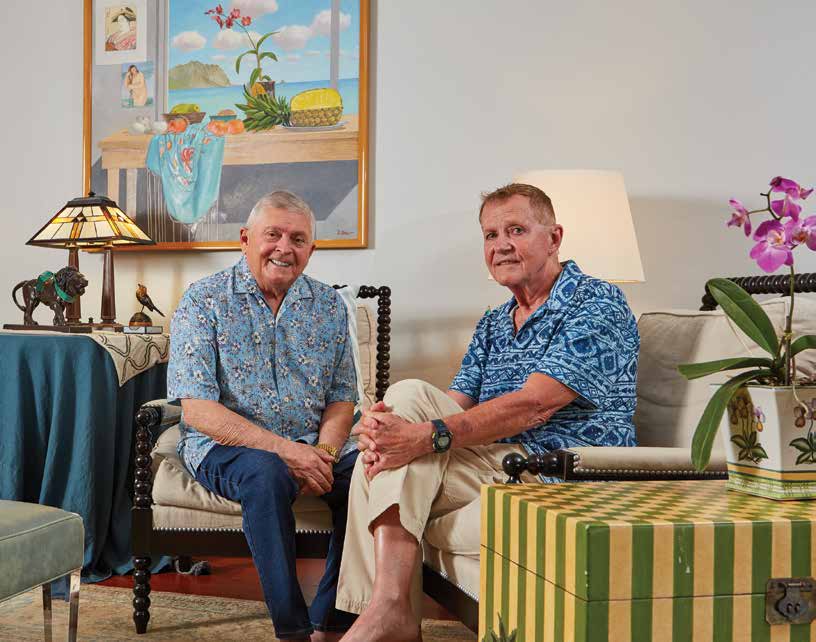
    Advocacy for OCOCA crested when hematologist-oncologist and palliative care expert Charles Miller, MD, became the attending physician for a terminally ill patient, professional lobbyist John Radcliffe (left). Two old family friends joined the fight to give everyone in Hawai’i the legal option of medical aid-in-dying. The legislative act became law a year ago.
    Advocacy for OCOCA crested when hematologist-oncologist and palliative care expert Charles Miller, MD, became the attending physician for a terminally ill patient, professional lobbyist John Radcliffe (left). Two old family friends joined the fight to give everyone in Hawai’i the legal option of medical aid-in-dying. The legislative act became law a year ago.

    “Chemotherapy was rough, but when I felt good enough, I helped push the various aid-in-dying bills in the Hawai‘i’s House of Representatives and Senate. And what do you know? When the law passed, I was still alive — after over 80 rounds of chemo! So I was the first terminal patient in the state to begin the process of getting a prescription for the peaceful death cocktail of medications.”

    John is very clear in his advice to newly diagnosed terminal patients with six months or less left to live.

    “Don’t delay! If you believe your diagnosis, get your affairs in order and plan how you want to spend your last days — how, where and with whom you want to die,” he says. “Cancer is unique for every patient — it goes wherever it wants in your body. It’s going to destroy you and nobody can give you advice (but they will try!). Friends insisted I take every herb, root, berry and leaf. But we have excellent healthcare in Hawai‘i, so if you trust your doctors, do what they tell you.

    “It is most important to free yourself of stress and pressure. You don’t know how much time you really have to find a little peace and happiness for your end-of-life. People don’t think about what really counts and how they will die until it’s upon them. I was fortunate to outlive my first prognosis, but I am pretty content now. If things get rough, I have the confidence of knowing that a peaceful death is within my control. I’m not ready today, but I will know the time,” he says.

    John was a teacher in Chicago before he moved to O‘ahu in 1980. A lobbyist and small business owner, he was the perfect terminal patient to “test the waters” and determine if the law would work for the first patient. He already knew Dr. Chuck Miller, former head of hematology and oncology at Kaiser Permanente, and now working part-time in his retirement as an aid-in-dying specialist for Kaiser. Dr. Miller helped advocate for OCOCA by providing our legislature medical data and testimony based on his decades of clinical experience with thousands of terminal cancer patients.

    But after John qualified for OCOCA and Dr. Miller prescribed the approved medications, it took John 60 days to get his prescription filled! By law, the drugs must be formulated by a pharmacist licensed by the State of Hawai‘i to “compound” or mix up the specific combination of medications. Fortunately, ElixrRx in Kailua meets all the state standards.

    When John eventually does choose to use his medications, he will have to take an anti-nausea pill 45 minutes before he drinks the drugs. The powders come in separate vials, so he, a nurse or family member will mix them together and add water. Then, John must drink the medication cocktail himself. A nurse or loved one may help him hold the cup or put a straw in the cup, but he will “administer” the drugs to himself. That’s how the law works.

    In the last four, going on five “bonus” years of John Radcliffe’s life, he has connected with family and enjoyed some of the retirement for which he worked so hard. “A son I never knew I had searched me out. He brought my grandchildren and great grandbabies to visit me! They are a wonderful family, and getting to know them (they all look like me) has brought unspeakable joy,” says John. He says substituting stress with joy has helped him develop a profound sense of gratitude for every day.

    “And in a way, my life is really better than it has ever been,” he says.

    John expresses the contentment medical aid-in-dying can bring to terminally ill patients while they are still living. In Oregon and Washington, a quarter of the patients who receive prescriptions for the medications don’t take them. Just knowing that they have options is enough. So, John Radcliffe’s advice to “plan your peace” is solid.


    Medical Aid-in-Dying is Old News
    Where can I find the official facts for Hawai‘i residents?

    Medical aid-in-dying is now legal in nine states. For 25 years, Oregon citizens have been able to self-administer medications to hasten death. In 1992, Gov. Ben Cayetano’s Blue Ribbon Committee proposed a Hawai‘i Death with Dignity law, but it was defeated by the slimmest of margins. By 2017, support among Hawai‘i registered voters for Our Care, Our Choice was close to 80 percent. Still, the bill was tabled until the 2018 legislative session, when it passed by a wide margin.

    In April 2018, Gov. David Ige signed the Our Care, Our Choice Act. As previously mentioned, the law went into effect just over a year ago. National nonprofit Compassion & Choices, with decades of experience in Oregon and many other states, provided essential data and patient experiences for Hawai‘i legislators to consider. Our law resembles Oregon’s but has added patient safety provisions that reflect our more conservative culture. (CLICK HERE here for online resources.)


    Dr. Charles Miller, MD, Director of the Aid-in-Dying Program, Kaiser Permanente
    Dignity, autonomy, control over my options at my end-of-life — now that interests me…
    Chuck Miller, MD, began volunteering with Compassion & Choices in 2002. He came to Honolulu in 1999, was head of hematology and oncology at Tripler Army Medical Center, and chief of hematology-oncology at Kaiser Permanente. After retiring, he supported Hawai‘i’s OCOCA legislation and now practices part-time at Kaiser Permanente to help administer the aid-in-dying program for terminally ill patients. He explains that his medical opinions are not necessarily the policies of Kaiser, because he is still researching ways to improve OCOCA procedures.

    “I am very impressed with Kaiser and its integrated healthcare system that delivers good palliative care to terminal patients. Every patient is unique, and Kaiser brings together all the medical, social and coordinated hospice support needed for each patient’s individualized journey.

    “People always ask me why people would choose medical aid-in-dying if they’re going to die anyway. Intuitively, we guess it is a move to avoid pain, but doctors have great options for managing pain. Hospice is all about managing pain for terminal patients.

    “What I observe is that medical aid in dying gives people back the control that they lose to their disease. Overwhelming disease and complicated treatments rob their identity, self-worth and autonomy. Terminal disease is the tail wagging the dog, which is the patient family and care team. So, planning out how, when, where and with whom you will die has the effect of restoring autonomy and a sense of control and self-esteem.

    “Experience from 22 years of legal medical aid in dying in Oregon shows us that some patients who ask for the medication don’t take it. We see the same thing in Hawai‘i. This year, a total of 44 Kaiser patients made requests for medical aid in dying; 42 were deemed eligible by the state DOH. Of those, 21 patients received prescriptions and 10 self administered the medications. Another 15 died of their diseases without taking the medication. Still, all had options and felt in control.
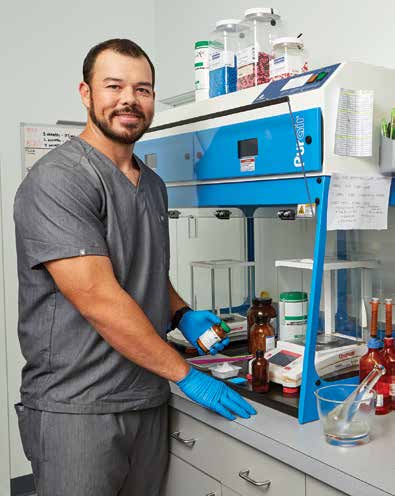
    Filling OCOCA prescriptions is a specialty service of pharmacists like Jake Blechta, who is licensed by the State of Hawai‘i for compounding medications.
    Filling OCOCA prescriptions is a specialty service of pharmacists like Jake Blechta, who is licensed by the State of Hawai‘i for compounding medications.

    “The patients I feel bad about are the ones who want the OCOCA option but don’t survive the 20-day waiting period. I can tell at that first evaluation meeting whether the patient is going to live for three weeks. This year, six of my terminal patients died too soon to meet state requirements. I encourage terminally ill patients to plan end of life options as soon as they know they have six months or less to live. Don’t wait. See if your family doctor will support you through end-of-life.

    “The good news is that the Hawai‘i law is working as intended. OCOCA patients experienced peaceful deaths, and there were no incidents of coercion, abuse or medications falling into the wrong hands. Kaiser follows up with OCOCA families and all expressed satisfaction that the patient received the treatment they wanted.

    “It’s so important that family caregivers seek hospice care as loved ones near end-of-life. Hospice services help both patient and family before, and immediately following death. Besides administering pain medications, they interact with the doctor who pronounces time of death, help fill out records and call the mortuary to collect the body. For the sake of your family, engage hospice for terminal patients.

    “If we all tell a friend about what we learned about OCOCA this year, we can offer many more terminal patients this important option.”

    Aid-in-Dying Prescriptions:
    Pharm D Jake Blechta
    ElixRx Pharmacy, Kailua

    So, what will self-administering the aid-in-dying medication really be like?

    After a patient’s request to qualify for medical aid in dying is approved by DOH, his or her doctor prescribes medications that induce sleep and s peaceful death.

    Jake Blechta, Pharm D, owns ElixRx, an independent specialty pharmacy on O‘ahu. In 2019, Blechta filled the most aid-in-dying prescriptions in the state. He is specially licensed to “compound” the prescription for each individual patient, according to legal guidelines.

    “I counsel all my patients how to take their prescriptions, but Kaiser treatment teams have already reviewed drug affects and how to self-administer, so families do not have many questions.

    “OCOCA-qualified patients receive two different anti-nausea pills to take one hour before they plan to drink the main drug. After an hour, they or their caregiver mix the powdered drug compound into six ounces of liquid. They may use any non-dairy beverage the patient is used to drinking — water, juice or even a cocktail — and mix it very well. The resulting liquid is pretty thick and the patient must drink it right down, because I don’t think it tastes very good.

    “Patients can expect to fall asleep quickly, within the first hour, and then pass peacefully in their sleep within four hours. It appears that some patients get the drugs for reassurance and end up not needing to take them,” says Blechta.

    •  •  •

    So there we have it. Death and dying will always challenge us. For some, it is a matter of faith; others want to make sense out of our lives, say goodbyes or make amends. Getting our affairs in order takes many forms.

    Plantation values teach us to prepare for the worst; hope for the best. The days usually roll out somewhere in the middle of what we can handle. If you have loved ones who are terminally ill, support their choices with joy. If you are nearing the end of your life and need help to get your ducks in a row, be sure to share your plans with your loved ones, family and medical team. You may need some assistance choosing your peace.

    Terminal Patients Must Meet the Following DOH Requirements:
    • Hawai‘i state resident 18 years of age or older
    • Diagnosed terminal illness with six months or less to live
    • Able to self-administer the aid-in-dying medication
    • Make two oral requests not less than 20 days apart to your Hawai‘i-licensed attending physician
    • Mentally capable of making a voluntary, informed decision (without coercion)
    • Able to complete one written request and declaration signed by two independent witnesses and written in a specific format
    • Meet the OCOCA criteria with a consulting attending physician and a mental health counselor

    Online Resources
    – DOH: The Our Care, Our Choice Act www.tinyurl.com/DOH-OCOCAInfo
    – DOH Written Request Form www.tinyurl.com/DOHWrittenReqForm
    – DOH Attestation Form www.tinyurl.com/DOHAttestationForm (Medicare can pay for the  medication but only from Hawai‘i state funding.)
    – SHIP Hawaii: 808-586-7299 on O‘ahu, 888-875-9229 on neighbor islands
    – Compassion & Choices Hawaii Resources www.compassionandchoices.org
    – Kōkua Mau Resources www.kokuamau.org

    By Katherine Kama‘ema‘e Smith

    Photography by Brian Suda

    Dying at home can be traumatic for loved ones. We long for a peaceful walk into a beautiful sunset. But most have never seen anyone die and that first indelible experience will stick with us. We may wish to die in our sleep, suffer an accident where we “never knew what happened” or drop dead…

  • Before Selling, Back Up & Purge

    {Play}Before trading in or selling your mobile devices, cellphones or tablets, be sure no sensitive data is left behind that may put you in jeopardy. Here are a few basic steps to reduce the risk of being victimized.

    ■ Perform a complete BACKUP of the device to a computer or cloud service. For Apple-based devices, use iCloud; Android-based, use Google Drive. It’s a good habit to routinely back up all devices, even if you don’t plan to sell them.
    ■ Delete ALL sensitive information.

    • Personal information (name, date of birth, Social Security number, contacts and passwords)
    • Financial information (names of banks, credit card information and account numbers)
    • All programs and apps installed
    • Internet history and searches
    • Contacts or Address book files
    • Call logs of telephone numbers
    • Text messages sent and received
    • Conversations and messages in your messaging app (i.e. Facebook Messenger)
    • Photos and videos

    ■ Restore device to FACTORY settings by selecting “Reset” in your device settings.

    You can ask your cellular phone service provider do it for you in your presence. Use this list to check that your data has been removed.

    If you plan to do it yourself, research exactly how to back up and reset your device.


    THE DEPARTMENT OF THE PROSECUTING ATTORNEY
    1060 Richards St., Honolulu, HI 96813
    808-768-7400 | Office hrs: Mon – Fri, 7:45 am – 4:30 pm
    www.honoluluprosecutor.org/contact-us/

    Before trading in or selling your mobile devices, cellphones or tablets, be sure no sensitive data is left behind that may put you in jeopardy. Here are a few basic steps to reduce the risk of being victimized.

  • Please Take Your Car Keys!

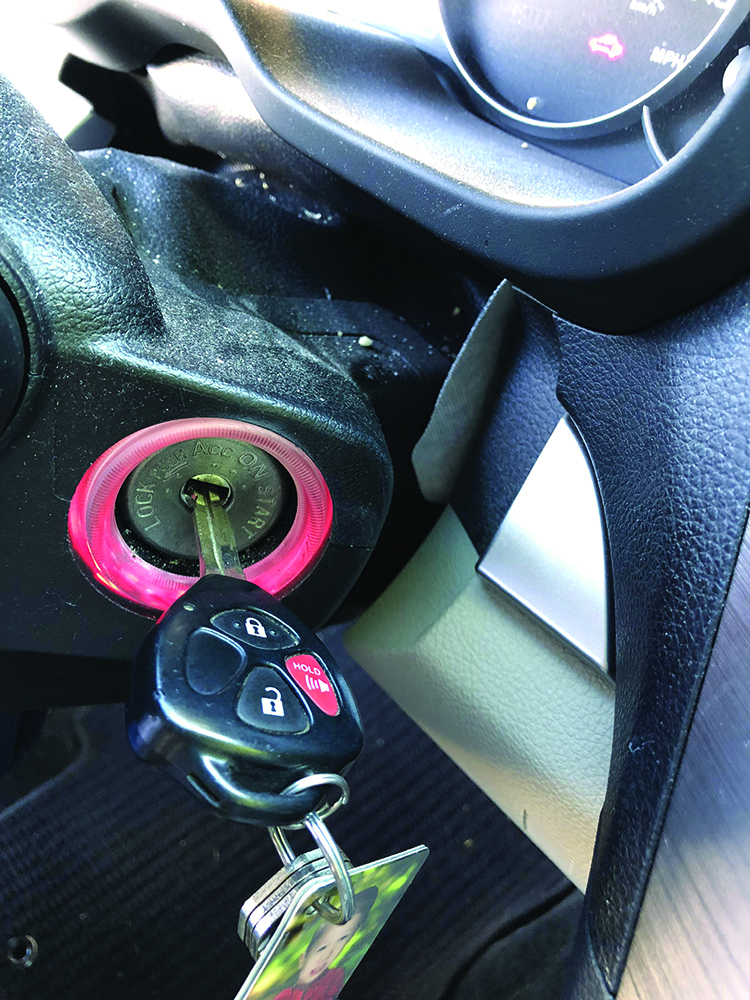
    {Play}You would not place a welcome mat outside your car for criminals or hire someone to waive around a sign by your vehicle saying “steal this,” but that is exactly what many drivers do when they leave their keys in their vehicles.

    As a prosecutor, no crime gets me more upset than one that could have been easily prevented. It seems like a common occurrence for the police to call me to tell me they arrested a car thief who stole a car with the keys left in it.

    Just last month, an elderly gentleman from Waianae had his classic car taken from his garage; in Ewa Beach, a woman had her car taken from a restaurant parking lot; in downtown Honolulu, a law partner had his $100,000 Tesla taken from a parking garage. They had all left keys in the car.

    One might think that these drivers got what they deserved and should suffer the consequences of their lapses in judgement, but the crime does not stop with the single stolen car. Over the past months, my office has seen stolen cars used in a series of purse snatchings that have resulted in injuries to elderly victims; stolen cars smashing into storefronts (like Macy’s at Ala Moana) and thefts from big box stores. These crimes most likely would not have occurred if the criminal was forced to use his or her own vehicle that could easily be traced to the owner.

    Drivers need to realize that car thieves are lazy losers for the most part. If they feel your car is too difficult to steal, they’ll just give up on your car and go home. Or they might go to another vehicle if that driver left his or her keys in the car (they are seemingly everywhere and easy to find).

    If you do have the wherewithal to remove your keys from the car while out and about, another bit of advice would be to not make your keys easily accessible in your garage or home.

    Last week, a criminal who was fleeing from the police ran into an open garage, opened the connecting door to the house, and simply reached in and grabbed the car keys. He was able to easily start the car and avoid arrest. We often see car thefts in association with home burglaries, because the keys are easy to find and make carting off stolen items from the house convenient with the victims even supplying the getaway car!

    So please take your keys and avoid unnecessary frustration and financial loss. You will also be stopping potential ripple effects, including other crimes that can be committed with your car.


    If you suspect elder abuse, call these numbers:
    – Police: 911
    – Adult Protective Services: 808-832-5115
    – Elder Abuse Unit: 808-768-7536
    If you have questions about elder abuse, call or email:
    808-768-7536 | ElderAbuse@honolulu.gov

    You would not place a welcome mat outside your car for criminals or hire someone to waive around a sign by your vehicle saying “steal this,” but that is exactly what many drivers do when they leave their keys in their vehicles. As a prosecutor, no crime gets me more upset than one that could…

  • Special Needs Planning

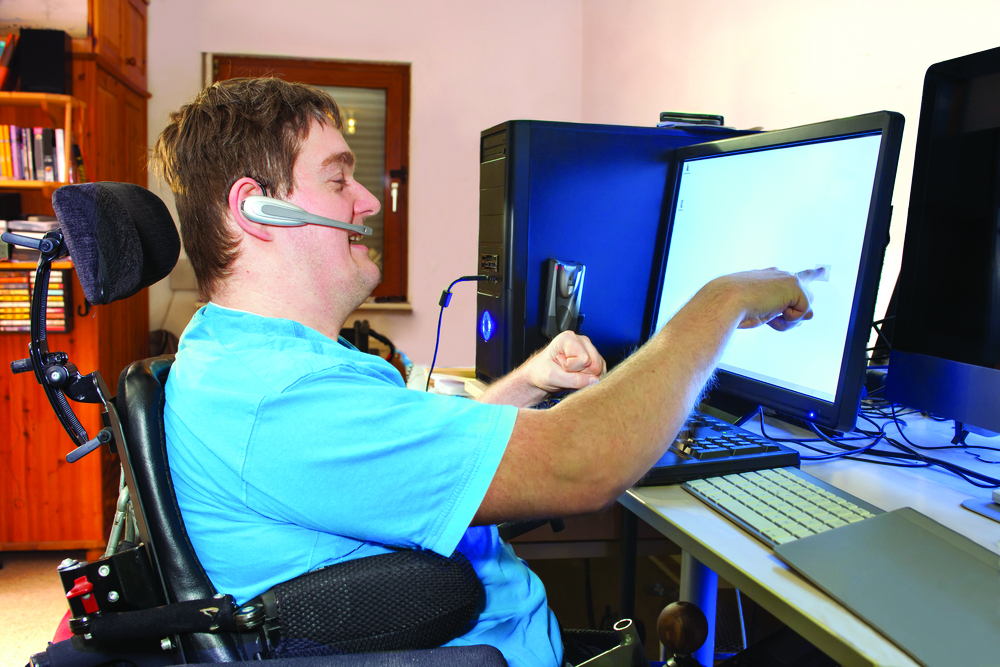
    {Play}Over 54 million adults and children in the U.S. have a disability. The concerns of parents of disabled children are the same for most any parent — ensuring that their children are safe, happy and live a meaningful life.

    Some children may be unable to earn a living. Both the federal and state governments understand this and provide benefits so that they receive food, shelter and medical care. Many of these benefits are “means tested,” meaning that the child cannot have much in terms of assets and cannot make much in terms of income. If the child inherits assets from the parents, these benefits will discontinue and the child must expend all of the inheritance before reapplying for benefits.

    To qualify, some parents think that they must disinherit their children so that they can continue to receive benefits or entrust another family member to manage money for the child. The better alternative is the Supplemental Needs Trust. Properly written and administered, this trust allows parents to leave the child their inheritance and allows the child to continue to receive benefits. The trust instructs the trustee to use assets from the trust for the child only over and above what the child receives in benefits.

    The Heartfelt Legacy Foundation will hold a Supplemental Needs Seminar featuring nationally recognized speaker Theresa Varnet, Esq. Visit the foundation’s website for more information.


    HEARTFELT LEGACY FOUNDATION (501(c) 3 nonprofit)
    Stephen B. Yim, Attorney at Law
    2054 S. Beretania St., Honolulu, HI 96826
    808-524-0251 | www.stephenyimestateplanning.com
    www.heartfeltlegacyfoundation.com

    Over 54 million adults and children in the U.S. have a disability. The concerns of parents of disabled children are the same for most any parent — ensuring that their children are safe, happy and live a meaningful life. Some children may be unable to earn a living. Both the federal and state governments understand…

  • Don’t Be ‘Buried Alive’

    {Play}Protecting personal privacy is generally a good thing, but can also have unexpected results. Consider the plight of a 90-year-old lady (“Nancy”) who was the life of her weekly exercise classes. Nancy was very well known for youthful outlook and zest for life.

    So when Nancy missed class one day, her friends tried to contact her. All they were able to learn was that she had been moved to a nursing home. No one would divulge which facility Nancy was in; her friends couldn’t visit. Nancy’s closest relative lives on the mainland, but none of Nancy’s friends knows how to contact that person. After a little detective work, one of Nancy’s closest friends (“Ms. Holmes”) discovered that a local bank was managing Nancy’s finances and that a court proceeding was pending to have a guardian appointed to look after her welfare. The attorney handling the guardianship proceeding and the bank trust officer handling Nancy’s affairs assured Ms. Holmes that Nancy is well and receiving the best of care. However, the lawyer and the trust officer both cited privacy concerns when declining to say anything further. The assurances were small comfort to Ms. Holmes, who still wonders how Nancy feels about her situation and whether she would appreciate visits from her friends.

    According to Ms. Holmes, “Nancy has several friends who want to see her, but we just keep running into roadblocks when we try to find out where she is. No one is even willing to give Nancy a message. We don’t know how she feels about all this and nobody will tell us. To us, it is as if Nancy has been buried alive!”

    Nancy’s friends have run up against federal and state laws that were intended to protect Nancy’s privacy, but which have isolated her and broken the hearts of her friends. The federal law is the Health Insurance Portability and Accountability Act (HIPAA) of 1996. Hawai‘i law provides similar protections for both medical and mental health records and information.

    Under these relevant privacy laws, Nancy could have permitted her caregivers and medical providers to talk with one or more individuals by signing a HIPAA Authorization.

    If Nancy’s story hits home, talk with your trusted advisors who can help you develop your HIPAA Authorization and avoid the feeling of being buried alive if your health falters.


    SCOTT MAKUAKANE, Counselor at Law
    Focusing exclusively on estate planning and trust law.
    www.est8planning.com
    808-587-8227 | maku@est8planning.com

    Protecting personal privacy is generally a good thing, but can also have unexpected results. Consider the plight of a 90-year-old lady (“Nancy”) who was the life of her weekly exercise classes. Nancy was very well known for youthful outlook and zest for life. So when Nancy missed class one day, her friends tried to contact…

  • Financial Planning for Non-parents

    {Play}Those who do not have children tend to have more financial flexibility to pursue their goals throughout life and retirement. This makes sense when you consider that the cost of raising a child from birth to adulthood is currently estimated at $233,610 (before you factor in college). However, childless singles and couples still need to manage their future financial needs.

    Many mistakenly assume the absence of heirs removes the weight of retirement and legacy planning from their shoulders. Don’t fall victim to this myth. Financial planning is just as important for childless adults as it is for anyone else. I encourage my clients who don’t have children to take the following actions:

    Prioritize saving for retirement. Instead of saving for childcare, sports leagues or a college fund, consider doubling-down on retirement savings. You may spend decades in retirement pursuing your hobbies and goals. Calculate what it will take for you to live the lifestyle you want and compare it to your current savings. Create a plan to save the difference. Consider contributing as much as you can to your workplace savings plan, if you have one, and consider building up Roth IRA savings to help create a source of retirement income that is potentially tax-free.

    Investigate long-term care insurance. One of the biggest concerns clients without kids express is who will take care of them later in life. There’s no guarantee that parents can depend on their kids to support them, but for non-parents there is no backup plan — they’ll have to save for long-term care. So, make it a priority to decide how you will manage healthcare costs in retirement. Medical expenses continue to rise, so it’s important to have adequate savings and insurance coverage. Explore your options through Medicare and your current or former employer to see if long-term care insurance would benefit you. Additionally, consider researching caregiving options and long-term care facilities in your area so you are familiar with the choices if you need them further on down the road.

    Put financial decision-makers in place. Who’s going to make financial decisions for you in the case you become incapacitated? It’s important to draw up documents to name a durable power of attorney to look out for your financial interests if you are unable to, including legal and tax concerns. Your agent should be someone you trust, whether that’s a spouse, friend, extended family member or professional. Keep in mind that you don’t have to share your full financial situation and account numbers now. A common approach is to share enough information so your contact person can step in should a situation arise where you need help making financial decisions.

    Plan your legacy. With no direct heirs in line to inherit your estate, you will want to consider what you’d like your legacy to be — including how your assets should be distributed upon your death. You may have other family members, friends or favorite charities you would like to see benefit from your lifetime of hard work. Creating or updating your will is one of the best ways to articulate your wishes. Also consider using trusts, which sometimes allow more flexibility than a will, to help you meet specific legacy goals. Consult with a financial advisor, attorney and tax legal professional to develop a comprehensive legacy strategy that suits your ultimate goals.


    MICHAEL W. K. YEE, CFP
    1585 Kapiolani Blvd., Ste. 1100, Honolulu, HI 96814
    808-952-1222, ext. 1240 | michael.w.yee@ampf.com
    Michael W. K. Yee, CFP®, CFS®, CLTC, CRPC ®, is a Private Wealth Advisor, Certified Financial Planner ™ practitioner with Ameriprise Financial Services Inc. in Honolulu, Hawai‘i. He specializes in fee-based financial planning and asset management strategies and has been in practice for 32 years.

    Investment advisory products and services are made available through Ameriprise Financial Services Inc., a registered investment advisor. Ameriprise Financial Services Inc. Member FINRA and SIPC. 1“Expenditures on Children by Families Report,” U.S. Department of Agriculture ©2019 Ameriprise Financial Inc. All rights reserved.

    Those who do not have children tend to have more financial flexibility to pursue their goals throughout life and retirement. This makes sense when you consider that the cost of raising a child from birth to adulthood is currently estimated at $233,610 (before you factor in college). However, childless singles and couples still need to…

  • SS Benefits Increase in 2020

    {Play}Each year, we announce the Social Security (SS) annual cost-of-living adjustment (COLA). In 2020, nearly 69 million Americans are receiving a 1.6 percent increase in their SS benefits and Supplemental Security Income (SSI) payments.

    Other changes this year reflect the increase in the national average wage index. For example, the maximum amount of earnings subject to SS payroll tax will increase from $132,900 to $137,700. The earnings limit for workers who are younger than full retirement age (age 66 for those born in 1943 through 1954) will increase to $18,240. (We deduct $1 from benefits for each $2 earned over $18,240.) The earnings limit for those turning 66 in 2020 will increase to $48,600. (We deduct $1 from benefits for each $3 earned over $48,600 until the month the worker turns age 66.) More information is available at www.ssa.gov/cola.

    Sign up for a “my Social Security” account today at www.socialsecurity.gov/myaccount. Retirement, survivors and disability beneficiaries who have a “my Social Security” account may view their benefit amounts and will receive future COLA notices securely online via its Message Center, a secure portal where you can conveniently receive sensitive communications that we don’t send through email or text. SS never sends personal information in its notifications.


    For questions, online applications or to make an appointment
    to visit a SSA office, call from 7am–5pm, Mon–Fri:
    800-772-1213  (toll free) | www.socialsecurity.gov

    Each year, we announce the Social Security (SS) annual cost-of-living adjustment (COLA). In 2020, nearly 69 million Americans are receiving a 1.6 percent increase in their SS benefits and Supplemental Security Income (SSI) payments.

  • Gift of Sound – Free Hearing Aid Program

    {Play}The Rotary Club of Honolulu is teaming with Miracle Ear Foundation’s Gift of Sound™ program, which provides free hearing aids to those that qualify. The application fee is $150, which includes a hearing assessment, hearing aid fittings and follow-up adjustments. While supplies last, the Rotary Club of Honolulu will assist those who can not afford the $150 application fee through its Can You Hear Us Now? program.

    Some important facts about hearing loss:

    ■ Hearing loss is the third most common physical condition that affects people of all ages.
    ■ Presbycusis (age-related hearing loss) typically begins as early as 55.
    ■ Individuals with mild to moderate untreated hearing loss are twice as likely to show symptoms of depression and isolation than those with normal hearing or those who wear hearing devices.
    ■ Most of those with hearing loss wait seven to 10 years before getting help. Delaying corrective action may result in irreversible hearing loss.
    ■ Less than 30 percent of our kūpuna use hearing devices due to:

    • Lack of means to purchase
    • Avoidance and denial of hearing issues
    • Unfamiliar with where to go for help
    • Misdiagnosed or untested due to assumptions of other issues

    Currently, most health insurance plans in Hawai‘i offer limited or no coverage for a hearing aid purchase. If offered, the amount of coverage may be low. As a result, many in need choose to delay or forgo the purchase due to the high cost.

    The Can You Hear Us Now? program aims to address that issue. Applicants for assistance must complete the Gift of Sound application form (www.miracle-ear.com/miracle-ear-foundation/eligibility) and must show:

    • Less than $25,750 annual gross income.
    • Evidence establishing the inability to pay the Gift of Sound application fee.

    Eligible applicants must obtain, complete and return the application. For information or to request an application, contact Rick Tabor, Right at Home’s operations manager and chair of the Rotary Club of Honolulu’s Can you Hear Us Now? committee, at rick@eldercareoahu.com


    ROTARY CLUB OF HONOLULU (501(c) 3 nonprofit)
    705 Queen St., Honolulu, HI 96813
    808-922-5526 | administrator@honolulurotary.com
    MIRACLE EAR FOUNDATION – GIFT OF SOUND™
    877-632-6320
    www.miracle-ear.com/miracle-ear-foundation

    The Rotary Club of Honolulu is teaming with Miracle Ear Foundation’s Gift of Sound™ program, which provides free hearing aids to those that qualify. The application fee is $150, which includes a hearing assessment, hearing aid fittings and follow-up adjustments. While supplies last, the Rotary Club of Honolulu will assist those who can not afford…

  • Hospice Support for Body, Heart & Soul

    Navian Hawaii is grounded in a comprehensive care philosophy, providing an interdisciplinary program of care to support patients and their loved ones’ physical, psycho-social, emotional and spiritual well-being. Complementary therapies are a vital part of this care philosophy:

    Pet Therapy has been proven to reduce depression and fatigue, and ease stress and pain.
    Art Therapy uses various forms of visual art to encourage self-expression, reduce stress and improve well-being. It can also be very effective in helping patients’ children understand and cope with death and bereavement.
    Aromatherapy provides a variety of benefits, including easing tension, increasing breathing and circulation and promoting a sense of peace.
    Healing Touch & Reiki are also offered. Healing touch is an energy-based technique that restores patients’ energy system. Reiki is a Japanese hands-on technique that promotes relaxation and healing.

    Additional therapies, such as Hand Casting, Therapeutic Music and Massage Therapy, are available to all patients. We encourage our patients to take advantage of this additional layer of support to help them embrace their end-of-life journeys with comfort and dignity.


    NAVIAN HAWAII (501(c) 3 nonprofit)
    860 Iwilei Road, Honolulu, HI 96817
    808-924-9161 | www.navianhawaii.org

    Navian Hawaii is grounded in a comprehensive care philosophy, providing an interdisciplinary program of care to support patients and their loved ones’ physical, psycho-social, emotional and spiritual well-being. Complementary therapies are a vital part of this care philosophy.

  • Finding the Right Type of Caregiver

    Evaluate the logistics and duration of the care you want and need. If seniors prefer to stay at home for comfort and convenience, the family should consider long-term, in-home caregivers who are part-time, full-time or can reside in-home. Those needing specialized care or end-of-life care often chose full-time caregivers, whose skills, credentials and fees vary.

    There are three primary types of caregiver roles: companions/homemakers; home care aides/assistants; and medical caregivers, such as certified nursing assistants and registered nurses.

    Although companion caregivers are limited when it comes to medical or hands-on assistance, they play a very valuable role, providing support and comfort to seniors when family members are in need of respite.

    Home care aids/assistants can perform the same duties as companion caregivers. In addition, certified home healthcare aides can render hands-on care and help seniors with activities of daily living — bathing, dressing, grooming and ambulation.

    Medical caregivers work in both home and facility settings. They include certified medical assistants (AMAs), certified/registered nursing assistants (CNAs/RNAs) and registered nurses (RNs). An AMA or CNA can fulfill most needs; RNs meet more specialized needs, aiding cancer, advanced dementia and stroke patients.


    OHANA HEARING CARE
    Kona Smith: 808-593-2137
    www.ohanahearingcare.com

    Evaluate the logistics and duration of the care you want and need. If seniors prefer to stay at home for comfort and convenience, the family should consider long-term, in-home caregivers who are part-time, full-time or can reside in-home. Those needing specialized care or end-of-life care often chose full-time caregivers, whose skills, credentials and fees vary.

  • The Right Senior Living Community for You

    {Play}First, you and your loved ones will deal with the emotions of a changing lifestyle. Family and friends may feel guilt and apprehension, even when moving is clearly for the benefit, safety and happiness of a loved one who needs special care.

    Spectrum of Support. Check the senior living community’s reputation by accessing social media postings—better yet, by getting referrals from current residents, family and friends. The best communities focus on both healthcare and hospitality services. Find out if there is a supportive transition plan to Memory Care units available for early-stage dementia patients.

    Body & Mind. The connection between physical and mental well-being is well documented. Make sure the community offers physical activities that can be tailored to keep your loved one vital.

    Nutritional Needs. Providing a variety of nutritious meals and fresh produce options support the brain’s health. Senior meals should be reviewed by a licensed dietitian for balance and nutrition, calories and enjoyment. Upscale communities have regular “menu chat” sessions, when residents meet with the dining services director and executive chef to evaluate menu items.

    Care with Compassion. In addition to quality training and good staff-to-resident ratios, the  management should be committed to delivering service with integrity, dignity and compassion. Great senior living care engages kūpuna, gives them space to be active and offers a complete program of physical and emotional support.


    ILIMA AT LEIHANO SENIOR LIVING
    739 Leihano St., Kapolei, HI 96707
    808-674-8022 | www.kiscoseniorliving.com/hawaii/

    Is it the right fit? Will the community support your wants, needs and desires? When you or a loved one consider senior living, questions and options can become overwhelming.

  • The Pearl State of Dementia

    {Play}These characteristics present many possible challenging situations when it comes to personal care. Here are some tips for having successful interactions with a Pearl.

    Appropriately greeting a Pearl. If your person living with dementia’s (PLWD) eyes are closed as you approach, you may consider touching a non-threatening area of the body. Gently placing your hand on their knee or on their hand and telling them your name will help introduce your presence, and reduce combative reflexes. Too many quick movements may cause your PLWD to become stressed and their primitive instinctual reflex to protect oneself may kick in.

    Go SLOW. Pearls are ruled by reflexes and can be startled easily. Stabilize unsteady equipment like rocking chairs or recliners. With little to no control over their body weight, a Pearl may experience increased anxiety if they’re rocking back and forth. Verbalize your movements and let  the Pearl know what you plan to do with them next. For example, if you are feeding a Pearl, you may narrate each thought you have: “Let’s scoop up some rice; here it comes to your mouth; open big; bite; yummm; let’s try some veggies now.”

    Use the Hand-under-Hand (HuH) technique. This simple hand technique can be used for doing tasks “with” your PLWD rather than “to” your PLWD. We can connect with an individual by using HuH to minimize combative behaviors and provide a sense of independence. Although a Pearl may have range of motion limitations, we can still involve them in their self-care activities.

    Non-verbal behaviors are clues! A PLWD in the Pearl state has a very limited word bank when it comes to communicating wants and needs.

    Instead of using words to describe the feeling of pain, a Pearl might scream, attempt to hit, bite or make agonizing facial expressions. Whether we are causing the pain or it stems from an open wound, behaviors are another way of communicating. As a care partner, we can use these behaviors as clues and choose to take a time out to reassess a new approach.


    HAWAII MEMORY FRIENDS LLC
    Caregiver Education & Consultation
    Mapuana Taamu, Certified PAC Trainer
    808-469-5330 | mfriends808@gmail.com
    Learn more about dementia at our upcoming 2020 workshops. Contact Hawaii Memory Friends LLC for details.

    In previous articles that I’ve written for Generations Magazine, I mention the GEMS® states of dementia. There are six GEMS®: Sapphire, Diamond, Emerald, Amber, Ruby and Pearl. The last state, Pearl, signifies that the end of life is nearing. In the Pearl state, bodily functions are shutting down, the person is likely to spend most…