Pets are great at any age. Do you remember your first pet and learning how to care for Spot or Fluffy? It doesn’t take much time and effort to keep a mature pet. The love, attention and companionship they give seems so much more than the protection, food and exercise we offer.
The Humane Society has a special program called Senior to Senior, where persons over 60 may adopt any dog or cat over 6 years of age — free of charge. Many seniors prefer smaller dogs that are older, have more settled personalities and are already housebroken and trained. Retirement gives us more time for a pet and a deeper need for companionship. If you want a little encouragement to get out for your daily exercise, a pet has a special way of getting you to your feet!
The Hawaiian Humane Society is an education and advocacy organization that shelters, protects, rescues, reunites and rehomes animals. It is O‘ahu’s only open-admission shelter that welcomes all animals. Established in 1883, this nonprofit organization is not a chapter of any group because there is no national humane society. The humane societies on neighbor islands: Hawaii Island Humane Society, Maui Humane Society, Kauai Humane Society and West Hawaii Humane Society are separate entities. Gifts made directly to these independent organizations help local animals.
Christina Kam, Communications and Events Manager at The Hawaiian Humane Society says that seniors make excellent volunteers because many are retired and have time to devote to helping animals. They show up on schedule to walk dogs in the morning and help clean the cat house. They even do community presentations on behalf of the Hawaiian Humane Society. “Seniors may also become foster families and care for the animals in the comfort of their own homes,” says Kam. “Please ask your readers to contact us and learn more about volunteer opportunities.”
Need more encouragement? Just look at this cute dog who was up for adoption in January. We missed the chance to give him a home then — but the pet of your dreams may be waiting for you right now at your local Humane Society.
HAWAIIAN HUMANE SOCIETY 2700 Waialae Ave., Honolulu HI 96826 808-356-2200 | www.hawaiihumane.org
Pets are great at any age. Do you remember your first pet and learning how to care for Spot or Fluffy? It doesn’t take much time and effort to keep a mature pet. The love, attention and companionship they give seems so much more than the protection, food and exercise we offer. The Humane Society…
Candy Crowley, CNN chief political correspondent, once said about her mom, who had Alzheimer’s disease in 2012, “I want to tell you how much I miss my mother. I miss her most when I’m sitting across from her.”
Crowley, her siblings and numerous families have similar reactions and remorse when they realize that their aging loved ones are not remembering or are asking the same things repeatedly.
“Alzheimer’s creates a kind of friction that the family needs to be strong for,” she said, offering this advice: “You have to hold on to things and know what is true in life.”
Caregiving is one of the toughest times for family caregivers and their relationships. Alzheimer’s disease forces a family to adapt and thrive as parents turn into strangers. Because the loved one still looks the same, it is hard to accept the change. Rather than feeling dread and drawing away from one antoher, caregivers need to huddle, grieve, hold each other’s hands and talk gently to find solutions and ways to cope with the “new normal.”
As a life coach, I suggest a family powwow to air worries, fears and frustration. Saddened and distraught family members need skillful guidance and a proven sequential process. It is not a time to “wing it” and haphazardly connect to one another. Reach out to professionals like Pamela Ah Nee of the Alzheimer’s Association and Project Dana Caregiver Support Group. You are not alone on this road — even if it’s painful and filled with unknowns. It is possible to take pleasure in your aging loved ones and each other
Candy Crowley, CNN chief political correspondent, once said about her mom, who had Alzheimer’s disease in 2012, “I want to tell you how much I miss my mother. I miss her most when I’m sitting across from her.” Crowley, her siblings and numerous families have similar reactions and remorse when they realize that their aging…
As a small-business owner, one of the greatest benefits you can provide to your employees is a retirement plan that helps them save for their financial future. Your contributions to a retirement plan are a deductible business expense, and a strong compensation package helps you compete for and retain talented people. As an employer, you have flexibility in choosing a plan or combination of plans that work for your business. Broad categories include:
DEFINED BENEFIT PLANS
A defined benefit plan, such as a traditional pension plan, enables you to make annual contributions, which can be adjusted each year. Some plans feature an automatic annual increase, allowing you to reward employee loyalty. The plan pays out a specified benefit to retired employees.
DEFINED CONTRIBUTION PLANS
A defined contribution plan allows the employee, the employer or both to contribute to an individual account for the employee. A 401(k), allows the employee and employer to make consistent, tax-deferred contributions. The monies in the account are invested and participants choose investments that have the potential to grow taxdeferred. These plans allow annual contributions of up to $18,000 in 2015 and 2016. The employee has the ability to borrow from the plan to cover emergency needs, and employees age 50 and over may make “catch-up” contributions up to an additional $6,000 a year to build for retirement. Employers have the flexibility to establish vesting schedules or options such as a Roth 401(k), funded by after-tax contributions but with the potential to provide for tax-free withdrawals in retirement. Both Roth 401(k) and pretax 401(k) savings plans require minimum distributions in retirement. Both savings instruments will prepare your employees for retirement.
IRAs
There are two types of individual retirement accounts (IRAs) that allow you to make tax-deferred contributions. The Simplified Employee Pension
(SEP) IRA option is one of the easiest and least costly plans to create. As the employer, you make 100 percent of the contributions, which are immediately vested for the employee. In 2015 and 2016, the maximum contribution can be 25 percent of an employee’s salary up to a total contribution of $53,000. It’s not possible to set up a Roth version or to offer loan provisions.
A SIMPLE IRA is a second option you can use if your business has less than 100 employees. Like a SEP, it’s easy to establish and administer, and the plan requires employers to match the employee’s contributions. In 2015 and 2016, the maximum contribution to a SIMPLE IRA for an individual is $12,500, with an additional $3,000 allowed for employees age 50 and older.
DON’T FORGET ABOUT YOUR RETIREMENT
It’s important for business owners to understand all their options when it comes to saving for retirement and helping your employees save for their financial future. While you may be hoping that the proceeds from the future sale of your business will provide for your retirement, you could be putting your future at risk if you’re not saving in another vehicle. A lot could happen to affect the value of your business or your ability to sell it. Establishing a retirement plan may provide a more secure source of future retirement income to supplement the sale of your business assets. Consider working with a financial advisor who specializes in small business retirement plans. A professional can help you make the best choice for you, your employees and your business.
MICHAEL W. K. YEE, CFP 1585 Kapiolani Blvd., Ste. 1100, Honolulu 808-952-1222 ext. 1240 | michael.w.yee@ampf.com
As a small-business owner, one of the greatest benefits you can provide to your employees is a retirement plan that helps them save for their financial future. Your contributions to a retirement plan are a deductible business expense, and a strong compensation package helps you compete for and retain talented people. As an employer, you…
Justin loves reading with his Tu¯ tu¯ Helen, as much as she does with him.
Justin was in kindergarten when Kalihi Kai Elementary School began Golden Moment Hawai‘i, a collaboration between Kristy Yamaguchi’s Always Dream Foundation (ADF) and Hawai‘i P-20 to bring “Always Reading” into Hawai‘i public schools. It’s a very simple program: it offers kindergarten children a wide variety of books, which parents commit to read to their children — a little every day.
Each week, Justin’s teacher handed out “little red bags” for students to take home — each bag contained three different books to take home so their parents could read them the stories.
Like many retired seniors, Tu¯ tu¯ Helen De Castro helps raise her grandson, so she began reading to Justin, every day for 15 or 20 minutes, before dinner or bedtime. The children liked the little red bags more than the school library. The parents loved the quality time, and Justin looked forward to getting “my books” every week.
“Reading is so important,” says Grandma Helen. “In math you have to read the problems. When something goes wrong with a computer, you have to read the directions to fix it. Reading opens the whole world to kids. ‘Always Reading’ opened up Justin’s world, too.”
Kindergarteners sponge up everything that comes their way. “Justin listens to a story a couple of times, and by then he has it memorized. He counts to 10 in Spanish, and memorizes all the dialogue on his Leap Frog DVDs. I wish he would memorize Grandma’s shopping list!” says Helen.
Now Justin is a first-grader and little red bags are only for kindergarten kids, but he and Helen still read together every day. “Finding new books to read to my grandson is always on my shopping list,” says Helen. She likes Walmart, the Library and Savers for books on all reading levels. She also gets bargains on used books at some branches of the Hawaii State Credit Union.
“A funny thing happened,” adds Helen, “Justin has started writing his own stories. His classmate draws nice illustrations, and I get to staple the ‘book’ together. With just a pencil and a piece of scratch paper, he is happy to amuse himself. When we go to the grocery, he rides in the cart and reads his book.”
Helen offers this advice: “Grandparents can do a lot to support the literacy of their grandchildren ; if you read to them every day, they take to it.”
ALWAYS READING PROGRAM by Always Dream Foundation For inquiries, email: info@alwaysdream.org www.alwaysdream.org/programs HAWAII STATE PUBLIC LIBRARY SYSTEMS www.tinyurl.com/HSPLS-LibraryBranches
Justin was in kindergarten when Kalihi Kai Elementary School began Golden Moment Hawai‘i, a collaboration between Kristy Yamaguchi’s Always Dream Foundation (ADF) and Hawai‘i P-20 to bring “Always Reading” into Hawai‘i public schools. It’s a very simple program: it offers kindergarten children a wide variety of books, which parents commit to read to their children…
Generations Magazine calls upon Hawai‘i’s experts — from financial and legal advisors to
health care professionals and noted chefs — to produce informative and meaningful resources
for our local seniors and their families. We are grateful for their contributions.
MIGUEL GONZALEZ, President, Catalyst Factor Agency Public Relations, is a former newspaper
reporter with the Los Angeles Times and Agence France-Presse (AFP) news agency
in Paris. He is the founder of Catalyst Public Relations with offices in Los Angeles and
Honolulu. Gonzalez also teaches Public Relations seminars designed to make PR services
more available to small-business owners. He and his wife, Melanie, are the proud parents
of Sebastien Omri, age 2. SANTIAGO RIVERA, Chief Operating Officer, Interim Healthcare Honolulu, is an innovative
senior executive with over 20 years of international experience in healthcare
administration. His expertise supports the company’s continued growth and community
commitment in O‘ahu. His goal is to grow Interim Healthcare Honolulu to meet the needs
of a growing senior population while maintaining solid support for the highest quality in
home care services and social integration. JEFFREY SISEMOORE, JD is Director of Planned Giving and Major Gifts for the National
Kidney Foundation of Hawai‘i (NKFH). Jeff brings a legal and financial background to
NKFH and is devoted to helping people who wish to support the mission of NKFH by showing
them how their charitable desires can be achieved while benefiting themselves and their
families. Jeff is available for consultation at 589-5976. Register for a free eNewsletter and
check out the wealth of information at www.kidneyhawaii.org. STEPHEN B. YIM, JD, LLM is a sole practitioner tax attorney specializing in elder law and
the areas of estate planning, and supplemental needs planning for families who have children
with disabilities, charitable tax planning, estate and gift tax planning, estate administration,
trusts and wills. He currently teaches M.B.A.and MAcc students at University of
Hawaii and Hawaii Pacific University, and many public workshops, including Generations
Magazine Aging in Place Workshop. ALAN MATSUSHIMA, Enagic ™ Ionized Water Consultant, developed a keen interest in
naturopathic health began 40 years ago, as a food and beverage director and restaurant
owner. In his second career as a mortgage broker, Realtor and insurance agent, Alan
raised his family, helped his community and traveled the world. Today, in eight countries,
he pursues his life theme: “Help as many people as you can,” educating and advocating
for the health benefits of ionized water. MAILE KAWAMURA, Executive Director of the Arthritis Foundation Hawai‘i, is responsible
for planning, implementing, managing and evaluating of all events and programs of the
organization. She brings together corporate partners, medical and community leaders and
community volunteers to raise funds and awareness for the 120 different forms of arthritis
and related diseases that affect over 236,000 individuals in Hawai‘i
And a continuing mahalo to our ever-present contributing partners (in alphabetical order): PAMELA CUNNINGHAM | MARTHA KHLOPIN | SCOTT MAKUAKANE | JULIE MOON | ANNETTE PANG | EILEEN PHILLIPS | TERRY SHINTANI | JEFFREY SISEMORE | SCOTT SPALLINA | JANE YAMAMOTO-BURIGSAY | MICHAEL W. YEE | STEPHEN YIM
Generations Magazine calls upon Hawai‘i’s experts — from financial and legal advisors to health care professionals and noted chefs — to produce informative and meaningful resources for our local seniors and their families. We are grateful for their contributions. MIGUEL GONZALEZ, President, Catalyst Factor Agency Public Relations, is a former newspaper reporter with the Los…
Alzheimer’s disease and related dementias that affect us in our later years can be especially troubling. I believe we fear that dementia will squash our independence and make it impossible to multitask — an activity based heavily on recent memory.
Maybe we fear that the future will not have a role for “elders.” In past generations, most elders lived with their children, and seniors could gracefully “slow down,” taking on smaller roles in managing the household. Expectations were reasonable. Elders were respected for their long-term memory and the wisdom it brings to current challenges.
Despite our fears, dementia has the potential to touch every family and you may already be a patient or a care partner. We all need to know the latest information and what to plan for as we get older. As my tu¯ tu¯ says, “It is what it is.” We are fortunate to have three dedicated experts take the time to share their knowledge with us so we can put our fears aside and help our families, friends, neighbors and yes — ourselves — look at this disorder headon. Alzheimer’s has a face, and it is ours.
Deacons Paul Lucas, Malcolm Keleawe, Mahi Beimes and John Tomoso of the Episcopal Diocese of Hawai‘i love Generations Magazine!
Our December/January issue, with Father Bill Petri’s story and a tour of Kalaupapa had great reader reviews. We love to hear from you, so please post your comments at www.generations808.com, or email us a picture, like the new Episcopal Deacons did. News: America’s Health Rankings® Annual Report found that Hawai‘i ranks No.1 among all states in overall health. Our strengths are a low prevalence of obesity and very few preventable hospitalizations. We need to do better job immunizing our youth for tetanus, diphtheria and Whooping Cough (Tdap vaccine) and we have to clean up our act and reduce the incidence of Salmonella food poisoning. A third area of improvement is to reduce excessive consumption of alcohol.
It’s very clear that health and wellness is something achieved by increasing awareness and activating the entire community to adopt healthy attitudes and habits. Generations Magazine is pleased to be a positive resource for living in Hawai‘i.
Every Day is Brand New!
Katherine Kama‘ema‘e Smith, Associate Editor
Alzheimer’s disease and related dementias that affect us in our later years can be especially troubling. I believe we fear that dementia will squash our independence and make it impossible to multitask — an activity based heavily on recent memory. Maybe we fear that the future will not have a role for “elders.” In past…
The Alzheimer’s Association of Hawaii estimates that by 2025, there will be 35,000 Alzheimer’s disease patients over the age of 65 in the state. Almost as many elderly patients will suffer from other related dementias associated with hardening of the arteries or Parkinson’s disease. As our population ages, planning and delivering care to dementia patients is sure to touch your life.
It is time to lift the veil and reveal the face of this disorder that lurks in the shadows. Let’s shine a bright light on the habits that can help us protect our brains, accurate resource information, clinics that specialize in early diagnosis and treatment, and new therapies on the horizon. If you learned about Alzheimer’s five years ago, you might be surprised at what our experts have to say.
“Alzheimer’s disease is most challenging because it is the only ‘top’ 10 disease in our country without a cure.”
Kore K. Liow, MD, Director & Clinical Professor of Neurology, Hawaii Pacific Neuroscience; Chair, Work Group on Prevention & Treatment of Alzheimer’s Disease, Hawaii 2025 State Plan on Alzheimer’s Disease & Related Dementias. kliow@hawaii.edu
Dr. Liow, why is early diagnosis of Alzheimer’s disease so important?
Every 69 seconds, another person in the U.S. is diagnosed with Alzheimer’s-type dementia, progressively decreasing brain function that is not necessarily associated with aging. On the mainland, most dementia patients have Alzheimer’s disease. However, in Japan vascular dementia with decreased circulation in the brain is more common. Our blended ethnic community has increased incidence of vascular-related dementia compared to the mainland. Because we treat vascular dementia differently from Alzheimer’s, early treatment and prevention with supported lifestyle changes can reduce the risk of stroke. Sometimes blood flow to the brain can be improved, restoring normal brain function. Particularly in Hawai‘i, it is crucial that persons with early memory loss be evaluated and diagnosed quickly to rule out treatable vascular disease, and other reversible and treatable disorders that mimic dementia.
While we do not yet have a cure for Alzheimer’s disease, current medications can temporarily slow the progression of the disease and keep the patient functioning normally longer. More can be done to preserve the remaining brain cells when treatment begins early. We would like the patient to help plan their treatment and plan ahead for the time when they will need full-time care. Early on, when they are still functioning, they can make their wishes known, participate in clinical trials and research, and help prepare advanced care directives.
What other conditions mimic Alzheimer’s?
We had a patient who was erroneously diagnosed with Alzheimer’s seven years ago and told there was nothing that could be done. She was left to deteriorate and was in a wheelchair be
cause she could no longer navigate. Her brain MRI showed a treatable condition of normal pressure hydrocephalus, meaning excessive fluid in brain. When we treated her by draining the fluid surrounding her brain, she could walk normally again. Other conditions like vitamin B-12 deficiency, hypothyroidism, and clinical depression affect cognitive function so that people may think they have dementia. But these disorders are treatable. Therefore, it is important that all memory loss be evaluated early for reversible causes.
How do you diagnose Alzheimer’s or other dementia at Hawaii Pacific Neuroscience clinic?
A multidisciplanary team of doctors reviews current cases.
Well, it is not an easy diagnosis. First, we obtain an accurate patient history, comparing past and present behaviors, moods and cognitive function. We need to test brain function with electrical activities using EEG (electroencephalogram) and look for structural abnormalities with brain MRI. Because of the complexity of the brain, many of the tests and interpretation of results requires consultation with a specialist skilled in this field. At Hawaii Pacific Neurosciences, we bring the specialists to the patient in our “one-stop shop” neuroscience center where patients consult with a multidisciplinary team of neurologists, geriatricians, neuropsychologists, psychologists, wellness coaches and nutrition specialists all in one location, so caretakers do not have to travel to different locations for these specialized tests and treatments. All the testing is performed in one facility, and interpreted by our specialists trained in the field of memory and dementia. This way, we can provide an accurate diagnosis quickly and recommend an individualized treatment plan or if appropriate, a research or clinical trial.
How do you treat Alzheimer’s disease?
Currently, we have some medications that alter transmission of signals between cells in the brain to temporarily slow the progression of Alzheimer’s. Our goal is to see patients before they become forgetful, because treatments are most effective early on. Our goal is to begin nutritional regimens and brain exercises to stimulate different parts of the brain and increase blood flow to the brain before the patient loses the capability to retain or re-train memory using brain mapping and brain stimulation exercise. Reminiscent and music therapy help keep patients functioning at normal levels longer. We want patients working on-site with our psychologist, neuropsychologist and cognitive specialists, and wellness nutrition coach.
We have also been successful in bringing clinical trials of new research medications and therapies for dementia to Hawai‘i, joining the worldwide community in advancing the science and understanding of Alzheimer’s and the quest for better treatments and a cure. Much research has been directed toward blocking the aggregation of amyloid protein precursors. These proteins lock together to form “plaques” between brain cells and can block the normal connections we make when thinking. Researchers are also looking at ways to dissolve tau proteins that form in the brain and pinpointing how brain cells die.
Hawaii Pacific Neuroscience is one of 46 sites in U.S. selected to conduct clinical trials with drugs that work on novel drug receptors. In addition to slowing memory loss, we also hope these drugs will help modify the behaviors that are so troubling to patients, families and caregivers.
Why does dementia patients’ behavior change?Is it a personality change?
We normally have “filters” we use to hold back inappropriate words and behavior and choose responses that match the situation we face. Choosing, deciding and planning our actions and words are cognitive functions of the brain. As dementia progresses, the patient loses the cognitive ability to exercise their natural filters — they cannot control their thoughts and actions — so their behavior and conversation become inappropriate. Patients may become agitated without cause, react in unexpected ways or believe their delusions. As a result of agitation, they may ask questions over and over. It is helpful for families to remember that inappropriate behaviors are the result of the cellular breakdown of the brain — not the intentions of the patient.
We believe that the demanding physical and psychological needs of dementia patients require a team approach to diagnosis and therapy. Our care delivery model is to have a geriatrician (board-certified physician who specializes in elderly patients) examine the patient physically and also assess for any advance-care planning that may be needed. This exam is followed by an evaluation by a neurologist specializing in neurodegenerative disease who develops an accurate diagnosis and looks for reversible causes of dementia. Patients then undergo memory tests administered by a neuropsychologist. Based on the results of the testing, our psychologist or cognitive specialist designs “brain games,” brain stimulation and mapping exercises that maintain brain the patient’s brain health. The family is is involved in treatment, nutrition and wellness coaching, as they often cook for the patients and can support lifestyle modifications.
At Hawaii Pacific Neuroscience, we now follow over 2,000 memory loss and dementia patients from all the Hawaiian Islands and Pacific Rim. Families know that they can come to one place for all their specialists’ appointments, specialized tests, latest treatments and compassionate memory care. Our groundbreaking research and clinical trials bring hope to those who have failed all other therapies and allow Hawai‘i to join the worldwide scientific community in the search for new treatments for these disorders.
“ It takes a team to provide care to each Alzheimer’s patient, whether at home, in a care home, foster home or nursing home. I call the members ‘care partners.’ They can’t make the patients happy, but they can make them comfortable and support their wishes, no matter how tough it gets.”
Chris Ridley, Director of Social Services, Life Care Center in Hilo and Program Specialist for Alzheimer’s Association on the Island of Hawai‘i. 808-443-7360
As a social worker, how soon do you become involved with Alzheimer’s patients?
This is a disease that impacts everyone. I consult with patients, and their families and friends at every stage of their path — from diagnosis to end-of-life. In fact, even before diagnosis, I teach public seminars all over Hawai‘i, encouraging friends and families to help forgetful people get diagnosed and seek treatment.
Early on, patients can participate in their care plan, envision how they want to live out their days and communicate that to their care partners. Some forgetfulness is caused by chemical imbalances or other disorders that can only be tested and treated by a physician. Maybe your fuzzy thinking is due to deficiencies of vitamin B12 or vitamin D. Perhaps a tumor or a slow thyroid is causing your confusion. Memory loss is also a symptom of depression. All these problems can be treated and possibly reversed, so it is very important for persons with memory loss or behavior changes see their primary care physician and get a full check up. I recommend that they go with a care partner — someone who will go the distance and help them look at all the possibilities.
Some patients believe that because there is no treatment for Alzheimer’s disease, there is no point to going to the doctor. At the moment, there is no cure, but there are treatments and medications that help patients perform normal functions longer. I say, “Don’t wait; don’t worry.” Take a proactive stance. All treatments work better when patients get started at the very first signs of memory loss. Creating new diet and exercise habits can improve blood circulation to the brain. Creating more opportunities for social engagement and mental/emotional/spiritual stimulation will exercise every part of the brain and improve overall thinking. Learning new things stimulates new pathways in the brain. Some foods protect brain cells from damage.
The FDA has approved some medications to treat the early and moderate stages of Alzheimer’s disease and age-related dementia. These medications may help maintain cognitive function temporarily. Again, treatment needs to start early.
If diet, exercise and social engagement improve memory loss, do they prevent dementia?
It looks that way. I give a talk called “Healthier Habits for a Healthier You” that shows the great benefits of the Mediterranean and Dash diets for heart and brain health.
It’s very easy to fall into the habit of eating a high-fat diet. Seniors sometimes lose their sense of smell and taste and wind up eating salty and sugary foods that play havoc with high blood pressure and diabetes. Changing your eating habits can improve your current health, increase longevity and keep your brain healthy. These same diets are good for your bones, too.
Are most dementia patients living at home?
Yes. The Alzheimer’s Association and Life Care Center believe that people with memory loss do best when mainstreamed in the community. Patients thrive in familiar surroundings, among their loved ones. Whether patients are at home or in a facility, it it still takes a large team of care partners to help them. Patients in good physical health may need care for many years, driving the cost of custodial care beyond the family’s financial capabilities. For these reasons, we support home care and adult day care for dementia patients.
Part of my work is meeting with the family of every newly diagnosed memory loss patient and helping them plan to keep their loved one functioning at the highest level. It is critical to get the patient to make decisions about how they want to live out their life. I ask the family to get as much information from the patient as possible, and make sure all care partners know that their role is to honor the path their loved one selects. You would be surprised what patients say is most important to them. Some families need to share their feelings face to face — to clear the air and find comfort. I always tell families that their only job is to keep the patient comfortable. The road will be difficult, and they can’t be feeling guilty because the patient is not happy. When the job gets too much for them, it’s OK to get help. Care partners cannot protect the patient from the disease, but they can support the loved one’s wishes.
What advice do you give to care partners dealing with strange and upsetting behaviors?
Social workers and case managers help patients and families navigate care options.
Care partners have feelings, too. We want our loved ones to have good days, remember us and respond appropriately. Sometimes we get caught off guard by harsh or cunning words or behaviors — and it hurts. We get frustrated listening to the same comments or questions over and over. We teach care partners to “interpret” the need that might be generating the behavior and to analyze why the behavior makes us angry. For example, one family member was exasperated because her dad would shower so long that he used up all the hot water every day. When she analyzed his behavior, she found dad soaping himself again and again, forgetting that he had already washed. When all the shower gel was all gone, he would get out of the shower. She solved the problem by putting the soap in a very small container. Dad could only soap up once, rinse and get out of the shower.
Another care partner came to dread the late afternoon when his brother would continually ask, “When are we going to eat?” until dark. The support group suggested that the question stemmed from a need for comfort. Dinnertime is often associated with relaxation, family interaction, a full belly and the end of work. So instead of trying to answer the question, he found little ways to comfort his brother in the late afternoon: additional small snacks, a walk or looking at photos. With added comfort, the questions stopped. Like a mother interprets the cries of her baby, care partners must look behind the words and behaviors to find out what “need” their loved one is trying to express. Respond to the need, not the behavior.
Everyone caring for an Alzheimer’s patient should be in a support group. On Hawai‘i Island, going to a meeting 20 miles away is a hardship. The Alz.org website has virtual support groups online. You don’t even have to leave your home to get new information and solutions to your problems. You may call the Alzheimer’s Association hotline at 800-272-3900, or check out the ALZConnected and Message Boards on Alz.org. You can always call the Program Specialist for the Alzheimer’s Association on your island.
Remember, one person cannot do all it takes to care for a dementia patient. A care team of family, friends, neighbors and church members may still not be sufficient to meet all the needs. County, state and nonprofit agencies may have services in your area. At some point, you may need paid home care or home nursing services. Plan ahead and don’t wear yourself out before you ask for more help. Don’t skip meals and go without sleep because your loved one is active all night. Be sure you have all the resources you need to keep yourself healthy. Learn how to receive help and practice being a receiver as well as a giver.
Tell us about your organization.
“ We must redefine caregiving and create a community that is aware.”
Christine Payne, Executive Director of Alzheimer’s Association, Honolulu. 1-800-272-3900
In Hawai‘i, the Alzheimer’s Association delivers most of the education on Alzheimer’s disease and related dementia. Our education and support groups are for patients and care teams who are helping dementia patients: families, neighbors, friends and care providers. In addition to support groups, educational seminars and a robust website with many resources, we provide a 24-hour, seven-day-a-week helpline for all questions and concerns about dementia and dementia care.
Awareness begins with the need for early diagnosis. We are struggling with several barriers to getting patients to visit doctors who can help them with memory loss. What we hear people saying is that because there is no cure for dementia, why should they bother going to the doctor.
Awareness and early diagnosis is important for caregiving and understanding Alzheimer’s.
Some people are probably afraid, too — so how does early diagnosis help?
There are at least two very good reasons to get a diagnosis and to do it right away. The first; there are other medical problems that mimic Alzheimer’s, and some of them are reversible if caught in time. The second; there are a lot of big decisions you need to make so that your family will not have to make them for you. Making your wishes known now will prevent a lot of family turmoil later on, and family members will feel good if they know what you want. It is important to understand that if you wait, you may not be legally competent to make these decisions.
Let’s talk about how your organization helps family caregivers.
2015 Walk to End Alzheimer’s supporters gathered at Ala Moana Beach Park.
The family is usually intimately involved with caring for dementia patients. Our organization aims to help the family, too. Awareness is really needed for all who wish to help care for loved ones with Alzheimer’s disease.
We run into a lot of “guilty” caregivers who think that they should be able to care for mom all by themselves. More than any other disease or disability, Alzheimer’s seems to cause this extreme guilt in caregivers. However, it is not only inappropriate, but unhealthy. It is absolutely necessary for caregivers to take time for themselves. I cannot stress this enough. The level of care required for dementia patients is beyond what one person can provide. Caregivers are not superhuman and everyone has to change their concept of what caregiving is supposed to be.
We recommend that families work as a team with neighbors, friends, church, civic clubs, county and state support services, and paid service providers. Care for an Alzheimer’s patient takes twists and turns. Every patient is different and nobody can predict what symptoms each patient will encounter. With a team approach, the responsible daughter, son or spouse can stay healthy themselves, and have the time to manage care schedules and plan for the next phase of care.
When I was caregiving, I found it hard to ask for help. Is this a common problem?
Yes, this is a very common problem in Hawai‘i, where we have a cultural bias against asking for things. Our way of life centers on giving, but we don’t take; we offer, but we don’t ask. The cultural ideal is to not burden others. It may be very difficult for the caregiver to ask for help. That is why we have the helpline (800-272-3900). Families may start here with us by making one phone call. We will refer them to other services and get the ball rolling. Alzheimer’s Association can make it easier to ask for help and put you in touch with other care partners who have answers.
Today there are 26,000 Alzheimer’s patients in Hawai‘i. We estimate that there are 69,000 people who identify themselves as caregivers. You probably know someone who is helping care for a person with dementia.
The last thing I want to tell readers is that care comes in small packages. I have people tell me, “I’m not a caregiver; I just buy the groceries every week,” or “I only sit with Dad on Sunday so Mom can go to church.” These little gifts of running an errand or giving the main caregiver a few hours of respite are very important ways to give care. And they are very culturally acceptable in all our island communities.
So don’t be shy about the good you are doing. You are helping more than you know.
What should our readers do to connect with Alzheimer’s Association?
Visit our website — it’s a library of helpful information. If you know a family who is struggling to get dad or mom diagnosed, or needs help developing a care team, give them our helpline number or send them to our website. If you want to help the family of a friend with Alzheimer’s, we can suggest how best to offer your assistance.
Facing Alzheimer’s disease or related dementia takes courage and the energy of a large care team — family, friends, neighbors, pastors, coworkers, volunteer care partners, paid care professionals and public service employees. It all begins with awareness. Share this article with everyone who needs to know what our Hawai’i experts have to say.
Information & Services at www.alz.org
24/7 Helpline: 1-800-272-3900
Care Partner Support Groups (O‘ahu and Neighbor Islands)
Practical Classes for Caregivers, e.g., “How to address challenging behaviors”
Wandering Solutions: MedicAlert™, Safe Return™ and Comfort Zone™ Program
Community Resource Finder
How to Plan for the Future
Online Forums and Message Boards
These are just a small example of what you’d find online
The Alzheimer’s Association of Hawaii estimates that by 2025, there will be 35,000 Alzheimer’s disease patients over the age of 65 in the state. Almost as many elderly patients will suffer from other related dementias associated with hardening of the arteries or Parkinson’s disease. As our population ages, planning and delivering care to dementia patients…
There are many common misunderstandings about water, H20, the second most important resource our bodies need to function properly. Here are some common questions and misconceptions:
Some say water is water.
Most of us think that bottled, purified water is better for us to drink because it has gone through a filtration process. We prefer it over water that comes out of the tap. There is another kind of water, so different from bottled and tap water, and the only similarity is that it looks like just regular water. It is called “ionized” water. Ionization is the process whereby water passes over electrically charged medical-grade metal plates and undergoes a transformation. Single-source or tap water molecules separate into two kinds of water, alkaline and acidic water, each with negative and positive electrical charges. The pH (acid or alkaline properties) change, and the water molecules are restructured for more efficient absorption by the body.
What makes water good to drink?
From a health and wellness standpoint, the best water to drink is water that can hydrate you on a cellular level, to neutralize free radicals and alkalize your body. Ionized water has these special capabilities.
What’s the importance of optimum water pH?
The pH or “power” of hydrogen is a measurement of the acidity or basicity of a liquid. The optimum pH of circulating human body fluids should be about 7.365, which is slightly alkaline. Most people are slightly acidic due to lifestyle conditions. A chronic acidic state results in a compromised health profile, often followed by sickness and pain.
Why is ionized water the best water to drink?
A major cause of most illnesses and a state of compromised health can be traced to a body that is hyperacidic and dehydrated. Ionized water is the best water to drink because it is the most effective and efficient liquid to alkalize and rehydrate the body.
How does ionized water work within the body?
When you consume ionized water, the negatively charged, ionized, alkaline restructured water will rapidly move through your organs into your cellular level while it is neutralizing free radicals and hydrating the body.
What are the beneficial effects of drinking ionized water?
Some people will experience increased positive energy levels, easier elimination of body wastes and reduced pain from inflammation-type ailments (arthritis, gout, acid reflux). People also report improved skin tone (”shiny” or “rosy”) and overall body toning.
Does ionized water cure illness?
Ionized water does not cure anything. However, when a state of balance is attained, the body is better able to cure itself. The medical term is “homeostasis.” Consuming ionized water is one of the most effective ways to reach this natural state of balance in the body
ENAGIC USA INDEPENDENT DISTRIBUTOR Alan Matsushima, Health and Wellness Consultant 808-384-7354 | trader_808@yahoo.com
There are many common misunderstandings about water, H20, the second most important resource our bodies need to function properly. Here are some common questions and misconceptions: Some say water is water. Most of us think that bottled, purified water is better for us to drink because it has gone through a filtration process. We prefer…
Perhaps the most misunderstood Social Security program is disability insurance, SSDI. Some people mistakenly think that beneficiaries are “on the dole” and getting easy money for minor impairments. That’s not the case.
The Social Security Act has a very strict definition of disability. To receive a disability benefit, a person must have an impairment expected to last at least one year or result in death, and so severe that it renders the person unable to perform any substantial work in the national job market, not just their previous work. SSDI does not include temporary or partial disability benefits. Therefore, Social Security disability beneficiaries are among the most severely impaired people in the country and tend to have high death rates.
Also, Social Security conducts a periodic review of persons who receive disability benefits to ensure they remain eligible for disability. We work
to prevent, detect and prosecute fraud, and often investigate suspicious disability claims before awarding benefits — stopping fraud before it happens. These steps help to ensure that only eligible persons have access to disability benefits.
Americans place a high premium on self-sufficiency, but it is reassuring to know that Social Security disability insurance is there when needed.
Meet a few people who have benefited from Social Security when they were most in need — at the new Faces and Facts of Disability website, www.socialsecurity.gov/disabilityfacts. They’re happy to share their personal stories with you.
For questions, online applications or to make an appointment to visit a Social Security office, contact: 1-800-772-1213 (toll free) | 1-800-325-0778 (TTY)www.socialsecurity.gov
Perhaps the most misunderstood Social Security program is disability insurance, SSDI. Some people mistakenly think that beneficiaries are “on the dole” and getting easy money for minor impairments. That’s not the case. The Social Security Act has a very strict definition of disability. To receive a disability benefit, a person must have an impairment expected…
We talk a lot about gifts and how to structure your gifts for maximum benefit. But one of the best gifts we can give ourselves is knowledge to stay healthy. Aging gracefully also preserves our savings and financial resources for our later years and for our heirs.
Many nonprofit organizations offer public information about your health and lifestyle that can benefit you and your family. National Kidney Foundation of Hawaii offers important information about kidney disease at www.kidneyhi.org. Most people with chronic kidney disease (CKD) have no symptoms until the disease is advanced, so wise practices include regular exercise, a low salt diet, weight control, monitoring blood pressure, cholesterol and glucose levels, not smoking, drinking moderately, avoiding NSAID pain medication and getting an annual physical.
Primary risk factors for CKD include diabetes, high blood pressure, cardiovascular disease, a family history of kidney failure and age over 60. Secondary risk factors include obesity, autoimmune diseases and urinary tract infections.
The National Kidney Foundation of Hawaii also schedules free screenings throughout the year. Just call to find out exact dates and times.
Knowledge keeps us healthy. As healthy givers, we are able to support our families, our favorite charities, and leave a legacy too
We talk a lot about gifts and how to structure your gifts for maximum benefit. But one of the best gifts we can give ourselves is knowledge to stay healthy. Aging gracefully also preserves our savings and financial resources for our later years and for our heirs. Many nonprofit organizations offer public information about your…
Living longer is an important goal — but not if we can’t remember our friends, loved ones and even who we are. Long life is one of the reasons why Alzheimer’s disease (AD) can be so devastating. Here are three important things you can do to prevent Alzheimer’s disease:
VITAMIN D
This nutrient has long been known to be important for healthy bones, but scientists now believe that vitamin D may be extremely important in maintaining brain health. In a study published this year in the Archives of Internal Medicine, researchers observed over 1,600 seniors for six years. Participants who were only mildly deficient in vitamin D were 53 percent more likely to develop dementia. Those who were severely deficient were 125 percent more likely to develop dementia. While this was just a correlational study, there are other benefits to vitamin D that make it a good idea to consider optimizing your blood level of vitamin D.
The recommended blood level of vitamin D, or 25-OH-D3, is up around 50 nanograms/milliliter (ng/ml). You do have to be careful not to go too high, so your physician should monitor your blood periodically.
REDUCE YOUR NEED FOR STATINS
Controlling cholesterol is also very important in preventing AD. I think we all are aware that high cholesterol can lead to heart attacks and strokes. What most people don’t know is that memory loss can be a result of mini strokes. Memory loss can also result from the slow decline in brain circulation due to cholesterol causing a narrowing of arteries. So it is important to keep cholesterol under control to prevent mini strokes and reduced blood flow to the brain.
What surprises most people, however, is that very popular “statin” drugs taken to lower cholesterol may also cause memory loss. Statins work by blocking the production of cholesterol.
Unfortunately, statins also block the enzyme that makes coenzyme Q10 (CoQ10) which is required for energy. Because the brain requires this energy to function, it is not surprising that statins can contribute to memory loss. This statin side effect is why it is so important to lower your cholesterol through diet and to reduce your need for statin drugs.
TRY GREEN TEA
One of the hallmarks of AD is the presence of “amyloid plaques” in brain tissue. These plaques disrupt the connections between nerve cells in the brain. As a result, mental function declines. Several studies suggest that green tea may be helpful in preventing the formation of these plaques. Research published in the “Proceedings of the National Academy of Sciences” by Chinese scientist Mi Hee Lim and her team shows that one of the compounds in green tea is a powerful flavonoid known as Epigallocatechin gallate (EGCG). It binds to beta-amyloid protein and prevents it from forming plaques. So consider drinking green tea as a possible way to ward off AD.
WELLNESS CENTER Complimentary and Alternative Medicine 600 Queen St., Ste. C2, Honolulu HI 96813 808-628-8784 | www.askdrshintani.com
Living longer is an important goal — but not if we can’t remember our friends, loved ones and even who we are. Long life is one of the reasons why Alzheimer’s disease (AD) can be so devastating. Here are three important things you can do to prevent Alzheimer’s disease: VITAMIN D This nutrient has long…
Two great events drew crowds to downtown Honolulu and Percy and I were happy we were able to get in on the fun.
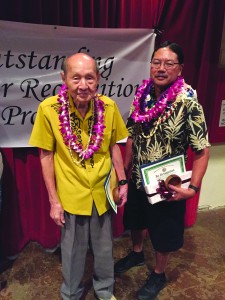
Harry Ho, 99, of Pa¯lolo Seniors and Wendell Ogitani, 64, of Pearl City Seniors.
Dec. 4th, the Department of Parks and Recreation’s annual “Outstanding Senior Recognition
Program” is an event that Generations Magazine loves to attend. That’s where the outstanding seniors from their various programs throughout O‘ahu are introduced, as well as the District Council Executive Board. Everyone in attendance has a conscious appreciation of what the City & County, Department of Parks and Recreation senior program does for them. GM also receives recognition for their support of O‘ahu’s seniors.
The City facilities are not just a place to meet on a regular basis, but they offer educational, entertaining and energizing programs, as well as excursions around the island. Many groups have weekly meetings with guest speakers and a board of directors. Their meetings bring the community together, provide a sense of belonging, and create opportunities to continue an active lifestyle.
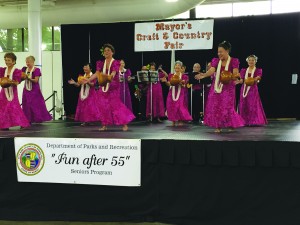
Crafts and goodies abound at the county fair.
Annual Mayor’s Craft and Country Fair
2015 was the 41st year of the “Mayor’s Craft and Country Fair”. This annual event provides an opportunity for the Department of Parks and Recreation’s senior citizens clubs and partnering agencies to sell their handmade one-of-a-kind craft items, jams, jellies, cookies and pickled vegetables. The seniors are very talented, and the variety of creations was perfect for gift giving. Even Generations Magazine staff couldn’t resist buying beautiful yarn lei and pottery to give their partners at future events.
Dancers from the Na¯ Ku¯puna o Ko‘olau
Profits made from the handicrafts help to support the participating clubs with functions throughout the year. The fair also featured information from vendors of various senior services, entertainment, demonstrations, a cooking contest, as well as a health and fitness expo.
For information regarding clubs and recreation activities for adults over 55 years old, please call the Makua Ali‘i Center at 808-973-7258.
Stories for and about seniors and their caregivers are always worth sharing, like a 100 birthday announcement, send it to me, Sherry Goya, with a photo. 808-722-8487 | SGoyaLLC@aol.com
Two great events drew crowds to downtown Honolulu and Percy and I were happy we were able to get in on the fun. Dec. 4th, the Department of Parks and Recreation’s annual “Outstanding Senior Recognition Program” is an event that Generations Magazine loves to attend. That’s where the outstanding seniors from their various programs throughout…

 Pets are great at any age. Do you remember your first pet and learning how to care for Spot or Fluffy? It doesn’t take much time and effort to keep a mature pet. The love, attention and companionship they give seems so much more than the protection, food and exercise we offer.
 Need more encouragement? Just look at this cute dog who was up for adoption in January. We missed the chance to give him a home then — but the pet of your dreams may be waiting for you right now at your local Humane Society.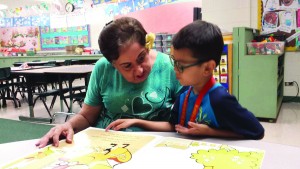
 MIGUEL GONZALEZ, President, Catalyst Factor Agency Public Relations, is a former newspaper
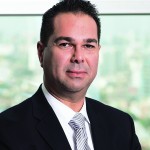 SANTIAGO RIVERA, Chief Operating Officer, Interim Healthcare Honolulu, is an innovative
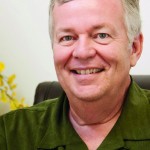 JEFFREY SISEMOORE, JD is Director of Planned Giving and Major Gifts for the National
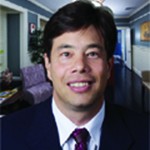 STEPHEN B. YIM, JD, LLM is a sole practitioner tax attorney specializing in elder law and
 ALAN MATSUSHIMA, Enagic ™ Ionized Water Consultant, developed a keen interest in
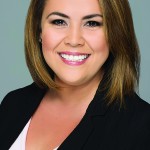 MAILE KAWAMURA, Executive Director of the Arthritis Foundation Hawai‘i, is responsible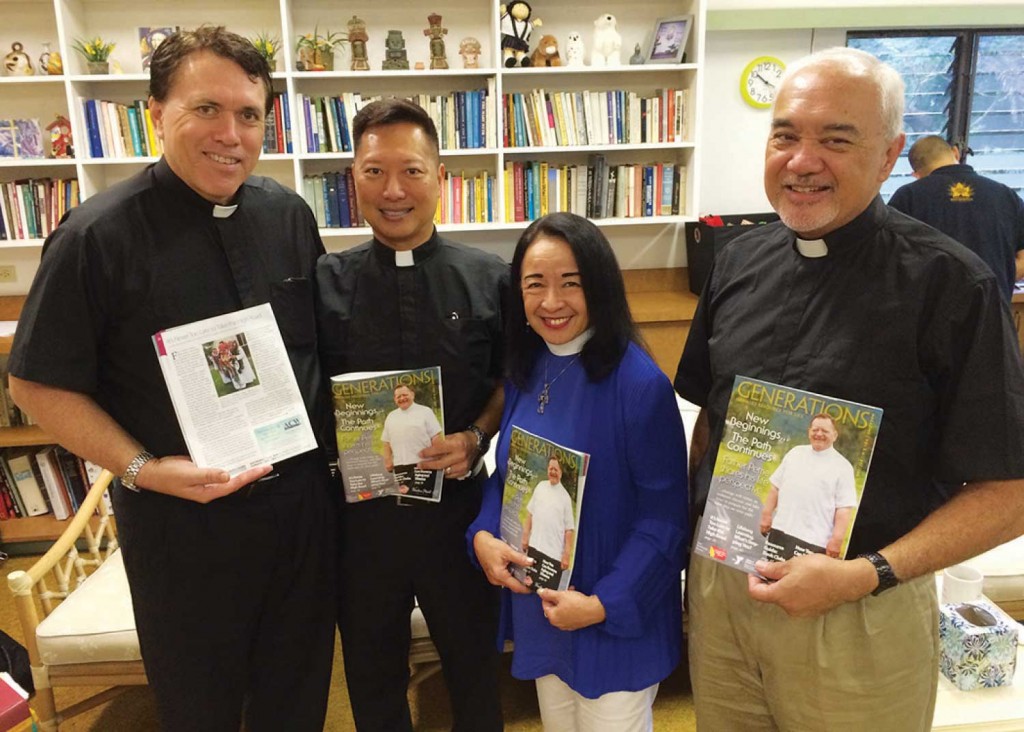


 Some say water is water.