Mediation and family conferencing help families talk through difficult issues and create plans to support their Kupuna.
“I’m so frustrated. I’m spending more and more time trying to help my mom and dad, and now I feel like I’m neglecting my own family. Of course my brother and sister are absolutely no help at all. I’m so angry at them. And my parents don’t even seem to understand that I’m trying to help them. They keep telling me they can take care of themselves. They can’t!”
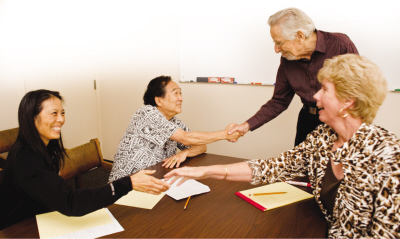 Comments like these are becoming all too familiar as family members struggle to support the needs of their aging parents while trying to juggle their own personal responsibilities. Emotions run high, patience grows thin and family relationships are torn apart, at times, permanently. Each family member has their own life, home, work and immediate family issues to contend with on a daily basis. When an elder family member suddenly needs support, families often react without considering all of the implications of their actions on individual family members, including the elder person.
Mediation and family conferences are processes designed to help families talk through issues and sort through emotions to create well thought out plans to support elder family members. With the assistance of an impartial third person, a mediator or facilitator, every family member has an opportunity to express their needs, perspectives, fears and concerns, before decisions are made. For example, the interest of the elder person to remain independent can be factored in with the children’s concerns about the elder family member’s safety. The importance of having every family member take an active role in developing the plan as well as implementing the plan to care for the needs of the elder member, are also addressed.
Facilitators and mediators are trained listeners who ask powerful questions that help families look at each situation from a broader perspective and gather information and resources to make thoughtful decisions and plans that support the elder family member. By talking through sensitive issues and creating family plans in mediation and family conferences, families strengthen communication, preserve their relationships and maintain the dignity of the elder family member.
The next time you hear “my siblings just aren’t helping me to support mom and dad,” suggest mediation or family conferencing. It’s a cost effective approach to helping families have powerful conversations and prevent potential conflicts
from escalating.
Tracey S. Wiltgen is the Executive Director of the Mediation Center of the Pacific, a not-for-profit corporation that assists more than 5,000 people annually.
The Mediation Center of the Pacific, Inc.
245 N. Kukui Street, Suite 206, Honolulu, HI 96817
Tel: 521-6767 Fax: 538-1454 www.mediatehawaii.org

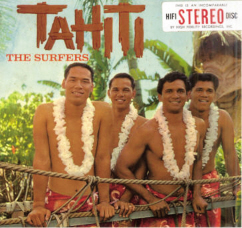 In 1957, brothers Al and Clayton Naluai attended Glendale Junior College in California where they befriended two other Native Hawaiians, Bernie Ching and Pat Sylva. They started to compile Hawaiian tunes together for the choir director and came up with a signature harmonizing style. They did concerts up and down the West Coast. While singing in a backyard luau, a friend tape recorded them for fun. One thing led to another and they were discovered by Hi Fi Records. The group was named “The Surfers,” and they cut their first album, “The Surfers on the Rocks.” It became a local best seller.
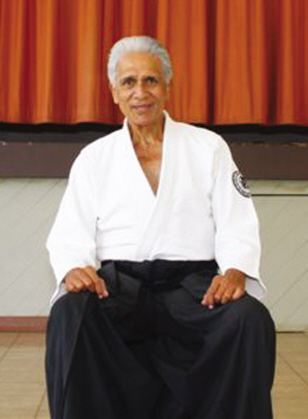 Fifty years later, Clayton is a 6th Dan Black Belt and a founder of Lokahi Ki Society, where he serves as its senior advisor. He has dedicated his life to creating programs for people to experience the power they naturally have through unification of mind and body.
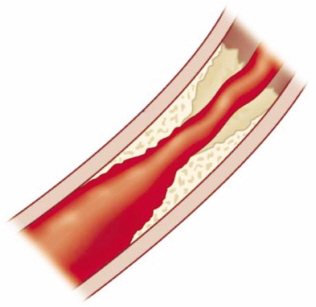 Cholesterol is a type of fat which occurs naturally in the body. It has both good and bad effects on the body. The body uses cholesterol to make hormones and to build and maintain nerve cells. However, when the body has too much cholesterol deposits of fat called plaques form inside blood vessel walls. The blood vessel walls thicken and the vessels become narrower. This change in the blood vessels reduces blood flow through the blood vessels contributing to heart attacks and strokes.