I am headed off this summer to a place I’ve never been before, with people I’ve never met before, and I couldn’t be more excited.
Linda and I were asked to host a tour group to Nova Scotia. There will be ferry rides, lobster and bus tours and lobster and hikes and lobster and … did I mention there will be lobster?
My point is this – we [meaning all of us of a certain age] tend to get set in our ways and avoid anything that even remotely resembles a radical change. I am as guilty of that as anyone. But when this opportunity presented itself, Linda and I looked at each other and asked, “If not us, who? And if not now, when?”
So, here we go …
We will use all our high-tech tools to stay in touch with the folks here at Generations Magazine and at KHON2. But we will also make a lot of time during our daily routine to learn more about the people around us – and about each other. Even though Mrs. Matthews and I have been married 27 years, I still learn something new about her almost every day. For example, she is a much better golfer than I am, which means we’ll be eating more lobster than golfing on our little trip to the Great White North. See you in the fall!
I am headed off this summer to a place I’ve never been before, with people I’ve never met before, and I couldn’t be more excited. Linda and I were asked to host a tour group to Nova Scotia. There will be ferry rides, lobster and bus tours and lobster and hikes and lobster and ……
The Department of Parks and Recreation Adult / Seniors Program strives to improve the quality of life for seniors 55 years and older in the community. Many of the city’s parks offer a range of activities for recreation, wellness and leisure time with friends and family. Class fees vary from site to site.
The department also has 38 social clubs on O‘ahu. Clubs members plan out their own activities, which may include community service projects, excursions, guest speakers, crafts, games, luncheons, etc.
To join the fun, locate a class or club near you. Please call: Makua Ali‘i Senior Center, 973-7258; or Randy Yasuhara, 768-3045.
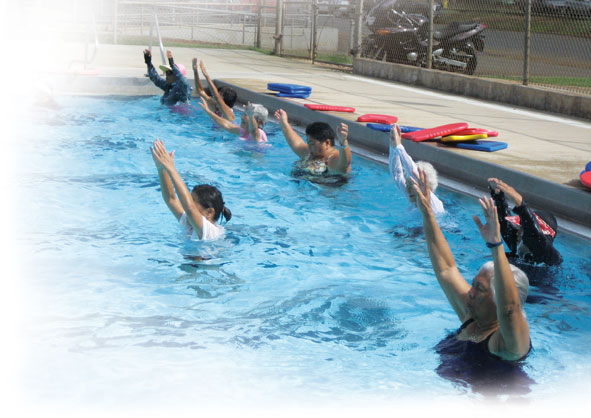
Adult Water Aerobics
The Adult Water Aerobics class at Waipahu District Park Swimming Pool will keep you active and fit. To participate in this class, please call Waipahu Swimming Pool Manager Sunny Leutu at 671-7911.
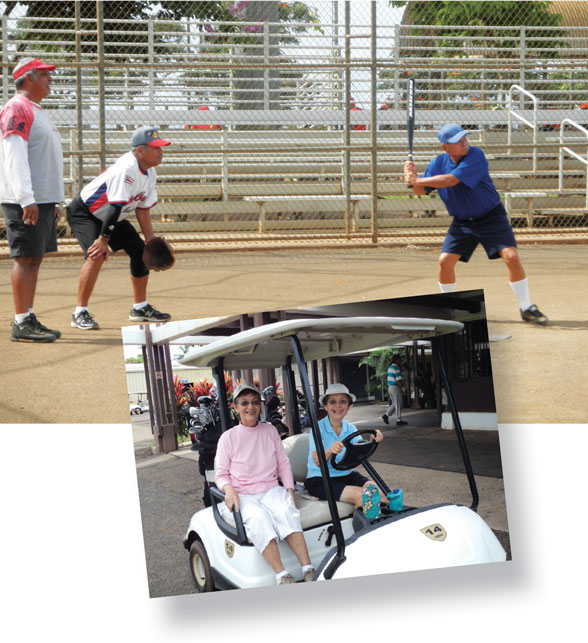
Senior Golf Program
Prepare to have a great day golfing in the Parks and Recreation’s Senior Golf Program with Jane Nakanishi and Michiko Hori. The club plays every other month at various municipal golf courses. For a great game of golf, please call Randy Yasuhara at 768-3045.
Senior Softball
Improve your pitch with the help of umpire Bill Andrade, catcher Les Lunasco and batter Gerald Ching. The Parks and Recreation’s senior softball league plays Wednesday mornings at Patsy T. Mink Central O‘ahu Regional Park (CORP) softball fields. For league info, please call the Makua Ali‘i Senior Center at 973-7258.
Zumba Gold
Zumba Gold instructor Lynn Ramirez leads Sharon Akiyama, Mildred Tomita and Becky Nakasone through a fun and vigorous workout in Waipahu District Park’s Zumba Gold class. For more class information, please call Waipahu District Park Program Director Jo-Ann Yatogo at 675-7129.
The Department of Parks and Recreation Adult / Seniors Program strives to improve the quality of life for seniors 55 years and older in the community. Many of the city’s parks offer a range of activities for recreation, wellness and leisure time with friends and family. Class fees vary from site to site. The department also has…
Wouldn’t it be so easy if you knew right away who was going to take advantage of you? Sadly this is not the case, and con artists have perfected the art of scamming for generations.
We can protect our friends and family by knowing our consumer rights. If someone comes knocking on your door to sell you a product or service; here are some easy-to-remember tips to help “knock out” scams in your neighborhood:
Don’t let the door-to-door sales person rush you into making a decision; ask for their contact and business information and let them know that you will check out their business with Hawai‘i’s Better Business Bureau (BBB).
Check if the business representative has all the necessary licensing that is required for the job or service performed. And, verify the license info and person with the Department of Commerce and Consumer Affairs (DCCA).
Get everything in writing; especially if they are offering you any special discounts, rebates, warranties or services outside of the standard contract or invoice.
A consumer purchasing a product at their home, may take advantage of the 3-day cooling off period for a refund following a sale if a cancellation notice is sent in writing within three (3) business days. The law does NOT apply if a buyer only calls to initiate the contract with the seller. Contact your BBB for more information about door-to-door sales practices or Federal Trade Commission’s (FTC) 3-day cooling off rule.
For more information about topics affecting marketplace trust, visit www.bbb.org.
Wouldn’t it be so easy if you knew right away who was going to take advantage of you? Sadly this is not the case, and con artists have perfected the art of scamming for generations. We can protect our friends and family by knowing our consumer rights. If someone comes knocking on your door to…
“We believe that the future of HUOA is dependent upon our youth.” — Jane Serikaku
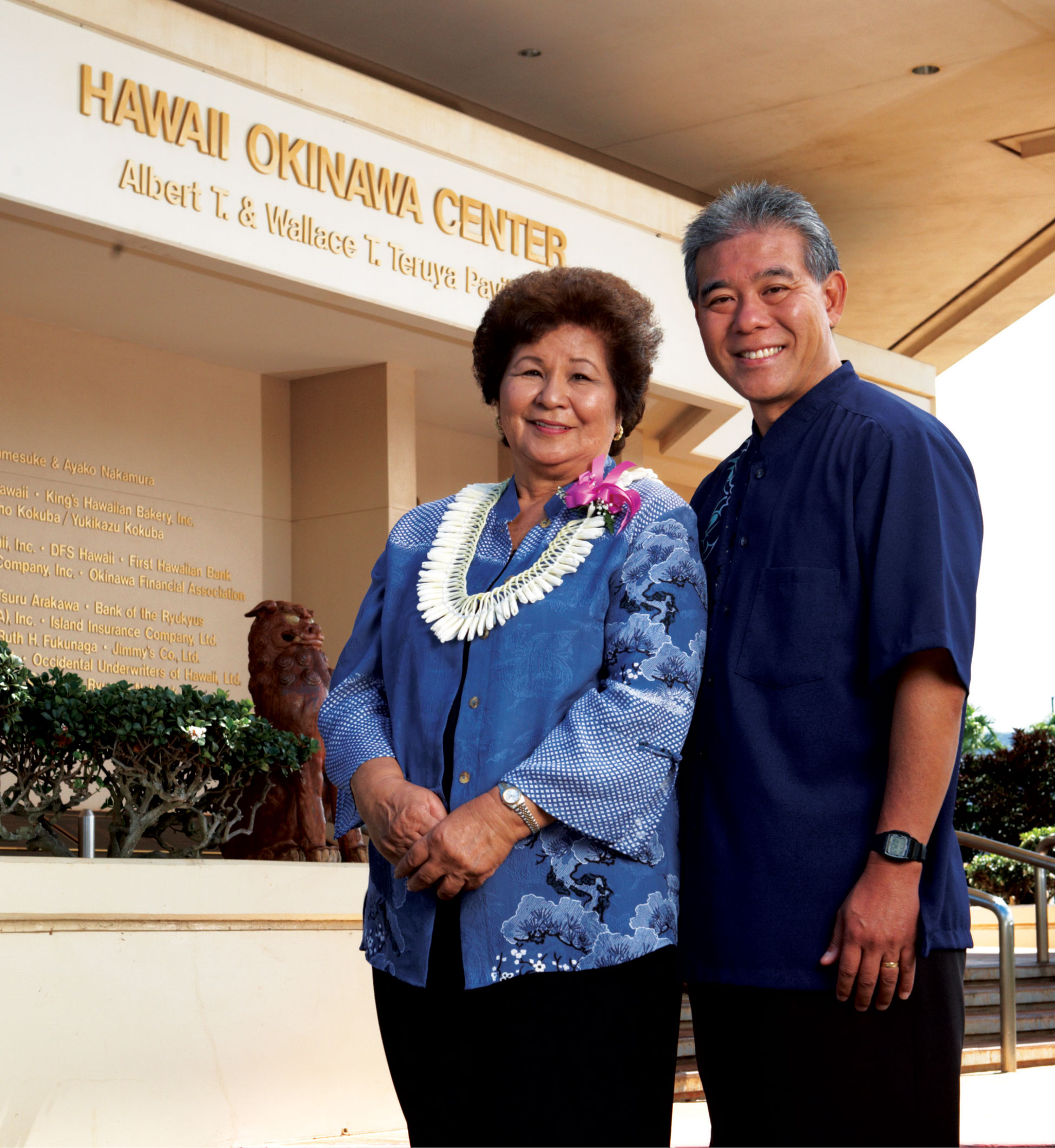
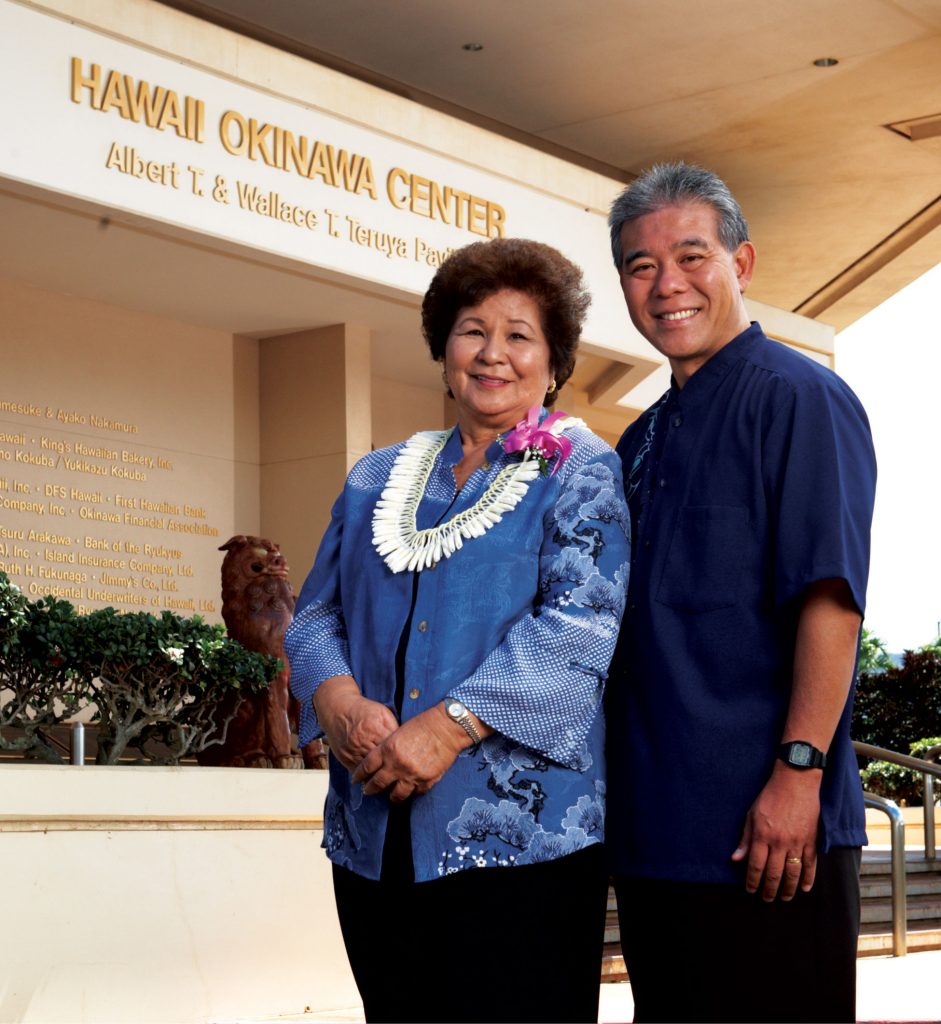
Jane Serikaku, HUOA Executive Director Norman Nakasone, HUOA President
When we first meet someone new in Hawai‘i, we often ask, “Where you wen’ grad?”, as it gives us an idea of where they grew up and a lot of times we know someone in common.
Likewise, Okinawans ask, “Are you Uchinanchu”? If yes, then the next question is, “What club do you belong to?”
Today, there are 49 active Okinawan clubs that make up The Hawai‘i United Okinawa Association (HUOA), a non-profit organization whose mission is to promote, perpetuate and preserve Okinawan culture. Its combined membership exceeds 40,000 people. The club to which someone belongs is often based on from which Okinawan city, town or village his/her family originated. Okinawan immigrants who settled in Hawai‘i recreated their village communities using names like shi (city), cho (town), son (village) and aza (ward/neighborhood). Today the clubs are known more by Shijinkai, Chojinkai, Sonjinkai and Azajinkai. The term jinkai literally means “peoples club or organization.”
Okinawans started immigrating to Hawai‘i in 1899. The then governor, Shigeru Narahara, allowed civil rights leader Kyuzo Toyama to recruit 26 men to work on Hawai‘i’s ‘Ewa plantations.
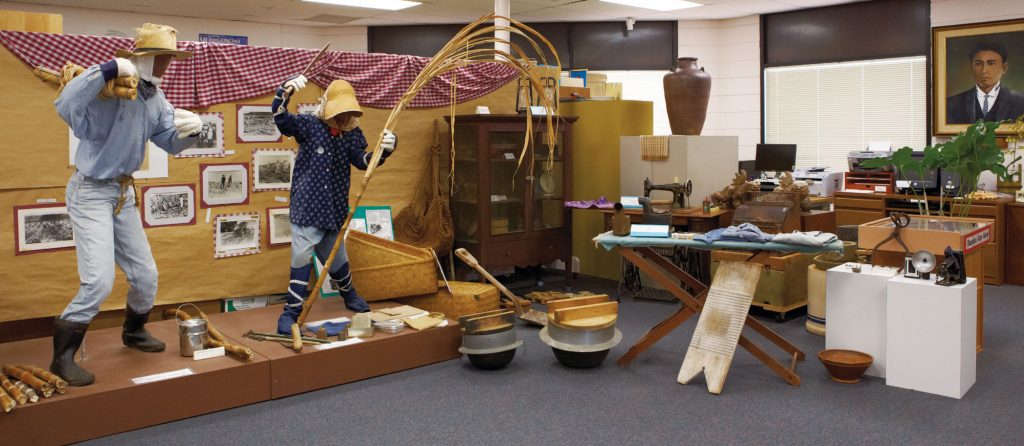
From 1900 –1907, open immigration brought thousands of workers who were hoping for a better life to the plantations. Plantation work was hard and demeaning — 10-hour days, 6 days a week under the brutal sun. Okinawans also endured double discrimination from both the local population and their fellow Japanese workers who treated them as second-class citizens. At the peak, some 1,700 Okinawan immigrants had settled in Hawai‘i.
The Hawai‘i Okinawa Center (HOC) Gallery is situated at the Yeiko and Kameko Higa Building at the HOC. Visitors and researchers are welcomed to browse at the displays of traditional Okinawan crafts: lacquer ware, pottery, doll-making and unique fabrics; as well as artifacts from the early-immigrant plantation days, and a collection of rocks bearing names of cities, towns and villages in Okinawa from where they were sent. Resource and reference materials, written in Japanese and English, are also available for use at the gallery. For information, call 676-5400 or visit online at huoa.org.
Chimu’ubii, or remembrance, is an important value within the Okinawan community. With each passing decade, the paths on which Okinawans in Hawai‘i traveled become increasingly distant. The homeland and villages are far away. And many customs and traditions have faded. Yet, these are the cultural traits that helped the Okinawan’s adopt Hawai‘i as home, assimi-late to American society and provide for their families. Hawai‘i’s vibrant Okinawan clubs play an important role in preserving Okinawan culture and its unique attributes.
In 1951, the clubs united to form the Hawai‘i Okinawa-Jin Rengo-Kai (United Okinawan Association of Hawai‘i) in order to provide relief for Okinawa after WWII. Through this local community effort, HUOA (name changed in 1995) became a major partner in the local Okinawan community. It focused on improvements in agriculture, public health, medical services, education and leadership training.
Nearly 30 years later, the HUOA built the Hawai‘i Okinawa Center in honor of its hard-working Issei (first generation forefathers), who persevered for the sake of future generations. The Center perpetuates the “Uchinanchu spirit.” It hosts regular performing art events and various cultural classes. But perhaps most importantly, it provides children and young adults opportunities to learn about their culture and to be part of the Okinawan community.
“We believe that the future of HUOA is dependent upon our youth,” says Jane Serikaku, HUOA Executive Director. As a retired educator of 30 years, she wanted to give young adults the chance to become totally immersed in the Okinawan culture, history and its people. As such, she created a Young Leadership Study Tour to Okinawa, which was patterned after the 1980 Leadership Tour offered by the Okinawan Government. Many participants returned excited and became leaders of their own club and/or became leaders of HUOA.
Jane has also been the HUOA coordinator for the Okinawa-Hawai‘i High School Student Exchange program for the past 21 years. “In the Exchange Program, 25 Okinawan students arrive in Hawai‘i in March and experience a two-week home stay with families and attend school with our students,” Jane explains. “In exchange, our Hawai‘i students engage in a two-week home stay experience in Okinawa in June.”
As a nonprofit, the Hawai‘i Okinawa Center has a very small staff. Its activities, events and services are mostly supported by volunteers.“We are extremely appreciative of the many volunteers who spend their days at our Center working to keep our Takakura Garden and Issei Garden well manicured and beautiful,” Jane says.
She notes that additional volunteers maintain the library of treasured books, offer translation services, help with family history research, assist in the office or fundraise at craft fairs. “We hope that this love for the Hawai‘i Okinawa Center will continue in the years to come,” Jane says, “and that more people will volunteer to take good care of their ‘home away from home.’”
In the near future, the HUOA is looking to expand. “We have our eyes set on the land just across the street,” Jane says. “We’d like to build a Hawai‘i Okinawa Plaza as a means of financially supporting the Hawai‘i Okinawa Center for future generations.”
Special thanks HUOA member club Hui O Laulima for use of its book, Chimugukuru, as reference source for this article.
The Local Okinawa Families That Built Hawai‘i
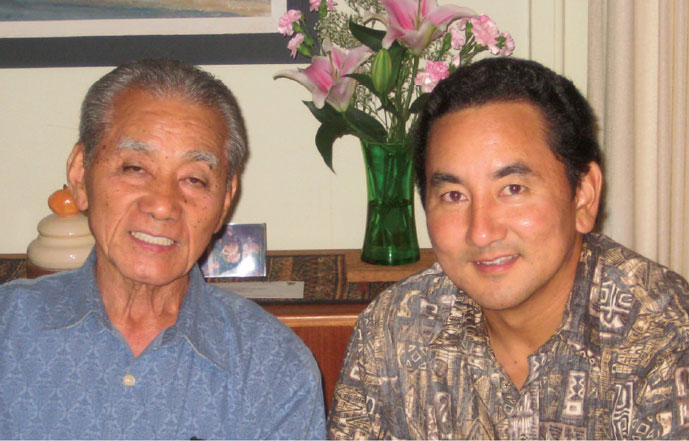
Herbert Shimabukuro and son Chris
From Kaua‘i to the Court House
Choyu Shimabukuro grew up in Haneji, Okinawa, an area outside of Nago. He later immigrated to Wahiawa¯, Kaua‘i. Choyu, which means long courage, passed on the Okinawan values of hard work to his son Herbert. As such, Herbert moved to O‘ahu and attended Farrington High School and The University of Hawai‘i. He later attended law school at George Washington University in Washington D.C. His career in law and as a judge spanned some 40-plus years.
Herbert’s belonged to the Haneji Club for more than 50 years. He served as President for one year in 1987 and then for a second term from 2001-2010. Over the years, the club has offered Herbert and his family wonderful fellowship.
His son, Chris, has fond memories of attending many of the club’s activities, including the Annual Picnic, volunteering at the Okinawan festival, and playing on softball and volleyball leagues. Chris says that he appreciates how the club has given him a sense of identity.
Chris is now a Vice President of the HUOA and has chaired the organization’s homeless Community Outreach Picnic and co-chaired the Aloha Aina Earth Day recycling event. He is also the Development Director at ‘Iolani School, one of the finest private institutions in the nation.
Cyrus Tamashiro and his mother Louise
From Hilo to Kalihi
In 1941, immigrants Chogen and Yoshiko Tamashiro opened the first Tamashiro Market in Hilo, Hawai‘i. It was a small store specializing in fresh pork from livestock farmed by the Tamashiro family. On April 1, 1946, a tsunami struck and demolished most of Hilo’s business district, including the family’s store. Chogen move the business to O‘ahu to its current location on North King Street.
The Tamashiro’s older son, Walter Hajime, took over the operation in 1954. He built the business by specializing in seafood. He started with a few pieces of ‘opelu, then a whole aku (skipjack tuna). The few pieces of fish grew to tubs of fish, larger fish and dozens of varieties. Brother Johnny Tamashiro and brother-in-law Larry Konishi joined Walter in 1962, and together they expanded the Market’s reputation as the home of the finest seafood. In fact, Tamashiro Market was one of the first retailers to sell poke on a large scale and has offered more than 30 preparations since the 1970s. Today, Walter’s sons Cyrus, Guy and Sean continue the family business.
The Tamashiro family has been involved with their Okinawan Nago Club many years, as well as fundraising of the Okinawan Cultural Center. In 2012, Cyrus will become the President of the Hawai‘i United Okinawan Association.
Goro Arakawa and son David
Arakawa Store
In 1904, Goro Arakawa was one of the earliest plantation workers’ to work on Hawai‘i’s Ewa plain. During The Great Strike of 1909, he empathized with the workers demands for higher wages and better standard of living. To help the community, he partnered with Mr. Tamanaha to open the Arakawa Store in 1912.
Goro was one of 9 children—5 boys and 4 girls—who worked at the family store. Goro was chosen to attend New York University to study retailing and marketing. Seeing that his siblings worked long, hard hours at the store, he was pressed to study hard for the family. When Goro returned to Hawai‘i, he made the Arakawa Store one of the first retailers to accept credit cards in the state of Hawai‘i.
In the late 1980s, Goro became involved with the Hawai‘i United Okinawan Association when the Arakawa family was approached about fundraising for the Okinawan Cultural Center.
Goro was also the spark plug for the founding of the Waipahu Plantation Village, an outdoor replica of a Hawai‘i sugar plantation village.
Goro’s son, David, carries on the family Okinawan tradition of giving back to the community. As a past HUOA President and former Prosecuting Attorney, David is now the President of the United Japanese Society of Hawai‘i, the umbrella of all the Japanese associations.
Cover & Feature Story Photography by Brian Suda “We believe that the future of HUOA is dependent upon our youth.” — Jane Serikaku When we first meet someone new in Hawai‘i, we often ask, “Where you wen’ grad?”, as it gives us an idea of where they grew up and a lot of times we know…
It’s been three years since Social Security’s Retirement Estimator went online. Within months of coming out, the online application was praised as one of the highest-rated online services, and it has consistently remained so every year.
Results from the American Customer Satisfaction Index show Social Security’s online Retirement Estimator in one of the top two spots, with a score of 90. (Social Security’s online benefit application took the top spot.) The Retirement Estimator ranks higher than the Web sites of any other public and private sector agencies and companies, including the likes of Netflix and Amazon.
Now that Social Security’s most popular online application is available in Spanish at www.segurosocial.gov/calculador, even more people can use the Retirement Estimator.
The Retirement Estimator is a convenient, secure and quick financial planning tool that lets workers calculate how much they might expect to receive in Social Security benefits when they retire. The attractive feature of this calculator is that it uses your earnings information on file at Social Security, without displaying your personal information. So you get an instant, personalized estimate of your future retirement benefits.
The Estimator even gives you the opportunity to run different scenarios and “what if” situations. For example, you can change the date you expect to retire or change expected future earnings to create and compare different retirement options. This can help you as you plan ahead.
To use the Retirement Estimator, you must have enough Social Security credits to qualify for benefits and you cannot be receiving benefits currently.
Experience the best online service now by visiting Social Security’s Retirement Estimator at www.socialsecurity.gov/estimator. Then, once you’ve sketched out your retirement plans, you’ll know where to go when the time comes to apply for benefits: online at www.socialsecurity.gov.
RETIREMENT
Q: What is a Social Security “credit?”
A: During your working years, earnings covered by Social Security are posted to your record. You earn Social Security credits based on those earnings. The amount of earnings needed for one credit rises as average earnings levels rise. In 2011, you receive one credit for each $1,120 of earnings. You can earn up to a maximum of four credits a year. Most people will need a minimum of 40 credits (or 10 years of work) to be eligible for retirement benefits. Learn more by reading the online publication How You Earn Credits at www.socialsecurity.gov/pubs/10072.html.
Q: What’s so easy about applying online for benefits?
A: There’s no need to go to a local Social Security office or wait for an appointment. You can apply in less than 15 minutes. Once you submit your electronic application, you’re done. In most cases, there are no forms to sign or documents to mail. Try it at www.socialsecurity.gov.
Q: What is the earliest age that I can begin receiving retirement benefits?
A: You can get a reduced benefit as early as age 62. Keep in mind that your monthly benefit amount will be about 33 percent higher if you wait until age 66 and nearly 80 percent higher if you defer payments until age 70. Find out how much you can expect to receive by visiting our Retirement Estimator at www.socialsecurity.gov/estimator.
MEDICARE
Q: Who is eligible for ‘Extra Help’ with Medicare prescription drug costs?
A: Medicare beneficiaries with limited income and resources may qualify for ‘Extra Help.’ The extra help can save you money. It pays part of the monthly premiums, annual deductibles and prescription co-payments under the new Medicare prescription drug program. The extra help is estimated to be worth an average of $4,000 per year. See if you qualify and apply online at www.socialsecurity.gov/prescriptionhelp.
It’s been three years since Social Security’s Retirement Estimator went online. Within months of coming out, the online application was praised as one of the highest-rated online services, and it has consistently remained so every year. Results from the American Customer Satisfaction Index show Social Security’s online Retirement Estimator in one of the top two…
Are you dreaming of a leisurely retirement enjoying a second cup of morning coffee, or is a sunrise round of golf more your speed? Either way, know the facts so you can guide your retirement dreams to reality.
Historically the road to retirement hasn’t been smooth for women. In fact, the Social Security Administration (SSA) reports that 17 percent of all elderly, single women live in poverty. By recognizing the following myths for what they are, you can take control of your financial future.
Myth #1 — Social Security will take care of me in retirement.
The reality is that Social Security income probably won’t be enough. At the start of 2011, the average monthly retirement benefit reported was $1,177. Plus, women’s benefits were almost a third lower than men’s. Not only do women earn less than men, they also take more time away from work than men (U.S. Department of Labor). Add the uncertain future of Social Security to these statistics, and you can see why it’s important to plan for additional income sources.
A benefits estimator is available online at the Social Security Administration’s Web site at www.ssa.gov. Use it to get an estimate of future benefits depending on when you plan to retire.
Myth #2 — I won’t need nearly as much to live on when I retire.
The assumption sounds reasonable when you consider the costs associated with raising children and commuting to work each day. On the other hand, if you want to spend your leisure time traveling, it will come with a cost. It’s probably safe to assume that you’ll have higher health care costs — and potentially long-term care costs — in your later years, as well.
As a rule of thumb, you’ll need 60 to 80 percent of your current income in retirement (adjusted for inflation) to maintain your current lifestyle. Of course, it depends on how you plan to spend your time once you’ve retired.
Myth #3 — My 401(k) contributions will fund my retirement without my involvement.
It’s true that a 401(k) is a smart way to save for retirement with pre-tax dollars. Since many employers offer a matching feature, you may have an opportunity for instant return on your invested dollars.
The good news is that many women are contributing to their employer-sponsored plans. SSA data suggests that in 2008, 51 percent of women employed full-time participated in their plan through work.
However, you shouldn’t sit back and let the plan manage itself. Instead, taking an active role in your investment selection can maximize benefits. If you have several years until retirement, choosing too conservative of investments may cause you to fall short. On the other hand, if retirement is approaching, you may need to move aggressive investments to the more conservative side. Remember to review your choices regularly to make sure your investment selection is still in line with your goals.
If these decisions seem daunting, you don’t have to make them alone. Establish a relationship with professionals who can help you at critical times. Face your unique financial challenges with reality and eager anticipation of your retirement dream.
For more information, please contact Michael W. Yee at (808) 952-1240.
Are you dreaming of a leisurely retirement enjoying a second cup of morning coffee, or is a sunrise round of golf more your speed? Either way, know the facts so you can guide your retirement dreams to reality. Historically the road to retirement hasn’t been smooth for women. In fact, the Social Security Administration (SSA)…
Arthritis is inflammation of one or more joints. Osteoarthritis is the commonest form of arthritis. It is also known as degenerative joint disease. According to the Arthritis Foundation, this chronic disease affects more than 27 million Americans. More than half the seniors over age 65 have evidence of osteoarthritis. Osteoarthritis occurs when the joint cartilage breaks down over time. It most commonly affects joints of the hands, hips, knees, lower back and neck.
Risk factors for osteoarthritis
Previous joint injuries
Older age
Female gender
Bone deformities
Occupations with repetitive stress on a particular joint
Common symptoms of arthritis
Joint pain
Joint stiffness
Swelling
Loss of flexibility
Grating sensation
How is osteoarthritis diagnosed?
X-ray imaging of affected joints may reveal narrowing of the joint space, which indicates that the cartilage is worn out. Bone spurs may be seen around the joint.
What lifestyle modifications are recommended?
Maintaining function and preventing disability is key to living well with arthritis. Exercise is important to preserve joint function and improve flexibility. Yoga and Tai Chi offer gentle exercises that help balance, posture and flexibility. Physical therapy is useful to strengthen the muscles around the joints and increase range of motion. Weight loss is recommended for persons who are overweight as it reduces the stress on weight bearing joints. Assistive devices such as canes or walkers prevent falls.
How is osteoarthritis treated?
There is no cure for osteoarthritis. Tylenol, Ibuprofen and other pain relievers reduce joint pain and maintain joint movement. For severe pain narcotics are often prescribed. Injections of steroid or hyaluronic acid into the joint may provide pain relief for longer periods. Studies on glucosamine and chondroitin have show mixed results. Both heat and cold packs can relieve pain in the joints. There are many over-the-counter creams for temporary relief of arthritis pain.
When is surgery needed?
Sometimes joint pain is so severe that it affects a person’s daily activities. Joint replacement is considered as a treatment when severe joint pain or dysfunction is not relieved by less invasive therapies. Joint replacement surgery involves removing the damaged surfaces of the joints and replacing them with metal prosthesis. The surgery is usually done by an orthopedic surgeon. Hip and knee joints are the commonly replaced joints and can last for 15 to 20 years depending upon use. Following joint replacement surgery, seniors are able to enjoy an active, pain-free lifestyle.
Arthritis is inflammation of one or more joints. Osteoarthritis is the commonest form of arthritis. It is also known as degenerative joint disease. According to the Arthritis Foundation, this chronic disease affects more than 27 million Americans. More than half the seniors over age 65 have evidence of osteoarthritis. Osteoarthritis occurs when the joint cartilage…
Each year thousands of caring individuals use the Charitable Gift Annuity to secure a lifetime income and provide critical financial support for Salvation Army programs and services in their communities. This time-tested technique has resulted in many gifts that otherwise might not have been made.
What is a Charitable Gift Annuity?
The name says it all. It’s both a charitable gift and an annuity — a secure promise of lifetime income. When you establish a Charitable Gift Annuity you do not sacrifice income from your gift asset. In fact, you may very well be able to increase your income. Your payments will be fixed for life and will not be affected by changes in the stock market.
A Lifetime Income and a Life-Changing Gift
Popular and flexible, the Charitable Gift Annuity is a simple contract between you and The Salvation Army promising fixed payments for life at an attractive rate based on the ages of up to two annuitants. For example, our annuity rates range from 5.7% if you are 65 to 10.50% if you are 90 or older. Your income can begin immediately or be deferred to a later time, such as retirement. You can also fund the annuity with cash or other property, such as appreciated stock or real estate.
But the benefits of a Charitable Gift Annuity do not end with attractive rates.
Your gift can qualify for major tax benefits.
You will receive an immediate income tax deduction in the year of your gift.
A portion of your annuity payments will be tax-free.
And if you fund your Charitable Gift Annuity with appreciated assets, any reportable capital gain will be significantly reduced and spread out over your lifetime.
Finally, your gift will serve as a personal statement of your commitment to the men, women and children in your community. We will use the gift portion of your Charitable Gift Annuity to support life-changing programs and services.
Ana secured a Charitable Gift Annuity because of what she witnessed. She saw her neighbor Renee high on drugs almost on a daily basis. Ana was worried and concerned, but never said a word. Later, she saw Renee again — clean, employed and with a bright future. Ana asked Renee’s mother what happened. “We have our daughter back!” cried Renee’s mom. “The Salvation Army turned her life around and now she has a purpose for living.”
Ana was so touched; she wanted to help other “Renees” turn their lives around. Upon contacting The Salvation Army, Ana learned she could fulfill her wish to help other young women, and increase her retirement income at the same time.
It’s nice to know you can make a difference in the lives of others while also making a difference in your own.
If you’d like to learn more about the Charitable Gift Annuity, please call Ellen Kazama at The Salvation Army at 440-1862 or 1-877-840-1862 (Neighbor Islands toll-free).
Each year thousands of caring individuals use the Charitable Gift Annuity to secure a lifetime income and provide critical financial support for Salvation Army programs and services in their communities. This time-tested technique has resulted in many gifts that otherwise might not have been made. What is a Charitable Gift Annuity? The name says it…
Long before the phrase “evidence based” became a buzzword, Child & Family Service (CFS) was providing award-winning evidence-based services. Founded in 1980, the Honolulu Gerontology Program, as it was then known, was incorporated into Child & Family Service in 1985. The following year the program received both the Department of Human Service’s Secretary’s Award for Excellence in Health Promotion and the Administration on Aging’s Project Health Award. In 1999, it received the Best Practice Award from the Health Promotion Institute of the National Council on Aging, and in 2002, CFS developed the No Fear of Falling program.
“The growing aging population and its increased life expectancy challenge service providers to develop and implement effective programs,” says Howard Garval, MSW, President and CEO of Child & Family Service. “We are proud of the evidence-based approaches we are using with seniors in our gerontology program.”
The CFS Gerontology Program offers Hawai‘i’s kupuna five national evidence-based programs:
The Wellness Services offers two forms of exercise tailored for seniors of different abilities. The Health Maintenance Program utilizes the Arthritis Foundation Exercise Program for seniors who have more limited movement, so that they can exercise comfortably yet make progress and even graduate to the next level of exercise. No Fear of Falling utilizes the EnhanceFitness® Program. Each class is followed by a half hour of education and socialization. Classes are held across O‘ahu in nine locations.
The Chronic Disease Self Management Program addresses the chronic health conditions many of our seniors face. This six-week class helps seniors learn how to manage chronic illnesses. The program, developed by Stanford University, has proven to reduce the number of hospitalizations and doctor visits, which can lead to medical cost savings. Individuals who participate in these groups feel more empowered to take charge of their lives. Classes are now being formed across O‘ahu.
The Case Management Services focus on seniors’ needs through Senior Case Management, and the REACH Program centers on seniors at risk for abuse. The national program Healthy IDEAS (Identifying Depression, Empowering Activities for Seniors) helps seniors overcome the effects of depression, a problem often noted in these groups.
The Caregiver Support Program encompasses ‘Ohana Care, Caregiver Respite, and Chore Service; together they cover case management, the Healthy IDEAS program and caregiver training. We have also brought the national program Powerful Tools for Caregivers to the Islands. It focuses on overwhelmed caregivers who do not take care of themselves. Classes will be scheduled across O‘ahu four times in the next 12 months.
CFS Gerontology Programs are funded primarily through funds from the City and County of Honolulu, . The services are free to individuals 60 and over, or to their unpaid family caregivers. For more information, please call 543-8468 or email cfsgerontology@cfs-hawaii.org.
Long before the phrase “evidence based” became a buzzword, Child & Family Service (CFS) was providing award-winning evidence-based services. Founded in 1980, the Honolulu Gerontology Program, as it was then known, was incorporated into Child & Family Service in 1985. The following year the program received both the Department of Human Service’s Secretary’s Award for…
In today’s economy, it seems that everything old is new again … albeit with a bit of a twist. Years ago, it was common for older couples – and frequently widows – to rent out rooms for extra income. Taking in boarders was a viable way to supplement income.
Well, the idea is back, with a bit of a twist. As Baby Boomers face the cold, hard facts of retirement, they are increasingly changing the definition of the term to include at least some form of work. While you may not be ready to hang out a shingle on the front gate, “Rooms for Rent,” you might consider becoming a landlord. In fact, the Wall Street Journal Online (June 19, 2011) writes that it may be just the ticket, especially given the uncertain prospects for stocks and bonds and the meager interest rates on savings accounts.
Think about it. It’s a buyer’s market now, so purchasing a multi-family home is more financially feasible. And, the trend toward the renter’s lifestyle is picking up steam. All this means you have a low cost of entry into a market that is expected to expand. Starting to make investment sense?
Sure, it’s a career of sorts, but you also need to think of it as an investment. Weigh everything in the short term, including start-up and maintenance costs, as well as the marketability of the location you’re considering. But then also keep your long-term goals in mind, including appreciation and eventual sale. Buying in a depressed market, after all, is only a steal if that market bounces back. Finally, don’t overlook the possible danger of having all your eggs in one basket since being a live-in landlord will unite your home, equity and employment, into one potentially risky asset.
Like any retirement move, don’t make this one too quickly. Discuss plans with a professional who can help you sort out the details, including how an investment rental property could affect your Social Security benefits. Remember, too, that this lifestyle may not suit you. In which case, you would be wise to explore other, more enjoyable options.
If becoming a landlord seems like an attractive alternative, just be aware of the legal details you will need to consider. Will the rental income be subject to state tax? (Hint: If the property is located in Hawai‘i, it will be subject to General Excise Tax, plus any other taxes applicable to Hawai‘i residents.) Might it make sense to hold the property in an entity for liability and creditor protection purposes? Are there ways to hold rental property that will make it easier to pass on to your descendants? Be sure to address these questions with your trusted advisors before you take the plunge.
In today’s economy, it seems that everything old is new again … albeit with a bit of a twist. Years ago, it was common for older couples – and frequently widows – to rent out rooms for extra income. Taking in boarders was a viable way to supplement income. Well, the idea is back, with…
Hugo Higa, M.D., of Aesthetic Vision Center, is a Lion. A proud member of the Kamehameha Lions Club, that is!
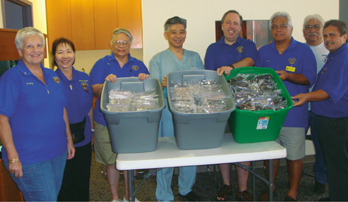
As a dual-trained Ophthalmologist and Oculoplastic Surgeon, Dr. Higa encourages everyone to participate in Lions Club International’s Recycle for Sight program by donating unwanted prescription and reading eyeglasses, or sunglasses, to one of his Aesthetic Vision Center offices in Honolulu or ‘Aiea. Simply drop off the glasses you don’t use in his “Recycle for Sight” Box. According to The World Health Organization, 153 million people have uncorrected vision impairments.
“ I urge everyone to donate old eyeglasses to the Lions Club’s Recycle for Sight Program.”
Most of them are quickly diagnosed and easy to treat with corrective lenses. Still, millions of people in developing nations are pushed deeper into poverty, simply because they don’t have glasses. For children, clear vision means a better education, healthier development and a better quality of life. For adults, it means greater employment opportunity and economic strength. For seniors, it means less dependence on others. Sunglasses that offer protection against harmful UVA/UVB rays are also important to preserve eye health.
It costs Lions less than 8-cents to provide a pair of recycled eyeglasses and change someone’s life. Lions Clubs collect millions of eyeglasses each year, making “Recycle for Sight” one of the its most popular and important activities.
“I’m very proud to be a Lion, and to be a part of all the great work they do,” said Dr. Higa. “Lions are best known for fighting blindness, but we also volunteer for many different kinds of community projects, including caring for the environment, feeding the hungry and aiding seniors and the disabled.”
The Lions Clubs International Foundation helps to fund Lions humanitarian projects. Its 45,000 clubs and 1.35 million members make it the world’s largest service club organization. Its also one of the most effective. Recently, for example, it:
Brought 3,000 volunteers together to build a playground for children of all abilities in California.
Fed 60,000 people in a township in South Africa.
Sent a team of eye surgeons to Honduras to treat more than 100 adults and children.
If you need your donation glasses to be picked up, please call Aesthetic Vision Center at (808) 947-2020.
To see the “Journey of a Pair of Eyeglasses” in the Lions program or for other information, please visit www.lionsclubs.org.
ABOUT AESTHETIC VISION CENTER
Hugo Higa, M.D. is a dual-trained Ophthalmologist and Oculoplastic Surgeon, performing medical and cosmetic procedures. Aesthetic Vision Center is Dr. Higa’s thriving practice offering Aging Eye Health & Vision services, Aging Eye Cosmetic Surgery, Cosmetic Facial Surgery, a Medi-Spa and the newly-opened Hugo Higa, M.D. Hearing Center.
Hugo Higa, M.D., of Aesthetic Vision Center, is a Lion. A proud member of the Kamehameha Lions Club, that is! As a dual-trained Ophthalmologist and Oculoplastic Surgeon, Dr. Higa encourages everyone to participate in Lions Club International’s Recycle for Sight program by donating unwanted prescription and reading eyeglasses, or sunglasses, to one of his Aesthetic…
Worrying about aging wasn’t a concern for anyone with AIDS in 1981, when the CDC reported the first five cases. In those days before any treatments were available, many who contracted the disease died within a few months.
Now, in 2011, older adults increasingly risk contracting HIV, and with 30 years of progress in research and treatment, most people with HIV/AIDS now live for many years after diagnosis and deal with aging concerns as well.
Older adults who are at risk of contracting HIV are those sexually active well into their 70s and 80s, and some use alcohol or drugs. Elders don’t worry about birth control, and often believe they won’t get sexually transmitted diseases, so they usually don’t take precautions to protect themselves from infection.
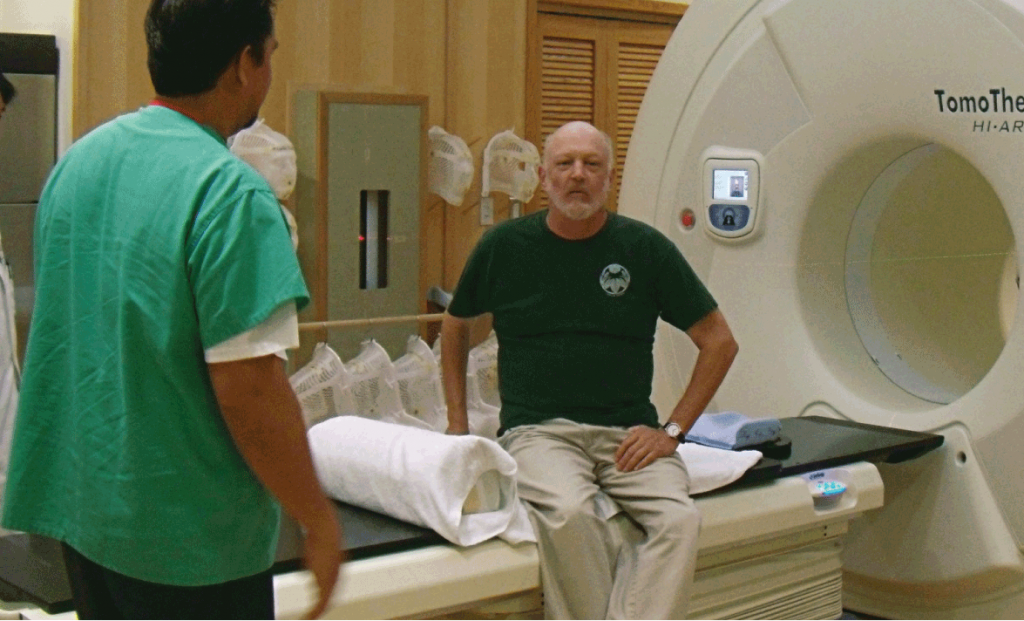
AIDS patients often experience health conditions common in older adults. Here, the author prepares for radiation treatment for throat cancer at Queen’s Medical Center.
HIV prevention messages are not targeted toward older adults, and many doctors don’t think (or are too embarrassed) to ask about sexual activity in their older patients.
The symptoms of HIV disease may appear differently in older adults, or may be mistaken for other age-related conditions, so detection and treatment are often delayed. While the majority of those with HIV/AIDS today are under age 50, the trend is clear: 30 years of AIDS requires greater awareness to protect older adults.
In Hawai‘i, more older adults, women and members of the Hawaiian and Asian-American communities are now contracting HIV than in the early years of the epidemic. The Life Foundation recently reported that a 60-year-old woman tested HIV-positive.
According to the U.S. Administration on Aging, in 2005, people over age 50 accounted for:
15 percent of new HIV/AIDS cases
24 percent of people living with HIV/AIDS
35 percent of all deaths of people with AIDS
These numbers are growing; more people now living with HIV/AIDS will experience health problems relating to both aging and HIV disease.
The Hawai‘i HIV/AIDS and Aging Coalition will bring greater public attention to this issue by observing National HIV/AIDS and Aging Awareness Day on September 18. The Coalition will also have a booth at the Blaisdell Senior Fair (Ewa Tabletop C) on September 23-25 to share information and resources with the community.
Worrying about aging wasn’t a concern for anyone with AIDS in 1981, when the CDC reported the first five cases. In those days before any treatments were available, many who contracted the disease died within a few months. Now, in 2011, older adults increasingly risk contracting HIV, and with 30 years of progress in research…

 I am headed off this summer to a place I’ve never been before, with people I’ve never met before, and I couldn’t be more excited.
 Adult Water Aerobics
 Senior Softball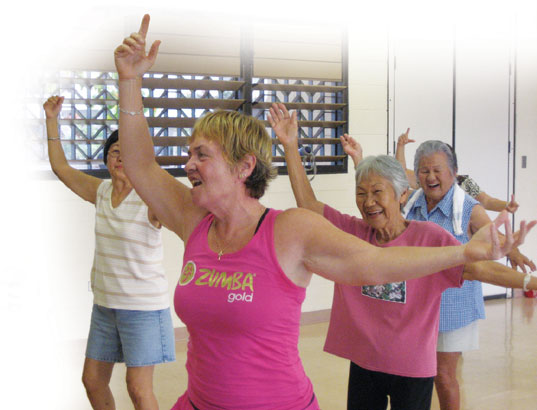

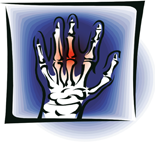 Arthritis is inflammation of one or more joints. Osteoarthritis is the commonest form of arthritis. It is also known as degenerative joint disease. According to the Arthritis Foundation, this chronic disease affects more than 27 million Americans. More than half the seniors over age 65 have evidence of osteoarthritis. Osteoarthritis occurs when the joint cartilage breaks down over time. It most commonly affects joints of the hands, hips, knees, lower back and neck.
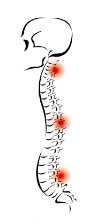 Common symptoms of arthritis
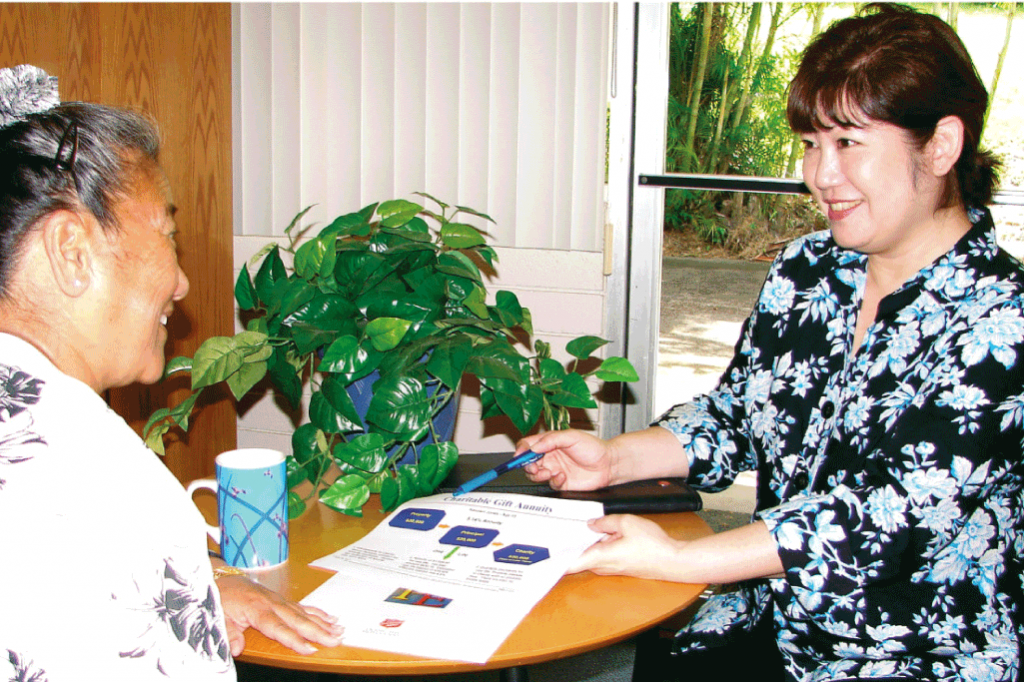 Each year thousands of caring individuals use the Charitable Gift Annuity to secure a lifetime income and provide critical financial support for Salvation Army programs and services in their communities. This time-tested technique has resulted in many gifts that otherwise might not have been made.
 Long before the phrase “evidence based” became a buzzword, Child & Family Service (CFS) was providing award-winning evidence-based services. Founded in 1980, the Honolulu Gerontology Program, as it was then known, was incorporated into Child & Family Service in 1985. The following year the program received both the Department of Human Service’s Secretary’s Award for Excellence in Health Promotion and the Administration on Aging’s Project Health Award. In 1999, it received the Best Practice Award from the Health Promotion Institute of the National Council on Aging, and in 2002, CFS developed the No Fear of Falling program.
 In today’s economy, it seems that everything old is new again … albeit with a bit of a twist. Years ago, it was common for older couples – and frequently widows – to rent out rooms for extra income. Taking in boarders was a viable way to supplement income.
 Most of them are quickly diagnosed and easy to treat with corrective lenses. Still, millions of people in developing nations are pushed deeper into poverty, simply because they don’t have glasses. For children, clear vision means a better education, healthier development and a better quality of life. For adults, it means greater employment opportunity and economic strength. For seniors, it means less dependence on others. Sunglasses that offer protection against harmful UVA/UVB rays are also important to preserve eye health.