
 As the years roll by, it is not always easy to keep perspective on the people who mean the most to us. Sometimes we forget to show the appreciation they are due.
But it is important to remember to express our love and honor our senior citizens while they are still here.
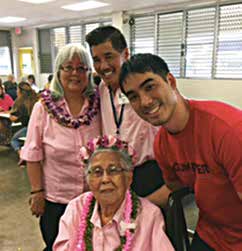
For example, one Sunday, a celebration honoring 98-yearold auntie Jane Chang drew an adoring crowd. Her favorite color is pink, so we all wore it. Her favorite foods are nishime, mochi and undagi, so that’s what we ate (among other things). Her favorite songs were sung and we shared testimonies about how she has touched our lives. We presented gifts to her — she was treated like a queen. Auntie Jane was touched, as well as her family and friends who joined in the special celebration.
If you asked a senior citizen how he or she feels about themselves, how would they respond?
A typical senior, myself included, since I’m 63, would probably say, “Oh, I’m just an old fossil!” During a recent Sunday message, I took this to the test by giving each senior in our fellowship a small mirror. I asked each one to look at themselves for one minute. Then I asked, “What did you see?” They answered, wrinkles, white hair, sags, bags, receding hairlines. We all noticed our aging — even the younger ones. Then I asked, “Is that how Papa God sees you?” I went on to explain that God sees us as a unique, precious, beautiful and amazing gift! He sees us as His masterpieces!
 As seniors, we often see our diminishing strength; our frailty. God wants us to see our beauty. So the next time you look into the mirror, don’t focus on your wrinkles, sags and bags.
Declare your truth. “I am beautiful. I am amazing. I am God’s masterpiece.” That’s the truth! Believe it and live it!
STREAMS OF LIFE FELLOWSHIP
Ma¯noa District Park
2721 Ka‘aipu Ave, Honolulu HI 96822
808-554-4513 | www.streamsoflife.org
Services: Sundays, 10 am
Alternative site: Ma¯noa Elementary School Cafeteria
3155 Manoa Rd, Honolulu, HI 96822
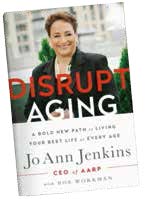 National bestseller Disrupt Aging: A Bold New Path to Living Your Best Life at Every Age by AARP CEO Jo Ann Jenkins is a book for anyone who wants to live a life of possibility, connection and growth.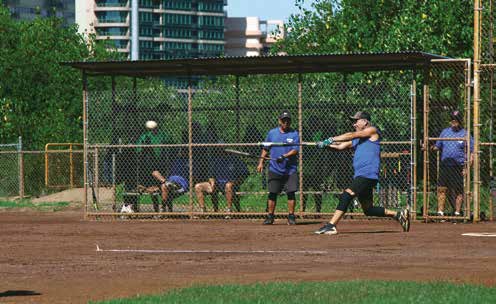
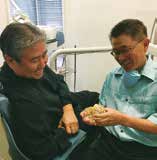 According Harvard Medical School, the need for dentures in later life used to be a foregone conclusion. But today, three-quarters of the over-65 population retain at least some of their teeth. Although older people still suffer higher rates of gum disease, dental decay and tooth loss, they can still do a lot to keep their mouth looking and feeling younger than its years.
 3. Dentures, of which there are generally two types: A partial denture will replace some missing teeth, supported by remaining teeth. A complete or full denture is used when the teeth on one arch or both arches are missing.
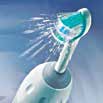 What can seniors do to retain healthy teeth?
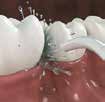 A water flosser, such as a Waterpik, is also a great device that seniors can use if the task becomes too difficult.
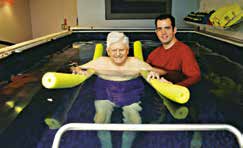 The virtual weightlessness of being in water reduces stress on joints, bones and muscles. Water resistance provides the strength training needed to decrease blood sugar levels. Aquatic exercise burns calories more efficiently. A 30-minute walk on land burns 135 calories compared to 264 calories walking in water.
 Our kidneys make up an important system in our bodies. They are responsible for many vital functions, such as removing wastes from our blood, controlling blood pressure and keeping our bones strong, for example. Such an important organ system deserves our best care and effort so we can keep it functioning well for our entire lives. Unfortunately, however, over 31 million people — nearly 10 percent of the population of the United States — are estimated to suffer from kidney disease and the number is increasing. Risk factors include being over 60 years old and having diabetes, high cholesterol and heart disease. The current treatments for chronic kidney disease (CKD) and kidney failure consist of medications to control symptoms, dialysis, and in some cases, surgery or transplantation. While these procedures can save and prolong lives, they are invasive and can cause severe side effects.
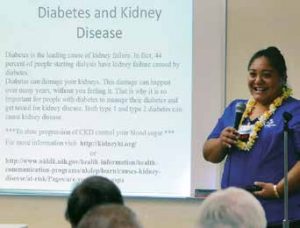 “For many people, kidney damage may be temporary and occur quickly due to changes in kidney function from illness, injury or taking medications,” said Marissa Ramos, a Honolulu home healthcare nurse. “If not treated properly, kidney damage can become a chronic condition, often without one knowing — especially if it is related to other underlying conditions, such as diabetes or high blood pressure. Regular health screenings and tests are key in detecting risks for kidney disease. We see and often care for clients with multiple health issues, such as diabetes, uncontrolled high blood pressure or congestive heart failure. We focus on early detection, education and proper care, which can slow the progression of kidney disease and help avoid kidney failure.”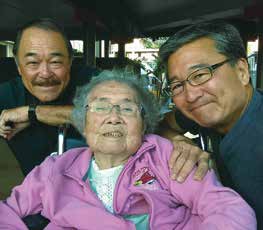
 I’ve noticed that many people approach estate planning from the outside in, rather from the insideout. For example, many people want to “avoid probate” or “minimize tax” as a primary goal — good goals, for sure. If we stop there, we miss the opportunity to explore the deeper meaning underlying these goals, such as ensuring that we provide our loved ones as much as we can with assets to supplement their lives, and provide each of them the opportunity to grow, and develop and enjoy the most meaningful life possible.
 A trustee is what the law calls a fiduciary. A fiduciary is a person who is responsible for taking care of something that belongs to someone else. Under the law, fiduciaries owe legally enforceable duties to the beneficiaries — the people or charities on whose behalf they handle assets.