Category: Wisdoms

  • Capturing the Heart of an Estate Plan

    The usual response I receive when I ask, “What brings you here?” during an initial meeting with clients, is, “To avoid probate and minimize taxes.” Avoiding probate and taxes are good goals, and easy to resolve.

    The much more difficult — and much more meaningful work — is all relational. When we delve further into clients’ goals for estate planning, I have found that they want much more, especially concerning family. They want their children to get along, want them to know that they were loved, and they want their hard-earned wealth to be utilized appropriately and wisely.

    Relational goals are long-lasting. By engaging the client in these kinds of discussions, we can make the estate planning experience so much more significant. Not addressing these concerns could result in long-term, negative effects on the client and the client’s family.

    It is difficult for clients and their attorneys to get below the surface to address relational and emotional concerns. Staying above the surface with financial, legal and tax matters seems safer.

    Discussions about relationships are risky and may elicit feelings of vulnerability. Avoiding them is easier but can leave devastating deep-rooted negative effects — sometimes for decades.

    As attorneys, we are professional counselors. I believe we can not only help our clients by serving as catalysts for these types of conversations, but also feel that it is our duty to do so.

    We need to reach beyond the superficial nature of taxes, probate and finances to capture and include the heart of an estate plan.


    STEPHEN B. YIM, ATTORNEY AT LAW
    2054 S. Beretania St., Honolulu HI 96826
    808-524-0251 | stephenyimestateplanning.com

    The usual response I receive when I ask, “What brings you here?” during an initial meeting with clients, is, “To avoid probate and minimize taxes.” Avoiding probate and taxes are good goals, and easy to resolve. The much more difficult — and much more meaningful work — is all relational. When we delve further into…

  • Make Your Giving Go Further

    Technology has made all of our lives easier. Just by using a smartphone, you can talk to people all over the world, check the weather forecast or reserve a seat on a plane. The true power of the smartphone is how it combines a myriad of tools into a single, sleek device.

    As you support your favorite charity, you might be interested in ways to increase your impact. By combining different giving tools together, you can multiply the difference you make when you give to a 501(c)(3) nonprofit charity. You may already be making annual gifts, but here are some ways your annual gifts may be combined with other opportunities to make your support go even further:

    • You can endow your annual gifts in your will to ensure that your legacy of support continues.
    • In addition to annual gifts, you can make a single gift to fund a charitable gift annuity. You will receive lifetime fixed payments and tax savings.
    • Another way to help beyond your regular annual giving is with a charitable life estate. You can convey your home to your favorite charity, remain living there and receive tax benefits.

    When you think about all of the tools available to you, you can do more than you might have thought possible. By adding an estate or life income gift to your annual giving, you can benefit from lifetime payments and tax savings.

    If you would like to know more, call or email us to learn how we can help you combine your giving in a way that benefits you and supports your cause.


    NATIONAL KIDNEY FOUNDATION OF HAWAII
    808-589-5961 | diana@kidneyhi.org
    For Planned Giving: www.kidneyhawaii.org
    Main: www.kidneyhi.org | www.kidney.org

    Technology has made all of our lives easier. Just by using a smartphone, you can talk to people all over the world, check the weather forecast or reserve a seat on a plane. The true power of the smartphone is how it combines a myriad of tools into a single, sleek device. As you support…

  • ‘Test Drive’ Your Estate Plan

    test-drive1Kingdom Advisors founder Ron Blue takes an interesting approach to estate planning. He advocates lifetime giving as a way to assure that the objects of your bounty are worthy recipients of your wealth. This could play out a couple of different ways.

    As Blue points out, there are three places your “stuff” can go after you die:

    • Government, attorneys and other professional advisors by way of taxes and administration expenses;
    • Loved ones
    • Charity

    A good estate plan will minimize the amount that is bled away in the first category. A really good estate plan will help to make sure that your intentions regarding your loved ones and your favorite charities are carried out, as well.

    test-drive2Giving assets outright to your loved ones is a way to give them full control over and responsibility for those assets. However, one of your intended beneficiaries could easily lose his or her inheritance as a result of a divorce, vehicle accident or bad business deal. And this could happen due to no personal fault of the beneficiary. For this reason, many estate plans include ongoing trusts that allow the beneficiaries to have as much control as they are able to handle, while at the same time insulating the trust assets from creditors and predators who might try to take those assets away.

    test-drive3The thing about leaving assets to your loved ones after you are gone is that you will have no idea how each of them will handle his or her inheritance. Your best guess during your lifetime could turn out to be wrong. So what about making gifts during your lifetime that will enable you to see how your intended beneficiaries handle their new-found wealth? This could be a great way to “test drive” your estate plan and determine how well it works while you are still able to make adjustments to it. If one beneficiary turns out to be a poor steward of your wealth, you can always redirect assets in your final estate plan to other beneficiaries, or provide greater restrictions on a spendthrift beneficiary’s control over your wealth.

    test-drive4The same principles apply to charitable gifts. Your favorite charity could turn out to be a poor manager of donated assets. It would be far better to find that out during your lifetime than to leave your loved ones regretting your philanthropic choices. If a charity does what you hope it will do with your gift, you can add to it upon your death. Not only that, but your gift may have far greater impact the earlier you make it. If, for example, you want to provide funding for scholarships so underprivileged children can go to college, the sooner you make your gift, the sooner a scholarship recipient will graduate from college, get launched in a career and turn around and “pay it forward,” as you have done.

    test-drive5As Ron Blue would say, you should consider “giving while you’re living so you’re knowing where it’s going.” It’s sound advice for anyone who prefers to test the water before diving in head first.


    SCOTT MAKUAKANE, Counselor at Law
    Focusing exclusively on estate planning and trust law.
    Watch Scott’s TV show, Malama Kupuna
    Sundays at 8:30 pm on KWHE, Oceanic Channel 11
    www.est8planning.com
    O‘ahu: 808-587-8227 | maku@est8planning.com

    Kingdom Advisors founder Ron Blue takes an interesting approach to estate planning. He advocates lifetime giving as a way to assure that the objects of your bounty are worthy recipients of your wealth. This could play out a couple of different ways. As Blue points out, there are three places your “stuff” can go after…

  • Control Healthcare Costs in Retirement

    It’s no secret that healthcare becomes a bigger concern for most of us as we grow older. More ailments are likely to develop, which means more money is spent to visit health professionals and purchase medications. Even if you remain healthy through your later years, the costs of preventative care and preparing for potential, unexpected health challenges continue to rise.

    Health-related expenses will likely be one of the biggest components of your retirement budget. You need to be prepared to pay for comprehensive insurance coverage and potential out-ofpocket costs. Here are three strategies to help you manage these critical expenses during retirement.

    Understand How Medicare Works

    The good news for Americans ages 65 and older is that you qualify for Medicare. That makes increased dependence on healthcare services more affordable. At age 65, most people automatically qualify for Medicare Part A at no cost, which primarily provides coverage for hospital stays and skilled nursing care. Medicare Part B must be purchased (approximately $109 per month in 2017 for most retirees). Part B covers the costs of visiting a physician — but with some deductibles. Many people purchase additional coverage to use for outof- pocket expenses, such as a Part D prescription drug plan or a Medicare supplemental policy.

    Timing is important. Signing up when you first qualify for Medicare coverage will keep costs at their lowest level. If you maintain insurance through your employer after age 65, you can delay Medicare enrollment with no risk of penalties.

    If you retire prior to age 65, you will need to purchase insurance on the open market to cover health-related expenses until you become eligible for Medicare. Individual coverage tends to get more expensive as you age, so work the cost into your retirement budget. Some employers offer retiree health insurance as a benefit. Check with your human resources department.

    Allocate Sufficient Funds for Healthcare Costs

    As you develop your retirement income strategy, make sure you have money set aside for health expenses that will be your responsibility. By one estimate, the average 66-year-old couple will need to tap more than half of their lifetime pre-tax Social Security benefits to pay for healthcare expenses throughout retirement. Most people will likely have to rely, in part, on their own savings to help offset some medical expenses.

    Along with other retirement savings, you may want to establish a health savings account (HSA) during your working years. HSAs are designed to help build tax-advantaged savings to pay for outof- pocket medical expenses you incur during your working years. However, any leftover funds can be applied to health expenses later in life, including premiums for Medicare and long-term care insurance. Keep in mind that you must be enrolled in a high-deductible health plan to open an HSA.

    Focus on Your Own Health

    Keep healthcare costs under control in retirement by creating or maintaining a healthy lifestyle. Small changes you make today, such as being physically active and eating right, could reduce the likelihood of medical issues. According to the American Heart Association, healthy changes could help you save $500 a year!

    Having a plan doesn’t guarantee that you will avoid heath issues, but you may find it comforting to know about the most cost-effective ways to tackle healthcare expenses in retirement.


    MICHAEL W. K. YEE, CFP
    1585 Kapiolani Blvd., Ste. 1100, Honolulu HI 96814
    808-952-1222, ext. 1240 | michael.w.yee@ampf.com

    It’s no secret that healthcare becomes a bigger concern for most of us as we grow older. More ailments are likely to develop, which means more money is spent to visit health professionals and purchase medications. Even if you remain healthy through your later years, the costs of preventative care and preparing for potential, unexpected…

  • Lightning Does Strike Twice

    night-499986When Terry discovered his home had been burglarized, the frustration of having to replace his valuables paled in comparison to the feelings of being violated. Then, several nights later, someone entered his garage and stole his car. What Terry didn’t realize was that during the burglary of his home, the thief took his spare set of car keys. While still in shock over the initial crime, he now had to deal with being a victim once again.

    Mabel thought she was lucky when she received notice saying the government had randomly selected her as part of its economic stimulus plan. She was asked to pay the taxes before receiving the funds. It wasn’t until she had sent more than $12,000 did she realized that she was being scammed. After a week of not returning emails and calls from the con men, she received a letter from an alleged fraud examiner who claimed he discovered that she was a victim of a scam. He could help her reclaim the money — all she had to do was pay the initial legal fees in advance. Long story short: $3,000 dollars later, Mabel discovered that she had fallen victim a second time to a con artist with a convincing story.

    I have seen many instances where criminals target the same victims. The reasons for this are simple: criminals know their target and their weaknesses. The returning burglar knows the house layout, security system and where to search. The Internet scammer knows his victim will believe his story of instant wealth.

    Another reason why returning criminals are successful is the victim’s belief that now that the criminal got what they wanted, there is no reason to return. Sadly, this is rarely true.

    If you are the victim of a nonviolent crime, be aware that there still may be a target on your head. Change your locks immediately or have your home inspected for areas of easy access.

    If the crime involved your bank account or credit card, have new cards issued and inform your bank so appropriate actions can be taken.

    Report any unknown charges to your financial institution right away — no matter how small. Criminals may make a very small purchase (sometimes costing just a few cents) to test whether the account is still active.

    Lightening does strike twice and so do the unscrupulous criminals who prey on our seniors.


    To report suspected elder abuse, contact the Elder Abuse
    Unit at 808-768-7536 | ElderAbuse@honolulu.gov

    When Terry discovered his home had been burglarized, the frustration of having to replace his valuables paled in comparison to the feelings of being violated. Then, several nights later, someone entered his garage and stole his car. What Terry didn’t realize was that during the burglary of his home, the thief took his spare set…

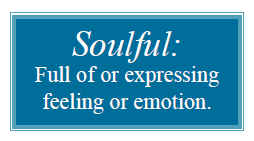
  • Make Yours a Soulful Estate Plan

    2If an estate plan is our final personal and intimate letter to our loved ones, why is it that we can’t understand it when we read it? This last intimate writing should be full of our unique, personal and emotional voice, yet, it reads like a sterile contract, devoid of any human feeling or emotion. Why?

    Historically, Roman, Anglo-Saxon and Jewish traditions all included emotion and feeling in their estate plans, and in fact, each of these cultures expected it.

    How did we come so far from heartfelt expressions to today’s trivial, routine documents lacking uniqueness or personal statements?

    I think that three reasons exist. First, we bought into the notion from law’s logic that only financial matters are important in our estate plan.

    Second, we rely on lawyers to write our estate plan for us, and lawyers, for the most part, discourage putting emotion and feeling into our plans. Third, we may feel it is too difficult to put our feelings into written words.

    I believe that if we, as lawyers, are fortunate enough to serve as your estate planner, we must help you not only pass on your material wealth, but also provide you with the opportunity to express your unique, emotional and personal feelings, as well as your desires and messages to be left behind for when you can no longer communicate with your loved ones.


    STEPHEN B. YIM, ATTORNEY AT LAW
    2054 S. Beretania St., Honolulu HI 96826
    808-524-0251 | stephenyimestateplanning.com

    If an estate plan is our final personal and intimate letter to our loved ones, why is it that we can’t understand it when we read it? This last intimate writing should be full of our unique, personal and emotional voice, yet, it reads like a sterile contract, devoid of any human feeling or emotion.…

  • A Living Legacy: The Gift of Education

    kidney
    With a 529 plan, you can save taxes, benefit your family and continue your legacy with your favorite 501(c) (3) nonprofit organization.
    There are ways you can help your children and grandchildren lower the price of higher education.

    One of the best ways is to establish and contribute to a qualified 529 plan. Contributions grow tax-free; distributions to the student for education expenses are also free of federal tax, and in general, state tax, as well.

    If you want to benefit more than one child and don’t wish to establish multiple 529 plan accounts, consider an education unitrust—a charitable remainder trust from which funds can be transferred to the trust tax-free. You or your trustee control how the funds are invested and you can also stipulate who can receive funds from the trust and under what conditions.

    After the trust has completed all your primary objectives, any remaining funds go to a charity.

    With this plan, you can save taxes, benefit your family and continue your legacy with your favorite 501(c)(3) nonprofit organization.

    Check with your tax advisor or call or email us to see how education planning can benefit you and your family — and help create your legacy.


    NATIONAL KIDNEY FOUNDATION OF HAWAII
    808-589-5976 | jeff@kidneyhi.org
    For Planned Giving: www.kidneyhawaii.org
    Main: www.kidneyhi.org | www.kidney.org

    There are ways you can help your children and grandchildren lower the price of higher education. One of the best ways is to establish and contribute to a qualified 529 plan. Contributions grow tax-free; distributions to the student for education expenses are also free of federal tax, and in general, state tax, as well. If…

  • Keeping Peace in the Family

    sstk_111165887-handshakecufflings_4chrIn May of last year, Reuters reported that a Georgia judge had agreed to appoint a mediator to help the family of the late Dr. Martin Luther King Jr. decide whether to sell Dr. King’s Nobel Peace Prize and his personal Bible.

    Dr. King carried the Bible during the historic marches and rallies of the 1960s, and President Barack Obama placed his hand on it when he took the oath of office at his second inauguration.

    According to the article, the “fight pits the slain civil rights leader’s sons — Martin Luther King III and Dexter King, who want to sell the medal and Bible — against King’s surviving daughter, Bernice King, who opposes the sale of items she calls ‘sacred’ to the family.”

    This family drama illustrates two important principles. The first is that a well-thought-out and thoroughly implemented estate plan will give your family priceless guidance.

    The second principle is that there are better ways to resolve conflict than in the courtroom.

    The Benefits of Good Planning
    Putting the time and effort into devising a plan and taking care of all of the details that will make it work effectively will pay enormous dividends.

    You may not see the benefits during your lifetime, but your loved ones certainly will.

    Putting the right managers in place and taking the guesswork out of determining your wishes will enable your family to focus on honoring your memory and moving on with their lives.

    And remember that your estate plan needs to be reviewed and updated from time to time if you want it to be effective.

    Conditions change constantly and sometimes rapidly, and failing to make necessary adjust-ments will cause your plan to fall short and diminish the effectiveness of your legacy.

    Mediate Rather Than Litigate
    Mediation is a way of getting disagreeing parties together, helping to find their common ground, and then working toward solutions that may not make everybody happy, but that will help satisfy their shared goals and values.

    If you know that your loved ones are at odds, you can engage a skilled mediator during your lifetime to assure that the eventual settling of your estate will be done peaceably.

    If you find yourself in conflict after the death of a loved one or family member, one of the best things you can do is propose that your differences be mediated privately rather than battled out in open court.

    Mediation will save time and money in the long run. You may also find that it can open the doors to healing broken relationships.

    Even if you don’t have a Nobel Medal or a historic Bible among your personal effects, you can appreciate the value of not having your loved ones hash it out in court over “who gets what” or whether a prized heirloom should be sold.

    You may not be able to make everybody happy with your estate plan or with the assistance of mediation, but you can head off or minimize problems that may tear your family apart and tarnish your legacy.


    SCOTT MAKUAKANE, Counselor at Law
    Focusing exclusively on estate planning and trust law.
    Watch Scott’s TV show, Malama Kupuna
    Sundays at 8:30 pm on KWHE, Oceanic Channel 11
    www.est8planning.com
    O‘ahu: 808-587-8227 | maku@est8planning.com

    In May of last year, Reuters reported that a Georgia judge had agreed to appoint a mediator to help the family of the late Dr. Martin Luther King Jr. decide whether to sell Dr. King’s Nobel Peace Prize and his personal Bible. Dr. King carried the Bible during the historic marches and rallies of the…

  • Navigating Your First Year in Retirement

    mf690Like most Americans, you’ve probably spent years working to achieve the retirement of your dreams. There comes a point when this milestone changes from a distant goal to an imminent reality. You can make your first year away from work more rewarding and less stressful if you anticipate potential challenges and prepare for how you will handle this life change.

    Your State of Mind
    As a new retiree, it’s normal to feel both excitement and trepidation. You’re eager for more time with friends and family, and for the activities you love. Stepping away from your career can reduce stress levels and free you from competing priorities. However, saying goodbye to your workplace may also trigger anxiety and sadness.

    If your spouse or significant other is already at home, your new lifestyle may cause similar emotions for him or her. The change would mean a departure from both of your schedule and habits, even if it means more time together.

    For those experiencing mixed feelings, it’s helpful to acknowledge them, remind yourself why you chose to retire and remember all you accomplished to reach this point.

    Your Purpose
    With your calendar clear of work obligations, it’s important to identify a few ways to fill your time. To start, keep the commitments you’ve made about what your retirement will include. If you’ve promised distant relatives that you’ll reconnect, then organize a reunion. Alternatively, you may decide to pursue an encore career, part-time job or an opportunity to open your own business.

    With all your new possibilities, it’s important to avoid overcommitment. Give yourself some breathing room each day and ease into volunteering or new activities. Now that you have the freedom to do so, be sure that you’re choosing to spend your time in ways that are most gratifying to you.

    Your Finances
    Adjusting your mindset from building your nest egg to spending it can be challenging. To make your initiation to retiree life easier, create a plan for paying yourself in retirement. Start by tallying your income sources before determining which ones you’ll tap into first. Next, estimate your cash flow for year one. Planning this in advance can help ease worries and reduce your risk of overspending. As a benchmark, have enough cash to cover three years of potential unexpected expenses. Once you’re in retirement, monitor your cash reserves regularly to gauge your spending and make adjustments as needed.

    If you’re uneasy or need reassurance that your income and cash flow plans are sufficient, meet with a financial advisor. Together, you can look at the impact of taxes, evaluate your portfolio diversification and prepare for the legacy you’d like to leave your community and family.

    Becoming a retiree means enduring a lot of change. Although you can’t prepare for every challenge you might face in your first year, planning for what you can control will allow you to move into this new life stage with confidence.


    MICHAEL W. K. YEE, CFP
    1585 Kapiolani Blvd., Ste. 1100, Honolulu HI 96814
    808-952-1222, ext. 1240 | michael.w.yee@ampf.com

     
    Michael W. K. Yee, CFP®, CFS®, CLTC, CRPC®, is a Financial Advisor,
    Certified Financial Planner ™ practitioner with Ameriprise Financial Services Inc. in
    Honolulu, Hawai‘i, with Na Ho’okele Financial Advisory Team, a financial advisory
    practice of Ameriprise Financial Services Inc. He offers fee-based financial planning
    and asset management strategies and has been in practice for 29 years.
    The Pay Yourself in Retirement study was created by Ameriprise Financial utilizing
    survey responses from 1,305 Americans ages 55 to 75 with investable assets of at
    least $100,000. The online survey was commissioned by Ameriprise Financial, Inc.,
    and conducted by Artemis Strategy Group from November 16–22, 2015.
    Investment advisory products and services are made available through Ameri- prise
    Financial Services, Inc., a registered investment adviser.
    Ameriprise Financial Services, Inc. Member FINRA and SIPC
    © 2016 Ameriprise Financial, Inc. All rights reserved. File #1438828

    Like most Americans, you’ve probably spent years working to achieve the retirement of your dreams. There comes a point when this milestone changes from a distant goal to an imminent reality. You can make your first year away from work more rewarding and less stressful if you anticipate potential challenges and prepare for how you…

  • The Hidden Costs of Probate Court

    As an estate planning attorney, I spend my time helping my clients stay out of court.
    We value privacy, confidentiality and self-determination. Making one’s estate plan is one of our country’s most valued opportunities to exercise personal freedom of choice. The alternative is letting the court decide through guardianship, conservatorship, probate, district, circuit, federal or other administrative forums. The court should, in my opinion, always be the last resort.

    It does take time, energy and courage to face our mortality; however, I encourage each and every one of you to take this precious opportunity to exercise this unique privilege afforded by our country to make your own decisions with regard what happens with your assets when you are not here. Here are some differences between making your own estate plan and relying on court:

    Good Estate PlanIn Court
    CollaborativeConflict-driven
    Relationship preservationDivisive
    Private with dignityPublic
    ControlLoss of control
    Time-sensitiveTime-consuming
    Cost-sensitiveCostly
    Emotionally satisfyingEmotionally draining
    Value-driven and process-orientedProcedural-driven

    Take the opportunity to carefully determine how you would like to be cared for all the way through the end of your life.


    STEPHEN B. YIM, Attorney at Law
    2054 S. Beretania St., Honolulu HI 96826
    808-524-0251  |  stephenyimestateplanning.com

    The Hidden Costs of Probate Court by Stephen B. Yim, Attorney at Law from the Oct-Nov 2016 issue of Generations Magazine, Hawai‘i’s Resource for Life

  • Hiring Strangers as Caregivers

    As a new parent, you were terrified at the thought of allowing anyone to care for your infant out of your presence. Perhaps you would consider as a babysitter a pediatrician, who handed you a certified criminal background check from the FBI, along with three references — with one being from the Pope, but even then you would hesitate until they could memorize the telephone number to poison control.

    And as your child grew, your distrust of others never wavered. Did you smell alcohol on that bus driver’s breath? Did your daughter’s prom date leave the house with a full tank of gas? Is that a tattoo you see on your son’s roommate? Is he part of a gang?

    Paranoia and distrust can be a good thing. In fact, one might say it is part of being a responsible parent.

    Unfortunately, the same attention to safety is often not applied to hiring someone to care for our parents. People often hire caregivers from the internet, making cost the deciding factor. We assume that anyone who is willing to work as a caregiver must be a good person. Who else would want to change adult diapers and constantly monitor someone who is no longer independent? Sadly, this is not always true.

    OctNov2016 - hiringstrangers_image1


    How can you tell whether the person you hire has your loved one’s best interests in mind or their own?

    Check their references. It would be nice just to trust someone’s word, but the time spent verifying if they indeed did a good job is invaluable. Do not feel you are embarrassing the prospective caregiver or signaling that you don’t trust them by calling their previous employer. When they provided references, they knew there was a possibility you would check them.

    Another priority is to do a criminal background check. Go to the Hawai‘i Criminal Justice Data Center for more information on how to perform a Criminal History Records Check online or in person. You can call them at 808-587-3100.

    Also, make sure that the caregiver’s experience is appropriate. If their previous clients could walk, does the caregiver know how to transfer a person in a wheelchair? What about bathing them?

    Additionally, write down your expectations for care. This checklist will be helpful when you interview caregivers and can serve as a contract or written agreement. A list of duties that you and the caregiver agree upon also avoids miscommunications that could give you an impression of poor job performance or laziness.

    It is said that a drowning man will grab the blade of a sword to save himself. When people find that they need to hire a caregiver, they are often desperate and overwhelmed with the decisions they have to make in caring for their family member. Don’t let these feelings force you to hire just anyone who answers your call for help. Take the time to hire the right person to care for your mom or dad. They did the same for you when you were young.


    To report suspected elder abuse, contact the Elder Abuse Unit at 808-768-7536  |  ElderAbuse@honolulu.gov

    Hiring Strangers as Caregivers by Scott Spallina, Senior Deputy Prosecuting Attorney from the Oct-Nov 2016 issue of Generations Magazine, Hawai‘i’s Resource for Life

  • Rollover Your IRA for Good

    If you are 70½ or older, rather than simply take your withdrawal this year, you can direct your IRA administrator to distribute a gift from your IRA to a 501(c)3 charity. Any amount you transfer counts against your required minimum distribution (RMD), but does not increase your income. You can direct up to $100,000 to your favorite charitable causes this year.

    Three Reasons for Making a Rollover Gift

    1) If you take the standard deduction on your income taxes and make charitable gifts, you receive no tax benefit on an outright gift. In effect, you pay taxes on your charitable gifts.

    2) Donors who do itemize deductions can reduce their taxable income and may even be able to switch to the standard deduction if it is greater than their itemized deductions.

    3) Making an IRA rollover gift may reduce your provisional income under Social Security (and thereby reduce income tax that might otherwise be required on Social Security benefits). You might want to check with your tax advisor to see if this situation affects your taxes.

    Making an IRA rollover gift is very easy. Contact your IRA administrator. Because of the popularity of the rollover, most administrators provide forms and a convenient procedure to help you make a rollover gift.

    If you have questions, give us a call.


    NATIONAL KIDNEY FOUNDATION OF HAWAII
    808-589-5976  |  jeff@kidneyhi.org

    For Planned Giving: www.kidneyhawaii.org
    Main:  www.kidneyhi.org  |  www.kidney.org

    Rollover Your IRA for Good by Jeffrey B. Sisemoore, JD, National Kidney Foundation of Hawaii from the Oct-Nov 2016 issue of Generations Magazine, Hawai‘i’s Resource for Life