Category: Programs & Services

  • Smiling Faces at Moloka‘i’s Friendly Places

    Senior programs on Moloka‘i are provided by a wide range of nonprofits. There is no designated “senior center,” but a number of facilities welcome program providers. The Moloka‘i Rural Health Community Association (MRHCA) is one such provider. Its Kūpuna Program was established post-COVID with funding from Maui County’s Office of Economic Development and Office on Aging to promote overall health and wellness. Program Manager Ku‘ulei Arce describes MRHCA as a “one-stop place that aims to help kūpuna live a well-rounded life.”

    The programs offered include computer classes at the Moloka‘i Education Center twice a month, weekly stretching and hula classes held at Home Pumehana, and sewing classes held at the Office of Hawaiian Affairs. Other offerings include pickleball, ‘ukulele and origami, healthy eating workshops, excursions and one-off events such as Christmas with Melveen Leed, which was held at the Moloka‘i Community Health Center.

    Socialization and fun

    One program that MRCHA supports is the Kupuna Fun Night put on by Hōkūlani Children’s Theatre of Molokai (HCTOM). Held once a month at Home Pumehana, it provides socialization, a congregate meal, and activities designed to “keep kūpuna engaged and provide them with tools to help them live better—like listening and remembering,” says HCTOM Founder Vicki Boswell. The participants also work on joint projects with the keiki, creating costumes, building and painting sets, and performing together for the public.

    A recent Keiki and Kūpuna Comedy Variety Show featured stand-up and mime by both age groups.

    Small but mighty

    Another nonprofit that focuses on kūpuna health and wellbeing is Mālama Molokai Wellness. Tai chi classes are held twice a week in an adjacent outdoor space. Other options include low-impact interval training and “kūpuna strong” classes. The exercise class designed to strengthen the body’s core muscles aims to aid balance, which helps prevent falls.

    Music, smiles and laughter abound, making a mighty impact in participants’ lives!


    MOLOKA‘I RURAL HEALTH COMMUNITY ASSOCIATION
    808-774-8991
    HCTOM KUPUNA FUN NIGHT
    808-658-0869
    instagram.com/hokulanictom
    MĀLAMA MOLOKAI WELLNESS
    808-460-7411
    facebook.com/malama.mkk.wellness

    Senior programs on Moloka‘i are provided by a wide range of nonprofits. There is no designated “senior center,” but a number of facilities welcome program providers. The Moloka‘i Rural Health Community Association (MRHCA) is one such provider. Its Kupuna Program was established post-COVID with funding from Maui County’s Office of Economic Development and Office on…

  • Preventing & Reporting Healthcare Fraud

    Close-up of mixed race attractive confident adult woman in headset, sitting in office, working as operator of call center or support service, looking directly at the camera and smiling friendlyPrevention education is the best defense in the fight against healthcare fraud and abuse. When there is malicious intent to commit fraud, the Senior Medicare Patrol (SMP) gets involved and works with state and federal partners to report cases for investigation.

    SMP Hawaii Volunteer Coordinator Jeff Woodland cites one recent case involving the son of an elderly couple who called the program’s helpline. An imposter had convinced his parents that their bank was under investigation and advised them to transfer their money to a Hong Kong account for safekeeping.

    SMP told him to immediately call the police and make a report. Once the case was filed, SMP worked with the family, police and bank officials to freeze the funds. Thankfully, they were able to recover almost all of the money.

    Hawai‘i leads the nation in life expectancy at 80.7 years. As this population continues to increase, fraudsters will continue to prey upon our vulnerable older adults with scams that are becoming very sophisticated, ultimately impacting the overall health of older adults.

    Volunteer with SMP Hawaii today to help protect our kūpuna! Roles include administrative support, information distribution, counselors, presenters and exhibitors.


    SENIOR MEDICARE PATROL (SMP) HAWAII
    800-296-9422 | info@smphawaii.org
    smphawaii.org | Facebook: smphawaii808

    Prevention education is the best defense in the fight against healthcare fraud and abuse. When there is malicious intent to commit fraud, the Senior Medicare Patrol (SMP) gets involved and works with state and federal partners to report cases for investigation.

  • Increase Your Independence

    When people hear the word “technology”, they often think of complex machines that are difficult to use. However, “AT” is a term used for any item, piece of equipment or product system, whether acquired commercially off the shelf, modified or customized, that is used to increase, maintain or improve functional capabilities.

    AT includes high-tech items, such as speech generating devices and smart home controls, and low-tech devices, such as jar openers, large grip utensils and magnifying glasses.

    Find more information about AT at the Assistive Technology Resource Centers of Hawaii, the State of Hawai‘i’s designated Assistive Technology Act agency helping all age groups problem solve for increased independence.


    ASSISTIVE TECHNOLOGY RESOURCE CENTERS OF HAWAII (nonprofit)
    200 N. Vineyard Blvd, Ste 430, Honolulu, HI 96817
    808-532-7111 | office@atrc.org | atrc.org
    ATRC does not sell products, but recommends vendors. Device demonstration and lending programs give individuals and groups the opportunity to make an informed choice about an AT device prior to acquiring one.

    Do you ever find yourself having difficulty with routine tasks that you used to be able to do with ease? Making lunch? Brushing your hair? Reading a novel? Hearing the television? Assistive technology (AT) can help with all of these and more. AT can help with a variety of challenges: hearing, vision, communication, computer/phone access,…

  • Smart Long-Term Care Search Strategies

    Younger woman talking with senior person about long-term careMore than 50% of us will experience stress and anxiety while seeking long-term care, according to a recent AARP study. Firstly, it is difficult to find information about all the available services. Worse yet, without a way to easily compare them, they are seemingly indistinguishable (after all, there are over 1,800 senior care facilities and providers in Hawai‘i). Lastly, families are often caught off guard and must choose a care provider quickly.

    Given the challenges, follow these strategies to successfully navigate complex and diverse care system:

    • Allow ample time to learn the essentials: The details can be overwhelming and even healthcare professionals have difficulty grasping the ins and outs of senior care.

    • Know your needs: Each family is unique. Even spouses have different care requirements, budgets and preferences. It is easy to get distracted by
    the nice-to-have features.

    • Cast your net wide first, then narrow down options: Every type of care has distinct pros and cons; every provider has strengths and weaknesses. Only you can decide which will fit your needs.

    While it’s impossible to know the future, these strategies are guaranteed to help you when the time comes to seek senior care.


    KUPUNA CARE PAIR
    2383 Beckwith St., Honolulu, HI 96822
    808-779-8871 | hello@kupunacarepair.com
    kupunacarepair.com

    More than 50% of us will experience stress and anxiety while seeking long-term care, according to a recent AARP study. Firstly, it is difficult to find information about all the available services. Worse yet, without a way to easily compare them, they are seemingly indistinguishable (after all, there are over 1,800 senior care facilities and…

  • Mediwhat? Medigap!

    Hand arranging wood block stacking with icon healthcare medical, Insurance for your health conceptFor beneficiaries on Original Medicare (Parts A and B), a Medicare Supplement Insurance plan may provide the extra coverage they need. Also known as “Medigap” plans, these policies which are sold by private insurance companies fill the “gaps” not covered by Original Medicare, such as deductibles, coinsurance and copayments for services.

    To be eligible to purchase a Medigap, an individual must be enrolled into Part B. This kickstarts the Medigap Open Enrollment Period, which lasts for 6 months. During this period, insurance companies can’t deny enrollment and will provide coverage at the best price. Outside this period, one can still buy a Medigap policy, but restrictions may apply. Beneficiaries with Medicare Advantage plans are ineligible to purchase a Medigap.

    Contact Hawaii SHIP to learn more about Medicare Supplement Insurance. Request a free Medigap plan comparison and a list of authorized insurance companies in Hawai‘i. Local, certified SHIP specialists provide unbiased information in one-on-one sessions, compare Medicare Advantage and Part D plans, and help low-income clients apply for Medicaid and Extra Help assistance.


    HAWAII SHIP
    Free, local, one-on-one Medicare counseling is provided by the Hawai‘i State Health Insurance Assistance Program.
    250 South Hotel St., Ste. 406, Honolulu, HI 96813
    Oahu: 808-586-7299 | Toll free: 888-875-9229
    hawaiiship.org

    For beneficiaries on Original Medicare (Parts A and B), a Medicare Supplement Insurance plan may provide the extra coverage they need.

  • Medicare Special Enrollment Period

    Here's a photo of a woman sitting at home reading some information about the Medicare Special enrollment period.A Medicare Special Enrollment Period (SEP) is the time when an eligible Medicare beneficiary may sign up for a Medicare plan under exceptional circumstances.

    It’s vital to understand eligibility for Medicare plan SEP to help avoid a late enrollment penalty.

    SEP is granted to beneficiaries who were unable to enroll in a plan during the General Enrollment Period (GEP) for valid reasons.

    It depends on the personal situation, such as moving out of your existing Medicare plan’s service area, losing employer-provided medical coverage or losing Medicaid eligibility.

    The beginning and end dates of SEP will vary from one qualifying event to the next.

    The SEP rules allow you to do one of the following:

    • Enroll in Medicare Part B any time while you or your spouse are covered by a group health plan based on current employment
    • Enroll in Medicare Part B during the 8-month period that begins the month after the employment ends or the group health plan coverage ends — whichever happens first. If you don’t enroll by the end of the 8-month period, you’ll have to wait until the next GEP, which begins Jan. 1 of the next year.


    COPELAND INSURANCE GROUP
    1360 S. Beretania St., Ste. 209, Honolulu, HI 96814
    808-591-4877 | josie@copelandgroupusa.com
    copelandgroupusa.com

    A Medicare Special Enrollment Period (SEP) is the time when an eligible Medicare beneficiary may sign up for a Medicare plan under exceptional circumstances.

  • Q&A: Retirement Benefits

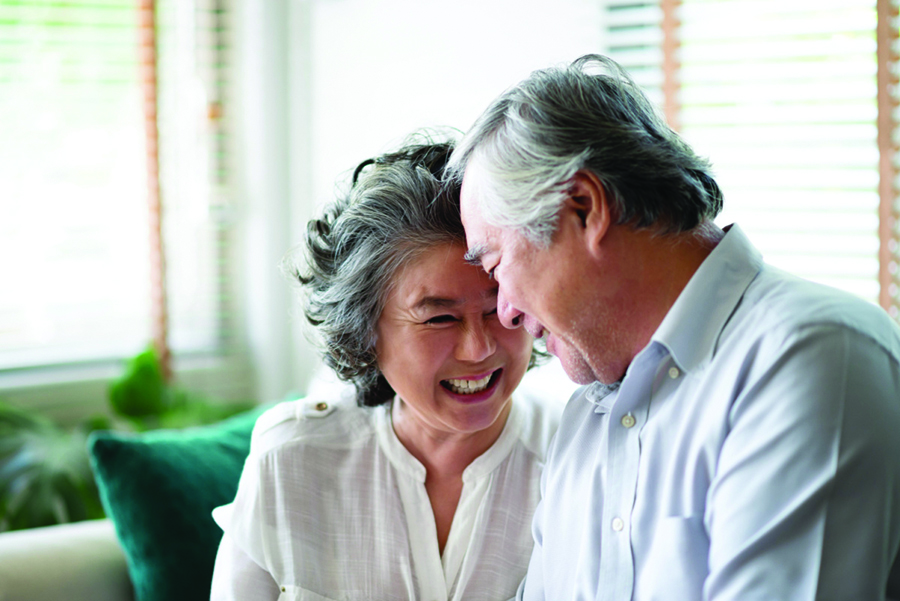
    Photo of a couple of seniors who are smiling about somethingQ: My cousin and I are both retired and get Social Security. We worked for the same employer for years, but he gets a higher Social Security benefit. Why is that?

    A: Your payments are based on your earnings over your lifetime. Unless you are both the same age, started and stopped work on the exact same dates and earned the very same amount every year of your careers, you wouldn’t get the same benefit as your cousin. Social Security benefits are based on many years of earnings — generally your highest 35 years. To learn more about Social Security retirement benefits, visit ssa.gov/benefits.

    Q: I went back to work after retiring, but now the company I work for is downsizing. I’ll be receiving unemployment benefits in a few weeks. Will this affect my retirement benefits?

    A: When it comes to retirement benefits, Social Security does not count unemployment as earnings, so your retirement benefits will not be affected. However, any income you receive from Social Security may reduce your unemployment benefits. Contact your state unemployment office for information on how your state applies the reduction to your unemployment compensation.

    Q: My neighbor said he applied for Social Security retirement benefits online. Can you really apply for retirement without traveling to an office?

    A: Yes, you can. What’s more exciting is it’s the easiest, fastest and most convenient way to apply for retirement benefits. Our secure website makes it simple, allowing you to apply for retirement benefits in as little as 15 minutes. You can get started now at ssa.gov/applyonline.

    Q: What is the earliest age I can begin receiving Social Security retirement benefits?

    A: The earliest age you can begin receiving Social Security retirement benefits is age 62. If you decide to receive benefits before your full retirement age, which for most people is age 66 or 67, you will receive a reduced benefit. Keep in mind you will not be able to receive Medicare coverage until age 65, even if you decide to retire at an earlier age.

    For more information, go to ssa.gov/retire.


    Social security logoFor questions, online applications or to make an appointment at a SSA office, call between 7am & 5pm, Mon–Fri:
    1-800-772-1213 (toll free) | socialsecurity.gov


    Q: My cousin and I are both retired and get Social Security. We worked for the same employer for years, but he gets a higher Social Security benefit. Why is that?

  • Do You Like Helping Kūpuna?

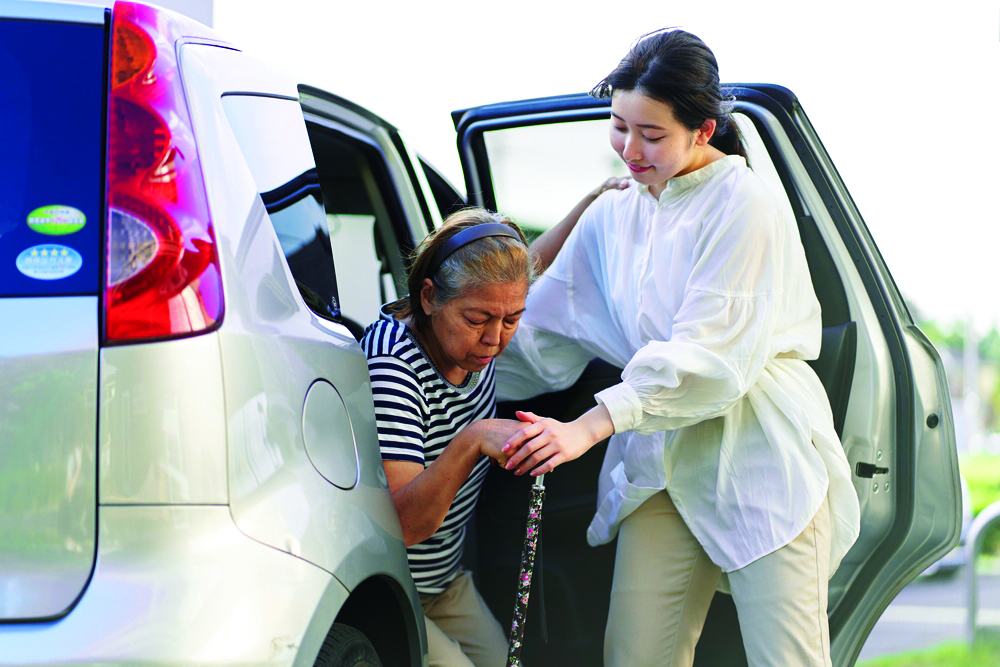
    A woman who removes an elderly person from a car

    Are you 55 years or older and looking for a fulfilling way to spend your time? Do you enjoy connecting with other seniors and making a difference in their lives? Whether you’re a recent retiree or an empty nester, Catholic Charities Hawai‘i has an opportunity for you.

    Transportation Friends for Kūpuna (TFK) is a new Catholic Charities Hawai‘i project that is seeking compassionate volunteers to provide free transportation and chaperone assistance for frail kūpuna living independently in the community. By sharing your time and companionship, you can make a significant impact on the lives of seniors in need of this resource.

    TFK welcomes volunteers of all experience levels, and will provide training and screening. Schedules are flexible. Whether you can spare a few hours on the weekends or have more availability during the week, there are a variety of opportunities to choose from to help Hawai‘i’s seniors.

    Let’s work together to bring joy to the lives of kūpuna in our community. If you’re interested in learning more about this rewarding volunteering opportunity, please contact Program Volunteer Coordinator Julie Chang using the information below.


    CATHOLIC CHARITIES HAWAI‘I (501(c) 3 nonprofit)
    1822 Keeaumoku St., Honolulu, HI 96822
    808-527-4783 | julie.chang@catholiccharitieshawaii.org
    CatholiccharitiesHawaii.org

    Are you 55 years or older and looking for a fulfilling way to spend your time? Do you enjoy connecting with other seniors and making a difference in their lives? Whether you’re a recent retiree or an empty nester, Catholic Charities Hawai‘i has an opportunity for you. Transportation Friends for Kūpuna (TFK) is a new…

  • The Legacy of the 100th Infantry Battalion

    The Legacy of the 100th Infantry Battalion

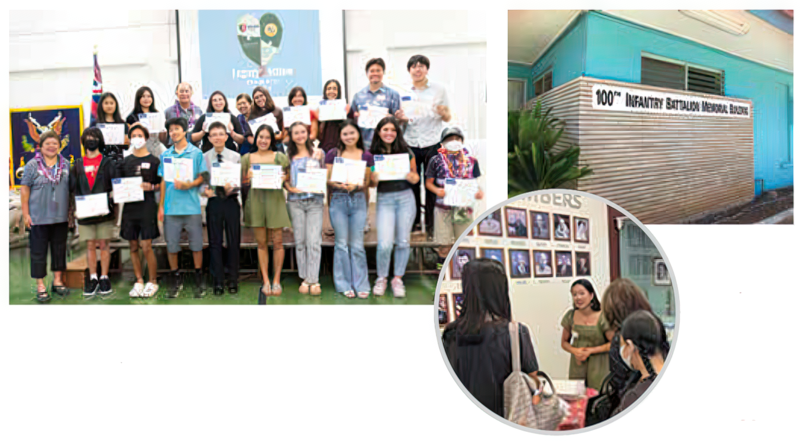
    Since it was built in 1952, the unassuming one-story building long known as Club 100 on Kamoku Street in Honolulu served as a gathering place for veterans of the legendary 100th Infantry Battalion. The battalion originated as a primarily all-Japanese-American combat unit during World II. These Hawai‘i-born soldiers were the first Japanese American combat unit to serve in WWII. They proved their loyalty to their country, the US, despite the fact that Japanese Americans were considered enemy aliens at the time. For their bravery and sacrifices, the 100th/442nd Regimental Combat Team would be recognized as the most decorated unit for its size and length of service in the history of the US military.

    Last year marked the 81st anniversary of the formation of the 100th Infantry Battalion (Separate). To date, there are 10 known soldiers who are still alive and able to tell their stories. As our veterans pass on, the stories of their valor will also begin to fade in the memories of our children and our community. Hawai‘i needs to act now to ensure their legacy lives on for generations to come.

    The 100th Infantry Battalion Veterans organization and its partners, ‘Iolani School, the University of Hawai‘i’s Center on Aging and Central Pacific Bank are committed to keeping their stories alive through the Legacy2Action challenge, now in its third year. Through project-based learning, students identify an important community issue and take action by creating and implementing an innovative project aligned with the unit’s values.

    The students’ 2023 projects were creative and uplifting, addressing wide-ranging issues. Two focused on homelessness and community-building, culminating in the production of art kits and writing activities for houseless children. Other projects focused on climate change, environmental and intergenerational programs.

    The 100th Infantry Battalion Veterans organization is calling on middle and high school students, teachers and club leaders to help keep the memory of these Hawai‘i heroes alive.


    UNIVERSITY OF HAWAI‘I CENTER ON AGING
    2430 Campus Road, Honolulu, HI 96822
    For more information, contact info@100thbattalion.org
    Written in collaboration with the 100th Infantry Battalion Veterans Organization and ‘Iolani School.

    Since it was built in 1952, the unassuming one-story building long known as Club 100 on Kamoku Street in Honolulu served as a gathering place for veterans of the legendary 100th Infantry Battalion. The battalion originated as a primarily all-Japanese-American combat unit during World II. These Hawai‘i-born soldiers were the first Japanese American combat unit…

  • AARP: Support Family Caregivers

    AARP: Support Family Caregivers

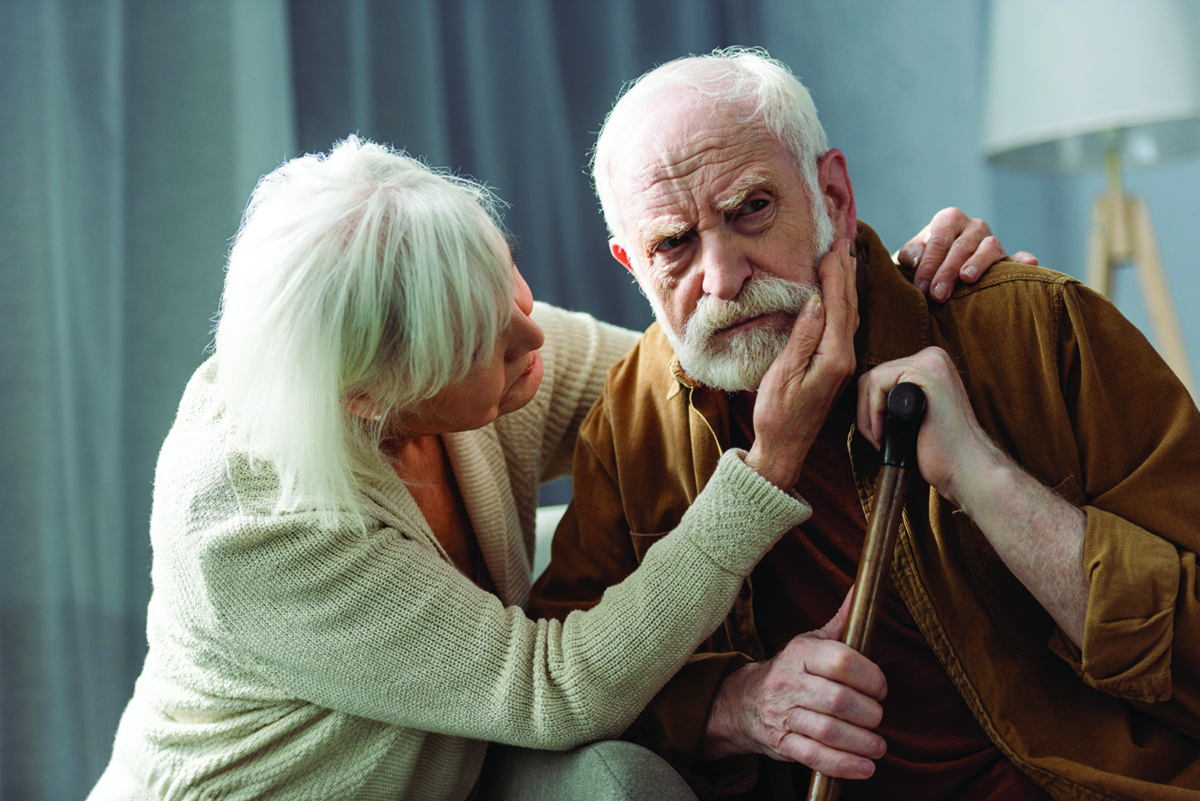
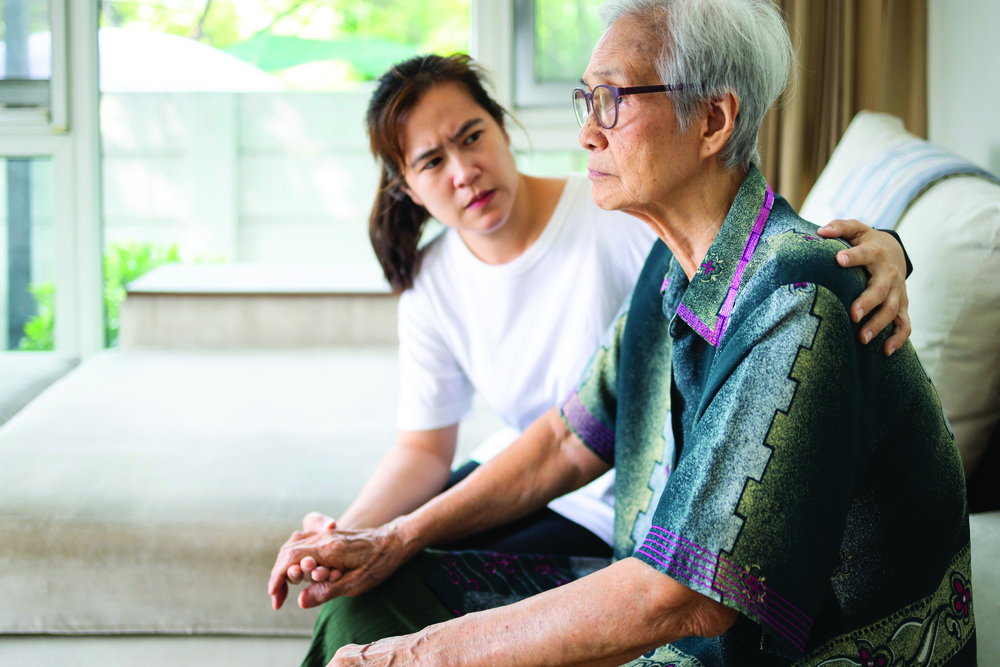
    Cheryl, a caregiver from Makawao, had to retire early to take care of her mother, who has dementia. “But now, how am I going to pay the bills?”

    Every day, Hawai‘i’s 154,000 family caregivers help their parents, spouses and other loved ones remain at home — where they want to be — instead of in an expensive nursing home.

    Family caregivers help with medications, medical care, errands, meals, bathing, dressing and much more. AARP estimates that Hawai‘i caregivers put in nearly 144 million unpaid hours each year, valued at an estimated $2.6 billion. Instead of getting paid, the average family caregiver spends more than $7,000 of their own money each year taking care of loved ones.

    Family caregivers deserve our support. That’s why AARP is advocating for commonsense solutions to help caregivers, such as a tax credit for caregivers and paid family leave to help them so they can keep working, save for their own retirement and continue to pay taxes.

    To learn more about the AARP Caregiving Campaign, visit aarp.org/politics-society/advocacy/caregiving-advocacy.

    For more about support and resources for caregivers, visit aarp.org/caregiving.


    AARP HAWAI‘I (501(c) nonprofit)
    1001 Bishop St., Ste. 625, Honolulu, HI 96813
    808-545-6000 | hiaarp@aarp.org | aarp.org/hi
    facebook.com/aarphawaii

    Cheryl, a caregiver from Makawao, had to retire early to take care of her mother, who has dementia. “But now, how am I going to pay the bills?” Every day, Hawai‘i’s 154,000 family caregivers help their parents, spouses and other loved ones remain at home — where they want to be — instead of in…

  • What to Say & Not to Say to Grievers

    Grief hurts. It hurts to witness our loved ones hurt. So a typical response to someone who is grieving is to try to comfort them and make them feel better.

    There is nothing wrong with trying to comfort the bereaved, but making them feel better is not possible. A grieving person simply wants their grief to be acknowledged and witnessed, not fixed. They have permission to be sad, angry, distracted and confused.

    There are phrases used commonly in an effort to comfort a bereaved person, but even with the best of intentions, these words can be hurtful, as they inadvertently minimize and diminish the griever’s feelings.

    WHAT NOT TO SAY

    They are in a better place.
    They lived a long life.
    At least they are no longer suffering.
    Be strong.
    Don’t cry.
    You’ll get over it.
    Shouldn’t you be over it by now?
    I know exactly how you feel.
    I understand.

    ALSO NOT HELPFUL

    You should be over this by now.
    Time heals all wounds.
    If you’re not crying, you’re not really grieving.
    Real men shouldn’t cry.

    WHAT TO SAY

    I’m sorry that you are having to navigate this.
    My condolences for your loss.
    I care.
    I love you.
    I don’t know what to say except I’m here for you.
    How do you want me to support you?

    There are many commonly held myths and misunderstandings about grief, which can present significant barriers to someone who is grieving. But when we understand the needs of those who are experiencing this painful but inescapable unbinding of the heart, we will likely be more mindful with our words.

    As much as words are important, know that your mere presence in the midst of their sorrow can be just the comfort they need.


    BEREAVEMENT NETWORK OF HAWAI‘I
    Facilitated by KOKUA MAU (501(c) 3 nonprofit)
    808-585-9977 | kokuamau.org
    kokuamau.org/grief-and-bereavement
    Learn more about grief and the healing process: Help For The Bereaved — The Healing Journey (kokuamau.org/wp-content/uploads/CtrOnAging-Booklet-5-REV_6-30-11.pdf).

    Grief hurts. It hurts to witness our loved ones hurt. So a typical response to someone who is grieving is to try to comfort them and make them feel better. There is nothing wrong with trying to comfort the bereaved, but making them feel better is not possible. A grieving person simply wants their grief…

  • Helping Dogs Help People

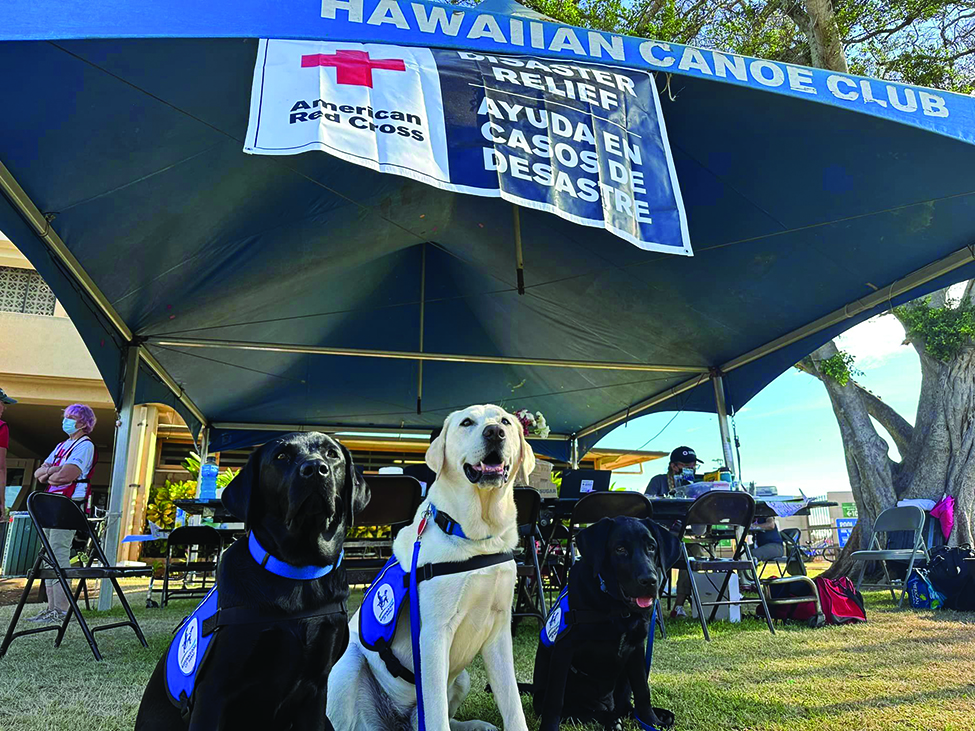
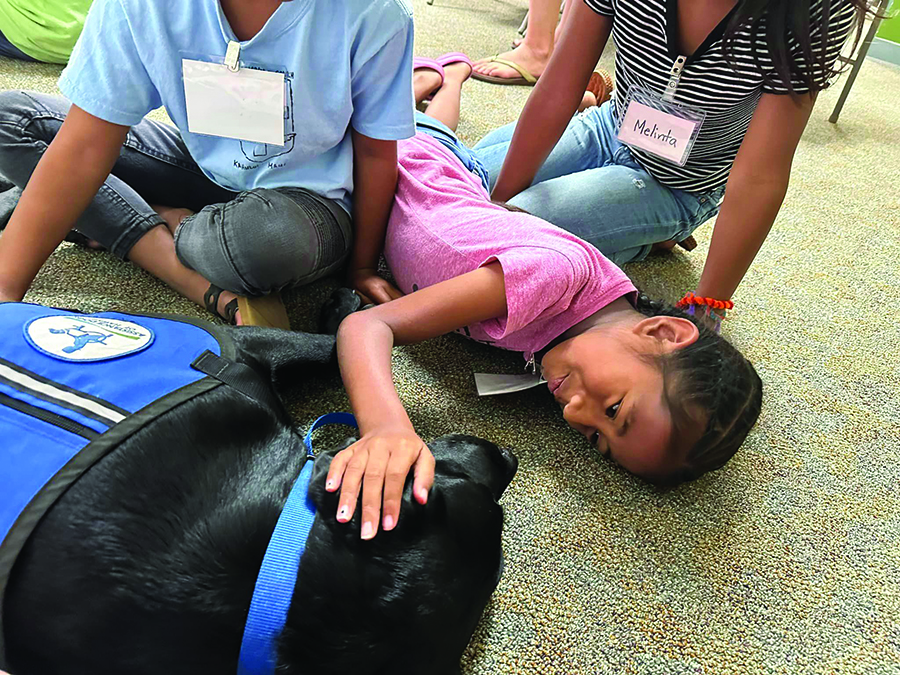
    Therapy Dog Teams startedvisiting emergency shelters, fire stations and police stations soon after the Maui fires. It’s wonderful to see people’s faces light up when they see the dogs.
    Therapy Dog Teams started visiting emergency shelters, fire stations and police stations soon after the Maui fires. It’s wonderful to see people’s faces light up when they see the dogs.

    Assistance Dogs of Hawaii (ADH) began in 2000 with a mission of training Service Dogs to assist people with limited mobility. The Maui based non-profit organization has grown over the last 23 years to provide dogs to a wide array of Hawai‘i residents with special needs.

    ADH has trained over 200 Assistance Dogs that have touched the lives of thousands of Hawai‘i residents. ADH provides Service Dogs for children and adults with disabilities and full-time Hospital Dogs that work at hospitals throughout Hawai‘i, including The Queens Medical Center, Kapiolani Medical Center, Rehab Hospital of the Pacific and Shriners Hospital for Children. ADH also provides Courthouse Dogs who help children who are victims of crime throughout the difficult legal system, and School Facility Dogs that help at local high schools. The ways that dogs can help people in need continues to grow. Assistance Dogs can help everyone from our keiki to our kūpuna.

    Assistance Dogs of Hawaii’s latest mission is providing Crisis Response for those affected by the wildfires on Maui. Therapy Dog Teams have been providing comfort to thousands of Maui residents at shelters and schools. ADH also provides support for first responders, including police and fire departments as well as FEMA and Red Cross workers. ADH adopted a puppy who was rescued from the fire in Lāhainā. She was named “Hope” and goes to school each day in West Maui, where she visits with students and comforts those who have also lost their homes.

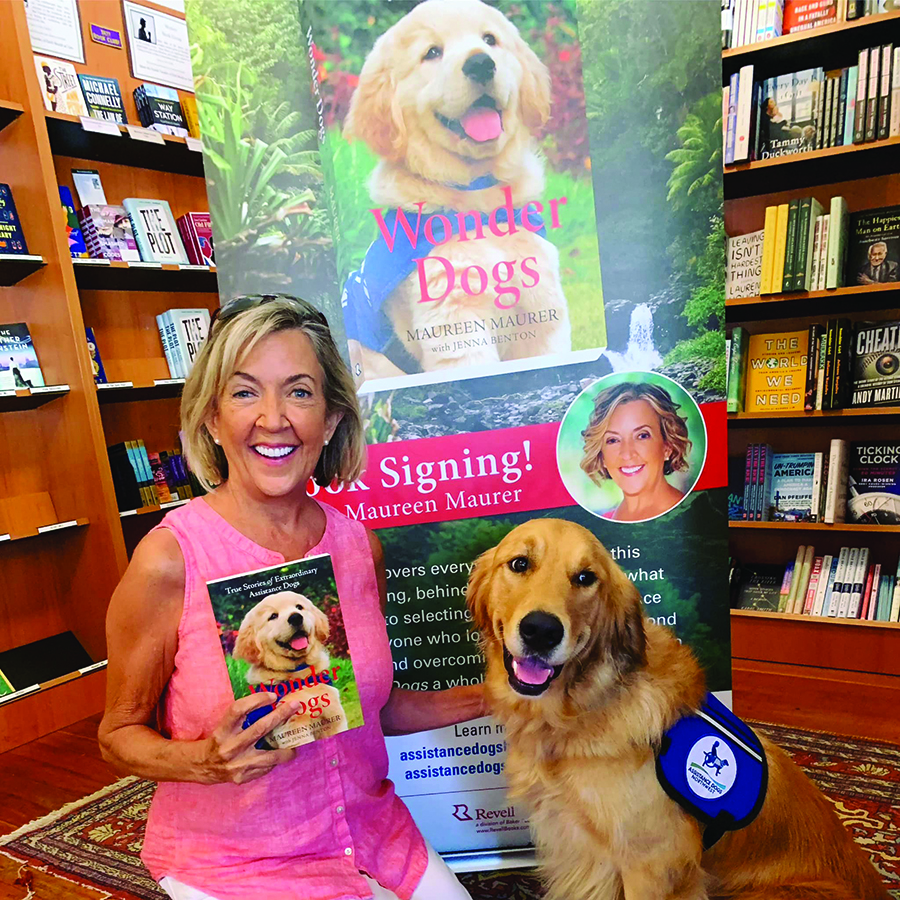
    ADH provides all of its services free of charge and thanks to donations from individuals, businesses and foundations. To learn more about Assistance Dogs of Hawaii and how these special dogs have changed the lives of people in Hawai‘i, read Wonder Dogs: True Stories of Extraordinary Assistance Dogs.


    ASSISTANCE DOGS HAWAII (501(c) 3 nonprofit)
    P.O. Box 1803 Makawao, HI 96768
    808-298-0167 | info@assistancedogshawaii.org
    assistancedogshawaii.org
    The book is available at wonderdogsbook.com/

    Assistance Dogs of Hawaii (ADH) began in 2000 with a mission of training Service Dogs to assist people with limited mobility. The Maui based non-profit organization has grown over the last 23 years to provide dogs to a wide array of Hawai‘i residents with special needs.