Category: Programs & Services

  • Helping Kūpuna Age Safely at Home

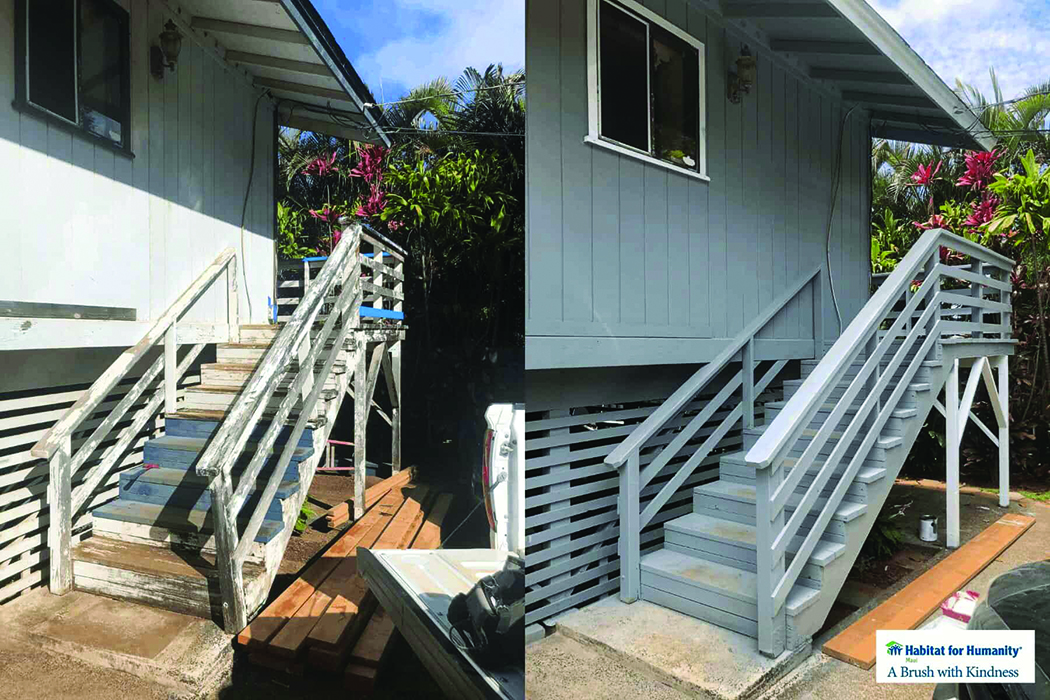
    Aging is a natural part of life, but it often comes with challenges, especially for our kūpuna who wish to remain in their own homes. Maintaining a safe and comfortable living environment can become increasingly difficult with age, but programs like “A Brush with Kindness” are stepping in to provide invaluable support.

    This Habitat for Humanity Maui initiative focuses on home preservation and aims to assist low-income homeowners with essential home repairs, maintenance and improvements at no cost.

    The program offers more than just home repair. It’s a lifeline for many kūpuna who might otherwise struggle to remain in their homes. By addressing critical home maintenance needs, the program helps prevent accidents, reduce the risk of illness and enhance overall well-being. Additionally, having a safe and well-maintained home means more than just physical security. It’s about dignity, independence and peace of mind, ensuring they can age in a safe and supportive environment.

    As we look toward the future, it’s essential to continue supporting such initiatives. We need to remember the profound impact that a helping hand can have on all of our lives — but especially the lives of our beloved kūpuna. For them, your impact is priceless.

    HABITAT FOR HUMANITY MAUI (nonprofit)
    1162 Lower Main St., Wailuku, HI 96793
    808-242-1140 | info@habitat-maui.org
    habitat-maui.org

    Aging is a natural part of life, but it often comes with challenges, especially for our kūpuna who wish to remain in their own homes. Maintaining a safe and comfortable living environment can become increasingly difficult with age, but programs like “A Brush with Kindness” are stepping in to provide invaluable support. This Habitat for…

  • Kūpuna Services Re-Emerge in Kāne‘ohe

    The COVID-19 pandemic wreaked havoc in countless ways. Businesses closed, including services for kūpuna and their family caregivers. Unfortunately, many of these businesses did not reopen as the rest of the state began recovery from the pandemic and began to rebuild.

    Adult day care services are important to kūpuna who need supervision and socialization during the day while their caregivers work or carry out other personal chores.

    Due to the pandemic, Kāne‘ohe had been without these services for over three years.

    As the need in this area became apparent, Hale Hau‘oli Hawai‘i, a nonprofit organization with two established adult day care centers in ‘Aiea, began looking for an appropriate location in the Kāne‘ohe area for an additional adult day care center.

    After many months of delays, Hale Hau‘oli Hawai‘i was finally able to open a new center in the Windward City Shopping Center, 45-480 Kāne‘ohe Bay Drive, on Aug. 1, 2024.

    The interest in this adult day care center location has been overwhelming, showing the dire need for this type of service in this underserved community. Hale Hau‘oli Hawai‘i is honored and excited to bring this assistance to the windward side of O‘ahu.

    HALE HAU‘OLI HAWAI‘I (nonprofit)
    98-1247 Kaahumanu St., Ste. 207, Aiea, HI 96701
    808-292-4665 | kwyatt01@aol.com
    halehauolihawaii.org

    The COVID-19 pandemic wreaked havoc in countless ways. Businesses closed, including services for kūpuna and their family caregivers. Unfortunately, many of these businesses did not reopen as the rest of the state began recovery from the pandemic and began to rebuild. Adult day care services are important to kūpuna who need supervision and socialization during…

  • The Legacy of The Salvation Army

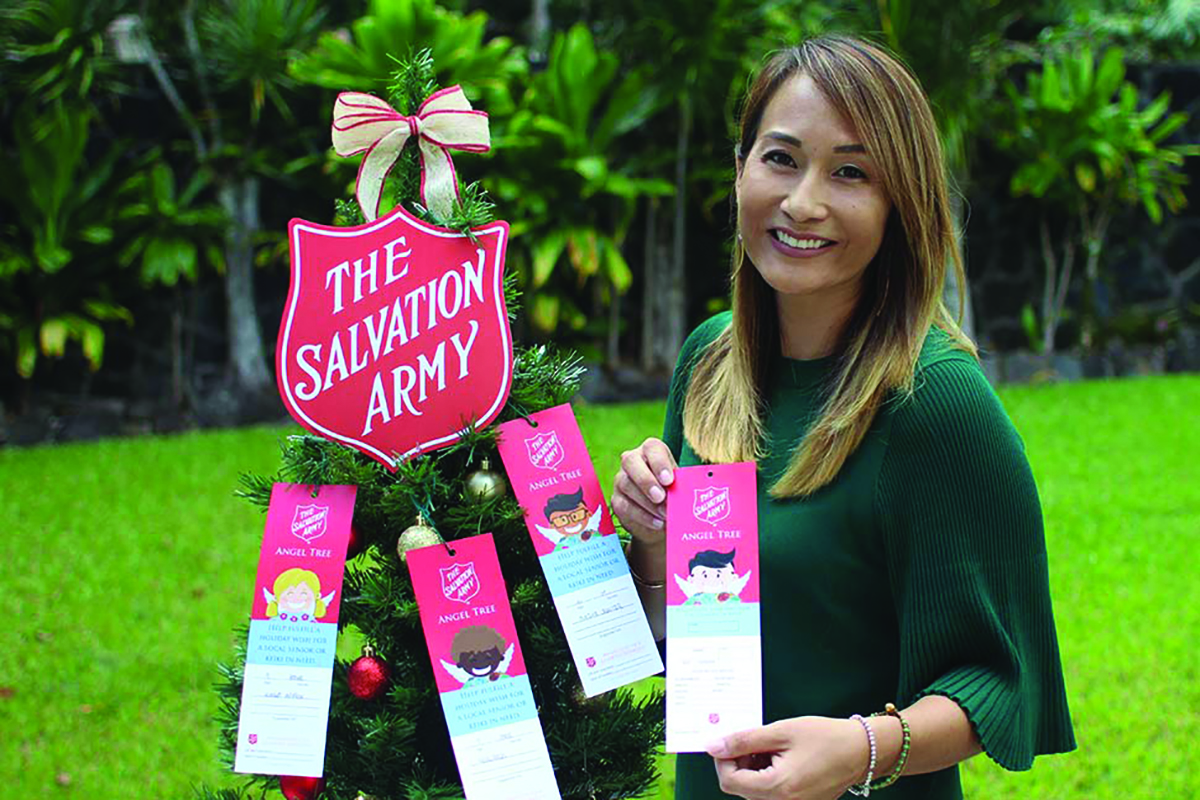
    Since 1894, The Salvation Army, Hawaiian and Pacific Islands Division, has focused its efforts on providing support, a sense of community and, most importantly, hope to those in need. For the past 130 years, their hallmark programs, such as the Red Kettle campaign and Angel Tree Giving, have played a pivotal role in ensuring that the holiday spirit reaches everyone, especially those facing financial or personal hardships.

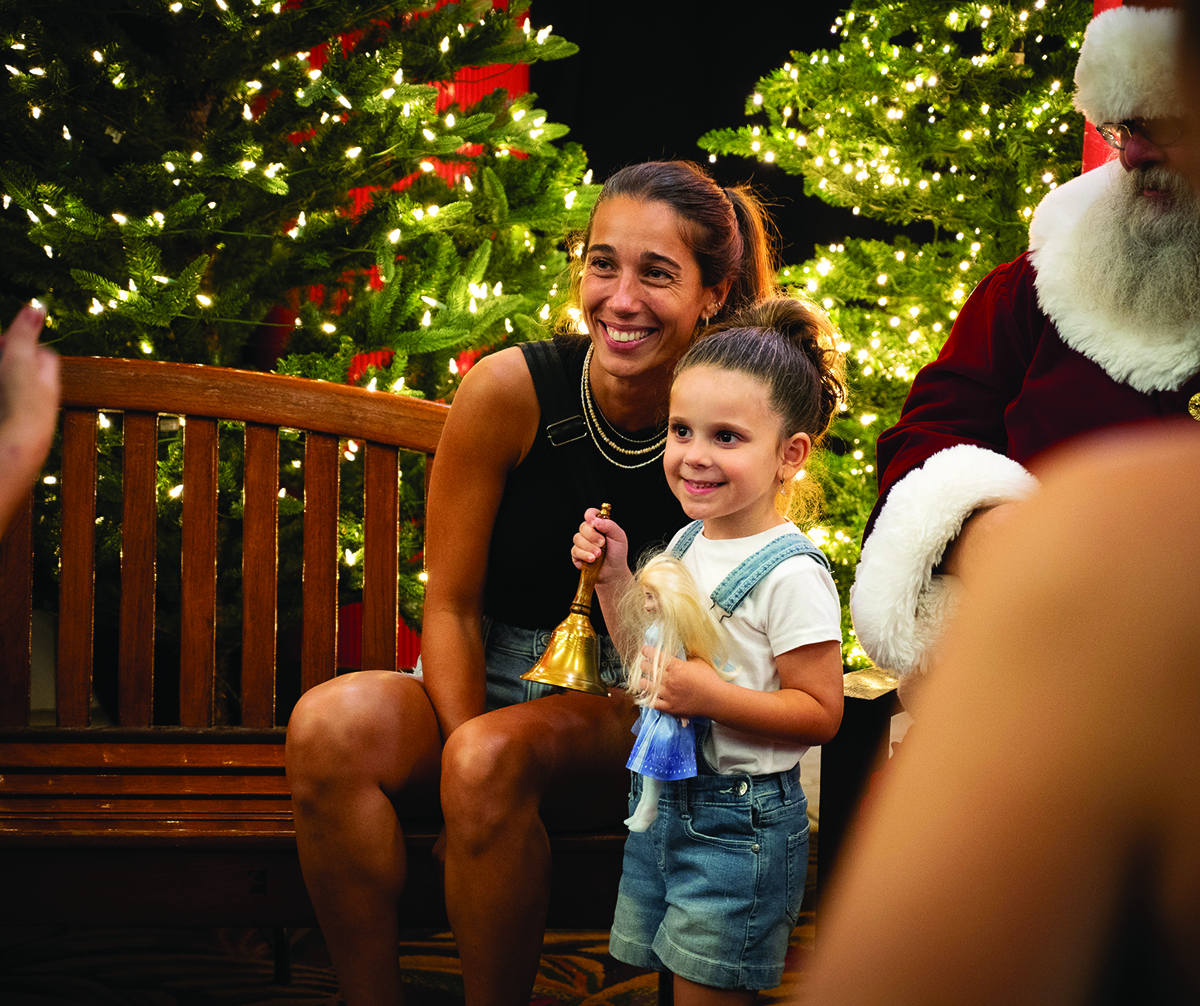
    The Red Kettle campaign, a familiar sight during the holiday season, involves volunteers — from keiki to kūpuna — stationed outside stores, ringing bells and collecting donations. This tradition, dating back over a century, raises critical funds that support The Salvation Army’s numerous programs — emergency assistance, at-risk youth, food insecurity, substance use disorders, houselessness and more.

    Senior volunteers bring their time and energy, and a deep commitment to serving the community. Many have been involved for years, finding purpose and connection through their work. The Salvation Army welcomes individuals of all ages to join this effort, offering an opportunity to give back during the holidays while impacting families year-round.

    “I love The Salvation Army at Christmastime because it gives me a joy to help people,” said Matthew Kailihou, a Red Kettle veteran who has been ringing for nearly five decades. “I would encourage all of you volunteers to come out so we can help people who need it at this time.”

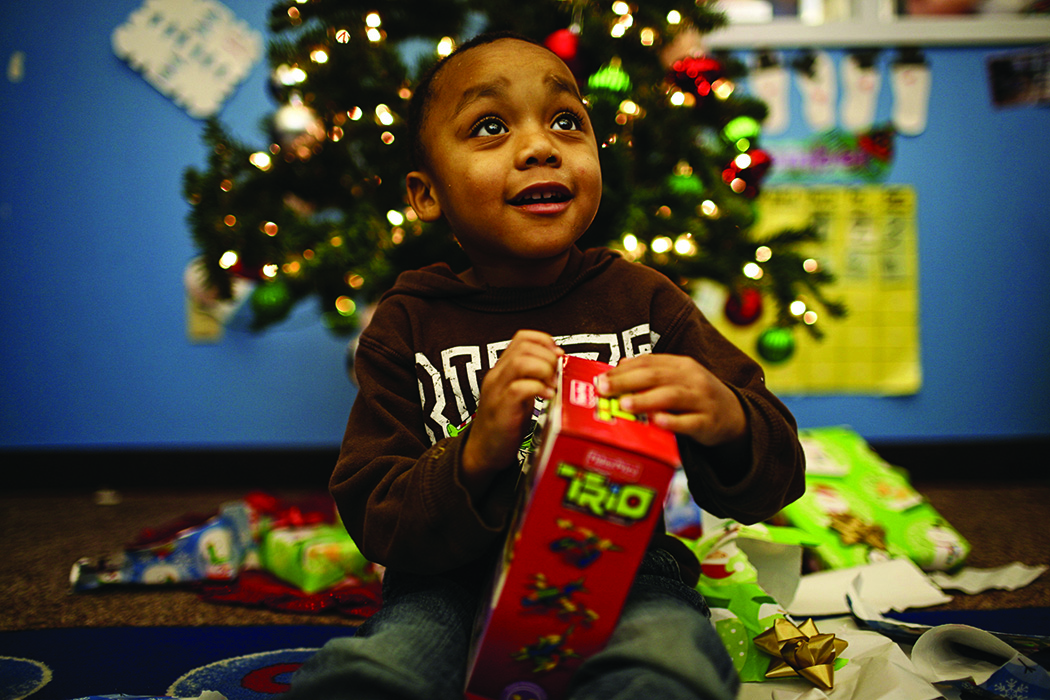
    The Angel Tree Giving program is another cornerstone of The Salvation Army’s holiday initiatives. This program brings joy to children and families who may not receive gifts during the holiday season for various reasons. Community members select tags from Angel Trees, each representing a specific child or family, and purchase items to fulfill their wish lists. The impact of this program goes beyond material gifts; it shows families that they are not alone — even during the most challenging times. Volunteers play a crucial role in organizing and distributing these gifts, making sure that every child’s wish is granted.

    Beyond these holiday-specific programs, The Salvation Army is deeply committed to supporting the community throughout the entire year.

    If disaster strikes in the community or at home, The Salvation Army is one of the first organizations to respond and often one of the last to leave. Through specialized training, the organization is able to make a difference when it matters most.

    “The truth is, it takes an army to do the work that we do every single day,” says The Salvation Army Divisional Director of Development Charmaine Hauanio-Kuewa. “Because of our donors, staff and volunteers, we have the opportunity to ensure that anybody who may be without food, a house or parents will never be without hope.”

    The Kroc Center Hawaii in Ewa Beach is one example of a Salvation Army owned-and-operated facility where people of all ages have opportunities to learn, grow, acquire new skills and build confidence. As the state’s largest community center of its kind, the Kroc Center offers a wide range of programs designed to foster connection and support development.

    The Mixed Plate program, for example, brings people together over shared meals and activities. This initiative creates a friendly environment where everyone is welcome and encouraged to connect, share stories and build lasting relationships.

    The Salvation Army’s work in Hawai‘i and across the greater Pacific is a testament to the power of collective effort and the spirit of giving and aloha. Its programs bring people together and provide much-needed assistance to some of the most vulnerable populations within our community.

    Volunteer opportunities: You can be an important part of this impactful work by volunteering, donating or simply spreading the word.

    Every contribution — no matter how big or small — helps to continue The Salvation Army’s continuing legacy of aloha in action.

    For more information on how to support The Salvation Army, Hawaiian and Pacific Islands Division, please see the donation and volunteer contact information below.

    THE SALVATION ARMY (nonprofit)
    Hawaiian & Pacific Islands Division
    hawaii.salvationarmy.org
    808-988-2136

    Since 1894, The Salvation Army, Hawaiian and Pacific Islands Division, has focused its efforts on providing support, a sense of community and, most importantly, hope to those in need. For the past 130 years, their hallmark programs, such as the Red Kettle campaign and Angel Tree Giving, have played a pivotal role in ensuring that…

  • It’s the Season for Health Insurance Options

    It’s the Season for Health Insurance Options

    October through December brings an annual opportunity for seniors to review their health status and medical insurance plan to ensure coverage that suits them best.

    All seniors 65 and over can have health insurance. If needed, no-cost government sponsored plans are a ready and available option. Hawai‘i seniors who have had changes in income, assets or disability status are encouraged to check eligibility and apply for coverage. Eligibility depends on many factors, including age, household size, assets and income.

    For seniors with Medicare, Oct. 15 through Dec. 7 is known as the “Annual Enrollment Period.” During this time, people with Medicare can change their Medicare health plan and prescription drug coverage for the following year. To learn more about getting Medicare coverage and plan information, visit Medicare.gov or call 1-800-MEDICARE.

    Regardless of coverage, don’t let the year go by without seeing your doctor. If you don’t have one, contact your health insurance plan to assist you or make an appointment with a clinic nearby. An annual checkup can be lifesaving. Community health centers will see patients for medical and/ or dental services regardless of the ability to pay. Learn more at hawaiipca.net.

    ALOHACARE
    1357 Kapiolani Blvd., Ste. G101, Honolulu, HI 96814
    808-973-0712 | toll free 1-877-973-0712
    kreid@alohacare.org
    alohacare.org

    October through December brings an annual opportunity for seniors to review their health status and medical insurance plan to ensure coverage that suits them best. All seniors 65 and over can have health insurance. If needed, no-cost government sponsored plans are a ready and available option. Hawai‘i seniors who have had changes in income, assets…

  • Senior Pedestrian Safety Tips

    Senior Pedestrian Safety Tips

    Seniors 65 years and older represent about a third of all pedestrian fatalities across the state. The Hawai‘i State Department of Transportation’s Walk Wise Hawaii program launched a partnership with First Insurance Company of Hawaii (FICOH) to stress the importance of visibility while walking — day or night.

    Most pedestrian crashes occur between 6 pm and 6 am, when visibility is low. FICOH provided over 3,500 green reflective pedestrian snap-on wristbands and safety lights at senior outreach events across the state.

    SOME SAFETY TIPS

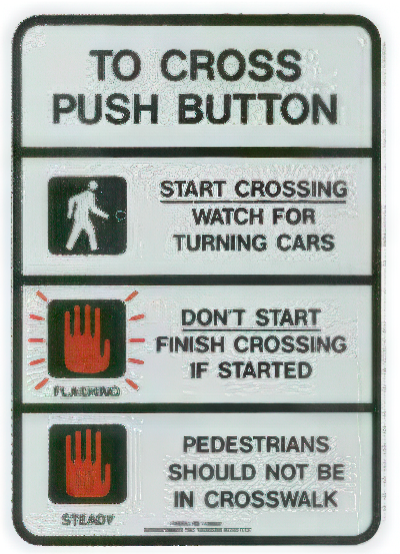
    • Dress to be seen. During the day, wear brightly colored clothing. At night, wear reflective material on your shoes, hat or clothing.
    • Cross only at corners or marked crosswalks.
    • Always walk on the sidewalk. If there is no sidewalk, make sure you walk facing traffic.
    • Look left, right, left again and over your shoulder before you step into the street.
    • Keep looking and listening as you cross, until you reach the other side.
    • When crossing in front of stopped cars, make eye contact to be sure drivers see you before crossing in front of them.

    If your organization would like to receive pedestrian safety wristbands, email Lance@tlcpr.com to book a pedestrian safety presentation. For more information, visit hidot.hawaii.gov/walk-wise-hawaii.

    Seniors 65 years and older represent about a third of all pedestrian fatalities across the state. The Hawai‘i State Department of Transportation’s Walk Wise Hawaii program launched a partnership with First Insurance Company of Hawaii (FICOH) to stress the importance of visibility while walking — day or night. Most pedestrian crashes occur between 6 pm…

  • Bounty of Activities at Kaua‘i Senior Centers

    Bounty of Activities at Kaua‘i Senior Centers

    At its nine senior centers, the County of Kaua‘i Department of Parks & Recreation (DP&R) provides quality educational and recreational opportunities for growth and enhancement through an array of diverse programs and special events that promote community participation and environmental awareness while meeting the physical, mental, social and psychological needs of our island’s kūpuna.

    Senior Classes & Activities: Kekaha, Waimea, Kaumakani, Hanapēpē, Kalāheo, Kōloa, Līhu‘e, Kapa‘a/Anahola (combined sites) and Kīlauea Neighborhood Centers serve as hubs for senior classes and activities, including hula, ‘ukulele, wellness, crafts, ballroom and line dancing, mahjong, Nordic Walk, yoga, meditation, chi gung, drumming, tai-chi, weightlifting and bingo.
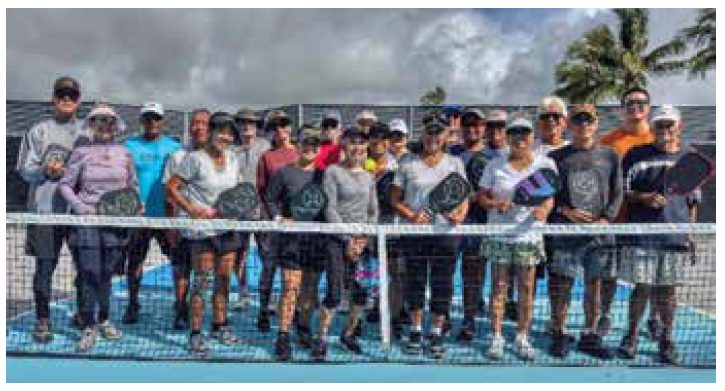
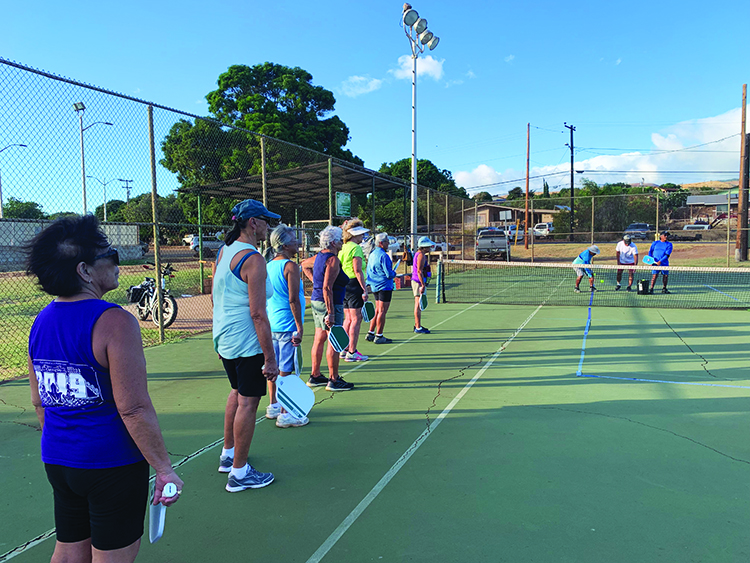
    Senior Pickleball: Pickleball continues to grow among the senior population, attracting well over 300 participants on Kaua‘i. Mini tournaments, leagues, classes and open play are offered at outdoor public venues and gyms across the island.■ Senior Mini Fun Day: In September, Kaua‘i DP&R holds competitive outdoor games, including Portuguese horseshoes, water balloon toss and bingo with prizes, entertainment and morning snacks. Seniors look forward to meeting up and mingling with friends from other senior centers.
    Senior Craft Fair: The Līhu‘e Senior Center hosts a popular craft fair in October, offering a jumpstart on holiday shopping. Homemade wares, such as rugs, quilts, blankets and lei are sold. Bonsai plants are also on display, with knowledgeable seniors on-hand to share their expertise about cultivation and care. Strong community support has baked goods, pickled onions and other favorites selling out, so get there early.
    Valentine Aloha Party: A well-deserved, popular “Mahalo Party” with a live band welcomes the members of all Kaua‘i Senior Centers in February. Kaua‘i firefighters serve as dance partners. Seniors enjoy a delicious buffet luncheon, with door prizes given away throughout the day, courtesy of Na Kupuna Council.

    COUNTY OF KAUA‘I DEPT. OF PARKS & RECREATION
    4444 Rice St., Ste. 105, Lihue, HI 96766
    808-241-4460 | dagaran@kauai.gov
    kauai.gov/Government/Departments-Agencies/Parks
    Kaua‘i’s Senior Programs throughout the island:
    Melanie Okamoto
    808 241-4462 | mokamoto@kauai.gov
    Bronson Carvalho
    808 241-4465 | bbcarvalho@kauai.gov

    At its nine senior centers, the County of Kaua‘i Department of Parks & Recreation (DP&R) provides quality educational and recreational opportunities for growth and enhancement through an array of diverse programs and special events that promote community participation and environmental awareness while meeting the physical, mental, social and psychological needs of our island’s kūpuna. ■…

  • Supporting Seniors Islandwide

    Did you know Waikīkī Community Center (WCC) supports all O‘ahu seniors, not just those from Waikīkī¯?

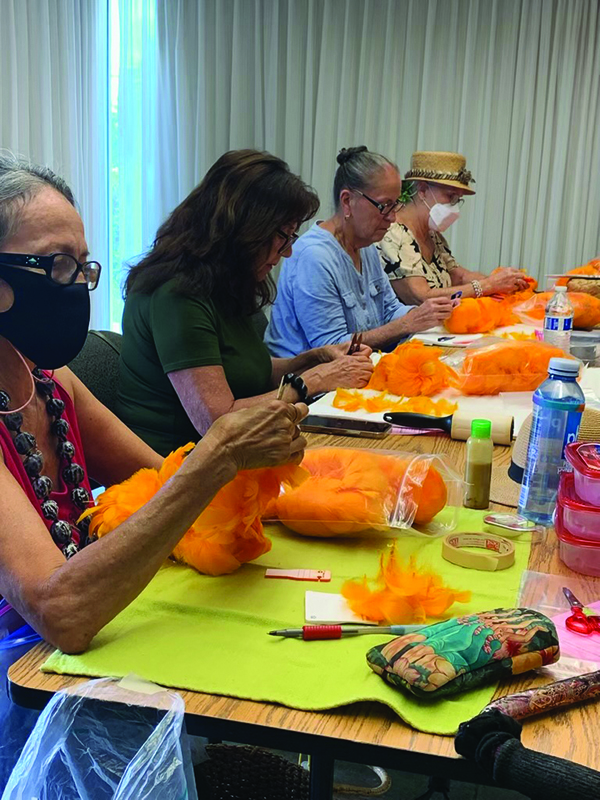
    ACTIVE AGING: WCC offers a wide variety of classes, workshops and activities that can help improve balance, keep your mind sharp and teach you something new, all while having fun! Tai chi, hula, repurposing old jewelry, garden club, scrabble, ikebana and line dance are just a few examples of what the center offers.

    SENIOR ASSISTANCE COORDINATION (SAC): SAC helps seniors facing a variety of challenges. We provide support for issues such as housing, nutrition, caregiver support and finances by coordinating other local services and accessing our programs. SAC can include direct financial
    assistance for emergencies and basic needs, such as help with utility and medical bills, or rental assistance.

    “BUILD” EMERGENCY SAVINGS: For O‘ahu residents who are working, BUILD is a savings program that provides up to $1,000 in matched savings (we’ll put in $1 for every dollar you save), with the goal of building $2,000 in savings over six to 12 months.

    FREE PARKING/ACCESSIBLE BY BUS: It’s easy to get here! There’s free parking in front of the buildings and a bus stop two blocks away.

    WAIKĪKĪ COMMUNITY CENTER (nonprofit)
    310 Paoakalani Ave., Honolulu, HI 96815
    808-923-1802 | info@waikikicommunitycenter.org
    waikikicommunitycenter.org
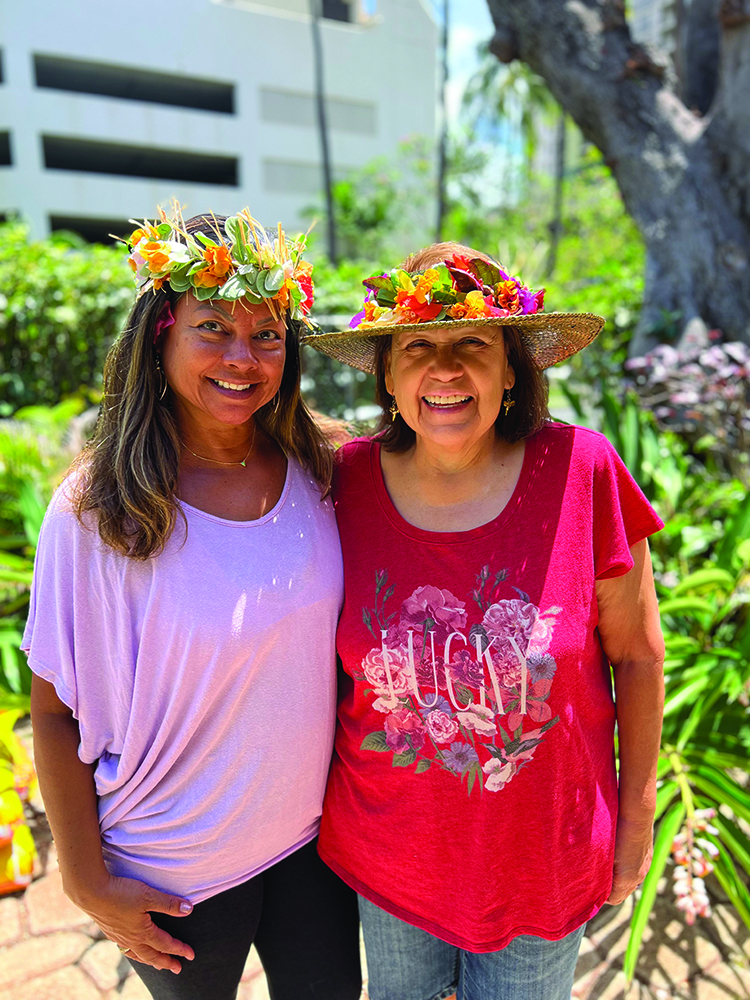
    (Photo, L–R) Cecilia Brown, haku lei class instructor, and class
    participant Cecilia Zarate.

    Did you know Waikīkī Community Center (WCC) supports all O‘ahu seniors, not just those from Waikīkī¯? ACTIVE AGING: WCC offers a wide variety of classes, workshops and activities that can help improve balance, keep your mind sharp and teach you something new, all while having fun! Tai chi, hula, repurposing old jewelry, garden club, scrabble,…

  • Keeping Up with KEY’s Kūpuna

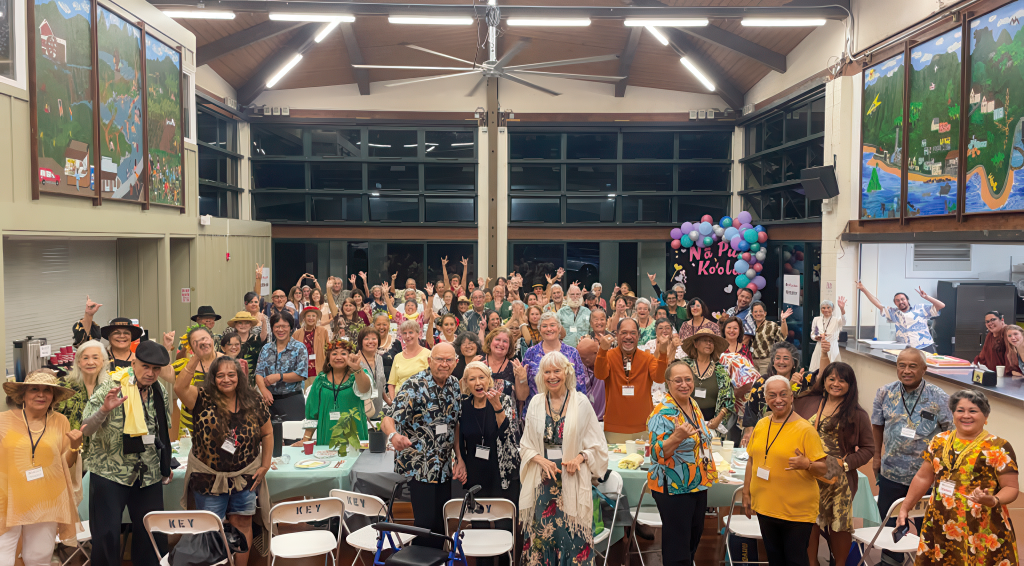
    In the heart of Waihe‘e, O‘ahu, nestled under the protection of the mighty Ko‘olau Mountains, lies KEY Project’s Nā Pua o Ko‘olau Kūpuna Program. Rooted in honoring those who served us, this free program offers a safe haven where kūpuna ages 50 years and older living from Kane’ohe to Kahuku can thrive through weekly social engagement, food and nourishment, and immersion in Hawaiian culture.

    At the core of the Kūpuna Program are its weekly social activities, including catered meals at Kūpuna Breakfast and Kūpuna Lunch. Other workshops serve as a bridge to perpetuate Hawaiian cultural arts, traditions and practices. Through hands-on experiences, kūpuna learn lei-making, ulana lau niu (coconut frond weaving), Hawaiian quilting and more. With the program’s intention to keep kūpuna mobile, they also visit neighboring wahi pana (legendary places) on monthly huaka‘i (trips) from Waihe‘e Watershed Tunnel, to exploring lo‘i kalo (taro patches), and traveling by boat to hear the mo‘olelo (stories, myths an legends) of Moku o Lo‘e (Coconut Island, a 28-acre island in Kane’ohe Bay). Each month is an adventure waiting to happen!

    Overall, KEY Project’s Nā Pua o Ko‘olau Kūpuna Program celebrates the golden years of life. Serving as that second home for many, you will quickly discover the key to its success are the program members themselves. Sign up for free at keyproject.org/kupuna-program or pick up a form at our office to be our next “pua” (flower)!

    KEY PROJECT (nonprofit)
    47-200 Waihee Road, Kaneohe, HI 96744
    808-239-5777 | kupuna@keyproject.org
    keyproject.org

    In the heart of Waihe‘e, O‘ahu, nestled under the protection of the mighty Ko‘olau Mountains, lies KEY Project’s Nā Pua o Ko‘olau Kūpuna Program. Rooted in honoring those who served us, this free program offers a safe haven where kūpuna ages 50 years and older living from Kane’ohe to Kahuku can thrive through weekly social…

  • Mō‘ili‘ili Community Center

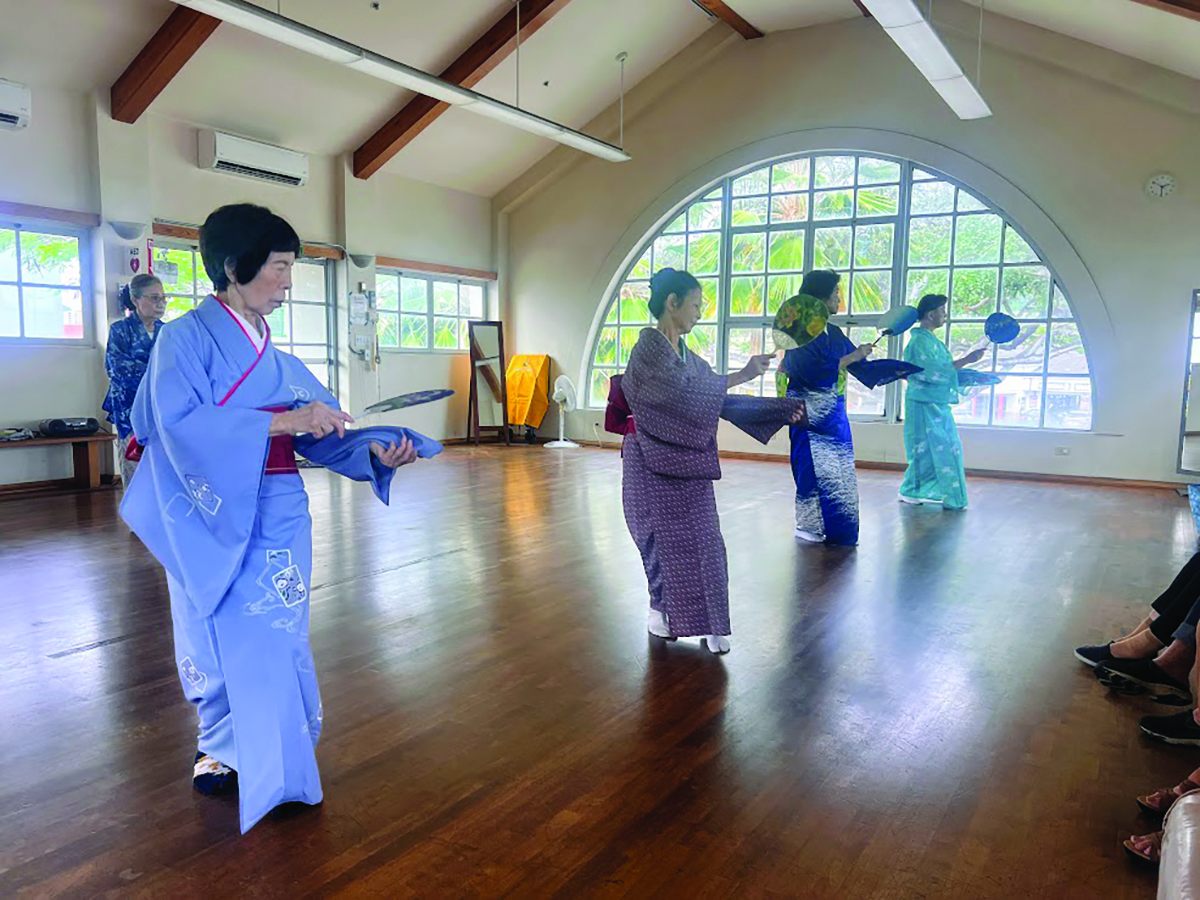
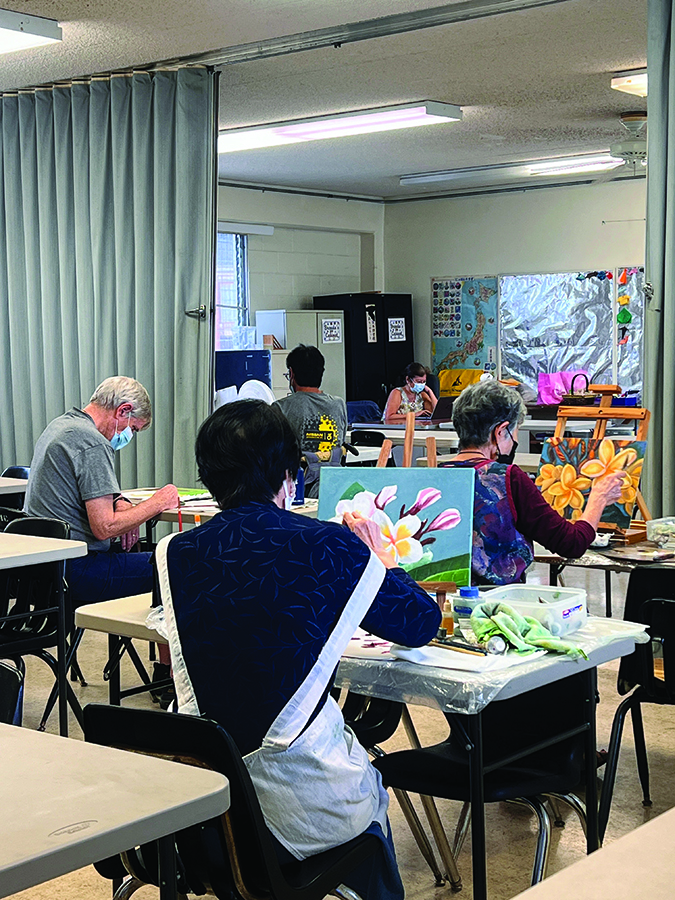
    The Mō‘ili‘ili Senior Center is dedicated to enriching seniors’ lives through activities that enhance fine motor skills, cognition, balance and strength. Our offerings include exercise, dance, music, crafts, painting, Japanese and multicultural games. We strive to keep seniors safe, informed and connected.

    The Mō‘ili‘ili Community Center (MCC) Senior Program serves seniors 60 years and older living from Ward Avenue to Hawai‘i Kai. It receives partial funding from the Elderly Affairs Division, Department of Community Services, City and County of Honolulu, and the Hawai‘i Executive Office of Aging, an Aloha United Way Agency.

    Mō‘ili‘ili: A Community with Rich Heritage

    Mō‘ili‘ili has a rich history and cultural diversity. MCC began as a Japanese language school and continues to offer after-school Japanese language classes along with an after-school program that includes homework assistance, fun exercise and play. Keiki and kūpuna engage in shared activities, bridging generations and emphasizing sonkei — respect and care for elders.

    MCC: A Hub of Support

    Since 1945, MCC has been a cornerstone of Mō‘ili‘ili, offering programs such as:

    • Mō‘ili‘ili Senior Center (MSC): Fitness, arts, crafts, health talks and educational workshops
    • Kupuna Support Program (KSP): Respite care with social activities, hot meals, daily exercise, and cognitive activities
    • Children and Family Program (CFP): Afterschool programs, summer camps and cultural activities are offered

    Community Impact

    At Mō‘ili‘ili Community Center, we create a supportive environment where seniors can thrive. We welcome you to visit us, participate in our programs, and stay active and connected at the Mō‘ili‘ili Senior Center.

    Join us in celebration of Mō‘ili‘ili’s rich cultural diversity and become a valued member of our vibrant community today.

    MŌ‘ILI‘ILI COMMUNITY CENTER (private nonprofit)
    2535 South King St., Honolulu, HI 96826
    808-955-1555 | office@moiliilicc.org
    moiliilicc.org

    The Mō‘ili‘ili Senior Center is dedicated to enriching seniors’ lives through activities that enhance fine motor skills, cognition, balance and strength. Our offerings include exercise, dance, music, crafts, painting, Japanese and multicultural games. We strive to keep seniors safe, informed and connected. The Mō‘ili‘ili Community Center (MCC) Senior Program serves seniors 60 years and older…

  • Moloka‘i Kupuna Program Fills the Gap

    Imagine living and working on Moloka‘i most or all your life. Now you’re a kūpuna and many of your ‘ohana members have moved out of the family home or off the island, leaving you to live alone. You begin to feel depressed and cut off from family and even friends.

    To fill this gap, the Moloka‘i Rural Health Community Association (MRHCA) runs the Moloka‘i Kupuna Program, a comprehensive program developed to provide a wide range of services, activities and socialization opportunities for seniors. Funded by the County of Maui’s Office of Economic Development (OED) and the Office of Aging (MCOA), the program is under the direction and coordination of myself and my staff.

    Activities: MRHCA has partnered with programs and individuals who provide kupuna-friendly activities, such as hula, theater, ceramics, online painting, leihulu (feather lei making), ‘ukulele classes, lauhala weaving, origami and other cultural activities. One of the program’s primary goals is to provide outlets for socialization and talk story time for kūpuna and their peers as they participate in these activities.

    Health: Exercise classes, tai-chi and stretching sessions help loosen up ku¯puna’s stiff muscles. In collaboration with Sustainable Moloka‘i, ku¯puna receive free bags of fresh produce. Outreach workers visit the homebound in tandem with our public health nurses.

    Education: Computer classes and online classes in Social Security, Medicare and gerontology are also offered.

    Services: Kūpuna who have received haircuts, lomilomi massages or footcare from the podiatrist often say they “feel like a million dollars.” Yard and house cleaning services are also available.

    The MRHCA is very grateful to provide these services to our island kūpuna and we are happy that they entrust us with their daily needs.

    MOLOKA‘I RURAL HEALTH COMMUNITY ASSOC.
    PO Box 290614, Hoolehua, HI 96729
    808-774-8991 | kupunaprogram.wixsite.com

    Imagine living and working on Moloka‘i most or all your life. Now you’re a kūpuna and many of your ‘ohana members have moved out of the family home or off the island, leaving you to live alone. You begin to feel depressed and cut off from family and even friends. To fill this gap, the…

  • ‘We Never Talked About It’

    The patient is in a coma. The doctor at the hospital is asking, “What kind of care would your dad have wanted if he could speak?” Too often, the answer is “I wish I knew. We never talked about it.”

    Medical technology is extending our lives. But many people are dying in ways they would not choose, and many survivors are left feeling guilty and uncertain whether they made the right decisions for their loved ones. However, it doesn’t need to be this way.

    The Big Island’s Community First Hawai‘i nonprofit strives to change this scenario by holding free workshops every other month via Zoom and in person to help folks complete their Advance Health Care Directive (AHCD), a legal document that allows you to choose someone to speak for you and documents your end-of-life care choices.

    For those who already have a Living Will, Health Care Power of Attorney or an AHCD, the workshop helps in reviewing their document to ensure it meets their current needs.


    COMMUNITY FIRST HAWAI‘I (nonprofit)
    PO Box 7158, Hilo, HI 96720
    Call or email for a link to workshop recordings.
    808-756-9637 | info@communityfirsthawaii.org
    communityfirsthawaii.org/advance-health-care-directive

    The patient is in a coma. The doctor at the hospital is asking, “What kind of care would your dad have wanted if he could speak?” Too often, the answer is “I wish I knew. We never talked about it.”