Category: Articles

  • Ahchoo! It’s Cold & Flu Season!

    Hawai‘i may not have snowy winters, but we still experience a seasonal increase in cold and flu infections. Here are some tips to help you and your loved ones survive the season.

    1. Wash your hands. Hand washing is the best, most effective way to prevent the spread of cold viruses. Good hygiene can go a long way in keeping you healthy.

    2. Get a flu shot. Most cold symptoms are due to the common cold virus, but any infection makes your immune system more vulnerable to the influenza virus, which can be devastating for the elderly and those with chronic diseases.

    3. Stay home from work. This is not just to help expedite your recovery — it’s to keep those around you safe from germs. The same goes for your children. One day at home for an ill child can prevent many sick days for the rest of the class.

    4. Avoid unnecessary antibiotics. Most colds are viral infections. Antibiotics are only effective against bacterial infections. Most cold sufferers will recover within 14 days, regardless of whether or not they take antibiotics, but one in eight patients will experience adverse effects from antibiotics. Remarkably, the best elixir for reducing your cold and cough symptoms is honey!

    5. Talk to your doctor. Always call or visit your doctor if you experience persistent or worsening symptoms. It’s our job to help you out!


    KUAKINI PRIMARY CARE CLINIC
    405 North Kuakini St., Ste. 1009, Honolulu, HI 96817
    808-547-9105 | www.kuakini.org
    Hawai‘i may not have snowy winters, but we still experience a seasonal increase in cold and flu infections. Here are some tips to help you and your loved ones survive the season.

  • Smile Through Retirement

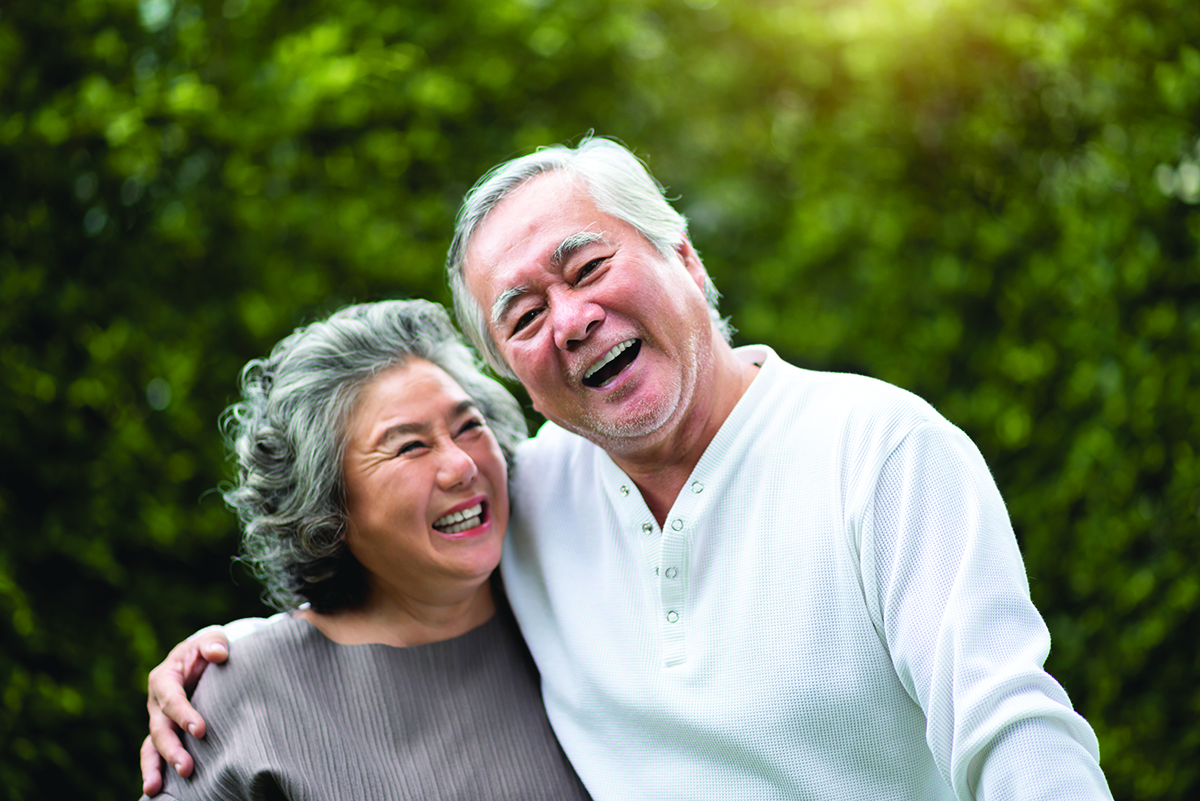
    Portrait of Asian Senior Couple laughing at the park. Happy Elderly with positive feeling at outdoor. Retirement.

    {Play}A healthy smile should last well into your retirement years. Many believe it’s natural for teeth to deteriorate as they age, but it’s possible to maintain healthy teeth and gums for life. Consider these tips to keep your smile healthy:

    Protect Your Smile: Protect your smile (and body) from infectious diseases and ailments by brushing twice a day, flossing daily and visiting your dentist regularly. A simple dental visit can identify signs of any systemic diseases or future oral health issues that may arise in your retirement years. Find a dental plan that fits within your budget and includes preventive care to ensure your exams and cleanings are covered.

    Keep Your Dentist Informed: Inform your dentist about medications you are taking and conditions you are experiencing. In some cases, certain medical conditions can impact your oral health. Your dentist can detect signs of infection and increase the frequency of cleanings throughout the year.

    Maintain Healthy Habits: Good nutrition has a direct impact on oral health. Maintain a balanced diet full of fibrous vegetables, lean protein and fruit. Limit the intake of sugary foods and drinks.

    Good oral health habits and visits to the dentist ensure a sparkling smile, and better overall health and quality of life. Live well, smile more.


    HAWAII DENTAL SERVICE
    Kahala Howser, Wellness & Events Manager
    808-521-1431 | khowser@hawaiidentalservice.com
    www.HawaiiDentalService.com

    A healthy smile should last well into your retirement years. Many believe it’s natural for teeth to deteriorate as they age, but it’s possible to maintain healthy teeth and gums for life. Consider these tips to keep your smile healthy…

  • The Month for All Things of the Heart

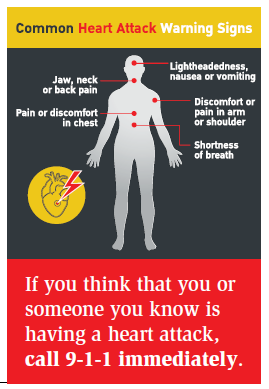
    {Play}February, the month that includes Valentine’s Day, is also American Heart Month, reminding us to take care of our hearts.

    What is heart disease?

    “Heart disease” refers to several types of heart conditions. The most common type is coronary artery disease, which can cause a heart attack. Smoking, eating an unhealthy diet and not getting enough exercise increase your risk for heart disease. High cholesterol, high blood pressure or diabetes are other conditions that can put you at and even higher risk. Ask your doctor about preventing or treating these medical conditions.

    What steps can you take to reduce your risk of having heart disease?

    To help prevent or reduce the risk of heart disease, you should:

    • Eat a heart-healthy diet
    • Get active
    • Stay at a healthy weight
    • Quit smoking and stay away from secondhand smoke
    • Control blood pressure and cholesterol
    • Drink alcohol only in moderation
    • Manage stress


    MDX HAWAI‘I
    500 Ala Moana Blvd., Ste. 2200, Honolulu, HI 96813-4993
    808-522-7500 | www.mdxhawaii.com
    MDX Hawai‘i has over 34 years of experience serving the people of Hawai‘i. Our physician network represents over 630 primary care physicians, and 2,200 specialists, hospitals and ancillary providers. MDX Hawai‘i contracts with Humana HMO, Humana PPO, and AARP/UnitedHealthcare PPO Medicare Advantage Plans.

    February, the month that includes Valentine’s Day, is also American Heart Month, reminding us to take care of our hearts. “Heart disease” refers to several types of heart conditions. The most common type is coronary artery disease, which can cause a heart attack.

  • Prevent Yourself From Falling Backward

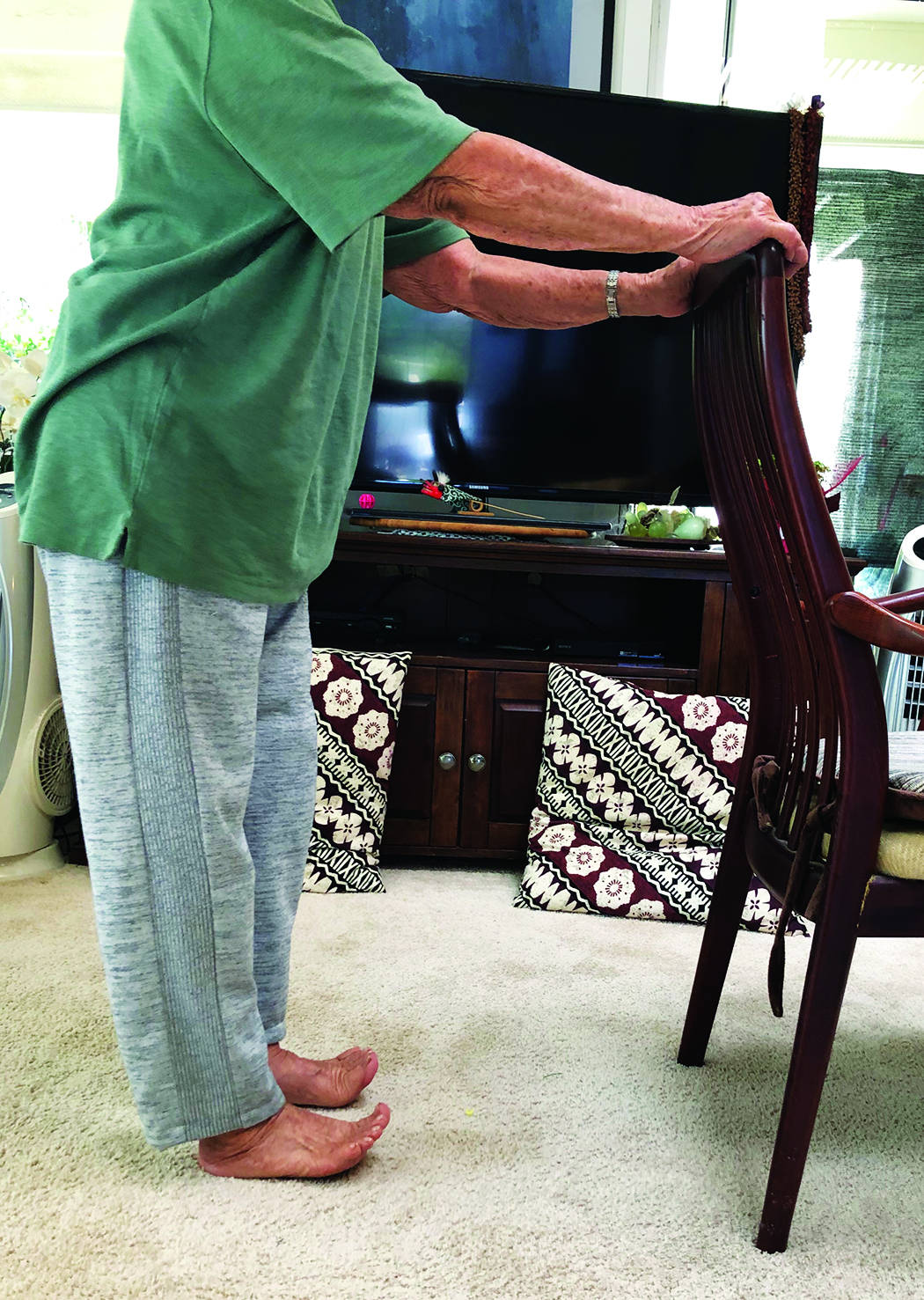
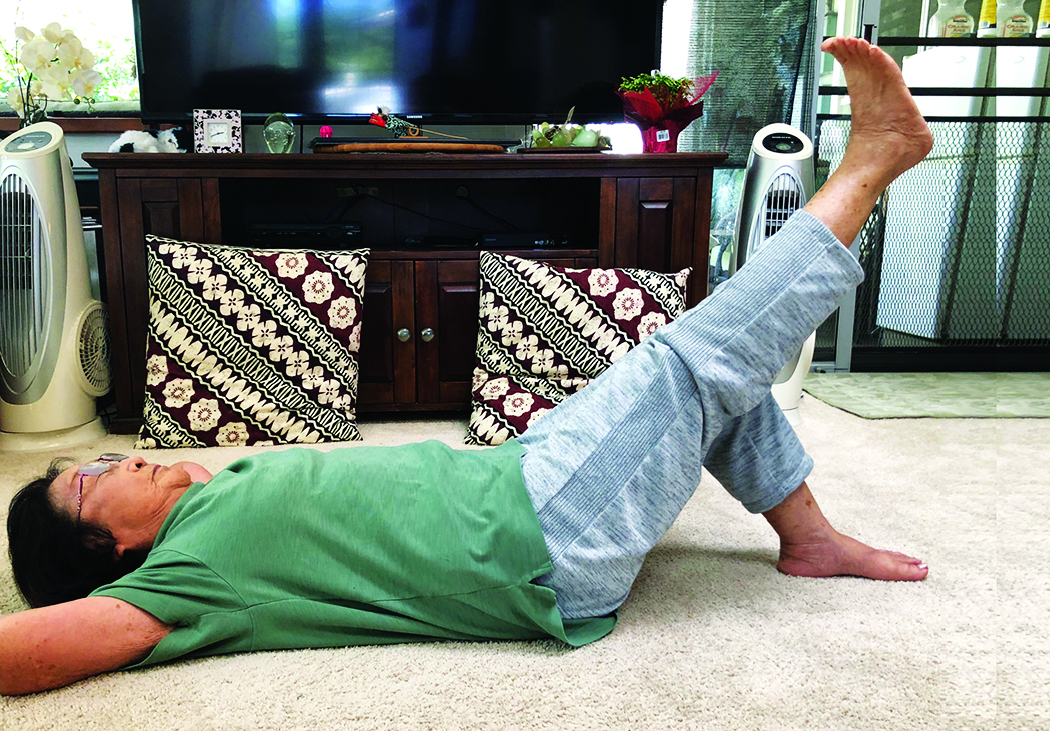
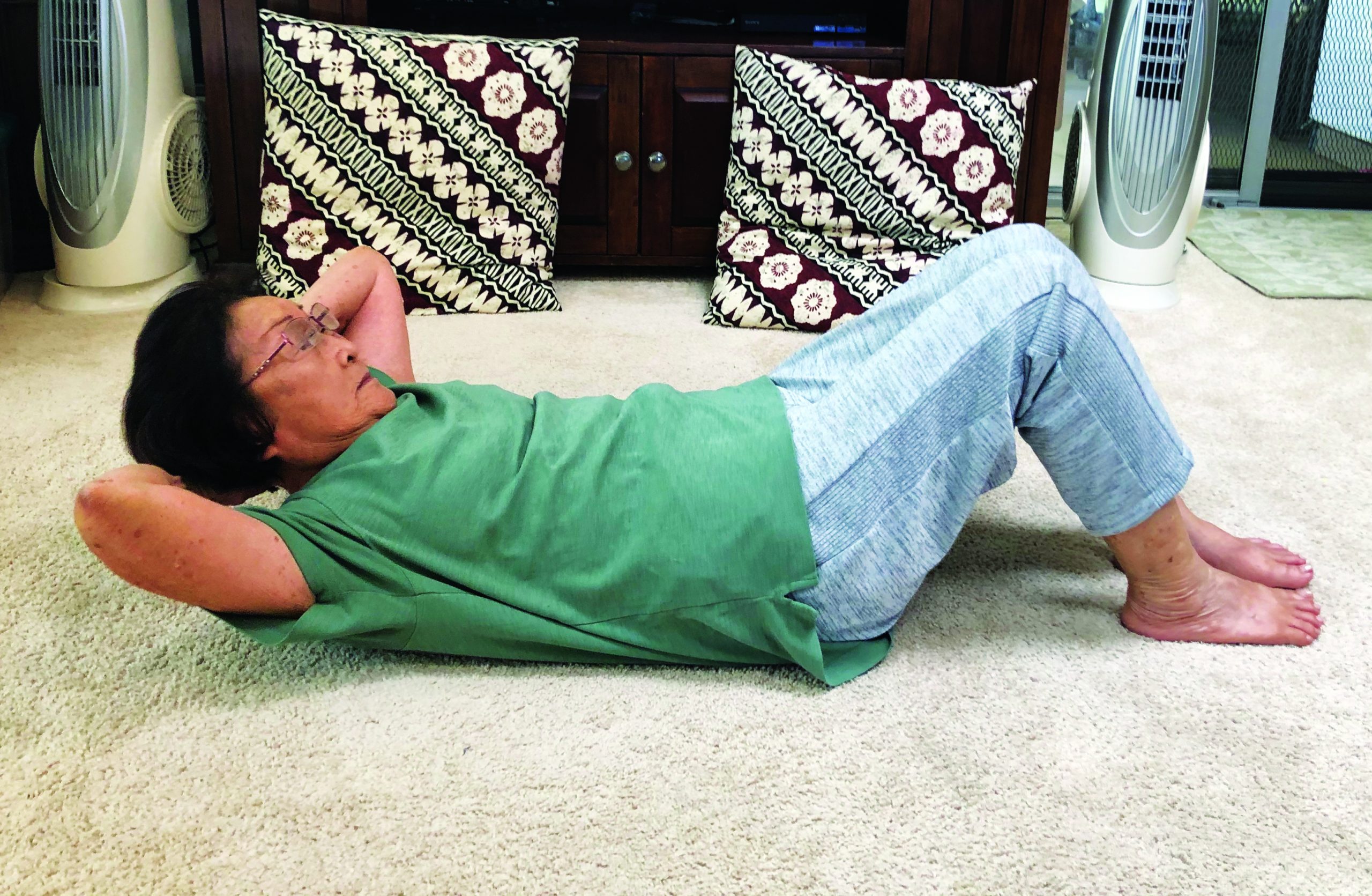
    {Play}One method of prevention is to strengthen muscles that pull forward when a posterior fall starts to occur. We are primarily talking about muscles in the front of the ankles, hip flexors and abdominals. Here are some exercises you can do to strengthen these pertinent muscles:

    TOE RAISES. In a standing position (sitting is OK if you have a fall risk), lift your toes and feet and feel the muscles in the front of your ankles engage. Do up to 3 sets of 10 reps for each feet (You may do both simultaneously).


    STRAIGHT LEG RAISES. Lie on your back with one knee bent. With the other leg kept straight, lift it up and down with your thigh and stomach tight, keeping your back flat. Do up to 3 sets of 10 reps per leg.


    ABDOMINAL CRUNCHES. Lie on your back with your hands behind your head or crossed over your chest. Tuck your chin in and lift up just your head and shoulder blades. Do up to 3 sets of 10 reps.


    If you continue to fall backward or have difficulty doing these exercises, it’s important that you consult with your primary care doctor or physical therapist.


    MAKAI MOBILE REHAB LLC (In-Home Physical Therapy)
    Jason Dacumos PT, MPT President/Owner
    808-783-9320 | jason@makaimobile.com
    www.makaimobile.com

    One of the most common causes of injuries in the elderly is due to falling backward. This type of fall can lead to serious injuries to the hips, spine, head, arm and/or wrists, depending on how someone lands. Ultimately, the best way to avoid serious injury is to prevent the fall from ever happening.

  • Neuroplasticity: Key to Stroke Recovery

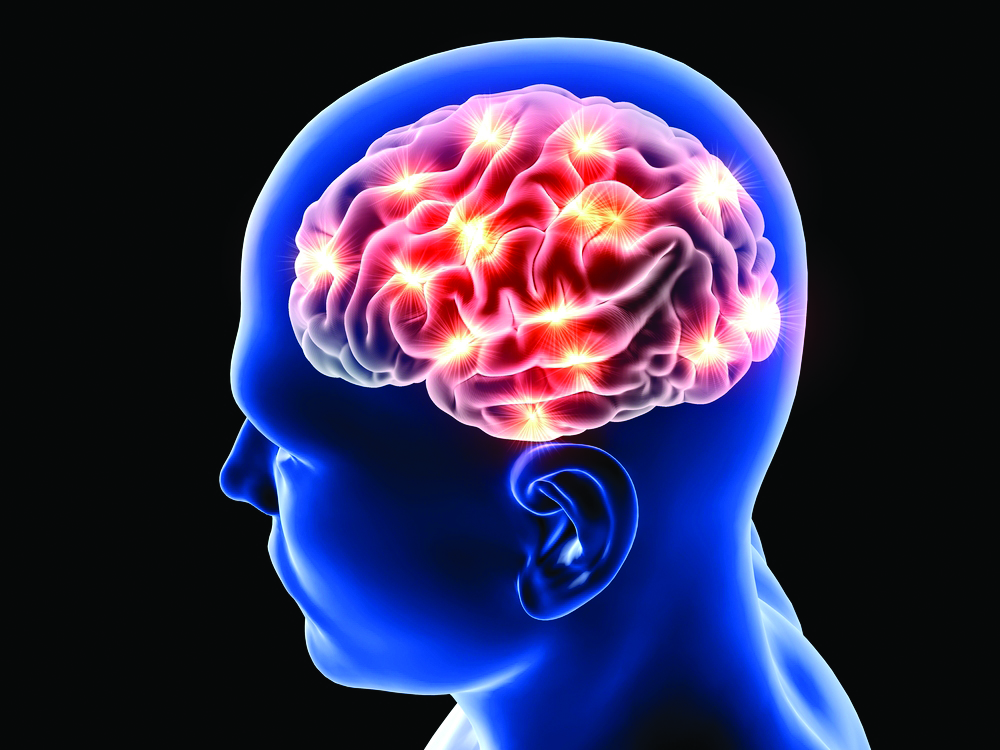
    Many people who suffer from a stroke lose hope and resign themselves to their “new normal.” But it doesn’t have to be this way. Here are some important recovery ideas:

    Heal the brain, heal the body. When the brain is deprived of oxygen-rich blood during a stroke, it leads to brain damage. Although this damage cannot be reversed, it is possible to train other parts of the brain to take over specific tasks. This process is called neuroplasticity. Neuroplasticity allows healthy parts of the brain to pick up the slack, thus helping to regain lost functions, such as movement and speech.

    Repetition helps activate neuroplasticity. In order to recover from a stroke, your brain needs a lot of repetition of exercises to successfully rewire itself and heal. The more repetitions performed, the more functions, such as your mobility, will improve. But this doesn’t just apply to exercise. You can also regain most abilities (language and memory)
    by practicing these skills.

    Stimulate key areas of the brain. Alternative therapies such as acupuncture can stimulate key areas of the brain, helping to improve mobility and sensory issues. It can also help with fine motor skills, swallowing, balance, speech and vision.

    Believe in recovery. Our biggest obstacle is ourselves. Remember that recovery only stops when we stop believing in recovery!


    NEEDLES OF HOPE
    1314 S. King St., Ste. 1050, Honolulu, HI 96814
    808-450-2527 | kathy@needlesofhope.com
    www.needlesofhope.com

    Many people who suffer from a stroke lose hope and resign themselves to their “new normal.” But it doesn’t have to be this way. Here are some important recovery ideas. Heal the brain, heal the body. When the brain is deprived of oxygen-rich blood during a stroke, it leads to brain damage. Although this damage…

  • The Power of One-Minute Exercises

    Is more exercise on your list this  year? Was it on last year and the previous years’ as well? Don’t feel bad — exercise holds the No. 1 spot in U.S. surveys as a resolution to be made and broken.

    So how can you make this year’s intention a success? All you need is one minute each hour to move your body or practice deep breathing. Studies have shown that by being mindful of your movement and breathing for one minute every hour, your focus and concentration will also improve. Smiling helps, too.

    Set your alarm on your phone to ring throughout the day, and when it does, set a timer and then move. You don’t need special equipment. Just spend that time observing your body. You can do slow neck rolls or shake your hands, or march. It doesn’t have to be difficult exercise — any movement, when done mindfully and with intention can be very beneficial to your body and your brain. Even tapping your body all over for one minute can get the blood flowing and boost your endorphins to make you feel good. Ten “1-minutes” a day is recommended to improve circulation and help you sleep better.


    BODY & BRAIN YOGA/TAI CHI
    Honolulu 808-596-9642 | Aiea 808-486-9642
    Kaimuki 808-738-5522
    Manoa Energy Healing Center 808-691-9642
    www.bnbenergyhealing.com
    www.bodynbrain.com | www.bodynbrain.com/manoa

    Is more exercise on your list this  year? Was it on last year and the previous years’ as well? Don’t feel bad — exercise holds the No. 1 spot in U.S. surveys as a resolution to be made and broken. So how can you make this year’s intention a success?

  • Pneumonia: No. 1 Cause of Death

    Community-acquired pneumonia (CAP) is one of the most common types of conditions primary care providers encounter in the United States. It is also the most common infectious cause of death. CAP accounts for nearly 4.5 million doctor visits annually and is the second most common cause of hospitalizations.

    Risk factors for contracting CAP include:

    • Older age: risk increases as you grow older, especially for those 65 years and older
    • Chronic respiratory disease: higher risk patients include those who smoke or have smoked, have COPD, bronchiectasis, asthma or other illnesses
    • Chronic diseases such as diabetes, congestive heart failure or stroke
    • Other immuno-compromising conditions, such as asplenia and HIV

    How can you protect yourself from community acquired pneumonia?

    Get vaccinated! The pneumococcal vaccination can help prevent this illness. The vaccine should be routine for those 65 and older. Generally, the vaccine is not recommended for healthy adults younger than 65—unless they are immuno-compromised. Check with your primary care provider to ensure your vaccination is up to date.

    What types of vaccine do you need?

    The following information will help you prepare to speak with your doctor. Pneumovax PPSV23 vaccine is recommended for adults 65 and older. It is typically administered every 10 years for patients who do not have any significant immuno-compromising conditions. The Pneumovax vaccine generally protects you against more than 50 percent of the causes of pneumococcal disease. Streptococcus pneumoniae, the leading bacterial cause of pneumonia worldwide, is part of Pneumovax PPSV23’s immunity.

    The Prevnar PCV13 vaccine contains protection from 13 other types of pneumonia-causing bacteria. Currently, medical guidelines have been updated to include this additional vaccine for those 65 and over on a case-by-case basis only, because the incidence of pneumonia caused by these bacteria is actually very low.

    Consult your doctor about these vaccines.


    HOUSE CALL MEDICAL PRACTICE LLC
    808-726-5062 | Housecallmed@gmail.com
    www.housecallmedhawaii.com
    The medical information in this article does not replace advice from your doctor or other professional healthcare provider.

    Community-acquired pneumonia (CAP) is one of the most common types of conditions primary care providers encounter in the United States. It is also the most common infectious cause of death. CAP accounts for nearly 4.5 million doctor visits annually and is the second most common cause of hospitalizations.

  • Smooth Out Those Hard Knots!

    Chronological age does not always reflect the biological age of a person. One way to look and feel much younger than your driver’s license reveals is to stay mentally, socially and physically active.

    Functional mobility keeps seniors strong, active and independent for as long as possible. Functional fitness is the physical capacity to perform normal everyday activities safely and independently without undue fatigue. But 43 percent of people over 65 have functional limitations due to inactivity.

    The good news is that early detection of physical weakness and appropriate changes in physical activity habits can reverse the path toward disability. Immobility is preventable and reversible through proper physical activity and exercise levels.

    Lack of physical activity can lead to dry, tight, hard fascia, which can cause chronic pain. Fascia is the connective tissue in our bodies. Keeping fascia in good condition requires consistent movement, which can help facilitate the healthy flow of lymphatic fluids throughout the body, keeping the body free of inflammation and pain by providing hydration of the tissues.

    Self-myofascial release (MFR) using a hard cylindrical roller is one method of training the fascia. When we put pressure on our tissues, old inflammatory wastes are purged and fresh, new fluid flows in when the pressure is released. This hydrates the fascia, making it more pliable and resilient to injury.

    Smooth out those hard knots, returning the fascia to its normal fluid and adaptable self with myofascial release.


    FRAN PATOSKIE
    Certified Trainer and Fascianation Method Practitioner
    808-349-5598 | franpatoskie@gmail.com

    Fascianator class locations:

    Wainani Wellness Center
    1144 10th Ave., Ste. 302, Honolulu, HI 96816
    Wednesdays at 5pm

    The Pacific Club
    1451 Queen Emma St., Honolulu, HI 96813
    Mondays at 1:30pm

    Honolulu Christian Church (faith-based class)
    2207 Oahu Ave., Honolulu, HI 96822
    Mondays and Thursdays at 5:15pm

    Chronological age does not always reflect the biological age of a person. One way to look and feel much younger than your driver’s license reveals is to stay mentally, socially and physically active. Functional mobility keeps seniors strong, active and independent for as long as possible.

  • Are You Golf-Ready?

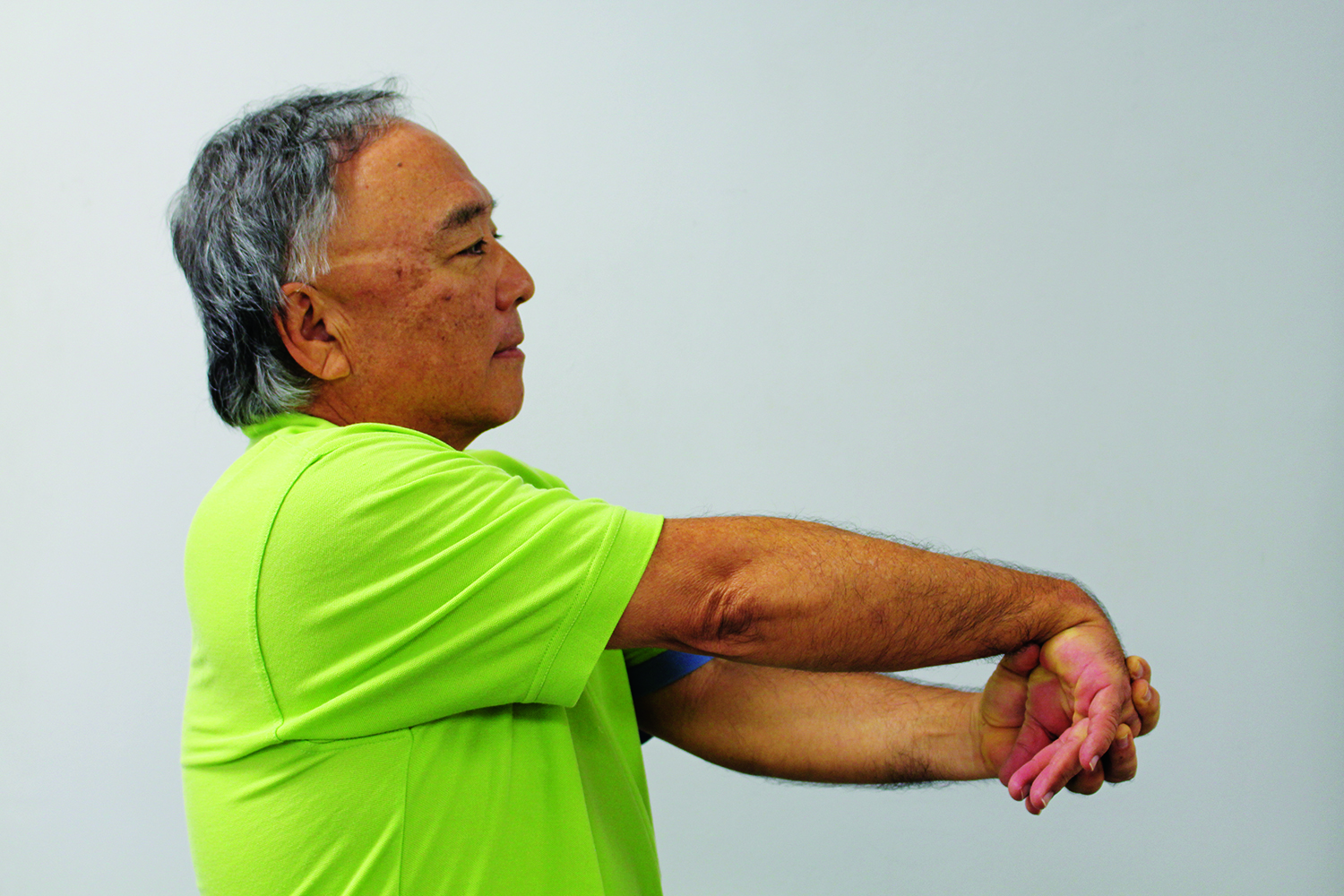
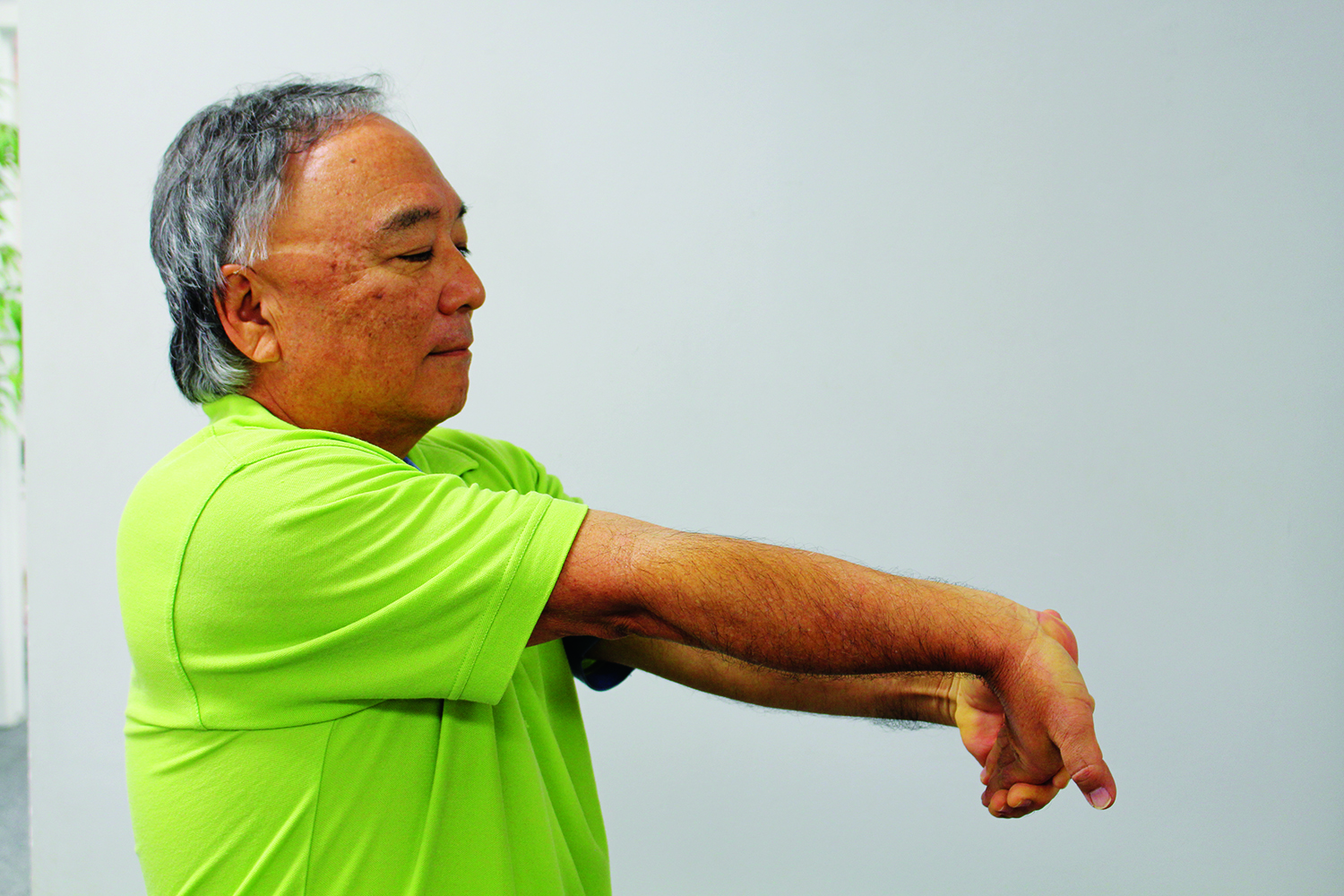
    Golf is a popular sports activity. Unlike most sports, it can be played throughout the golden years, if you can stay in shape and avoid injury. The American Physical Therapy Association says that older golfers often forget that while their passion for the game remains high, their bodies have aged. As we age, we lose flexibility, muscle mass and strength. Because the golf swing’s extreme bending and twisting movements are not natural for the body, senior golfers are at a greater risk of injury. Correct body mechanics on or off the course (lifting golf bags, etc.) play a larger role in preventing injuries. Warm-up exercises before starting a game are essential to prevent injury and continuing with these exercises during the game will help muscles recover faster and maintain muscular balance. Keeping yourself in shape with year-round conditioning, balance, strength, endurance and flexibility training ensures an injury-free game. Try these stretches:

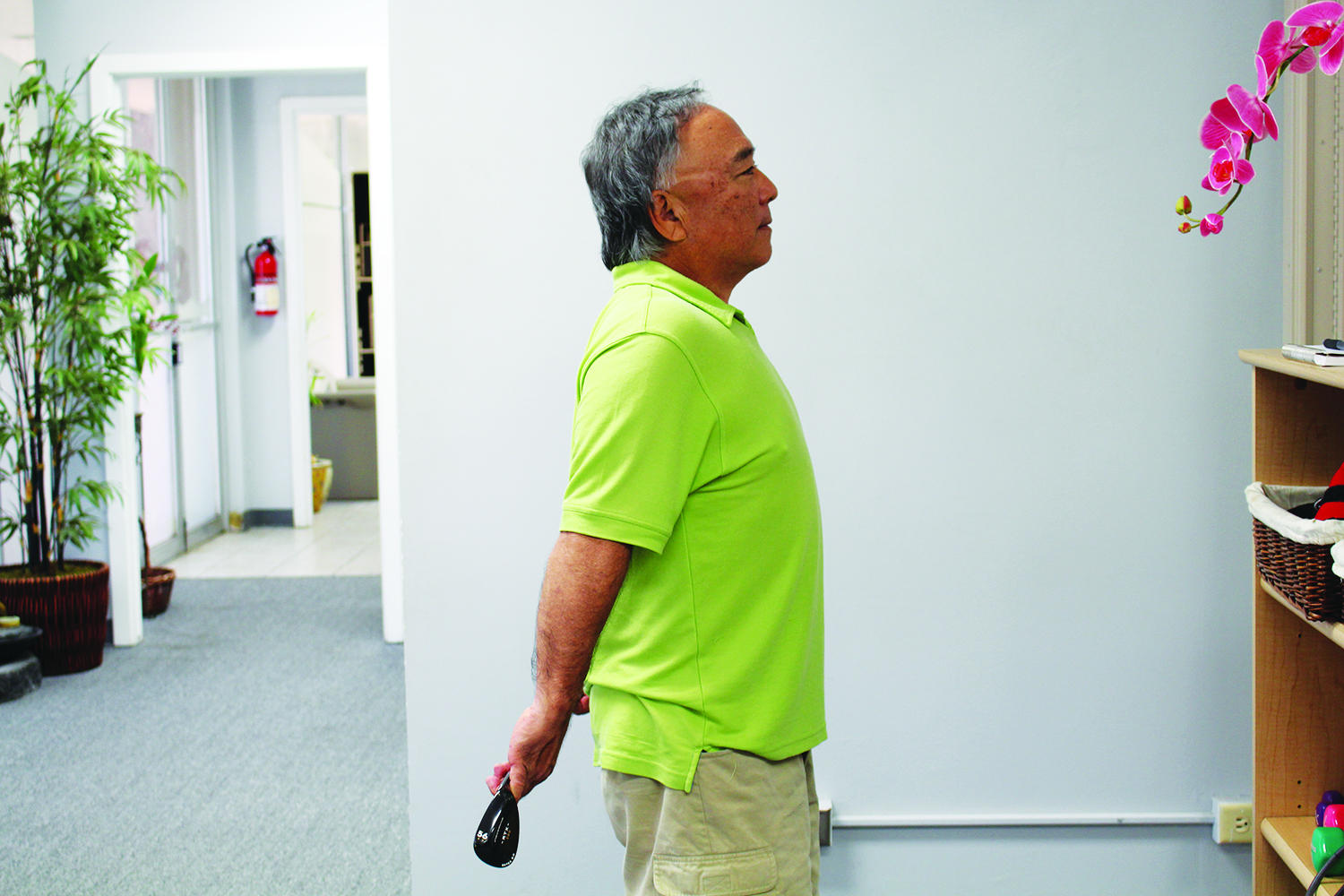
    Anterior Shoulder Stretch:
    Increases range of motion (ROM). Standing, hold your golf club behind your back with palms outward. Raise the club upwards until a stretch is felt in the front of your shoulders and chest. Hold 20 to 30 seconds. Do 2 to 3 sets.


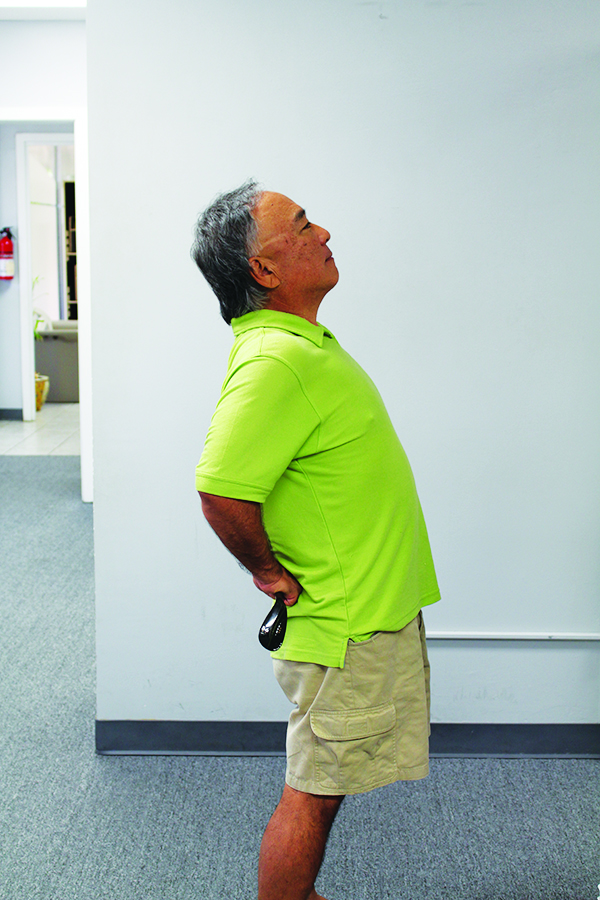
    Trunk Extension:
    Increases trunk ROM and prepares muscles for your golf swing (reduces back injury.) Stand holding your golf club with both hands (palms outward), resting the club on the small of your back. Bend backwards slowly. Hold for 2 seconds and return. Repeat 5 to 10 times.


    Trunk Rotation:
    Stand in the golf posture with your club behind your neck on your shoulders and grasp each end. Slowly and with control, rotate your upper body back, simulating a golf swing. Stretch the trunk region. Repeat 10 times.


    Wrist Stretches:
    Increase flexibility. Start with one arm held outward horizontally, elbows straight, palm down. Use your other hand to bend your wrist downward. Hold it for 20 to 30 seconds. Then turn your palm upward and repeat. Do 2 to 3 sets per wrist.


    Moon Physical Therapy LLC
    Aquatic, Land-based and Manual Therapy and Cardiopulmonary Rehab Programs
    320 Ward Avenue, Ste. 107, Honolulu
    808-597-1005 | www.moonpt.com

    Golf is a popular sports activity. Unlike most sports, it can be played throughout the golden years, if you can stay in shape and avoid injury. The American Physical Therapy Association says that older golfers often forget that while their passion for the game remains high, their bodies have aged. As we age, we lose…

  • Helpful Hints for Organizing Your Space

    Organizing and de-cluttering your home can be daunting. Conflicting emotions are sure to arise, so first, prepare yourself mentally. When you sense these feelings bubbling up, remind yourself that this is normal. Start thinking about enlisting a support team: a trusted family member, friend or  professional to help you step by step through the process. Here are some initial helpful hints:

    Clear Pathways. Cluttered or disorganized floor spaces or stairs are major safety concerns. De-clutter walkways first so you can ensure ease of movement throughout your home.

    Use Clear Containers. Clear containers allow you to easily see what’s stored where. In the kitchen, OXO Pop containers designed for people with arthritis open easily and seal in freshness.

    Maximize Vertical Space. Over-the-door storage racks and wall hooks help turn an ordinary wall or door into efficient storage space. These items are particularly useful if you’ve already downsized to a smaller space and are still needing homes for some of your belongings.

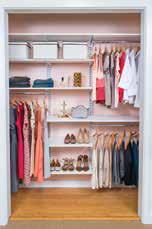
    Optimize Closet Organization. An organized closet makes getting dressed much easier. Organize your pantry for more effective meal preparation. The freedomRail® closet system provides a sturdy, flexible and economical solution to pantry, closet and storage area organization.


    ALOHA ORGANIZERS
    4348 Waialae Ave., Ste. 939, Honolulu, HI 96816
    808-347-7480

    Organizing and de-cluttering your home can be daunting. Conflicting emotions are sure to arise, so first, prepare yourself mentally. When you sense these feelings bubbling up, remind yourself that this is normal. Start thinking about enlisting a support team: a trusted family member, friend or  professional to help you step by step through the process.

  • Shopping for the Best Online Shipping

    Seniors with family and friends on the mainland know what high shipping costs can do to a budget. Hawai‘i small business owners hurt even more. They pay to ship in supplies and inventory, and high shipping costs prevent them from competing with big box stores and online retailers.
    Supporting our local economy keeps our neighborhood stores open. But families and seniors on fixed incomes are forced to look for the lowest prices, so here are some tips when looking for the best shipping costs.

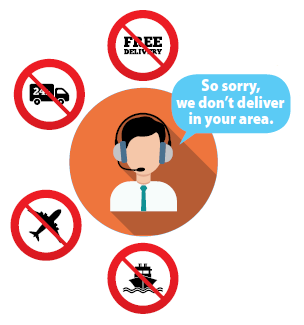
    If you can’t find what you need locally, visit webstores that will ship via the United States Postal Service. USPS is our fairest, lowest cost shipper. Retailers who really want our Hawai‘i business may also offer UPS standard air, which runs a bit higher and takes at least as long to get here. However,  UPS also offers retailers an economy service that only ships to “48 contiguous states.” So, search for shipping options before your browse a site to avoid disappointment at checkout.

    SHIPPING TIPS
    ■ Rule No.1: “Free shipping” never applies to Hawai‘i. Even Amazon.com Prime charges a membership fee and then still adds a shipping premium to many “free shipping” items.
    ■ Avoid “UPS Ground” shipping to Hawai‘i. This means your goods will come via an expediter on a container ship that may take six weeks to arrive!
    ■ Don’t buy from online sites that require “special quotes for International shipping” after you have input your payment information. If you got there from an ad, send feedback to Google.
    ■ Don’t waste your time trying to buy pieces of furniture or other heavy items from mainland outlets. Shipping costs may run more than the item you want! By the way, most online furniture stores are owned by Wayfair, whose shipping policies are unfavorable for Hawai‘i. Buy new or used furniture locally. Buy locally when you can, be smart when buying online and when you get the chance, ask our state legislators and members of Congress to support the Post Office and prevent us from getting cut off from family, friends and business on the mainland.


    HONU MEDIA, LLC
    Freelance Writing Services
    Katherine Kama‘ema‘e Smith
    808-268-0787

    Seniors with family and friends on the mainland know what high shipping costs can do to a budget. Hawai‘i small business owners hurt even more. They pay to ship in supplies and inventory, and high shipping costs prevent them from competing with big box stores and online retailers.

  • Mellow Friends

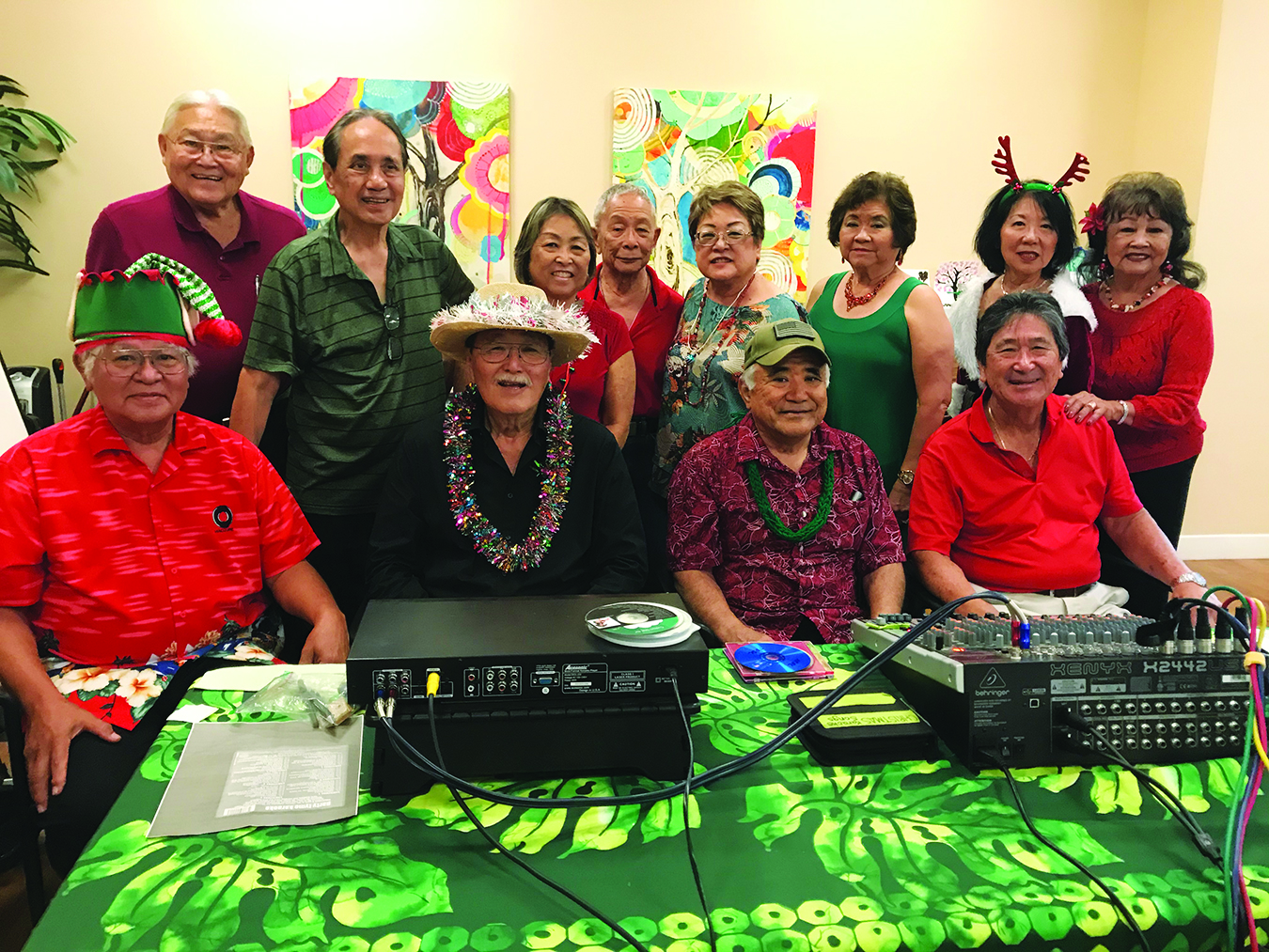
    Mellow Friends, a group of karaoke enthusiasts, visited 11 senior centers and assisted living facilities starting in 2011. Melvin Watarai, the founder of this volunteer ensemble, had the karaoke equipment and a format for the singers to perform solo songs, duets and group sing-alongs with the seniors. Three years ago, Gary Shimabukuro took the helm, adding more equipment and four more locations, increasing their total number of monthly visits to 15.

    (L–R, sitting) Simon Sanidad, Mel Watarai, Gary Shimabukuro, Al Sakihara, (standing) Roy Hamasaki, Woody Batula, Mae Fujimoto, Clarence Kane, Jean Yamanaka, Jennie Wolfe, Yvonne Watarai and Florence Matsukado.
    (L–R, sitting) Simon Sanidad, Mel Watarai, Gary Shimabukuro, Al Sakihara, (standing) Roy Hamasaki, Woody Batula, Mae Fujimoto, Clarence Kane, Jean Yamanaka, Jennie Wolfe, Yvonne Watarai and Florence Matsukado.

    One of the locations that Mellow Friends visits is Manoa Cottage Kaimuki. Executive Director and Administrator Calvin Hara says, “The music of Mellow Friends provides comfort and local style to our residents. The songs of yesteryear reach into the residents’ memories as they reminisce and enjoy social stimulation with others.”

    Mellow Friends volunteers are multi-talented seniors who dance hula and sing a variety of songs in different languages. Seniors look forward to their monthly visits to sing along loud and proud.

    For the last four years at the annual Generations Senior Karaoke Contest at the Mayor’s Craft & Country Fair, Simon Sanidad and Al Sakihara have provided Gary valuable assistance.


    MELLOW FRIENDS
    Gary Shimabukuro | gsjx2@gmail.com

    Mellow Friends, a group of karaoke enthusiasts, visited 11 senior centers and assisted living facilities starting in 2011. Melvin Watarai, the founder of this volunteer ensemble, had the karaoke equipment and a format for the singers to perform solo songs, duets and group sing-alongs with the seniors. Three years ago, Gary Shimabukuro took the helm,…