Category: Articles

  • How to Find the Right Senior Care Home

    Gen Xers may find themselves helping parents age in place at home or at a senior care facility. Finding the right senior care home requires careful planning, research and consideration of a variety of factors:

    • Consider your parents’ current and future needs. Are they independent, need memory care or a higher level of care? Does a chronic illness require special care?
    • Choose a location that works for everyone. A senior facility in close proximity to family makes visiting more manageable.
    • Financial planning is crucial. Understand what is included and what additional services will cost. Review long-term care insurance and what is covered. Familiarize yourself with your parents’ pensions, which can help offset costs.
    • Take a tour. Is the facility well-kept and odor-free? How do staff members treat residents? Would your parents prefer an active or quieter environment? Are daily activities offered? Request a lunch tour for you and your parents to assess the food.

    Choosing a senior care home for your parents is a major decision. But after considering these questions and doing your research, trust your instincts. If something doesn’t feel right, keep searching to find a place where your parents will feel safe, cared for and happy.

    THE PLAZA ASSISTED LIVING
    900 Fort Street Mall, Ste. 1722, Honolulu, HI 96813
    808 628-6635 | nkamai@plazaassistedliving.com
    Plazaassistedliving.com

    Gen Xers may find themselves helping parents age in place at home or at a senior care facility. Finding the right senior care home requires careful planning, research and consideration of a variety of factors: Choosing a senior care home for your parents is a major decision. But after considering these questions and doing your…

  • Summer Tips for Healthy Teeth and Gums

    You may have heard of the saying “Drink well, eat well, live well.” What we eat and drink directly affects our overall health and our oral health. That’s especially true during the summer months, when it is typically hotter in Hawai‘i.

    Dehydration, especially for kūpuna, can lead to dry mouth, which may put them at greater risk for cavities and gum disease.

    The solution is simple: Drink plenty of water. Native Hawaiian wisdom notes, “ola i ka wai,” which loosely translates to “water is life.” Drinking water helps remove food particles and harmful bacteria in our mouth and stimulates saliva production. This prevents plaque buildup and tooth decay. Avoid sweet, acidic beverages or rinse with water immediately after drinking them.

    This summer, remember that what you eat also affects your health. Nutritional foods help to maintain healthy tissues and bones, including your teeth. Avoiding foods that contain excessive sugar also help us maintain healthy teeth. Remember, your children and grandchildren are looking to you as their role model!

    With these simple reminders, you can have a more enjoyable, healthy summer. Eat well, drink well, live well and smile more!

    HAWAII DENTAL SERVICE
    Kahala Howser Pimentel, Wellness & Events Manager
    808-529-9391
    Kahala.Pimentel@HawaiiDentalService.com
    HawaiiDentalService.com

    You may have heard of the saying “Drink well, eat well, live well.” What we eat and drink directly affects our overall health and our oral health. That’s especially true during the summer months, when it is typically hotter in Hawai‘i. Dehydration, especially for kūpuna, can lead to dry mouth, which may put them at…

  • UV Protection is Important for Eye Health

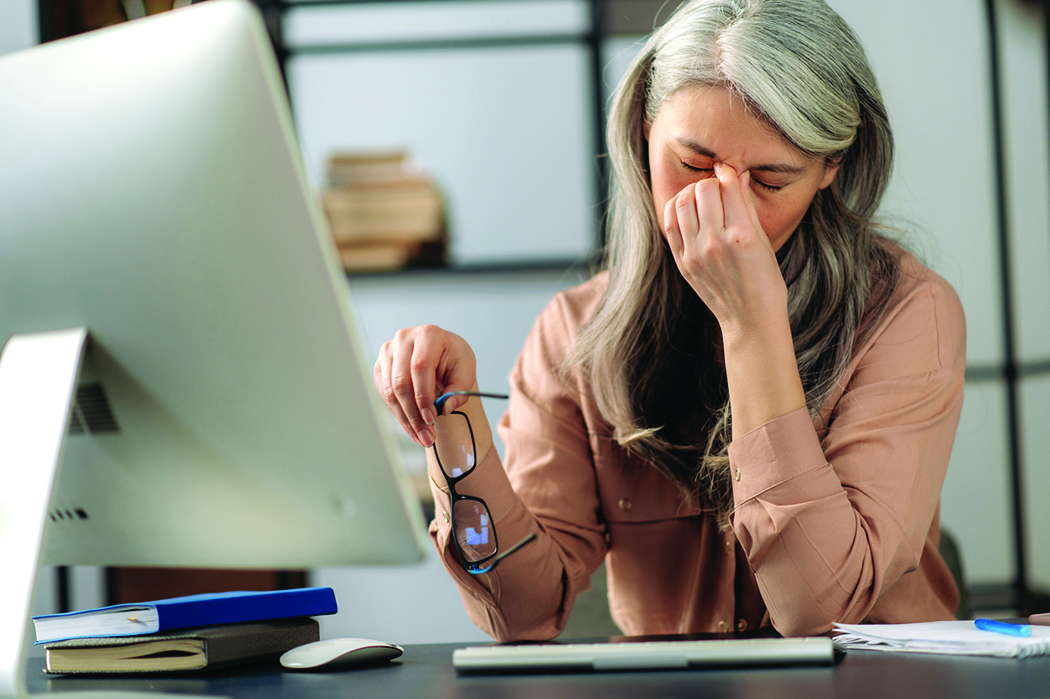
    Ultraviolet (UV) radiation can do permanent damage to our eyes. Regardless of age, it’s important to keep our eyes safe from the powerful summer sun, as our vision quality helps to support a long, healthy and happy life.

    For UV Safety Month in July, there are many things we can do to help protect our eyes; these preventive measures are crucial:

    • Wear sunglasses that block 100% of both UVA and UVB rays. This is a simple yet highly effective way to protect your eyes. Your sunglasses should wrap completely around your temples so the sun can’t enter from the side.
    • Wear a broad-brimmed hat. This can reduce the amount of UV radiation that reaches your eyes by up to 50%.
    • Stay in the shade. Or make sure you are blocking out UV rays during peak UV hours—10am to 2pm—when UV rays are most damaging.

    If you experience any signs or symptoms of vision problems, schedule an eye exam as soon as possible. Note that some common eye diseases can show little or no symptoms or may not be vision-related, such as headaches or dizziness.

    Take precautions before heading outside to safeguard your vision and reduce the long-term impact of UV damage, ensuring your health and vision for years to come.

    HAWAIIAN EYE CENTER
    606 Kilani Ave., Wahiawa, HI 96786
    808-621-8448 | HawaiianEye.com

    Ultraviolet (UV) radiation can do permanent damage to our eyes. Regardless of age, it’s important to keep our eyes safe from the powerful summer sun, as our vision quality helps to support a long, healthy and happy life. For UV Safety Month in July, there are many things we can do to help protect our…

  • Balance: Body, Mind & Spirit

    Easy Balance Exercises for Seniors, A Holistic Approach to Improve Stability, Prevent Falls and Maintain Independence for All Abilities was written by Lena Ihara, a Maui-born actor, retired teacher and wellness educator.

    Lena acknowledges that as we age, “movements that were once automatic begin to slow down and feel uncertain. We may lose balance but we can rebuild with determination.”

    Lena knows how determination can affect change. After she was injured in a bicycle accident in 2020, she wrote this book as part of her come-back story and mission to affect a positive change in the world. Her book is based on the belief that everyone deserves to feel steady, confident and free in their body—regardless of age or ability. If you’re looking to regain your footing after a fall, maintain your independence or simply move with more ease, this book aims to support you with compassion, encouragement and practical tools.

    But you’ll find more than exercises—you’ll discover a holistic approach to balance that connects the body, mind and spirit.

    Throughout the book, Lena encourages you through moments of doubt and guides you toward a more balanced, empowered life.

    EASY BALANCE EXERCISES FOR SENIORS
    by Lena Ihara, is available in paperback and Kindle formats from Amazon.
    amzn.to/4k9ruA3

    Easy Balance Exercises for Seniors, A Holistic Approach to Improve Stability, Prevent Falls and Maintain Independence for All Abilities was written by Lena Ihara, a Maui-born actor, retired teacher and wellness educator. Lena acknowledges that as we age, “movements that were once automatic begin to slow down and feel uncertain. We may lose balance but…

  • Tūtū, Take Me to the Library!

    We all love stories, no matter our age. But younger children are especially eager to listen to them! Taking the keiki in your life to a storytime program at your local library can be a wonderful bonding experience. They’ll enjoy hearing fun stories, singing songs and doing activities together. These activities help children build early reading skills, develop a love for books and grow socially and emotionally. You’ll get some quality time with them while helping to prepare them for success in school.

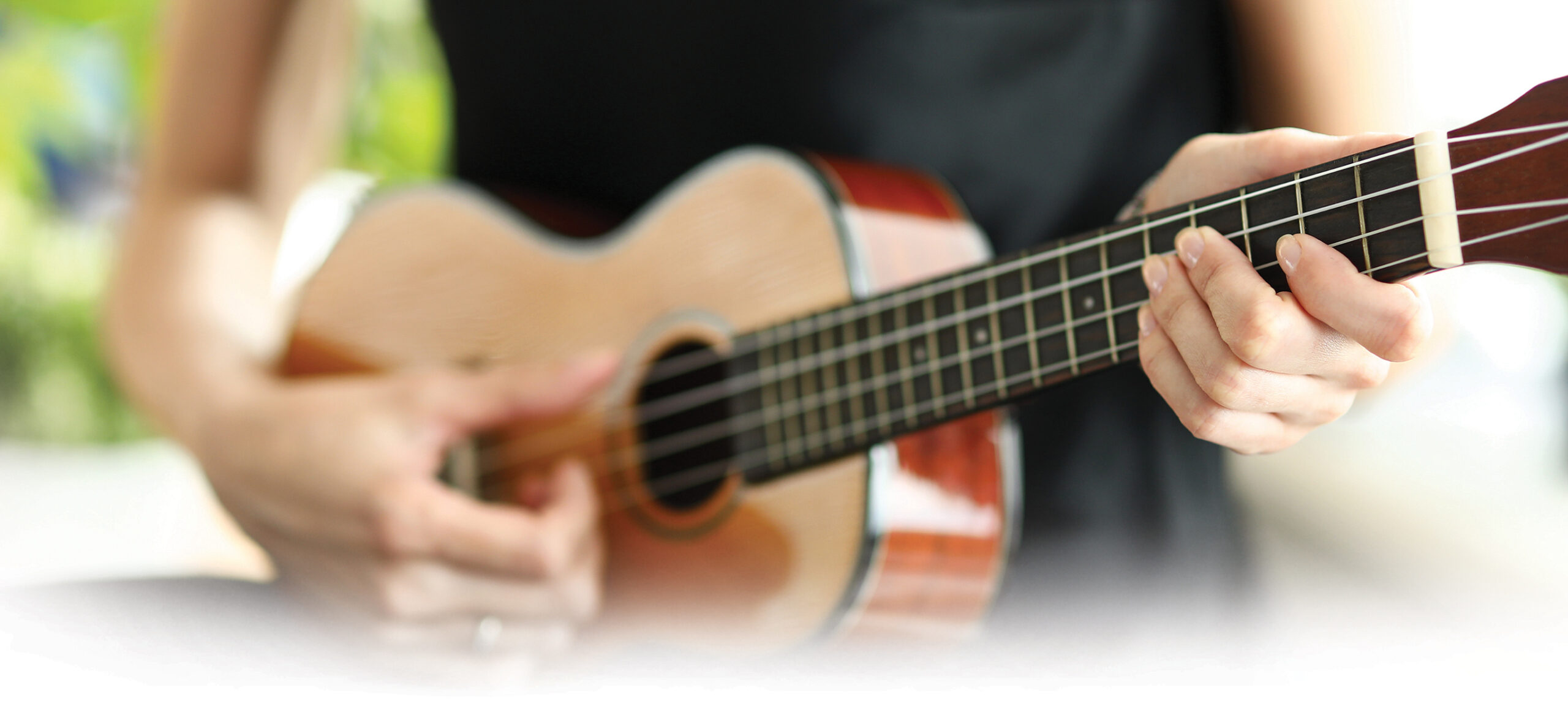
    Libraries offer many other ways for you to connect with your young ones. For a unique shared experience, borrow an ‘ukulele from the library and learn how to play together. Whether you’re a beginner or a seasoned musician, the ‘ukulele offers a fun meaningful way to share Hawaiian culture and make lasting memories through music.

    You can also enjoy year-round library events designed to enrich the lives of people of all ages. From crafting workshops to musical performances, there’s something fun for everyone to engage in together. To learn more about upcoming events, visit the online events calendar at librarieshawaii.org/events or contact your local library.

    We think you’ll be just as excited to visit the library as the keiki you bring!

    HAWAI‘I STATE PUBLIC LIBRARY SYSTEM
    44 Merchant St., Honolulu, HI 96813
    808-586-3704 | stlib@librarieshawaii.org
    librarieshawaii.org

    We all love stories, no matter our age. But younger children are especially eager to listen to them! Taking the keiki in your life to a storytime program at your local library can be a wonderful bonding experience. They’ll enjoy hearing fun stories, singing songs and doing activities together. These activities help children build early…

  • Kobumaki: Okinawan Lau Lau

    Recipe by Joyce Shimabukuro, written by her grandniece, Cynthia Arnold

    Kobumaki is a great potluck item. This
    batch made by Dad and Cathlene fed
    over 30 guests last Mother’s Day.

    This kobumaki recipe has been passed down and enjoyed through many generations of my Okinawan family — from my great-grandma Nagamine to my grand-aunty, Joyce Shimabukuro, age 98, and now to her daughter, my Aunty Lisa. But my dad, Cliff Goya, with help from my sister, Cathlene, make it for our family. Making kobumaki is a labor of love; it takes time to prep and cook. But it is a family favorite and definitely one of the dishes that we will continue to pass down and enjoy with future generations.

    Ingredients
    1 pkg. konbu (dried kelp)
    2 lbs. pork belly, very lean and local
    2 stalks gobo (burdock root)
    1 pkg. kanpyo (dried gourd or squash)
    1 piece ginger to taste, grated
    1–2 cloves garlic to taste, grated
    1 cup sugar
    1 cup shoyu
    3 cups water
    20 wooden toothpicks

    Directions
    Konbu preparation: Wash konbu under running water, then soak it in water until it is pliable. Cut it into 7- to 8-inch by 2½- to 3-inch strips.

    Pork belly preparation: Cut pork belly into 2-inch by 1/2-inch strips.

    Gobo preparation: Scrape gobo skin with knife; do not use a peeler. Cut into 2-inch by 1/4-inch strips. Soak pieces in water to remove acidity.

    Kanpyo preparation: Soak kanpyo in water, then cut it into 2-inch strips.

    Assembly

    • Place the konbu pieces on a large sheet of waxed paper.
    • Place one piece of pork belly lengthwise at the bottom edge of each konbu strip.
    • Place one piece of gobo and one piece of kanpyo on top of the pork belly.
    • Roll the konbu ingredients like you are making maki sushi.
    • Secure the roll with a toothpick through the open side.

    Cooking Instructions

    Place the kobumaki rolls in a large pot. Add shoyu, sugar and water, ensuring the liquid covers the kobumaki. Add grated ginger and garlic to taste. Cook over high heat. When the liquid comes to a boil, lower the heat to medium and simmer until soft, about 1 hour. Or you can put them in a slow cooker for 4 to 6 hours on low.

    Storing

    After you have cooked and cooled the kobumaki, it freezes well in an airtight container, so you can make it ahead of time for your next gathering.

    Prep time: 1 hour
    Cook time: 1 hour or more
    Serves: about 20 as a side dish

    Do you have a favorite recipe and story to share? For consideration in the next issue, include a photo and mail them to Generations Recipe, PO Box 4213, Honolulu, HI 96812, or email them to Cynthia@generations808.com.

    KOBUMAKI RECIPE NOTE: You can find the ingredients at Marukai Wholesale Mart in Honolulu or in the Asian food aisle at many grocery stores. Times Supermarket, for example, carries the ingredients.

    Recipe by Joyce Shimabukuro, written by her grandniece, Cynthia Arnold This kobumaki recipe has been passed down and enjoyed through many generations of my Okinawan family — from my great-grandma Nagamine to my grand-aunty, Joyce Shimabukuro, age 98, and now to her daughter, my Aunty Lisa. But my dad, Cliff Goya, with help from my…

  • Celebrating the Okinawan Culture

    Since more than 1,500 years ago, Kānaka Maoli (Native Hawaiians) have welcomed immigrants from every corner of the globe, cultivating and perpetuating a tapestry of diverse cultures. In the fourth article in this ongoing series on the many cultures that comprise Hawai‘i, we focus on how the Okinawan people arrived in the Hawaiian Islands, their culture and a few widely celebrated observances, with a focus on the upcoming Okinawan Festival.

    Okinawan Arrival in Hawai‘i

    Following the annexation of the Ryukyu Islands by Japan in 1879, many Okinawans faced hardship and desired to emigrate in search of a better life. Twenty years later, led by emigration activist Kyuzo Toyama, 26 Okinawans journeyed to Hawai‘i, arriving in 1900. By 1908, more than 8,500 people in Hawai‘i were of Okinawan heritage. There are now 45,000 to 50,000, making up about 3% of Hawai‘i’s population.

    Culture and Tradition

    Because Okinawa was an independent country prior to annexation by the Japanese, they faced discrimination due to their linguistic and cultural differences. This adversity emboldened Okinawan migrants—known as Uchinānchu—to have great pride in their distinct cultural practices and traditions, especially those living in Hawai‘i.

    Today, this is evident in their love of merry-making and cuisine. Music became a meaningful way for laboring Uchinānchu to preserve and perpetuate their culture for their descendants and other laborers through expressions of folk songs and mo-ashibi (field play), where they gather to sing and dance. In terms of food, Okinawan sweet potato and gōyā (bittermelon) are found in many local recipes, such as a layer in haupia pie and an ingredient in champurū, a staple Okinawan stir-fry dish.

    Major annual Okinawan observances also include Irei no Hi, in memory of the end of the Battle of Okinawa (June 23), and Shīmī and Obon, separate but related traditions honoring ancestors.

    Celebrating Okinawans in Hawai‘i

    Though Okinawans honor their heritage every year, this year in particular is special because it marks the 125th anniversary of Uchinānchu’s arrival in Hawai‘i and the rest of the world. To celebrate, the Hawai‘i United Okinawa Association (HUOA) will host various events, including the 43rd annual Okinawan Festival on Aug. 30 and 31, when music/dance performances, martial arts demonstrations and craft-making activities will abound at the Hawai‘i Convention Center. Abroad, Okinawa hosts the World Uchinānchu Festival every five years, when Okinawan descendants return to their homeland and celebrate. Uchinānchu from Hawai‘i have consistently had the most representation at the festival.

    Visit HUOA’s website (huoa.org) and Generations Magazine’s Facebook page (facebook.com/genmag808) and calendar (generations808.com/calendar) for more community events.

    The next article in this series will feature the influences of Portuguese culture in Hawai‘i.

    Since more than 1,500 years ago, Kānaka Maoli (Native Hawaiians) have welcomed immigrants from every corner of the globe, cultivating and perpetuating a tapestry of diverse cultures. In the fourth article in this ongoing series on the many cultures that comprise Hawai‘i, we focus on how the Okinawan people arrived in the Hawaiian Islands, their…

  • Grieving With Humor

    When we navigate grief or loss, we may find ourselves feeling guilty when we smile or have a good day. It’s common to get stuck in the darkness of this journey as you ride the waves of emotions and confusion that play out.

    The purpose of humor in grief is not to diminish the seriousness of that loss, but rather, to allow us to experience a version of balance in grief as we feel sorrow and joy crashing together. Humor intersects with grief in a special way and can play an important role in healing.

    When we laugh, smile or have positive thoughts, endorphins are released into our body that energize us and help us to feel good—even if for just a moment. These endorphins can help us navigate both the physical and the emotional elements of our grief.

    When we share stories and memories with laughter and joy, we bring people together into more joyous shared spaces by reviving bits of a past that might be missed otherwise.

    When humor enters grief in appropriate ways, it disrupts our darkness and helps us feel and see the whole spectrum. It allows pockets of light to peek through the dark clouds… and reminds us of love and hope, even in the storm.

    BEREAVEMENT NETWORK OF HAWAI‘I
    Facilitated by KŌKUA MAU (nonprofit)
    808-585-9977 | kokuamau.org
    kokuamau.org/grief-and-bereavement
    Learn more about grief and the healing process with this booklet:
    Help For The Bereaved—The Healing Journey
    kokuamau.org/wp-content/uploads/CtrOnAging-Booklet-5-REV_6-30-11.pdf

    When we navigate grief or loss, we may find ourselves feeling guilty when we smile or have a good day. It’s common to get stuck in the darkness of this journey as you ride the waves of emotions and confusion that play out. The purpose of humor in grief is not to diminish the seriousness…

  • Bop, Bang, Bling!

    Pickleball is not only a great game for seniors, but for all ages. For example, my daughter, Lexie, who is 13, and her partner, Chacha, have had a lot of fun playing in King Intermediate School tournaments.

    My sister, Cat, who is 34, plays in the 5.0 division for both women’s and mixed doubles. She’s won many tournaments in Hawai‘i and on the mainland with a variety of partners. Most recently, Cat and her partner won pro-level bronze at Hawaii Pacific Health ESPN Honolulu Open at the Hawai‘i Convention Center. Her son, Tanner, 4, enjoys watching his mom and chasing balls!

    Congratulations to my daughter and sister, and everyone who plays and enjoys this amazing sport, including some of our GM staff members!

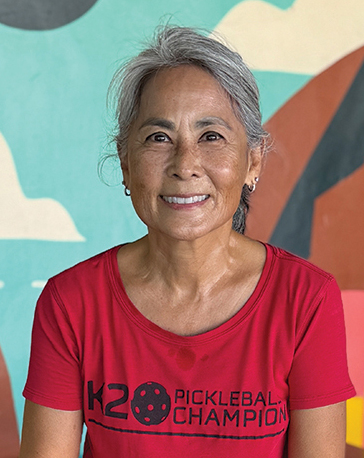
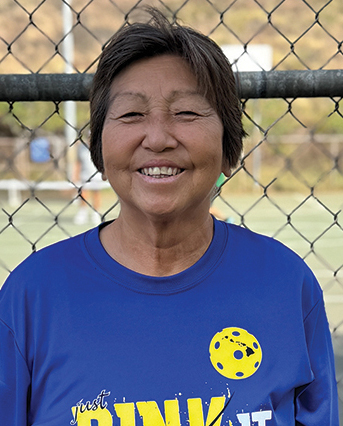
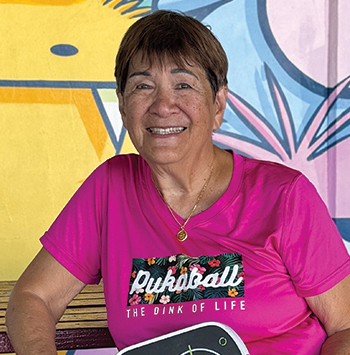
    GM senior editor Debra Lordan (73) brought home the gold in women’s 3.0 doubles at the Maui Pukaball Tournament in Lahaina with her partner, Nanna Brown (39). Debra and David Kamalani, 76, won silver in the 3.0, 70-plus division.

    Battling rain delays and 30-degree temperatures, Leigh Dicks, 69, GM’s content coordinator, won the bronze medal in the women’s 3.5 doubles in the Pickleboo Halloween Tournament in Henrico, Va., with her partner, Cathy Broussard, 68.

    Well, I don’t really want to toot my own horn but—my partner, Tia Fulks, and I won silver in the 2nd Annual Charity Walk Pickleball Tournament on Kaua‘i in the Women’s 3.5 division, ages 8 to 49. I didn’t expect a medal, but it was sweet when we got one! Give pickleball a try! So fun!

    Pickleball is not only a great game for seniors, but for all ages. For example, my daughter, Lexie, who is 13, and her partner, Chacha, have had a lot of fun playing in King Intermediate School tournaments. My sister, Cat, who is 34, plays in the 5.0 division for both women’s and mixed doubles. She’s…

  • Hawai‘i Veteran Thomas Taro Higa

    It is an honor to celebrate the 125th anniversary of Okinawan immigration to Hawai‘i with the inspiring story of Thomas Taro Higa, a 100th Infantry Battalion WWII Veteran of Okinawan descent (generations808.com/125th-anniversary-of-okinawans-in-hawaii).

    Thomas was born in 1916 in Kahalu‘u, Hawai‘i, but was sent to Okinawa as a young child, where he gained a strong command of the Uchinaguchi, Japanese and English languages. While in Okinawa, his teacher inspired him to approach life like the gajumaru tree (Okinawa’s banyan tree) that endured the hardships of punishing typhoons and droughts, yet continued to grow bigger and stronger every year, happily giving shade and protection to the people.

    Thomas returned to Hawai‘i in his teens and was drafted into the US Army to protect shorelines from enemy invasion while in his mid-20s. About six months after the Japanese attacked Pearl Harbor on Dec. 7, 1941, due to the hysteria of “looking like” the enemy, the Americans of Japanese ancestry (AJA) were segregated into a new unit called the 100th Infantry Battalion. They trained and fought hard to fight tyranny and prove their loyalty to America. In Italy and France, their combat performance and achievement changed America’s opinion and war correspondents started calling them the “Purple Heart Battalion.”

    Thomas was wounded twice early in the battles in Italy. He returned to the US, where he used his language skills to share news from the European warfront with soldiers’ parents living in incarceration camps. Later, he saved countless lives by convincing Okinawans that Americans would treat them fairly so they felt it was safe to come out of the caves to surrender.

    Like the gajumaru tree, Thomas and the AJA men of the 100th endured discrimination and suffered physically and mentally, yet became stronger. The 100th with the 442nd Regimental Combat Team would become the most decorated in US military history for size and length of service. Upon returning to Hawai‘i, Thomas became a leader in the post-war relief efforts to send food, clothing and breeding pigs to rebuild Okinawa.

    Thank you, Thomas Taro Higa, a Hawai‘i-born veteran, who helped liberate Europe while spreading the seeds of aloha.

    It is an honor to celebrate the 125th anniversary of Okinawan immigration to Hawai‘i with the inspiring story of Thomas Taro Higa, a 100th Infantry Battalion WWII Veteran of Okinawan descent (generations808.com/125th-anniversary-of-okinawans-in-hawaii). Thomas was born in 1916 in Kahalu‘u, Hawai‘i, but was sent to Okinawa as a young child, where he gained a strong command…

  • GM Celebrates Our No.1 Fan

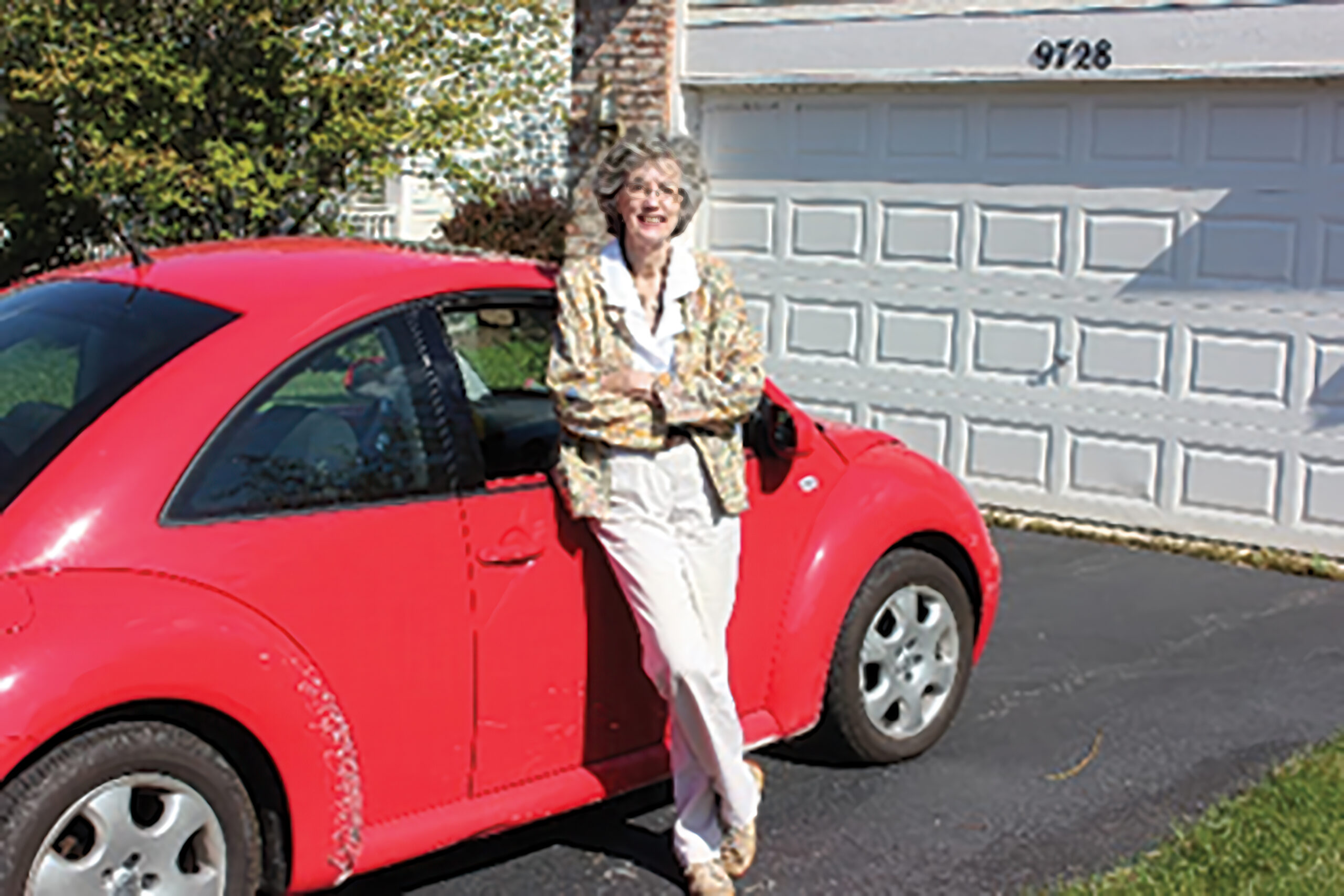
    Setsuko “Bess” Matsuoka, age 92, has been a devoted Generations Magazine (GM) reader since the beginning. We at Generations have come to know her well from the many calls she’s made to us, and through her article and recipe submissions. She calls us with holiday greetings and never misses the opportunity to show her appreciation of each and every issue.

    “I am very much a fan of Generations,” she told me over the phone. “I love everything about it. I think it is the perfect, perfect magazine. Every one is informative. I look forward to each issue!”

    Bess lives independently in a townhouse in Wailuku, Maui. She was born on March 3, 1933, 3-3-33. Her affinity for numerology and appreciation of kismet are in complete harmony with her faith in God and His divine plan. Her spiritual side has always been very strong, she says.

    “Everybody I have met, especially those connected with Generations, was orchestrated by divine power,” she says. “There are no coincidences; no accidents,” she says. “Everything happens for a reason.” That includes meeting former GM Editor Katherine Smith. “I was fortunate to become friends with her. Before she left Hawai‘i, she gave me her collection of Generations Magazines. “And I have the very first issue,” she said in a way that convinced me it was very dear to her. “I have read every article in every magazine and every one is precious, so I share them with others, so they can be blessed by reading them, too.”

    The issue that really inspired her was “Brothers in Arms” written by Katherine. She said she had the good fortune to get to know Bo Mahoe, one of the subjects of the story. “I also became friends with Sherry Goya, the publisher’s mother. Even though I no longer have a subscription, Sherry sends me complimentary copies. I am thrilled to see them in my mailbox!”

    She said she speaks often to GM Art Director Wilson Angel, who she just calls “Angel.” “She has positive comments about each issue,” he says.

    Bess retired from the State of Hawai‘i Department of Social Services and now spends her time writing uplifting stories for seniors that capture the wisdom and humor of the old days.

    Bess attended the Methodist church for 30 years. But recently, she felt compelled to “go out there with people.” So she began attending Maui Intersection Church, where she helps the unsheltered population by sharing her testimonies, saying “whatever the Lord puts in her heart.”

    With appreciation and love, Bess continued to talk about her late husband, her family, and others, including the Generations staff. “The Generations staff puts us, the readers, at the top!”

    “No wonder the staff talks about you all the time!” I tell her. “You are so kind!” Bess replies, “What you see in me is actually what is in your heart — like a mirror. I feel blessed to have the Generations staff in my journey through life.”

    Setsuko “Bess” Matsuoka, GM’s No. 1 fan, is not just like family—she is family.

    We, too, are blessed.

    Setsuko “Bess” Matsuoka, age 92, has been a devoted Generations Magazine (GM) reader since the beginning. We at Generations have come to know her well from the many calls she’s made to us, and through her article and recipe submissions. She calls us with holiday greetings and never misses the opportunity to show her appreciation…

  • Walk to End Alzheimer’s

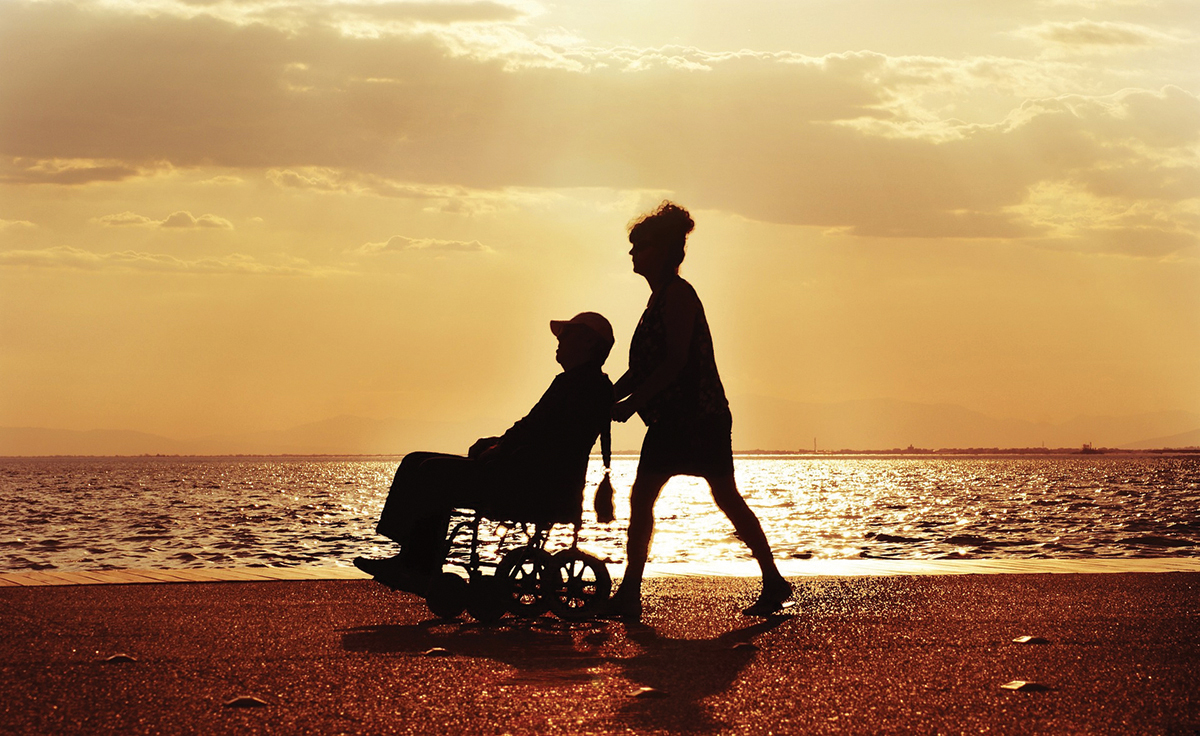
    Every year, thousands of Hawai‘i residents come together to honor loved ones, caregivers and others who are impacted by Alzheimer’s disease or another form of dementia. The Walk to End Alzheimer’s is more than an event. It is a movement. And here in Hawai‘i, it is a reflection and reminder of who we are, a community that shows up!

    In 2025, we invite you to join us on Kaua‘i, O‘ahu, Maui and Hawai‘i Island. Whether you are walking for a parent, grandparent, sibling, spouse, neighbor, friend or yourself, your participation matters, because behind every colorful flower in our Promise Garden is a story and behind every step is hope.

    New treatments for Alzheimer’s are now available and offer hope for those in the early stages of the disease. That’s why early detection is critical. We have made progress and will continue to work hard to make it a statewide priority, so individuals can be screened, diagnosed early and given access to these promising treatments.

    Across Hawai‘i, caregivers are also finding strength through support groups, education and connection with others. But there is still more to be done.

    My grandfather lives with Alzheimer’s. As someone whose family has been touched by this disease, I know the burden, the fear and the deep desire to make a difference. The walk gives us that chance. It brings us together to fund the exciting science happening across the field, sustain and expand programs and remind those impacted that they are not alone.

    So lace up, show up and walk with us until we can call our walk “the Walk That Ended Alzheimer’s!”

    ALZHEIMER’S ASSOCIATION (501(c) 3 nonprofit)
    677 Ala Moana Blvd., Ste. 301, Honolulu, HI 96813
    LJ Dueñas | 808-495-4122 | ljduenas@alz.org
    808-591-2771 | alz.org/hawaii

    Every year, thousands of Hawai‘i residents come together to honor loved ones, caregivers and others who are impacted by Alzheimer’s disease or another form of dementia. The Walk to End Alzheimer’s is more than an event. It is a movement. And here in Hawai‘i, it is a reflection and reminder of who we are, a…