Category: Articles

  • Medicare Part B Start Date Changes

    Senior woman using smartphone at home after exercise. The use of technology by the elderly.Changes are coming in 2023 regarding when Medicare Part B coverage starts. Please forward this article to those who may need it.

    WHAT IS NOT CHANGING

    If you are eligible at age 65, your Initial Enrollment Period (IEP): Begins three months before your 65th birthday; includes the month of your 65th birthday; and ends three months after your 65th birthday. If you are automatically enrolled in Medicare Part B or if you sign up during the first three months of your IEP, your coverage will start the month you’re first eligible. If you sign up the month you turn 65, your coverage will start the first day of the following month.

    WHAT IS CHANGING

    • Starting Jan. 1, 2023, your Medicare Part B coverage starts the first day of the month after you sign up, if you sign up during the last three months of your IEP.
    • If you don’t sign up for Medicare Part B during your IEP, you have another chance each year during the General Enrollment Period (GEP), Jan. 1 through March 31. Starting Jan. 1, 2023, your coverage starts the first day of the month after you sign up.

    Learn more about these updates at www.ssa.gov/medicare and our Medicare publication at www.ssa.gov/pubs/EN-05-10043.pdf.


    For more information, visit www.socialsecurity.gov
    or call 1-800-772-1213 (TTY 1-800-325-0778).

    Changes are coming in 2023 regarding when Medicare Part B coverage starts. Please forward this article to those who may need it.

  • Lower Prescription Copays in 2023

    According to the Centers for Medicare & Medicaid Services, the number of Medicare beneficiaries in Hawai‘i has grown to 281,091. Seventy-two percent of  beneficiaries have prescription drug coverage through Medicare Parts C and D. Even so, prescriptions can be expensive. The Inflation Reduction Act of 2022 is intended to help lower copays for covered medications.

    close up of 100 dollar bill with pills on top of itStarting this year, all Part D-covered vaccinations will be free. For those who take a covered insulin, the maximum copay will now be $35 a month. Insulin used with a pump will cost $35 a month starting in July.

    Call or email Hawaii SHIP to request a free plan comparison. Plan comparison specialists will help you find the plan that best covers your medications for the lowest out-of-pocket cost. If you need help paying for your medication, counselors will screen for eligibility and help you to enroll in the Social Security Administration’s Extra Help program. All one-on-one counseling sessions are confidential and the information is unbiased — SHIP is not affiliated with any insurance company. To learn more about Medicare and to help others, volunteer today.


    HAWAII SHIP
    Free, local, one-on-one Medicare counseling provided by the Hawai‘i State Health Insurance Assistance Program.
    250 South Hotel St., Ste. 406, Honolulu, HI 96813
    Oahu: 808-586-7299 | Toll free: 888-875-9229
    www.hawaiiship.org

    According to the Centers for Medicare & Medicaid Services, the number of Medicare beneficiaries in Hawai‘i has grown to 281,091. Seventy-two percent of  beneficiaries have prescription drug coverage through Medicare Parts C and D. Even so, prescriptions can be expensive. The Inflation Reduction Act of 2022 is intended to help lower copays for covered medications.

  • Keep Good Health Insurance

    During my 12-plus years in the Medicare health insurance field, I have talked to many people aging into Medicare. In our discussions, I am consistently told that they never get sick and take few drugs, so they are just looking for the cheapest plan. I am always surprised, because I have noticed that health problems tend to manifest as seniors move into their 60s, 70s and beyond.

    However, a lot of progress has been made in the healthcare field. As we age, some body parts may show patterns of wear and tear and may need replacement. Other parts may be worn, but not excessively, and just need a tweak here and there for continued performance. With good healthcare, many serious conditions are resolved quickly and individuals with heart, back, knee, hip and joint issues may experience full restoration to health and good quality of life.

    In order to go the distance and perform optimally, you need to stay up to date with your preventive screenings. You may not be thrilled about getting your ears, nose and throat checked, blood draws, urine samples or that semi-annual dental cleaning — but just do it! Especially at 70, 80 and 90, your best quality of life may be just one medical exam away! So if you want to go the distance, keep good health insurance.


    GET2INSURANCE.COM FAMILY OFFICE
    1003 Bishop St., Ste. 2700, Honolulu, HI 96813
    800-226-3660 | martha@get2insurance.com
    www.Get2insurance.com

    During my 12-plus years in the Medicare health insurance field, I have talked to many people aging into Medicare. In our discussions, I am consistently told that they never get sick and take few drugs, so they are just looking for the cheapest plan. I am always surprised, because I have noticed that health problems…

  • Prevent Identify Theft

    Protect your identity and help prevent healthcare fraud by guarding your Medicare card like you would a credit card. Scammers are expanding their targets, especially kūpuna, and they can be very convincing. A fraudster recently contacted a Honolulu resident, stating the resident’s name and date of birth. The con artist then offered to replace the resident’s Medicare card if he would share his Social Security Number (SSN). Luckily, the resident did not cooperate with this scammer.

    As the new year unfolds, keep the following important reminders handy. Important steps to protect against identify theft that can lead to healthcare fraud include:

    ◆ Not sharing or confirming your Medicare or SSN with anyone who contacts you by telephone, email or in person, unless you have given them permission in advance. Unless you ask them to, Medicare will never contact you to ask for your Medicare number or other personal information or to send you a new card. Medicare already has your information.

    ◆ Do not let anyone borrow or pay to use your Medicare number.

    ◆ Review your Medicare Summary Notice (MSN) to be sure you and Medicare are only being charged for actual items and services received.

    Hawai‘i leads the 50 states and D.C. in life expectancy, so scammers will continue to tighten their grip on older adults here. So if you get a call offering you a new Medicare card in exchange for your personal information, just hang up. Then report it to Senior Medicare Patrol (SMP) Hawaii, a  federal-funded program managed by the Hawai‘i Department of Health’s Executive Office on Aging (DOH-EOA).

    The 54 SMP chapters throughout the US and territories of Guam, Puerto Rico and the Virgin Islands help beneficiaries, families and caregivers to prevent, detect and report healthcare fraud, errors and abuse through counseling, outreach and education, thanks to our trained volunteers. Since 1997, SMP has empowered and assisted people through its volunteer-based program — because we know it takes each of us, our entire state, to protect kūpuna.

    For more information on healthcare fraud prevention or how to help as a volunteer, contact SMP Hawaii using the information below.


    SENIOR MEDICARE PATROL (SMP) HAWAII
    Department of Health — Executive Office on Aging
    250 S. Hotel St., Ste. 406, Honolulu, HI 96813
    808-586-7281 | Toll Free: 1-800-296-9422
    info@smphawaii.org | smphawaii.org
    Facebook: smphawaii808
    This project was supported in part by grant number 90MPPG0053 from the US Administration for Community Living (ACL), Department of Health and Human Services, Washington, DC, 20201. Grantees undertaking projects under government sponsorship are encouraged to express freely their findings and conclusions. Points of view or opinions do not, therefore, necessarily represent official ACL policy. The Hawai‘i Department of Health – Executive Office on Aging has administered SMP Hawaii since 1997.

    Protect your identity and help prevent healthcare fraud by guarding your Medicare card like you would a credit card. Scammers are expanding their targets, especially kūpuna, and they can be very convincing. A fraudster recently contacted a Honolulu resident, stating the resident’s name and date of birth. The con artist then offered to replace the…

  • Door Opens for Those With Disabilities

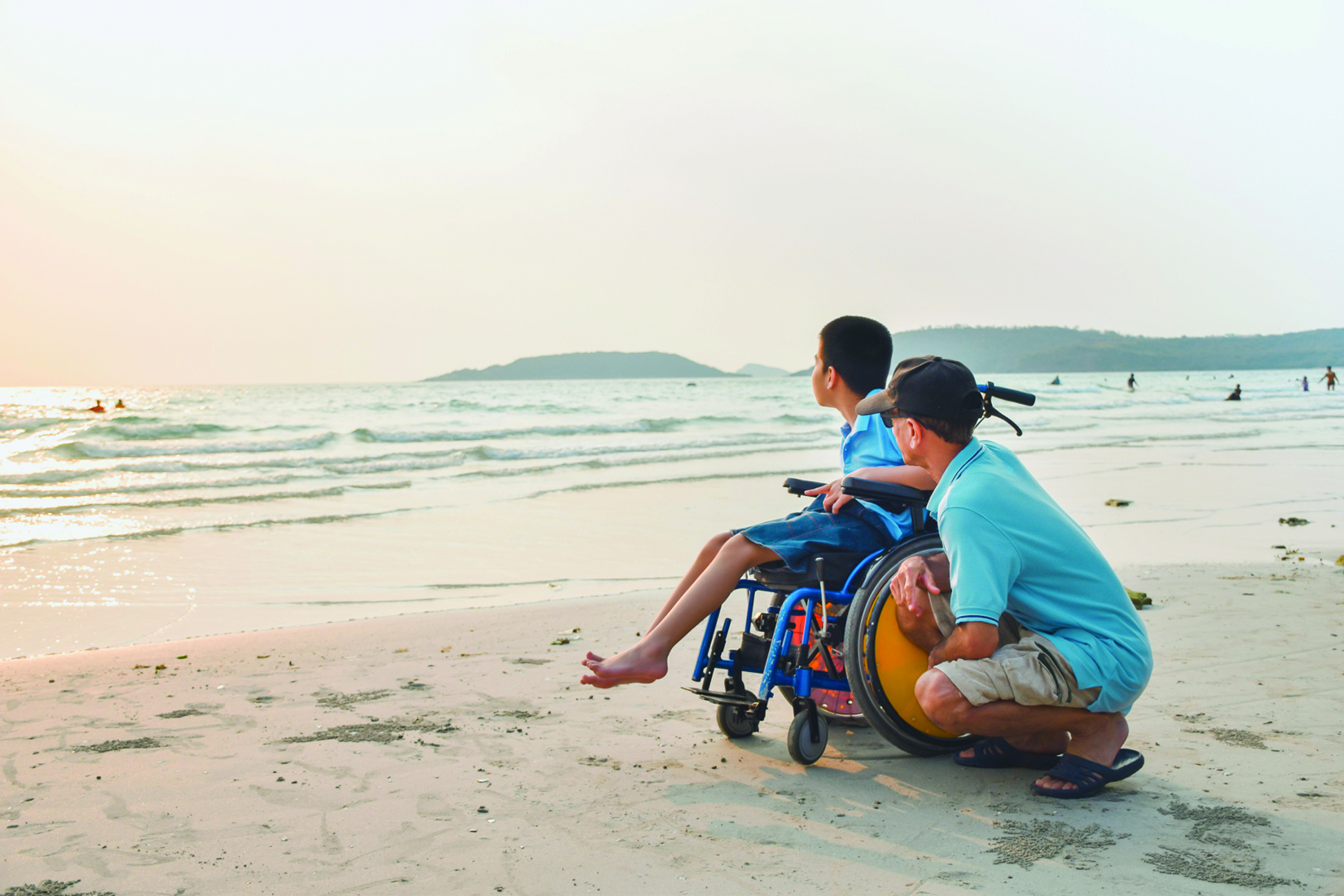
    There is nothing a grandparent gets greater satisfaction from than helping their mo‘opuna. This may be especially true if the grandchild has special needs. Their ongoing health and financial welfare is priority one.

    But for too long, people with disabilities could not save for the future out of fear of losing essential government benefits — the ones they depend upon each and every day.

    The Achieving a Better Life Experience (ABLE) Act of 2014 provided kūpuna with a way of preparing their grandchild for adulthood by giving people with disabilities, including those with Down Syndrome, hearing or vision loss, etc., the opportunity to save without losing benefits such as SSI and Medicaid. Those receiving  government benefits and their families now have a financial tool to put money aside for purchases to enhance their quality of life without jeopardizing benefits.

    Since Hawai‘i established its savings program (www.hawaiiablesavings.com), those with disabilities now have the opportunity to prepare and think in terms of their future — an option they did not have before. For as little as $25, grandparents and family members can open an account for their child or grandchild with eligible disabilities and contribute to their loved one’s ABLE account without affecting their benefits. They can finally save for qualified disability expenses, invest in a tax-free account and prepare for and invest in the future and keep the benefits needed every day. You can save and invest up to $16,000 a year for a wide range of eligible expenses, including health, wellness and prevention; housing; financial management; education; transportation; job training and support; assistive technology; and funeral and burial expenses.

    The account’s growth is tax free. Supplemental Security Income benefits won’t be affected as long as savings is below $100,000. Other benefits are not affected regardless of the amount saved.

    See the eligibility requirements at www.hawaiiablesavings. com/eligibility. For more information about the Hawai’i ABLE Savings Program, watch a webinar at www.hawaiiablesavings. com/resources or join one of the monthly presentations on the last Wednesday of each month.

    For more, contact Executive Administrator Daintry Bartoldus at the Hawai‘i State Council on Developmental Disabilities (see below).


    HAWAI‘I ABLE SAVING PROGRAM
    Hawaii State Council on Developmental Disabilities
    Princess Victoria Kamamalu Building
    1010 Richards St., Rm. 122, Honolulu, HI 96813
    808-586-8100 | Fax: 808-586-7543
    daintry.bartoldus@doh.hawaii.gov
    www.hawaiiablesavings.com
    The ABLE team is an independent sub-unit of the Hawai‘i Department of Health, who strive to improve the lives and rights of individuals with developmental  disabilities.

    There is nothing a grandparent gets greater satisfaction from than helping their mo‘opuna. This may be especially true if the grandchild has special needs. Their ongoing health and financial welfare is priority one. But for too long, people with disabilities could not save for the future out of fear of losing essential government benefits —…

  • Get Into a Groove & Do the Move

    We’ve all heard the saying, “If you don’t have your health, you don’t have anything.” And while exercise is always at the top of the list of what you can do to stay healthy, it’s so easy to run out of time and defer it to tomorrow.

    That’s why at this year’s Aging in Place Workshop organized by Generations Magazine, I spoke about simple things we can all do to stay healthy and functional as we age. Researchers are now telling us that even if we don’t spend 30 minutes on an exercise bike or walking five times a week, we can still improve our health with “exercise snacks,” short bursts of activity that add up to an amount that is beneficial to our health.

    Make it a NEAT day

    Another term that’s surfaced is “NEAT” or non-exercise activity thermogenesis. NEAT refers to everyday activities like yard work, housework, walking or even fidgeting. About 2½ hours of standing and light walking around the house per day is perfect. And if that seems too much, just remember to move every half hour. The latest studies have found that sitting for longer than 30 minutes without moving can increase mortality rates.

    Some examples of EXERCISE SNACKS:

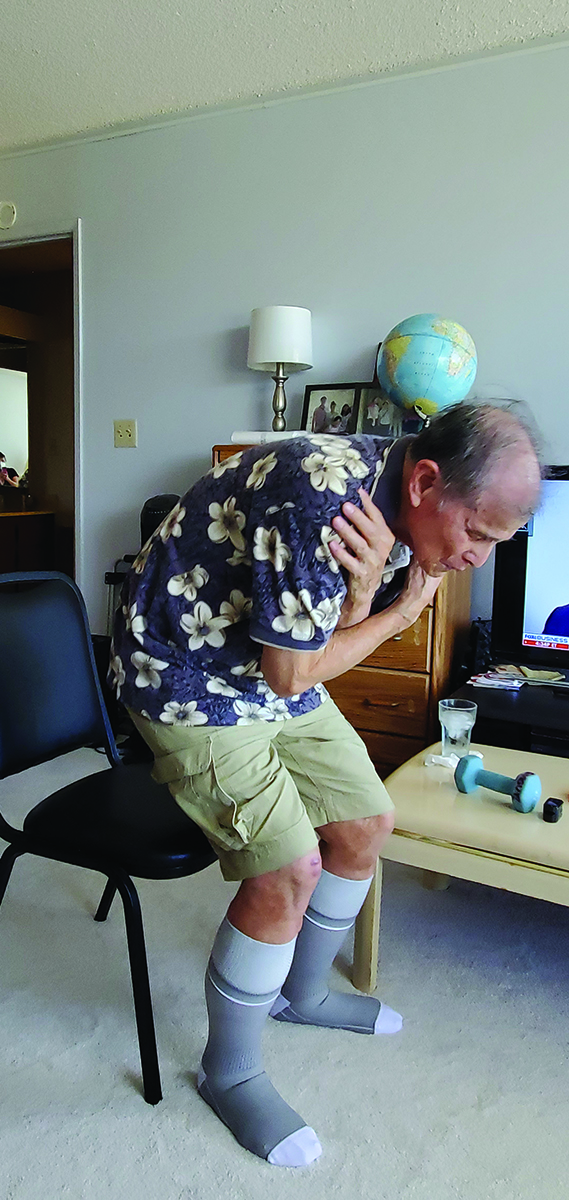
    CHAIR STANDS – go from sitting to standing at least five times whenever you go to sit down or stand up from a chair (without using your hands)

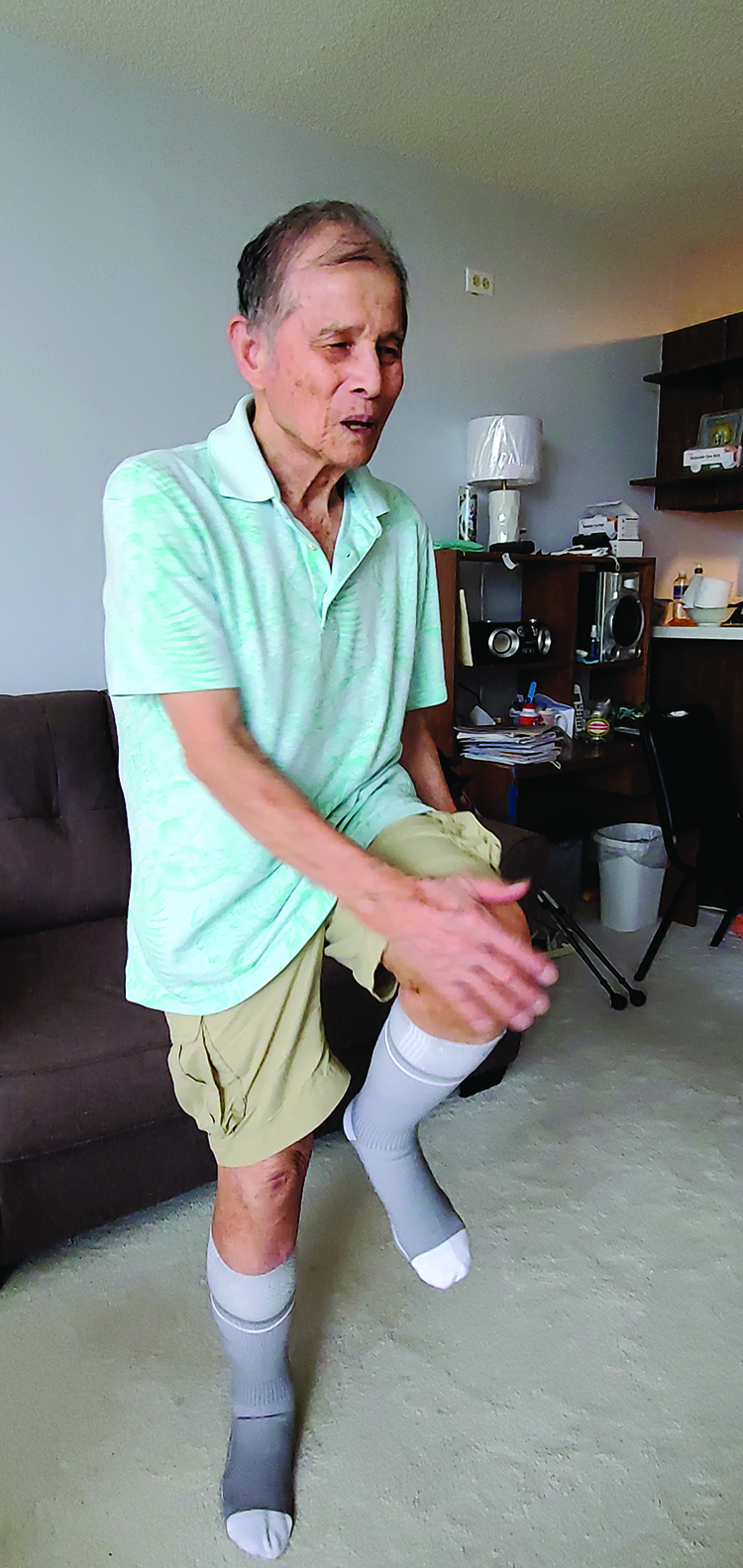
    HIGH KNEE TAPS – lift your leg until your thigh is parallel to the floor, then tap your knee with the palm of your opposite hand and continue marching (sustain through a commercial break)

    HEEL RAISES – while standing tall, raise your heels off the ground until you’re standing on the balls of your feet and repeat 10 times at the sink before and after you wash your hands

    SINGLE LEG STANDS – stand on one leg for 10 seconds whenever you’re near a counter (alternate, making sure you don’t lock the knee of your weight-bearing leg)

    And be sure to take advantage of NEAT. If you have stairs at home or places around your house to explore, take a few extra steps to get there.

    Most importantly, remember to MOVE!


    GYMGUYZ Urban Honolulu
    Home Personal Training & Mobile Fitness
    808-638-2525
    gymguyzurbanhonolulu@gymguyz.com
    www.gymguyz.com

    We’ve all heard the saying, “If you don’t have your health, you don’t have anything.” And while exercise is always at the top of the list of what you can do to stay healthy, it’s so easy to run out of time and defer it to tomorrow.

  • Wisdom of the Serving Spoon

    Eating together is good. Read “Eating Together” (www.generations808.com/eatingtogether) in our last issue. But Generations overlooked something in that article. One of the photos used to illustrate the article about Hawaii Food Bank programs shows a family sharing food, with members dipping into a communal bowl of noodles with their own chopsticks. We thought nothing of this time-honored way of dining until a Honolulu gastroenterologist pointed out that this culturally accepted convention may be hazardous to your health. “There are a lot of bacteria and viruses (mononucleosis; hepatitis A, B and C; H Pylori; herpes; HIV) in our saliva that can be transmitted to another diner.” And numerous observational, epidemiological data have suggested that the risk of COVID19 is related to shared meals or drinks. “The thing you need is a serving spoon or serving chopsticks.”

    He is not alone in this recommendation.

    A proposal by several Asian health organizations to use separate chopsticks and spoons for serving when people dine together was made at the height of the pandemic in 2020, suggesting diners avoid using their personal chopsticks to pick food from the same dishes, thereby reducing the chances of transmission of many diseases.

    Since people have been eating this way for generations, the proposal was met with some resistance. Using a serving spoon or set of chopsticks may send the signal of wanting to keep your distance — the total opposite of most Asian social and cultural conventions. But this simple change in etiquette is a small price to pay for staying safe — and just another example of how we must adapt to our changing world.


    Eating together is good. Read “Eating Together” (www.generations808.com/eatingtogether) in our last issue. But Generations overlooked something in that article.

  • Take Statins & Other Meds as Prescribed

    Medicine is an important part of treatment for many health conditions. For medications to be most effective and work safely, you need to take them exactly as  prescribed. If you experience problems, such as new symptoms or side effects, talk to your doctor immediately.

    Check with your doctor or pharmacist before starting any new medications

    Many seniors see multiple specialists to treat different conditions. Some drugs, including over-the-counter medicines that your doctor may not realize you’re taking, can interact with existing medication and potentially cause problems.

    Create a comprehensive list of all the medicines, vitamins, herbal remedies and supplements you take, and share it with your doctors. Having a clear picture of everything you’re putting into your body will help them provide safer and more effective care.

    Prescription refills

    It’s important to keep track of when you’ll run out of your medicine. Don’t wait until you have only a few pills left. Use a calendar to remind yourself to get refills. It may be dangerous to suddenly stop a medicine, so talk to your doctor or pharmacist about what to do if you miss a dose.

    If you were given a prescription during a hospital or emergency room visit, it may only be enough medicine until you can see your regular doctor. Ask the discharging physician about how long you should continue the new medicines.

    A bit about statins

    Statins are medicines that help with cholesterol, which is a fat-like substance in the blood. There is good and bad cholesterol. Having too much bad cholesterol in your blood vessels can raise your risk of heart disease, heart attack and stroke.  Many people with diabetes take statins because they’re at higher risk of heart attack and stroke. Statins must be taken regularly as prescribed to work well and lower your risk. If you stop, your risk for heart attack and stroke may go back up.

    Follow-up care

    A key part of your treatment and safety is to make and go to all appointments, and talk to your doctor if you experience problems.


    KAISER FOUNDATION HEALTH PLAN, INC.
    711 Kapiolani Blvd., Honolulu, Hawaii 96813
    808-432-5915 (TTY 711) | www.kp.org
    To learn more about this and other topics, visit www.kp.org/health and www.kp.org/seniorhealth. This article contains health and wellness or prevention information.

    Medicine is an important part of treatment for many health conditions. For medications to be most effective and work safely, you need to take them exactly as  prescribed. If you experience problems, such as new symptoms or side effects, talk to your doctor immediately.

  • Manual vs. Electric Toothbrushes

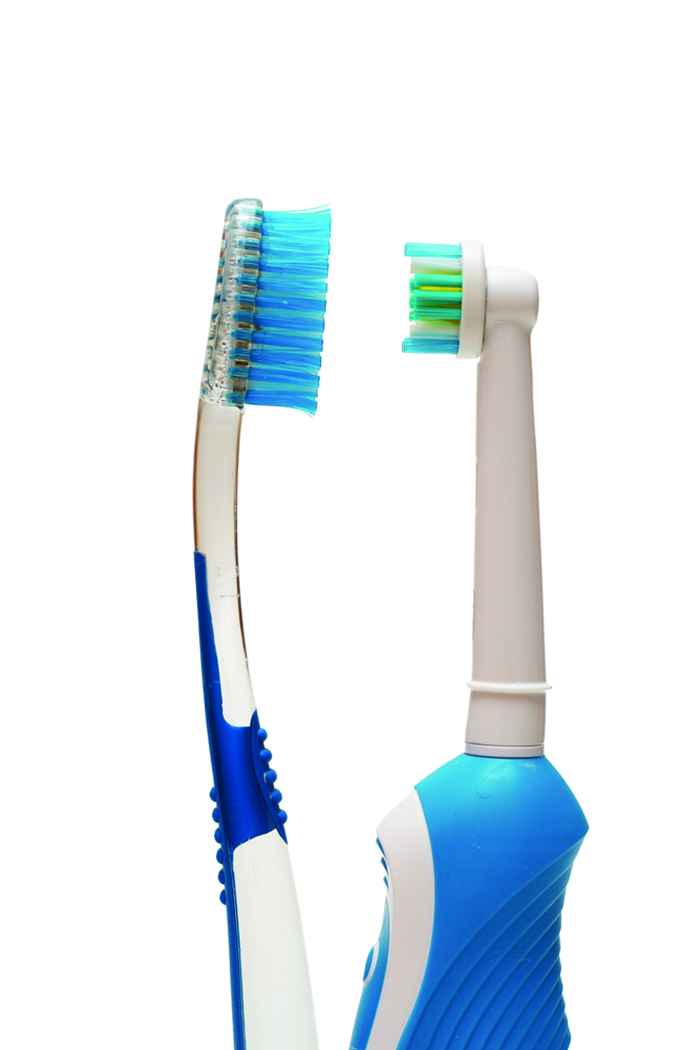
    Couple of toothbrushesA healthy smile requires everyone to commit to three simple actions: Brush twice a day, floss daily and see your dentist twice a year. You may have also considered new technology to make your oral hygiene routine a little easier and more efficient. New models of electric toothbrushes have prompted consumers to consider upgrading their manual toothbrushes to spinning brush heads that sometimes come with Bluetooth capabilities. So, which is better, manual or electric?

    Studies show powered toothbrushes are slightly better at reducing plaque and gum disease. If cost isn’t a factor, electric toothbrushes are found to be safe and effective. They can also connect to your smartphone and track how well and long you brush. Manual toothbrushes are affordable, simple and your local grocer or convenience store may carry models with different brush handles that give you a better grip so you can reach all tooth surfaces.

    All brushes, manual or electric, can be effective for removing plaque if used correctly — for at least two minutes at each brushing. All brushes will have to be replaced every three to four months. Choose a toothbrush that you like and will use properly with a fluoride toothpaste. Don’t forget to floss daily and see your dentist for an exam and cleaning twice a year so you can live well and smile more.


    HAWAII DENTAL SERVICE (501(c) 4 nonprofit)
    Mark Sweet, DDS, Dental Director
    808-521-1431 | mark.sweet@hawaiidentalservice.com
    www.HawaiiDentalService.com

    A healthy smile requires everyone to commit to three simple actions: Brush twice a day, floss daily and see your dentist twice a year. You may have also considered new technology to make your oral hygiene routine a little easier and more efficient. So, which is better, manual or electric?

  • Self-Renewal Tips for Caregivers

    Caregivers are some of the most selfless people you will find, constantly putting the needs of others before their own. In Hawai‘i, over 65,000 people are family  caregivers for almost 30,000 loved ones living with Alzheimer’s or another dementia. In my seven years of experience working with family caregivers, I’ve seen caregivers who make many sacrifices, sometimes neglecting their own health and often postponing vacations for years. If this is you, it’s time to focus on self-renewal.

    Go back in time

    What types of things did you like to do when ou had more free time? What did you enjoy in your youth? Make a list of three things that you absolutely love and turn these things into activities. For example, acknowledge your love for dogs, then plan an activity that engages a favorite furry friend. If you love music, make plans to see your favorite performer in concert.

    It is important not to get stuck in feelings of guilt for taking this needed time away from caregiving. Schedule activities from your “absolutely love” list into your calendar ambitiously this year.
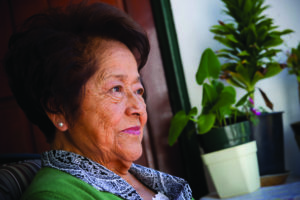
    Branch out to avoid burnout

    Isolation and caregiving go hand in hand. When people are getting close to burnout level, they may distance themselves from friends, family and social activities. But the best thing you can do for the person you are caring for is stay physically and emotionally strong.

    Burnout stems from the decrease in self-care. It entails more than maintaining physical health; emotional support is an important part of self-care. Have you ever considered meeting fellow caregivers and talking story? Support groups offer comfort and reassurance, and can be a great source of practical advice. The  Alzheimer’s Association Hawai‘i Chapter offers free support groups for family caregivers every month. The groups are filled with wisdom, tears and even humor. To find a caregiver support group in your neighborhood call the Alzheimer’s Association 24/7 Helpline at 800-272-3900.

    Examine your coping strategies

    Make a list of the positive things you do to relieve stress. Turn those into activities and add them to your coping list. Do what is realistic for everyday life.

    Restore your energy

    This year, focus on ways to recharge yourself, even if that means simply starting with two minutes a day just for you to breathe. Give yourself more energy by giving yourself more time.

    What do you need to feel healthier or stronger? Eat well and exercise regularly to increase energy levels. Slow it down. Multitasking is part of the caregiving cycle, but try to limit multitasking in order to be more mindful. Consider building a relaxing sleep routine and finding ways to clear your mind before bedtime.

    Talk to someone

    If you are waking up tired each morning, it may be time to talk to someone. Caregiver depression has been called a silent health crisis. Between 40 and 60 percent of caregivers experience depression. This can happen to anyone who puts their own physical and emotional needs on the back burner for an extended amount of time.

    Depression affects individuals in different ways and at different times. For example, some may experience depression right after a loved one has been diagnosed with Alzheimer’s, while others may experience it as the disease progresses. There is no shame in depression. For more information, visit www.alz.org/help-support.

    For the caregivers reading this, know that you are invaluable, so promise to focus on your own vitality. Seek what will support your spirit and strengthen hope. Make 2023 your year.


    Support for Alzheimer’s disease or a related dementia:
    24/7 Helpline 800-272-3900 | 808-591-2771
    www.alz.org/Hawaii
    www.alz.org/help-support/i-have-alz/younger-onset
    Walk to End Alzheimer’s donations: act.alz.org/aloha

    Caregivers are some of the most selfless people you will find, constantly putting the needs of others before their own. In Hawai‘i, over 65,000 people are family  caregivers for almost 30,000 loved ones living with Alzheimer’s or another dementia. In my seven years of experience working with family caregivers, I’ve seen caregivers who make many…

  • Benefit of Live Music in Nursing Homes

    a hawaiian band performs for a hula show at waikikiMuch more than just a time-filler, live music holds therapeutic benefits for nursing home residents. According to a 2016 study, live music has been shown to reduce cortisol levels in the body, allowing for a stronger immune system, reduction in depression, better memory and many other benefits. It’s no wonder that nursing homes schedule in a healthy dose of live music!

    Music also has the power to unlock positive emotions and memories. And attending performances with others creates a space for building relationships. The low physical and cognitive requirements allow for a range of abilities to enjoy this shared experience.

    Even those in a later stage of dementia can benefit from this sensory stimulation. Hearing music that evokes memories can help a resident reflect on their life and feel a stronger sense of meaning, as well as make them feel connected to the community outside of the nursing home walls. This in turn can contribute to a stronger sense of self and a positive outlook. Additionally, the musical performances are a diversion from the day-to-day activities, keeping life interesting and providing fresh experiences for our kūpuna.


    MANOA COTTAGE KAIMUKI
    748 Olokele Ave., Honolulu, HI 96816
    808-800-4089 | info@manoacottage.com
    www.manoacottage.com

    Much more than just a time-filler, live music holds therapeutic benefits for nursing home residents. According to a 2016 study, live music has been shown to reduce cortisol levels in the body, allowing for a stronger immune system, reduction in depression, better memory and many other benefits. It’s no wonder that nursing homes schedule in…

  • The Gift of Caring for Others

    Those of us in the home healthcare business have the opportunity to witness and share amazing stories of families in need each and every day. These stories come from the connections and meaningful moments between care providers and those they care for.

    By allowing an agency caregiver into a home in crisis, family members are often able to learn new caregiving methods and skills. But as hired caregivers become part of the family, they in turn have the opportunity to learn from their clients — how to live, and sometimes, how to love.

    Home healthcare supervisors and schedulers working behind the scenes enable these situations to become daily experiences. Hearing about the successes, the accomplishments, the new diagnosis and the struggles our families go through allows us to share in these moments, giving the professional caregiver the gift of experience and emotional growth.

    Watching others go through life-changing events becomes an event in our own lives. By listening and understanding, we can share in these deep moments of  exchange.

    Providing care to families and their loved ones also enables us to acknowledge the gift of giving of ourselves. We are frequently filled with concerns about our families:

    Will she survive this bout of pneumonia?
    How will he make it home after his hip surgery?
    Is she getting enough to eat?
    How can we make a difference?

    Some caregivers break down and cry when a client must move into another situation that may be more suitable for their care needs.

    “My best self comes out when I realize how everything from subtle influences to helping educate family members can end up saving their lives in some way,” said Margie Esprecion, RN. “Catching the signs and symptoms of an illness, or convincing a 90-year-old to visit their doctor, or noticing the need for an emergency intervention makes me feel like I made a difference.”

    We have seen caregivers recognized by family members and clients as angels. The gratitude shown by the family encourages caregivers to keep learning and providing the best care they are capable of. They write words of appreciation — “compassionate, thoughtful, considerate, intuitive, attentive, comforting, respectful” — bringing us joy and satisfaction, recognizing our efforts, and supporting and encouraging the client-caregiver relationship, and acknowledging our purpose:

    To provide nurturing moments for the one who cares and the one who needs the care.

    Sometimes we must just pause and appreciate everyone who has taught us how to become better human beings.

    This is the gift of caring for others.


    ATTENTION PLUS CARE HOME HEALTHCARE
    Accredited by The Joint Commission
    1580 Makaloa St., Ste. 1060, Honolulu HI 96814
    808-739-2811 | www.attentionplus.com
    AGING IN HAWAII EDUCATIONAL OUTREACH PROGRAM by Attention Plus Care — a program providing resources for seniors and their families, covering different aging topics each month. For class information and upcoming topics, call 808-440-9356.

    Those of us in the home healthcare business have the opportunity to witness and share amazing stories of families in need each and every day. These stories come from the connections and meaningful moments between care providers and those they care for.