Category: Articles

  • Aging With Grace

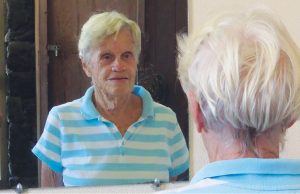
    Generations Magazine - AgingWithGrace_image1Sometimes when I glance at myself in the mirror, I can’t believe my eyes. Is that really me? I’ve just made 60 and it shows, but the mental picture I have of myself remains decades younger. One of the challenges of aging, it seems, is to let go of our vanity, which can be surprised by thinning hair or a slower gait. In a culture 
obsessed with youth, we are no longer young.

    Making peace with our physical appearance and declining abilities is all part of aging with grace. With that journey of acceptance comes a compensating opportunity — with age, we focus less on outward appearances and tend more to who we are on the inside.

    Those of us who are privileged to live a mature life know that there is a time to stop trying to turn heads or to climb to the top. We know life is more about how well we know ourselves than it is about how many people know us. This is a spiritual turning. Life moves us to consider the meaning of our mortality.

    How will you seek spiritual maturity — to know serenity, to express gratitude, to laugh, to notice beauty and mercy, to insist on justice, to persist, to lay the past to rest, to find forgiveness? I hope I’m writing those into my spiritual autobiography. What about you?

    The church where I am pastor, Windward United Church of Christ in Kailua, has started 
Aging with Grace, a new program initiative. It offers comfortable entry points for seniors and their families who want to learn about community aging resources or participate in leisure activities and volunteer groups. Aging with Grace programs explore the spiritual terrain of aging, asking questions and celebrating the challenges and blessings that face nā kūpuna.

    We lift up a simple prayer for spiritual maturity: “Teach us to number our days, that we may gain a heart of wisdom” (Psalm 90:12).

    I am going to print that out and place it on my mirror at home. I long to see the reflection of this wise woman’s heart.


    WINDWARD UNITED CHURCH OF CHRIST38 Kaneohe Bay Drive, Kailua, HI 96734
    Rev. Jayne Ryan Kuroiwa  |  808-254-3802  |  windwardpastor@hawaii.rr.com  |  www.windwarducc.org

    Aging With Grace by Rev. Jayne Ryan Kuroiwa from the June-May 2016 issue of Generations Magazine, Hawai‘i’s Resource for Life

  • Feeding College Athletes: Body, Mind, Soul

    Generations Magazine - Feeding College Athletes_image1“Show me a university that is financially secure and I’ll show you its athletic foundation; show me a championship team and I’ll show you a student body academically driven by the same zeal of excellence.” — Gov. John A. Burns
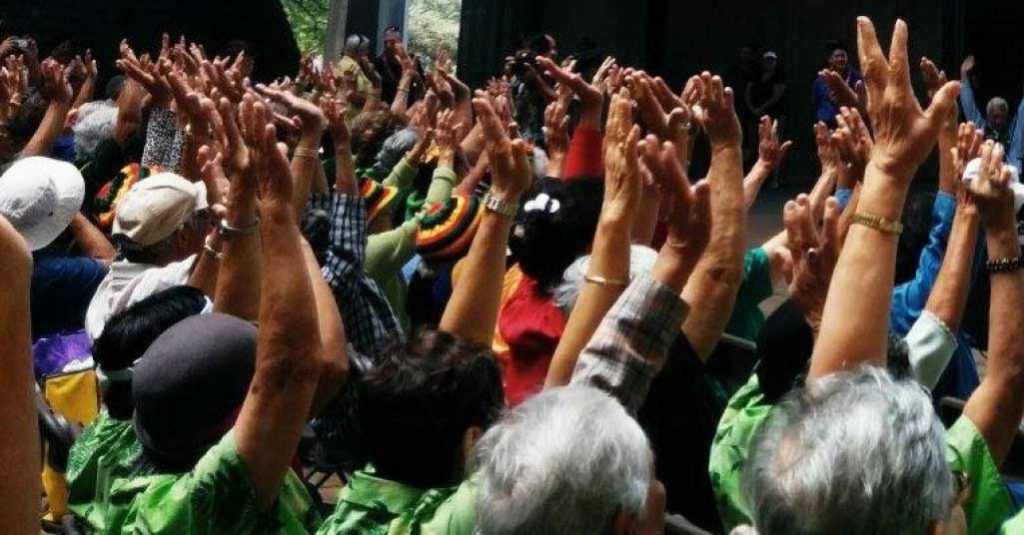


    With wisdom and vision, Gov. Burns took $8,000 from his own pocket and created ‘Ahahui Koa Ānuenue (AKA) in 1967, providing the community with a way to contribute financial support to field competitive and successful teams at the University of Hawai‘i. Today, AKA is an efficient nonprofit that raises $6 million annually. Despite its success, UH requires more community financial support than ever.

    Recent NCAA rule changes allow universities to provide 24-hour buffets to all athletes, not just those with scholarships, providing the schools with a huge recruiting advantage.

    UH seized this opportunity and developed its Supplemental Meal Program, which provides that all student-athletes get one full meal a day.Generations Magazine - Feeding College Athletes_image2

    Coaches love this program, which literally feeds the minds, bodies and souls of UH athletes.

    Visit www.koaanuenue.org and click the “Apples for Athletes” campaign button.


    ‘AHAHUI KOA ĀNUENUE
    Jon Kobayashi, President
  |  808-956-6500  |  jon@koaanuenue.org  |  
www.koaanuenue.org

    Feeding College Athletes :  Body, Mind, Soul by Jon Kobayashi, President, ‘Ahahui Koa Ānuenue from the June-May 2016 issue of Generations Magazine, Hawai‘i’s Resource for Life

  • Forever Young!

    Generations Magazine - Forever Young_image1
    Seniors stretching and exercising at Kokua Kalihi Valley.


    What image comes to mind when you think of an Elderly community center? An AARP sponsored YouTube is making the rounds “Millennials Show Us What ‘Old’ Looks Like.” Have you seen it? The video reveals an interesting perspective of what the 20-somethings think. Millennials are asked what age they consider to be “old” and to demonstrate what “old” looks like. The 20–28 year olds “act out” their images of the “old,” laughing and giggling as they imitate slow, uncoordinated individuals.

    Next, the host gives them a chance to meet and interact with older people (who were secretly watching how these young adults portrayed them). The Millennials quickly discover the “old,” are physically strong, active, vibrant — living rich, satisfying lives. The shock and surprise on their faces at how some older people truly function is absolutely priceless!

    As a frequent volunteer at the Kokua Kalihi Valley Elderly Center in Honolulu, I regularly witness how vibrant and active the participants are; all are 60 or older. During a recent visit, after some light, chair aerobics, about 75 participants used 5-pound dumbbells to do a couple of sets of overhead, triceps extensions. Believe me, it wasn’t easy! More evidence that active seniors are busy reshaping the image of older people. Like that old Bob Dylan song, the new “old” may become “Forever Young.”


    KOKUA KALIHI VALLEY Comprehensive Family Services
, 2239 North School St.,Honolulu, HI 96819
    808-791-9400  |  www.kkv.net/index.php/elder-care

    Forever Young! by Martha Khlopin for the June-July 2016 issue of Generations Magazine, Hawai‘i’s Resource For Life

  • Beating Cancer

    I grew up with a father who had colon cancer, so I have always been interested in reasons why some people survive cancer beyond all odds. There are patients with stage IV prostate cancer, breast cancer, ovarian cancer and pancreatic cancer who have survived and live much longer than expected. Some live out their full lives, apparently beating cancer, as my father did.

    So what is it that makes the difference between those who survive stage IV cancer and those who don’t? No one knows for sure, but I can share with you what seem to be common factors in these cases. Probably the most important one is that they all made major diet and lifestyle changes. There are several reasons these choices make a difference in the course of the disease.

    Insulin Control

    In my last column, I described why it is important to limit processed carbohydrates and proteins to control insulin, and to limit dairy and meat because of insulin-like growth factor (IGF-1). Limiting insulin and IGF-1 can help slow tumor growth and is associated with a reduced risk of various cancers.

    Inflammation Control

    Another important factor in controlling cancer is controlling inflammation and pain. Diet can have a profound effect on the control of inflammation. As I explain in Chapter VI of the Peace Diet, eating can affect your blood, causing it to act as if you were taking aspirin or ibuprofen — without actually having to take the medication.

    This is important because inflammation has a lot to do with the growth of tumors and cancers. Inflammation is most commonly associated with pain and swelling of tissues, as it is in injuries — a bruise or cut — or in chronic conditions, such as arthritis and autoimmune disease.

    The inflammatory process induces the production of biochemicals in the blood, such as Tumor Necrosis Factor alpha (TNF a) and Nuclear Factor kappa beta (TNF kB), that aid in the repair process, but which also induce tumor growth. Inflammation causes vascular endothelial growth factor to create new vessels to bring blood in and out of the area to accelerate healing, but it also can create vessels that feed a growing cancer.

    To help control inflammation, limit the intake of omega 6 fat, especially arachidonic acid, which is the main precursor to micro-hormones — prostaglandins — that cause inflammation.

    Consuming less chicken, egg yolks, beef and sausage may be one of the reasons why people in countries where these foods are not heavily consumed have the lowest rates of cancer.

    For a more complete list of these foods, read the Peace Diet (www.peacediet.org).


    WELLNESS CENTER Complimentary & Alternative Medicine
    600 Queen St., Ste. C2, Honolulu HI 96813

    808-628-8784  |  www.drshintani.com

    Beating Cancer by Terry Shintani, MD, JD, MPH from the June-May 2016 issue of Generations Magazine, Hawai‘i’s Resource for Life

  • Endowment Gift Keeps on Giving

    The very lifeblood of your favorite charity is the annual donations that come from regular donors. When a regular donor passes away or stops giving, it may be difficult for the charity to replace the needed income stream. One way to avoid this is for faithful donors to create lifetime endowments or to leave endowments in their estate plans. It doesn’t take an unusually large gift to make a difference.

    If you annually contribute $100, then putting $2,000 in an endowment is enough for that level of annual giving to continue in perpetuity. This ratio holds up no matter how much you give each year. An endowment of 20 times an annual gift should allow for the same contribution to continue each year for long after you pass away or stop giving.

    Contact your favorite charity for ideas about how to multiply the benefits of your gift — both for you at tax time and for the charity. If the charity is not geared up to manage endowments, you can create an endowment quickly and easily, with very few administration fees. Organizations like the Hawai‘i Community Foundation (which has offices in Honolulu, Waimea, Hilo, Li¯hue and Kahului, and can be found online at www.hawaiicommunityfoundation.org) or the Hawai‘i chapter of the National Christian Foundation (808-524-5678) will assist you.

    Creating an endowment fund through an established charitable foundation can also enable you to make gifts to multiple charities. When you create your endowment fund, your gift is immediately tax-deductible (within limits prescribed by the Internal Revenue Code) because the foundation is itself a tax-exempt entity. You can then direct the foundation to send checks to all or any of the charities you support. You can tell the foundation to let the charities know that the gifts came from you or to issue your gifts anonymously.

    Moreover, your endowment gift does not have to be cash. If you have stock or real estate that you are considering selling in order to make charitable gifts, you can put those assets directly into your endowment fund and let the foundation sell them. If you sell the assets yourself before you make your gift, you may have to report capital gains and pay taxes on those gains. Your net gift will be the amount of your sales proceeds minus sales costs and taxes.

    On the other hand, if you give the assets to the foundation, the foundation can sell them and put the net proceeds into your endowment fund (with no taxes on capital gains), and your potential deduction will be the full fair market value of the gifted assets. If you give more than the law allows you to deduct in any one year, you can “carry forward” your gift and deduct a portion of it over each of the next five years or until you have fully deducted your gift, whichever comes first.


    SCOTT MAKUAKANE, Counselor at Law
Focusing exclusively on estate planning and trust law.
    Watch Scott’s TV show, Malama Kupuna
Sundays at 8:30pm on KWHE, Oceanic Channel 11
    www.est8planning.com
  |  O‘ahu: 808-587-8227  |  maku@est8planning.com

    Endowment Gift Keeps on Giving by Scott A. Makuakane, Counselor at Law, Est8Planning Counsel LLLC from the June-May 2016 issue of Generations Magazine, Hawai‘i’s Resource for Life

  • Busy Doing Good

    Generations Magazine - Busy Doing Good_image1
    Spenner and the UH Foundation are grateful for support from donors.

    Keeping busy is important in retirement. For me, doing something meaningful is key to an enjoyable life. Before I retired, I worked in philanthropy, helping to raise funds for a highly regarded private school. I felt good assisting the school with its mission, enabling donors to do “good” for the school and helping people “achieve their heart’s desire.” My specialty is estate and gift planning — working with donors as they ponder their own mortality and decide how they can make a difference with the wealth they have accumulated. If you don’t make plans for your estate, others (including the government) will make those decisions for you after you pass. I help empower people to make bequests that can help their heirs and charities they love.

    When I first retired, I lived an idyllic life. I walked along beaches, swam in the surf, trekked over mountain trails, cooked delicious meals, got a library card and read dozens of books, and napped in the afternoon. I even walked around the entire Island of O‘ahu. What’s not to love about this lifestyle? I had the money to be unemployed and self-indulgent, but I wanted to do more. I volunteered for local fundraising efforts and got quite involved with my faith community. Then one day, I received an unsolicited email from either LinkedIn or a search firm, saying, “Here’s a job that you might like.” It described exactly what I had been doing for the past 10 years. I can do this, I thought. I applied and was hired.

    The work environment at the University of Hawai‘i Foundation is very enjoyable and I’m thrilled to be a part of it. The UH System, with its 10 campuses, is the only public university in the state. The future of Hawai‘i depends on us offering greater educational opportunities for students at every academic level, career aspiration and economic strata.

    Now, a year later, my work has stopped being a hobby-job; it is a mission. I want to help young students pull themselves out of poverty through education, and help the brightest academic scholars continue their research and post-graduate studies at UH instead of going to the mainland. I want to show generous Hawai‘i residents that their current major gifts and planned estate gifts to the UH Foundation are living investments in the future of Hawai‘i. There is nothing more personally rewarding than when a grateful donor thanks me for helping make a profound difference in his or her life and the lives of students by crafting their legacy gift.

    This is why I chose to work after retirement at a job that has become a life’s work for me.


    UNIVERSITY OF HAWAI‘I FOUNDATION
, P.O. Box 11270, Honolulu, HI 96828-0270
    1-866-846-4262  |  www.uhfoundation.org

    Busy Doing Good by Dale Spenner, University of Hawai‘i Foundation for the June-July 2016 issue of Generations Magazine, Hawai‘i’s Resource For Life

  • Stop Being an Easy Victim

    I don’t like to work. I have said this for years in presentations around the island. People laugh, thinking I am joking. I am not.

    I am on-call 24 hours a day, seven days a week. When a crime occurs and the victim is 60 years of age or older, the police page me and I drive down to the station to review the evidence. It is not fun there. They don’t have doughnuts and the detectives aren’t as funny as those on “Barney Miller.”

    I have spent more than one holiday sitting at a gray metal desk reading police reports and eating old Halloween candy. But perhaps the biggest reason I don’t like being at the police station is that often, the crimes I am reviewing could have been easily avoided.

    For example, a great percentage of the stolen car cases our office prosecutes are a result of seniors leaving the keys in the vehicle, or leaving the car running as they pop back into the house for something they forgot, or running into a store for a quick errand, only to find their car gone when they return.

    Speaking of cars, please stop leaving credit cards and checkbooks in them. A drug addict’s favorite place to go shopping is in a parking lot. A left-behind wallet, purse or checkbook is a big payday for someone feeding a habit.

    Also, lock the doors to your home. You don’t live in Mayberry with Aunt Bee. Many burglaries have been committed by persons who just open an unlocked door. Frequently, the criminal will not care whether or not someone is home or what time of the day or night it is. Simply securing your house deters unwanted strangers.

    Speaking of strangers, don’t let them in! Many identity thefts, burglaries and assaults start with a homeowner letting in a person they don’t know. The man who says he is from the utility company and needs to check something — do you really know where he is from? Direct anyone needing to use your restroom to the nearest public facility.

    My cautions may sound harsh; I have heard that because we live on a small island, aloha is a way of life. If that were true for everyone, tell me why crimes affecting the elderly have increased over 300 percent since I started the Elder Abuse Unit? If you don’t want to take simple steps to prevent yourself from being a victim of a crime, do it for me. I am tired of eating stale candy.


    To report suspected elder abuse, contact the Elder Abuse Unit:
    808-768-7536  |  ElderAbuse@honolulu.gov  |  
www.honoluluprosecutor.org

    Stop Being an Easy Victim by Scott Spallina, Senior Deputy Prosecuting Attorney from the June-May 2016 issue of Generations Magazine, Hawai‘i’s Resource for Life

  • Hawai‘i Alzheimer’s Disease Initiative

    Families may be unaware of many services available for loved ones with Alzheimer’s disease or a related dementia. And in Hawai‘i, a large proportion (70 percent) of dementia care is provided at home.

    Generations Magazine - HawaiiAlzheimers_image1
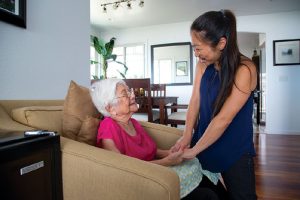
    Nova Erickson assists her grandmother, Jane Nagareda, at home.

    In September 2015, the University of Hawai‘i Center on Aging was awarded a three-year federal grant from the Administration for Community Living for the Hawai‘i Alzheimer’s Disease Initiative (HADI). HADI aims to build “dementia capability” within the state by creating and improving services for patients and their caregivers and by providing training for physicians and health professionals.

    HADI complements the work of other notable organizations, including the Alzheimer’s Association Aloha Chapter. As principal investigator for the HADI team, I work with Co-Principal Investigator Ritabelle Fernandes, MD, MPH, and Project Consultant Jody Mishan.

    There are several exciting initiatives in process:

    • HADI is developing a new website (www.hawaii.edu/aging/hadi) that will become a one-stop site for resources and tools for brain health, memory loss, and dementia, and dementia care.

    • Recently, HADI trained over 100 professionals and volunteers as Hawai‘i’s first Memory Care Navigators, who will help persons with memory loss or dementia and their caregivers understand their needs and connect them with appropriate services. Visit: www.hawaii.edu/aging/hadi.

    • Soon, Savvy Caregiver, a new program, will give family caregivers knowledge and skills to handle the challenges of caring for a family member. The training program is conducted over six group sessions by HADI, in partnership with several other organizations.

    HADI also intends to train professionals in dementia care, modeled after the national Dementia-Friendly America collaborative. Recently, Dr. Terry and Michelle Barclay’s held workshops that trained case managers on best practices in care coordination for persons with memory loss and dementia. Clinicians and primary care providers were updated about how to conduct a comprehensive dementia workup. Additional training programs will be offered in the future.

    HADI is also championing Dementia Friendly Communities (www.dfamerica.org). View a special presentation via ‘Ōlelo Community Media’s On Demand; enter the keywords “Dementia Friendly Communities.”

    For more information and to see a full list of our community partners, call the UH Center on Aging or visit the UHCOA website.


    UNIVERSITY OF HAWAI‘I CENTER ON AGING
    
1960 East West Road, Bio Medical Sciences T-705B, 
Honolulu, Hawai‘i 96822
    808-956-5001  |  uhcoa@hawaii.edu

    Hawai‘i Alzheimer’s Disease Initiative by Christy Nishita, Ph.D., Interim Director and Researcher, UH Center on Aging from the June-May 2016 issue of Generations Magazine, Hawai‘i’s Resource for Life

  • Lumbar Stenosis Misdiagnosis

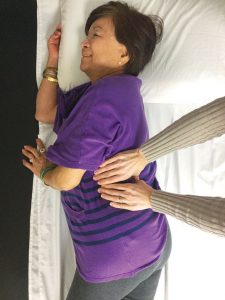
    Generations Magazine - Lumbar Stenosis_image1Degenerative lumbar spinal stenosis (DLSS) is a leading cause of pain, disability and loss of independence in older adults. This chronic, age-related degenerative narrowing of the spinal canal commonly leads to compression of the nerves in the lower back. DLSS is often diagnosed incorrectly because even though it originates in the spine, symptoms may not include back pain. Patients can experience numbness or tingling, cramps and weakness in the lower limbs with or without pain. Symptoms worsen while upright, inhibiting the ability to walk and stand; sitting and bending forward alleviate symptoms.
    Sometimes, DLSS symptoms can be effectively managed with nonoperative options:
    • Pain relief medications
    • Epidural injections
    • Activity modification Sit in a recliner instead of a straight chair; use a recumbent bicycle rather than walk; lean forward on a grocery cart while shopping.
    • Physical therapy Aquatic or land-based exercises to stabilize the spine, lumbar traction and manual therapy.

    Although DLSS is a natural result of aging and we don’t know how to prevent it, its impact on your life can be reduced and its progression slowed by maintaining proper posture and a healthy weight, using supportive chairs and mattresses and, exercising regularly.


    Moon Physical Therapy, LLC, 
320 Ward Avenue, Suite 107, Honolulu, HI 96814
    Aquatic, Land-based and Manual Therapy and 
Cardiopulmonary Rehab Programs
    808-597-1005  |  www.moonpt.com

    Lumbar Stenosis Misdiagnosis by Julie Moon, Physical Therapist from the June-May 2016 issue of Generations Magazine, Hawai‘i’s Resource for Life

  • Animal Assisted Therapy

    Generations Magazine - Animal Assisted Therapy_image1
    One of our most beloved caregivers sports a fur coat to work each day.


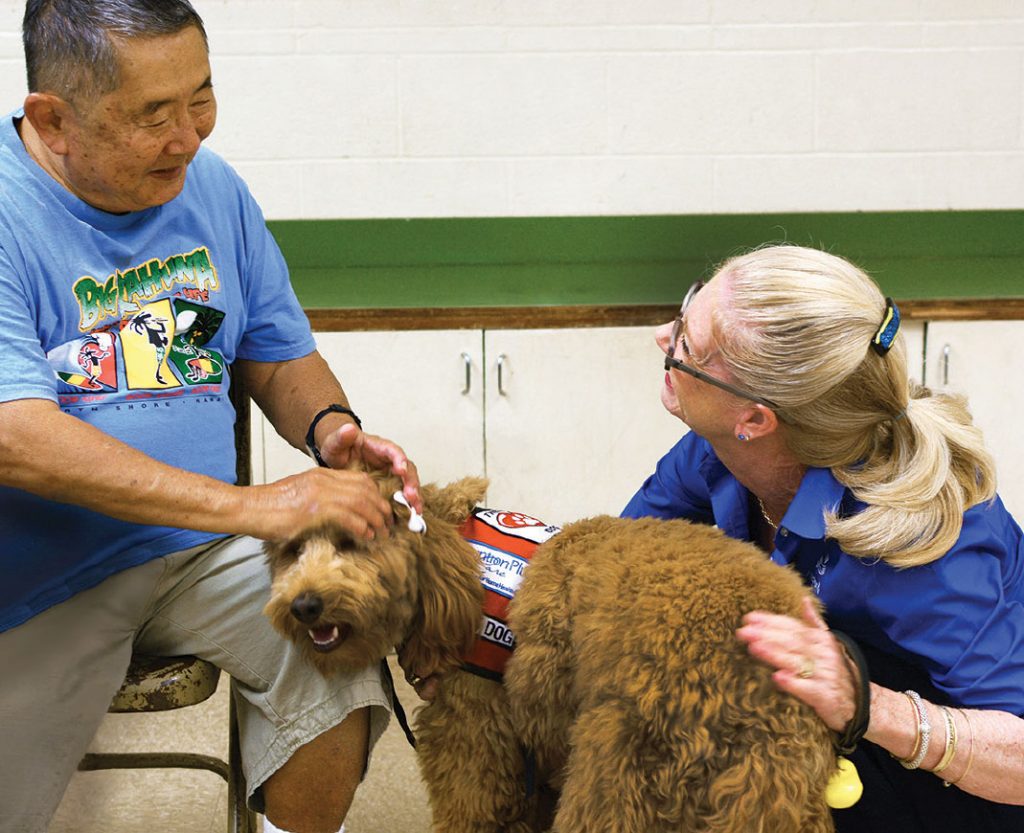
    Her coat is stylish and doesn’t affect her walking on all fours. In fact, she couldn’t be happier visiting her patients in the hospital or their homes. And like most professionals, she delights when rewarded with a scratch behind her ears. Well, as you might have guessed, she is a therapy dog; her name is Ruby.

    Ruby, a highly trained labradoodle, is recognized by the American Kennel Club (AKC) as a certified therapy dog. She volunteers most of her time visiting children and adults in the hospital or their homes.

    “Ruby truly enjoys being with her clients,” said her handler, Carol Samples, RN and CEO of Attention Plus Care. “She can connect and help people in a way where other treatments cannot.

    Ruby is the product of her breed and the special training she has received. Her talent for boosting morale can be life-changing for some clients.

    Pet therapy, also called animal-assisted therapy (AAT), has been observed as having a positive effect on seniors. A one-year study of approximately 1,300 adults aged 65 or older (published in the Journal of the American Geriatrics Society) found that companion animals had a positive effect on their activities of daily living (ADLs). Older adults without pets experienced a decline in ADLs compared to similar groups with pets, the study revealed.

    A study in the Journal of Gerontology also found that a therapy dog had a positive effect on residents at long-term care facilities. Residents engaged with a therapy dog experienced less loneliness after the end of the six-week study. The study also found that one 30-minute session a week with a therapy dog significantly reduced participant loneliness.

    “We notice a decrease in blood pressures and increase in smiles when Ruby visits our medically fragile patients,” said Samples. “The effects are profound and bring a sense of joy to those who can’t have a pet in their life.”

    AAT for seniors has also been shown to help Sundowner’s Syndrome, evening periods of agitation and confusion in those with Alzheimer’s disease and dementia. Touching and being touched by a therapy dog provides tactile and cognitive stimulation for patients and improves their sense of well-being.

    Dr. Michael McCulloch, a Portland psychiatrist, studies why pets are therapeutic. His research reveals that the therapeutic effect is linked to one basic human need.

    “Touch is one of our primary needs when we’re born and one of our last needs to go.”

    — Dr. McCulloch

    Ruby just thinks it’s good, furry fun.


    ATTENTION PLUS CARE Accredited by The Joint Commission
    1580 Makaloa St., Ste. #1060, Honolulu, HI 96814
808-739-2811  |  www.attentionplus.com
    Available monthly:
    Aging in Hawaii Educational Outreach Program
by Attention Plus Care – a program to provide resources for seniors and their families, instructed by a registered nurse, who covers a different aging topic each month.
    For more information on Animal Assisted Therapy and 
free community workshops on Aging in Hawai‘i hosted by Attention Plus Care, call 808-440-9372.

    Animal Assisted Therapy by Eileen Phillips, RN, Attention Plus Care from the June-May 2016 issue of Generations Magazine, Hawai‘i’s Resource for Life

  • SSA News for Same-Sex Couples

    Last year, the Supreme Court issued a decision in Obergefell v. Hodges, holding that same-sex couples have a constitutional right to marry in all states. As a result, the Social Security Administration (SSA) recognizes more same-sex couples as married for purposes of determining entitlement to Social Security benefits or eligibility for Supplemental Security Income (SSI) payments. We recently updated employee instructions for processing claims and appeals when a determination of marital status is necessary.

    As part of the new instructions, we have:

    • Removed from our policy any mention or consideration of the dates when states first recognized same-sex marriages from other states. These dates are no longer relevant.

    • Added the dates when some foreign jurisdictions allowed same-sex marriage, eliminating the need for a case-specific legal review in many international same-sex marriage claims.

    • Updated and simplified our procedures for processing claims involving a transgendered or intersex person, allowing these individuals to self-identify as members of a same- or opposite-sex marriage.

    • Streamlined and clarified policy instructions, addressing advocate and employee questions. We encourage those who believe they may be eligible for benefits to apply now. Learn more at www.socialsecurity.gov/same-sexcouples.


    For questions, online applications or to make an appointment to visit a SSA office, call from 7am–7pm, Mon–Fri:
    1-800-772-1213 (toll free)  |  1-800-325-0778 (TTY)
  |  www.socialsecurity.gov

    SSA News for Same-Sex Couples by Jane Yamamoto-Burigsay, Social Security Public Affairs Specialist in Hawai‘i from the June-May 2016 issue of Generations Magazine, Hawai‘i’s Resource for Life

  • Message From The Editor – April / May 2016

    May is Older Americans Month and the theme for 2016 is “Blaze a Trail.” In so many ways, seniors in Hawai‘i are already doing just that — leading our nation in health, longevity and productivity. Four decades ago, Lanakila Multi Purpose Senior Center was an “experimental” club for seniors. Today, it’s one of the hundreds of senior clubs throughout our state where seniors may socialize, undertake meaningful activities and serve the community. In addition to clubs, seniors volunteer in nonprofits, contribute to the care of their grandchildren and support community projects and charities. Be sure to reflect on your personal achievements this year. Sustaining a healthy, active and meaningful life — regardless of age — requires focus and discipline. Supporting what is important to you and your family, and making your community just a little better takes a commitment of time and energy. We celebrate all you do to live well.

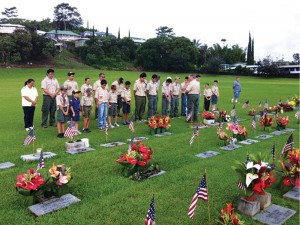
    Generations Magazine - April-May 2016 - Editors Note - image 01May is also Memorial Day, and the Boy Scouts of America Aloha Council prepares and will be collecting lei to decorate the graves of veterans, as a part of the Good Turn For America Service Program. Watch for publicity on your island to donate or get involved making ti leaf lei. This is a wonderful way to help youth honor our veterans.
    This issue’s Giving Care section authors come at this topic from several perspectives. It drives home the idea that we are all different, with many ways of looking ahead (or avoiding) end-of-life. One common thread is that if you have expectations about your care, where you want to pass your last days, or who will receive your treasures, it’s best to make your intentions clear — while you are of sound mind and body. Our contributors share a lot of wisdom on planning, too.

    As always, we thank you for supporting Generations Magazine® and our partners, who are committed to bringing excellent resource information to seniors and their families.

    Generations Magazine - Editors Note - Katherine Portrait
    Every Day is Brand New!
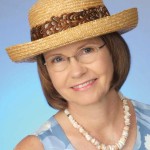
    Katherine Kama‘ema‘e Smith, Associate Editor


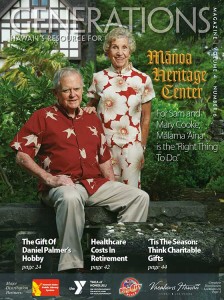
    Generations Magazine - April-May 2016 - Editors Note - image 02A Special Note: In January, Hawai‘i lost Sam Cooke, a captain of business who de-scended from missionaries and worked tirelessly to support conservation, Hawaiian history and fine arts. Manoa Heritage Center is a living legacy of his deep love for Hawai‘i. Sam and Mary Cooke told us their story and graced our cover in Dec/Jan 2015. To their family and friends we extend our deepest condolences.

    May is Older Americans Month and the theme for 2016 is “Blaze a Trail.” In so many ways, seniors in Hawai‘i are already doing just that — leading our nation in health, longevity and productivity. Four decades ago, Lanakila Multi Purpose Senior Center was an “experimental” club for seniors. Today, it’s one of the hundreds of senior…