Category: Living Life

  • Tips: Five Hints for Caregivers

    While some people receive care from paid professionals, more are relying on the unselfish assistance of families, friends, and neighbors. The stress, exhaustion and extreme emotions faced by caregivers can be overwhelming. Following are some hints for those facing this situation:

    1. Physical

    Place a high priority on taking care of yourself, as caregivers often neglect their own health. Keep all of your medical appointments. Learn to manage appointments and other obligations using an electronic or manual calendar.

    2. Emotional

    Schedule time for yourself. Even the most loving efforts to care for a family member can result in stress, frustration, anxiety, physical exhaustion, anger and depression. Don’t abandon the rest of your daily life, and don’t become a martyr. Ask for help.

    3. Financial

    Talk to independent financial experts. The financial burden on caregivers can range from temporary inconvenience to serious hardship. Experts will be able to evaluate the situation objectively and offer alternatives and advice.

    4. Family

    Many primary caregivers are also still raising children. Involve family members in caregiving, and lighten your workload by sharing responsibilities. Don’t underestimate children, as they can and will help.

    5. Personal Life

    Be sure to have one. Take advantage of respite services when you feel the need to recharge.

    While some people receive care from paid professionals, more are relying on the unselfish assistance of families, friends, and neighbors. The stress, exhaustion and extreme emotions faced by caregivers can be overwhelming. Following are some hints for those facing this situation: 1. Physical Place a high priority on taking care of yourself, as caregivers often…

  • Tips: Caregivers With Elderly on the Go

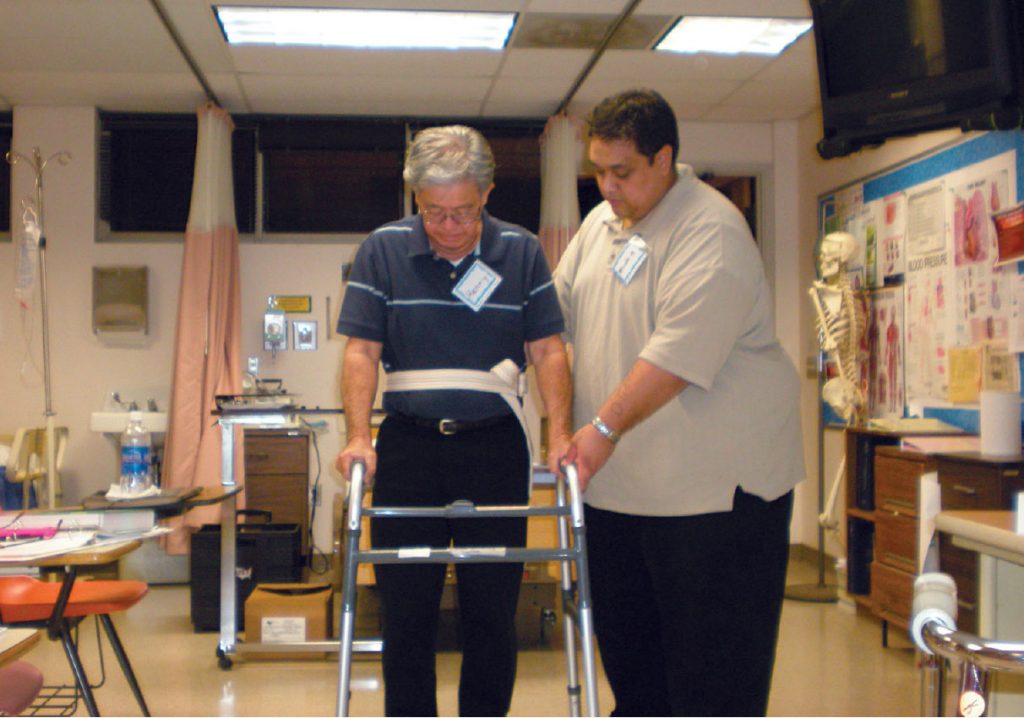
    LIVING LIFE Tips-Caregivers-With-Elderly_image1Moving and transferring the elderly is a challenge for many caregivers, especially those who lack formal training. But, the process can be made easier and safer by learning some simple tips.

    1. Educate yourself on how to move the elderly, especially those who are frail. Caregivers should receive training from a physical therapist before an elderly is discharged from a hospital or nursing home. Proper training can reduce injury and risk to both the elderly and the caregiver.

    2. Use equipment. Purchase a gait belt at a local medical supply store to help grip onto an elderly person and decrease the chance of injury. Other useful items include shower rails, grab bars and hospital beds.

    3. Wear proper clothing. The elderly and caregiver should wear covered shoes or non-slip socks. Slippers and high heels are discouraged.

    4. Communication is the key. Make sure the elderly does as much as he or she can to get from one place to another. This requires talking them through the process and keeping sentences specific and brief, especially for those with Alzheimer’s or dementia.

    5. Get rid of hazards. Pets, loose mats and color-coordinated items are dangerous to the elderly, who are prone to tripping over things, especially at night.

    6. Provide adequate lighting. By age 65, people require 60 percent more lighting to distinguish differences in tone. Caregivers can also mark edges of the stairs and add more contrast to areas in the house to make it safer.

    7. The elderly should not grab onto caregivers. Sometimes the elderly get scared and grab caregivers around the neck, which is dangerous. It’s best to offer a safer part of the body to hold onto, like the forearm.

    8. Do what’s best for yourself AND the elderly. Families have to make critical decisions about knowing when it’s becoming too difficult to care for someone. Caregivers should keep themselves healthy, have respite time and take care of their backs.

    9. It’s technique, not muscle. People tend to think that moving and transferring requires physical strength, but learning basic tricks is the key. A simple phrase to remember is, “nose over toes” to help caregivers remember that they need to get the elderly person’s body to go forward in order to get up.

    10. Be cautious…when helping an elderly person who has fallen. Most caregivers think they need to pick up someone immediately after a fall. But, it’s important to watch for red flags like confusion, dizziness, pain and limbs turned in abnormal ways. If it seems safe to move the elderly, pick them up from underneath the arms or they can crawl to a chair or couch that they can use to pull themselves up. For larger people, ask for help or call 911. Meanwhile, provide the elderly with a pillow and blanket. Gently roll them on their side if they’re in a position that could cause choking.


    DISCLAIMER

    Information provided by Ann Low, academic coordinator for clinical education at Kapi‘olani Community College. She works with the PTA program in the Health Sciences Department and also teaches a section of the KCC’s Family Caregiver Training Series.

    This series of caregiver tips is brought to you by the Kupuna Education Center at Kapi‘olani Community College. For more information, please call 734-9211.

     

    Moving and transferring the elderly is a challenge for many caregivers, especially those who lack formal training. But, the process can be made easier and safer by learning some simple tips. 1. Educate yourself on how to move the elderly, especially those who are frail. Caregivers should receive training from a physical therapist before an…

  • Kūpuna at Work

    LIVING LIFE Kupuna-at-Work_image1Last year, Neil Abercrombie proposed a vision for older adults that caused us to consider aging in a new way. He suggested that most adults over 60 are a tremendous economic and social asset. Elder care professionals, however, have been focused on the rapid growth of the aging population and the challenges that it poses to Hawai‘i’s resources to pay for more workers and services. For decades, there have been evaluation studies, financing proposals and legislative changes to promote new initiatives. Despite these efforts, we are still grappling. Where are we going? What is our statewide goal for long-term care? Do we wish to promote self-responsibility? Should we promote a state mandate to finance long-term care? Should we try to re-balance the system by emphasizing non-institutional care? Should we limit care for only the very needy?

    To address elder care, Hawai‘i will require more resources or it must find ways to reduce the demand for services. New resources could come from new taxes, private payments from insurance or other sources. From this perspective, aging is a growing liability. While long-term care of Hawai‘i’s frail older adults should not be ignored, our pessimistic and deficit-based perspective on aging as an economic drag requires a counter balance.

    Older adults are an asset. We need to shift our focus — a shift from sick-care to well-care. At the present time, there is a wave of active aging activities that highlight positive themes of well-aging. The World Health Organization’s Active Aging policy framework in 2002 was an important springboard for international support for this movement. Within the past decade, new terms such as positive aging, vital aging, Third Age, productive aging, successful aging and healthy aging have become commonly used. New journals, newsletters and numerous books on wellness and positive aging are also springing up. New academic opportunities are emerging as new centers conduct evidence-based research and implement innovative programs from an assets-based approach.

    Kapi‘olani Community College’s Kupuna Education Center will begin down this path in search for new ways to target active retirees. We want to put their strengths, assets and interest in contributing to work. Does this mean that our long-term care paraprofessional and family caregiver training will be terminated? Absolutely not. They will continue. However, our new direction will transform how we view gerontology from sick-care to well-care, from a deficit-focused training to an asset-based training center.

    We prefer to view growing older as part of life’s course. It’s a continuing of interrelationships of family members, of productive roles for all of us for each stage of our lives, of generational relations and intergenerational support. We envision education and training to unleash the power and potential of elders to continue being engaged and to help improve our communities. In keeping with the Governor’s New Day in Hawai‘i vision, Kapi‘olani Community College’s Kūpuna Education Center will involve training to care for our elders as well as training to prepare them to work for the betterment of Hawai‘i.

    For more information, please visit us online at www.kupunaeducation.com.

    Last year, Neil Abercrombie proposed a vision for older adults that caused us to consider aging in a new way. He suggested that most adults over 60 are a tremendous economic and social asset. Elder care professionals, however, have been focused on the rapid growth of the aging population and the challenges that it poses…

  • Shrimp Coleslaw with Southeast Asian Twist

    LIVING-LIFE-Shrimp-Coleslaw_image1While shrimp may be small in size, these protein-rich and low-carb crustaceans are huge in terms of nutritional value and health benefits.

    Shrimp Coleslaw:

    • 1 head Cabbage, shredded
    • 1 head Chinese/Napa cabbage, shredded
    • 2 whole Carrots, grated
    • 1 whole Red onion, halved and sliced thin
    • 1 cup Fresh mint, roughly chopped
    • 1 cup Fresh cilantro, roughly chopped
    • 1 cup Roasted peanuts, chopped
    • 1 lb. Salad shrimp

    Dressing:

    • 1 ½ cups Unsweetened coconut milk
    • 
½ cup Lite or fat-free sour cream
    • 2 Tbs. Lite mayo
    • 1 whole Lime juiced, or 3 Tbs.
    • 2 Tbs. Asian fish sauce
    • 3 Tbs. Rice vinegar
    • 
1 cup Green onion, sliced thin
    • Salt & fresh ground black pepper

    Dressing: In a mixing bowl, combine all dressing ingredients; whisk. Refrigerate for about an hour to thicken and let the flavors develop.

    Shrimp Coleslaw: In a large bowl, toss together cabbage through mint and top with shrimp. Add dressing, but a little at a time in order to not saturate your salad greens. Season with salt and fresh ground pepper, then sprinkle cilantro and chopped peanuts on top.

    Serves: 10 to 12


    While shrimp may be small in size, these protein-rich and low-carb crustaceans are huge in terms of nutritional value and health benefits. Shrimp Coleslaw: 1 head Cabbage, shredded 1 head Chinese/Napa cabbage, shredded 2 whole Carrots, grated 1 whole Red onion, halved and sliced thin 1 cup Fresh mint, roughly chopped 1 cup Fresh cilantro,…