Category: Column

  • Kupuna Connection

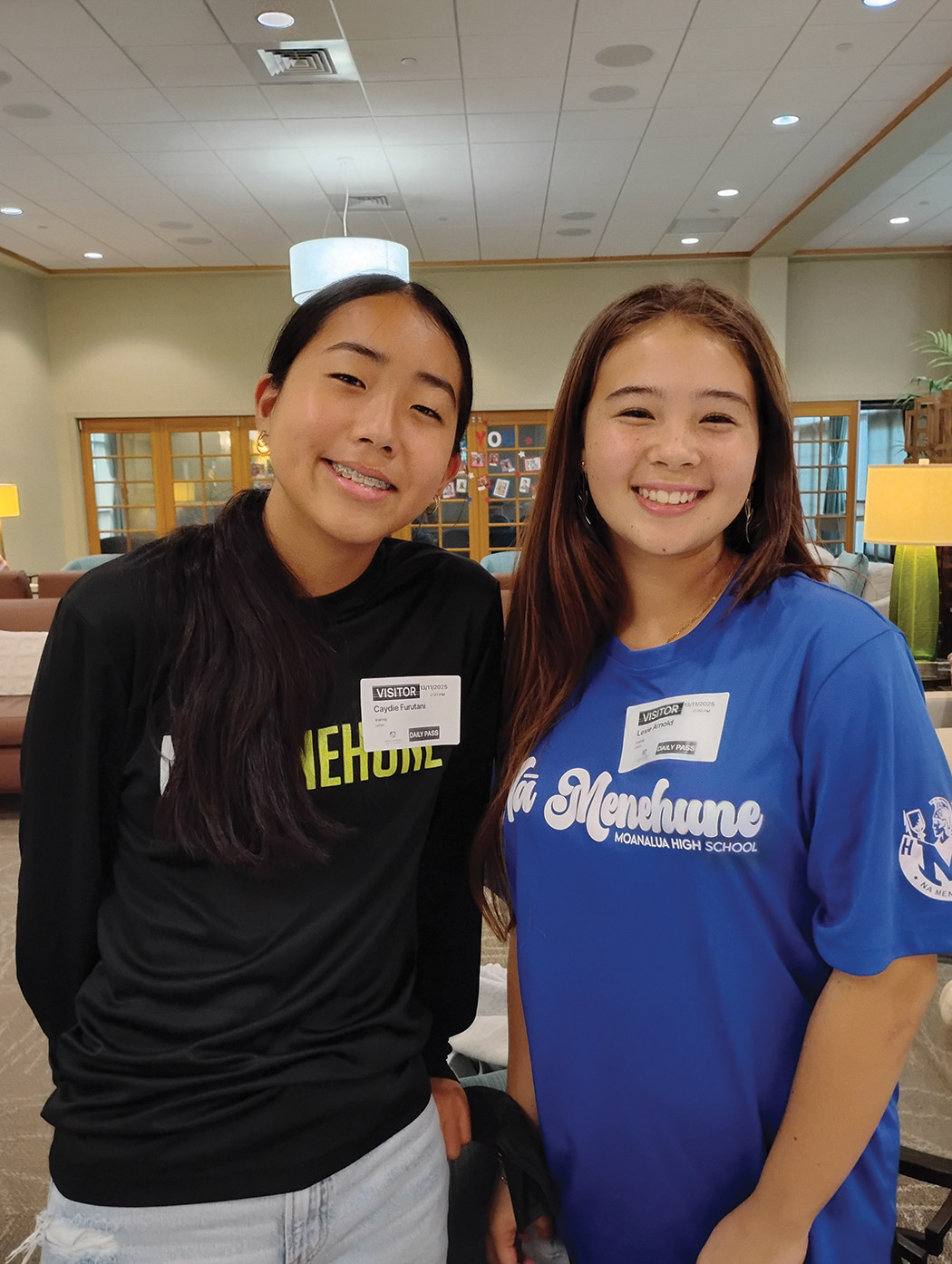
    Caydie Furutani and I are 9th graders at Moanalua High School on O‘ahu. For our social studies project, our teacher asked us to identify ways in which we could positively impact our community on a local or national level. We brainstormed and came up with three different ideas. Eventually, we chose to focus our attention on our local kūpuna community. Our project centered on efforts to improve the mental and emotional health of our kūpuna.

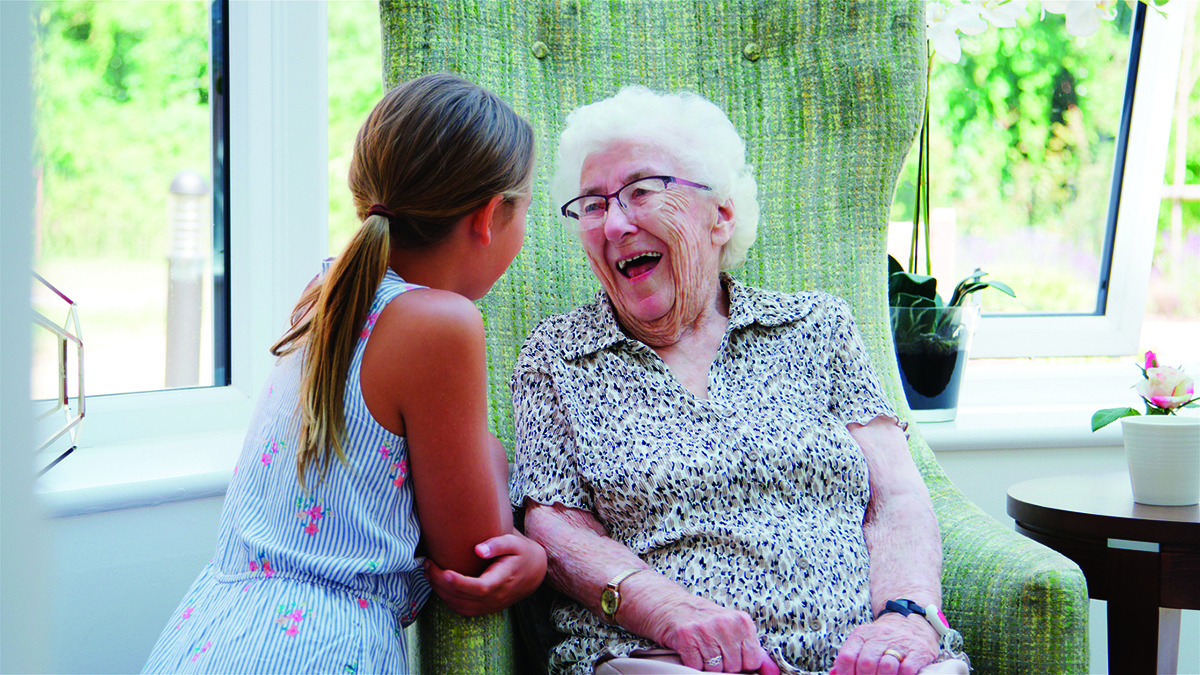
    Because some kūpuna may not have grandchildren near them, we came up with the simple idea to hang out with them, play games, talk story and bring them homemade snacks, in hopes that socializing with fun young people would make them feel happy and less lonely. And it would be fun for us to engage with the older generation.

    When I was born, my mom, Cynthia Arnold, was working to help seniors downsize and move to senior living facilities. She helped many move into 15 Craigside Retirement Community, which had just opened. She continues to this day.

    My mom told me that when I was little, she brought me there every Christmastime and we’d give out homemade cookies and treats to all her past clients. Some of them remembered me as a little one, but all I remember is this was the home where all the GGs (great-grandparents) lived. This is the reason that 15 Craigside Retirement Community was the perfect location for our social studies project.

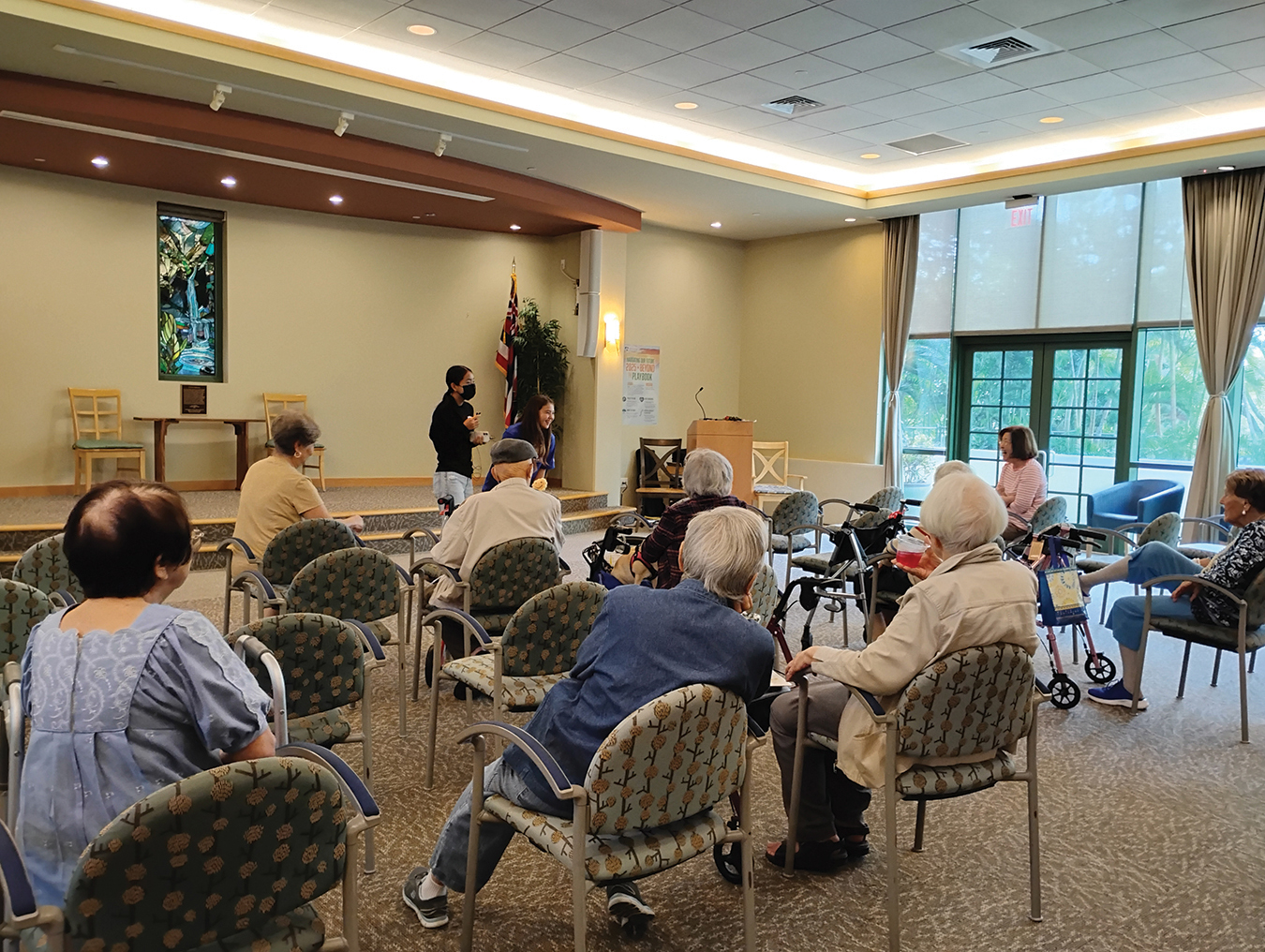
    We brought them homemade brownies, broken glass jello and manju. We talked and played “Thanksgiving Catch Phrase” to stimulate their minds in a fun and friendly environment. Some of the residents were surprisingly competitive, but everyone laughed and had a great time. And all the treats were eaten by the end of our visit.

    While talking story with them, we found out what they had done for a living and how they are now enjoying their later years. Some even gave us some life lessons, such as, “take the negativity out of your life” and “do yoga to keep looking young!” It was a great time of laughing and learning.

    Besides getting an “A” on our project, we took away many happy memories we can share with others. We want to go back again soon!


    Lexie Arnold is a 9th grader at Moanalua High School and the daughter of GM Publisher Cynthia Arnold. She loves to dance and play softball, hang out with her friends and volunteer for organizations on the island.

    If you have a story to share, email the editor: debra@generations808.com.

    Caydie Furutani and I are 9th graders at Moanalua High School on O‘ahu. For our social studies project, our teacher asked us to identify ways in which we could positively impact our community on a local or national level. We brainstormed and came up with three different ideas. Eventually, we chose to focus our attention…

  • The Risks of Using Artificial Intelligence, Part II

    While AI has the potential to greatly benefit seniors (see the Sept.–Oct. issue), it also presents certain risks:

    PRIVACY CONCERNS
    Data Security: AI systems often collect and store personal data, which can lead to privacy breaches. Seniors may be particularly vulnerable to data theft or misuse.
    Surveillance: Increased use of AI in monitoring systems (home security cameras) can lead to concerns about loss of personal privacy.

    DEPENDENCE ON TECHNOLOGY
    Over-reliance: Seniors may become overly dependent on AI technologies, which could diminish their ability to perform daily tasks tasks independently if the technology fails or is unavailable.
    Skill erosion: Relying on AI for cognitive tasks like remembering appointments may lead to a decline in memory and problem-solving skills.

    ACCESSIBILITY ISSUES
    Digital divide: Not all seniors are comfortable with or have access to technology. This can create disparities in who benefits from AI.
    Complexity: Some AI systems may be too complex for seniors to use effectively, leading to frustration and disengagement.

    BIAS AND INACCURACY
    Algorithmic bias: AI systems can reflect biases present in their training data, leading to inaccurate or unfair outcomes. For example, health recommendations may not be suitable for all demographics, including seniors.
    Misinformation: AI-driven platforms may inadvertently provide incorrect information, which could lead to poor decision-making.

    SOCIAL ISOLATION
    Reduced human interaction: While AI can provide companionship, it may replace direct interactions with family/friends, causing isolation.
    Emotional disconnect: AI lacks the genuine empathy and emotional understanding that are important to seniors seeking human contact.

    HEALTH RISKS
    Miscommunication: AI systems may misinterpret a senior’s needs or conditions, leading to unfit or missed care.
    Inadequate support: If seniors rely solely on AI for health management, they may neglect to seek necessary human medical advice or intervention.

    FINANCIAL EXPLOITATION
    Cost of technology: The financial burden of acquiring and maintaining AI technologies can be a concern for seniors on fixed incomes.
    Scams and fraud: Seniors may be targeted by scams that exploit AI technologies (phishing attacks/fraudulent services that appear legitimate).

    PHISHING ATTACKS
    Automated phishing: AI can generate convincing emails or messages that mimic legitimate organizations, tricking seniors into providing personal information, such as passwords or financial details.
    Voice phishing (vishing): AI-generated voice calls can impersonate trusted entities to extract sensitive information from seniors.

    DEEPFAKE TECHNOLOGY
    Impersonation: Scammers can use deepfake technology to create realistic videos or audio recordings of trusted individuals such as family members, making the scam more believable.
    Fake news and misinformation: AI can generate false news stories or social media posts that manipulate seniors into making hasty decisions.

    CHATBOTS & VIRTUAL ASSISTANTS
    Fraudulent chatbots: Scammers can deploy AI chatbots that engage seniors in conversation, providing false information or persuading them to share personal details or make payments.
    Social engineering: AI can analyze social media profiles to craft personalized messages that persuade seniors to fall for a scam.

    TARGETED ADVERTISING
    Data mining: Scammers use AI to analyze data from social media and online activities to target seniors with tailored ads for products/services.
    Manipulative marketing: AI can create marketing messages that exploit seniors’ fears or desires, making them buy or invest impulsively.

    INVESTMENT SCAMS
    Automated trading bots: Scammers may use AI-driven trading platforms to lure seniors into fraudulent investment schemes.
    Fake investment opportunities: AI can generate convincing promotional materials for fake/non-existent investment opportunities.

    SOCIAL MEDIA SCAMS
    Fake profiles: Scammers can create fake profiles using AI-generated images and information to befriend seniors on social media, eventually leading to requests for money or personal information.
    Romance scams: AI can help scammers craft romantic messages that appeal to seniors, building trust before asking for financial assistance.

    RANSOMWARE & MALWARE
    Automated attacks: AI can automate the distribution of ransomware or malware, targeting devices to lock seniors out or steal information.
    Phishing links: AI can generate convincing links that lead to malicious websites designed to harvest personal information or install harmful software.

    EDUCATION
    Learn about common scams: Familiarize themselves with common scams that target seniors.
    Understand AI technology: Gain a basic understanding of how AI works.

    BE CAUTIOUS WITH INFORMATION
    Limit sharing: Avoid sharing personal information unless absolutely necessary.
    Verify requests: Always verify requests for personal information by contacting the organization.

    USE TRUSTED SOURCES
    Stick to reputable platforms: Use trusted websites/applications for online activities.
    Check reviews: Before engaging with new services or products, ensure they are legitimate.

    ENABLE SECURITY FEATURES
    Strong passwords: Change them regularly. Consider using a password manager.
    Two-factor authentication: Enable two-factor authentication (2FA) for an added layer of security.

    BE SKEPTICAL
    Question unexpected messages: Be cautious of unsolicited emails, phone calls or messages.
    Look for red flags: Watch for poor grammar and requests for money or information.

    USE TECHNOLOGY WISELY
    Privacy settings: Adjust privacy settings to limit personal information shared publicly.
    Educate on AI tools: Learn how to use AI tools safely and learn their privacy policies.

    STAY CONNECTED
    Communicate: Talk with family/friends about online activities and suspicious interactions.
    Join community groups: Participate in local community groups or workshops focused on technology and online safety for seniors.

    REPORT SUSPICIOUS ACTIVITY
    Report scams: If they encounter a potential scam, seniors should report it to local authorities, consumer protection agencies or organizations like the Federal Trade Commission (FTC).
    Seek help: If they feel uncertain about a situation, they should seek help from trusted family members or friends before taking any action.

    Staying informed, cautious and connected can help reduce your risk of being scammed. Empowering yourself with knowledge and resources is key to navigating the digital landscape safely.


    CHRIS DUQUE, Hawai‘i’s premier “cyber cop,” is a retired Honolulu Police Department detective and nationally recognized expert on a variety of computer crimes. Email him at aikea808@gmail.com with your security questions.

    While AI has the potential to greatly benefit seniors (see the Sept.–Oct. issue), it also presents certain risks: ◆ PRIVACY CONCERNSData Security: AI systems often collect and store personal data, which can lead to privacy breaches. Seniors may be particularly vulnerable to data theft or misuse.Surveillance: Increased use of AI in monitoring systems (home security…

  • Take Action for Peace

    Sept. 2, 2025, marked 80 years since World War II ended. I was recently interviewed by Alasdair Baverstock with CGTN TV in order to share the WWII experience in Hawai‘i and recognize this anniversary. The documentary can be found by searching the internet for “Rise from Ashes: Pearl Harbor: A turning point of WWII” or at tinyurl.com/RiseFromAshesPearlHarbor. Most of the interviewees agreed war should be avoided. So how can we take action to promote peace?

    Local filmmaker Steve Sue’s mission is to take action for peace by sharing aloha and values through his nonprofit, ID8. “Shaka, A Story of Aloha,” his first film produced by ID8, won the 2024 Audience Choice Award for Best Documentary at the Hawai‘i International Film Festival. It explores the shaka’s origins, meaning and how it relates to creating and preserving paradise. Steve and Hawai‘i State Legislators helped the shaka become the first official hand gesture in the US.

    Steve’s second film, “The 100TH, Seeds of Aloha,” reveals the story of the 100th Infantry Battalion, the 442nd RCT and the 522nd FAB. The film goes beyond the battlefield to explore how Americans of Japanese ancestry rose above clouds of discrimination to redefine heroism and valor. The combined 100th and 442nd was one of the most decorated in WWII, achieving military excellence while sharing the aloha spirit. Post war, under the GI Bill, they became educated leaders, proving Americans come in all colors. President Harry Truman issued Executive Order 9981 in 1948, which desegregated the military, a significant civil rights event.

    Steve is passionate about making the world a better place, drawing no compensation for his film work. His generosity inspired the 100th Infantry Battalion Veterans–Club 100 to donate $25,000. His dedication also inspired me to make a personal donation, and to invest my time and funds to fly to Italy, France and Germany to aid in the film’s production by interviewing villagers I met on prior trips.

    The film is targeted to be shown in 2026 to honor the 250th anniversary of our country.

    Take action today through your donation to the film: 100thfilm.com/donate.


    100th INFANTRY BATTALION VETERANS
    520 Kamoku St. Honolulu, HI 96826
    For more information:
    info@100thbattalion.org | 808-946-0272

    Sept. 2, 2025, marked 80 years since World War II ended. I was recently interviewed by Alasdair Baverstock with CGTN TV in order to share the WWII experience in Hawai‘i and recognize this anniversary. The documentary can be found by searching the internet for “Rise from Ashes: Pearl Harbor: A turning point of WWII” or…

  • Grief & the Holidays

    As the holidays approach, we may wonder how we will handle the festivities and get-togethers without our loved ones who have passed away. It will be different each year. But what matters is how we take care of ourselves. Thich Nhat Hanh, spiritual leader and peace activist, once said, “Do whatever works and change it when it no longer works.”

    So how do we take care of ourselves during the holidays? Maybe we spend time in nature, taking walks in botanical gardens and parks. Maybe we respond to holiday invitations by saying, “Let me check my calendar and get back to you,” as you evaluate how to spend your time. Maybe we plan which tasks we want or do not want to do during the holidays. Maybe we practice breathing exercises, meditate, journal, sing, hum, garden, etc.

    Then, how do we honor our loved ones during the holiday season? Maybe we prepare a favorite dish that our loved ones enjoyed. Maybe we wear their favorite hat or shirt. Maybe we exchange poignant and/or funny stories about our departed loved ones. Maybe we donate our time and/or gifts to charity work. Maybe we revise or create new holiday rituals for the family to enjoy.

    Finding joy during difficult times can provide comfort and a sense of balance. And embracing joy helps foster resilience. Life is multifaceted and beauty can still exist amid sorrow.


    BEREAVEMENT NETWORK OF HAWAI‘I
    Facilitated by KŌKUA MAU (nonprofit)
    808-585-9977 | kokuamau.org

    As the holidays approach, we may wonder how we will handle the festivities and get-togethers without our loved ones who have passed away. It will be different each year. But what matters is how we take care of ourselves. Thich Nhat Hanh, spiritual leader and peace activist, once said, “Do whatever works and change it…

  • Medicare, Medicaid & ‘One Big Beautiful Bill’

    The One Big Beautiful Bill (OBBB) that was signed into law this summer is big; it’s complicated and hard to explain in a short article. But know this: Most of the changes don’t take effect until 2027, so there should be time to learn how it may affect you and figure out how those who need coverage can still get coverage.

    Medicare is federal health insurance for those 65 and older and Medicaid is a joint state and federal program for those of all ages with limited income and resources. In Hawai‘i, Medicaid is known as QUEST. Know also that AARP is fighting to protect Medicare and fight harmful changes to Medicaid. Articles at aarp.org go into detail about the bill and what AARP is doing.

    The bill has some impact on Medicare. It limits coverage to specific legal immigrant categories and drops coverage for those who don’t qualify. It weakens some aspects of Medicare drug price negotiations by expanding the orphan drug exemption, reducing the number of medications eligible for price negotiations. The bill could also trigger automatic Medicare spending cuts of up to 4% unless waived by Congress.

    Republicans and Democrats are saying different things about the OBBB, which is likely increasing confusion about it.

    Republicans say the new law will reduce Medicaid fraud and waste and Democrats say it creates unnecessary paperwork that will result in people losing coverage. Democrats also say it is a threat to rural hospitals and clinics.

    The nonpartisan Congressional Budget Office estimates some 10 million people may lose their Medicaid coverage over the next 10 years. The bill is also estimated to cut roughly $911 billion from Medicaid through 2034.

    The key phrase is “next 10 years.” The biggest changes don’t happen until 2027, after the 2026 mid-term elections.

    States need to start planning for the changes and are awaiting guidance from the federal government. So, despite the passage of the bill, it’s still largely unknown what people need to do to keep their coverage. It is likely that different states will implement the changes in different ways, adding complication.

    One good thing in the OBBB that AARP supported is a new $6,000 tax deduction taking effect in the 2025 tax year for those 65 and older whose modified adjusted gross income is less than $175,000. The details are complicated, so go to AARP’s website to find articles about it and you’ll hear more about it next year as tax season approaches.


    AARP HAWAI‘I (nonprofit)
    1001 Bishop St., Ste. 625, Honolulu, HI 96813
    866-295-7282 | hiaarp@aarp.org | aarp.org/hi
    facebook.com/aarphawaii

    The One Big Beautiful Bill (OBBB) that was signed into law this summer is big; it’s complicated and hard to explain in a short article. But know this: Most of the changes don’t take effect until 2027, so there should be time to learn how it may affect you and figure out how those who…

  • Kūpuna Caucus Promotes Aging Support

    Aging well means more than just living longer. It means staying connected, supported and empowered in our communities. Whether it’s access to affordable housing, healthcare or caregiving services, kūpuna face unique challenges that require thoughtful solutions.

    The Kūpuna Caucus is a group of state legislators focused on creating and advancing policies that improve the quality of life for Hawai‘i’s aging population. The caucus meets monthly on the first Friday of the month at 2pm. Meetings are held virtually via Zoom and are open to community members. During these sessions, lawmakers provide updates on bills related to housing, healthcare, caregiving and other kūpuna issues. The caucus also hosts guest speakers, including doctors, health experts and social service providers who share insights and answer questions. Members coordinate with community organizations to address ongoing challenges. All meetings are livestreamed and recorded on the Kūpuna Caucus YouTube channel (youtube.com/@kupunacaucus).

    These efforts align with the Hawai‘i State Plan on Aging 2023–2027, a strategic framework developed by the Executive Office on Aging that focuses on improving long-term care services, supporting caregivers and promoting programs such as the Kūpuna Care Program, which helps seniors live safely and independently in their homes and communities.

    During the 2025 legislative session, the Kūpuna Caucus advanced bills to support kūpuna:

    • HB 703 –Kūpuna Rent Supplement Program Extension extends the rent supplement program through June 30, 2028. It provides rental assistance to income-eligible kūpuna, ensuring statewide support for affordable housing.
    • HB 705 –Medi-Medi Project establishes a pilot program to coordinate benefits between Medicare and Medicaid. It streamlines enrollment and improves access to healthcare services and subsidies by reducing administrative barriers.

    Additional actions supported by the caucus include funding for long-term care ombudsman specialists, expansion of health insurance assistance programs and pilot projects addressing homelessness among kūpuna.

    Staying connected with the Kūpuna Caucus ensures kūpuna voices continue to be heard and their needs prioritized in Hawai‘i’s policymaking. Seniors can stay informed and play an active role in shaping the policies that affect their lives by participating in meetings and following legislative updates:

    • Join via Zoom
      Meeting ID: 977 2103 3988 | Passcode: 004105
    • Listen by phone
      Dial: 1-253-215-8782

    Aging well means more than just living longer. It means staying connected, supported and empowered in our communities. Whether it’s access to affordable housing, healthcare or caregiving services, kūpuna face unique challenges that require thoughtful solutions. The Kūpuna Caucus is a group of state legislators focused on creating and advancing policies that improve the quality…

  • Striving for Peace 80 Years After WWII

    This year marks 80 years since World War II ended. To me, this is a time to reflect on the horrors of war and remind ourselves to take steps to resolve conflict without violence.

    Hawai‘i is in a unique position as the steward of two icons of WWII history. The USS Arizona Memorial, a powerful symbol of America’s entry into the war on Dec. 7, 1941, stands guard over the remains of the vessel sunk by bombs in Pearl Harbor. Visible from that memorial is the USS Battleship Missouri Memorial, where the Japanese signed the Instrument of Surrender, which officially ended World War II on Sept. 2, 1945.

    Between those two historic bookends, we all suffered the shame of killing each other, with both sides grieving for lost sons and daughters.

    After the surprise attack on Pearl Harbor, approximately 300,000 Japanese immigrants in the US and Americans of Japanese ancestry (AJA) were considered “enemy aliens,” just because they looked like the enemy.

    The 1,432 AJA already in the US Army were segregated into a separate unit—the 100th Infantry Battalion. This small group, less than .5% of the affected population, would prove their fighting ability and loyalty to America, eventually leading to the formation of the 442nd Regimental Combat Team. Together, they were considered one of the most decorated units in US military history for size and length of service.

    An annual memorial service is held at the National Memorial Cemetery of the Pacific in Honolulu to honor the AJA units—those killed in service and those since passed, reminding us to avoid repeating the pain of war by exercising tolerance and conflict resolution. Although the AJA endured discrimination and loss of civil rights, they overcame these obstacles with positive outlook, high-performance thinking and quiet endurance. Postwar, when no bank would serve them, they didn’t give up. They built their own bank, which we know today as Central Pacific Bank.

    Although we all face challenges and setbacks, how we react affects the end result. Steve Sue of nonprofit ID8 keeps the AJA WWII legacy and values alive with a movie called, “The 100TH: Seeds of Aloha,” targeted for release in 2026. Steve notes, “…this is more than a war story—it’s an epic tale of service, sacrifice and an enduring legacy of aloha that spans over 80 years.”

    100th INFANTRY BATTALION VETERANS
    520 Kamoku St. Honolulu, HI 96826
    For more information: info@100thbattalion.org | 808-946-0272

    This year marks 80 years since World War II ended. To me, this is a time to reflect on the horrors of war and remind ourselves to take steps to resolve conflict without violence. Hawai‘i is in a unique position as the steward of two icons of WWII history. The USS Arizona Memorial, a powerful…

  • Benefits of Using Artificial Intelligence, Part I

    In this two-part series, the benefits, risks and how seniors can reduce the possibility of being negatively impacted by artificial intelligence (AI) will be explored, beginning here by examining how AI can significantly enhance the lives of seniors by promoting independence, improving health management and providing companionship and support.

    HOW DOES AI WORK?

    AI learns from data just like people learn from their experiences. For example, if you show an AI many pictures of cats and dogs, it can learn to tell the difference between them.

    AI can understand and respond to human language. For instance, when you talk to a virtual assistant like Siri or Alexa, AI is used to understand your words and give you answers.

    AI can help make decisions based on the information it has. For example, it can suggest the best route to take when driving, based on traffic conditions.

    AI can help with everyday tasks, provide information quickly and assist with health monitoring. AI helps machines think and learn, making them useful tools in our daily lives.

    HEALTH MONITORING & MANAGEMENT

    Wearable devices: AI wearables can track vital signs, alerting users and caregivers to changes.

    Medication reminders: AI devices can help seniors manage their medications and their health.

    SAFETY AND SECURITY

    Home monitoring: AI systems can monitor homes for unusual activity, providing alerts in case of emergencies, such as falls or intrusions.

    Emergency response: AI can facilitate quick communication with emergency services.

    SOCIAL INTERACTION

    Virtual companions: AI chatbots and virtual assistants can provide companionship, engage in conversation and help reduce feelings of loneliness and isolation.

    Video calls: AI can enhance call experiences, making it easier for seniors to connect with family/friends.

    TRANSPORTATION ASSISTANCE

    Smart navigation: AI can help seniors navigate public transportation or provide ride-sharing options.

    COGNITIVE SUPPORT

    Brain games: AI can offer personalized games and activities designed to stimulate cognitive function and memory, helping to keep the mind sharp.

    Learning tools: AI can provide tailored educational content, allowing seniors to learn new skills or hobbies at their own pace.

    HOME AUTOMATION

    Smart home devices: AI can control lighting, heating and appliances, making it easier for seniors to manage their home environment with voice commands or automated settings.

    Voice assistants: Devices like Amazon Echo or Google Home can help seniors perform tasks hands-free, such as setting reminders, playing music or answering questions.

    PERSONALIZED SERVICES

    Customized recommendations: AI can suggest activities, entertainment or even meal plans based on individual preferences and health needs.

    Telehealth services: AI can facilitate virtual doctor visits, making healthcare more accessible and convenient for seniors.

    In the next issue, Chris will talk about the risks of AI and how to mitigate those risks.

    CHRIS DUQUE, Hawai‘i’s premier “cyber cop,” is a retired Honolulu Police Department detective and nationally recognized expert on a variety of computer crimes. Email Chris at aikea808@gmail.com with your security questions.
    In this two-part series, the benefits, risks and how seniors can reduce the possibility of being negatively impacted by artificial intelligence (AI) will be explored, beginning here by examining how AI can significantly enhance the lives of seniors by promoting independence, improving health management and providing companionship and support. HOW DOES AI WORK? AI learns…

  • Why Seniors Should Keep Working

    Retirement isn’t one-size-fits-all. For many seniors in Hawai‘i and beyond, continuing to work—whether full-time, part-time or on a volunteer basis—offers benefits that extend far beyond a paycheck. Staying in the workforce can sharpen the mind, support physical health and bring daily structure that gives life meaning.

    Stay Mentally Sharp

    Just as vital as mental stimulation is social connection. Work helps keep the brain active and can reduce the risk of cognitive decline. The stimulation that comes from problem-solving, engaging with others and learning new skills boosts memory, concentration and a lasting sense of purpose. Seniors who remain involved often feel more alert and mentally agile than those who fully step away.

    Maintain Social Connection

    Many older adults struggle with loneliness and isolation, which can be as damaging as chronic illness. The workplace creates natural opportunities for conversation, collaboration and companionship that are essential for emotional well-being. Whether it’s chatting with coworkers, mentoring someone younger or simply being part of a team, social engagement matters.

    Sustain Physical Health

    Work also promotes physical engagement. Having a reason to get up and out each day increases mobility and daily movement. Seniors who remain active through work often report fewer chronic health issues and more energy than their sedentary peers. A consistent routine helps maintain physical strength and emotional resilience alike.

    Support Financial Stability

    Even a modest income can stretch retirement savings and ease the burden of rising costs—groceries, utilities, medical bills. For some, working is necessary. For others, it’s a financial move that brings peace of mind and a little extra breathing room.

    Perpetuate a Sense of Purpose

    Work gives structure, identity and a reason to get up in the morning. Whether it’s mentoring the next generation, sharing decades of expertise or contributing to a cause, seniors often find deep satisfaction in staying engaged.

    Continue Community Contribution

    Kūpuna who stay engaged enrich their communities with wisdom and cultural knowledge that is irreplaceable. Their involvement strengthens our social fabric and preserves local traditions.

    Working in your senior years can add vitality, purpose and connection to your life. It’s not just about money. It’s about preserving your health, mind, meaning and your place in the world.

    Retirement isn’t one-size-fits-all. For many seniors in Hawai‘i and beyond, continuing to work—whether full-time, part-time or on a volunteer basis—offers benefits that extend far beyond a paycheck. Staying in the workforce can sharpen the mind, support physical health and bring daily structure that gives life meaning. Stay Mentally Sharp Just as vital as mental stimulation…

  • Staying in the Driver’s Seat

    After receiving a well-worded summons from the Department of Motor Vehicles stating that at my age, I needed to take the road test to renew my driving license, I kept a low profile, hoping it would go away. My 80th birthday was fast approaching.

    I pictured this uniformed wiseacre 30-something yelling, “I said left Mrs. Crombie, not right”… and so on. After all, on my only other road test over 60 years ago at the South Tacoma DMV, I had collapsed in a sobbing heap after an unsuccessful attempt at parallel parking. I failed my first road test at age 15—so how hard was this going to be? Suppose I don’t pass and need someone to cart me
    around? What an unbearable thought!

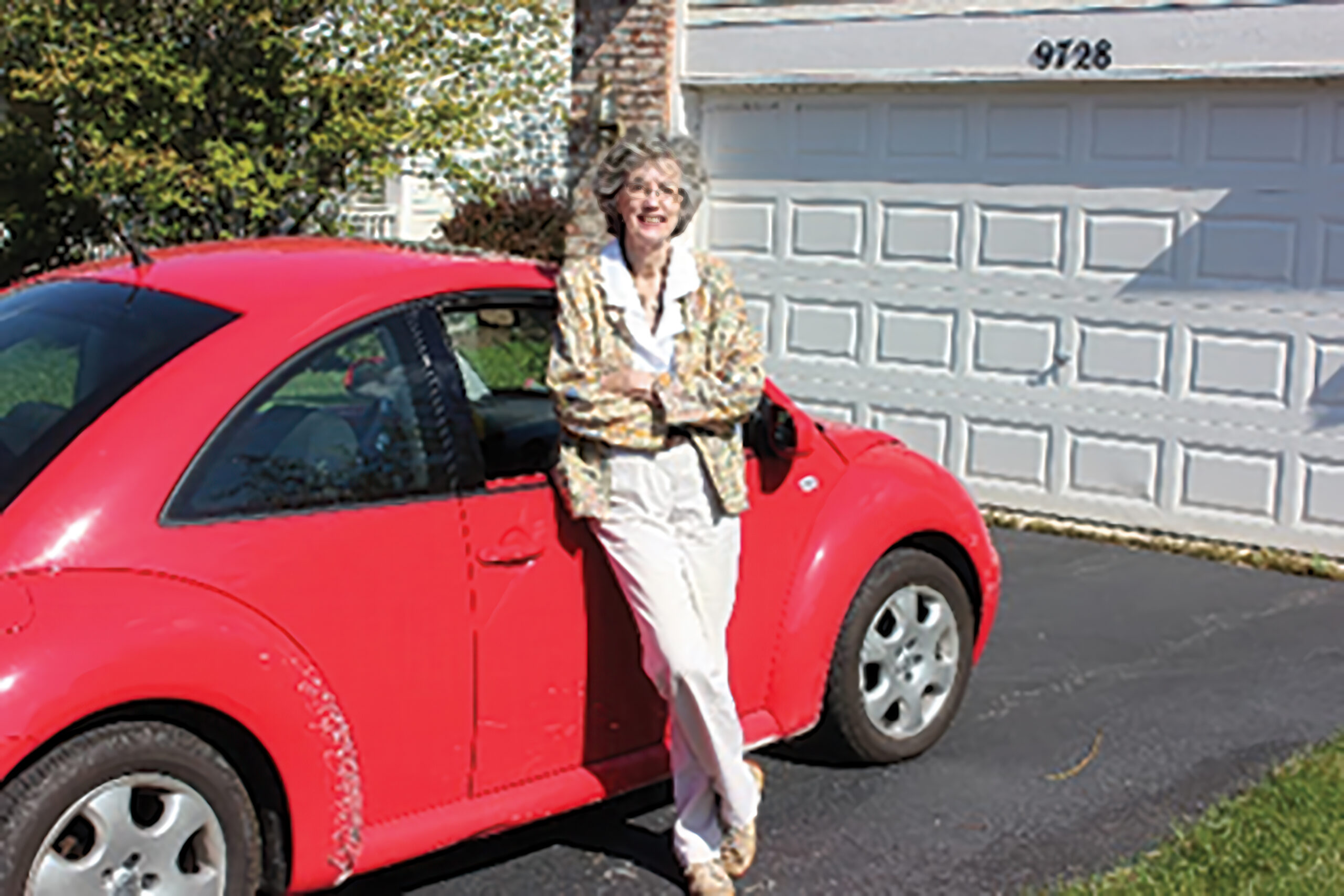
    On a proper Monday morning before my birthday, I stepped on the gas and drove my VW Beetle down Route 47, through our local farmland, finally locating the DMV in a strip mall next to a supermarket. The sign on the door (next to the one discouraging the use of concealed weapons) informed me the place was closed on Mondays.

    Four days later, I gathered up enough mojo to try it again. I was met by lines for every conceivable motor matter. There was a special line for seniors, a special line for the written test and so on.

    A very nice fellow, really, asked me pertinent questions about any DUIs I might have incurred, how many people I had hit, etc. He then examined my eyes. I could not read his chart until he informed me that if I was wearing bifocals, I should maybe look up, not down. Well said.

    I seated myself in the designated area and waited for what came next. To my delight, there was no written test. You do get a new, refreshed photograph of yourself, though.

    I looked around at kids, other seniors and a woman whose red lace thong was visible in the back. That immediately put me at ease. No magazines were supplied to idle away the time. This was okay because most people were peering into their devices.

    An elderly gentleman with white hair and a clipboard approached me. A sweatshirt (with the name “Paul”) was paired with a pair of jeans. This was it. However, he appeared to be more interested in my VW Bug than having me take him for a spin. I told him I had had one when they had first come out in the ‘60s. He then informed me that was about the same time he had started work with the government.

    We had a nice drive around the neighborhood, stopping at stop signs, putting on turn signals, turning at traffic lights and parking on a hill. I am happy to report that I passed.

    Oh, it was a glorious moment, so I only did what came naturally—after a high-five to my new friend, Paul, I thoroughly enjoyed a few well thought-out victory laps.

    Wynne Crombie, age 80, of Nicholasville, Kentucky, has a master’s degree in adult education. She has taught both stateside and with the Department of Defense at Aviano Air Base in Italy and in Berlin. Her work has appeared in Alaska Airlines Magazine, Travel + Leisure, Italy Magazine, Dallas Morning News, Catholic Digest, Senior Living, Birds and Blooms, Yours Magazine (UK), Get Lost Magazine (AU) and Your Genealogy Today.

    If you have a story to share, email the editor: debra@generations808.com.

    After receiving a well-worded summons from the Department of Motor Vehicles stating that at my age, I needed to take the road test to renew my driving license, I kept a low profile, hoping it would go away. My 80th birthday was fast approaching. I pictured this uniformed wiseacre 30-something yelling, “I said left Mrs.…

  • Grieving With Humor

    When we navigate grief or loss, we may find ourselves feeling guilty when we smile or have a good day. It’s common to get stuck in the darkness of this journey as you ride the waves of emotions and confusion that play out.

    The purpose of humor in grief is not to diminish the seriousness of that loss, but rather, to allow us to experience a version of balance in grief as we feel sorrow and joy crashing together. Humor intersects with grief in a special way and can play an important role in healing.

    When we laugh, smile or have positive thoughts, endorphins are released into our body that energize us and help us to feel good—even if for just a moment. These endorphins can help us navigate both the physical and the emotional elements of our grief.

    When we share stories and memories with laughter and joy, we bring people together into more joyous shared spaces by reviving bits of a past that might be missed otherwise.

    When humor enters grief in appropriate ways, it disrupts our darkness and helps us feel and see the whole spectrum. It allows pockets of light to peek through the dark clouds… and reminds us of love and hope, even in the storm.

    BEREAVEMENT NETWORK OF HAWAI‘I
    Facilitated by KŌKUA MAU (nonprofit)
    808-585-9977 | kokuamau.org
    kokuamau.org/grief-and-bereavement
    Learn more about grief and the healing process with this booklet:
    Help For The Bereaved—The Healing Journey
    kokuamau.org/wp-content/uploads/CtrOnAging-Booklet-5-REV_6-30-11.pdf

    When we navigate grief or loss, we may find ourselves feeling guilty when we smile or have a good day. It’s common to get stuck in the darkness of this journey as you ride the waves of emotions and confusion that play out. The purpose of humor in grief is not to diminish the seriousness…

  • Bop, Bang, Bling!

    Pickleball is not only a great game for seniors, but for all ages. For example, my daughter, Lexie, who is 13, and her partner, Chacha, have had a lot of fun playing in King Intermediate School tournaments.

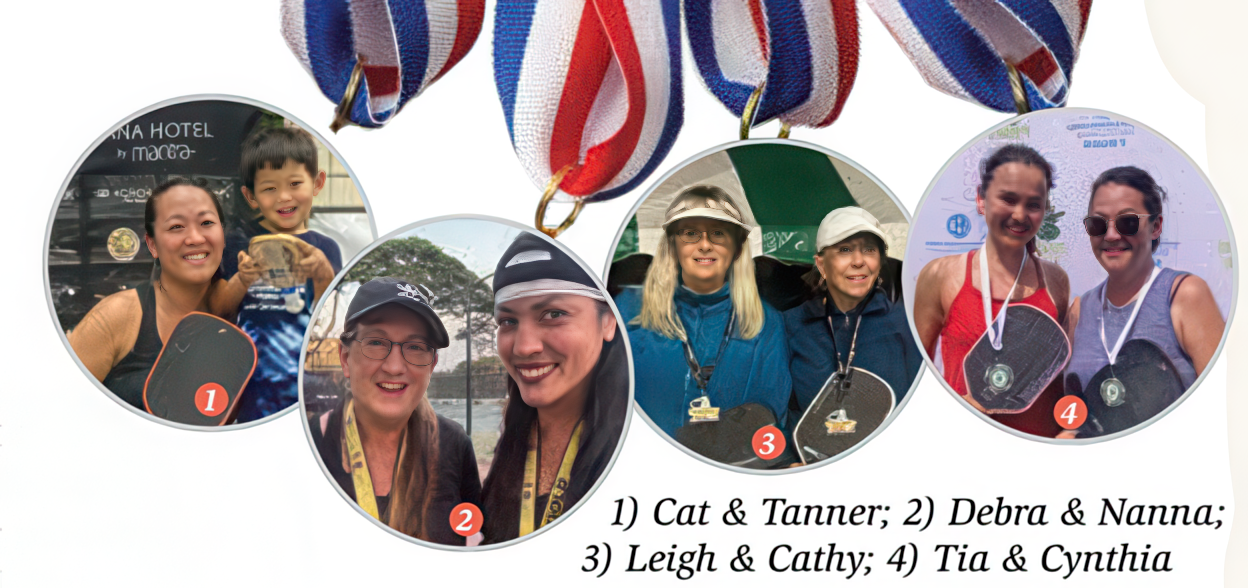
    My sister, Cat, who is 34, plays in the 5.0 division for both women’s and mixed doubles. She’s won many tournaments in Hawai‘i and on the mainland with a variety of partners. Most recently, Cat and her partner won pro-level bronze at Hawaii Pacific Health ESPN Honolulu Open at the Hawai‘i Convention Center. Her son, Tanner, 4, enjoys watching his mom and chasing balls!

    Congratulations to my daughter and sister, and everyone who plays and enjoys this amazing sport, including some of our GM staff members!

    GM senior editor Debra Lordan (73) brought home the gold in women’s 3.0 doubles at the Maui Pukaball Tournament in Lahaina with her partner, Nanna Brown (39). Debra and David Kamalani, 76, won silver in the 3.0, 70-plus division.

    Battling rain delays and 30-degree temperatures, Leigh Dicks, 69, GM’s content coordinator, won the bronze medal in the women’s 3.5 doubles in the Pickleboo Halloween Tournament in Henrico, Va., with her partner, Cathy Broussard, 68.

    Well, I don’t really want to toot my own horn but—my partner, Tia Fulks, and I won silver in the 2nd Annual Charity Walk Pickleball Tournament on Kaua‘i in the Women’s 3.5 division, ages 8 to 49. I didn’t expect a medal, but it was sweet when we got one! Give pickleball a try! So fun!

    Pickleball is not only a great game for seniors, but for all ages. For example, my daughter, Lexie, who is 13, and her partner, Chacha, have had a lot of fun playing in King Intermediate School tournaments. My sister, Cat, who is 34, plays in the 5.0 division for both women’s and mixed doubles. She’s…