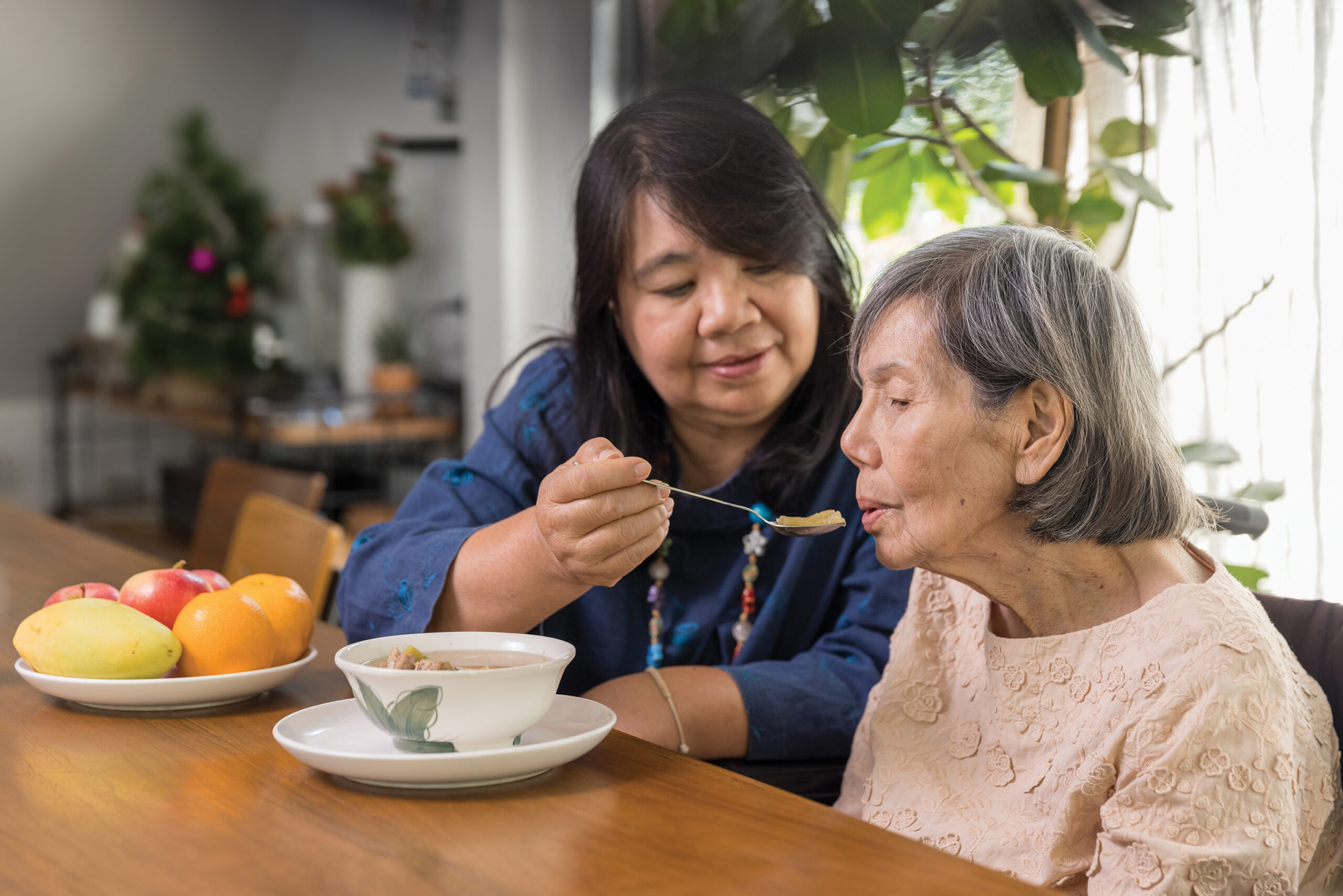
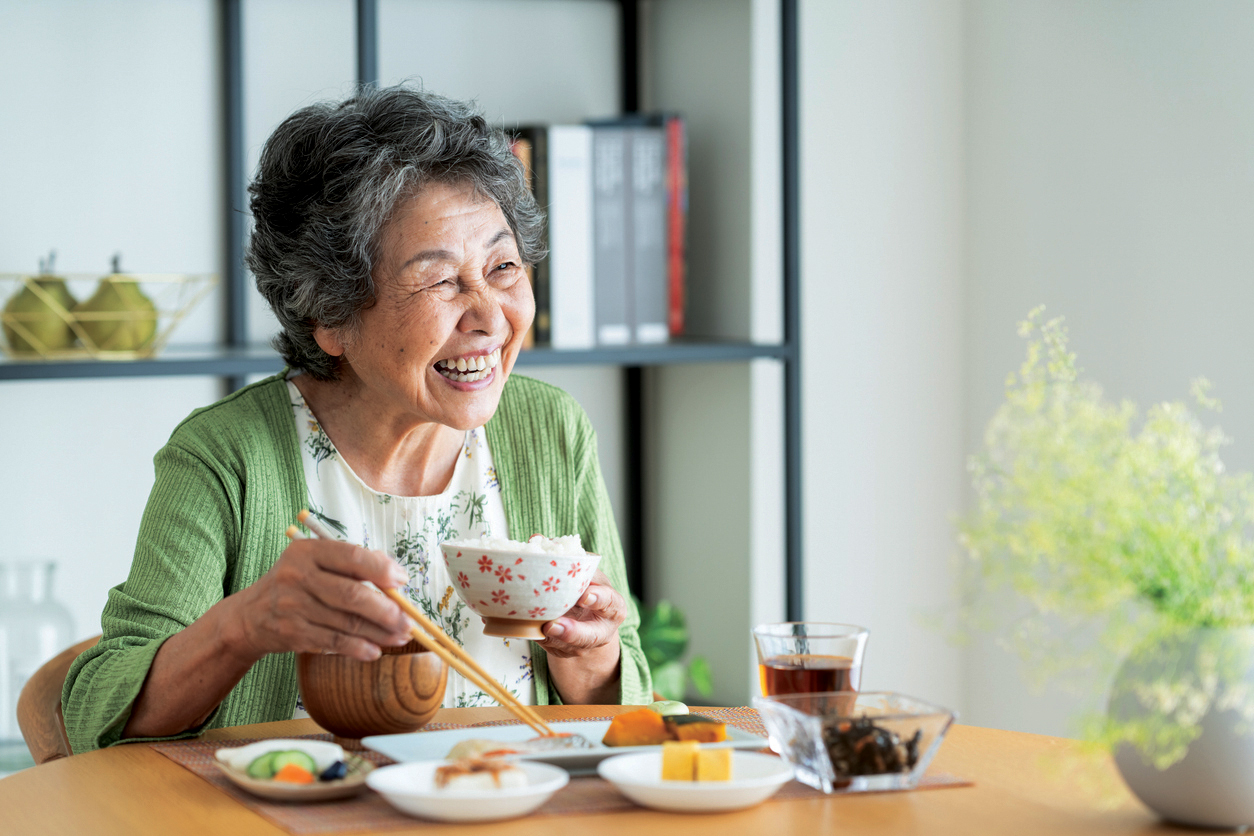
Wellness for kūpuna is often misunderstood. It is not just about staying physically strong or checking the right boxes at a doctor’s visit. True well-being includes physical health, mental health and something just as important: social connection. One of the greatest risks to health as we age is isolation. One of the greatest protectors at any age is belonging. At the YMCA, we see this every day. Many kūpuna first come to the Y to stay active. What keeps them coming back is connection. The Y offers classes on land and in the pool designed specifically for seniors, including strength, balance, water exercise and evidence-based programs like Enhance Fitness that help manage arthritis and support mobility. But the real magic happens beyond the workout.
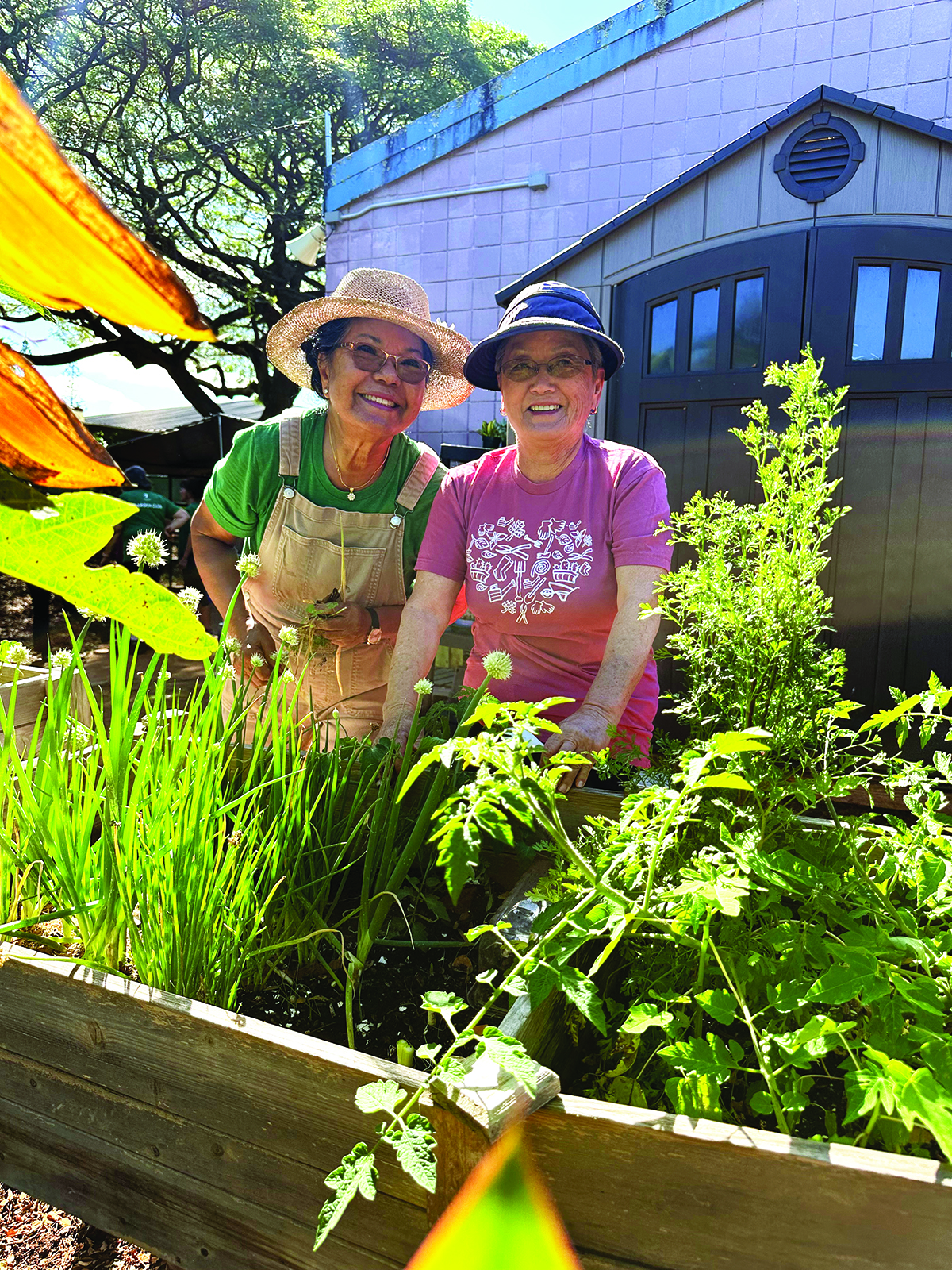
Wellness at the Y looks like pickleball games/lessons, hula classes, garden clubs, nutrition workshops and digital classes. It includes celebrating birthdays and holidays, honoring veterans, recognizing achievements and sharing meals. Intergenerational activities include youth and senior hula classes. The impact is real. In our Kūpuna Food & Fun program, 100% of participants say they have met new people, made new friends and feel a sense of belonging. Well-being grows in places where you feel welcomed, valued and at home.
Wellness for kūpuna is often misunderstood. It is not just about staying physically strong or checking the right boxes at a doctor’s visit. True well-being includes physical health, mental health and something just as important: social connection. One of the greatest risks to health as we age is isolation. One of the greatest protectors at…
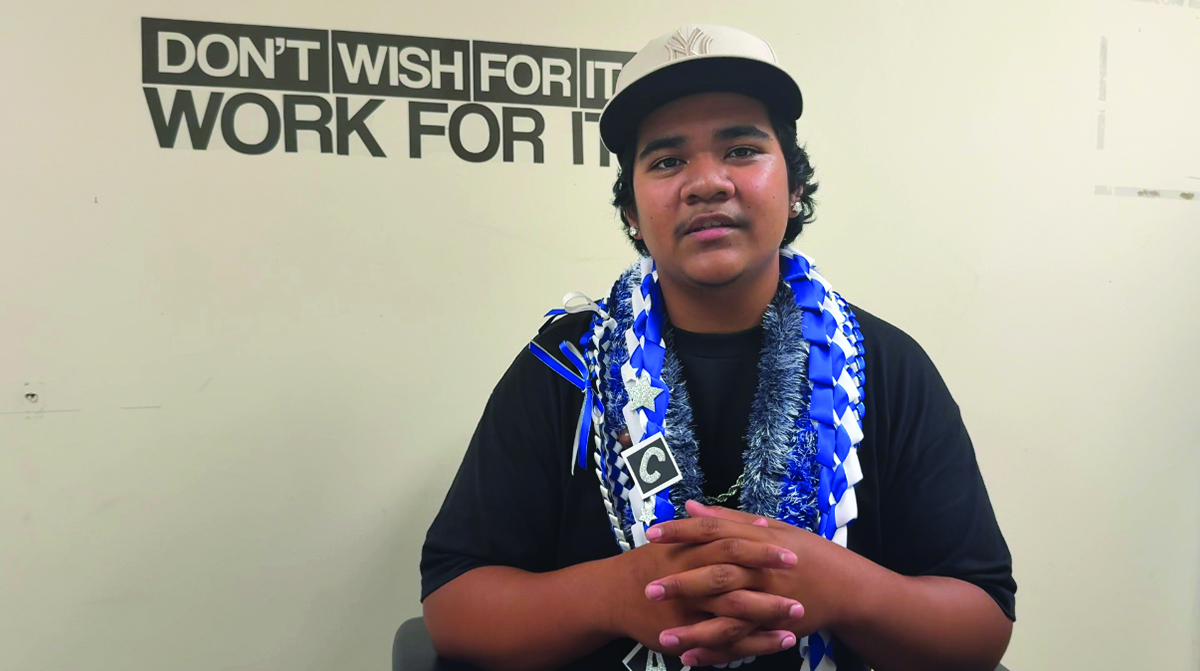
“They helped me see bigger opportunities,” says Chasthan Hernandez, a 2025 graduate of a Maui vocational technology awareness program that helps qualifying high school students gain high-demand skills in the facilities maintenance and engineering trades.
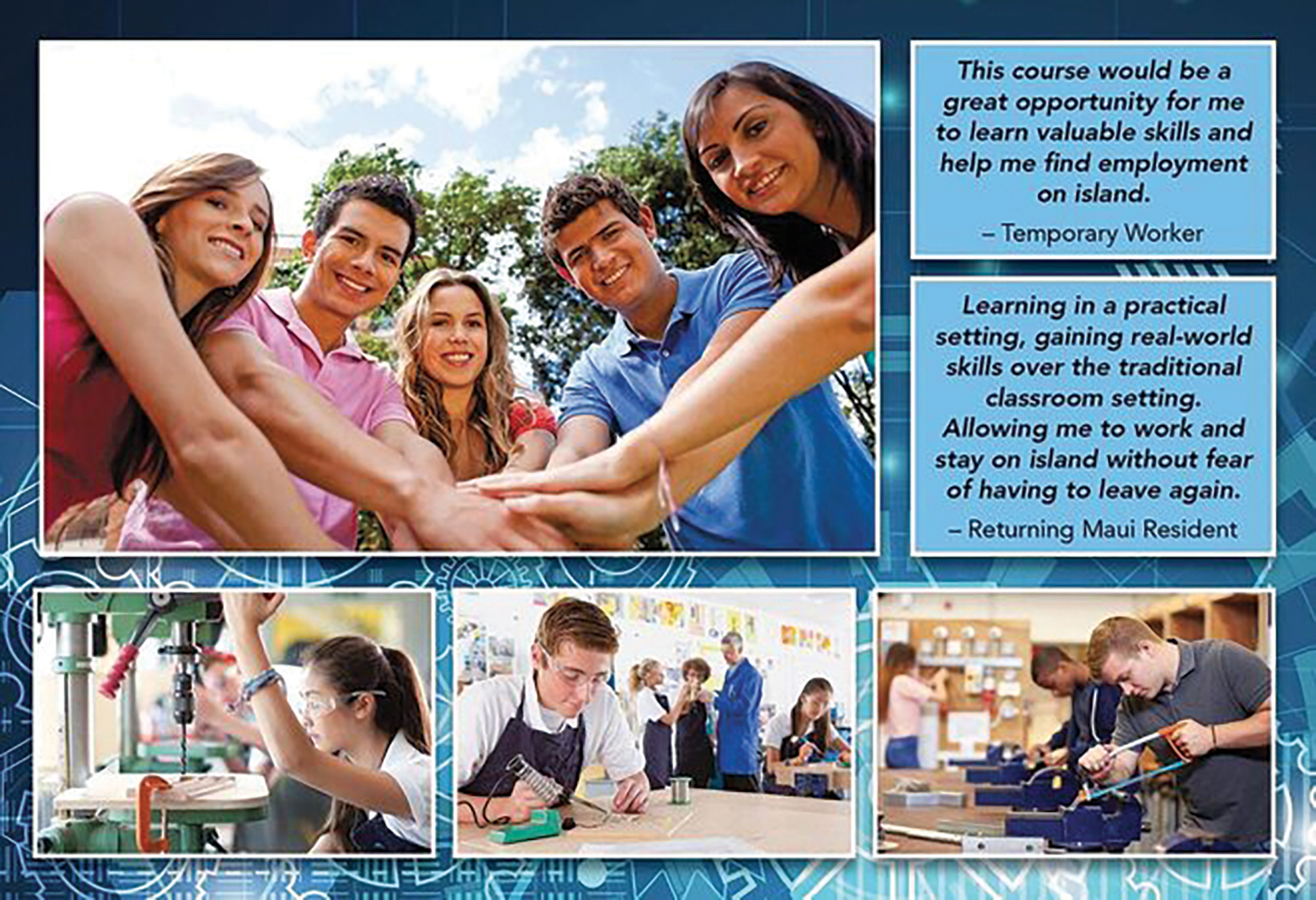
The Tradewinds VoTech awareness initiative offers learning in a practical setting, where students can gain real-world skills that are in high demand on Maui.
For high school seniors who are not college-bound, the nonprofit Maui Facilities and Engineering Leadership Council (MFELC), comprised of members of the island’s major firms and businesses, offers another pathway to success. In this cross-generational education program, working and retired senior volunteers pass their knowledge about the trades to the next generation, helping to build careers through mentorship with qualifying high school seniors through communication, collaboration and education. A very impactful part of this program is the life experience and wisdom imparted by the instructors.
The State of Hawai‘i Alternative Learning Programs, Services and Supports (ALPPS) program and the Baldwin-Kekaulike-Kulanihakoi-Maui Complex Area developed a hands-on learning experience tailored to graduating seniors who qualify and enroll in the program. The Tradewinds VoTech awareness initiative is a win-win for students and the community by giving students meaningful pathways to immediate, stable careers while closing the skilled worker gap and helping to ensure Maui’s continued growth and prosperity. The program offers avenues to paid training in construction, tools, blueprints and engineering skills, especially for wildfire survivors, graduates and returning residents to rebuild the island’s infrastructure and economy.
Chasthan Hernandez
Students will gain real-world, practical insights into Maui’s skilled trades, including plumbing, carpentry, electrical work, HVAC and more. Each module builds upon the last, offering students a deeper understanding of how these vital trades are interconnected and essential to Maui’s success. “Our goal is to provide graduating students with an awareness of how, with just a high school degree, they can access immediate opportunities for careers offering salaries that rival and in some cases exceed those of college graduates right here on Maui,” says MFELC Executive Director Rich Sato. “We’re here to open doors to career possibilities that many students may not have known existed.”
Plans are also in the works to launch an online platform to engage more retirees. “We will match retired, skilled trades professionals with opportunities to put their skills to use—at their convenience—to help our member facilities augment their dwindling full-time—and in many cases overworked—teams,” says Rich. They are currently beta-trialing the platform and look to launch it in the first quarter of 2026.
If your teen is not headed for college, help him or her find an alternate pathway to success on Maui. Businesses and retired seniors who are looking to re-engage and can offer their mentorship are also welcome to contact MFELC using the contact information below.
“They helped me see bigger opportunities,” says Chasthan Hernandez, a 2025 graduate of a Maui vocational technology awareness program that helps qualifying high school students gain high-demand skills in the facilities maintenance and engineering trades. For high school seniors who are not college-bound, the nonprofit Maui Facilities and Engineering Leadership Council (MFELC), comprised of members…
Making long-term care decisions for aging parents can be emotional, stressful and complicated. The biggest challenge is navigating differences without damaging family relationships.
Different views are normal: Each sibling brings a unique perspective. One may prioritize safety, another independence and another cost/logistics. Different priorities don’t mean someone is wrong—they reflect different experiences and concerns.
There’s no perfect answer: When it comes to long-term care, there is rarely a single “right” solution. In-home care, assisted living, memory care and nursing facilities all involve trade-offs, so focus on what reasonably meets your parent’s safety, dignity and quality-of-life needs.
Help exists: Geriatric care managers, eldercare attorneys, social workers, patient advocates and support groups can help guide difficult decisions. Kupuna Pono also offers family conferencing and mediation to help resolve kupuna care disagreements.
Keep relationships first: Aim for 80% agreement on the plan, then commit 100% to supporting it. Protecting family relationships matters more than being right. Disagreements happen, but remember that help is available and families can move forward together with the right support and perspective.
Making long-term care decisions for aging parents can be emotional, stressful and complicated. The biggest challenge is navigating differences without damaging family relationships. Different views are normal: Each sibling brings a unique perspective. One may prioritize safety, another independence and another cost/logistics. Different priorities don’t mean someone is wrong—they reflect different experiences and concerns.…
An inherited individual retirement account (IRA) is a potential financial windfall that may create new opportunities for achieving your financial goals. If you are a beneficiary or expect to be one in the future, know that recent legal changes regarding inherited IRAs can result in costly implications if not followed properly. The Internal Revenue Service (IRS) has clarified rules included in the 2019 SECURE Act that are important for IRA beneficiaries to understand. Determine if these new rules are applicable to your situation:
Different beneficiaries have different rules. Spouse beneficiaries will ultimately have much more flexibility with how they utilize an inherited IRA. Spouses can spread withdrawals from the account over their lifetime or roll the funds into their own IRA. For most other beneficiaries, such as children or grandchildren, the rules are more rigid. Non-spouse beneficiaries inheriting an IRA between 2020 and 2024 were required to withdraw all assets from the account within 10 years of the original account owner’s death.
New, more stringent rules in 2025. Those who inherited an IRA beginning in 2025 face more restrictions. In most cases, non-spouse beneficiaries must take annual IRA distributions from the inherited account. The annual distribution requirement applies if the account was inherited from an IRA owner who already reached the required minimum distribution (RMD) age before death, which, under current law, is age 73.
Annual distributions are determined using the IRS life expectancy calculation tables. The distribution must, at a minimum, equal this calculated distribution amount. The beneficiary can take larger distributions, but annual minimum withdrawal requirements must be met for the first nine years. In year 10, the balance of the IRA must be distributed. Failure to withdraw at least the minimum amount can result in a penalty equal to 25% of the under-distributed amount. For example, if you are required to withdraw $20,000 from the inherited IRA, but only took $10,000, you could be subject to a $2,500 penalty.
If the account was inherited from an owner who did not yet reach RMD age, the beneficiary still has 10 years to withdraw all the money. The beneficiary will also have the choice to determine how much and how often. The new, more stringent rules don’t apply to beneficiaries who are minor children, have a disability/chronic illness or for IRAs held in certain trusts. If these exceptions are met, beneficiaries can “stretch” inherited IRA withdrawals over their lifetime. To determine if your inherited IRA is subject to new distribution rules, contact a financial advisor and tax professional.
Planning is even more critical. Withdrawals from an inherited traditional IRA result in more taxable income. Consider the financial and tax implications of your withdrawal strategy, including whether the distributions will change your tax bracket. Distributions could mean your income reaches thresholds that result in increased taxes, higher premiums for marketplace health insurance coverage under the Affordable Care Act, or a higher tier for Medicare Part B and D premiums.
Contact your financial advisor to discuss the impact of an inherited IRA.
MICHAEL W. K. YEE, CFP,® CFS,® CLTC, CRPC® 1585 Kapiolani Blvd., Ste. 1100, Honolulu, HI 96814 808-952-1240 | michael.w.yee@ampf.com ameripriseadvisors.com/michael.w.yee Michael W. K. Yee, CFP®, CFS®, CLTC®, CRPCTM, is a Private Wealth Advisor/Financial Advisor with Ameriprise Financial Services, LLC in Honolulu, Hawai‘i. He specializes in fee-based financial planning and asset management strategies and has been in practice for 42 years.
Certified Financial Planner Board of Standards, Inc. (CFP Board) owns the CFP® certification mark, the CERTIFIED FINANCIAL PLANNER™ certification mark, and the CFP® certification mark (with plaque design) logo in the United States, which it authorizes use of by individuals who successfully complete CFP Board’s initial and ongoing certification requirements.
An inherited individual retirement account (IRA) is a potential financial windfall that may create new opportunities for achieving your financial goals. If you are a beneficiary or expect to be one in the future, know that recent legal changes regarding inherited IRAs can result in costly implications if not followed properly. The Internal Revenue Service…
In Hawai‘i, many families care for both kūpuna and individuals with intellectual and developmental disabilities. But aging and disability systems often operate separately, leaving families with gaps in services, caregiving support and long-term planning.
The Hawai‘i State Council on Developmental Disabilities (DD Council) works to improve the lives of people with developmental disabilities and their families. It brings together community members, agencies and advocates to identify needs, shape policy and promote inclusive practices. On Kaua‘i, the local DD Council plays a vital role in connecting partners and ensuring rural areas have access to coordinated support.
Through the Bridging Aging and Disability Networks (BADN) initiative, the DD Council convened aging and disability providers to share information, align resources and strengthen care practices. This collaboration has led to community resource fairs, caregiver training, internship programs to grow the caregiving workforce and practical tools like emergency forms for families and first responders. BADN also emphasizes culturally grounded practices, respect for family caregiving traditions and proactive planning to reduce unnecessary institutionalization.
Bridging these networks strengthens local capacity and supports Hawai‘i’s caregivers.
HAWAI‘I STATE COUNCIL ON DEVELOPMENTAL DISABILITIES 3060 Eiwa St. Rm. 207, Lihue, HI, 96766 808-348-4898 | hiddcouncil.org
In Hawai‘i, many families care for both kūpuna and individuals with intellectual and developmental disabilities. But aging and disability systems often operate separately, leaving families with gaps in services, caregiving support and long-term planning. The Hawai‘i State Council on Developmental Disabilities (DD Council) works to improve the lives of people with developmental disabilities and their…
When Aunty Lei’s Medicare Summary Notice showed lab test charges she didn’t recognize, she called SMP Hawai‘i, a volunteer-based federal program that helps prevent Medicare fraud through education. The counselor helped her report the fraud, document each detail and understand how scammers target kūpuna through their Medicare numbers.
But Aunty Lei also wondered if these false charges would affect her benefits and future claims, so she was referred to Hawai‘i State Health Insurance Assistance Program (SHIP). SHIP offers free, confidential and unbiased counseling, outreach and education to help Medicare beneficiaries make informed decisions about their health coverage. A SHIP counselor helped review her Medicare plan and check her claims, and also taught her how to read her statements and understand her rights.
SMP protected her from fraud, while SHIP helped her understand and resolve Medicare issues.
Protect yourself: ❶ Never share your Medicare or Social Security number with unexpected callers; ❷ Review your Medicare Summary Notices and Explanation of Benefits regularly and ❸ Watch for bills, supplies or services you didn’t request.
When Aunty Lei’s Medicare Summary Notice showed lab test charges she didn’t recognize, she called SMP Hawai‘i, a volunteer-based federal program that helps prevent Medicare fraud through education. The counselor helped her report the fraud, document each detail and understand how scammers target kūpuna through their Medicare numbers. But Aunty Lei also wondered if these…
Talking about serious illness, end-of-life wishes or the type of care we might need someday isn’t easy. In many families, these topics are avoided. But experts agree—early, open conversations can be one of the greatest gifts we give our ’ohana.
April is National Advance Care Planning Month, a perfect time to start the conversation about advance care planning, which identifies what truly matters to a person. Do you prefer to be at home if your health declines? What makes you feel most at peace? What worries you? What brings you comfort? These answers help your ‘ohana honor your wishes and reduce stress.
National surveys show that while 92% of adults think these conversations are important, only about one-third have had them. In Hawai‘i, where multigenerational living and caregiving are common, planning ahead can ease emotional strain and prevent conflict during a crisis.
Start small by sharing a friend’s experience. Talk about what quality of life means to you. Invite your family to reflect on their wishes. Once the dialogue begins, it becomes natural.
Planning ahead is truly an act of love. Advance planning empowers your ‘ohana, protects your wishes and ensures that the care you receive aligns with what matters most to you.
Talking about serious illness, end-of-life wishes or the type of care we might need someday isn’t easy. In many families, these topics are avoided. But experts agree—early, open conversations can be one of the greatest gifts we give our ’ohana. April is National Advance Care Planning Month, a perfect time to start the conversation about…
Caregiving in Hawai‘i is strongest when it reflects local values and cultural understanding. Caregivers who live and work here bring knowledge shaped by the islands’ traditions. They understand how families relate to their kūpuna and why cultural practices help elders feel secure, respected and connected.
Local caregivers recognize that caregiving involves more than completing tasks. It includes familiar comforts, preparing favorite local foods, sharing meals, using common greetings, supporting everyday cultural customs or offering quiet companionship that help kūpuna feel at home by creating a sense of continuity for seniors.
Because many caregivers share similar cultural backgrounds or experiences, they respond naturally to the needs of kūpuna from Hawaiian, Japanese, Filipino and other communities. They understand how respect is shown, how elders communicate comfort or concern and how families prefer to stay involved. This awareness strengthens relationships, builds trust and brings peace of mind for all those involved.
As Hawai‘i’s population ages, integrating cultural awareness into caregiving will remain essential. When caregivers honor local traditions, they help ensure that kūpuna feel valued.
Caregiving in Hawai‘i is strongest when it reflects local values and cultural understanding. Caregivers who live and work here bring knowledge shaped by the islands’ traditions. They understand how families relate to their kūpuna and why cultural practices help elders feel secure, respected and connected. Local caregivers recognize that caregiving involves more than completing tasks.…
To say Marie was a brat is an understatement! Her response was always a wrinkled-up nose and an “ewe-da!” Although we lived worlds apart, my cousin was like a sister to me. She grew up caring for her autistic brother. Then, when her parents divorced, she cleaned and cooked for her brother and mom while Mom worked.
Taking care of them left little time or energy for a husband, so her attempts at wedded bliss resulted in three failed marriages. Next, she moved into public housing and worked at a fast-food restaurant while caretaking her own two children, her brother and mother, who was now battling liver cancer. With her mom’s care becoming more demanding, she reluctantly placed her brother in assisted care. Then Mom passed away, taking a piece of her daughter’s heart with her.
On a routine visit, Marie found her brother unresponsive. He had taken his own life. Shaken to the core, she stopped working and relied on her now-grown children to support her.
The miracle of twin grandchildren renewed her energy and joy, attracting the love of her life. But then she received a diagnosis of Stage 4 liver cancer. With everything to live for, she fought hard to survive.
Ultimately, Marie lost her battle with cancer. Although her body was defeated, her enduring spirit lives on in my memories of her, giving me the strength to continue to care for caregivers.
To say Marie was a brat is an understatement! Her response was always a wrinkled-up nose and an “ewe-da!” Although we lived worlds apart, my cousin was like a sister to me. She grew up caring for her autistic brother. Then, when her parents divorced, she cleaned and cooked for her brother and mom while…
That nearly one in four people in Hawai‘i is or recently was a family caregiver comes as no surprise to Judith Wong.
The Honolulu resident is caring for her husband, who was diagnosed with a degenerative muscular disease in 2016.
“His disease is very long-term,” she said. “It will not kill him. It will disable him. So I have concerns about whether we will have adequate resources to carry us all the way through without putting us in a financial bind.”
The “Caregiving in the U.S. 2025: Caring Across States” report confirms what we’ve long known: Family caregivers, numbering about 260,000 in Hawai‘i, need our support.
Family caregivers like Judith provide more than $2.6 billion in unpaid care each year in Hawai‘i, helping adult family members remain at home—where they want to be. They help with bathing, cooking, managing medications, driving to the supermarket/doctor appointments and handling medical tasks, sometimes with little or no caregiver training.
Being a caregiver is hard, demanding work. It takes a toll on your finances, on your body and on your mental health.
Caregivers who work must balance the needs of their jobs with the needs of their loved one. About 80% of caregivers pay out of their own pocket for caregiving expenses, an average of about $7,200 a year. Many reduce work hours or quit working, further straining finances. About half report taking on debt and draining savings. AARP Hawai‘i is fighting to provide greater support to family caregivers through state and federal tax credits, paid family leave and incentives to ease the workforce shortage of paid caregivers. AARP Hawai‘i offers free caregiving tools and resources at aarp.org/caregiving.
AARP Hawai‘i also created a nationwide movement to empower family caregivers. Called “I Am A Caregiver,” it asks caregivers—and people who support caregivers—to raise their hands and show lawmakers that they can’t continue to ignore the needs of people who care for others.
That nearly one in four people in Hawai‘i is or recently was a family caregiver comes as no surprise to Judith Wong. The Honolulu resident is caring for her husband, who was diagnosed with a degenerative muscular disease in 2016. “His disease is very long-term,” she said. “It will not kill him. It will disable…
Did you know the food on your plate can strengthen your smile? Hawaii’s vibrant food culture offers delicious ways to support your oral health.
Limu and seaweed varieties like miyeok (wakame) and gim (dried seaweed) are rich in calcium and magnesium, helping maintain strong teeth while reducing inflammation. Fresh ahi and salmon in your poke bowl provide omega-3s that may help to fight gum disease. And don’t forget our beloved Okinawan sweet potato, which is packed with vitamins A and C for healthy gums. The probiotics in kimchi may also support a healthy mouth by reducing harmful bacteria. Tofu provides calcium for enamel strength, while leafy kkaennip (perilla leaves) promote gum health. Even the garlic and ginger in your cooking act as natural antibacterials. Local oxtail soup and sagol-gukmul (Korean bone broth) are warm, comforting options rich in collagen and minerals that support gum tissue.
While nutritious foods are a delicious and enjoyable approach to oral health, it’s most important to maintain a strong oral hygiene routine that includes daily brushing, flossing, and regular dental visits. These simple habits protect your smile for years to come. Eat well, smile often, and take care of your oral health!
Did you know the food on your plate can strengthen your smile? Hawaii’s vibrant food culture offers delicious ways to support your oral health. Limu and seaweed varieties like miyeok (wakame) and gim (dried seaweed) are rich in calcium and magnesium, helping maintain strong teeth while reducing inflammation. Fresh ahi and salmon in your poke…
Over 38 million Americans are living with diabetes. It continues to be one of the fastest growing chronic conditions in the world. One in three Americans aged 65 and older is living with diabetes (16.5 million seniors). Risk factors include age, a family history of diabetes, not getting enough physical activity and being overweight/obese. Diabetes is also more common in certain ethnic groups.
The American Diabetes Association® (ADA) recommends that adults aged 35 and older get screened regularly, regardless of risk factors.
Diabetes is a complex problem that causes blood glucose (blood sugar) levels to rise higher than normal.
The three most common types of diabetes:
TYPE 1 DIABETES: In this type of diabetes, the immune system mistakenly destroys the beta cells in the pancreas that make insulin. When enough beta cells are gone, the pancreas stops making insulin or makes so little you need to take insulin to live. Along with insulin, a healthy diet and physical activity are part of managing Type 1 diabetes. Type 1 diabetes develops most often in young people but can appear in adults.
TYPE 2 DIABETES is the most common type. It develops when the body does not use the insulin it makes well or does not make enough insulin. Managing type 2 diabetes includes a healthy eating plan, physical activity, and medication.
GESTATIONAL DIABETES (GDM) develops during pregnancy. After giving birth, blood glucose levels may return to normal. If they do not, the individual is considered to have Type 2 diabetes. Even if blood glucose levels return to normal, having had GDM increases the risk of developing Type 2 diabetes later in life.
Prediabetes is diagnosed when blood glucose levels are higher than normal but are not high enough to be determined to be diabetes. Treatment includes lifestyle changes, which may prevent or delay Type 2 diabetes.
A crucial part of ADA’s work is spreading awareness . Early detection and treatment can significantly reduce the risk of developing complications.
Symptoms of diabetes can include:
Feeling very thirsty
Feeling very hungry (even though you’re eating)
Frequent urination
Blurred vision
Extreme fatigue
Cuts or bruises that heal slowly
Weight loss even though you’re eating more (Type 1)
Tingling, pain, or numbness in hands or feet (Type 2)
Be aware that the symptoms of Type 2 diabetes may be so mild that they may not be noticed.
In addition to recognizing symptoms, it’s also important to know your risk of developing Type 2 diabetes. The ADA offers a free, 60-second Type 2 Diabetes Risk Test at diabetes.org/RiskTest. Those found to be at high risk should contact their doctor. The ADA also provides a list of National Diabetes Prevention Programs to learn about preventing or delaying Type 2 diabetes.
It takes all of us to end diabetes and support our loved ones who are impacted. Bringing the community together to raise awareness, connect people affected by diabetes, and support research, education and prevention efforts. This spring, the ADA will host its walkathon-style fundraiser event:
Step Out® Walk: Hawaii, Saturday, March 21 Kapi‘olani Regional Park, 3840 Paki Ave., Honolulu
Over 38 million Americans are living with diabetes. It continues to be one of the fastest growing chronic conditions in the world. One in three Americans aged 65 and older is living with diabetes (16.5 million seniors). Risk factors include age, a family history of diabetes, not getting enough physical activity and being overweight/obese. Diabetes…