
Tag: staying active

  • Wellness Beyond the Workout

    Wellness for kūpuna is often misunderstood. It is not just about staying physically strong or checking the right boxes at a doctor’s visit. True well-being includes physical health, mental health and something just as important: social connection. One of the greatest risks to health as we age is isolation. One of the greatest protectors at any age is belonging. At the YMCA, we see this every day. Many kūpuna first come to the Y to stay active. What keeps them coming back is connection. The Y offers classes on land and in the pool designed specifically for seniors, including strength, balance, water exercise and evidence-based programs like Enhance Fitness that help manage arthritis and support mobility. But the real magic happens beyond the workout.

    Wellness at the Y looks like pickleball games/lessons, hula classes, garden clubs, nutrition workshops and digital classes. It includes celebrating birthdays and holidays, honoring veterans, recognizing achievements and sharing meals. Intergenerational activities include youth and senior hula classes. The impact is real. In our Kūpuna Food & Fun program, 100% of participants say they have met new people, made new friends and feel a sense of belonging. Well-being grows in places where you feel welcomed, valued and at home.


    YMCA OF HONOLULU – Metropolitan Office (nonprofit)
    1441 Pali Hwy., Honolulu, HI 96813
    808-531-9622 | info@ymcahonolulu.org
    ymcahonolulu.org
    Wellness for kūpuna is often misunderstood. It is not just about staying physically strong or checking the right boxes at a doctor’s visit. True well-being includes physical health, mental health and something just as important: social connection. One of the greatest risks to health as we age is isolation. One of the greatest protectors at…

  • Stress is Linked to Alzheimer’s Dementia

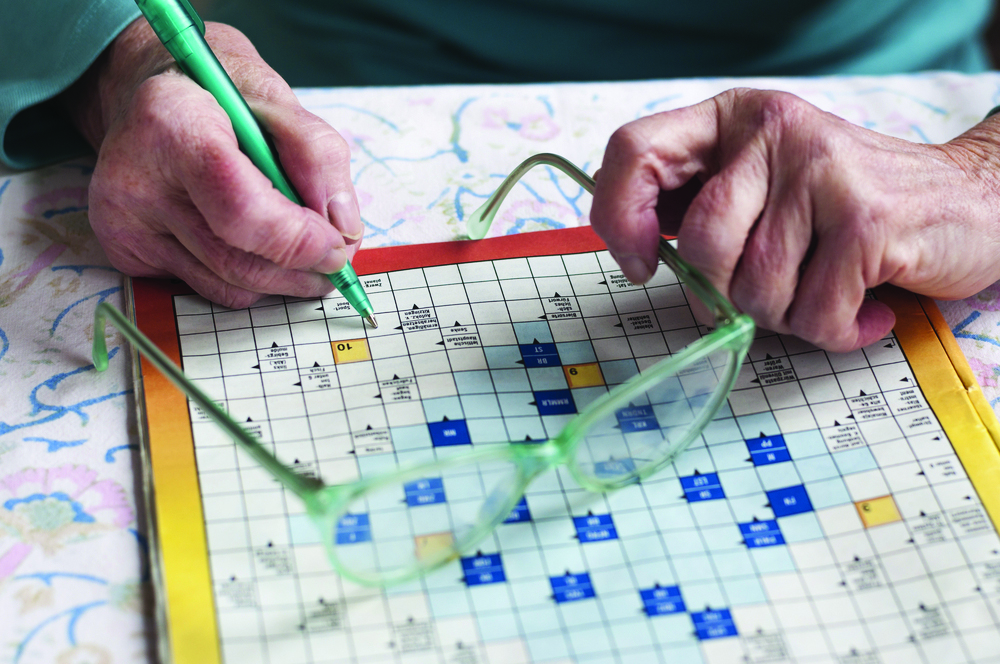
    Senior women sitting at a table and solve crosswords.Alzheimer’s, the most common cause of dementia, is a disease of the brain that leads to loss of memory and function due to damaged and dying brain cells. The early symptoms include forgetfulness, lack of focus, trouble with decision-making, confusion and poor judgement.

    Currently, doctors can only provide ways to help delay its progression and severity. But recent research has shown a few ways to prevent dementia. Aside from maintaining a daily exercise regime, healthy blood pressure, and healthy dietary fat and sugar levels, two additional measures can be used to help prevent the disease.

    As much as possible, avoid chronic emotional distress, which can trigger dementia symptoms. Toxic levels of stress have been shown to shrink the hippocampus, where memories are stored.

    Keep your brain busy and stimulated — in line with the “use it or lose it” adage. One must continually engage in and practice an ability or risk losing it. That applies to mental activity as well. A study revealed strong evidence that retiring early can speed up the onset of dementia, but showed a significant decrease in the risk of developing dementia with retirement at an older age. For example, there was a 14 percent reduction in Alzheimer’s in workers who retired at 65 over those who retired at 60 . There is no cure, yet, so the best treatment is to avoid stress and stay active.


    OHANA PACIFIC MEDICAL LLC
    428 Kawaihae St., #148, Honolulu, HI 96825
    808-930-9858 | opm@ohanapacific.org
    www.ohanapacificmedical.org

    Alzheimer’s, the most common cause of dementia, is a disease of the brain that leads to loss of memory and function due to damaged and dying brain cells. The early symptoms include forgetfulness, lack of focus, trouble with decision-making, confusion and poor judgement.