Tag: siblings

  • Siblingship

    Siblingship

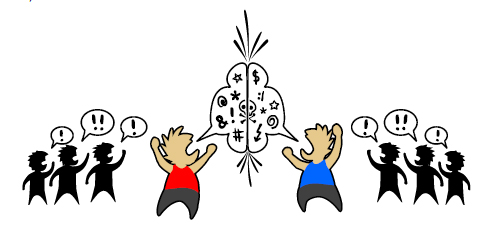
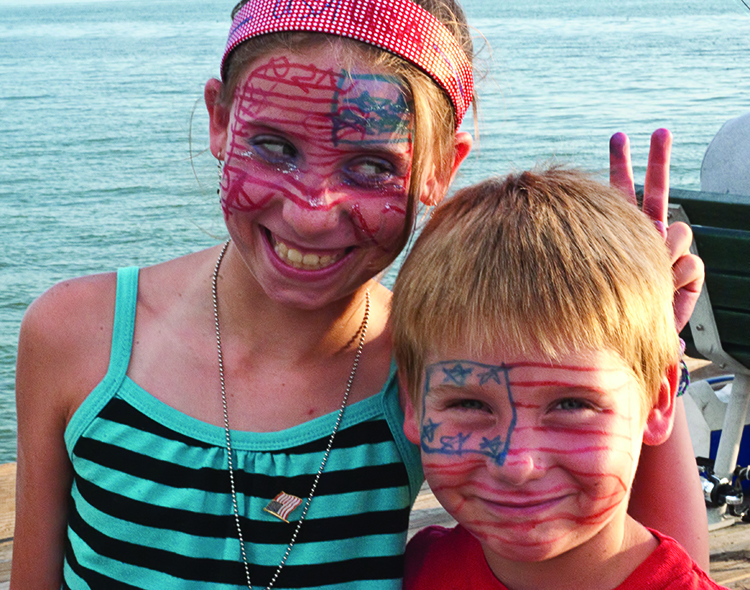
    Siblingship describes the unique relationship between siblings. Siblings begin their relationship at a young age, and if they are fortunate, they reach old age together. They experience joys and setbacks, they laugh and cry — and they fight. Through the fighting, they can learn conflict resolution. Spouses join us in our adult lives. Friends often come and go. But no other relationship is quite like a siblingship.
    When siblings fight as kids, it’s over property and fairness. Parents make sure property is divided up fairly — they are the ones to “divide up the pie,” so siblings don’t fight over things as much.

    When parents die, siblings are called home to “divide up the pie,” this time, without parental supervision. In my experience, adult siblings fight over the same things that they fought over when they were kids: property and fairness. However, the parents are no longer there to referee and help divide up the pie fairly.

    Estate planning can minimize the risk of fighting when parents die. If parents and the estate planning attorney don’t spend enough time anticipating and planning to minimize the risk of fighting, there exists a risk of fracturing, or worse, destroying this unique, wonderful relationship — the siblingship.

    STEPHEN B. YIM, ATTORNEY AT LAW
    2054 S. Beretania St., Honolulu, HI 96826
    808-524-0251 | stephenyimestateplanning.com
    Siblingship describes the unique relationship between siblings. Siblings begin their relationship at a young age, and if they are fortunate, they reach old age together. They experience joys and setbacks, they laugh and cry — and they fight. Through the fighting, they can learn conflict resolution. Spouses join us in our adult lives. Friends often…

  • Siblingship

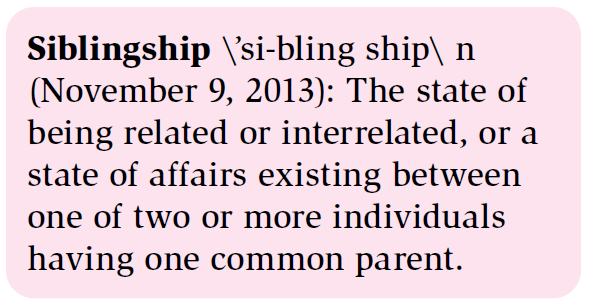
    Siblingship is the state of being related or interrelated, or a state of affairs existing between one of two or more individuals having one common parent. The term describes the unique, dynamic relationship existing between siblings. Siblings begin their relationship at a very young age. They experience joys and setbacks together — laugh and cry together. And through fighting, they can learn conflict resolution together. No other relationship is like siblingship.

    Sibling fights arise over property, so many parents aim to divide up their property fairly, in hopes that siblings will not fight. In my experience, this is not enough to avoid arguments.

    The estate planning process, if done properly, can do much to minimize the risk of fighting when parents die. However, many plans do not speak clearly enough in this respect. Leaving a family home or a heirloom “equally to the children” does not go far enough to help avoid family squabbles. Deciding what to do with the family home during a time of grieving puts too much pressure on the sibling relationship.

    Ultimately, the estate plan should mirror and reflect our lives and relationships. If your plan does not mirror and reflect your most important values, or does not speak clearly enough to ensure the preservation of the relationships am {Play}ong your children, I encourage you to review your plan with your estate planning attorney.


    STEPHEN B. YIM, ATTORNEY AT LAW
    2054 S. Beretania St., Honolulu, HI 96826
    808-524-0251 | www.stephenyimestateplanning.com

    Siblingship is the state of being related or interrelated, or a state of affairs existing between one of two or more individuals having one common parent. The term describes the unique, dynamic relationship existing between siblings. Siblings begin their relationship at a very young age. They experience joys and setbacks together — laugh and cry…

  • Keeping Siblings Civil During Stressful Times

    Even the most solid sibling dynamic can erupt into arguments when it comes to the health and welfare of beloved parents who are beginning to show signs of frailty.

    You: “Hey. Mom and Dad fell twice; why don’t we hire a helper each day?”

    Your sister: “Nah, they’re OK — you’re hyper.”

    Your brother: “The doctor says they are fine. So what — you’re our expert now?”

    You: “DAD WAS ON THE FLOOR FOR AN HOUR!

    Mom couldn’t find her cell phone to call us! Me hyper? If something BAD happens, it’s your fault!”

    Siblings duking it out without parental input can result in complete caregiving failure. On the other hand, wise families collaborate without meltdowns or muzzling each other.

    Three Smart ABC Steps to Building a Family Dream Team

    1. ATTITUDE. Switch negative thoughts into positive language and behaviors.

    Tip: Perceptive families tactfully welcome and value new ideas. They are patient and kind regarding each other’s opinions and suggestions.

    2. BRAINSTORMING. Tough topics require discussion: financing caregiving, selling vs. renting the family home, dividing assets, sharing caregiving responsibilities. Savvy families form judgment-free zones where everyone is protected from criticism when they voice their suggestions. They must also be understanding when their ideas are not accepted by all.

    Tip: Circulate a “WHAT IF?” list to gather ideas and suggestions from everyone in order to give all time to think about them in depth rather than responding quickly with an emotional outburst.

    3. COMMAND CENTRAL. Akamai families prepare ahead by finding out their parents’ wishes instead of guessing in order to carry out their desires. They prepare for financial outcomes, and have easy access to advanced directives and wills. Clarity saves time and money.

    Tip: Gather documents in a binder to serve as a treasure trove of parents’ wishes and resources that everyone can refer to. This paves a smooth road ahead by avoiding unwanted potholes and excess stress at an already stressful time.


    ANNETTE PANG
    Family Caregiver Coach and Life Transition Advisor
    808-372-3478 | ap@annettepang.com
    Annette Pang offers workshops, online training and one-to-one private life coaching. She has owned two adult residential care homes since 2000. She adores her four siblings and her husband’s four siblings—all smart and kind.

    Even the most solid sibling dynamic can erupt into arguments when it comes to the health and welfare of beloved parents who are beginning to show signs of frailty.