Tag: plan

  • Medicare Has Made Some Changes!

    In 2019, a new Medicare Advantage Open Enrollment Period, from January 1 to March 31, will begin and is expected to run annually. If you’re enrolled in a Medicare Advantage Plan, you’ll have the opportunity to switch to another Medicare Advantage Plan or to Original Medicare Parts A and B. You can also sign up for a standalone Medicare Part D Prescription Drug Plan (if you are covered by Original Medicare), or drop your Medicare Part D Prescription Drug Plan altogether. If you are happy with the plan you have, and your plan renews, you do not have to take any action and your existing plan will continue.

    OPEN ENROLLMENT January 1- March 31, 2019
    OPEN ENROLLMENT January 1- March 31, 2019

    For those qualifying at age 65 or due to a disability, you may have a different enrollment period. Best to call Medicare to get information about your specific situation. There is no “one size fits all” with Medicare.

    Get more information:

    • Visit www.medicare.gov
    • Call Medicare at
      1-800-Medicare, 24/7 daily
    • Contact your local State Health Insurance
      Program (SHIP) for unbiased advice.

    MEDICARE MOMENT WITH MARTHA
    A radio program with Martha Khlopin
    KHNR-690AM: Sundays 9:30am–10am

    808-230-3379 | getmartha@aol.com

    In 2019, a new Medicare Advantage Open Enrollment Period, from January 1 to March 31, will begin and is expected to run annually. If you’re enrolled in a Medicare Advantage Plan, you’ll have the opportunity to switch to another Medicare Advantage Plan or to Original Medicare Parts A and B.

  • Mastering Change

    Class reunions are poignant reminders of change. With each passing year, our classmates grow a little grayer, perhaps a little balder, and maybe a little more expansive at the midsection. Good thing we are not like our classmates, right? Actually, we are. Father Time is catching up with all of us. That sobering fact should inspire us to reflect each year on our estate plans and whether they still do what we want them to do.

    No matter how well we plan, our estate plans are going to veer off course. It is impossible to predict when that will happen, but it will. Ironically, change is one of the few constants in our lives. If we want our estate plans to work when they are called upon, we need to review them at least annually and keep them as up-to-date as we can. Here’s why.

    The law changes

    Our estate plans are subject to federal, state, and county laws, regulations, and ordinances, not to mention court decisions. The government seems to love changing the rules on us. Keeping up with those changes is critical, but difficult for the average person who does not deal with the law and stay current with its variations. Thus, we should consult the folks who do stay on top of those things (our estate planning attorneys, financial planners, and certified public accountants) about the changes that may require revisions to our estate planning documents and, perhaps, the estate planning strategies that have worked for us in the past but are now inadequate.

    Our health changes

    Not to rub it in here, but with age can come changes that impact our ability to make sound decisions and handle assets for ourselves and our loved ones. About 70 percent of us are going to be completely incapacitated for some period in our lives, and we need to have safeguards in place to address those kinds of eventualities. As our health changes, our estate plans may need to change.

    Our financial situation changes

    Over time, as we acquire and divest ourselves of assets, the assumptions that underlie our estate plans may go out of date. For example, I may have removed my residence from my trust in order to secure a home equity line of credit. If I don’t remember to put it back into my trust after the credit line becomes effective, my home may need to go through probate before it can be passed on to my loved ones. That can come as an unpleasant — but preventable — surprise.

    Our relationships change

    If you are like most people, the list of people you trust to make decisions on your behalf has changed over the past 10 years. Wouldn’t it be a good idea for your estate plan to reflect your current list? Having the wrong trustee can turn out to be a disaster.

    Reviewing your estate plan annually is like changing the oil in your car or seeing your dentist every six months. You don’t have to do any of those things, but you will have much better outcomes if you do.


    SCOTT MAKUAKANE, Counselor at Law
    Focusing exclusively on estate planning and trust law.

    www.est8planning.com
    808-587-8227  |  maku@est8planning.com

    Class reunions are poignant reminders of change. With each passing year, our classmates grow a little grayer, perhaps a little balder, and maybe a little more expansive at the midsection. Good thing we are not like our classmates, right? Actually, we are. Father Time is catching up with all of us. That sobering fact should…

  • Hurricane Prep for Seniors: A Step Further

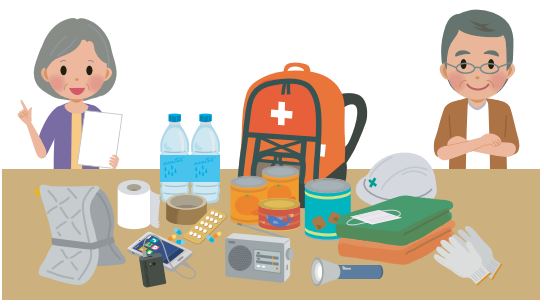
    Many seniors, especially those who live alone, might not realize that there are items they should have in their hurricane emergency kit other than Spam, baked beans and Vienna sausage. June marks the beginning of the six-month-long hurricane season and reminders about being prepared are all over the media.

    The messages always emphasize the need for the basics:

    ◆ drinking water

    ◆ non-perishable food

    ◆ toiletries, batteries

    ◆ your prescription medicines

    But those things may not be enough to meet seniors’ needs.

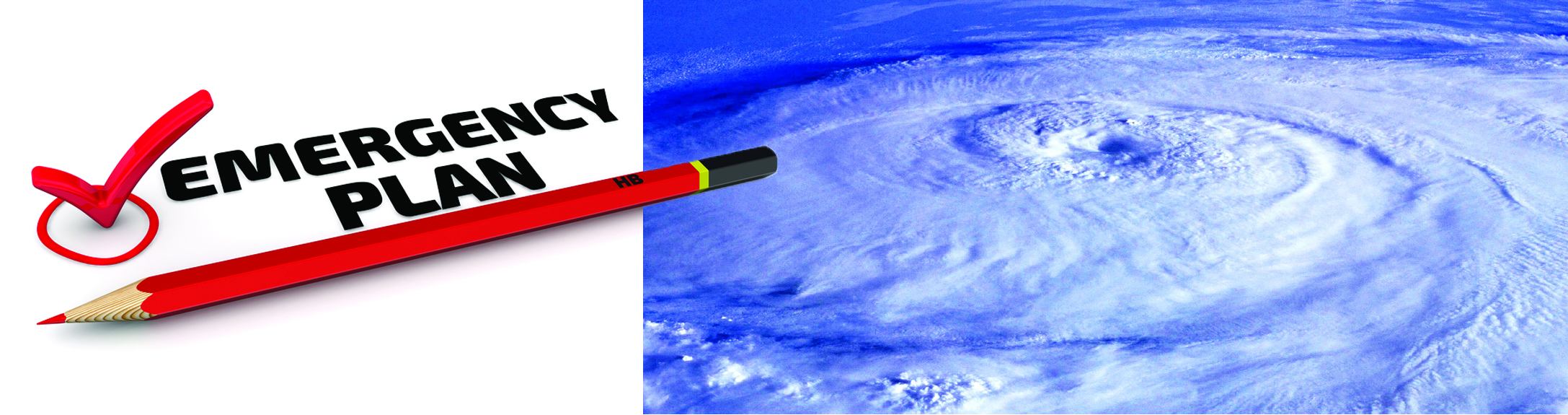
    Officials with the Federal Emergency Management Agency say to remember four things:

    1. How will you receive alerts and warnings?
    2. What is your shelter plan?
    3. What’s your evacuation route?
    4. And what is your family communication plan?

    These four FEMA questions bring to mind specific steps you might not have thought of:

    ▲ NOAA weather alerts. In addition to a portable AM/FM radio, consider getting one that picks up NOAA weather alerts.

    ▲ FEMA app. Install the FEMA app on your smartphone and acquaint yourself with its navigation. Additionally, make sure emergency alerts are enabled on your phone.

    ▲ Phone text. Know how to text on your phone. Even if the voice network goes out, texting may still be an option because it requires less bandwidth and transmits more easily. But that won’t matter if you don’t know how to text!

    ▲ Support network. Make a list of your support network — people who can help you out in the event of an emergency. Does someone have an extra key to your home?

    ▲ Hard copy list of contacts. Have your most important contact names and numbers written on real paper and stored in plastic zip-lock bags. Remember — when the power goes out, your phone won’t last long and when it dies, so does any chance of reaching your contacts.

    ▲ Medical alternatives. If you have medical issues that require regular doctor’s visits, find out what your doctor’s plan is should his office become inaccessible. Where’s the nearest alternative?

    ▲ Prescription drug supply. For required regular doses of prescription drugs like insulin shots, consult with your doctor for an extra supply.

    ▲ Pet emergency kit. Prepare an emergency kit just for your pet, including food, bedding and treats. But have you thought to include drinking water? Your pet will get thirsty, too.

    ▲ Inventory valuable possessions. Make sure you have a complete and up-to-date inventory of your home and your valuable possessions for insurance purposes. Photograph as much as you can for documentation and store the photos or digital output (for example, USB stick or DVD)  in your zip-lock bag.

    ▲ Automatic Deposit. If you aren’t doing it already, have your benefit checks–pensions, social security, etc.— deposited directly into your bank account. If you have to relocate, your monthly check may have no idea where you’ve gone.

    ▲ Cash. Got some cash and coins? There’s always a possibility ATMs won’t be working.

    Hawai‘i has had its share of disastrous hurricanes and evacuations, but it’s been over 15 years since the last one and it’s important to remember that the threat is always looming.

    One very useful website to help you plan for any emergency is www.ready.gov/make-a-plan There, you will find downloadable documents that will guide you each step of the way as you prepare a plan for your own particular situation.

    For further information, go to the websites of FEMA, the American Red Cross, NOAA, and Hawai‘i state and local Civil Defense. Links to these agencies and their respective emergency preparedness information are available below with additional ones on our website, www.Generations808.com. Click on Emergency Preparedness.
    Federal Emergency Management Agency
    800-621-3362  |  www.fema.gov

    American Red Cross of Hawaii
    808-734-2101  |  www.redcross.org/local/hawaii

    National Hurricane Center (NOAA)
    Hurricane Preparedness
    www.nhc.noaa.gov/prepare/ready.php

    Hawaii Emergency Management Agency
    808-733-4300 www.dod.hawaii.gov/hiema/

    County of Hawai‘i Civil Defense Agency
    808-935-0031 www.hawaiicounty.gov/civil-defense/

    Maui Emergency Management Agency
    808-270-7285  |  www.bit.ly/MauiCountyEmergency

    C&C of Honolulu Dept. of Emergency Management
    808-723-8960  |  www.honolulu.gov/dem

    County of Kaua‘i Emergency Management Agency
    808-241-1800 www.kauai.gov/KEMA

    National Weather Service Forecast HI (NOAA)
    808-973-5286  |  www.prh.noaa.gov/hnl/

    NOAA watches, warnings and advisories
    County of Hawai‘i: 808-935-8555
    County of Maui: 866-944-5025
    City and County of Honolulu: 808-973-4380
    County of Kaua‘i: 808-245-6001

    Many seniors, especially those who live alone, might not realize that there are items they should have in their hurricane emergency kit other than Spam, baked beans and Vienna sausage. June marks the beginning of the six-month-long hurricane season and reminders about being prepared are all over the media.

  • Are You Ready for Emergencies?

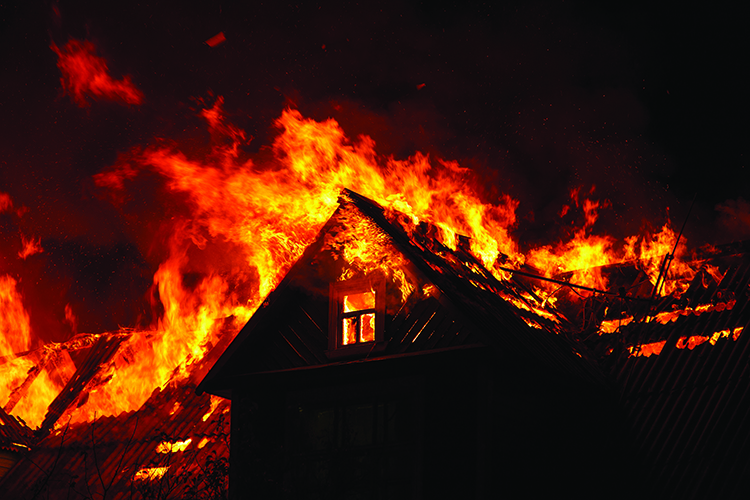
    The wrath of natural disasters has been on full display in recent weeks as hurricanes, earthquakes, wildfires and floods have ravaged large swaths of the world. While our first thoughts go to the victims of these tragic events and the challenges ahead for recovery, it may also cause you to step back and think about your own preparedness for a natural disaster. If you’re feeling under prepared, from a financial standpoint, for the possibility of an unwelcome weather event, consider creating an emergency plan.

    Create A Plan. Just as you plan ahead for your retirement or children’s college tuition, you need to prepare for risks related to a financial emergency. Any type of unforeseen event could jeopardize your financial security. Work with your financial advisor, estate planner and attorney to identify and address potential financial risks.

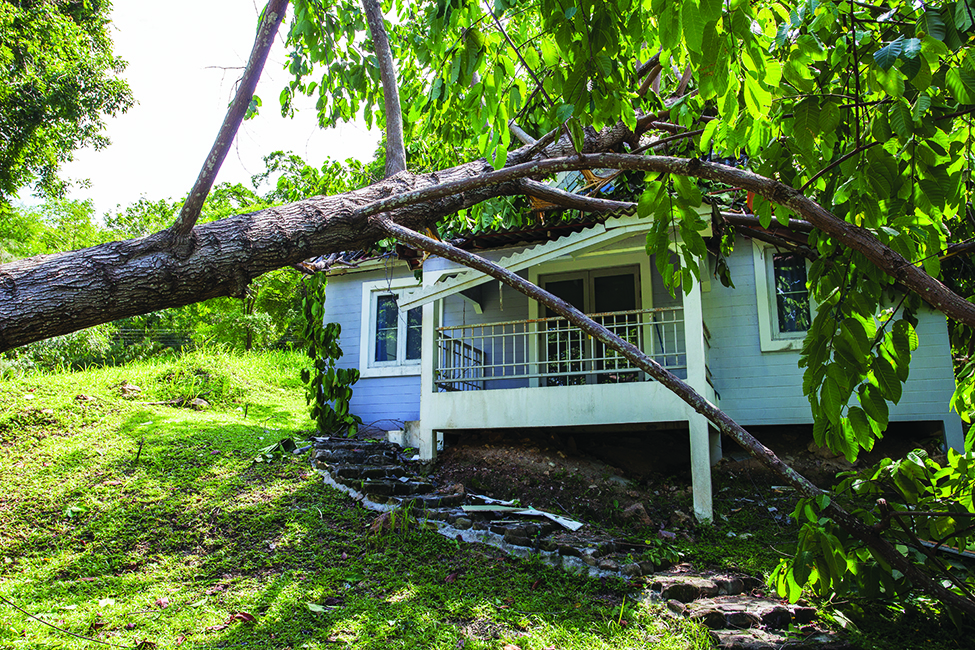
    Protect Your Property. One common concern in such events is catastrophic damage to your home. Start by making sure your property is appropriately insured. Review your homeowner’s insurance policy to make sure there is sufficient coverage for unforeseen events. Remember that typical home insurance does not include coverage for flood damage, which needs to be purchased separately. Homeowners may assume they are not at risk of such damage, but unusual circumstances might mean your risk is greater than you think, so it’s best to double check. Those who rent their living space should consider renter’s insurance.

    In the case of disasters like a flood or tornado, you want to make sure you have sufficient coverage for possessions, including valuables, vehicles (e.g. cars, boats, ATVs), and technology. Maintain good records of the valuable items you own and keep them in a safe place. It can be helpful to take pictures of your property before and after an event to help the insurance claims process.

    Establish An Emergency Fund. A general rule of thumb is to have at least three-to-six months’ worth of expenses saved in case of an emergency. Consider saving more if you have children or live in an area where severe weather threats are more common. Keep these funds in accounts that offer liquidity like a money market fund or in bank savings. Make sure you have some cash on hand in case power outages or other issues prevent ATMs from working.

    The money you set aside could be used for temporary housing, medical care or to cover your essential expenses if you’re unable to return to work. The funds can also jump-start your relief and clean-up efforts.

    Safeguard Your Information. When unanticipated events occur, you will need access to your financial information and personal identification documents. Store copies of your insurance policies, financial account statements, medical information, Social Security cards, driver’s licenses, passports and other important records in a secure location, such as a bank safety deposit box or a secure electronic vault. Having documentation readily available allows you to quickly verify your identity and work through your emergency plan after disaster strikes.

    Recent events remind us of the importance of having an emergency financial plan in place to help protect against worst-case scenarios.


    MICHAEL W. K. YEE, CFP
    1585 Kapiolani Blvd., Ste. 1100, Honolulu HI 96814

    808-952-1222, ext. 1240  |  michael.w.yee@ampf.com

    Michael W. K. Yee, CFP®, CFS®, CLTC, CRPC ®, is a Financial Advisor, Certified Financial Planner ™ practitioner with Ameriprise Financial Services, Inc. in Honolulu, HI. He specializes in fee-based financial planning and asset management strategies and has been in practice for 33 years.

    Investment advisory products and services are made available through Ameriprise Financial Services, Inc., a registered investment adviser.

    Ameriprise Financial Services, Inc. Member FINRA and SIPC.

    © 2017 Ameriprise Financial, Inc. All rights reserved. File #1892811

    The wrath of natural disasters has been on full display as hurricanes, earthquakes, wildfires and floods have ravaged large swaths of the world. While our first thoughts go to the victims of these tragic events, it may also cause you to step back and think about your own preparedness for a natural disaster.

  • A Wise Estate Plan Includes the ‘Whys’

    Estate-planning attorneys offer three types of estate plans: the one-size-fits-all, default “state plan;” the standard “black and white” plan; or the “meaningful” estate plan.

    If you do nothing, the State of Hawai‘i has the Guardianship and Probate Court, which is a plan for each Hawai‘i resident upon incapacity and death. The state also has the Table of Consanguinity, listing your beneficiaries — to decide who will be in charge of handling your estate.

    The standard “black and white” estate plan carefully crafts legal documents, while focusing on avoiding probate and minimizing taxes. Most often, these plans resemble every other estate plan, with the lawyers focused mainly on the “form” of the plan.

    People may believe that because they consulted a lawyer, everything is complete and will not cause undue stress or conflict when they die.

    But the sad fact is that there is more trust litigation occurring now than ever before and fractures in family relationships appear to be on the rise.

    The simple reason? When we provide the foundation of the estate plan, we focus on the “how to” and diminish the “why,” meaning our intentions, feelings and hopes for our loved ones. In other words, our “voice.”

    The “meaningful” estate plan incorporates the client’s own voice in the foundation of the estate plan. Statistics show that not only are the client’s choices honored and respected, family relationships are stronger and family fights are fewer.

    It’s not too late to start a plan that reflects your “whys”— for you and your loved ones.


    Stephen B. Yim, Attorney at Law
    2054 S. Beretania St., Honolulu HI 96826

    808-524-0251  |  stephenyimestateplanning.com

    Estate-planning attorneys offer three types of estate plans: the one-size-fits-all, default “state plan;” the standard “black and white” plan; or the “meaningful” estate plan. If you do nothing, the State of Hawai‘i has the Guardianship and Probate Court, which is a plan for each Hawai‘i resident upon incapacity and death. The state also has the…