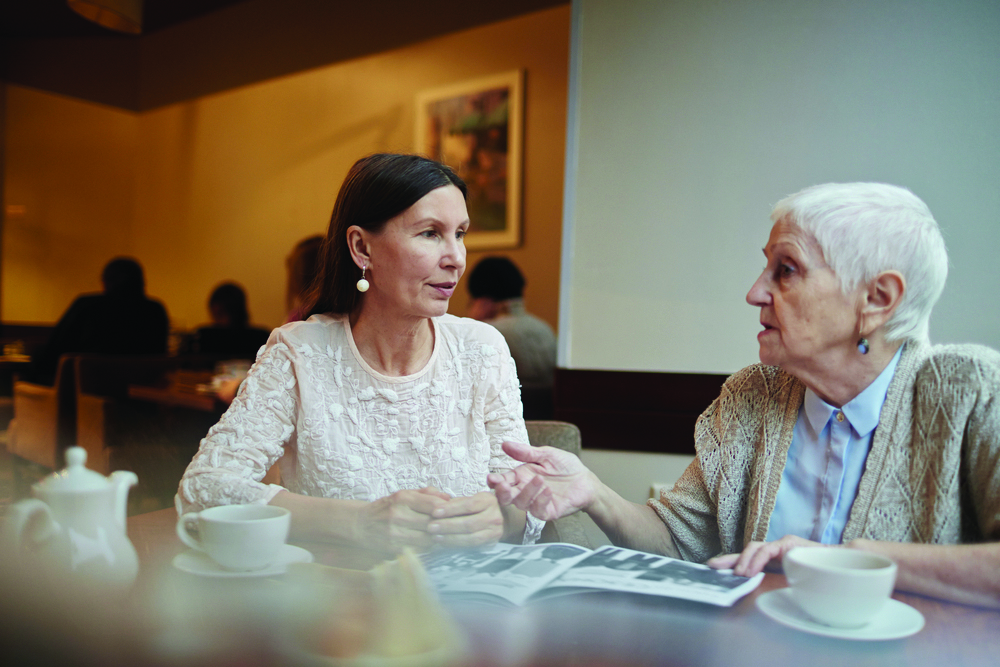
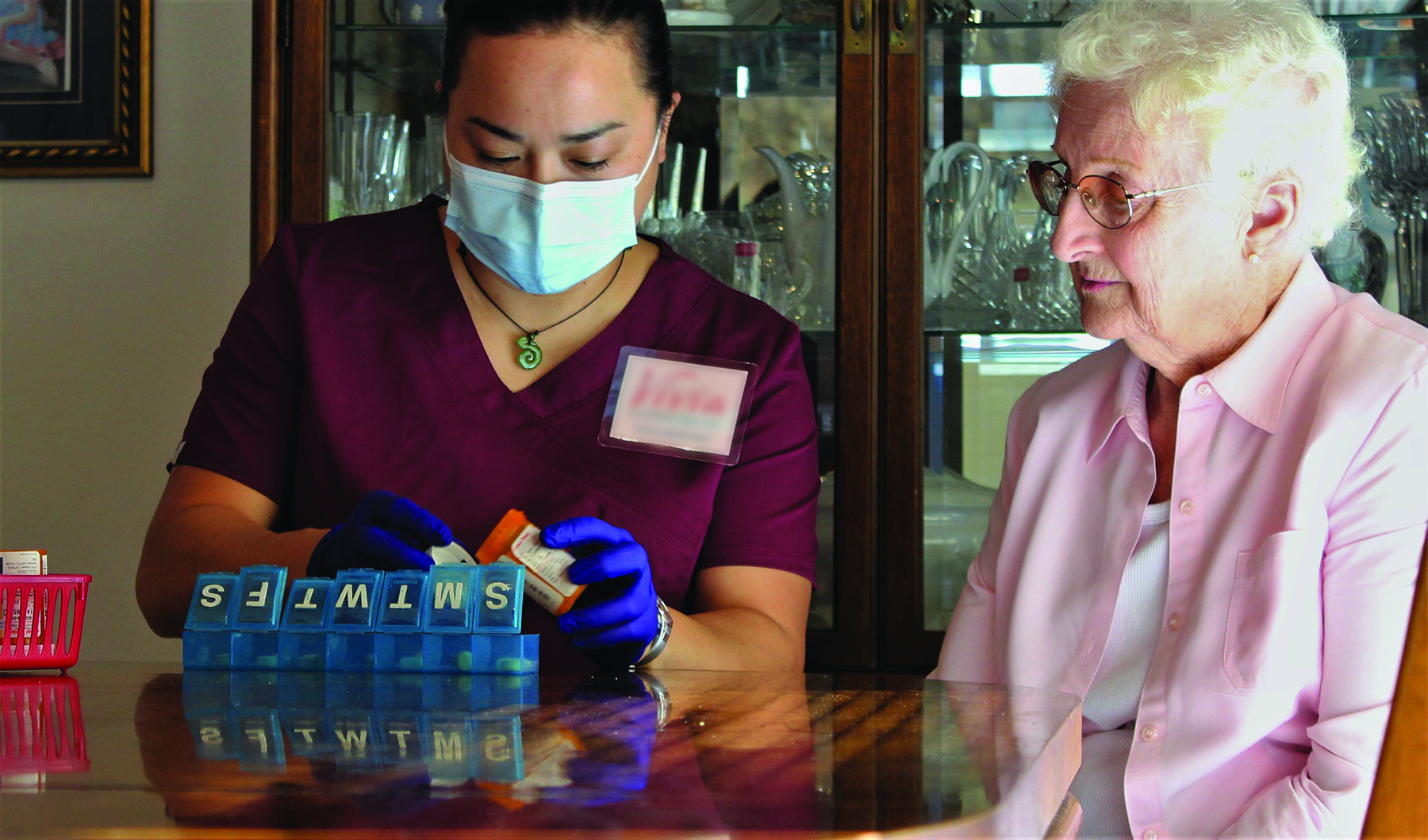
When planning for the in-home care of their kupuna, family caregivers may have difficulty looking at the home environment and adapting it to provide proper care. For example, a room layout that worked well when the loved one was mobile may not be ideal when circumstances change and bed-bound care is required. Back injuries, sprains and preventable falls can have significant consequences that can adversely affect quality-of-life. Here are some tips to ensure the care environment is safe:
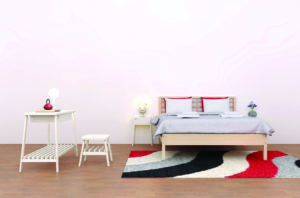 ■ Choose the right location in the home to provide care. A carpeted bedroom with space limitations will make transfers to and from bed harder if medical equipment with wheels needs to be used. Consider an alternate room with hard flooring surfaces (wood or tile).
■ Consider bed options. Options include a normal bed and a range of hospital beds. A hospital bed offers distinct advantages for care for bedbound individuals. Height adjustments will make transfers in and out of bed easier. The head and foot of the bed can be raised with the press of a button for comfort and to assist in repositioning. (Tip: Hospital beds come in both full electric and semi-electric styles. Unless variable height adjustment is not a main requirement, a full electric bed is strongly recommended.)
■ Consider bed location. Locate the bed so that there is good access from all sides when bedbound care is required. Often, larger furniture such as beds are placed alongside walls. However, this makes changing linens and providing care more challenging because of the restricted access. Headboards that are flush against a wall will make it hard for bedbound family members to be moved up in bed and increase the chances of caregivers developing back issues. (Tip: A folded top sheet placed underneath the individual can then be used as a “draw sheet” to reposition them by pulling on the sheet.)
■ Install grab bars. Install grab bars in bathrooms and other places where a secure handhold is required. Suction-style grab-bars should be avoided due to the risk of the handle detaching from the surface without warning. If bars are installed onto a tile surface, make sure there is a supporting stud behind the wall to secure the bar. Do not attach the bar just to the tiles themselves.
■ Assess bathroom accessibility. Is there enough {Play} space in the bathroom to safely assist with toileting and bathing? If not, a commode and/or bed baths should be considered.
■ Organize care supplies. A cluttered environment makes providing care harder and more time consuming. By storing all care supplies in such a way that they are easy to reach when needed will also allow for better inventory monitoring.
■ Post clear instructions and to-do lists. When different family members rotate to provide care for an individual, a whiteboard and erasable markers placed on the wall will allow family caregivers to make notes on the daily routine, medication and other important reminders.
By taking into consideration the above points, families can create a care environment for loved ones that optimizes their quality of living and minimizes their risk of injury. Sometimes the changes required will seem strange at first (moving a family member’s bed to another room, for example), but the advantages this yields from a care perspective will quickly become apparent and the care of your loved one will become easier for all.
ATTENTION PLUS CARE HOME HEALTHCARE
Accredited by The Joint Commission
1580 Makaloa St., Ste. 1060, Honolulu, HI 96814
808-739-2811 | www.attentionplus.com
AGING IN HAWAII EDUCATIONAL OUTREACH PROGRAM
by Attention Plus Care — a program providing resources for seniors and their families, covering different aging topics each month. For class information and upcoming topics, call 808-440-9356.