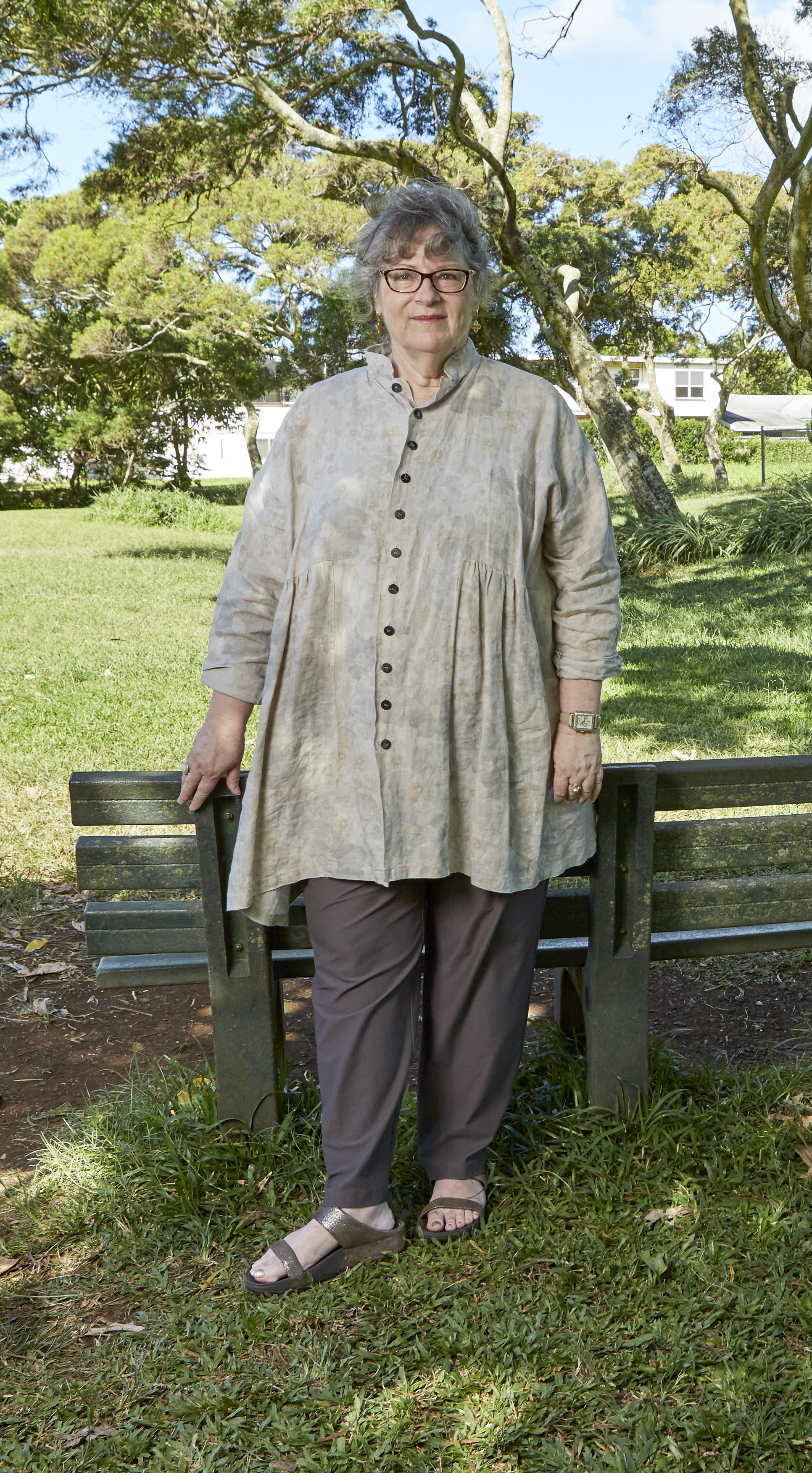
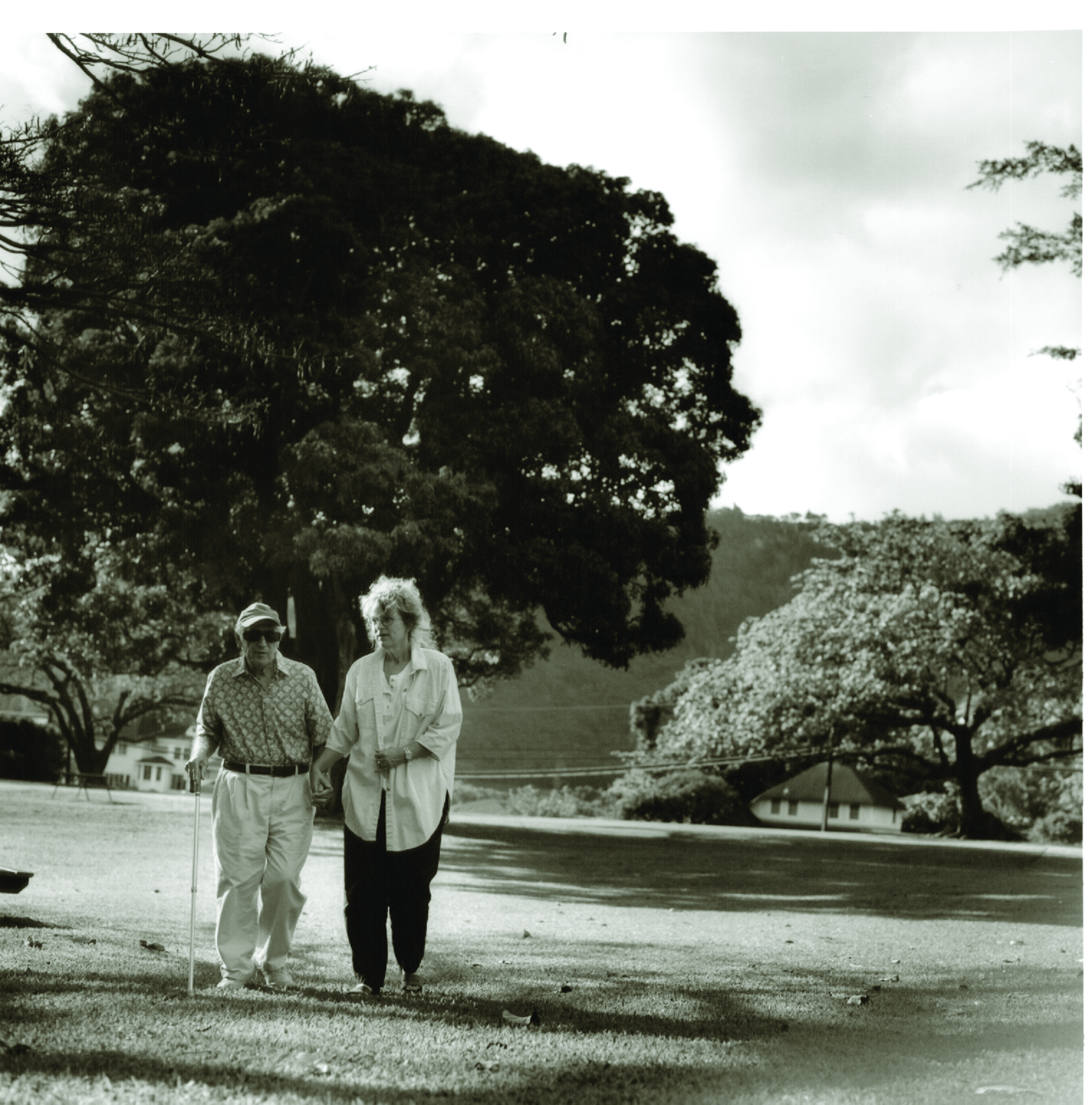
Getting old has its blessings and its challenges. The blessings are many, especially here in Hawai‘i where kūpuna are usually treated with a bounty of respect and kindness. However, I have found that to be less true while traveling on the continent.
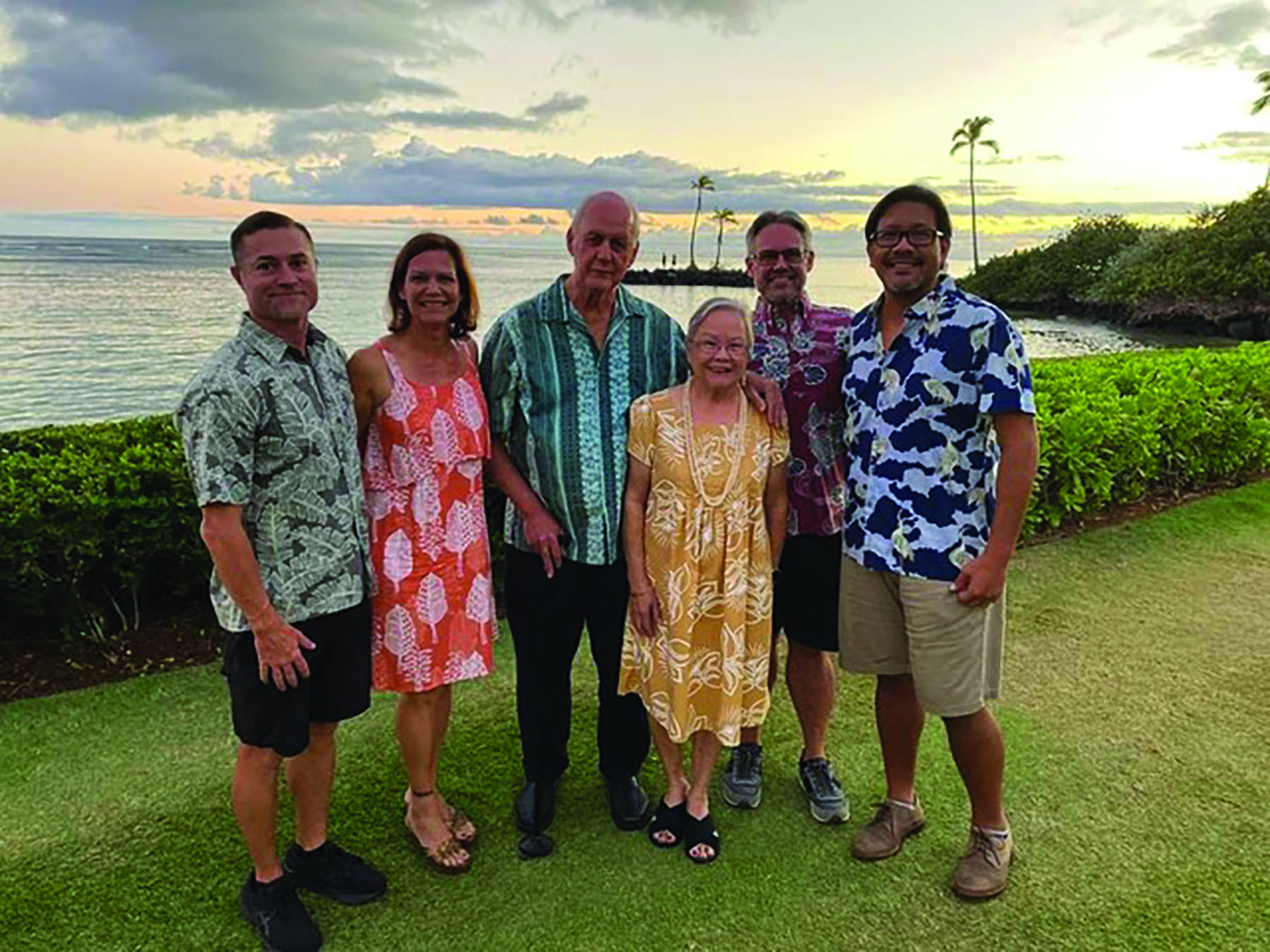
Among my many blessings, I count my three kids. My eldest daughter, Kalei, age 54, who lives upstairs from me with her husband, Paul, are there to help when asked. Kala‘i, age 51, and his partner, Lawrence, are also both willing and able to help in any way that they can. Puna, my youngest daughter, age 47, lives in Florida, but comes when needed, as she demonstrated when her father was diagnosed with brain cancer. She appeared two days later and stayed for two months.
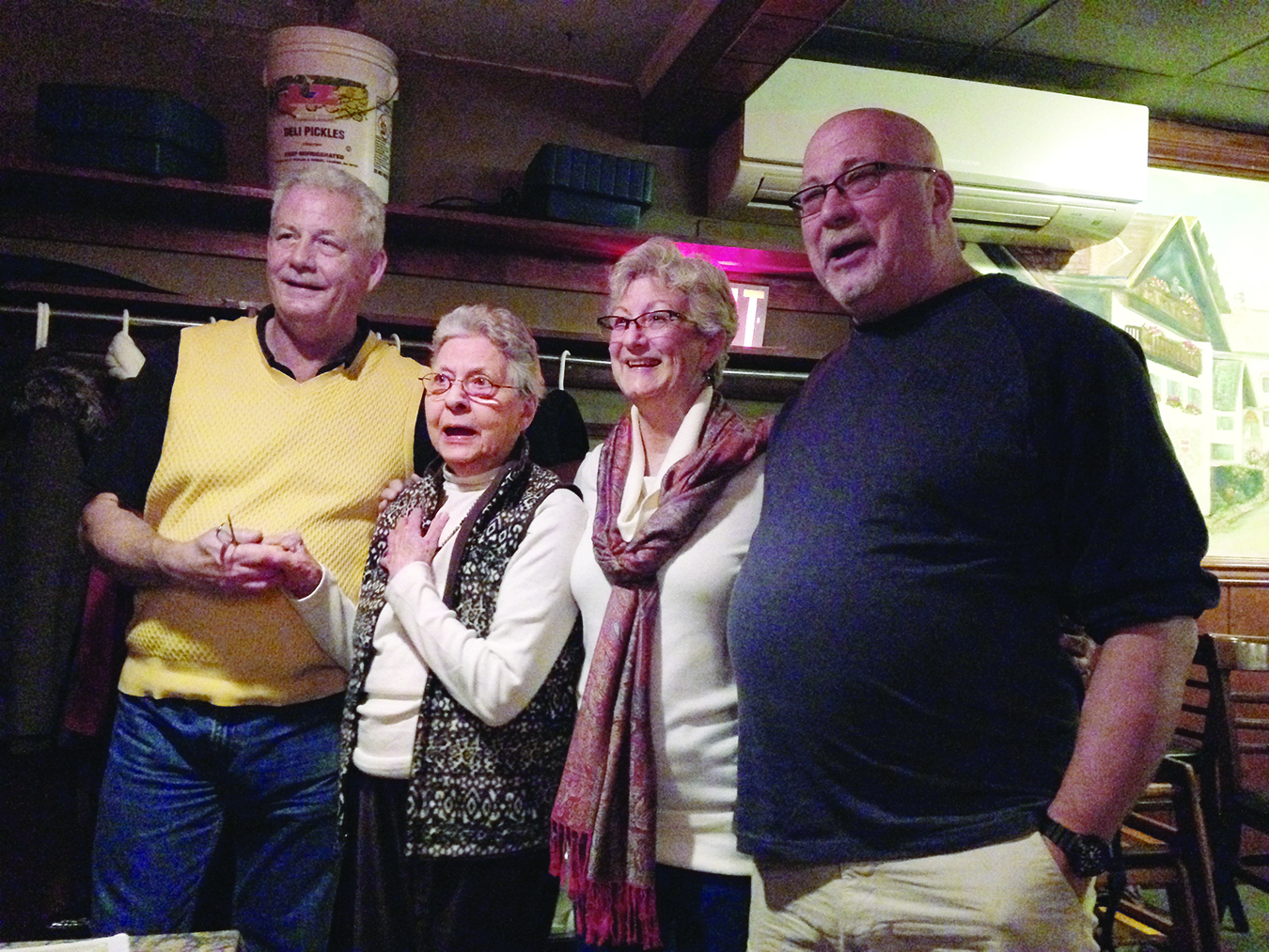
(L–R) My son-in-law Paul, daughter Kalei, husband Bill, me, son Kala‘i and his partner, Lawrence.
But challenges are also many. Pesky little obstacles include being unable to recall the names of actors and classmates from long ago, and forgetting appointments, even though they are in my cell phone calendar and written on a paper calendar. Trials include being unable to do the simple, everyday tasks that were once so easy to do, like bending to tie shoelaces, reaching for dishes from a high kitchen shelf, opening a jelly jar and even popping open a can of cola. All the little things…
The big things are getting short of breath during a slow, 18-minute walk halfway around the loop, or during a 45-minute sitting-fitness class at the YMCA, enduring the pain from my knees and feet from arthritis while walking and exercising or even just trying to fall asleep at night.
But the biggest challenge in my life is grieving for a lifetime companion who died and left me to survive without him, dealing with the pain of turning over in bed and seeing an empty pillow, preparing meals for one person instead of two, filling out forms required by the government after the death of spouse for VA, Social Security, military retirement, medical insurance…
Yes, getting old has its blessings and its challenges. Getting old is getting old!
ANITA ‘ILIMA STERN is a retired elementary school teacher and writer who taught hula for 33 years. Her students liked learning hula and chant from her and appreciated the positive feedback they received. She lives in Kailua, O‘ahu.
If you have thoughts or a story to share, email the editor: debra@generations808.com. It may be published in Generations Magazine, Facebook or our website.
Getting old has its blessings and its challenges. The blessings are many, especially here in Hawai‘i where kūpuna are usually treated with a bounty of respect and kindness. However, I have found that to be less true while traveling on the continent. Among my many blessings, I count my three kids. My eldest daughter, Kalei,…
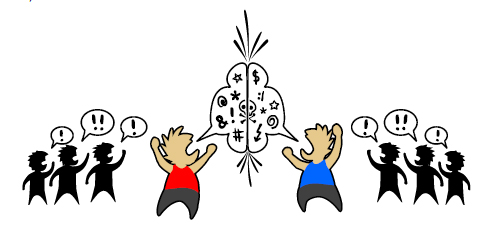
Even the most solid sibling dynamic can erupt into arguments when it comes to the health and welfare of beloved parents who are beginning to show signs of frailty.
You: “Hey. Mom and Dad fell twice; why don’t we hire a helper each day?”
Your sister: “Nah, they’re OK — you’re hyper.”
Your brother: “The doctor says they are fine. So what — you’re our expert now?”
You: “DAD WAS ON THE FLOOR FOR AN HOUR!
Mom couldn’t find her cell phone to call us! Me hyper? If something BAD happens, it’s your fault!”
Siblings duking it out without parental input can result in complete caregiving failure. On the other hand, wise families collaborate without meltdowns or muzzling each other.
Three Smart ABC Steps to Building a Family Dream Team
1. ATTITUDE. Switch negative thoughts into positive language and behaviors.
Tip:Perceptive families tactfully welcome and value new ideas. They are patient and kind regarding each other’s opinions and suggestions.
2. BRAINSTORMING. Tough topics require discussion: financing caregiving, selling vs. renting the family home, dividing assets, sharing caregiving responsibilities. Savvy families form judgment-free zones where everyone is protected from criticism when they voice their suggestions. They must also be understanding when their ideas are not accepted by all.
Tip:Circulate a “WHAT IF?” list to gather ideas and suggestions from everyone in order to give all time to think about them in depth rather than responding quickly with an emotional outburst.
3. COMMAND CENTRAL. Akamai families prepare ahead by finding out their parents’ wishes instead of guessing in order to carry out their desires. They prepare for financial outcomes, and have easy access to advanced directives and wills. Clarity saves time and money.
Tip:Gather documents in a binder to serve as a treasure trove of parents’ wishes and resources that everyone can refer to. This paves a smooth road ahead by avoiding unwanted potholes and excess stress at an already stressful time.
ANNETTE PANG
Family Caregiver Coach and Life Transition Advisor 808-372-3478 | ap@annettepang.com Annette Pang offers workshops, online training and one-to-one private life coaching. She has owned two adult residential care homes since 2000. She adores her four siblings and her husband’s four siblings—all smart and kind.
Even the most solid sibling dynamic can erupt into arguments when it comes to the health and welfare of beloved parents who are beginning to show signs of frailty.
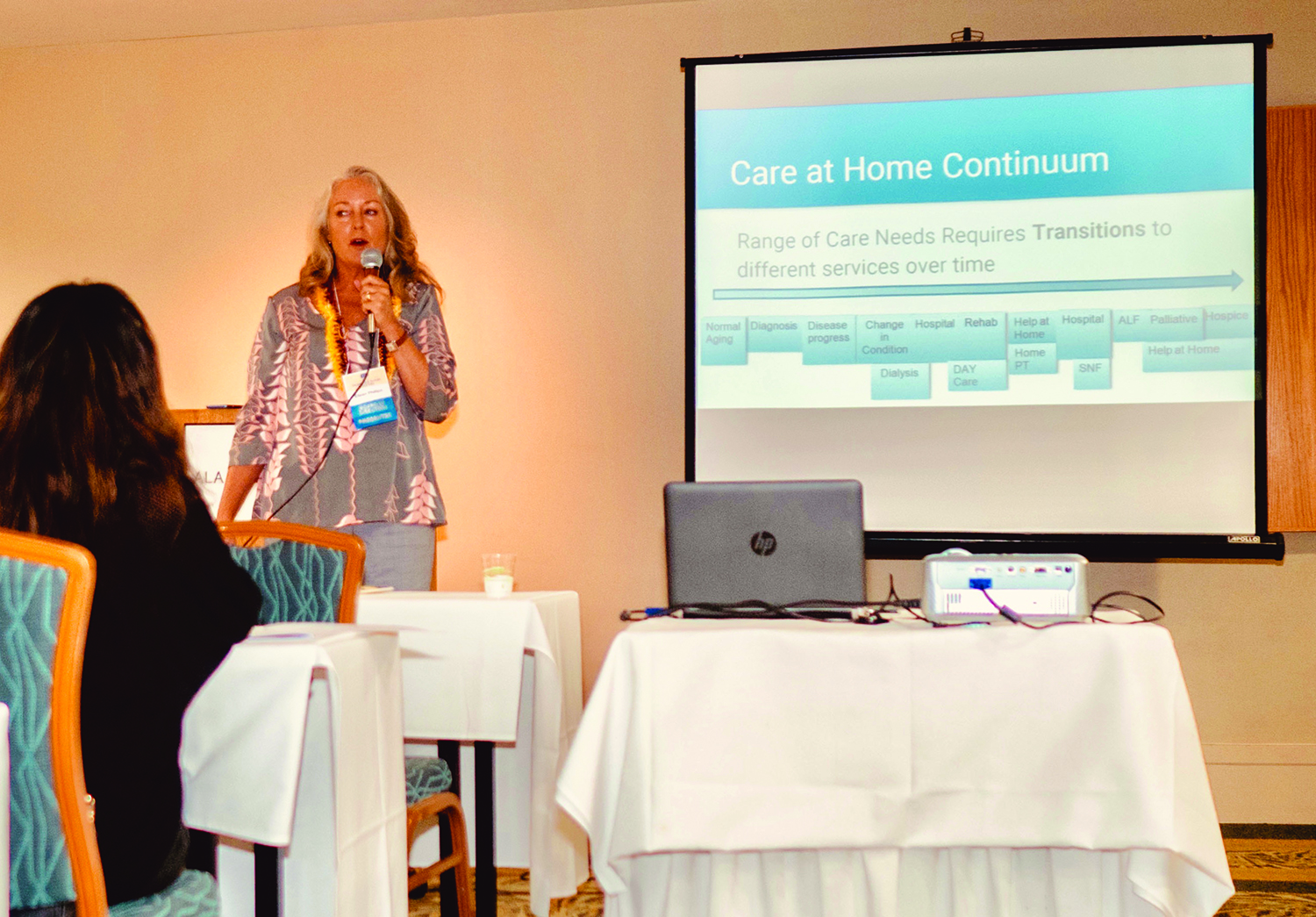
Today, more seniors are receiving care in their homes for medical conditions. Many receive it following a hospitalization or discharge from a rehabilitation center and have complex needs. Seniors who require them may have difficulties adjusting to their care and can benefit from transitional care during this period.
Falling through the cracks
Transitional care calls for a range of actions to avoid “gaps,” especially for older adults who are more vulnerable, in care. Seniors cared for by multiple providers, located across different settings, can often have more serious care needs and health risks. Examples can include movement to or from a hospitalization, rehabilitation or skilled nursing facility, care home, assisted living facility, doctor’s office, or an individual’s home. During these moves, a loss of information, educational or language barriers, poor communication, or not having a reliable point of contact, are some of the ways individuals can fall through the cracks trying to maintain their care.
“It’s more common now to see seniors discharged from one care setting to another, with more severe or chronic conditions that have a cumulative effect on their health. This makes the timeliness of care even more vital for them,” says Kari Wheeling, RN.
“To avoid care gaps from happening, greater attention is needed on the details involved as seniors move through different care settings. The focus on coordination and continuity of health care between providers becomes even more critical, to avoid relapses or re admissions,” adds Wheeling.
The important role of family caregivers
As family caregivers are likely in the most important role for seniors after a serious illness, more interaction is needed with whomever is the decision-maker about treatment plans and the details that go with them. More family caregivers are getting directly involved in this way with hospitalization or rehabilitation logistics, out of necessity, and should ask providers questions to learn more about transitional care and the different roles involved on their case.
Having the right knowledge helps
Family care planners should also screen and ensure caregivers have the right knowledge, skills and resources needed to safely care for someone, and know what to do when their care setting changes. They should know what information about an individual’s care is transferred between care settings, how it’s exchanged, and what level of accountability is needed from everyone’s actions involved in this process.
With the heightened awareness and attention going into transitional care for seniors, family caregivers may also be more stressed as a result, and have difficulty with the decisions and choices needing to be made. Discharge planners, nurses and social workers can work with family members and caregivers to help support their loved ones and be better ready for the next steps.
Development Specialist Sebastian Adam adds, “Transitional care is like teaching others how to hand off a spoon of water between 10 people and not lose a single drop. Good hand-offs matter. Our senior is that water.”
ATTENTION PLUS CARE HOME HEALTHCARE
Accredited by The Joint Commission
AGING IN HAWAII EDUCATIONAL OUTREACH PROGRAM by Attention Plus Care — a program to provide resources for seniors and their families, instructed by a registered nurse, who covers a different aging topic each month. For more information on Transitional Care and free
community workshops on Aging in Hawai‘i hosted by
Attention Plus Care, call 808-440-9356.
Today, more seniors are receiving care in their homes for medical conditions. Many receive it following a hospitalization or discharge from a rehabilitation center and have complex needs. Seniors who require them may have difficulties adjusting to their care and can benefit from transitional care during this period.
Family caregivers of older adults undergo fairly predictable stages in their caregiving careers. Each stage brings different challenges and requires different kinds of help for both the care receiver and family caregiver.
Stage 1: The beginning
The initial stage of a major illness represents a significant life transition for both the infirm elder and family caregiver, often requiring considerable
adjustments in life goals, relationships, daily activities, and routines. Family caregivers may lack knowledge of the illness, impeding future planning.
What is needed:
Information on the illness: possible causes, treatment options, expected trajectory
Emotional support: counseling services, support groups, peer counseling programs. Peer caregivers can share solutions to everyday issues and provide encouragement rooted in empathy.
Legal and financial planning: durable powers of attorney for asset management and healthcare decision-making; advance directives and wills; financial arrangements anticipating increased medical costs
Stage 2: Being a caregiver
This stage encompasses most of the caregiving experience and includes provision of home care and possible institutional placement.
What is needed:
Continued education on the illness or condition and its expected trajectory
Formal training: classes in direct-care skills (e.g., safely transferring or bathing)
Home assessments and modifications for safety; guidance in use of relevant assistive devices
Coaching in behavior management techniques to deal with disruptive behaviors.
Guidance on preserving self-identity and quality of life for persons with dementia; training on effective communication techniques
Instruction in both time and stress management; help in setting limits, developing realistic standards, prioritizing goals, avoiding burnout
Counseling to deal with changing family dynamics, disagreements regarding management of the illness, and conflicts over division of caregiving labor and costs
Information on available community resources and payment sources and how to access them
In-home services to help with personal care (e.g., bathing, dressing, grooming); homemaking services (e.g., cleaning, laundry, shopping); home-delivered meals
Guidance in working effectively with home care aides
Exercise or rehabilitation programs for both care receiver and caregiver
Respite care, e.g., adult day care, extended overnight respite programs
Stage 3: Completion of caregiving
During the later stages of an illness, caregivers frequently drop social activities and neglect friendships as they attempt to address the ever-growing needs of their family member. When the elder dies, the caregiver often feels socially isolated.
What is needed:
Emotional support to deal with bereavement and loss
Help in coming to terms with the end of caregiving, an integral part of self-identity for many
Exploring caregiving in other forms, e.g.,
volunteering
Encouragement to re-engage and/or develop new activities to restore balance to a life previously structured by the caregiver role
Family caregivers of older adults undergo fairly predictable stages in their caregiving careers. Each stage brings different challenges and requires different kinds of help for both the care receiver and family caregiver.
“One of my colleagues once said, ‘There are only four kinds of people in the world: those who have been caregivers, those who currently are caregivers, those who will be caregivers, and those who will need caregivers.’”— Rosalynn Carter, 1997
Former first lady Rosalynn was a caregiver herself and she believed that family caregiving is a cycle of life that touches everyone. Here, four people, each at a different point on the cycle, share their care stories from the heart, offering words of wisdom and points of caution. As you read, consider your journey on the Cycle of Caregiving. Where are you? Are you prepared?
LORI & GERALD LEE – Beginning Caregivers
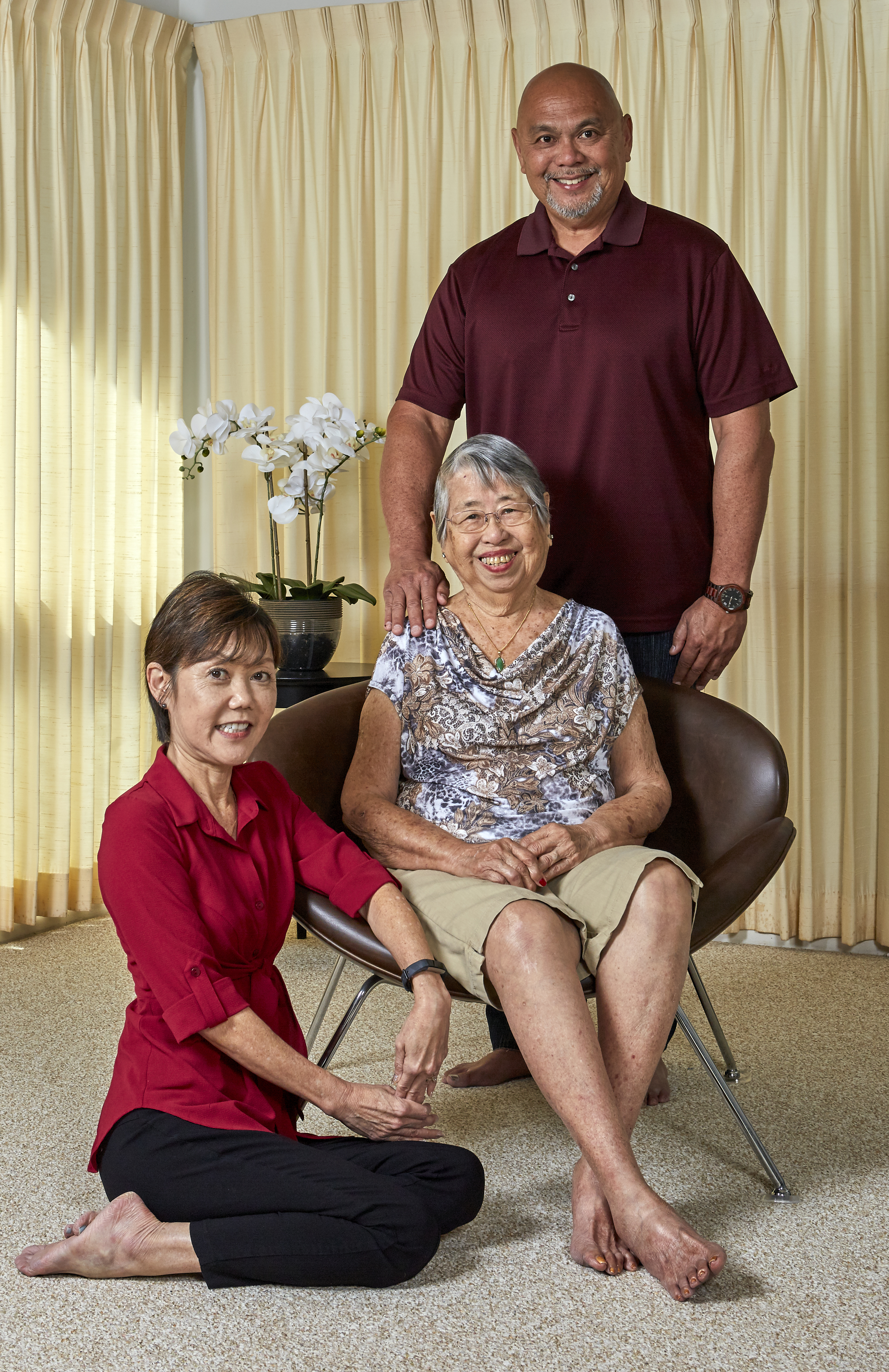
Lori, Pearl and Gerald Lee
I worked as an elementary school teacher for 33 years and recently retired from the Hawai‘i State Department of Education. My husband, Gerald, is still working at Pearl Harbor Environmental Division and plans to retire in a year or two. We have been happily married for 35 years, are empty nesters and have three successful children, Chase, Shelby and Dayne. We love to travel and enjoy new experiences. I planned to have an active retirement volunteering, traveling and, especially, enjoying my favorite hobbies — Zumba and yoga.
A year ago, right after I retired, Dr. Edith Pang called us to report that Pearl “Popo” Lee, Gerald’s mom, was in feeble health. She notified Gerald to say, “Your mom needs someone to care for her, and your mom picked you.” It took us by surprise! Popo was a stay-at-home mother who became a widow seven years ago, and was suffering from diabetes, gout and other physical problems. She has four children: one in San Francisco, one in Japan and two on O‘ahu, Gerald and his sister. We were shocked and unprepared but felt a sense of obligation to help because I was retired, and the other siblings were not able to take her in.
How did you manage the transition?
Popo sold her home in Hawai‘i Kai and moved in with us a year ago. Being responsible for an elder’s health and well-being can be overwhelming. Providing meals on a diabetic and gout diet plan, monitoring her exercise, physical therapy, medications and scheduling her doctor’s appointments and social activities are one aspect; preparing our home — installing grab bars, door handles, nightlights and converting a bath to a shower — is another. Adjusting our lives and schedule so that she retains her dignity, feels contented and stays healthy is a challenge. I am happy to say that Popo’s health has improved since she came to live with us. She did not eat a healthy diet and wasn’t getting enough exercise on her own. Now she has lost weight, increased mobility and her stamina for exercise. Her balance has improved and her sugar levels are good. I think the structure of a daily routine makes her more confident.
Popo enjoys activities with her new friends at Hale Hau’oli in Aiea.
Is Popo still able to socialize now that she lives in your home?
Certainly. She is enrolled in senior day care at Hale Hau‘oli in ‘Aiea. Kathy Wyatt and her staff provide an inclusive “club” that Popo loves, and she has made many new friends. Our family comes to our house to visit her and are learning that Popo and we need to know when they are arriving. They didn’t realize that Popo is not capable of scheduling or attending family functions on her own. When they take Popo out for lunch, they need to arrange it with us, so we may schedule accordingly. These little adjustments are expected when an elder has lived decades in her own home, but it takes energy to set new rules without offending people who assume she is in the same condition as years past.
Where did you find information to train yourself for caregiving?
Actually, my mom trained me by example when she was taking care of her aging parents. I am very fortunate to have had that experience, and I am not afraid of this vital responsibility. To find local resources for Popo, we look online and get advice from neighbors and friends who are caring for their parents. The resources and advertisers in Generations Magazine offer useful information. Every situation is unique, so we are always thinking and trying out new strategies. Caregiving is a work in progress at all times. That is what takes so much energy.
What do you see in the future?
We have barely discussed the future, but if her needs become more than we can handle, we will need to seek professional help such as specialized nursing care.
Any lessons learned that you want to share?
Tell your readers that they cannot anticipate everything. We discovered that TV Parental Controls are essential when Popo accidentally ordered “Baywatch Season 5” and “The Bachelorette Season 2” on my Amazon
account. She knows not to give out her credit card number, but somehow she got on Amazon, where purchases are automatically charged to my card! She doesn’t even know what “Baywatch” is! You just have to laugh.
Being mindful of each other is very important, too. It’s a marathon, not a sprint, and every bit of help counts. Establishing new habits requires conscious patience, such as reminding her to wear fresh clothes every day. Once the routine is working, focus on creating meaningful memories throughout each month. Anticipation of fun events and seeing family and friends brighten every day leading up to the activity too. Your retirement plans might not include some form of caregiving now, but that might be in your future. Don’t get blindsided.
Caregiving is a work in progress at all times. That is what takes so much energy.”
Pat Bemis – Current Caregiver
Pat and Gardner Bemis
I have a master’s degree in Nursing Education and I love teaching, and for 45 years I have enjoyed being a nurse. Strange, but caregiving is a bit different from nursing. It’s 24-hour duty that never ends and most of the time you are making decisions alone. Having nursing skills and medical background is a significant advantage, but managing and providing long-term care is harder.
About eight years ago I experienced unusual fatigue. My thinking at the time was that I was “helping” my husband with chores, finances, driving, and medication management but he was doing his own personal care, so it wasn’t caregiving.
One of my closest friends had to inform me that I was really a caregiver! I had eased into it without even knowing.
How is your caregiving journey going?
I care for my husband at home, and still enjoy being with my tall, handsome physician. The biggest challenge is doing all the thinking for another adult. He looks the same except for a bit slouched in posture and shuffling steps. But he has difficulty making choices and decisions and problem-solving, and it breaks my heart. His short-term memory loss is at times hard to deal with and causes me to ask God for more patience — almost on an hourly basis. However, he can still make correct diagnoses when watching medical shows on TV. The brain is a wonder that continues to baffle me.
My husband and I worked together, so I was one of the first to know when he was diagnosed with Parkinson’s disease before age 40. He was young, handsome, brilliant, with lots of energy — a fun person to do fun things with. I was very optimistic about his prognosis, and saddened at the same time. He was an amazing doctor. We married, and he continued to work for 13 more years. We adopted a baby together to add to our blended family to make four daughters.
Did you have any earlier caregiving experience?
I also assist with the care of my mother on the East Coast. After my dad died in 2002, my mom fell into a funk. Previously assertive, energetic and self-assured, she became lost and didn’t know what to do with herself. My family relied on me to help with medical decisions and had I known the symptoms of dementia 15 years ago, I would have done many things differently for my mom. Her father had Alzheimer’s disease too.
When her behavior started to change, I misread it as her being “a Pill.” Not knowing her brain was failing, I was impatient and argued with her. When what she was saying was not matching what she was doing, I began to mistrust her. It was a tough period for us both. I now realize she knew something wasn’t right but she didn’t know what it was. She was afraid to tell anyone and didn’t know what to do. It took much detective work to figure out that what she was telling her doctor and the truth were not the same. Her physician finally diagnosed her with Alzheimer’s three years ago. Had I known better, I would have gotten her care faster and been more compassionate. When I apologize to her, she says, “I have no idea what you are talking about — so there is no need to apologize.”
Is it difficult being on a care team for a loved one who lives on the mainland?
Yes. I am blessed to have two very supportive younger brothers who are helping. My family is on the East Coast and what I have experienced is that
“everyone who cares can do something.”
A sister-in-law and nieces picked up Mom’s wash weekly and drove her to outside appointments before she went into skilled care. Now, the great-grand kids visit Mom and share her activities, like coloring. My brothers have moved Mom’s belongings several times as she graduated to more intense levels of care. They set up her room the way she likes it. When they visit her, they “face time” with me so I can actually see how Mom looks. I have been the financial contributor as well as her health care proxy. My retirement savings ran out in 2016 and, last year, all her funds were gone and I had to apply for Medicaid for Mom. I am grateful that we have options, but it is very sobering to see your loved one outlive their financial resources.
Pat, what would you have done differently?
My biggest takeaway of caregiving is that I was not prepared. Yes, I had end-of-life discussions with my parents and my husband. But what about the time before the end of life? Both my parents and husband wish to be body donors. That is wonderful, but what about the years of “dependent living” required between now and your ending? I have learned that the journey can be long.
I wish I had stayed employed longer. I miss having an income. For intellectual stimulation, I volunteer, go to yoga twice a week, belong to a sewing group and an art group. I would have gone bonkers long ago if it weren’t for my core group of girlfriends, “The YaYa’s.” They are the best support in the world, not only for me but also for my husband. My joy in life is our granddaughters, who bring unconditional love into our lives and home.
While caring for her husband at home, Pat is also part of her mother’s care team along with her brothers. She regrets misinterpreting her mother’s early signs of dementia.
Any words of wisdom for caregivers?
My biggest concern is who will pay attention to me should I inherit Alzheimer’s. Who will know the difference between my rational and “not normal” behavior? Therefore, my No. 1 job is to take care of myself. If I do that well, then I can carry out my caregiving responsibilities well too. At the end of the day, I believe that I am doing the best I can for those I love and they truly do appreciate it.
I suggest that all caregivers plan for their own future care. Get information from professionals and seek out resources. Last year, I visited almost all the assisted living facilities in Honolulu to see what they offered and if I would be comfortable there. I am proud that I tackled this eye-opening experience. I want to know what will be available for me and not wait for a crisis to figure out where I will live who will care for me. All I am learning will help me make good decisions.
I also suggest getting involved with AARP. They opened my mind to a whole host of ideas, options and information. I am grateful to be a member.
At the end of the day, I believe that I am doing the best I can for those I love and they truly do appreciate it.”
Jody Mishan – Former Caregiver
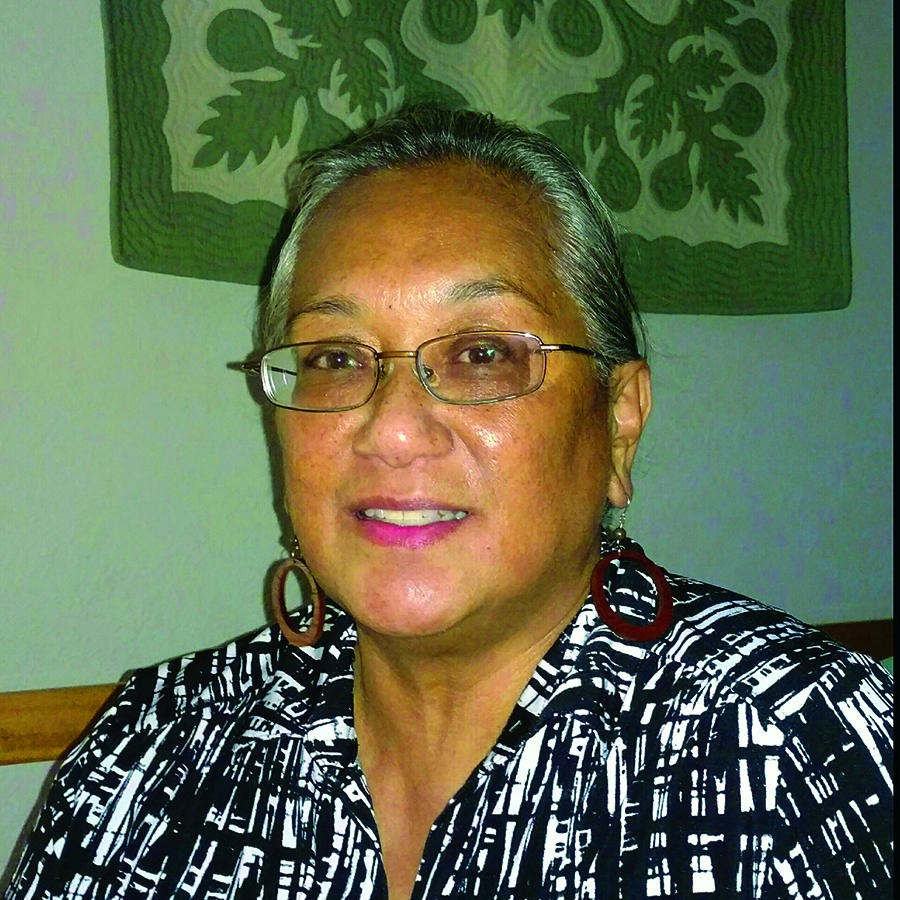
Jody Mishan
I am the daughter of John and Maria Mishan. Without my parents, I wouldn’t be here, so I wish to honor that. Every caregiving journey is unique. Mine deepened the love my father and I shared, shaped my character.
Tell us when that journey began and about your experience of caring for your father.
I cared for my father after he was diagnosed with Alzheimer’s disease from 1999 until his death in late 2006. My father was not defined by dementia, but by a lifetime commitment to family and career. Dad served as a Navy aviator in World War II in the Mediterranean Circle, flying reconnaissance missions on the coast of Africa. He received the Distinguished Flying Cross for his service. Caring for my father was the best and most important thing I will ever do in my life. I witnessed the true hero that he was, remaining a gentleman and expressing love and grace until the end. Caregiving was a gift and a blessing that changed my life.
Discovering the lack of resources available, I started to advocate for improvements in caregiver support. During this time I served as public awareness coordinator for Kōkua Mau: Hawai‘i Hospice & Palliative Care Organization. They truly understood my caregiving journey.
Assisting a vulnerable loved one strengthens your compassion, courage, strength, commitment, loyalty and patience. Caregivers of family members with dementia ride a roller coaster of anger, depression, stress and exhaustion; I learned that compassion is stronger than negative emotions, and patience is a muscle that can be strengthened. Like characters in “The Wizard of Oz,” we don’t know our courage until tested. Our brains and hearts will rise to the occasion.
Jody’s father, a Navy aviator in WWII, loved being out in the fresh air, so she incorporated walks in Manoa’s beautiful neighborhood parks into his care routine early on.
Can you share some details of your caregiving?
Early on, Dad was diagnosed with a mix of Alzheimer’s disease and Lewy body dementia, which explained the stiffness he experienced as it progressed. We made the best of the gradual loss of physical and mental ability, developed a good sense of humor, learning to “not sweat the small stuff.” We validated him, made him feel loved and treasured, giving him “moments of joy”— important pillars of dementia care.
In those early stages, Dad enjoyed going places in the car and taking walks in Mānoa where we lived. For the last three years, he was unable to move on his own, in need of total physical care. We were able to afford professional caregivers in the daytime, but I was alone with him at night, setting my alarm to get up to turn him in bed and change him if needed. Sometimes I had day shifts too.
Do you have any tips for new caregivers?
I noted things that worked or did not work on my dementia caregiver’s journey.
Seek resources, help, support, anywhere you can get it. It takes patience and time to identify people and services that actually make a difference.
Be proactive: read books, search online. Join a support group and seek dementia caregiver training.
Practice self-care in your own personal way —
meditation, visualization or exercise. Find anything that brings you joy, even if it’s just 15 minutes with a friend or walking.
If your loved one has memory loss, see a geriatrician or neurologist for an assessment. About 9 percent of conditions causing memory loss can be reversed. An early, accurate diagnosis is essential.
If they are able, take your loved one for walks or shopping to help them remain a part of the community as long as possible.
Photograph by John DeMello
How did you deal with caregiver burnout?
Praying for strength and guidance became a regular habit. I also bonded with other dementia caregivers at an Alzheimer’s Assoc. support group for poetry and journaling led by Frances Kakugawa.
Regularly talking about my feelings with a counselor made a huge difference! I also found compassion, support and understanding from co-workers at Kōkua Mau. The beautiful love that Dad and I shared gave me strength. It made me happy to see him content and smiling, safe and comfortable.
Any regrets or mistakes?
There were times I lost my temper, which is normal for dementia caregivers. I found myself cussing in traffic, getting irritated when he was not treated well in hospital or rehab. It surprised me that I could get so outspoken and not care what others think. But I was fighting for him and his rights, so it made me ornery. My lack of sleep did not help.
Were there any residual effects?
This is a critical question! It takes years to recover from the caregiving burnout, to grieve and process the experience. You have to train yourself not to be vigilant anymore, to sleep through the night, to put yourself first and find joy again. It’s like PTSD in many ways. There should be support groups or counseling for recovering caregivers.
Before becoming a caregiver, I was an audiovisual writer/producer. After his passing, I wrote/produced “The Genius of Aging” public awareness campaign for KGMB TV. I was a coordinator for the first State Plan on Alzheimer’s Disease and Related Dementia for the Executive Office on Aging. Now, I am a consultant for UH Center on Aging’s Hawai‘i Alzheimer’s Disease Initiative.
So caregiving for Dad set me on a new career path working on dementia projects with fantastic healthcare visionaries, service providers, aging advocates and educators. Dementia caregivers are now my tribe — people who really care.
Poetry and journaling are one of the most essential and effective healing activities I discovered on my journey. Visit Frances Kakugawa’s blog.
You have to train yourself not to be vigilant anymore, to sleep through the night, to put yourself first and find joy again. It’s like PTSD in many ways.”
Carleen MacKay – – Future Care Recipient
Carleen MacKay
I was a VP for human resources for high-tech Silicon Valley employees who were making over $100k annually and losing their jobs. In the industry, it is called “out-placement,” a process by which companies assist laid-off employees find new employment. My book, Alternative Ways to Work, helps people manage career change, re-imagine their skills, and stay relevant. Another of my 35 books that seniors love is The Hundred Year Life: juxtapose imagination and facts. I write about what I do best — embrace the future with joy and gusto. To be honest, I have never considered slowing down by choice or by need. But Percy Ihara tells me that 70 percent of people will require some long-term care at the end of life. Yikes! I need to start planning!
You’re so active at 80; do you visualize yourself in long-term care?
So far, I can take care of myself — always have. Long-term care doesn’t sound like too much fun. But I am going to look into local care facilities and options to see what I might be able to afford.
Do you have children?
Yes. I was a single parent, and all three of my children have college educations — two own their own businesses. I live in an ‘ohana unit in one son’s home, and when I told him about this interview, he said, “Oh don’t worry. We’ll take care of you.” But my kids have done less planning ahead than I have. I do not expect them to bear the whole burden of my end-of-life care — either financially, emotionally or physically. I read that injuries due to falls often end independent living and break your bones and spirit. I need to call my local Aging and Disability Resource Center and get a free fall prevention assessment of my apartment right away.
Can you see yourself in the cycle of caregiving?
Sure do. I cared for my mother in her home when she came to the end of her life. I was a businessperson, so I hired a maid for cleaning and later found a care facility where my mother could be treated, cared for and offered socialization with other seniors. However, I never provided hands-on care, and I don’t expect my kids to do that either. I like to work, be involved socially and do fun kinds of exercise to keep healthy. However, time — as it does for one and all — is beginning
to overtake me.
Carleen MacKay at home
Time is a big issue. Healthy seniors fear they will outlive savings and retirement income.
Yes; I am proud that I lived prudently in my early years and that I still bring in a little income. But I’ll be honest; my vision is to “die in the saddle,” writing books and giving lectures on the road. I want to keep active late in life, but I just learned that people over 70 could expect to outlive their body’s ability to perform the tasks of daily living, and the odds against dying in the saddle are very high. In case I die long, I don’t know if my savings will be adequate. I need a Plan B that addresses other options to pay for the kind of care I want. My children need to know what my wishes are, too.
Some of our readers haven’t done much planning either. What’s your next step?
Well, I am just getting into Generations Magazine resources, which are chock full of useful information for aging in place and end-of-life planning. I’m going to get educated and educate my family as soon as possible. I just found out that I am too old to buy long-term care insurance, so I already missed out on one financial option. I also learned that Medicare does not have long-term care benefits, so paying for care is my primary concern.
I think your readers should share this article with all their neighbors, family and friends who plan to work till they drop. Tell them not to wait until 80 to draw up a Plan B. We seniors who work are experts at what we do — and we also have to be experts in planning for long-term care the end of our lives. Better late than never!
I want to keep active late in life, but I just learned that people over 70 could expect to outlive their body’s ability to perform the tasks of daily living.”
Jody, Pat, Lori and Carleen are at different points on the cycle of caregiving. Where are you? What did you learn from their experiences and tips?
Rosalynn Carter and the original members of Last Acts started a significant movement, and they would be surprised to see professionals in geriatrics, long-term care, homecare, financial planning, reverse mortgages, hospice and adult day care and strategies for aging in place struggling to keep up with demand for their services. The number of people over 80, cost of care and waiting lists are all growing. The fact is, family caregivers still provide most eldercare.
The common threads in our four caregiving stories are that long-term care is a team effort that requires careful planning. Generations Magazine resources offer many professional options for care. Talking with your family and other families on the cycle of caregiving will help you find the best plan for you.
Former first lady Rosalynn was a caregiver herself and she believed that family caregiving is a cycle of life that touches everyone. Here, four people, each at a different point on the cycle, share their care stories from the heart, offering words of wisdom and points of caution. As you read, consider your journey on…
I don’t know if anyone is really prepared for family caregiving — it all happens so suddenly,” says Terri Jorgensen of Maui. She became a family caregiver in 2016, when Maui Memorial Hospital discharged her 101-year-old Grandma. Two years later, Terri heads a family of five generations, works full time and manages two households — one with five homecare aides providing care for Grandma and Terri’s 83-year-old mother.
“Learning what kind of care is required is easy, but finding ways to provide it is very difficult. Since I have no bedside skills, I knew right away that I needed help. I am an outgoing sales professional, so servicing my clients and keeping in touch with the outside world makes me happy and healthy. Finding a balance among Mom’s, Grandma’s and my own needs was critical,” she says.
Terri’s Grandma was living independently in Wailuku when she suddenly became ill. She returned from the hospital disabled and bedridden, so Terri began to care for her. A social worker helped her find in-home caregivers to help Grandma.
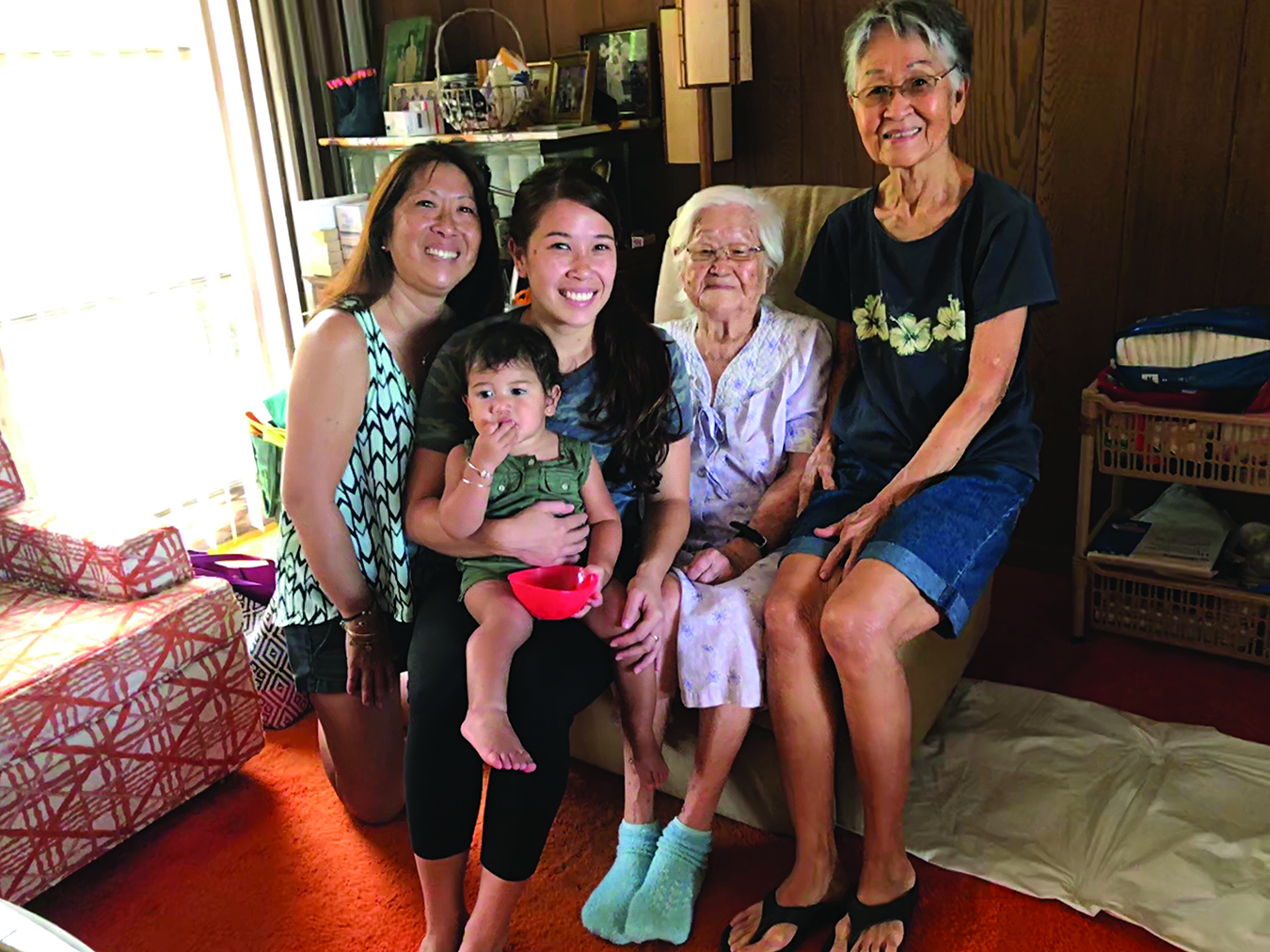
The generational caregiving team. L-R: Terri, Megan and Ale‘a (baby), Kazue and Gladys.
In 2017, Terri’s dad, who was suffering with Alzheimer’s disease, was diagnosed with terminal cancer and passed away on Moloka‘i. Her mom went into a deep depression. Terri brought her mother to Maui to recover at Grandma’s house, but soon it became clear that her condition was not going to improve.
Terri’s daughter also had come from O‘ahu to live with Terri after the birth of her baby. With so many loved ones to care for, Terri faced the financial and logistical issues of managing two households and a large team of homecare and service providers.
“Caregiving is a group activity; one family caregiver cannot do it alone. Maui County services for elderly and disabled persons are a very big help, but managing all the services, appointments and care duty for my family is a huge job. I do the management part, and one of our aides schedules all shifts. We now have five aides covering days and weekend nights. I cover weekday nights but take respite on the weekends.
“When Grandma got sick, a lot of people told me to take care of myself, but I didn’t get it. I wore myself out because I didn’t know what decisions to make, or where to get good information and assistance. There wasn’t enough time in the day to care for Grandma and Mom’s needs and maintain my strength. My auntie, who lives across the street, was good support and encouraged me to reach out for help. What I tell other caregivers now, is to reach out soon. Carefully assess your own physical and emotional needs — because if you get worn down or sick, your loved ones will suffer. My version of balance is to be a good businesswoman, and manage caregiving like a very important business project. This is my talent, and comfort zone. Family caregivers can find a personal balance that preserves who they are, and uses their talents.
“Some days are very hard, but caregiving can be its own joyful reward. It makes me happy to know that I can provide care and do what is good for everyone. I am creatively carrying out my kuleana of caregiving, and my family is safe.”
I don’t know if anyone is really prepared for family caregiving — it all happens so suddenly,” says Terri Jorgensen of Maui. She became a family caregiver in 2016, when Maui Memorial Hospital discharged her 101-year-old Grandma.
Many family caregivers come home to Hawai‘i to assist aging parents. But how about caregiving overseas? When my mother died, Dad was 93 years old and was already slipping into dementia. His younger brother (in his late 80s), had retired to Luzon, Philippines, with his wife and insisted on providing care for his older brother, who had done so much for him and his family. He converted a part of his home to accommodate Dad and a live-in caregiver.
Dad’s retirement income was enough to pay for his 24-hour care there. Luckily, the US dollar’s value made it possible to get the quality… and personal care needed. Plus, his health was good and he didn’t need heavy medical attention — whew!
I had hoped Dad was good with this plan, but the reality of logistics took my brother and me by surprise. To make this move there was plenty to consider, like dual Philippine citizenship in case he needed to utilize the country’s social services and an international bank that offered online banking. My wife and her family there played a critical role lining up qualified caregivers fluent in Ilocano and English — communication was top on our list.
We spent a couple of weeks in Luzon interviewing well-qualified candidates and hired the finalists for one full shift to be sure they were both compatible with and acceptable to Dad. We wanted a focused companion, who would take initiatives and look for changes in health and behavior as Dad’s condition progressed, but foremost one who cared. Uncle was our ears and eyes.
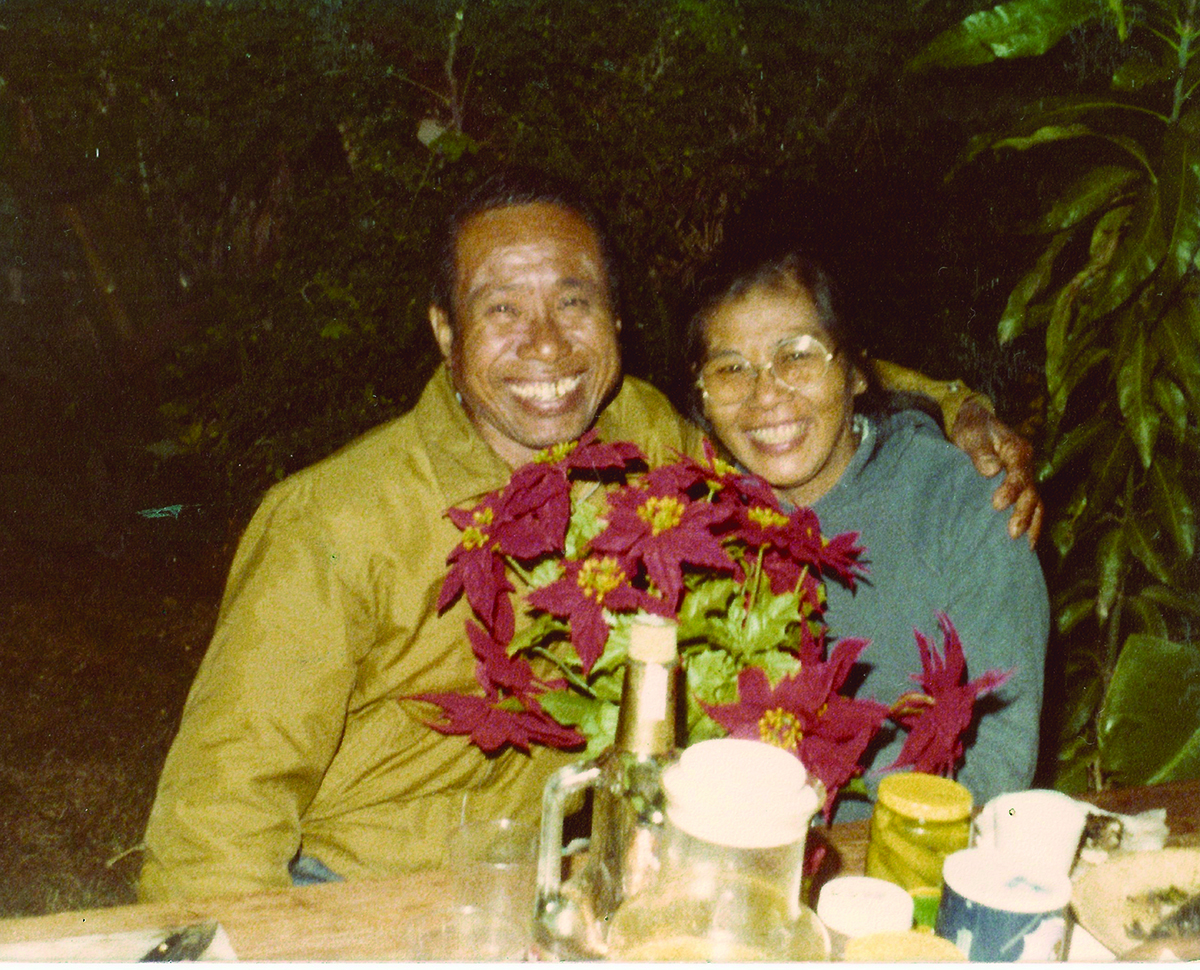
Left: Mom and Dad in their earlier years just having fun. Right: Dad and his caregivers. Jonalyn, left, was his primary caregiver and Sonya and Liza were her support help.
At times, I felt guilty skirting the experience of truly caring for my father personally. Unlike some of my friends who had given up their personal lives to do just that. The 12-hour Manila flight and six-hour bus ride to La Union province every six months was our only contact with Dad, who was too hard of hearing to converse by phone. I wondered if it was the right thing, taking him so far away. I promised to bury him next to Mom. Though the process of bringing his remains home was complicated, I did it. Uncle got to honor his older brother and in turn he relieved us from some of the financial burden required to set up the same personal care here in the States.
All I can say is every family is unique. Caregiving from far away is a logistical maze with very careful planning… and soul searching, even when you have dedicated professionals that your loved one trusts, and a supportive family overseeing the care. Dad was happy and was cared for with love — that’s what mattered most. (Publisher’s advice: Do your research. Speak with legal, financial and health professionals experienced in overseas care.)
Many family caregivers come home to Hawai‘i to assist aging parents. But how about caregiving overseas? When my mother died, Dad was 93 and slipping into dementia. His younger brother had retired to the Philippines, with his wife and insisted on providing care for his older brother, who had done so much for his family.
Central to the Hawaiian culture is the value of ‘ohana,’ or family. Maintaining the “family health” was of utmost importance and was achieved through the regular practice of ho‘oponopono. In the article, “To Set Right Ho‘oponopono A Native Hawaiian Way of Peacemaking,” Manu Meyer discusses how families practice ho‘oponopono.
Traditionally, ho‘oponopono discussions were facilitated by a haku, who assisted the family in working out problems through a series of discussions. This led to understanding of each family member’s perspectives and resulted in mutual forgiveness and resolution.
Ho‘oponopono has been compared to the modern-day Alternative Dispute Resolution. A key difference is that ho‘oponopono was not only used to resolve dispute, it also was used to prevent disputes within the family.
According to Roy William & Vic Pressor of Preparing Heirs, “Sixty percent of transition failures were caused by a breakdown of communication and trust within the family unit.” The potential influx in trust litigation is foreseeable, due to the aging demographic of baby boomers, Hawai’i’s high cost of living and the increase in multigenerational homes.
Encouraging clients to partake in often difficult and sometimes messy family discussions, while everyone still is alive and able, is integral in preventing unwanted litigation. A haku or a ho‘oponopono facilitator may be effective in resolving family disputes.
Stephen B. Yim, Attorney at Law
2054 S. Beretania St., Honolulu HI 96826
Central to the Hawaiian culture is the value of ‘ohana,’ or family. Maintaining the “family health” was of utmost importance and was achieved through the regular practice of ho‘oponopono. In the article, “To Set Right Ho‘oponopono A Native Hawaiian Way of Peacemaking,” Manu Meyer discusses how families practice ho‘oponopono. Traditionally, ho‘oponopono discussions were facilitated by…
Seek help when caring for aging parents, especially during the busy holiday season.
The search for holiday perfection can set the bar high for caregivers. Starting as early as Thanksgiving, they’re flooded by images of families happily enjoying one another. And why not? As a home healthcare provider, we know family support goes a long way for parents aging in place. But when adult siblings are involved, they also can have their differences on parents’ needs. Left unchecked, these differences can bring out the best and worst in family relationships – especially during the holidays.
The demands of caregiving can challenge sibling rivalries and shift the focus away from parent care. When this happens, family members sometimes find themselves arguing over past wounds. Siblings not on good speaking terms may dwell on negative pasts.
“The holidays can bring back all of the pecking-order stuff that siblings thought they could forget,” says Wika Puuohau, RN, Client Service Supervisor at Attention Plus Care. “It can return adults back to small-kid time.”
A sibling who is less active with caregiving also may seem distant and react with more anger or blame toward other siblings. Sometimes, this is an attempt to avoid facing the eventual passing and loss of a terminally ill parent. On the other hand, a more involved sibling may react differently and express more sadness or grief. When caregiving duties for a parent begin, one sibling also may take over as the primary caregiver and cause disagreements among siblings about who is in charge. The more involved, active caregiver is now at risk for burnout, while the other sibling takes a backseat to watch the show. “That’s when I put my coaching hat on,” Puuohau adds.
These situations can add to the stress and resentment siblings already may have for one another, brought on by the holidays, interfering with the priorities of caring for parents. Siblings not talking with one another, or not wanting to keep others informed about their parents’ condition, also can hinder important information from getting to a healthcare provider. So how can family members and siblings work together to care for parents? Here are tips for siblings during the holidays:
♥ Make time for sibling communications.
♥ Share realistic expectations and goals.
♥ Keep lines of communication open.
♥ Seek to understand first instead of blame.
♥ Get input from those affected by decisions.
♥ Accept family as they are and not as you wish.
♥ Seek common ground during calmer times.
♥ Use an objective party to facilitate disputes.
♥ Be thankful and share gratitude with others.
Adult siblings caring for parents can make the most of their time and efforts together. With preparation, the holidays can be a time for new traditions and positive experiences for siblings. It also can be a chance for rivals to be on better terms with one another for years to come. Now that’s a gift our parents really want!
ATTENTION PLUS CARE HOME HEALTHCARE
Accredited by The Joint Commission
AGING IN HAWAII EDUCATIONAL OUTREACH PROGRAM by Attention Plus Care — a program providing resources for seniors and their families, covering different aging topics each month. For class information and upcoming topics, call 808-440-9356.
The search for holiday perfection can set the bar high for caregivers. Starting as early as Thanksgiving, they’re flooded by images of families happily enjoying one another. And why not? As a home healthcare provider, we know family support goes a long way for parents aging in place. But when adult siblings are involved, they…
In March, during a mainland trip to visit our college daughter, I started receiving phone calls from old family friends whom I haven’t heard from in years. What I thought were surprise hellos were concerned calls.
Kimiko Suzuki, who lived at Kalākaua Gardens senior living community, passed away on July 29, 2017.
My mother, Kimiko Suzuki, 88, had reached out to them due to a sudden onset of fluid buildup in her legs.
Three years earlier, my dad, at age 84, had passed away from a heart attack. My mother, a year older than my dad, still was physically and mentally strong. She had continued with the family business, which kept her active and filled with a sense of purpose.
But now, her ability to walk was greatly hindered due to fluid buildup in her legs, later diagnosed as edema from stage 3 kidney failure. The edema prevented her from getting around the house, and even preparing meals for herself.
When my wife and I returned from our trip, I quickly transferred my mother to our home, intending to care for her for as long as we could. However, within a few days, I quickly found my mission had become impossible.
Our home is a three-story townhouse. The nearest restroom was next to a flight of stairs. With her inability to walk, even with a walker, she grew fearful of going to the restroom. A simple bath took nearly an hour because the full bathroom is located on the third floor.
When I went to work and left her alone during the day, I realized my action bordered on neglect.
A little over a week after trying to adjust to this life, my mother suddenly said the most striking thing to me: “It would be all right if I went to a retirement home.” These words were significant because in the first days of her stay with us, she insisted on not being put in any sort of foster care.
I must thank my mother for realizing her illness was beyond the limits of our family’s ability to care for her. I still feel guilty for sending my mother to Kalākaua Gardens. I
visited her daily during lunch or dinner and spent two hours with her. After a short adjustment period, my mother found her way at Kalākaua Gardens.
I didn’t have a concrete plan in place when my mother fell ill. I now realize the importance of learning in advance about aging.
Every family’s decision will be different based on a variety of factors — the degree of illness, number of caregivers and money available for care. I do not feel there is one right way. I made the best decision for my family based on our situation. Others may second-guess my decision.
If your parents live long enough, you will go through what I have. Please prepare. Be realistic about your role as a caregiver.
I thought I could do more, but I admit that I reached the limits of my abilities.
I want to thank everyone at Kalākaua Gardens for their assistance. They truly are angels.
I also want to thank my wife for her understanding and patience, and for helping us to adjust to our family’s changes.
HELPFUL RESOURCES
In caregiving, gain as much knowledge as you can about elderly needs and care. Some helpful resources:
AARP HAWAII
1132 Bishop St., Ste. 1920, Honolulu HI 96813
In March, during a mainland trip to visit our college daughter, I started receiving phone calls from old family friends whom I haven’t heard from in years. What I thought were surprise hellos were concerned calls. My mother, Kimiko Suzuki, 88, had reached out to them due to a sudden onset of fluid buildup in…
I’ve been researching my ancestors for about 20 years. On my Hawaiian side, I’ve gone back five generations, and three generations on my Filipino side. I get so excited when I connect the dots in my family tree and discover a new family member, because I now have a name and story to share with my grandchildren.
I’ve been blessed with three granddaughters and two grandsons. Analea, 13, loves to draw and has her own blog. Olena, 11, loves to cook and listen to my stories. Hoku, 4, who loves to talk and show me how to use her iPad, is the sole survivor of triplets. My grandsons (her brothers) Nahoa and Koa, lived a few hours.
I tell my grandkids stories about their ancestors, including Uncle Travis, my son who passed away at age 23 and loved to draw. They want to one day own some of his drawings. When we visit Hilo, I make an effort to take them to the gravesites of their ancestors. Before my father passed away in HPP, Kea‘au, I took the girls to visit him and took pictures of each of their hands holding their great-grandfather.
The author’s grandchildren Olena, 11, Analea, 13, and Hoku, 4.
A few years ago, I started a private family blog that only my husband and children can access. There, I share ancestors’ pictures and stories, journal entries from my youth, family traditions, photos of treasured items from my parents, and letters from my late grandparents. When my grandchildren are older, I will open this blog to them so they can learn about our family.
In February, I attended a genealogical convention in Utah, where I purchased four DNA kits for my family and am hoping to learn more about my family. I want my children and their future families to know where they came from and lessons that can help them in their lives. I want them to know they are connected to a rich heritage.
GENEALOGY RESOURCES
familysearch.org holds the world’s largest database of genealogical records.
ancestry.com provides DNA testing and tools to create a family tree.
myheritage.com helps people connect with others looking for the same ancestors, or who share the same DNA.
Family History Centers of The Church of Jesus Christ of Latter-Day Saints (Mormon chapels) are staffed with volunteers specialized in genealogy. For the nearest center, visit familysearch.org/locations/
I’ve been researching my ancestors for about 20 years. On my Hawaiian side, I’ve gone back five generations, and three generations on my Filipino side. I get so excited when I connect the dots in my family tree and discover a new family member, because I now have a name and story to share with…