Tag: covid-19

  • Dementia Patients, Caregivers & COVID-19

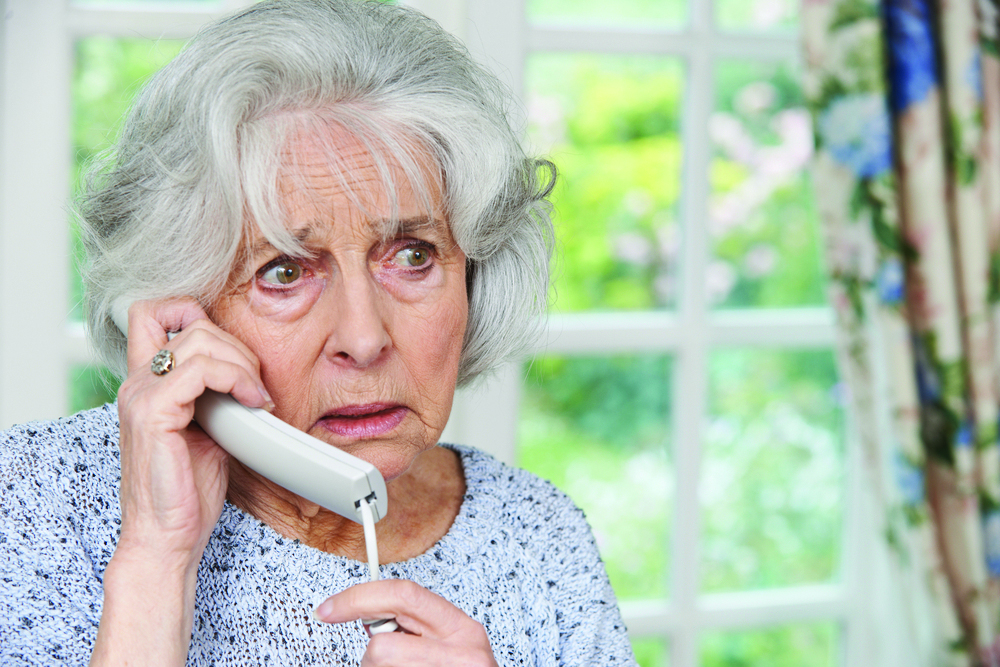
    {Play}The disruption can cause them greater confusion and increased stress, which may prompt abnormal behaviors, such as acting out.

    The best thing family caregivers can do while keeping their loved one home during the pandemic is to establish new routines. Make a daily schedule that incorporates consistency in activities. This new routine will soon become the new norm.

    One normal routine seniors with dementia and their families have grown to depend upon is adult day care, which provides respite for families and activities, exercise and an opportunity for socializing for the senior. All of these have been proven to help slow the progression of dementia. But because many centers closed during the pandemic, families have reported noticeable cognitive decline in their loved ones.

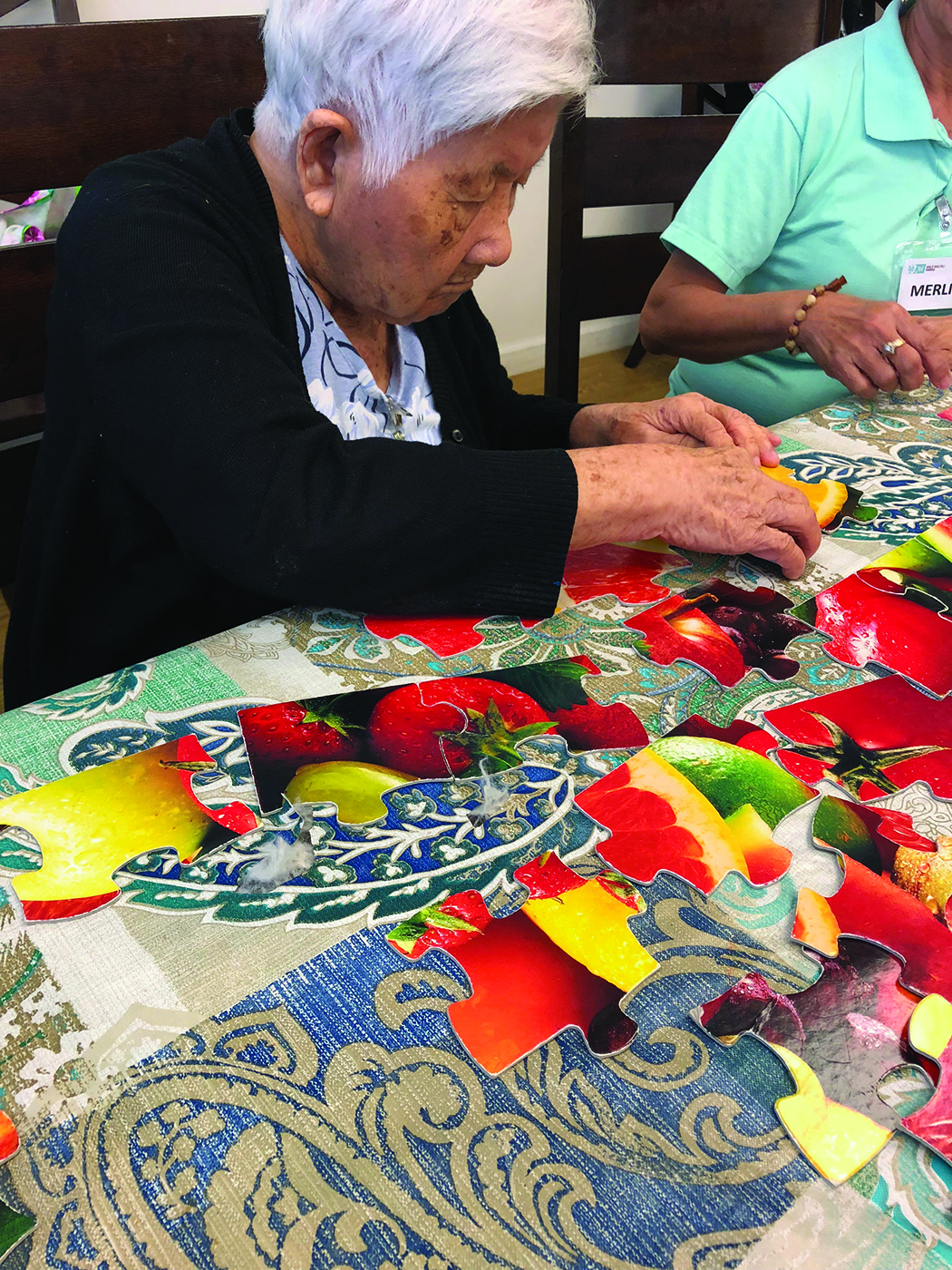
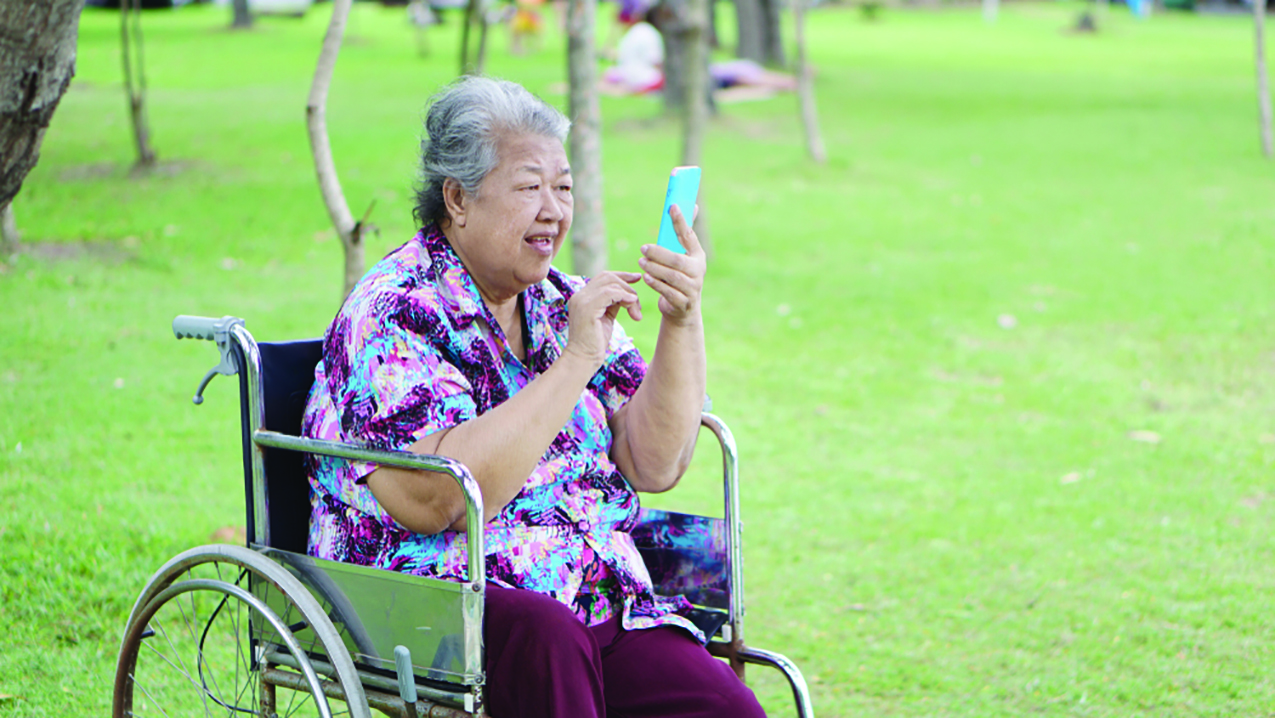
    Family caregivers can help by scheduling simple daily exercises and engaging them in activities, such as puzzles, singing, or arts and crafts. To help them socialize, set up FaceTime or Zoom meetings with friends and family.

    Other challenges and disruptions for seniors with dementia are the safety measures needed to prevent the spread of the virus. Seniors with dementia may not understand why they need to wear a mask and will refuse to do so willingly. They may not fathom the importance of thorough handwashing and must be assisted. They may not grasp the necessity of socially distancing from their loved ones.

    And the general public may not understand these aspects of dementia when they see a senior without a mask and not social distancing. Signage that explains why some seniors aren’t wearing masks might be helpful. To increase the public’s awareness, more emphasis on how dementia patients are affected by the pandemic could be discussed in statewide town hall meetings and televised press conferences.

    The state’s COVID-19 press conferences encourage everyone to wear masks to curtail the spread of the disease. Due to health problems, some people are not able to wear them — this includes some dementia patients.

    Health and safety come first, but tolerance and understanding are more important than ever.


    HALE HAU‘OLI HAWAI‘I
    98-1247 Kaahumanu St., Ste. 207, Aiea, HI 96701
    808-798-8706 | kwyatt01@aol.com
    www.halehauolihawaii.org

    The COVID-19 pandemic has affected everyone in some way. But our most vulnerable population, our senior citizens — especially those with dementia — are being particularly challenged. Our normal routines have been altered during the pandemic. This can be devastating for dementia patients, who thrive on the consistency of a regular routine.

  • Caregiving During COVID-19

    As overwhelming as it may be, we have the responsibility to guide our loved ones through this difficult time. Here are a few tips to help our care partners continue to provide care, compassion and find time for self-restoration.

    Ask your primary care physician for a telehealth appointment

    Telehealth is a visit with your doctor or specialist powered by digital technologies. It allows us to experience the physician visit without the travel and unnecessary exposure. In today’s society, it is difficult and somewhat scary to book appointments in person and get a PLWD to and from the doctor’s office. As a resident care manager caring for six ku¯ puna, I’ve found that telehealth appointments are easily accessible while allowing our ku¯ puna to stay in the comfort of their home. We spoke directly to the doctor within 15 minutes and were able to have all our questions answered.

    Learn how to use video call apps

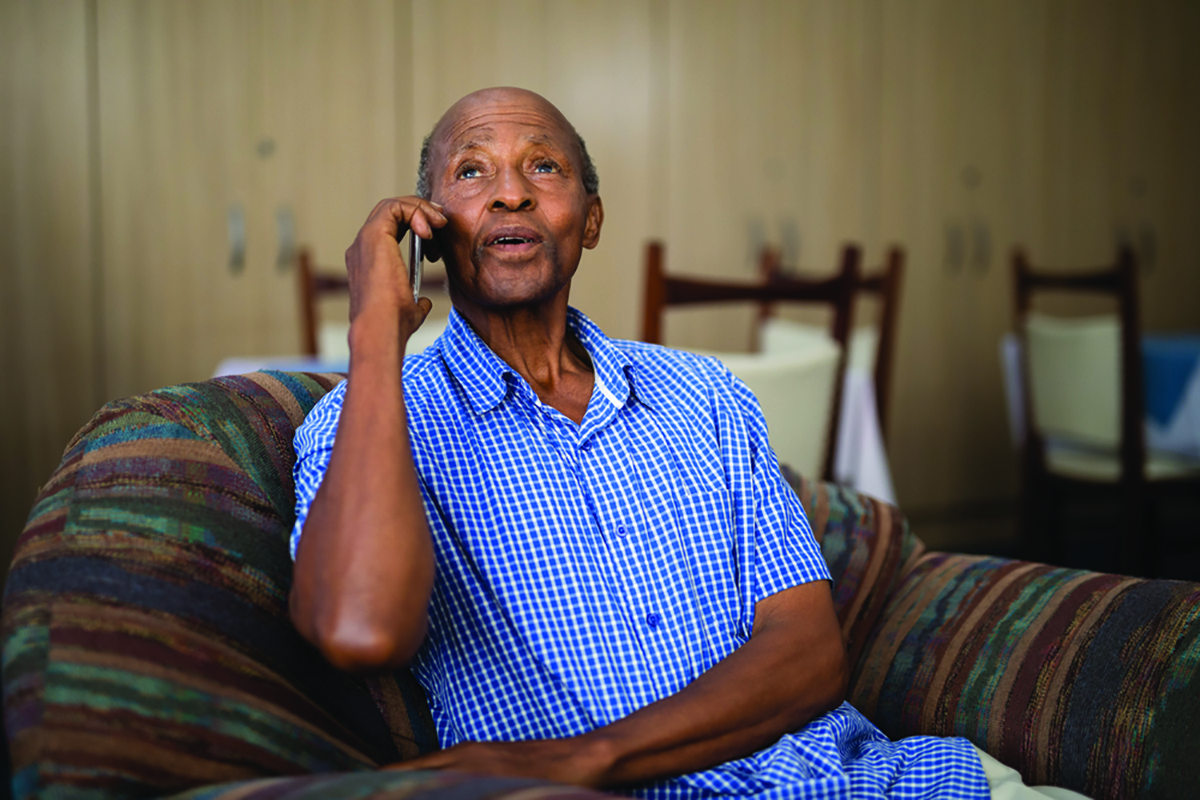
    FaceTime, Skype, Zoom, GoToMeeting and any video call app will suffice for video calls. At this time, care homes are following strict CDC guidelines by decreasing visitations. Our residents and families are very understanding of these changes but also find it frustrating to be distant from each other. In lieu of regular in-person visits, we transitioned to scheduling Zoom meetings. All you’d need is a smartphone or laptop computer to allow you to have interaction with your loved one. Video calls, letters and phone calls are crucial to keeping our residents happy and fulfilled.

    Make time to care for yourself

    Everyone knows that you need to put your mask on before a child’s in a distressed airplane. The same concept applies to caregiving. Burnout will happen if you don’t take precautions. Find a relief care partner for a few hours and take a break. Go somewhere that helps relieve your stress. Go for a drive, read a book, listen to music, enjoy a cardio workout or go for a walk. Taking breaks is vital in order to give sufficient quality care to our loved ones.


    KINA‘OLE ESTATE
    Adult Residential Care Homes
    808-233-4455 | beth@kinaoleohana.com
    www.kinaoleestate.com

    The COVID-19 pandemic has all of us dealing with additional stressors in life, and many of us may find that our abilities to deal with conflict and issues are short-fused. People living with dementia (PLWD) rely on their care partners to provide assistance with activities of daily living with kindness and compassion. PLWD also require…

  • Help Is On The Way During COVID-19

    With the reopening of the state after shutdowns mandated by local government in recent months, kūpuna and other vulnerable people have become more fearful of venturing out into the community to shop and run errands as the coronavirus continues to spread with more people out in public. The demand for food, supplies and assistance has grown in response to unemployment. An increasing number of kūpuna say they do not have sufficient resources to feed themselves.

    Help Is On The Way

    To address these issues, Gregory R. Kim cofounded Help Is On The Way in March 2020, a nonprofit grassroots  organization that offers free pickup and delivery service on O‘ahu to help meet the needs of kūpuna who are restricted to their homes, those who are quarantined and individuals with medical conditions in the midst of the COVID-19 pandemic.

    Services are Simple to Use

    Pickup and delivery items include groceries and household goods, prepared and frozen meals, farmers’ market produce, toiletries, prescriptions, appliances and other deliverables. Typically, Help Is On The Way clients order and pay for groceries, and volunteers pick them up and deliver them. (Volunteers do not shop or handle money.) The organization also guides clients to other agencies and resources that might assist them.

    The organization has also stepped up to help with Hawai‘i’s food security needs with its own food drives in partnership with Central Union Church that collect nonperishable food and toiletries. Angel Food Network volunteer drivers across O‘ahu have a ready supply of bags of food for quick delivery upon request to kūpuna and others.

    How to arrange a pickup and delivery

    STEP 1: Place an order by calling a store, pay, get a confirmation number.
    STEP 2: Contact Help Is On The Way to request delivery of your order. (Delivery may take one to two days.)
    STEP 3: Volunteers will deliver your items to your location.

    Help Is On The Way is a member of the Kupuna Food Security Coalition managed by the City and County of Honolulu, Elder Care Division; and the Aloha United Way 211 network. Contact Help Is On The Way for a delivery, to make a donation or to sign up as a volunteer, through the information provided below.


    HELP IS ON THE WAY
    1926 Kakela Drive, Honolulu, HI 96822
    406-426-1013 | hihelpisontheway@gmail.com
    www.hihelpisontheway.org
    Help Is On The Way also connects those who cannot afford food with programs and organizations that can help.

    With the reopening of the state after shutdowns mandated by local government in recent months, kūpuna and other vulnerable people have become more fearful of venturing out into the community to shop and run errands as the coronavirus continues to spread with more people out in public. The demand for food, supplies and assistance has…

  • Keeping Kūpuna On the Move is Essential

    An interview with Denise Soderholm of Soderholm Mobility Inc.

    How has the transport business for seniors been affected by COVID-19?

    Initially, I think the overall private transport business literally fell off a cliff in early March as tourism abruptly stopped and the State of Hawai‘i went into lockdown. The businesses in Hawai‘i quickly came together to provide solutions to safely transport our kūpuna. Fortunately, transport vehicles for retirement facilities and adult day programs have still operated. I was glad that was happening because transportation is vital for our seniors, even though they’ve cut back on traveling because of the lockdown mandates. But the necessary travels to the doctor are essential, as well as to the grocery store and pharmacy. Right now, a lot has fallen onto family for transportation — and that has caused an extra burden for them. However, there have been alternative solutions that businesses have adopted and included in their services, such as special senior and disabled shopping hours as well as store-to-door delivery so that the most vulnerable can still obtain their necessary medications or food.

    During the state’s pandemic mandates, how have client services changed?

    Well, the most obvious for businesses was to incorporate extra safety measures to keep staff, technicians and customers secure. Safety concerns for the more vulnerable and aged populations were paramount for everyone. COVID-19 just couldn’t take hold in those businesses. Many acquired new disinfectant products that are known to be effective for up to 30 days.

    How are seniors faring with changing businesses and client services?

    We’re in such a different time now. Everything around us just seems to be moving by so quickly. So I can only imagine how our seniors are viewing the world around them. I don’t expect them to keep up, but it just seems you almost have to, because technology is now playing a major part in our lives. Seniors must learn the devices we are using in our shifting business landscape.

    Our business as well as many others are focusing on maintaining client communication via tablets, smartphones or what have you. FaceTime and Zoom are being widely used for one-on-one interaction and demonstrations with customers. Something that was once done in person is now an alternative norm — such as virtually examining new mobility equipment. Of course, the old phone call interaction is still always available. But definitely going virtual for businesses has dialed up the client services format.

    YouTube videos are also another method businesses used as they began to think out of the box. Video demonstrations have been popular and businesses have incorporated those videos into their websites. And that’s where and how businesses are adjusting. Not only are clients able to get information about certain products, but transactions are done completely from their own home.

    While online shopping may be popular, we need to recognize the importance of buying local. Warranty, service and repair for products purchased is best done on a local basis by a trusted provider. We want to recognize that as we all try to rebuild our local Hawai‘i economy.

    For businesses in the senior industry, what has been the biggest challenge overall?

    The biggest challenge in this COVID-19 environment was the initial shock and stress of how to do business with restrictions and constantly changing situations. Thinking out of the box was required. With that, new opportunities became available. In a way, there’s always a silver lining to every situation because it forces you to adapt and be flexible, and to change along with uncertain footing. You certainly remain light on your feet just so you’re always prepared.

    In conjunction with the first question, I think the biggest challenge overall for seniors, still, is travel. Travel is such an integral part of our daily lives. We never thought twice about it before this pandemic. We’ve taken that and a lot of other things for granted; socialization stands out enormously. Seniors aren’t able to attend their daily social events, such as going to the park, a friend’s house, a senior club, etc. Travel is essential as they need to get from point A to point B.

    Businesses in this industry must know the importance they play in this modality. They have stepped up and found creative ways to continue their business while keeping seniors mobile in a safe environment.

    I have no doubt that the businesses that serve the disabled and aged communities in Hawai‘i will continue to evolve.

    How do you think Generations Magazine has impacted our kūpuna community?

    I would say Generations Magazine has made a great impact by providing a plethora of valuable information for our kūpuna and their related community. As an individual with mobility challenges, I started reading the magazine in the doctor’s office years before I dreamed of being close to the kūpuna target age group.

    Generations Magazine contains so many resources and I learn something new with each issue. The Generations community of contributors is also one of compassion and understanding. To have a single, reliable source of ku¯ puna-related information is vital to our community.

    We’re proud and honored to be a Generations Magazine partner!

    Initially, I think the overall private transport business literally fell off a cliff in early March as tourism abruptly stopped and the State of Hawai‘i went into lockdown. The businesses in Hawai‘i quickly came together to provide solutions to safely transport our kūpuna.

  • How to Avoid Charity Fraud

    It may be hard to believe, but during natural disasters such as hurricanes and earthquakes — and even the current COVID-19 pandemic — unscrupulous scammers set up fraudulent fundraising operations to take advantage of Good Samaritans who want to help.

    Charity fraud is committed when a perpetrator creates a bogus fundraising operation, aiming to take advantage of our sympathies, goodwill and generosity. Charity fraud may also occur when a legitimate charity represents that funds will be used for one particular purpose, but the money is used for other purposes. There are many worthy causes, so don’t let the possibility of fraud dissuade you from donating. Here are tips to help ensure your donations are put to good use.

    • Ask how your donation will be used. Make the caller be specific. If the answer is vague, be wary.
    • Check registration. Every charity that solicits contribution in Hawai‘i must register with the Tax and Charities Division of the Department of the Attorney General. Search the AG registered charities database at www.ag.hawaii.gov/tax.
    • Check the IRS website EO Select Check at www.irs.gov/charities-&-non-profits/exempt-organizations-select-check. Type in the charity name to see if its federal tax standing is valid.
    • You may also check other charity watchdogs, such as Charity Watch (www.charitywatch.org), Better the Business Bureau’s Wise Giving Alliance (www.give.org), Charity Navigator (www.charitynavigator.org) or GuideStar www.guidestar.org).An internet search is also advised.
    • Make sure you understand which organization is requesting your money. Some scammers use names that sound similar to legitimate charities.
    • Ask what percentage of your donation goes toward admini {Play}strative costs versus the program itself. The acceptable percentage is up to you. To check the charity’s financial reports, go to www.ag.hawaii.gov/tax.
    • Do not pay over the phone and scrutinize written material sent to you.
    • Pay by check or credit card; never cash.
    • Note that scammers can change their caller ID to make it appear as a local number.
    • Call the organization to verify the caller’s name and request. Despite these safeguards, if you feel that you have been the victim of a scam:
    • Call 9-1-1.
    • Call the Department of the Attorney General, Tax and Charities Division, at 808-586-1480 or email ATGCharities@hawaii.gov.
    • Call the Federal Bureau of Investigation at 808-566-4300.
    • File a report on the Federal Trade Commission website: www.ftc.gov/complaint.

    Follow these tips to help ensure your money is going to a worthwhile program.


    STATE OF HAWAI‘I DEPARTMENT OF THE ATTORNEY GENERAL, TAX AND CHARITIES DIVISION
    425 Queen St., Honolulu, HI 96813
    808-586-1480 | ATGCharities@hawaii.gov
    www.ag.ehawaii.gov

    It may be hard to believe, but during natural disasters such as hurricanes and earthquakes — and even the current COVID-19 pandemic — unscrupulous scammers set up fraudulent fundraising operations to take advantage of Good Samaritans who want to help.

  • COVID-19 and The Market

    Historic market volatility has washed over the globe in recent weeks. The spread of COVID-19 (the disease caused by coronavirus) has precipitated a record drop in the stock market and a sharp plunge in bond yields, sending the U.S. into its first bear market in over a decade. People around the world are facing a health crisis that’s driving an economic crisis, which are leading to high levels of anxiety for families and individuals regarding their well-being and financial situation. Unfortunately, it’s too soon to tell just how long this environment will last. So, what can you do to cope with market volatility in the meantime? And what can we learn from past global pandemics?

    Virus Outbreaks and Stock Market Performance

    There is no doubt that this pandemic is different and has caused a larger dislocation than past virus outbreaks. However, it’s still encouraging to note how financial markets have historically rallied following major health crises. The S&P 500® Index reveals that markets have generally delivered positive returns in the six to 12 months following the peak of a virus outbreak.

    This isn’t to say that investors should stick their heads in the sand and pretend the downturn isn’t happening — this is a very serious and difficult situation. Eventually though, markets should return to some level of normal and slowly, the economy will come back to life. Of course, the past is no guarantee of future results, but historically, even the worst markets have been temporary dips in a general march higher for stocks.

    What you can do during this time of volatility:

    Remember the power of diversification:
    Instead of selling your stocks in an attempt to cut losses, review your portfolio to see if it is properly balanced between stocks, bonds and cash that align with your goals, time horizon and ability to manage risk. While a diversified portfolio can’t guarantee profits or protect against all losses, it can greatly reduce the impact of volatility.

    Stay focused on your long-term goals:
    Remember, your investment strategy is based on your goals, not headlines. While it’s important to be aware of the news related to COVID-19, particularly from a health perspective, don’t let your emotions affect your investing. Keep your  portfolio on a steady course. Volatile periods in the market can create good opportunities to either invest more or to adjust your portfolio. Ensure that any investment decisions you make are in line with your long-term interests and financial objectives.

    Revisit your views on risk:
    A significant market downturn serves to remind you that investing involves risk. Market swings provide an opportunity to reassess your portfolio’s risk level and determine whether that amount is appropriate for your circumstances. The level of comfort (or discomfort) you feel when the market fluctuates substantially is a good way to assess whether your portfolio reflects your current risk profile.

    Meet with a financial professional:
    If you are concerned about the recent performance of the markets, contact your financial advisor. Together, you can talk about your financial goals for the future and what steps you can take next to start on the path to achieving them.


    MICHAEL W. K. YEE, CFP
    1585 Kapiolani Blvd., Ste. 1100, Honolulu, HI 96814
    808-952-1222, ext. 1240 | michael.w.yee@ampf.com
    Michael W. K. Yee, CFP®, CFS®, CLTC, CRPC ® is a Private Wealth Advisor, Certified Financial Planner ™ practitioner with Ameriprise Financial Services Inc. in Honolulu, Hawai‘i. He specializes in fee-based financial planning and asset management strategies and has been in practice for 35 years. Investment advisory products and services are made available through Ameriprise

    Financial Services Inc., a registered investment advisor.
    Ameriprise Financial Services Inc. Member FINRA and SIPC.
    © 2020 Ameriprise Financial Inc. All rights reserved.

    Historic market volatility has washed over the globe in recent weeks. The spread of COVID-19 (the disease caused by coronavirus) has precipitated a record drop in the stock market and a sharp plunge in bond yields, sending the U.S. into its first bear market in over a decade. People around the world are facing a…

  • Going to the Dentist After COVID-19

    Hopefully, the COVID-19 virus is now under control and life is back to normal. Regardless, one of the lessons we learned through this pandemic is better personal hygiene.

    Dentists were asked to help contain the spread if the virus by limiting their care to only emergency visits. The main concern was patients spreading it to each other while in the office. Just as concerning was the direct exposure of the virus to dentists and their staff — and possible spread to their families.

    Once this crisis is over, it should be very safe to visit your dentist again. Dental offices have high infection control standards. Many place disposable plastic barriers on dental chairs and equipment that are used during treatment and are changed between patients. Surfaces are wiped down with disinfectant solutions. Gloves are changed after each patient and masks are worn during procedures.

    Rest assured that dentists have been and will continue to ensure your safety at their offices.


    DR. PAUL K. TANAKA, DDS
    4747 Kilauea Ave., Ste. 113, Honolulu, HI 96816
    808-737-6229 | office@paultanakadds.com
    www.paultanakadds.com

    Hopefully, the COVID-19 virus is now under control and life is back to normal. Regardless, one of the lessons we learned through this pandemic is better personal hygiene. Dentists were asked to help contain the spread if the virus by limiting their care to only emergency visits. The main concern was patients spreading it to…

  • Working Out at Home

    Due to the novel coronavirus, gyms and fitness studios closed, and many classes are completely canceled or available online only. Now, it is more critical than ever to improve your fitness to fight off COVID-19, as well as the common cold and flu.

    A strong, healthy immune system is the best defense for fending off illnesses caused by viruses, bacteria and fungi.

    Walking is a great way to get moving, especially at a brisk pace. Add some resistance training and you’ll keep your body strong and fit.

    Functional fitness becomes more important as we age in order to achieve or maintain a robust quality of life.

    Functional fitness helps you feel better, makes you less prone to injury, improves balance and brain health, and builds and tone muscles.

    Improving or extending your “doability” will enable you to continue doing what you love.

    Activities such as taking care of grandchildren, traveling, gardening and socializing are all enhanced by improving your functional fitness so that your body can move freely and without pain.

    Here’s a simple plan to follow that you can do in your own home without any fancy equipment. The plan can be modified to your fitness level.

    20-Minute Workout — No Equipment

     Functional Warm-Up (5 minutes)
    Do the following moves for 30 seconds. Repeat the entire sequence three times.

    1. March in Place. Increase the height of your knee lift as you progress.
    2. Jumping Jacks. Reduce impact by keeping one foot on the ground at all times.
    3. Squat Reach. Feet hip width apart, squat down, keeping knees apart and chest up, then stand up and reach. Increase the depth of your squat and the height of your reach as you go.

     Functional Fitness Workouts (15 minutes)
    Do each of these moves for 10 repetitions. Repeat the entire sequence three times. Rest as needed.

    1. Chair Stands. Sit on a chair, then stand, using your hands if needed.
    2. Stepping Over a Dog. Lift leg high and step in all directions; forward, backward and sideways.
    3. Tandem Walking. Walk as if on a balance beam with one foot in front of the other.
    4. Bridge. Lie down with feet flat on a mat. Raise and squeeze your butt, then lower.
    5. Pushups on Your Knees. If you can’t get on the floor, use a wall or bench.

    Cool down with a 10-minute walk.


    FRAN PATOSKIE
    CPT, GFI, Certified Fascianation Method Practitioner
    808-349-5598 | franpatoskie@gmail.com

    Due to the novel coronavirus, gyms and fitness studios closed, and many classes are completely canceled or available online only. Now, it is more critical than ever to improve your fitness to fight off COVID-19, as well as the common cold and flu.

  • Share Aloha, Not Germs

    Hawaii Dental Service (HDS) is sharing oral health tips seniors can practice every day to help limit the spread of harmful viruses.

    Don’t Share Food, Drinks or Utensils

    It may seem like common sense, but sharing eating utensils, food and drinks with a friend or loved one may come with certain risks. These acts of sharing can easily transfer germs from one body to another. HDS recommends everyone has their own eating utensils, food and drinks during meals.

    Don’t Share Toothbrushes, Floss, Toothpaste

    Sharing a toothbrush, floss or toothpaste may also lead to health problems because every mouth may harbor hundreds of different bacteria and viruses that can be transferred from mouth to mouth. It also makes both users susceptible to tooth decay, gum disease and oral infections. Every person should have his or her own toothbrush,
    floss and toothpaste at home.

    Brush, Floss and Visit the Dentist!

    Brush twice a day, floss daily and visit your dentist regularly! Poor oral health directly impacts your overall health. Healthy habits help you and your loved ones combat germs so you can live well and smile more.


    HAWAII DENTAL SERVICE
    Kahala Howser, Wellness & Events Manager
    808-521-1431 | khowser@hawaiidentalservice.com
    www.HawaiiDentalService.com

    Hawaii Dental Service (HDS) is sharing oral health tips seniors can practice every day to help limit the spread of harmful viruses.

  • Finding GOOD in the COVID-19 Pandemic

    Many of us are affected by the anxieties that come with the COVID-19 pandemic. But my boss once told me, “In chaos there is opportunity.” That quote resonated deeply in my heart. How can this be true for a pandemic?

    I soon learned that some positive things are happening around the world and here in Hawai‘i.

    For example, the unprecedented absence of the 3,000 daily visitors to Hanauma Bay beginning in mid-March has caused coral reefs and fish to rebound and flourish in the bay’s now clear waters.

    A Girl With Her Grandad On A Tropical Beach

    Local distilleries are producing hand sanitizer. People have stepped up to sew thousands of face masks to support hospital staff and others. More importantly, business and nonprofits are making special accommodations for seniors. Senior centers have ramped up sanitation in an effort to protect residents and guests from COVID-19.

    Grocers are dedicating special shopping hours for seniors and those with special needs.

    I think the best part is that seniors and their families have a renewed appreciation of each other and the time they get to spend together.

    Focus on the good as the pandemic passes.


    ISLANDS SKILLED NURSING & REHABILITATION
    205 Alexander St., Honolulu, HI 96826
    Kelika Ishol, Director of Community Relations
    808-284-0003 | kishol@islandsnr.com
    www.islandsnr.com

    Many of us are affected by the anxieties that come with the COVID-19 pandemic. But my boss once told me, “In chaos there is opportunity.” That quote resonated deeply in my heart. How can this be true for a pandemic? I soon learned that some positive things are happening around the world and here in…

  • Online Resources for Coping With COVID

    When under stay-at-home orders, online resources enable participation in the outside world. Visit the UH Center on Aging Facebook page for a continually updated list.

    JOINING A ZOOM CALL FOR THE FIRST TIME
    See and converse with relatives and friends online. Enjoy virtual happy hours, book discussion groups, music jam sessions, virtual retreats and online meetings. www.youtube.com/watch?v=hI32Xk2Va7M

    #CARENOTCOVID
    Send messages of support to nursing home and assisted living residents.
    www.carenotcovid.com

    AARP COMMUNITY CONNECTIONS: NEIGHBORS HELPING NEIGHBORS
    Organize informal volunteer groups to assist neighbors with simple tasks — getting groceries, walking pets. Especially relevant for condo residents looking for ways to help older neighbors.
    www.aarpcommunityconnections.org

    ONLINE VOLUNTEER OPPORTUNITIES: CITIZEN SCIENCE
    Join a scientific research project. SciStarter trains and links nonscientists to research projects that need their help. The site lists over 3,000 global citizen science projects.
    www.scistarter.org

    FREE COURSES
    Learn a new language with Duolingo.
    www.duolingo.com
    Online classes are available on a variety of topics.
    www.coursera.org

    GUIDED MEDITATION
    Mindful offers popular, guided meditations.
    www.mindful.org/mindfuls-top-10-guided-meditations-of-2018


    CENTER ON AGING — University of Hawai‘i at Mānoa
    2430 Campus Road, Gartley Hall, 201B, Honolulu, 96822
    808-956-6124 | map3@hawaii.edu
    www.hawaii.edu/aging

    When under stay-at-home orders, online resources enable participation in the outside world. Visit the UH Center on Aging Facebook page for a continually updated list.

  • Lifework Planning Amid COVID-19

    Even in this time of uncertainty during the COVID-19 pandemic, two simple rules dominate the future of your life’s work and options that are available today:

    1) Full-time, regular 8 to 5 jobs are off the radar as the singular source for employment. Sometimes we will work for others this way, but who needs long commutes if they can be easily avoided?

    2) Even in the presence of the COVID-19 pandemic, it is likely that we will live longer than any previous generation. Do you wonder how you will handle your financial, mental, emotional and physical health? This is the time to consider multiple strategies.

    Before you navigate a future that is totally unlike anything we have experienced in the past, consider these options:

    Invest in your physical, mental and emotional health. A long walk on the beach, yoga, swimming and other activities help ensure balance, good quality of life and longevity. To avoid isolation and loneliness, reach out to others using social media and the latest technologies.

    Limit the intake of news that is likely to cause you stress. Instead, spend 10 or 15 minutes a day discovering what you want to pursue in the future. For example, if you are interested in accounting and finance, search the internet for changes in this field. You’ll be amazed at how a daily peek will open your mind to new possibilities and expand your horizons.

    Imagine. For today, envision some of the new ways to work from home and around the world:

    Adjuncts and Subject Matter Experts: People who teach, coach, support and use their qualified experience to fill in or augment specific needs as required.
    Barterers: People who trade goods or services for gainful exchange.
    Crowdsourcing and Shared Sourcing: People who provide services by soliciting multiple contributions
    • Freelancers: Free agents, temps, piece workers and project workers are the fastest growing segment of the workforce, according to government statistics.
    • Full-Time, Remote Workers: People who are members of the regular, full-time workforce, complete with benefits, but work from home.
    Global Pros: People who work from here to there and everywhere.
    Interim Professionals: People engaged contractually during critical stages of business lifecycles, such as during start-up, rapid expansion, turnaround or other transition.
    Network Marketers: Today’s digital answer to yesterday’s in-store retail sales and more!
    Portfolio Jugglers: Multitaskers who apply their talent in several areas to develop and ensure a balanced flow of income from multiple sources.
    Small Business Buccaneers: Those who seize new opportunities in the existing for-profit or not-for-profit marketplaces.


    NEW WORKFORCE HAWAII
    Carleen MacKay
    916-316-0143 | carleenmackayhi@gmail.com
    www.newworkforcehawaii.com
    Contact Carleen via her website and receive New Ways to Work, a free PDF book co-written with Phyllis Horner.

    Even in this time of uncertainty during the COVID-19 pandemic, two simple rules dominate the future of your life’s work and options that are available today: 1) Full-time, regular 8 to 5 jobs are off the radar as the singular source for employment. Sometimes we will work for others this way, but who needs long…