Tag: coronavirus

  • Going to the Dentist After COVID-19

    Hopefully, the COVID-19 virus is now under control and life is back to normal. Regardless, one of the lessons we learned through this pandemic is better personal hygiene.

    Dentists were asked to help contain the spread if the virus by limiting their care to only emergency visits. The main concern was patients spreading it to each other while in the office. Just as concerning was the direct exposure of the virus to dentists and their staff — and possible spread to their families.

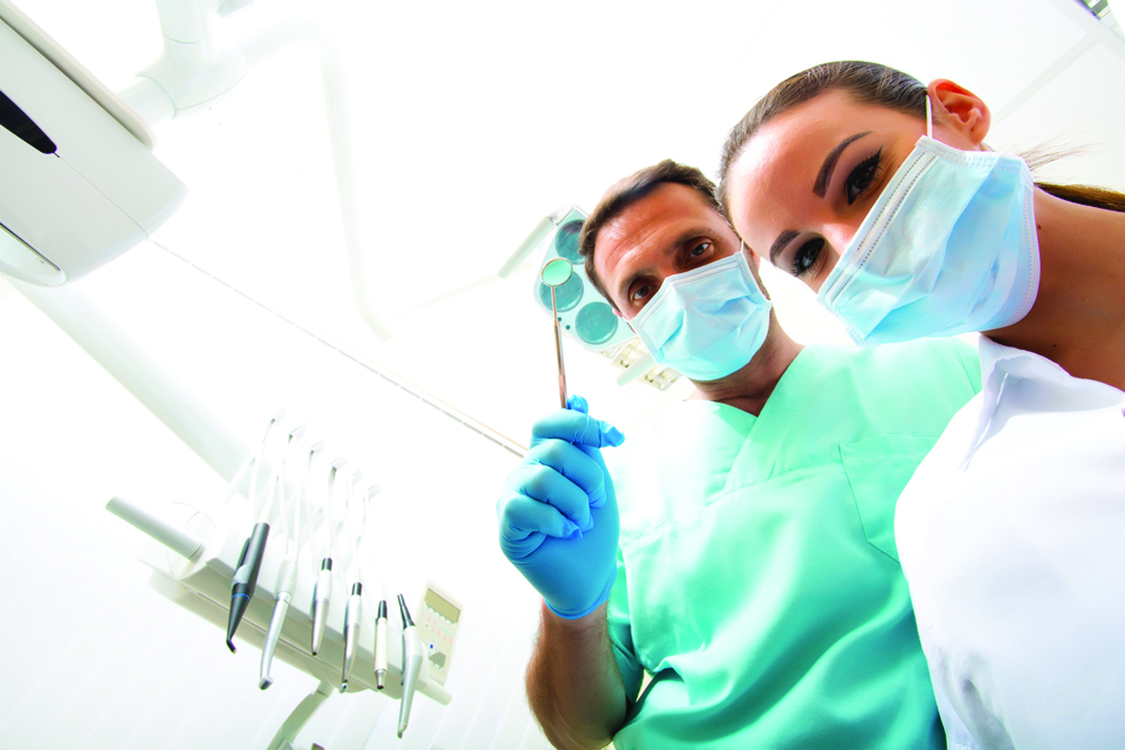
    Once this crisis is over, it should be very safe to visit your dentist again. Dental offices have high infection control standards. Many place disposable plastic barriers on dental chairs and equipment that are used during treatment and are changed between patients. Surfaces are wiped down with disinfectant solutions. Gloves are changed after each patient and masks are worn during procedures.

    Rest assured that dentists have been and will continue to ensure your safety at their offices.


    DR. PAUL K. TANAKA, DDS
    4747 Kilauea Ave., Ste. 113, Honolulu, HI 96816
    808-737-6229 | office@paultanakadds.com
    www.paultanakadds.com
    Hopefully, the COVID-19 virus is now under control and life is back to normal. Regardless, one of the lessons we learned through this pandemic is better personal hygiene. Dentists were asked to help contain the spread if the virus by limiting their care to only emergency visits. The main concern was patients spreading it to…

  • How to Protect Yourself Against Coronavirus

    Persons over 55 with chronic diseases can die from the flu and COVID-19, the disease caused by the coronavirus. These diseases enter your lungs through your eyes, nose or mouth. Most people pick up viruses left on surfaces by infected persons. Flu bugs can live on surfaces, clothing and towels for up to two weeks! Since we touch our faces up to 90 times a day, breaking that habit will help keep us healthy.

    Stay clear of surfaces that other people have touched and their rubbish, as well as clothing sick people have worn. Wash your hands before putting on glasses, touching your hair, scratching your nose or mouth, or eating.

    Hand Washing

    Good hygiene is the best defense against viruses. Visit www.cdc.gov and read “When and How to Wash Your Hands.” Soap, water and friction cleanse your hands. Even hand sanitizer requires the friction of rubbing the hands together to lift off the oils that viruses stick to.

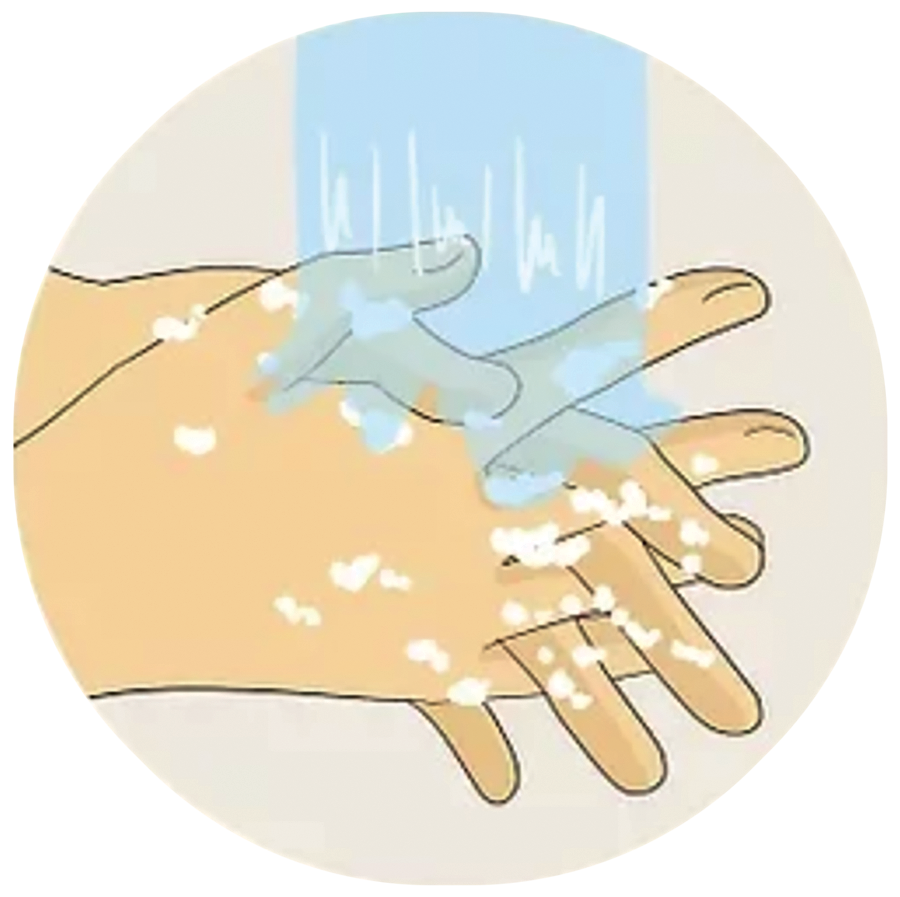
    Rub your wet, soapy hands together front and back — get under the nails. Continue 20 seconds — the time it takes to sing a full version of Happy Birthday. Rinse well and dry hands with a paper towel before turning off the faucet with the towel. Keep the towel to open the restroom door. Consider all faucets, doors and flush handles contaminated.

    Gloves

    Wearing gloves at the doctor’s office, and while shopping and running errands will protect your hands, but the greatest advantage may be that gloves remind you not to touch your face.

    Paper Masks

    Paper masks do not protect healthy people from viruses — in fact, they can carry them to their faces as they apply or adjust the mask. Masks are for symptomatic and sick people. Since droplets from an uncovered sneeze can travel up to 30 feet, always cover sneezes and coughs with the tight crook of your elbow. And of course, always wash your hands after blowing your nose!

    Symptoms

    COVID-19 causes a temperature and cough — not cold symptoms. If you have these symptoms, isolate yourself and call your doctor promptly.


    Get up-to-date information online:
    STATE OF HAWAI‘I DEPARTMENT OF HEATH WEBSITE
    www.health.hawaii.gov

    Persons over 55 with chronic diseases can die from the flu and COVID-19, the disease caused by the coronavirus. These diseases enter your lungs through your eyes, nose or mouth. Most people pick up viruses left on surfaces by infected persons. Flu bugs can live on surfaces, clothing and towels for up to two weeks!…