

Our eyesight is one of the most important ways we experience life, yet it’s easy to take it for granted. From noticing subtle changes in the sky over Mauna Kea to reading the expressions of your mo‘opuna, vision keeps us connected to the people and places we love. January is Glaucoma Awareness Month, serving as a reminder to protect this vital sense.
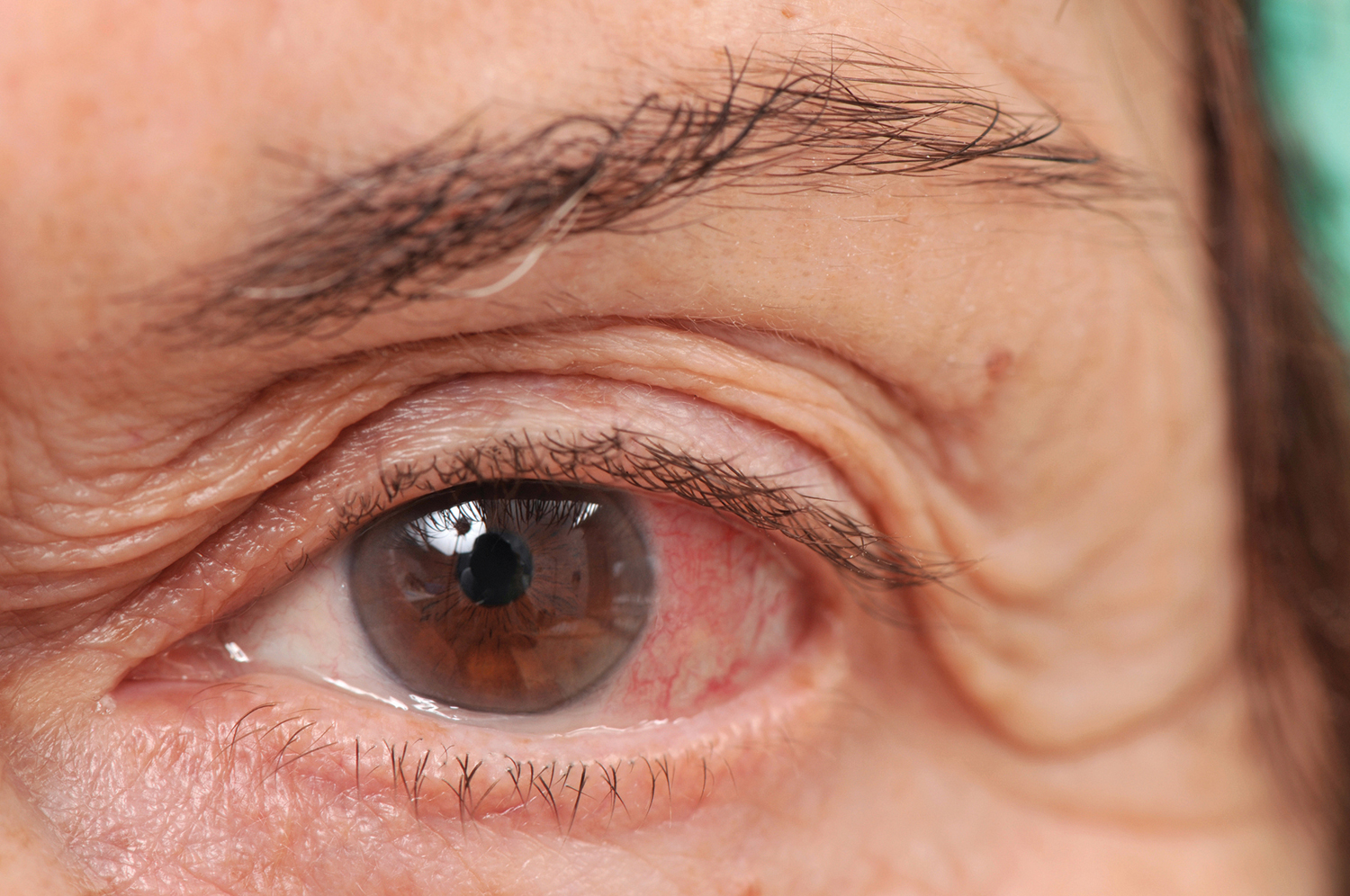
According to information from Hawai‘i Pacific Health (HPH), glaucoma is a group of eye diseases that gradually damage the optic nerve, affecting the pathway that carries visual information from the eyes to the brain. Glaucoma often develops silently. While elevated eye pressure is a common factor, glaucoma can occur even when pressure is within normal ranges. Left untreated, it slowly diminishes vision, often beginning with peripheral sight—the aspect of vision that helps us move safely through our surroundings. Glaucoma can cause vision loss long before any symptoms appear, making routine exams crucial for early detection.
An estimated 2% of adults over 40 in Hawai‘i have glaucoma and the risk grows with age, HPH says. Kūpuna with diabetes, high blood pressure or a family history of the disease should remain especially vigilant by scheduling regular eye exams.
Open-angle glaucoma, the most common form, develops gradually and often shows no early warning signs. Peripheral vision may begin to fade before more noticeable changes occur. Many patients are unaware of glaucoma until measurable vision loss has already taken place, underscoring the importance of consistent screening.
Some forms, such as acute angle-closure glaucoma, can appear suddenly, HPH says. Eye pressure rises quickly and immediate medical attention is critical. Symptoms may include severe eye pain, redness or irritation, blurred vision or halos around lights and headaches or nausea. Angle-closure glaucoma is considered a medical emergency, as rapid pressure increases can damage the optic nerve within hours.
Local clinics advise that preventing glaucoma begins with regular, comprehensive eye exams. During these visits, doctors measure intraocular pressure, examine the optic nerve and test peripheral vision to detect early signs before significant vision loss occurs.
Adults over 60 are generally advised to schedule exams every one to two years, with more frequent visits for those at higher risk.
While there is no cure for glaucoma, early detection and proper treatment can slow or even stop its progression. Options may include prescription eye drops to lower eye pressure, laser procedures to improve fluid drainage or surgery for advanced cases. Maintaining overall health also supports eye health—managing chronic conditions like diabetes and high blood pressure, staying active and avoiding smoking all contribute to preserving vision and independence.

Leave a Reply