
Since more than 1,500 years ago, Kānaka Maoli (Native Hawaiians) have welcomed immigrants from every corner of the globe, cultivating and perpetuating a tapestry of diverse cultures. In the eighth article of this ongoing series on the many cultures that comprise Hawai‘i, we will focus on the Koreans, how they arrived in the Hawaiian Islands, the culture and celebrations.
Korean Arrival in Hawai‘i
The story of Korean immigration to Hawai‘i officially began on Jan. 13, 1903, when 56 men, 21 women and 25 children arrived in the islands. Like many other ethnic groups migrating to Hawai‘i, the men were recruited as laborers for sugarcane plantations. Their situation was unique in that Korean laborers were primarily seen as strikebreakers when Japanese laborers refused to work under exploitative conditions.
By 1915, Korean presence in Hawai‘i had grown to over 7,000 strong. In these early years of immigration to Hawai‘i and then to the United States continent, some Korean intellectuals believed that emigrating from Korea would be useful in modernizing their homeland. As a result, the recruitment of Korean laborers and those willing to move to Hawai‘i saw little issue. Today, around 55,000 residents of Hawai‘i claim Korean heritage—about 4% of the population.
Culture and Tradition
The Koreans in Hawai‘i were self-starters. They immediately began organizing themselves through churches, establishing schools/social organizations and becoming business owners, and these practices continue today. As proof of this living history, Ke‘eaumoku Street in Honolulu – also affectionately called “Koreamoku”—features plenty of Korean-owned businesses, restaurants and sites for communal gathering.
Many keiki grow up going to taekwondo practice and learning seoye (calligraphy). Hallyu (South Korean popular culture), Korean pop (K-Pop) and dramas are enjoyed across generations.
The most beloved manifestation of the different cultures in Hawai‘i is, of course, food, and delicious and comforting Korean cuisine—like bulgogi, kalbi and meat jun, and banchan (sides) like kimchi and mandu—is no exception.
Celebrations
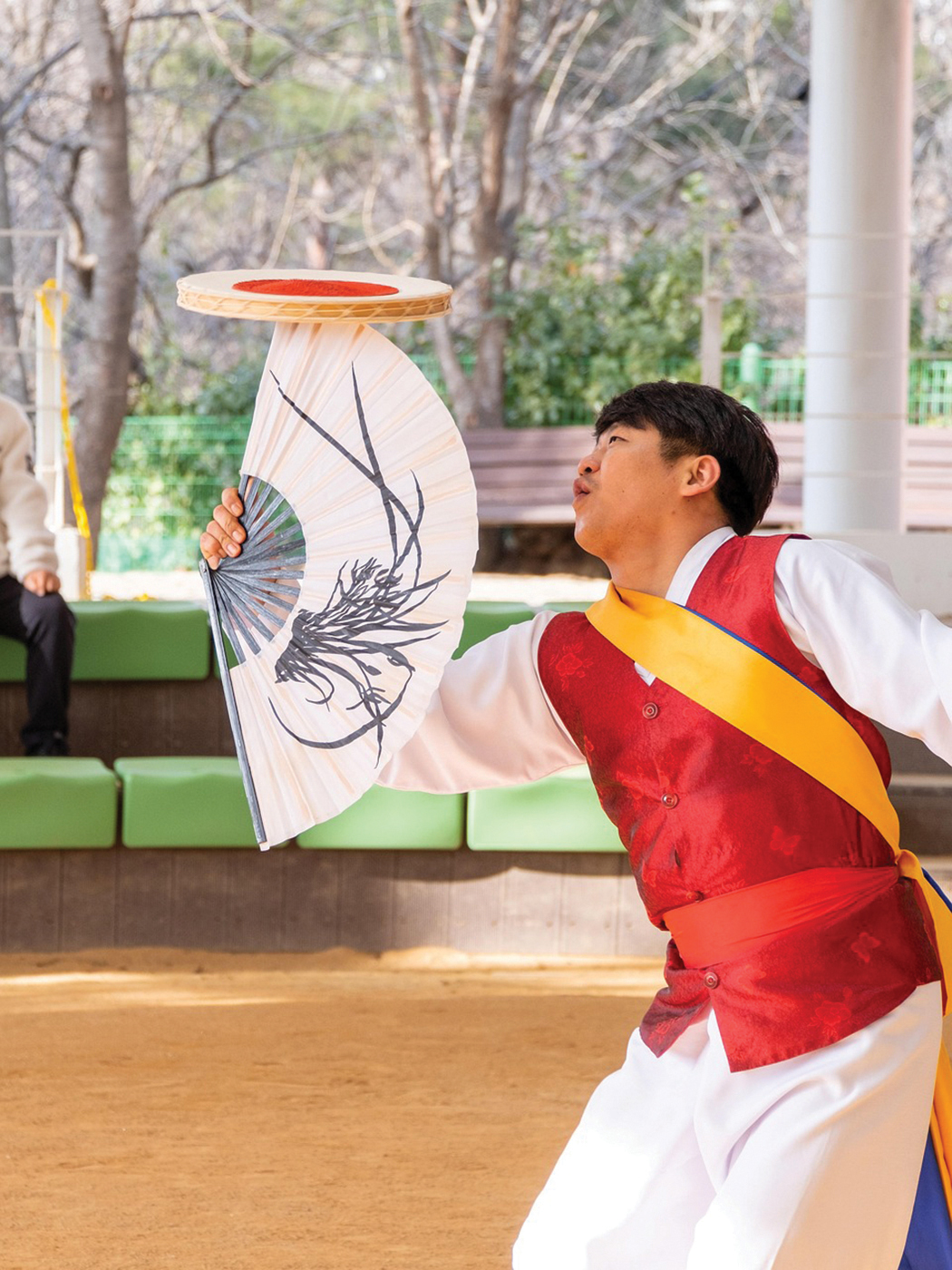
Organizations such as the United Korean Association of Hawaii and the Hawaii Korean Cultural Center offer culturally relevant classes and events throughout the year. The two largest cultural celebrations are the Korean Festival in August and the newer Kimchi Day Festival in November—both annual, held on O‘ahu and featuring events such as dance and drum performances, eating contests and celebrations of the arts.
For more information, see the Hawai‘i Korean Chamber of Commerce website (hawaiikorean-chamber.org) as well as Generations Magazine’s Facebook page (facebook.com/genmag808) and website calendar (generations808.com/calendar) for community events and opportunities.
The next article in this series will feature the influences of Mexican culture in Hawai‘i.

Leave a Reply