Category: Sept-Oct 2026

  • Saving Memories and Space

    As the years of our lives accumulate, so do our belongings. Every drawer has stories overflowing, closets are museums of memories and the contents of each room whisper about the moment in time they became part of your home. So how do we bring honor to a lifetime of memories, without being weighed down?

    Be gentle with yourself. Ask, “Does this reflect who I am today?” and/or “Does this need to travel with me into the next chapter of my life?” Grief may be part of this journey as you learn to let go. Set realistic expectations and deadlines. Be strategic by tackling one drawer at a time or by working one hour a day. Celebrate the small wins.

    Sift through belongings with curiosity and reflection beyond “keep or toss.” Ask yourself, “What do I use daily? What is deeply meaningful and/or a legacy item? What can I gift with intention?”

    There are ways to save things using a fraction of space. One idea is photographing your items/memories. Then create a digital photo library for viewing on-screen or for printing into a book. Curate and create a space for items that you’ve kept that best tell your story.

    Downsizing is about distilling down to clearer stories, people and things that truly matter. You’ll soon feel lighter, clearer and more connected.

    BEREAVEMENT NETWORK OF HAWAI‘I
    Facilitated by KŌKUA MAU (nonprofit)
    808-585-9977 | kokuamau.org/grief-and-bereavement
    kokuamau.org

    As the years of our lives accumulate, so do our belongings. Every drawer has stories overflowing, closets are museums of memories and the contents of each room whisper about the moment in time they became part of your home. So how do we bring honor to a lifetime of memories, without being weighed down? Be…

  • The Importance of Staying Hydrated

    An Alaska cruise can be one of the most memorable trips of your life. The breathtaking scenery, fresh mountain air and cooler temperatures often make travelers feel comfortable and refreshed. However, one health concern that many passengers overlook is dehydration.

    Because Alaska is cooler than tropical destinations, many people simply do not feel thirsty. As a result, they may drink far less water than their bodies need. Unfortunately, dehydration can develop gradually and become serious before you realize it.

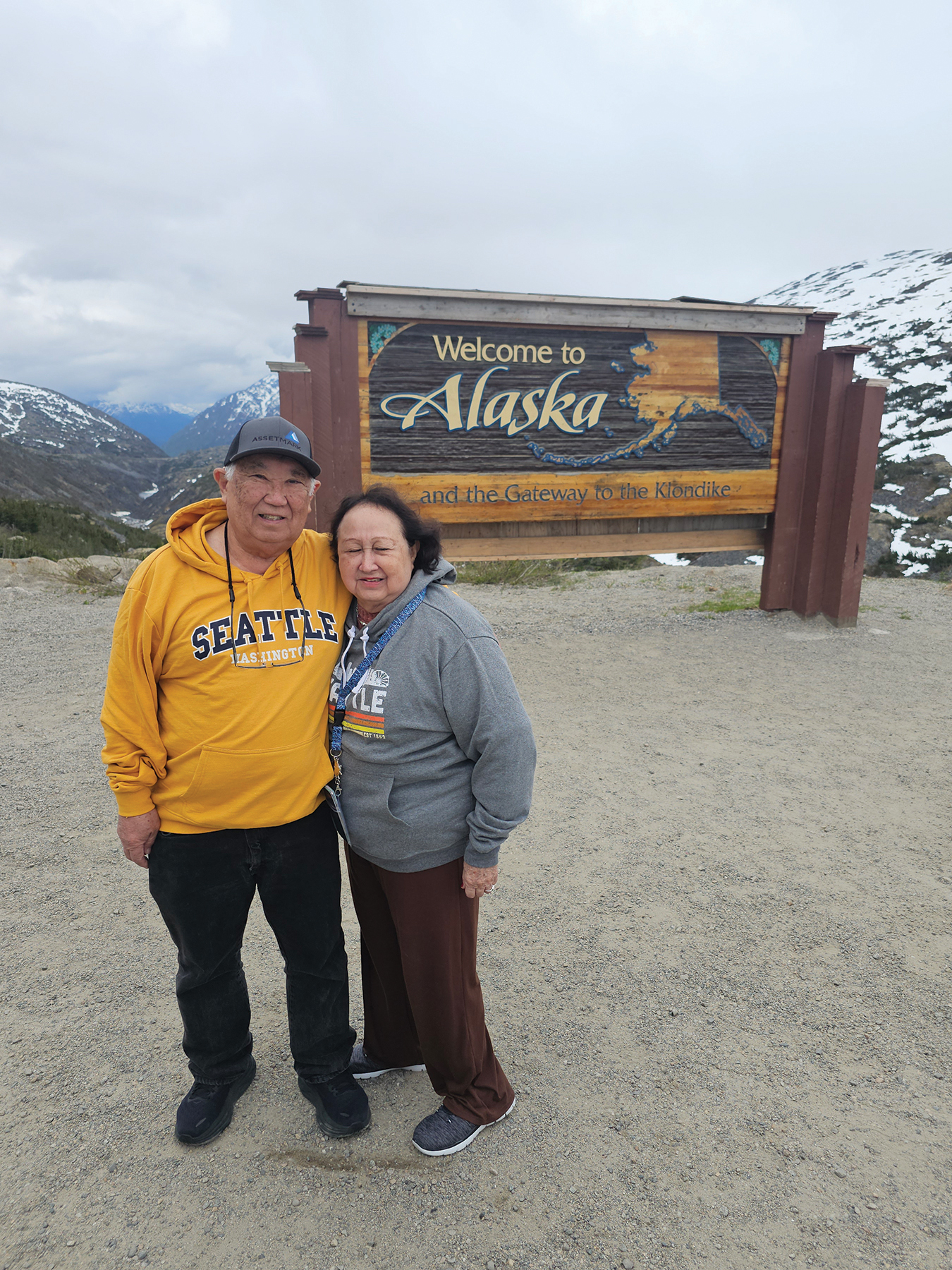
    My wife, Darlee, and I learned this lesson firsthand. On the final day of our Alaska cruise, Darlee became ill with vomiting and diarrhea. She was unable to eat breakfast, lunch or dinner, and more importantly, was unable to keep fluids down. Our flight home was delayed for four hours, requiring us to remain at the airport much longer than expected. During that time, it became increasingly difficult for Darlee to replace the fluids she had lost.

    While we were at the airport, Darlee became so weak and dehydrated that we called emergency medical technicians. She was transported by ambulance to the emergency room, where she remained hospitalized for four days and required three bags of intravenous fluids. Multiple blood tests, EKGs and MRI studies revealed no underlying medical problems. The physicians concluded that severe dehydration had placed significant stress on both her kidneys and her heart.

    As we age, our bodies naturally contain less water and our sense of thirst becomes less reliable. Older adults can become dehydrated much more quickly than younger individuals. When vomiting or diarrhea occurs, life-threatening risks increase dramatically.

    During your Alaska cruise, make a conscious effort to drink water throughout the day, even when you do not feel thirsty. Carry a refillable water bottle, limit excessive alcohol consumption and increase your fluid intake if you become ill. Staying hydrated is a simple step that can help ensure your Alaska adventure remains enjoyable, safe and memorable.

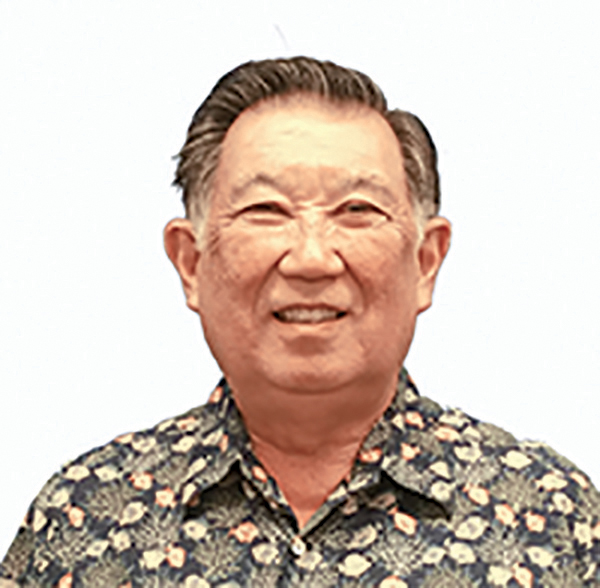
    EDWARD MOTOSUE is a 1967 graduate of ‘Iolani High School. In 1971, he earned a bachelor’s degree in biology from the University of Hawai‘i. In 1978, he earned a master’s degree from Pepperdine University. He is the Vice President of Financial Benefits Insurance, Inc. (FBI). Ed’s mission is to help educate our kūpuna. Our kūpuna deserve to live healthier productive lives and find peace of mind.

    If you have a story to share, email the editor: debra@generations808.com.

    An Alaska cruise can be one of the most memorable trips of your life. The breathtaking scenery, fresh mountain air and cooler temperatures often make travelers feel comfortable and refreshed. However, one health concern that many passengers overlook is dehydration. Because Alaska is cooler than tropical destinations, many people simply do not feel thirsty. As…

  • Beate Lipko’s German Potato Salad

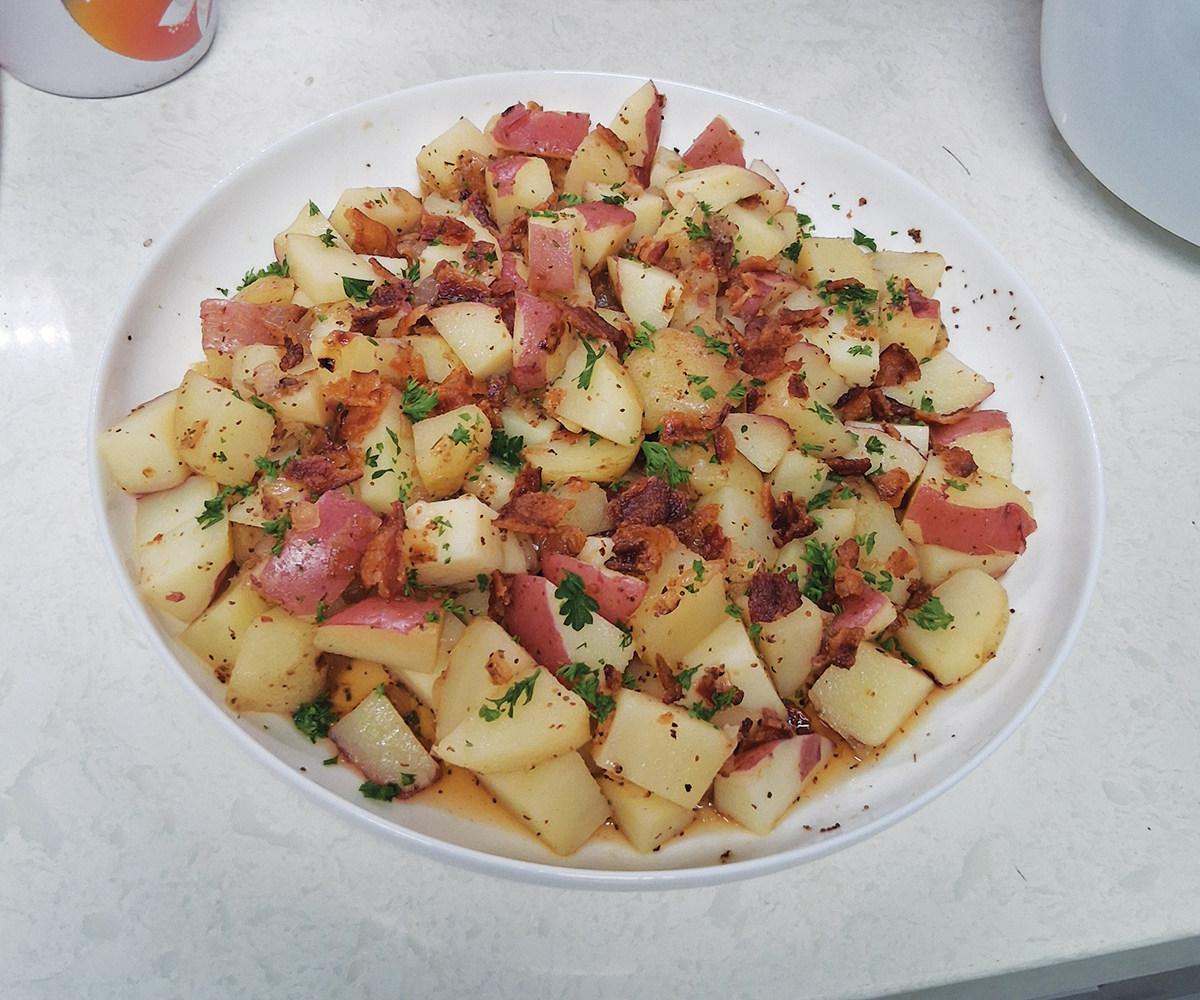
    When looking for a German recipe, I asked Beate Lipko, AKA Aunty Crystal, my brother’s high school/baseball friend’s mom. She is kindly sharing with us her German Potato Salad recipe. I am a sucker for potatoes and who doesn’t love bacon! So this was one I was happy to make and it turned out yummy! OMG! I may start making this for parties. It was simple and easy, but super tasty!

    Ingredients
    6 cups peeled potatoes (cut in half if large)
    12 bacon slices
    1 medium onion, chopped
    ½ cup white or apple cider vinegar
    ¼ cup water
    4 tbsp. granulated sugar, to taste
    1 tsp. salt
    ¼ tsp. black pepper, freshly ground
    1½ tsp. celery seeds
    1 tbsp. Dijon or spicy brown mustard (optional)
    2–3 tbsp. fresh parsley, chopped

    Directions

    1. Add potatoes to a large pot and cover with at least 1 inch of water. Generously salt the water with about 1 tbsp. of salt and boil for about 10 minutes or until the potatoes can easily be pierced with a fork. Drain well and slice potatoes into thick discs or chunks. Set aside. We prefer Yukon gold or red potatoes, but Russet potatoes will also work. I ended up using a combination of red and gold potatoes and kept some of the skin on.
    2. Cook bacon in a large skillet over medium-high heat until crispy. Remove from pan, crumble and set aside, reserving at least 2 tbsp. of the bacon grease.
    3. Cook the onions in the bacon grease over medium heat until softened and starting to brown, about 5 to 8 minutes.
    4. Add vinegar, water, sugar, salt, pepper, celery seeds and mustard. Bring to a boil.
    5. Add potatoes, parsley and half of the crumbled bacon. Toss to coat the potatoes and evenly heat everything through, then transfer to a serving dish.
    6. Sprinkle with remaining crumbled bacon and chopped parsley. Serve warm.

    Prep and cooking time: 45 minutes

    Serves: 6 with a main entrée item

    Do you have a favorite recipe and story to share? For consideration, include a photo and mail them to Generations Recipe, PO Box 4213, Honolulu, HI 96812, or email them to Cynthia@generations808.com.

    When looking for a German recipe, I asked Beate Lipko, AKA Aunty Crystal, my brother’s high school/baseball friend’s mom. She is kindly sharing with us her German Potato Salad recipe. I am a sucker for potatoes and who doesn’t love bacon! So this was one I was happy to make and it turned out yummy!…

  • Celebrating the German Culture

    Since more than 1,500 years ago, Kānaka Maoli (Native Hawaiians) have welcomed immigrants from every corner of the globe, cultivating and perpetuating a tapestry of diverse cultures. In the 11th article in this ongoing series on the many cultures that comprise Hawai‘i, we will focus on the Germans, their arrival to the Hawaiian Islands, their traditions and celebrations. Today, people of German descent make up 5.8% of Hawai‘i’s population.

    Arrival in Hawai‘i

    In 1778, three German sailors and one Swiss painter aboard Captain Cook’s ships were the first Europeans to land in the Hawaiian archipelago, on the shores of Kaua‘i. Kaua‘i’s German population grew to such an extent that Līhu‘e was nicknamed “German Town” at one point in time. From the first landfall, German and Hawaiian culture became intertwined. German firms flourished in Chinatown, Lutheran churches dotted the landscape and while many Germans also toiled in the sugarcane fields, they also eventually held positions of power, overseeing other migrant workers.

    King Kalākaua had an especially strong relationship with the German people. He appointed the Royal Hawaiian Band’s most influential bandmaster, Prussian-born Heinrich (Henry/ Henri) Berger. He arranged the Hawaiian Kingdom’s national anthem, “Hawai‘i Pono‘ī,” deriving it from the Prussian anthem, “Hefl Dir im Siegerkranz.” Berger befriended future Queen Lili‘uokalani — who named him “The Father of Hawaiian Music” — arranging and performing the songs she wrote.

    Culture and Traditions

    German culture in Hawai‘i primarily manifests itself in food and drink. Baumkuchen, a traditional many-layered cake cooked on a stick, is a beloved pastry here. It is speculated that King Kalākaua was the first Hawaiian to have baumkuchen when he visited Berlin in 1881.

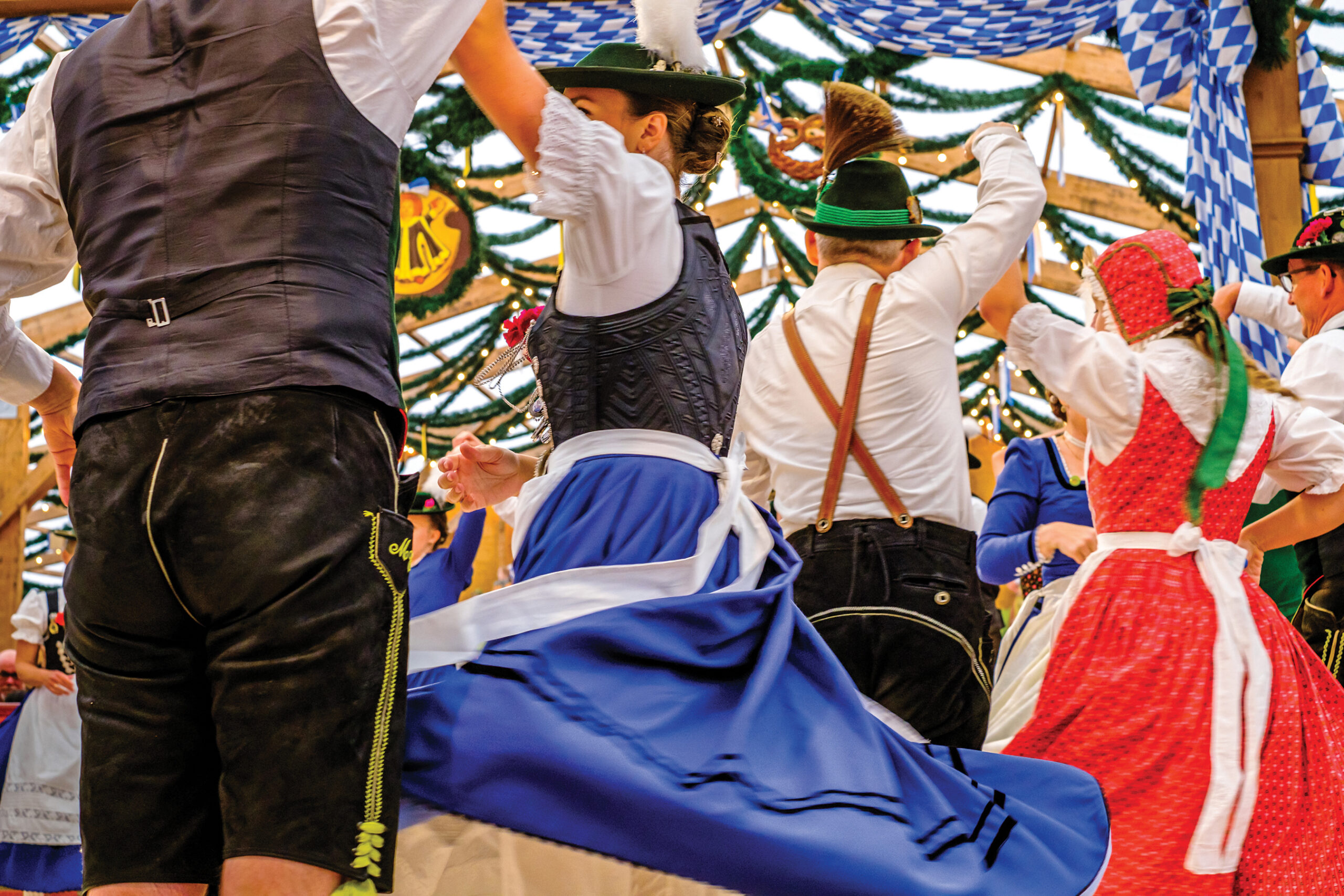
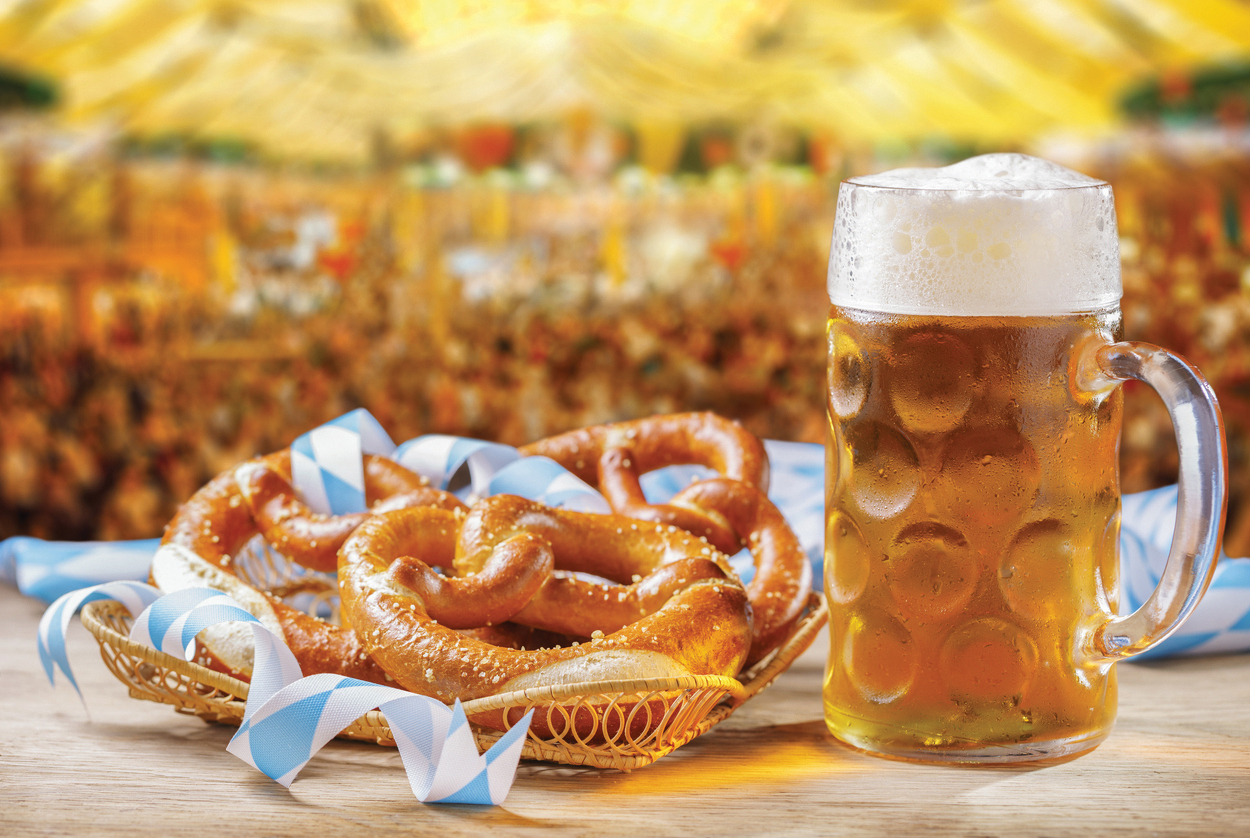
    The largest and most known cultural celebration is Oktoberfest, which takes place at various venues throughout the Hawaiian Islands during September and October. Local restaurants, bars and other venues annually host Oktoberfest, featuring a plethora of festival beers, bratwurst and Masskrugstemmen — stein-hoisting competitions.

    Celebrations

    On O‘ahu, Helping Hands Hawai‘i hosts its annual Oktoberfest fundraiser event to support local community programs, with other local breweries also hosting their own celebrations. The Honolulu Museum of Art hosts the annual FilmFreude Honolulu every spring, a film festival showcasing the latest in German cinema. On Hawai‘i, Oktoberfest is organized by the Rotary Club of Hilo Bay. Celebrations are also held on Maui and Kaua‘i.

    For more information, visit German Club Hawaii’s website (germanclubhawaii.org) as well as Generations Magazine’s Facebook page (facebook.com/genmag808) and website calendar (generations808.com/calendar) for community events and opportunities.

    The next article in this series will feature the influences of Jewish culture in Hawai‘i.

    Since more than 1,500 years ago, Kānaka Maoli (Native Hawaiians) have welcomed immigrants from every corner of the globe, cultivating and perpetuating a tapestry of diverse cultures. In the 11th article in this ongoing series on the many cultures that comprise Hawai‘i, we will focus on the Germans, their arrival to the Hawaiian Islands, their…

  • One Story at a Time

    Many people believe family history begins with old photographs, genealogy charts or lists of names and dates.

    While those things are important, I teach kūpuna that family history truly begins with something much simpler: your own story — preserving family history through personal memory.

    If we fail to tell our personal stories, the links between generations slowly disappear. Grandchildren may know where they came from, but they may never know who their ancestors truly were — their struggles, traditions or dreams.

    I often compare family history to making a lei. Each memory is like a flower added one piece at a time. Alone, each memory may seem small, but together they create something beautiful and lasting. When stories are left untold, empty spaces are left behind for future generations.

    One of the most important lessons I share is that you do not need to be a professional writer. A simple notebook, loose paper or recorded conversation can become a treasured family history.

    Start with small moments: What was your childhood home like? What foods remind you of family gatherings? Who taught you important lessons? What traditions made your family unique?

    Often, as kūpuna begin talking about their lives, forgotten memories naturally return. I have seen this many times while helping elders write their personal histories. One memory unlocks another, almost like opening old drawers and rediscovering treasures tucked away for years.

    I also encourage families to talk story about loved ones who have passed on. Celebrating a heavenly birthday or remembering someone on an anniversary — whether it marks a loss, a milestone or a past relationship — can gently reopen important connections.

    Memories are closely tied to our senses. Talking about favorite meals, familiar music or what an old neighborhood looked like can help awaken details long forgotten.

    Sometimes one of the best ways to help memories return is to revisit meaningful places. Taking a senior family member on a drive through an old neighborhood, stopping at a former school, church or family home can spark stories that have been resting quietly for years.

    Today there are wonderful tools available to help preserve memories. Websites such as FamilySearch (familysearch.org/en/united-states) offer free ways to record stories, upload photographs and preserve audio memories for future generations. This can be especially helpful for kūpuna who find writing difficult but enjoy speaking about their memories and life experiences.

    But technology is only a tool. The real gift is the willingness to share.

    The important thing is not to wait for the perfect time or perfect words. Simply begin.

    Vicki Boswell is the Founder and President of Hōkūlani Children’s Theatre of Moloka‘i and a dedicated advocate for life skill development among kūpuna. Drawing from her lifelong experience with hearing loss, she teaches practical, multisensory communication strategies that strengthen connection and reduce isolation. Vicki holds a BA in educational psychology and an MSW with a child and family emphasis. She loves working with children and kūpuna, helping them build confidence, express themselves and stay meaningfully connected within their communities. If you have a story to share, email the editor: debra@generations808.com.

    Many people believe family history begins with old photographs, genealogy charts or lists of names and dates. While those things are important, I teach kūpuna that family history truly begins with something much simpler: your own story — preserving family history through personal memory. If we fail to tell our personal stories, the links between…

  • Volunteering Made Me a Better Person

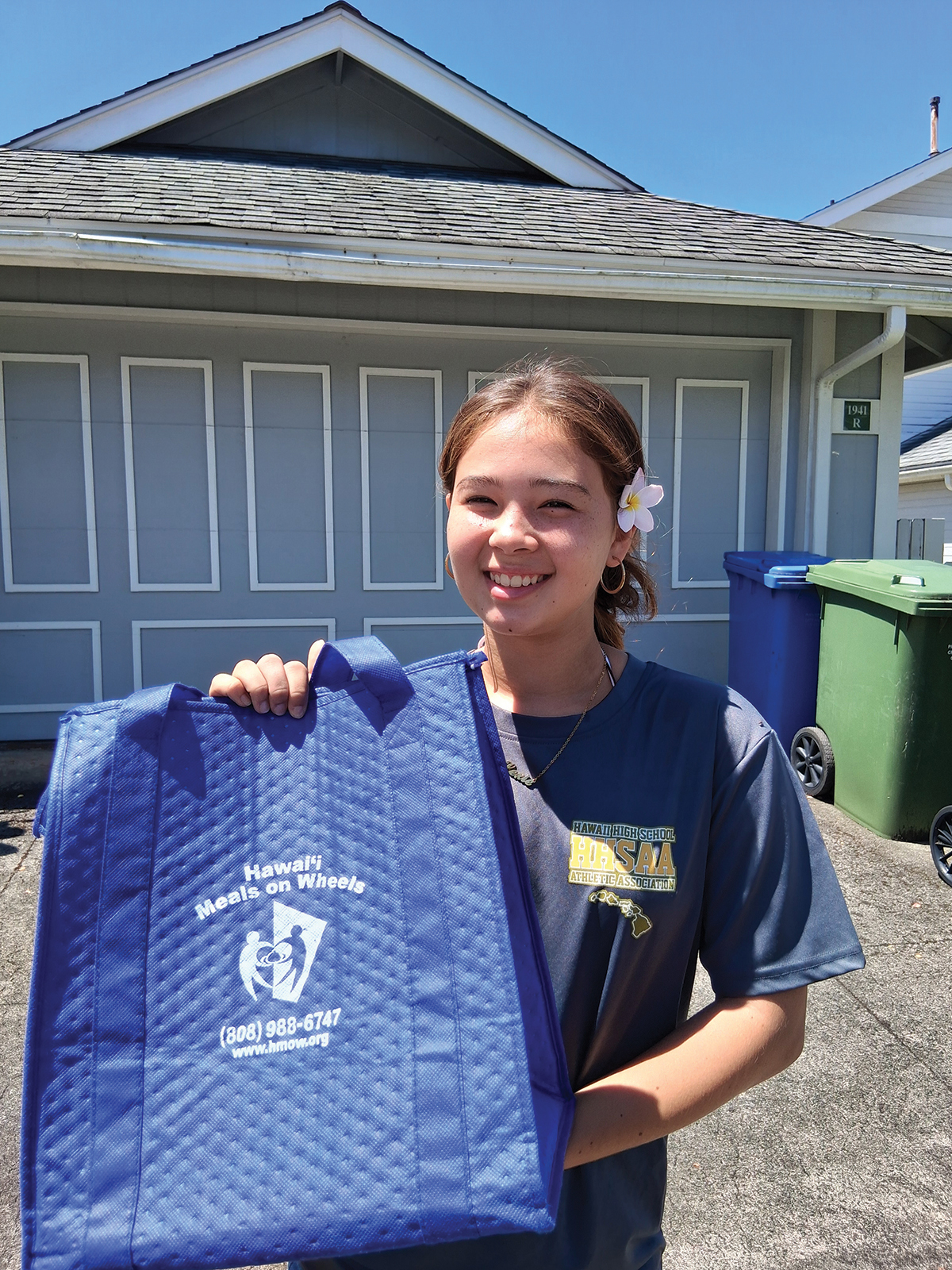
    When my family started volunteering for Hawai‘i Meals on Wheels on Thanksgiving in 2023, I honestly didn’t want to do it. My mom signed us up, and my dad and I just went along with it. I was 12 years old and I remember thinking, “Why am I being forced to do this?” I wanted to hang out with my friends or watch my iPad. I’m now 15 and I’m really glad she made me do it.

    Delivering meals to kūpuna showed me how different life can be for other people. Some don’t have family nearby, some can’t cook anymore and some can’t even drive to get groceries. I never really thought about these things. My favorite part is seeing them smile when I bring them their food. They also talk to me and ask me questions like how old I am, where I go to school and even if I play sports. Talking with them has helped me be able to talk to strangers and new people, which is something I have to learn to do. This experience made me learn to not only help others, but it is helping me grow, too.

    I’ve started volunteering at my school office and library this summer. My mom signed me up because she said she needed more time to work instead of driving me all over the place. It turned out to be a lot of fun. I met new people, learned how to speak to staff, did office work and helped out the librarians. I am also collecting service points to go toward a service cord, a braided honor cord worn at graduation to recognize community service,
    when I graduate from Moanalua High School. This is helping me get more volunteer hours that will look good on college applications and scholarships.

    My mom always tells me that it’s better to give than to receive, but I mean… getting money is still pretty nice, not gonna lie! Next year, I will still volunteer, but I also want to get my first job. I love shopping and going out with my friends, and apparently I need to start paying for those things myself. Plus, I want to start saving for my future, maybe even for a house someday.

    Even though I didn’t want to volunteer in the beginning, I’m really glad my mom made me do it. It turned out that this changed the way I see other people — and myself.

    Lexie Arnold is a 10th grader at Moanalua High School and the daughter of GM Publisher Cynthia Arnold. She loves to dance and play softball, hang out with her friends and volunteer for organizations on the island.

    If you have a story to share, email the editor:
    debra@generations808.com.

    When my family started volunteering for Hawai‘i Meals on Wheels on Thanksgiving in 2023, I honestly didn’t want to do it. My mom signed us up, and my dad and I just went along with it. I was 12 years old and I remember thinking, “Why am I being forced to do this?” I wanted…

  • A Wake-Up Call for Congress

    This year’s Social Security Trustees report sends a clear message: Congress needs to act. The latest projections show Social Security’s Trust Fund reserves are expected to be depleted by 2034. That means without Congressional action, Social Security will have about 80% of the money it needs to make full payments. Congress needs to act to fill the 20% gap and they have plenty of tools in their toolbox to do it.

    Some special interests in Washington will seize on this report to push proposals that would cut Social Security by reducing payments, raising the retirement age or otherwise shifting the burden onto hardworking Americans. We are fighting against this.

    At AARP we hear every day from older Americans across the country who are struggling to make ends meet, like Victoria in Hawai‘i, who told us she depends on Social Security to pay her mortgage and bills. “Without it, my financial security would be shattered,” she said.

    She’s not alone. A recent AARP Financial Security Trends Survey found that six in 10 Americans 50 and over worry about whether they will have enough to stay financially secure in retirement. Nearly seven in 10 say prices are rising faster than their income. Almost half report higher healthcare costs than just a year ago.

    At the same time, many are entering retirement without enough savings — 42% of adults 0-plus who are not yet retired have less than $50,000 set aside. This is why Social Security
    remains a lifeline. It helps people cover basic needs like housing, groceries, utilities and healthcare. Even with that support, a majority of older Americans say today’s average benefit (around $2,000 a month) is not enough.

    For millions of Americans — including 302,577 here in Hawai‘i — Social Security is an essential part of their plan for financial security in retirement. It is earned through a lifetime of hard work. Social Security is not a bonus or a handout and it must be protected.

    The good news is Social Security isn’t going broke. This is absolutely something Congress can fix in a way that protects the money we’ve earned, without cuts. Lawmakers have time to act and there are many ways to strengthen Social Security and close the projected funding gap. You can join our fight to maintain your earned Social Security benefits. Go to action.aarp.org/protectsocialsecurity to learn more.

    AARP HAWAI‘I (nonprofit)
    1001 Bishop St., Ste. 625, Honolulu, HI 96813
    866-295-7282 | hiaarp@aarp.org
    aarp.org/hi | facebook.com/aarphawaii

    This year’s Social Security Trustees report sends a clear message: Congress needs to act. The latest projections show Social Security’s Trust Fund reserves are expected to be depleted by 2034. That means without Congressional action, Social Security will have about 80% of the money it needs to make full payments. Congress needs to act to…

  • Centering Mind, Body & Spirit With Tai Chi

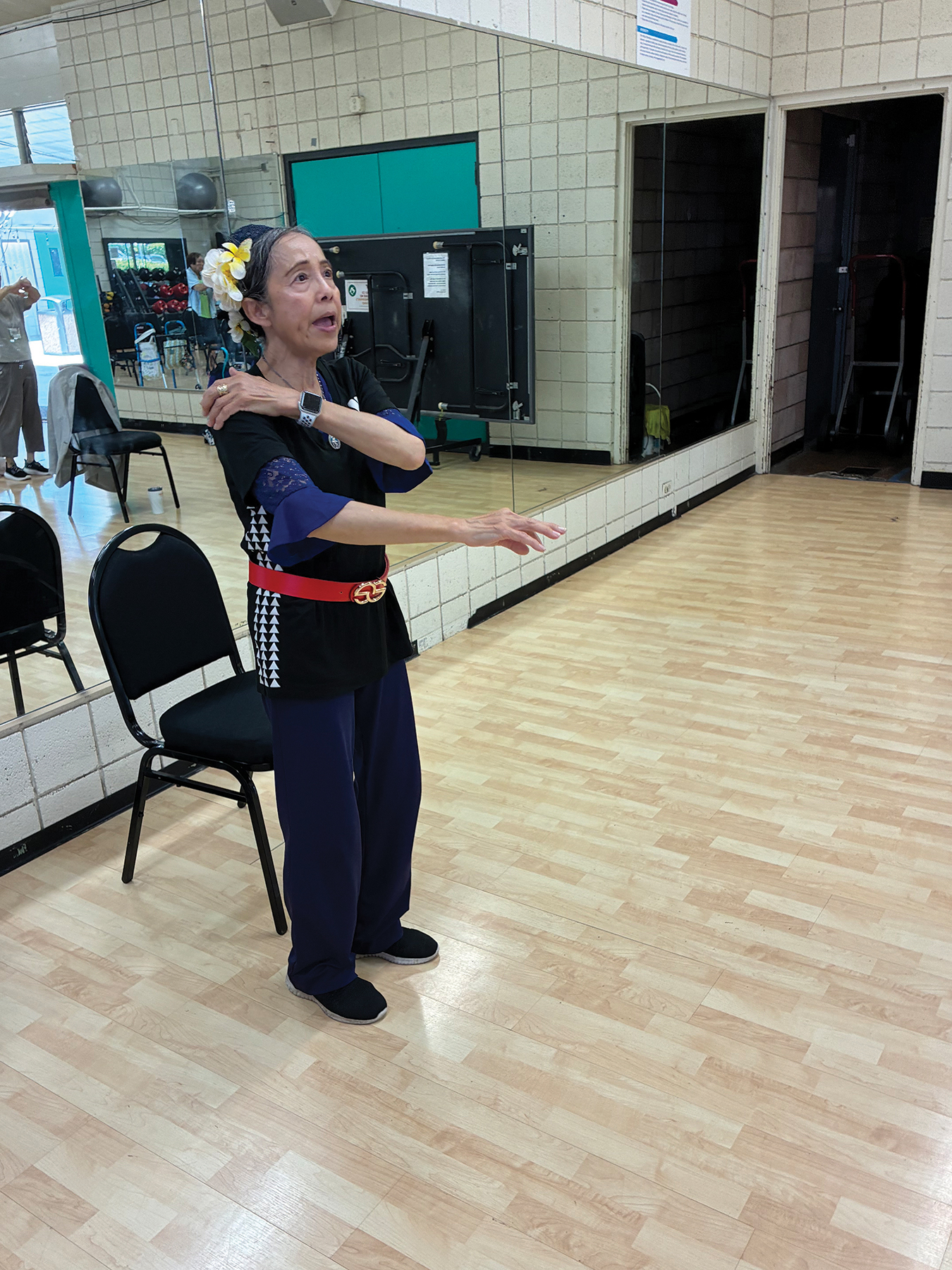
    Centuries ago in China, tai chi was a form of martial arts. It was practiced as an internal force, not brute strength. Certain hand movements and footwork were taught as techniques of tai chi. Techniques of pushing hands were an important part of tai chi and this technique was to maintain combat efficiency. Currently, tai chi is a sports activity in some parts of China, enjoyed by many athletes.

    “Tai chi has made a great, positive impact on my life,” says Elizabeth Thu Hai Pham, the current tai chi instructor at the YMCA Kaimuki Wai‘alae Branch. “I teach kūpuna tai chi, mainly the prevention of falling and the hand movements and footwork if the kūpuna should find himself or herself in a situation of unexpectedly falling. Tai chi consists of slow movements, and consequently, it is easy for a kūpuna to learn. Because it is slow, kūpuna gradually become graceful and acquire balance in everyday life.”

    Elizabeth was born in Vietnam. In the final days of the Vietnam War in 1975, she fled, leaving her family possessions behind. She traveled to New Jersey, where her brother-in-law resided.

    In America, she cried to God, “‘Why me?’ My father was weak. He didn’t have enough to eat. But I learned whatever happens makes us stronger. Every Saturday, Vietnamese refugees came to our small apartment for a bowl of soup from my grandmother. Our family didn’t have enough to eat, but when you have little, I was taught to share what little you have with someone who has nothing.”

    Tai Chi Master Dr. Paul Lam taught her not only the tai chi forms, but also her strengths and weaknesses, because “by learning such conditions, you look within yourself,” Elizabeth says. “You learn about yourself, how to focus, how to breathe properly and how to move your energy deliberately without rushing, with calmness of the mind, now called ‘mindfulness.’ My master said I must honor myself.” Dr. Lam is recognized throughout the world as a Tai Chi Grand Master.

    Elizabeth, who I will now call “sensei” (Japanese for teacher or highly respected person), has been awarded a tai chi certificate for her completion of training in tai chi education and skills. She is certified to teach the remedy for arthritis and the prevention of falling of all levels, more particularly for kūpuna. Pham Sensei says, “Myself and the kūpuna who attend my classes are in a support group. There is no denying that, in their own way, the kūpuna support me and I do my best to support them. We honor, respect and practice tai chi for the benefit of our health, to reduce arthritis and to prevent falling.”

    Pham Sensei continues by saying, “Proper breathing has an important connection with the brain. Unless you can relax and have peace of mind, it adversely affects the waves in your brain, which results in poor health.”

    She also emphasizes drinking water: “Our body requires water, because our blood needs water. I encourage everyone to drink at least 17 fluid ounces of water each day.”

    Pham Sensei rises at 3am daily, does her tai chi exercises and attends church where she prays for everyone and finds spiritual peace. In the early morning she has time to think, she says. As her Tai Chi Master recommended, she enjoys her life the best she can, particularly since her early years had been a time of suffering.

    Her enduring advice for everyone, not only kūpuna, is to be slow and gentle in all aspects of life. Practice tai chi every day to maintain your health, peace of mind and happiness.

    “Tai chi has made a great difference in my life, good health, clear thinking, lots of friends and happiness,” Pham Sensei says. “If you practice tai chi every day, slow and gentle, a certain spirituality will emerge in your life.”

    Centuries ago in China, tai chi was a form of martial arts. It was practiced as an internal force, not brute strength. Certain hand movements and footwork were taught as techniques of tai chi. Techniques of pushing hands were an important part of tai chi and this technique was to maintain combat efficiency. Currently, tai…

  • Older Americans Month Awardees Honored

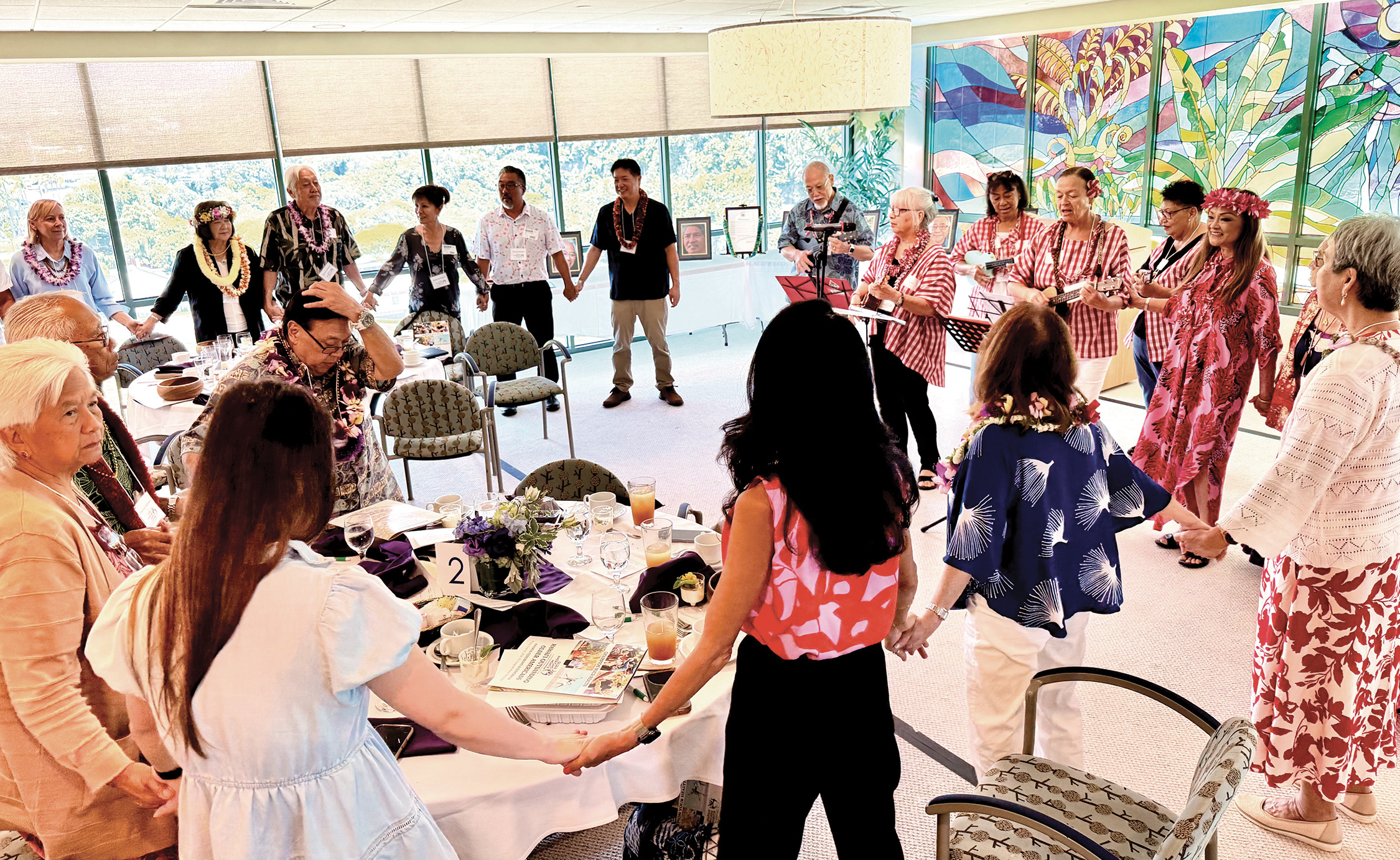
    Every May, National Older Americans Month (established in 1963 by President John F. Kennedy) celebrates the profound volunteer contributions of our country’s senior citizens. Here in Hawai‘i, we deeply value our kūpuna, whose wisdom and aloha spirit shape our communities. During Older Americans Month, each Hawai‘i county honors its special senior citizens with Outstanding Older American Awards, crowning a male and female champion who go on to represent their island at the state level. This year’s national theme, Champion Your Health, emphasized wellness, prevention and the active role older adults play in society.

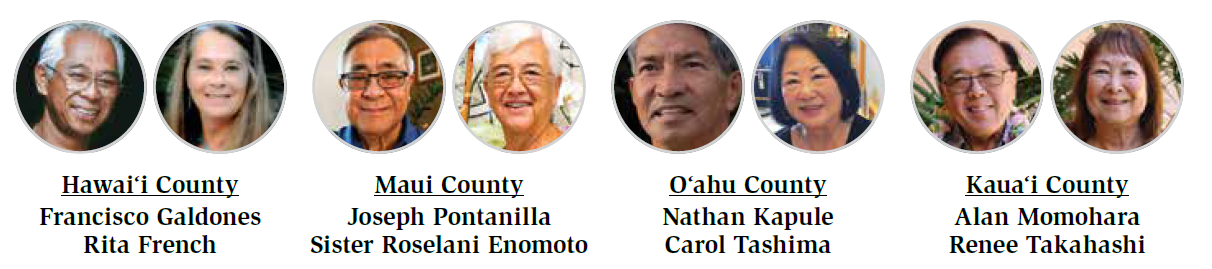
    Hawai‘i’s four county Area Agencies on Aging received nominations from the public for Outstanding Older Americans, recognizing two kūpuna from each county for their invaluable lifelong volunteer contributions and community service. Communities across our state honored their kūpuna throughout the month: Maui and Hawai‘i County hosted their celebrations on May 9, Honolulu County held its event on May 15 and Kaua‘i County concluded the month’s festivities with a gathering on May 29. Following these county celebrations, the state gathered for the Governor’s Hawai‘i Statewide Older Americans Month Recognition Ceremony on June 12 at 15 Craigside in Honolulu.

    The Roots of Our Community

    Our kūpuna are the roots that ground our island communities. Every year, Hawai‘i’s Outstanding Older Americans Month events highlight their strength. Through a lifetime of selfless kōkua (help) and deep aloha, awardees remind us that the most beautiful legacy we can leave is a community uplifted.

    The chicken-skin stories of our honorees reveal our immense good fortune and privilege to be inspired by these service-above-self leaders. By honoring these individuals who volunteer their time sharing their talents, we become aware of the value of giving. May we always draw from their strength and carry their legacy forward.

    Mahalo palena ‘ole (boundless gratitude) to our venerable ku¯puna — living treasures whose wisdom and grace continue to guide Hawai‘i toward a brighter tomorrow

    Every May, National Older Americans Month (established in 1963 by President John F. Kennedy) celebrates the profound volunteer contributions of our country’s senior citizens. Here in Hawai‘i, we deeply value our kūpuna, whose wisdom and aloha spirit shape our communities. During Older Americans Month, each Hawai‘i county honors its special senior citizens with Outstanding Older…