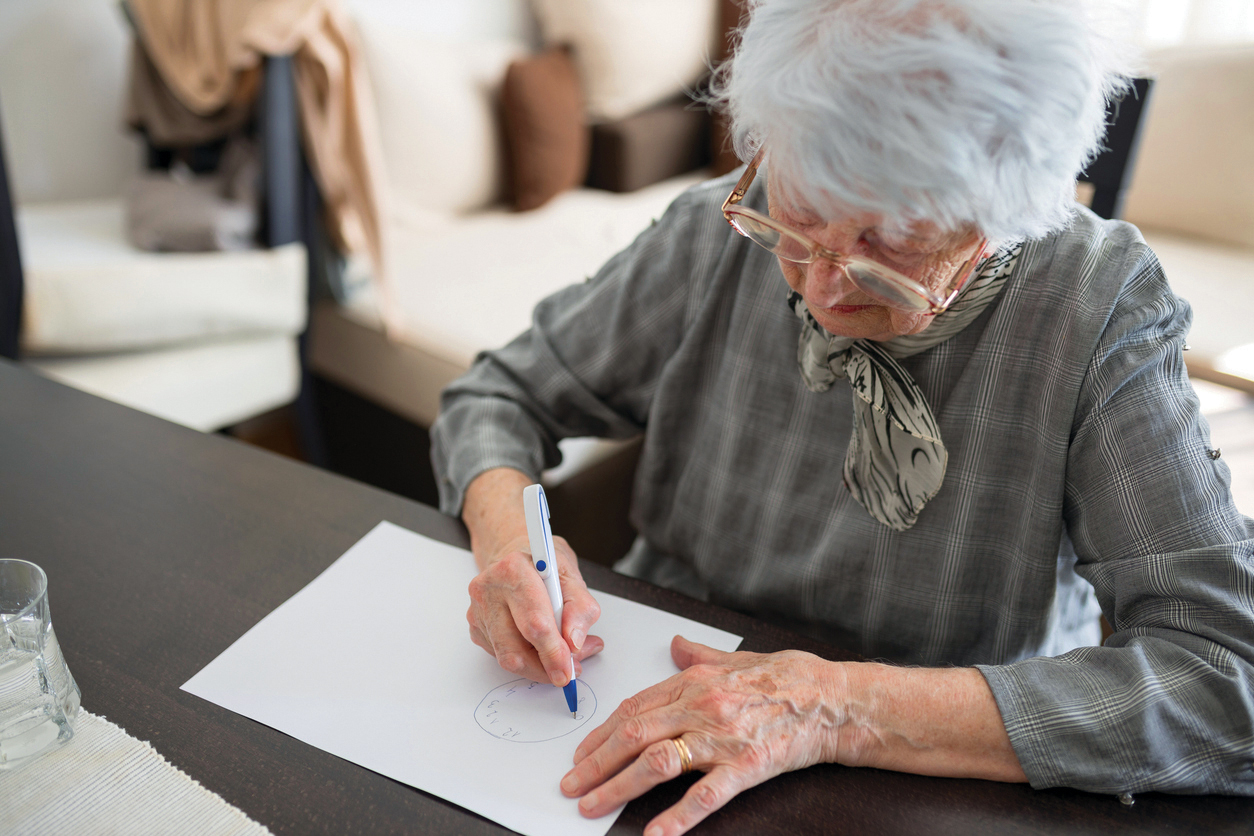
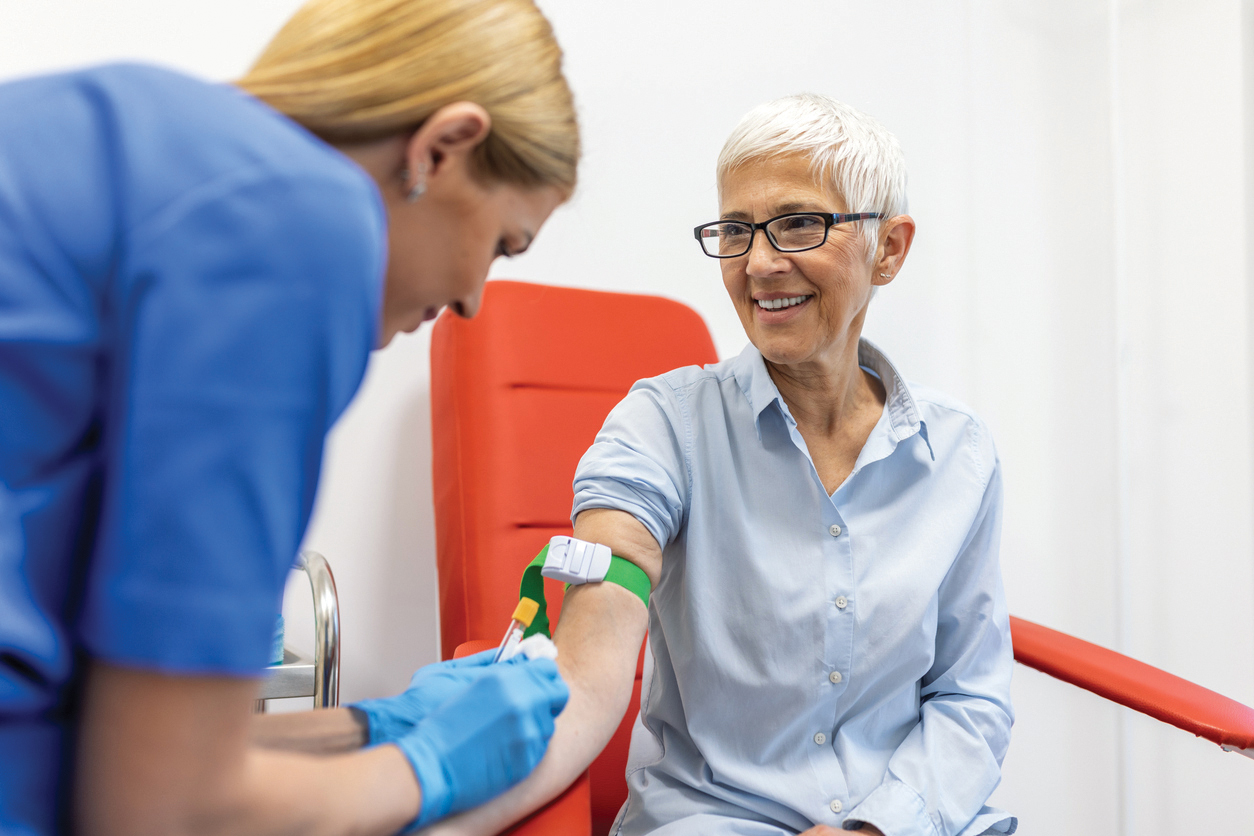
Dementia screening is a key component of comprehensive geriatric care, allowing clinicians to identify early cognitive changes that may affect a patient’s safety, independence and quality of life. Memory concerns are evaluated within the context of overall health, functional ability and environmental factors.
Effective dementia screening begins with assessing memory, mood and decision-making capacity. For example, the Clock Drawing Test helps detect early cognitive impairment. Depression and anxiety can mimic or worsen cognitive symptoms, so testing for them is important, too.
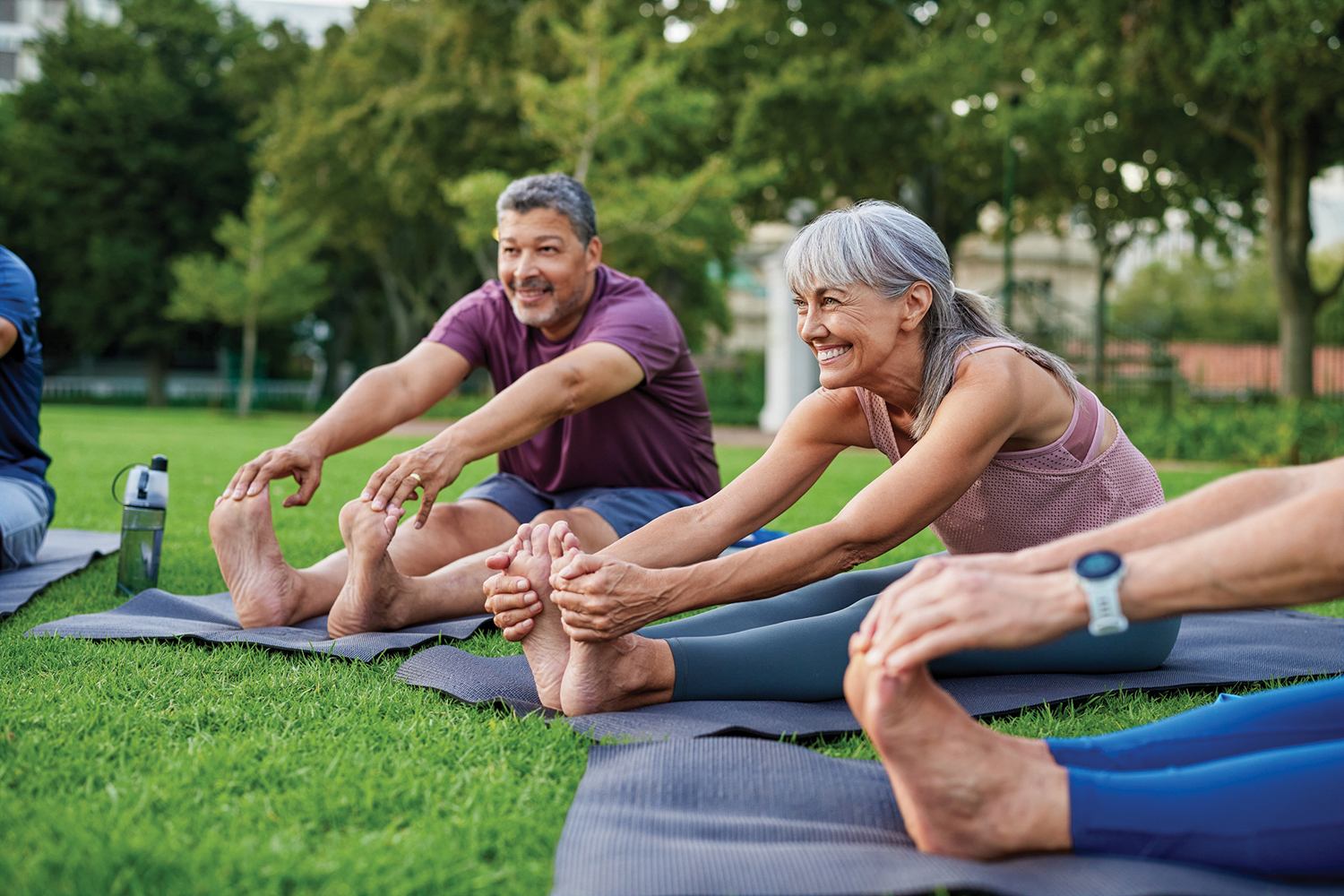
The Katz Index and Lawton–Brody Scale measure how well an individual manages personal care and complex tasks. Mobility evaluations, including the Timed Up and Go test, identify gait issues that often accompany cognitive decline.
High-quality screening also considers nutrition, sensory changes and living environment. Medication burden (taking multiple medications) can also significantly affect cognition.
Dementia screening is most effective when it is patient-centered, incorporates caregiver input and uses validated tools. When performed regularly, it supports early diagnosis, timely treatment and improved long-term outcomes for seniors.
Dementia screening is a key component of comprehensive geriatric care, allowing clinicians to identify early cognitive changes that may affect a patient’s safety, independence and quality of life. Memory concerns are evaluated within the context of overall health, functional ability and environmental factors. Effective dementia screening begins with assessing memory, mood and decision-making capacity. For…
In this ongoing column, Kaiser Permanente doctors answer commonly asked questions.
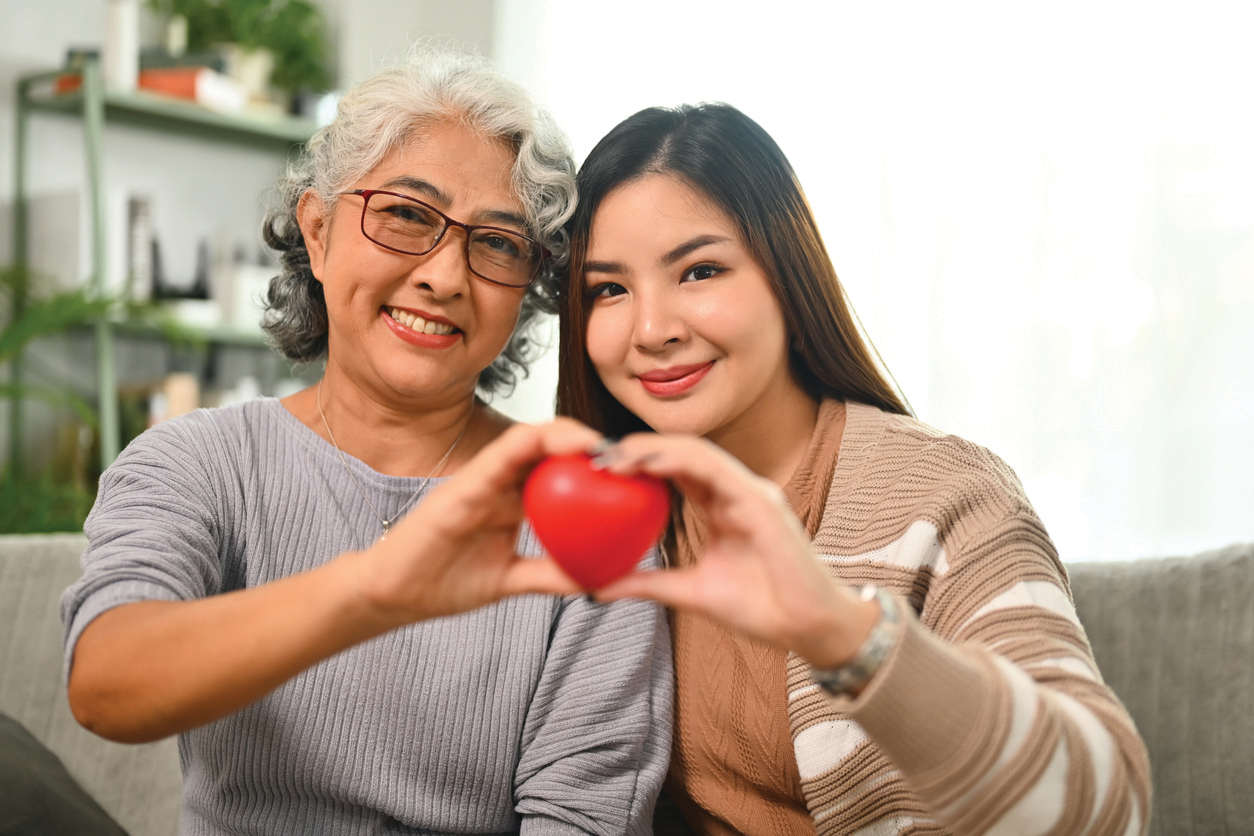
Your kidneys are small but mighty organs that keep your body in balance. They filter waste and toxins, regulate your blood pressure, and help maintain healthy bones and blood. When your kidneys are working well, you hardly notice them. But when they’re under strain, it can affect your entire body, often without warning.
In Hawai‘i, we see the US’ highest rates of kidney disease due to two significant kidney risk factors: diabetes and high blood pressure, which are more common here, particularly among Native Hawaiians and Pacific Islanders.
The connection between these conditions and kidney health is strong. When blood sugar or blood pressure stays high over time, it can injure the small blood vessels in the kidneys that act as filters. This damage builds up slowly and most people won’t feel symptoms until the kidneys are already working much harder than they should. But the good news is that kidney disease doesn’t happen overnight—and there’s a lot you and your care team can do to prevent or slow it down.
When should someone get their kidneys checked, and what kind of tests are involved?
If you have diabetes, high blood pressure, heart disease or a family history of kidney problems, get your kidneys checked at least once a year. Even if you feel healthy, these tests are the only way to know how your kidneys are doing.
Tests are quick and straightforward. A blood test checks how well your kidneys filter waste— what we call your “estimated glomerular filtration rate” or “eGFR.” A urine test looks for protein, which can be an early sign of damage. At Kaiser Permanente, we usually do both during your routine visits for diabetes or blood pressure care. These results help your doctor see trends over time and act early if something changes.
Regular labs can catch kidney issues long before symptoms appear—making all the difference.
If someone develops kidney disease, what are the treatment options before dialysis?
If you’re told you have kidney disease, take heart—most people don’t need dialysis and many live long, full lives by following a tailored care plan.
The first goal is to treat what’s causing the problem. Managing blood pressure and blood sugar is key. Your doctor may adjust your medications or add new ones that protect your kidneys. ACE inhibitors, ARBs or SGLT2 inhibitors are medications that can protect your kidneys and help them last longer.
Lifestyle is a huge factor. Eating less salt, staying hydrated, being active and avoiding extended use of over-the-counter pain relievers such as ibuprofen or naproxen can prevent further injury. Our care teams (doctors, dietitians and pharmacists) work closely together to help patients make small, sustainable changes that add up over time.
Kidney disease may be common here, but it doesn’t have to be inevitable with early testing, good control of blood pressure and blood sugar, and regular checkins with your care team.
Good kidney health is about partnership. When you and your care team work together, small changes can make a lifetime of difference.
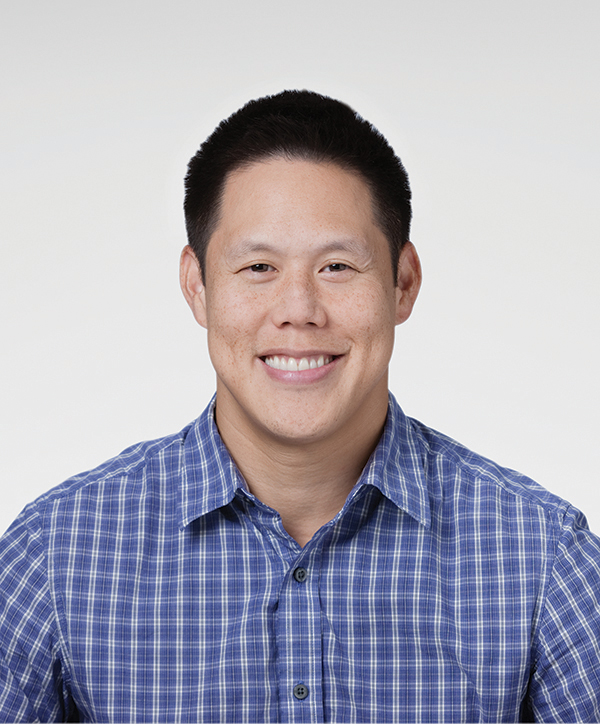
DR. THOMAS CHEN serves as Chief of Nephrology and Medical Director of Pharmaceutical Services at Kaiser Permanente Hawai‘i. Board-certified in nephrology and internal medicine, he earned his medical degree from Wake Forest University School of Medicine and completed his residency and fellowship training at Temple University Hospital in Philadelphia. Dr. Chen is passionate about prevention, patient education and collaborative care—helping patients with kidney disease live healthier, fuller lives through early detection and coordinated treatment.
Kaiser Permanente will cover bladder control issues in the next issue. If you have a medical question for the doctor, email: cynthia@generations808.com.
In this ongoing column, Kaiser Permanentedoctors answer commonly asked questions. Your kidneys are small but mighty organs that keep your body in balance. They filter waste and toxins, regulate your blood pressure, and help maintain healthy bones and blood. When your kidneys are working well, you hardly notice them. But when they’re under strain, it…
When brothers Shoichi and Saburo Hasegawa opened their general store in Hāna in 1910, there was no legendary Road to Hāna. Goods and people traveled by boat to the wharf in Hāna Bay. The bustling sugar plantation town was just one of several on the east coast of Maui, from Ke‘anae to Kīpahulu, each with a sugar mill, stores, churches and recreational amenities such as movie theaters and pool halls. Travel from one end of the district to the other could take days by horse or mule. A lot has changed since then, but fourth-generation general store operator Neil Hasegawa continues his family’s tradition of serving both locals and tourists with grace, humor and a strong sense of deep-rooted responsibility a small-town business fosters that helps the surrounding community retain its character, prosper and thrive.
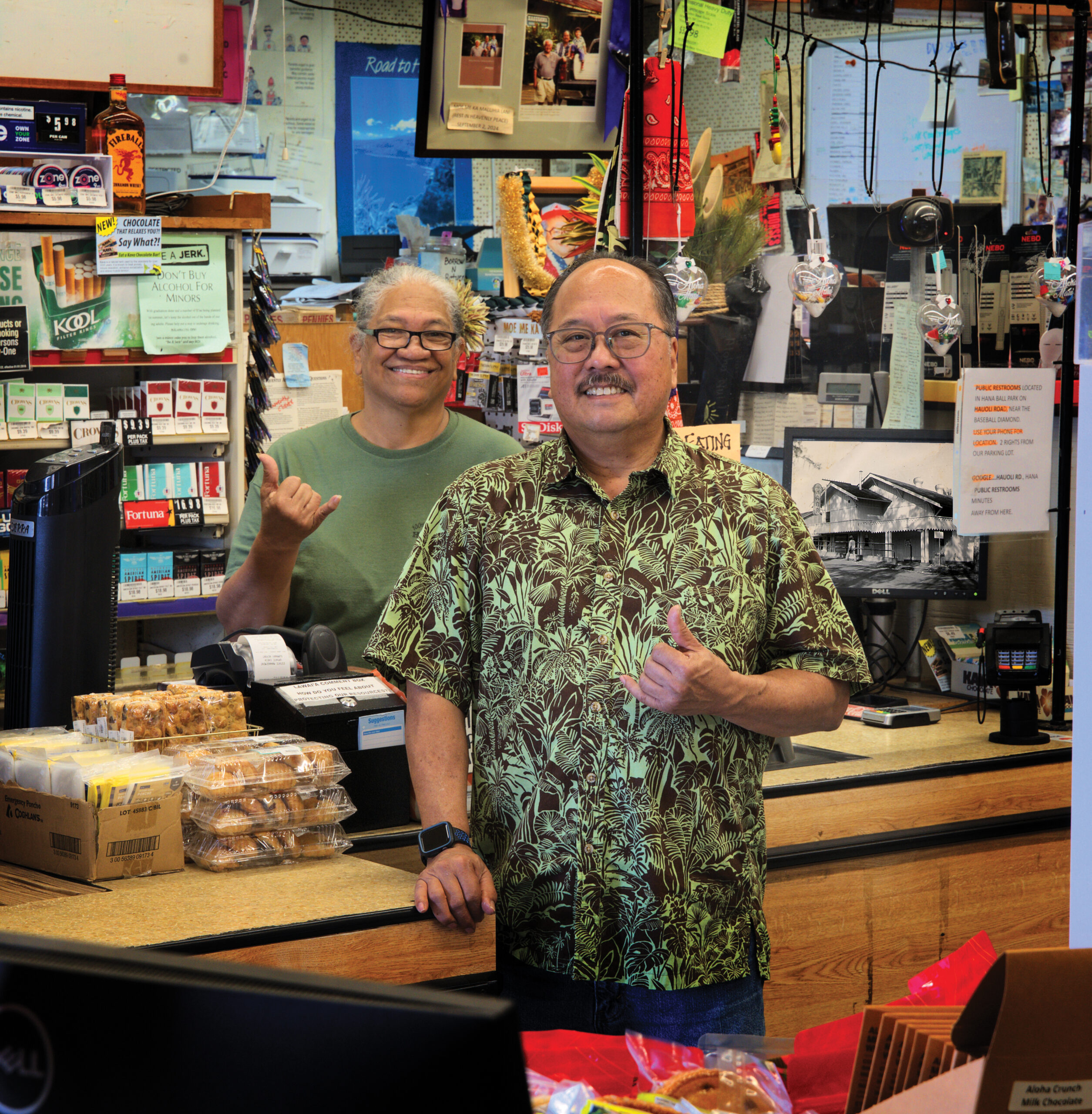
Carol Oliveira, seen here with Neil Hasegawa, was born and raised in Hāna and has lived there all her life. She’s worked at the store going on 16 years. “It’s a good job. I like it. I cashier and sometimes stock the shelves in the store. The atmosphere is good; everybody gets along.” She enjoys interacting with customers, both locals and tourists.
Shoichi and Saburo Open Original Store
In 1886, representatives of His Majesty the King of the Hawaiian Islands and His Majesty the Emperor of Japan signed a convention that stipulated that a representative from Hawai‘i be based in Yokohama to facilitate the signing of work contracts no more than three years in length. The immigrants would also be granted “free steerage passage, including proper food, from Yokohama to Honolulu in first-class passenger steamers.” This is likely how the Hasegawa brothers arrived, voyaging on from Honolulu to Hāna Bay.
The Hāna District had a population of 3,241 when Shoichi and Saburo opened their store in 1910. It was a family affair, with the children helping out from a very young age. Toshimasa was born that same year to Shoichi and Kiku, but in 1919, they took him and their other children back to Japan, leaving Saburo’s family to run the business. Then, in 1926, Saburo and his oldest son Kengo, went to Japan to ask Toshimasa if he would come back and help them with the store.
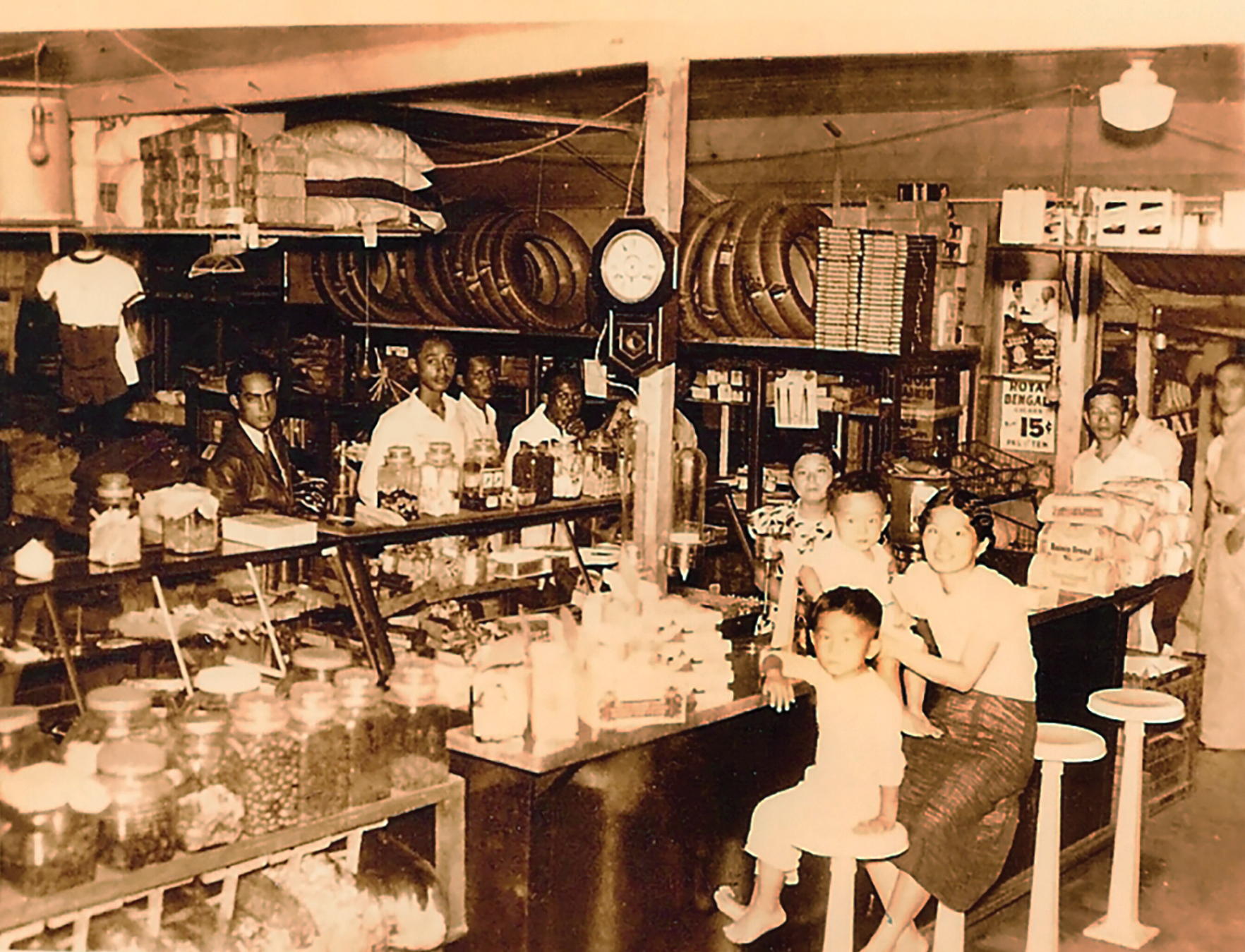
Toshimasa photographed the original Hasegawa General Store in 1938. In the foreground is Harry and his mother, Shizuko. His brother, Ed, is seated on the counter, and a cashier stands behind him. The sugar plantation era in Hāna lasted from 1849 until 1947. All the district’s freight came via Hāna Bay wharf during that time, and bagged sugar left that way. The wharf and its facilities were destroyed by the 1946 tsunami. The last East Maui sugar mill ceased operations that same year. The road to Hāna wasn’t completely paved until 1962.
Photos taken by Toshimasa in 1938 illustrate the store’s extensive and eclectic range of goods. Although the road from Kahului to Hāna had been completed a decade before the photos were taken, it was extremely rugged, necessitating a huge inventory of tires. The interior featured a long lunch counter, cabinets with various household items and hardware, and food staples like rice.
Toshimasa and Shizuko Take Charge
Toshimasa wed Shizuko Hirose in 1932 and they took over store operations when his uncle Saburo returned to Japan in 1933. With the winding down of the plantation era from the 1920s onwards, population numbers declined by 1950 to about 1,000 still living in the Hāna District. Those remaining people still needed the necessities of life and the Hasegawa family continued to provide them through long hours of work. Improvements to the road linking the town to Kahului, a major arrival hub for tourists, as well as the area’s natural beauty, brought transient customers to the store. It was within this context that Toshimasa built a new brick store with gas pumps in 1958. Toshimasa, an avid photographer, also added a photo developing studio.
Toshimasa and Shizuko had a house behind that store. Neil has fond memories of his grandparents’ home. As children, he and his two sisters spent the most time with them—his cousins lived on O‘ahu and in Southern California, so he and his siblings had them all to themselves. “I had a really good relationship. I’m the first-born grandchild and I’m a man. In Japanese culture, that’s a double whammy!” He and his sisters had chores in the store, weeded around the house and helped Shizuko in the hothouse behind the walk-in freezer at the back of the store. “She was really smart. She’d make friends with some of the hotel guests that would come on a regular basis and she would give them anthuriums, orchids, flowers and so forth. I think that was her way of marketing—a frequent-shopper kind of program!”
Toshimasa and Shizuko retired to a new home in Kahului, where he took up painting and pottery, and she continued nurturing plants with her green thumbs. He passed away at age 90 in 2000 and Shizuko followed him in 2009 at age 95.
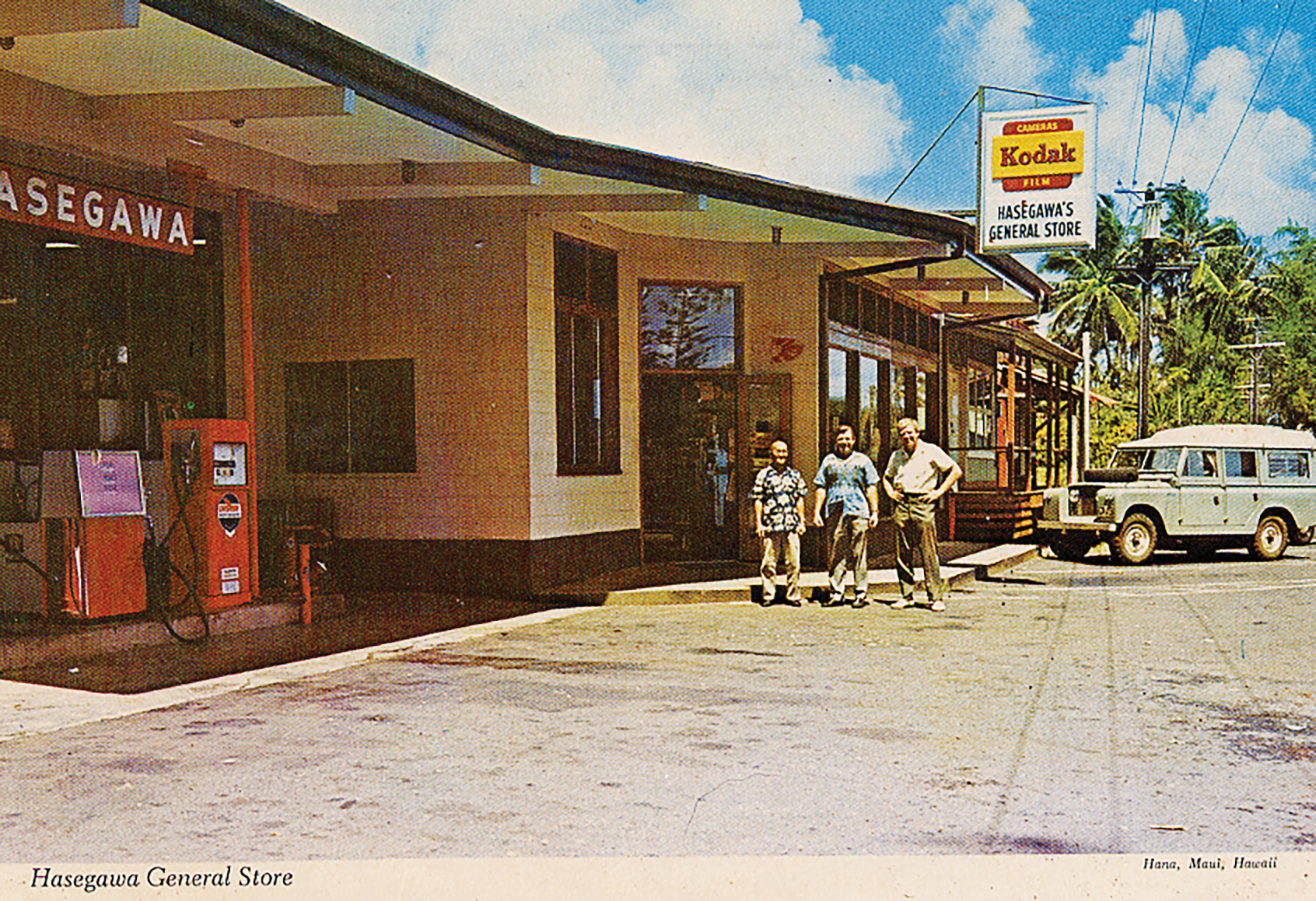
[L–R] In this image of a 1970s promotional travel agency postcard, Toshimasa Hasegawa, visiting radio personality Arthur Godfrey and local marine biologist Tad Pryor stand in front of the general store built in 1958.
Harry Takes the Reins
During the 1970s, their first-born son, Harry, took over running the store. His parents ensured he got a good education by sending him to Mid-Pacific Institute in Honolulu for high school and the University of Colorado in Boulder, where he majored in accounting. In the 1950s, he completed his military service, working in the accounting department at Tripler Army Medical Center. He and his wife, Nita, made their home in Hāna after their marriage in 1962 and they both worked in the store, taking it over when his parents retired.
In 1961, Paul Weston wrote “The Hasegawa General Store,” a song about the huge variety of goods available there. It became popular when Pua Alameida sang it on the radio show Hawaii Calls and was later recorded by many different artists. Capitalizing on the publicity the song brought, Harry and Nita began selling Hasegawa General Store T-shirts and related merchandise. And each year, they would go to a trade show on the continental US to help ensure the hardware inventory was the latest and best they could provide their No. 1 customer—Hāna locals.
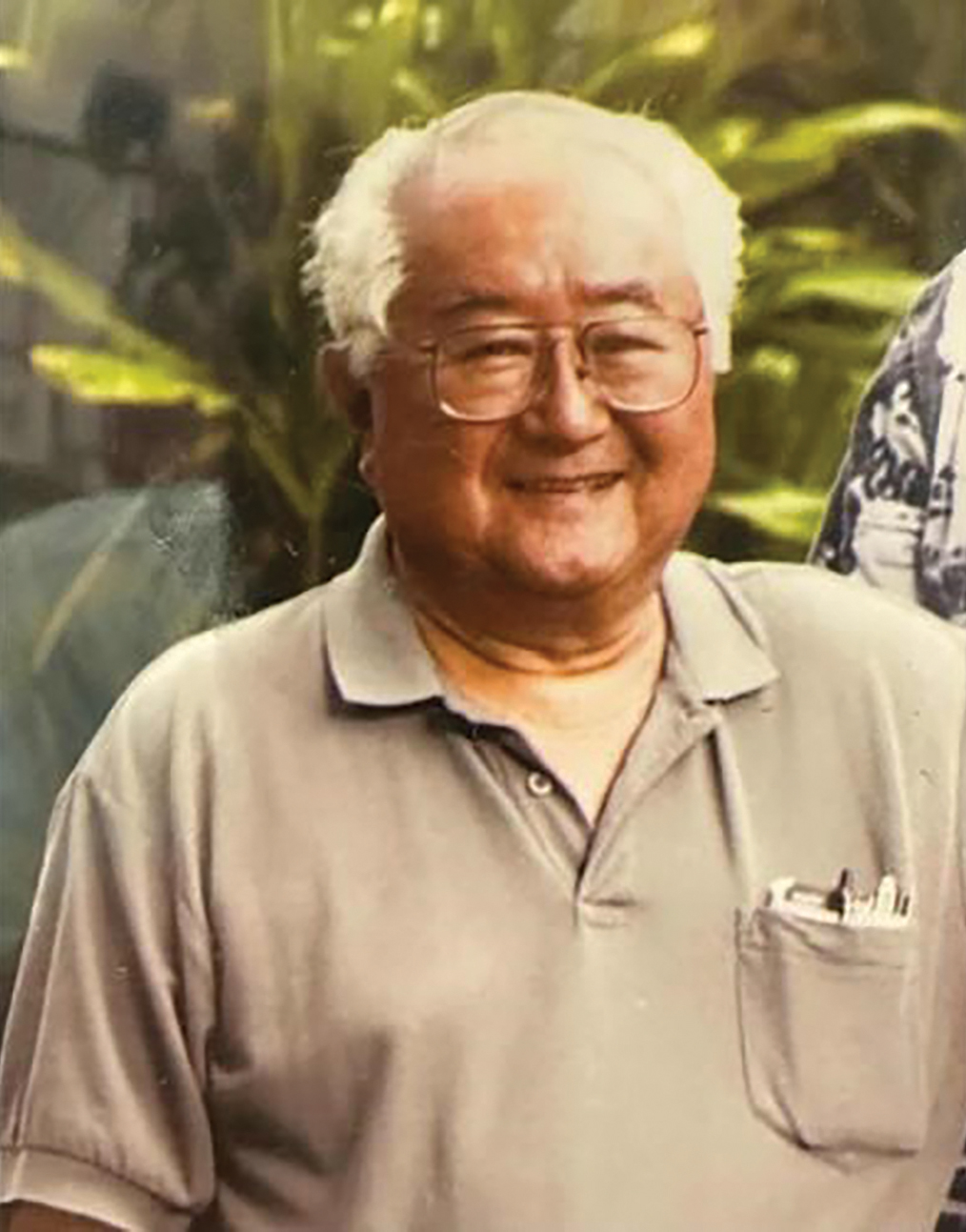
Harry Hasegawa
This customer-centered ethos passed on to Harry by his parents is also exemplified perfectly in an anecdote told by one of the store’s visitors. He and his wife had neglected to fill their car with gas before embarking on the road to Hāna on a sight-seeing day trip. They didn’t have enough gas to get back to Kahului and they also didn’t have enough money to pay for a night’s accommodation in Hāna. When they told their tale of woe to the waiter at the restaurant where they were having dinner, he re-told it to Harry, who was dining there with his family. So Harry opened up the gas station and even provided them with some snacks for the long drive back.
Had they needed a document notarized, Harry could have done that, too. He became a notary public when he realized the community didn’t have one. He also served on planning boards and the Hāna Maui Trust, providing scholarships to local students and grants to help community members from 1970 to 2018. During his 20-plus years as president, the trust’s outreach to the Hāna community grew exponentially. In a 1988 KHET TV documentary about Hāna, Harry shared his feelings about the town: “I think of Hāna as a very rural Hawaiian place and I’d rather live in that type of setting, so I’d like to set my life in those terms. I think everybody has that in mind when they come to Hāna. As the other parts of the island build and become more like a city, Hāna can remain as it is—rural and not over-developed. I think our value is increased and I think that is what we should be looking for.”
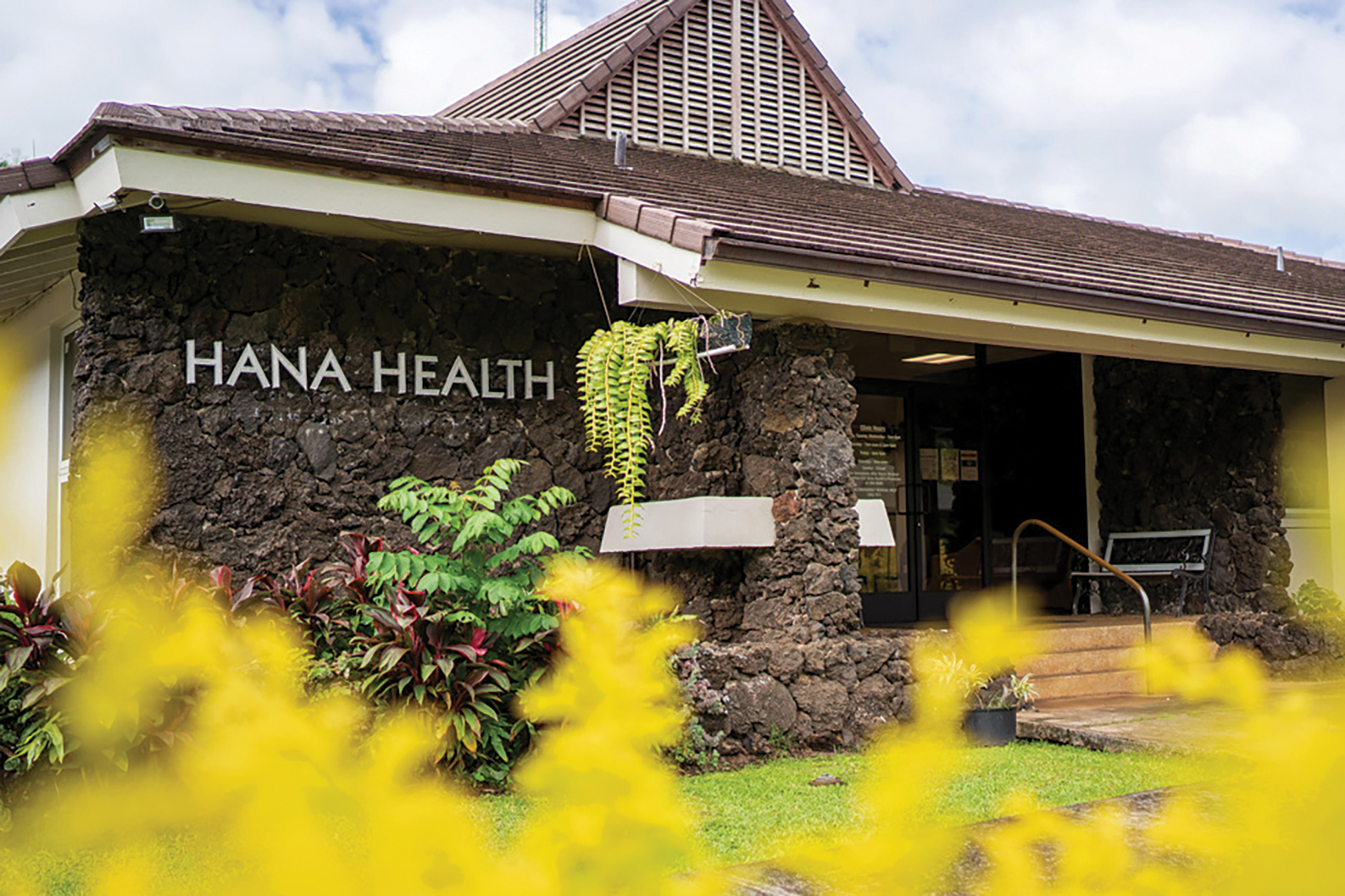
Hāna Health, the only healthcare provider in the Hāna District, serves the primary healthcare needs of residents and visitors alike. Harry Hasegawa was a key figure in establishing the center when the state closed its clinic there. Providing a full range of primary healthcare, Hāna Health emphasizes preventive care. The Hāna Fresh Farm behind the center sells its produce, herbs and traditional Hawaiian medicinal crops from a nearby farm stand. Photo courtesy of Hana Health
Harry passed in September 2024 at age 90 in an assisted living home in Kahului. For about three years “my Mom and I would go there every Thursday, spend the night, have lunch with him Fridays and then return,” says Neil. He lives next door to his mother and is her caregiver, making sure she’s comfortable and has all she needs.
Neil Returns
Like his father, Neil went to college on the mainland, studying business administration, marketing and management at the University of Redlands in Southern California. Upon graduating in 1988, Neil returned to Hāna to live with his parents and help run what he now calls the “old store.” That’s because, in August of 1990, the Hasegawa General Store was set ablaze. There was minor damage to the gas pump area, but everything inside the store was lost. Harry and Neil said a friend came to Harry’s home in Hāmoa at 4:30am to tell them the store was on fire. By the time they got there, it was completely gone. Fire investigators concluded it was arson, but the culprits were never found. “I felt really hurt that someone would do this to us,” said Neil.
What happened next is proof that the Hasegawa family’s sense of responsibility to their community is no one-way bridge. “When the store burnt down, several people in the community—and this was before GoFundMe—started soliciting donations for us and for our employees,” says Neil. “I thought that was a great gesture, especially coming out of that situation where I was so bitter. I had a really negative feeling about human nature at that point. Then the realization hit me, ‘You know what, if you’re gonna be that sour the rest of your life, that’s not going to be a good life. That negativity surrounds you. Let the police handle the investigation and all of that stuff. How can we continue in a good way?’”
They were able to get the gas station running again and built a film studio in part of the old building so they could develop pictures as well. Keola-Hana Maui, owners of Hāna Ranch at that time, offered the family the use of Hāna Ranch Theatre. Its last movie showing was in 1979. “A lot of our guys helped renovate the theatre,” says Neil. “We had a general contractor who came in and we were his crew. It made a lot of sense doing it that way.” All their staff remained employed and the new store opened for business in August, 1991. You can still see the holes for the projectors high up on the back wall. In 2008, plans to rebuild on the old site fell through, so it is now used as a food truck lot by local entrepreneurs.
Neil and his wife, Mitzi, have two adult children, Brayden and Caelyn. Caelyn worked in the store as a cashier one summer, but when Neil wanted to give his 15-year-old son a job there, he wasn’t able to because the minimum age to get a liquor card is 16. He laughs when recounting his conversation with the liquor commission when he said that he’d been working in the store since he was 10. “They go, ‘Mr. Hasegawa, that was a long time ago!’” Brayden and his wife, Sydney, both graduates of the University of Nevada, Las Vegas, live and work there. “They’re living their life up there. If they feel like they want to come back and run the store, that’s their decision. I don’t want to force anybody.” Caelyn is majoring in kinesiology at Missouri Southern State University.
Community Needs Remain the Priority
It’s easy to take for granted the items we see on store shelves in urban and less isolated rural areas. “Normally, product merchandisers for companies like Meadow Gold come in and stock up, pull expired product, give credits and so on. We do everything on our own,” says Neil. He places the orders and a private trucker based in Hāna goes to Kahului to pick them up. Redo Trucking & Hauling is another multi-generational business. It was started by Valentine Redo as Redo Express in 1973 and is now run by his grandson, Sam Aina. Neil remembers Valentine “dropping stuff off at the old store to my dad and grandpa.”
An example of how local businesses put the needs of the community ahead of dollars and cents comes from when the Maui Nui Venison company began giving out free ground venison in 2024. They called Neil and asked if he wanted to be part of the giveaway and Neil called Sam to see if he would bring it down for free: “Yeah, no problem.” Maui Nui drops off cartons of the 1-pound packs of venison at VIP, a family-owned food distribution company in Kahului that provides chilled and frozen products to restaurants and businesses. “They accept the Maui Nui venison, put it on the pallet, Sam comes by, picks it up every other Thursday, brings it to us and then we put it in our freezer. People will just come and pick up. Maui Nui told me it’s two per family, per day, so use your discretion. It is such a big help to the community.” Previously, Hasegawa General Store had acted as a distribution point for free produce brought to them by a produce house “on the other side. People could just pick up the boxes and we’d keep track of the names. We did it for three or four months and then the grant ran out.”
When Hāna locals speak of “the other side,” they’re referring to the other side of Haleakalā, the dormant volcano. Its lower slopes cradle the 52-mile road to Hāna, with its 620 curves—some of them hairpin bends—and 59 bridges, most of them one-way. The drive can take from two to four hours. Extreme weather events, wildfires or road and bridge repairs can mean it’s closed altogether. If the electricity grid gets shut down, as well, Hāna has several emergency generators for the community. Nowadays, of course, electricity is vital for store operations. Harry had the vision to computerize the store’s paper-based systems and replace the manual cash registers with electronic equipment. “It saved him time,” Neil explains—time that Harry could allocate to serving the community.
A Rising Tide Lifts All Boats
Hāna Health is a private, nonprofit, federally qualified health center. Neil explains: “That was Harry’s baby. We’re a small community. We just weren’t getting the attention that we need. Especially in healthcare, you can’t be ‘the leftovers.’ He was the one who created a committee, got funding and brought in an executive director to help organize everything.” In 1995, the state-run Hāna Medical Center was on the verge of closure. Harry spearheaded the advocacy for Act 263, which was passed in 1996. It provided for the transfer of the state-run medical center to the new nonprofit organization. Harry was a board member and president for several decades. Hāna Health offers primary medical, dental and behavioral healthcare, and 24-hour urgent care to all Hāna District residents, regardless of their economic circumstances.
Neil recalls how his father was very involved in the community. “We all are. He instilled in me, ‘the rising tide lifts all boats. The more you can do for Hāna, the better Hāna will become.’ Whether it be volunteering… just making it better.”
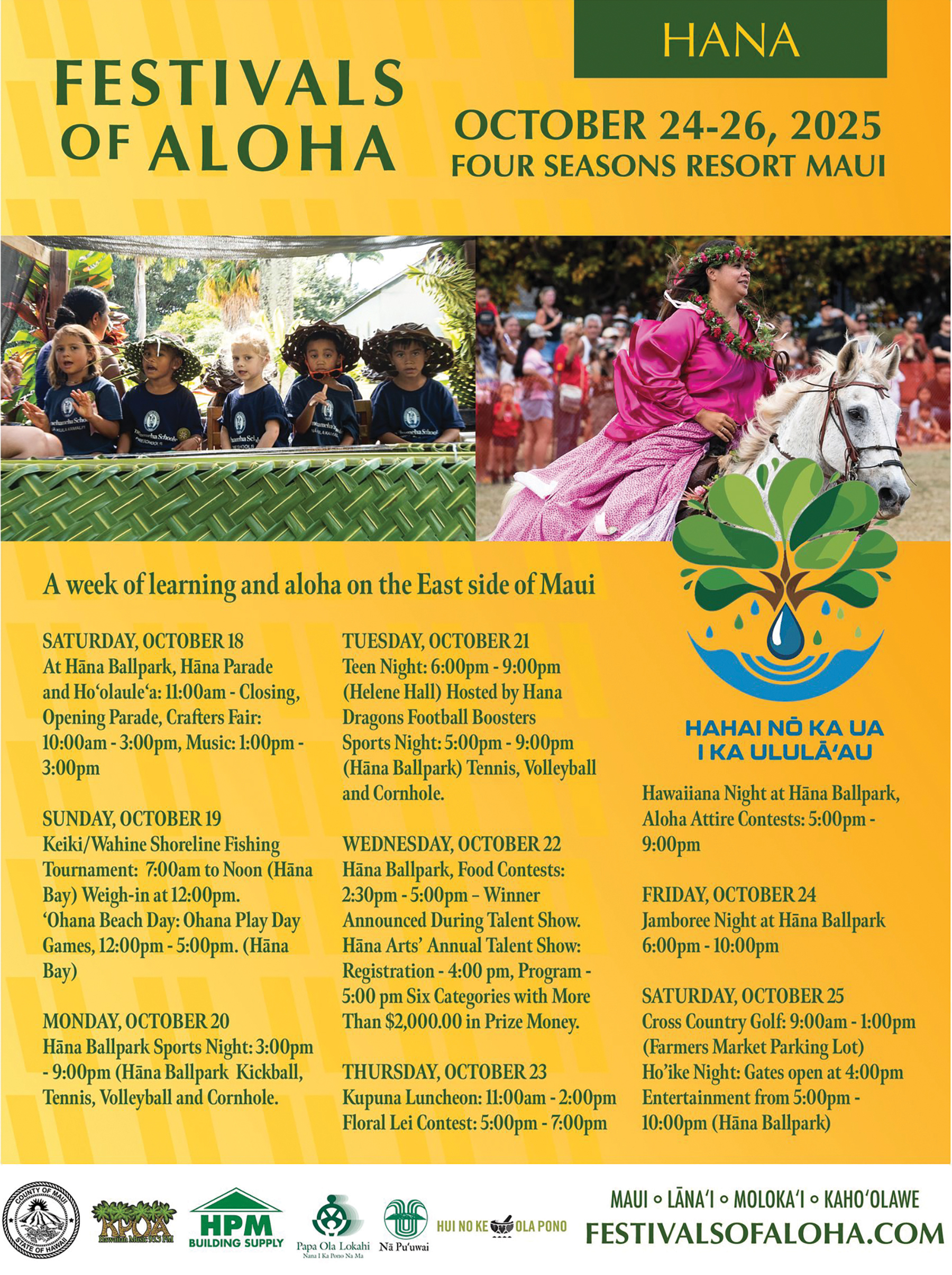
Neil’s “baby” is the Festivals of Aloha. “Festivals of Aloha was called ‘Aloha Week’ back in the ’60s. There’s a lull in tourism in October and O‘ahu businessmen wanted to create a destination event that would share Hawaiian culture with tourists.” The event spread to all the islands, but over the years was reduced to three days or a weekend. Hāna is the only community in the entire state that still has a weeklong festival.
The whole community gets involved, with individuals volunteering their time to help out at the events and small businesses donating and providing certificates and cash prizes. The festivities kick off with a parade on Saturday and end with Ho‘ike Night lū‘au with entertainment and food.
“We’re trying to work with the hotel to create a destination event for Hāna,” says Neil. “Fill up the hotel, fill up the vacation rentals, have tourists come, spend a week with us and get that there’s a strong Hawaiian culture presence.”
Hawaiian culture isn’t just lū‘au, lei and aloha. There’s also the wave. When Neil’s cousin, Mark Hasegawa, retired to Hāna from Maryland, he bought Harry’s truck. “Small town, everybody knows everybody’s vehicles. They’ll wave. Just wave back,” Neil advised. “So tourist cars, any car… he’s just waving!” Mark grew up in Southern California and visited over the summer as a teenager.
That’s a typical pattern, not just for the Hawaiian diaspora, but also for families living on other islands. Most of Neil’s employees were born and raised in Hāna, a lot of them coming from large families that have spread out across the state. When visitors come into the store and say they know a Hāna local, staff and visitors often find family connections.
Kukui Nuts, Cold Cuts, Surfer Pants and Papaya Plants
Paul Weston’s lyrics in the song that made the Hasegawa General Store famous (youtube.com/watch?v=-dqbGR3Gkbwg) are no less true today than they were back in 1961, when it was first recorded. “You just name it, they’ve got it there.”
“I’m pretty much the specialist… I do the orders for hardware, fishing, liquor and beer,” says Neil. His office manager takes care of accounts payable. Several other people take care of buying. One of his assistant managers does the buying for different areas in the store, like health and beauty aids. “We have a lot of part-timers working as cashiers. We have a small crew… maybe 10 people.” Neil tries to source fresh produce locally so that he is both supporting the community and keeping prices down. The store also acts as a pickup point for FedEx and UPS customers. “It’s in line with what we do: try to service the community wherever we feel we can be of help.”
A Reflection of the Community
In 2008, the Small Business Association’s Family-Owned Small Business Award for the County of Maui went to Neil. “Despite a fire that destroyed the store in 1990,” the award said, he has shown “resilience and determination by reopening the store in the old Hāna Theatre with new services and an improved mix of products that contributes to its continued growth, and remains Hāna’s one-stop shop.” In 2010, the store’s 100th anniversary year, Harry and Neil received the Mayor’s Lifetime Achievement Award for small businesses.
“The key to owning a business in Hāna, or any small town, is the relationship you have with the community and the decisions you make,” says Neil. “A lot of times, ours are not dollars-and-cents decisions. There’s an underlying responsibility we have so we can best serve our community.”
Four generations sharing their community’s values When brothers Shoichi and Saburo Hasegawa opened their general store in Hāna in 1910, there was no legendary Road to Hāna. Goods and people traveled by boat to the wharf in Hāna Bay. The bustling sugar plantation town was just one of several on the east coast of Maui,…
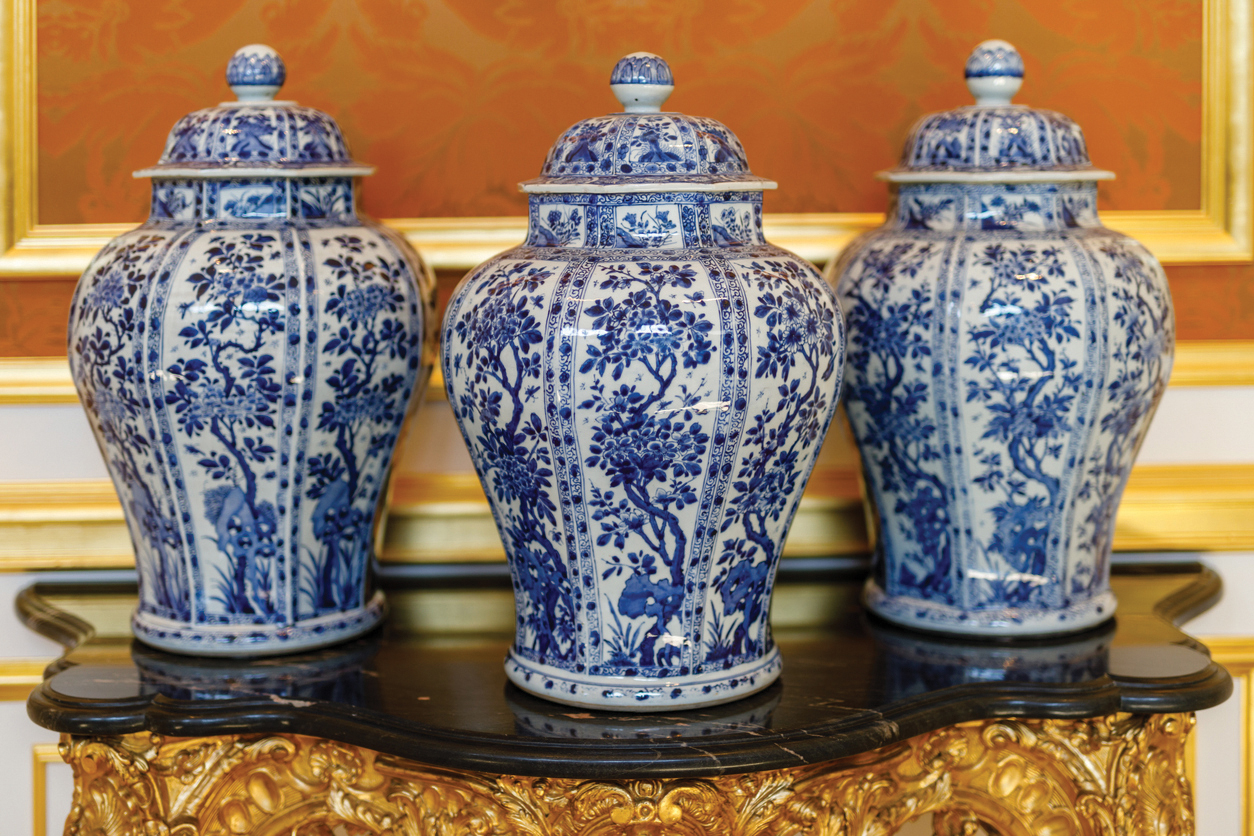
If your family members and friends have declined your offer to pass your treasured heirlooms to them, you are not alone. Jon Vendiola, the owner of a decluttering and moving service for kūpuna called “Lets Move, LLC,” has found this to be common among his customers. He cites differences in taste between generations and the lack of available space for storage in the smaller homes that are being purchased in a difficult housing market. Members of Gen X and Gen Z gravitate toward aspects of minimalism, and are more likely to value the memories, stories and the time spent together over the clutter.
But rather than lug these items to the landfill or drop them in a donation box, he recommends that you first explore other options. Take items that may have monetary value, such as tea sets, furniture, antiques, vintage items and designer clothing to a consignment store to be appraised. But do some research online or give the consignment store a call first. Consignment stores are selective. The merchandise they accept must be in “pristine condition,” says Jon. If they choose to accept an item, you retain ownership until it is sold. When the item is sold, the store will keep its commission and you take home the rest.
If all else fails, take your items to your local thrift shop, Goodwill, Salvation Army, homeless shelter or a domestic violence shelter. Or find a nonprofit thrift store that sells donated items to fund a charitable mission. Precious treasures that your family may reject could be highly prized by a perfect stranger—a win-win for everyone.
If your family members and friends have declined your offer to pass your treasured heirlooms to them, you are not alone. Jon Vendiola, the owner of a decluttering and moving service for kūpuna called “Lets Move, LLC,” has found this to be common among his customers. He cites differences in taste between generations and the…
Many of us have heard the paradox “all alone in a crowded room.” For many of our island seniors, it is a reality. Social isolation and loneliness are major enemies of the senior population. They are the common challenges of life after work.
Imagine the situation: You have worked for over 50 years, many as supervisors in charge of others. And after all that time, you look forward to retiring. You see yourself as being free to do as you wish, when you wish and with whom you wish. But on that first day of retirement, you no longer have a place where you feel you belong. There are no “good morning” greetings—no afternoon lunch gossip.
This is a reality for many retirees. Of course, many are prepared. They had their travel group set up. They were all set to garden, babysit or meet their friends for kanikapila at a local McDonald’s. But not all are prepared. Many seniors retire without having long-term plans in place. After the first month, they stop looking forward. They wake up, watch TV, eat alone and fall asleep. This becomes their new pattern. So, what do you do to prevent this? Start again.
Having worked for Parks and Recreation Senior Section for over 30 years, I met the people who gave in to “the disease of being retired.” Others I met formed new beginnings. They joined clubs, set up a schedule of activities and rediscovered life. They found new reasons to wake up every day. Whether it was a senior club or just a group they met at the mall, life started to form anew.
Remember back when you started your career? Do it again and this time you are your own boss. Rekindle a former passion, challenge yourself with a new project, order yourself to join a club or start a club of your own. Create activities you have always wanted to do—travel, garden or work out at your local recreation center.
Look at opportunities to help others. I just started retirement and began a new career doing just that! My hobbies now dictate my deadlines. I feel renewed; I am just waiting for people to start telling me I look younger!
Many of us have heard the paradox “all alone in a crowded room.” For many of our island seniors, it is a reality. Social isolation and loneliness are major enemies of the senior population. They are the common challenges of life after work. Imagine the situation: You have worked for over 50 years, many as…
The Blood Bank of Hawai‘i (BBH) is the state’s only center for blood collection and distribution, supplying all 18 civilian hospitals. Because shipments from the continental US take time, local donations are essential to meet daily patient needs. BBH often relies on 150 to 200 donors each day to support surgeries, cancer treatments and childbirth. When emergencies spike, demand can exceed 300 units. On days with low supply, reserves can fall below a single day’s worth, forcing hospitals to make difficult choices about who receives life-saving treatment immediately and who must wait.
Traci Takehara, senior recruiter for donor services at BBH and a multiple-time donor herself, oversees Lifesaver Clubs and coordinates drives throughout the islands. “Every donation has the power to save a life right here in our community,” Takehara says. “It’s life, hope and time for families who need it most.”
Because blood cannot be manufactured, Hawai‘i’s hospitals depend entirely on volunteer donors to maintain a stable supply. Each unit has a limited shelf life, and demand fluctuates with surgeries and emergencies, making regular donations essential. All blood types are needed—including the most common—O-positive and A-positive—while O-negative remains especially valuable due to its universal compatibility.
Many kūpuna rely on a consistent blood supply, especially those managing chronic conditions or preparing for procedures like dialysis, heart treatments or joint replacements. Yet fewer than 2% of Hawai‘i residents donate regularly, leaving hospitals with little buffer when demand is high. One pint can support up to three patients, so supplies can run low quickly.
Different types of donations address specific medical needs. Whole blood, the most common, is used for a wide range of treatments. Platelets help cancer and trauma patients. Plasma supports burn-care and clotting disorders. Rare types like Jk3-negative, more common among Polynesian populations, are in high demand because they are harder to match.
Most adults in Hawai‘i can donate if they are generally healthy, weigh at least 110 pounds and meet screening requirements. Many kūpuna remain eligible, depending on medications and medical history.
BBH operates fixed locations on O‘ahu and regularly holds mobile drives to make donations accessible across the islands. Staff guide donors through every step, from check-in to recovery, and follow consistent safety protocols to protect both donors and patients. By maintaining a reliable supply, the Blood Bank supports care that keeps families together and ensures treatment remains close to home.
Takehara emphasizes, “A steady blood supply ensures hospitals can care for all patients without making impossible choices.”
For more information or to schedule a donation, visit bbh.org.
The Blood Bank of Hawai‘i (BBH) is the state’s only center for blood collection and distribution, supplying all 18 civilian hospitals. Because shipments from the continental US take time, local donations are essential to meet daily patient needs. BBH often relies on 150 to 200 donors each day to support surgeries, cancer treatments and childbirth.…
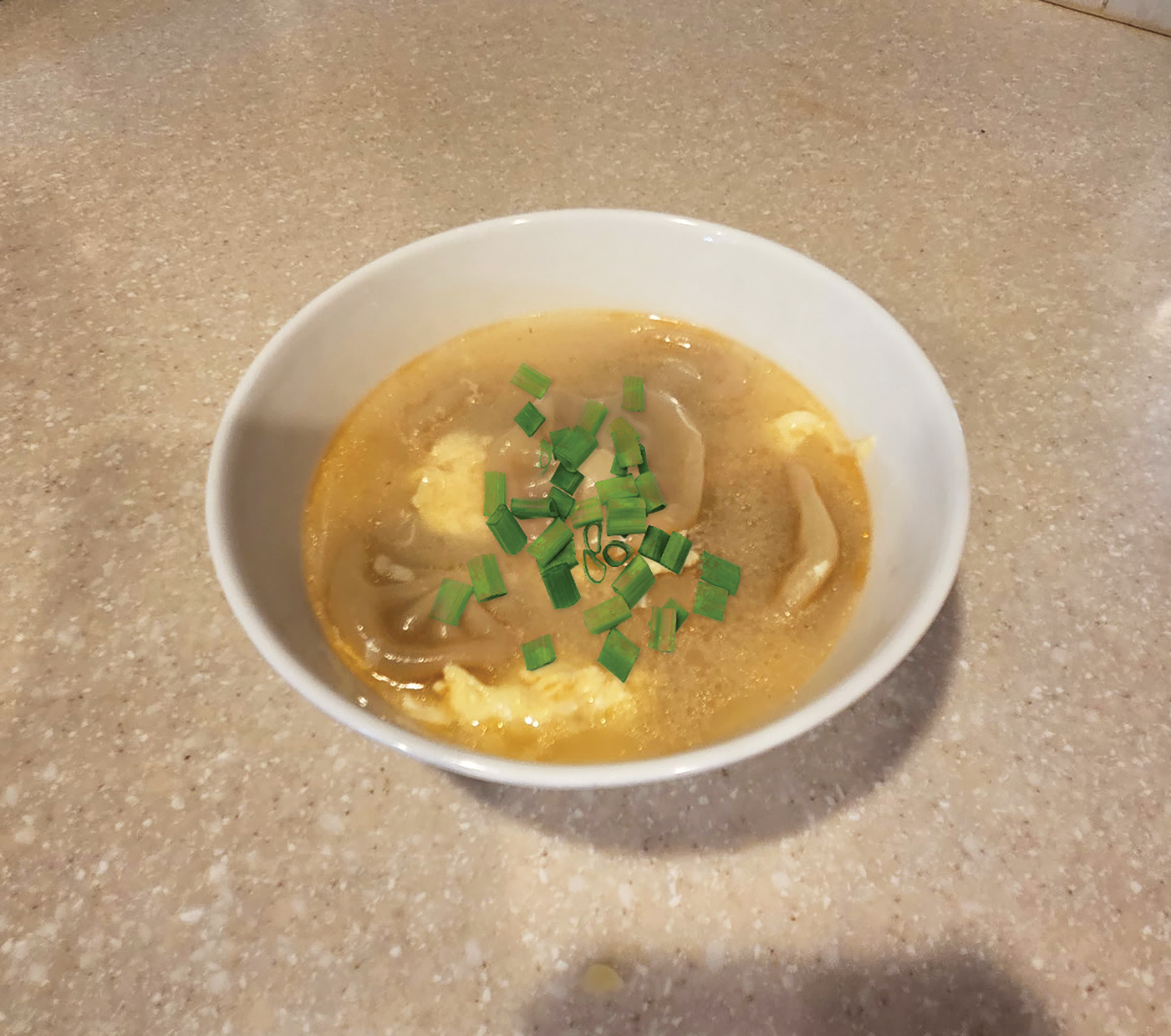
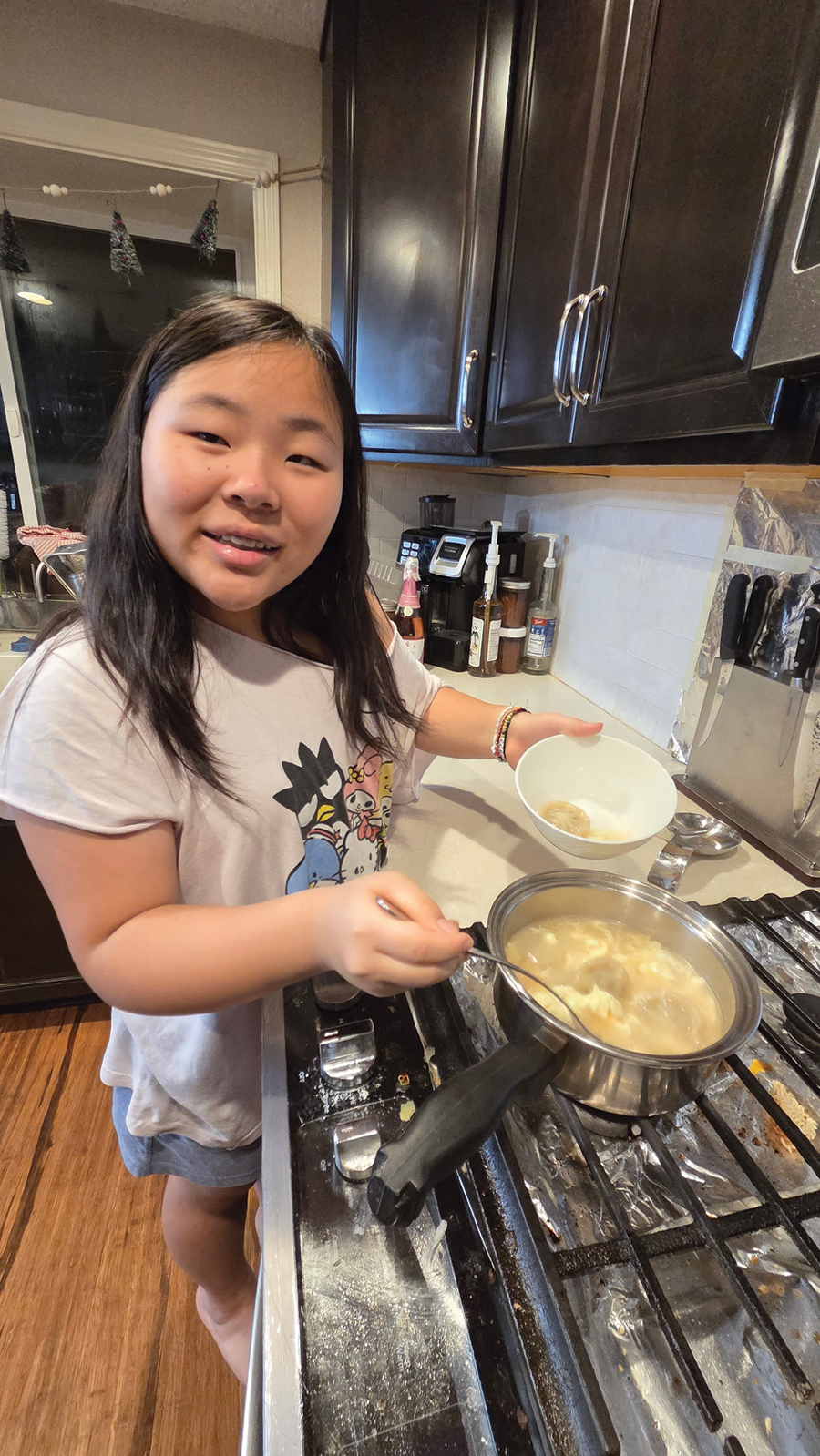
This soup has become a new tradition for the Kim family—the dumpling soup my kids ask for every time we want a quick, comforting and easy dinner. And it is simple enough that at age 10, my daughter, Sophia, could make it on her own. Mandu (dumplings) are usually made during holidays like the Korean New Year or Chuseok, an autumn harvest festival. Families make them together and eat them together. There’s something special about a meal that is stress-free and still brings everyone to the table. On chilly days, manduguk is our go-to and a perfect recipe for kids who are learning their way around the kitchen.
Ingredients
1 pack Store-bought beef bone broth 8–10 Store-bought dumplings (any brand) 1 egg Chopped green onions, to taste Minced garlic, to taste A little sesame oil
Directions
1) Pour 1 pack of store-bought beef bone broth into a pot and add the same amount of water. Bring to a boil. 2) While the broth is heating, mince the garlic and finely chop the green onions. 3) Crack the egg into a bowl and beat it lightly. 4) When the broth comes to a boil, add about 8–10 dumplings. Cook until the dumplings float to the surface. 5) Once the dumplings float, add the minced garlic and stir. 6) Slowly pour in the beaten egg in a circular motion. When the egg starts to set, gently stir with a spoon. 7) Add the green onions and a little sesame oil, then stir. 8) Season with salt and pepper if needed.
If you add sliced rice cakes (tteok) along with the dumplings, it becomes tteok-mandu-guk (rice cake and dumpling soup).
Prep & cook time: 45 minutes Serves: 2
Do you have a favorite recipe and story to share? For consideration, include a photo and mail them to Generations Recipe, PO Box 4213, Honolulu, HI 96812, or email them to Cynthia@generations808.com.
This soup has become a new tradition for the Kim family—the dumpling soup my kids ask for every time we want a quick, comforting and easy dinner. And it is simple enough that at age 10, my daughter, Sophia, could make it on her own. Mandu (dumplings) are usually made during holidays like the Korean…
Since more than 1,500 years ago, Kānaka Maoli (Native Hawaiians) have welcomed immigrants from every corner of the globe, cultivating and perpetuating a tapestry of diverse cultures. In the eighth article of this ongoing series on the many cultures that comprise Hawai‘i, we will focus on the Koreans, how they arrived in the Hawaiian Islands, the culture and celebrations.
Korean Arrival in Hawai‘i
The story of Korean immigration to Hawai‘i officially began on Jan. 13, 1903, when 56 men, 21 women and 25 children arrived in the islands. Like many other ethnic groups migrating to Hawai‘i, the men were recruited as laborers for sugarcane plantations. Their situation was unique in that Korean laborers were primarily seen as strikebreakers when Japanese laborers refused to work under exploitative conditions.
By 1915, Korean presence in Hawai‘i had grown to over 7,000 strong. In these early years of immigration to Hawai‘i and then to the United States continent, some Korean intellectuals believed that emigrating from Korea would be useful in modernizing their homeland. As a result, the recruitment of Korean laborers and those willing to move to Hawai‘i saw little issue. Today, around 55,000 residents of Hawai‘i claim Korean heritage—about 4% of the population.
Culture and Tradition
The Koreans in Hawai‘i were self-starters. They immediately began organizing themselves through churches, establishing schools/social organizations and becoming business owners, and these practices continue today. As proof of this living history, Ke‘eaumoku Street in Honolulu – also affectionately called “Koreamoku”—features plenty of Korean-owned businesses, restaurants and sites for communal gathering.
Many keiki grow up going to taekwondo practice and learning seoye (calligraphy). Hallyu (South Korean popular culture), Korean pop (K-Pop) and dramas are enjoyed across generations.
The most beloved manifestation of the different cultures in Hawai‘i is, of course, food, and delicious and comforting Korean cuisine—like bulgogi, kalbi and meat jun, and banchan (sides) like kimchi and mandu—is no exception.
Celebrations
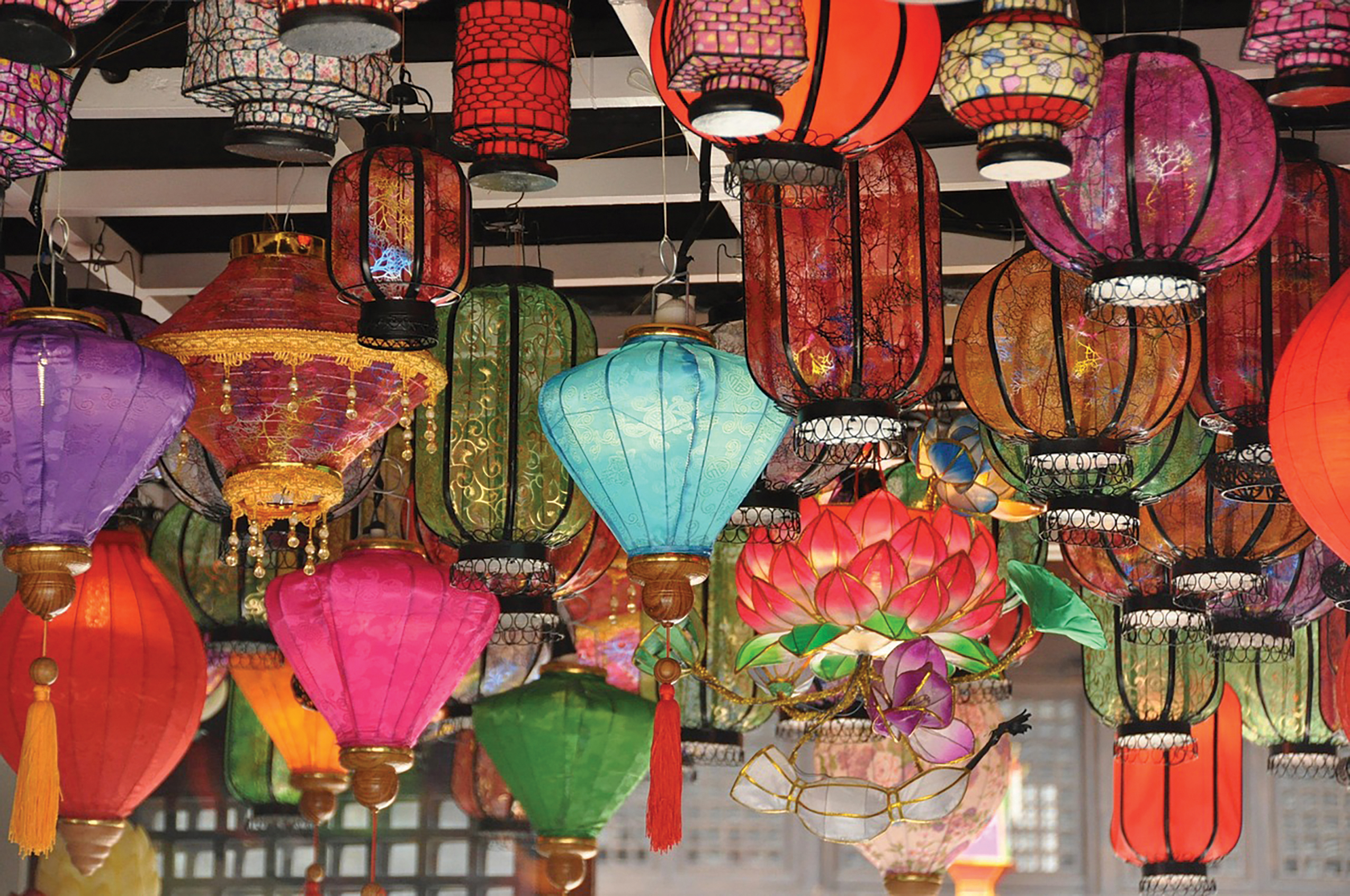
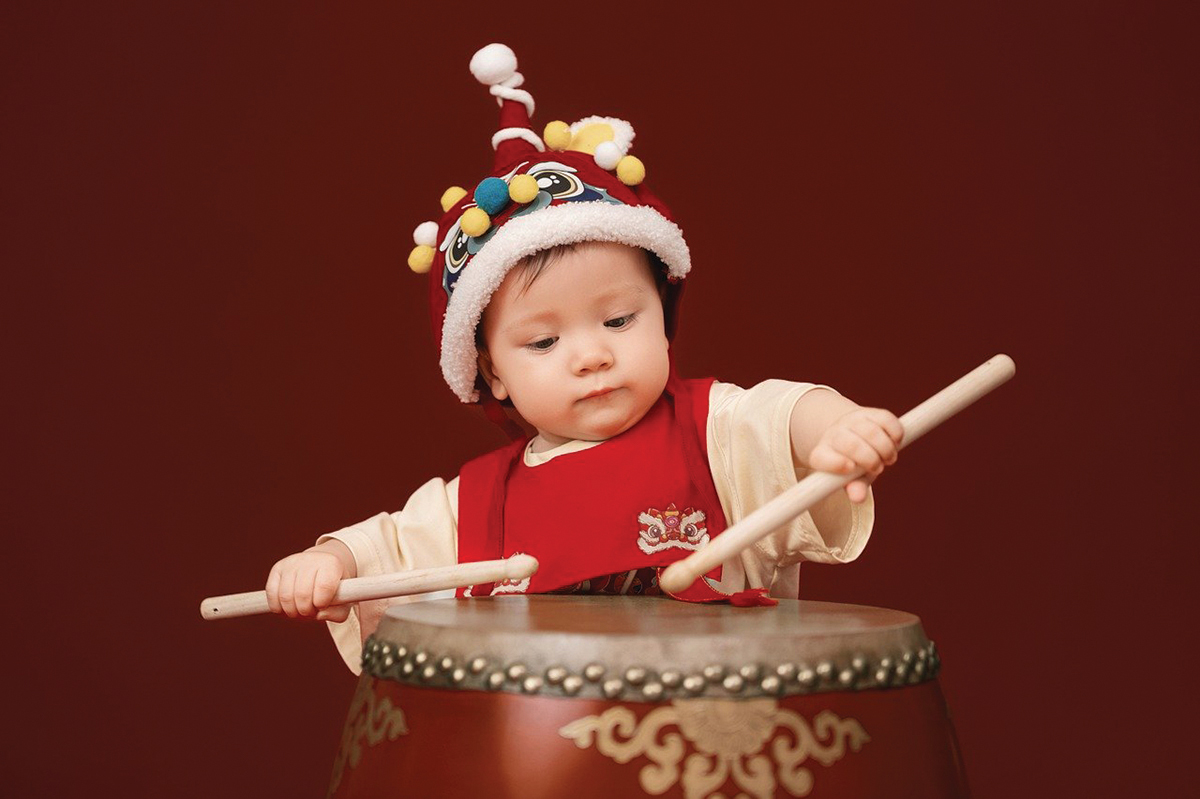
Organizations such as the United Korean Association of Hawaii and the Hawaii Korean Cultural Center offer culturally relevant classes and events throughout the year. The two largest cultural celebrations are the Korean Festival in August and the newer Kimchi Day Festival in November—both annual, held on O‘ahu and featuring events such as dance and drum performances, eating contests and celebrations of the arts.
The next article in this series will feature the influences of Mexican culture in Hawai‘i.
Since more than 1,500 years ago, Kānaka Maoli (Native Hawaiians) have welcomed immigrants from every corner of the globe, cultivating and perpetuating a tapestry of diverse cultures. In the eighth article of this ongoing series on the many cultures that comprise Hawai‘i, we will focus on the Koreans, how they arrived in the Hawaiian Islands,…
Children process and experience grief according to their developmental stage. If we try to determine their grief status by an adult measure, then something may be missed.
Grieving kids can experience a wide range of emotions, expressing sorrow through tears one moment and wanting to play the next. From an adult lens, this can be perceived as the child being “fine,” but in actuality, playing is one way they process their emotions. Another indicator of grief in children may be a regression in behaviors. The child may have a consistent developmental skill, then suddenly, they are no longer exhibiting their typical abilities. For example, a child may have independent toileting skills, then they begin to have bathroom accidents. This can be frustrating for a parent or the child’s caregiver, especially if they are unaware of the root cause. Healthy support includes talking story with them using simple words about their feelings, allowing them to cry, assuring them that what they are going through is normal and modeling healthy coping skills.
Good conversation starters may include encouraging the child to draw their emotions, reading through a children’s grief book or discussing a movie. Disney movies have many threads of grief sewn through their storylines.
Addressing grief can be uncomfortable, but it does not have to be overwhelming.
Children process and experience grief according to their developmental stage. If we try to determine their grief status by an adult measure, then something may be missed. Grieving kids can experience a wide range of emotions, expressing sorrow through tears one moment and wanting to play the next. From an adult lens, this can be…
If you or a loved one have surgical implants, be aware that metal implants will not be in your loved one’s urn following cremation. Handling of incombustible semi-precious metal implants following cremation is not something we think about when we are grieving. However, there are a few reasons why this will be a consumer protection concern increasingly affecting a growing segment of Hawai‘i:
Hawai‘i, like much of the US, is experiencing a rapid growth in its retiree population.
Significant medical advances and the increased use of surgical implants are becoming common-place for repairing or replacing bones and joints due to deterioration or fractures.
Hawai‘i has the fourth-highest cremation rate in the US, therefore, a continued accumulation of surgical implants after cremation is likely.
These incombustible remains will need to be discarded, recycled or resold by the mortuary industry in Hawai‘i. These metals may include, but are not limited to, silver, gold, titanium, platinum and palladium, in the form of dental fillings, plates, rods and screws for your teeth, neck, spine, hip and other joints. What happens to them? Are they donated, recycled, sold or discarded in a landfill? Are families providing their informed consent regarding their approved method of disposition?
Is there evidence of unreported revenue generation? The fact is, we do not know what Hawai‘i’s mortuaries are doing. Meanwhile, companies in the continental US are harvesting these metals from mortuaries. Some company websites indicate that they can donate the proceeds to a nonprofit upon a mortuary’s request. The proceeds can also provide the mortuary with an additional revenue stream.
But what is happening in Hawai‘i is unclear. The mortuary industry is silent. If a financial transaction is made, should mortuaries reimburse families for the value of these metals? That might be an insurmountable administrative task and a challenge to enforce. If there is revenue, a donation to a nonprofit would impress the community. Through community dialogue, it is possible to create a collaborative framework that ensures transparency, ethics and community benefits.
CULLEN T. HAYASHIDA is an affiliate faculty member with the Center on Aging, and the School of Nursing and Dental Hygiene at the University of Hawai‘i at Mānoa. Over the past 50 years, he has been involved with developing over 50 elder care service projects in hospital, nursing home, home care, college and community settings, and has provided technical assistance to other organizations locally, nationally and in East Asia. He has taught at the University of Washington, Willamette University, Case Western Reserve University, Kapi‘olani Community College, University of Hawai‘i and JF Oberlin University.
If you or a loved one have surgical implants, be aware that metal implants will not be in your loved one’s urn following cremation. Handling of incombustible semi-precious metal implants following cremation is not something we think about when we are grieving. However, there are a few reasons why this will be a consumer protection…
Not all heroes wear capes. In fact, many go unnoticed, with their efforts sometimes taken for granted. These “unsung heroes” are a model of compassion who contribute valuable, often challenging work without receiving recognition or praise for their efforts. But once in a while, a recipient of their kindness steps up to sing their praises. O‘ahu resident Diane Wright contacted us to help her make that happen.
“TheHandi-Van drivers do more on the van for passengers than most people know,” says Diane. “They work hard and do it with compassion and care.”
“They are well trained,” says Diane. “The nice, friendly drivers greet you when you get onboard, then, if the van is full, the driver helps to space the people apart in the van so we can all fit. They move around a lot to help the passengers, buckling wheelchairs to the floor and strapping in rollators and walkers. They even help seatbelt you in, if you need.”
When the passengers disembark, the driver unbuckles each rider and helps them to the exit lift, lowering the lift so they can get out easily. “The drivers always say a friendly ‘have a nice day’ when we leave,” adds Diane.
“TheHandi-Van drivers have a lot of compassion and patience, so I thought I’d tell others about them,” says Diane. “I admire them. Thank you to all hard-working Handi-Van drivers who show compassion every day!
To share your story of gratitude for possible publication, email the editor at debra@generations808.com.
Not all heroes wear capes. In fact, many go unnoticed, with their efforts sometimes taken for granted. These “unsung heroes” are a model of compassion who contribute valuable, often challenging work without receiving recognition or praise for their efforts. But once in a while, a recipient of their kindness steps up to sing their praises.…
Getting old has its blessings and its challenges. The blessings are many, especially here in Hawai‘i where kūpuna are usually treated with a bounty of respect and kindness. However, I have found that to be less true while traveling on the continent.
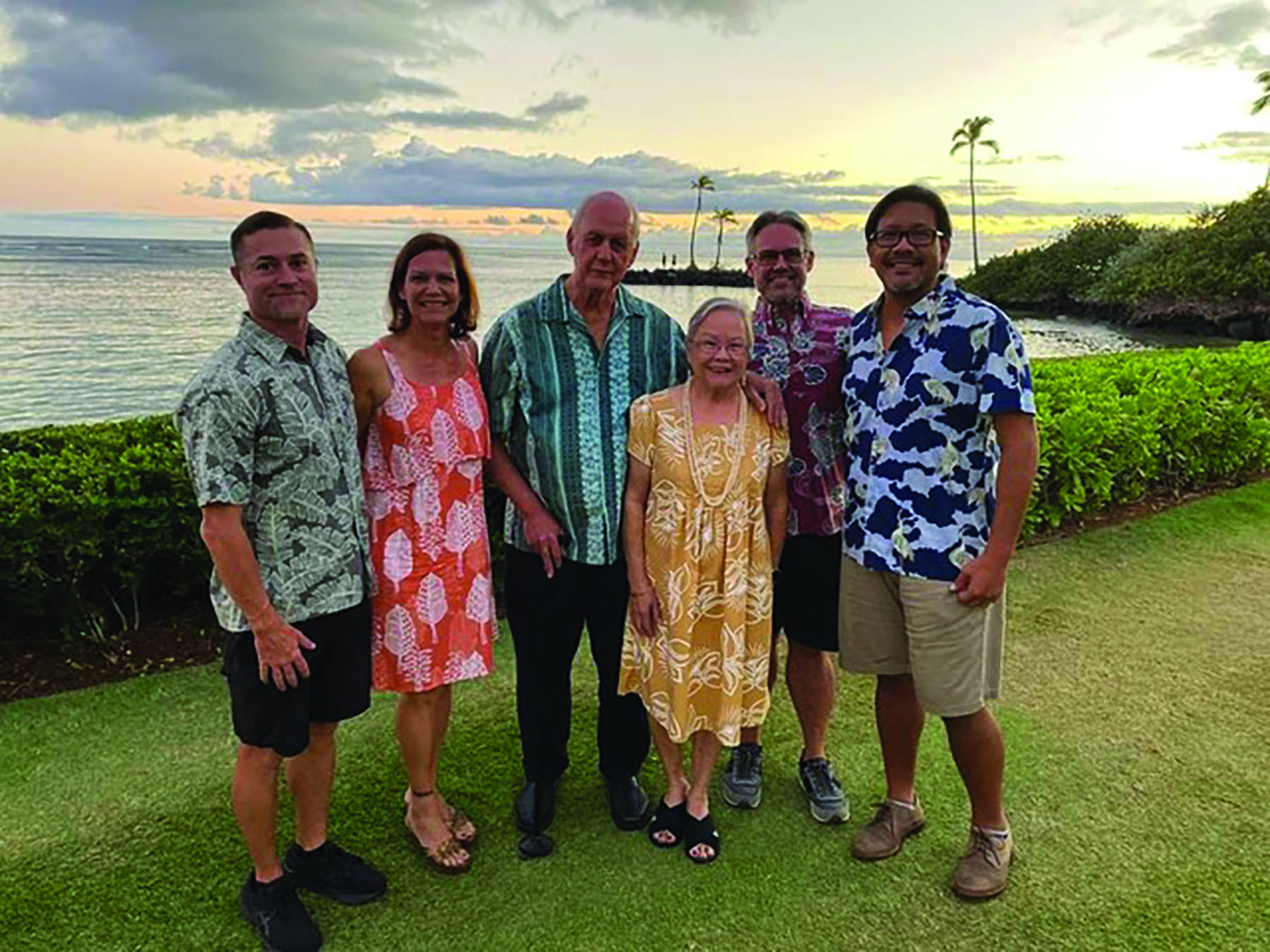
Among my many blessings, I count my three kids. My eldest daughter, Kalei, age 54, who lives upstairs from me with her husband, Paul, are there to help when asked. Kala‘i, age 51, and his partner, Lawrence, are also both willing and able to help in any way that they can. Puna, my youngest daughter, age 47, lives in Florida, but comes when needed, as she demonstrated when her father was diagnosed with brain cancer. She appeared two days later and stayed for two months.
(L–R) My son-in-law Paul, daughter Kalei, husband Bill, me, son Kala‘i and his partner, Lawrence.
But challenges are also many. Pesky little obstacles include being unable to recall the names of actors and classmates from long ago, and forgetting appointments, even though they are in my cell phone calendar and written on a paper calendar. Trials include being unable to do the simple, everyday tasks that were once so easy to do, like bending to tie shoelaces, reaching for dishes from a high kitchen shelf, opening a jelly jar and even popping open a can of cola. All the little things…
The big things are getting short of breath during a slow, 18-minute walk halfway around the loop, or during a 45-minute sitting-fitness class at the YMCA, enduring the pain from my knees and feet from arthritis while walking and exercising or even just trying to fall asleep at night.
But the biggest challenge in my life is grieving for a lifetime companion who died and left me to survive without him, dealing with the pain of turning over in bed and seeing an empty pillow, preparing meals for one person instead of two, filling out forms required by the government after the death of spouse for VA, Social Security, military retirement, medical insurance…
Yes, getting old has its blessings and its challenges. Getting old is getting old!
ANITA ‘ILIMA STERN is a retired elementary school teacher and writer who taught hula for 33 years. Her students liked learning hula and chant from her and appreciated the positive feedback they received. She lives in Kailua, O‘ahu.
If you have thoughts or a story to share, email the editor: debra@generations808.com. It may be published in Generations Magazine, Facebook or our website.
Getting old has its blessings and its challenges. The blessings are many, especially here in Hawai‘i where kūpuna are usually treated with a bounty of respect and kindness. However, I have found that to be less true while traveling on the continent. Among my many blessings, I count my three kids. My eldest daughter, Kalei,…