Category: Sept – Oct 2024

  • Doing Good While Doing Well

    Doing Good While Doing Well

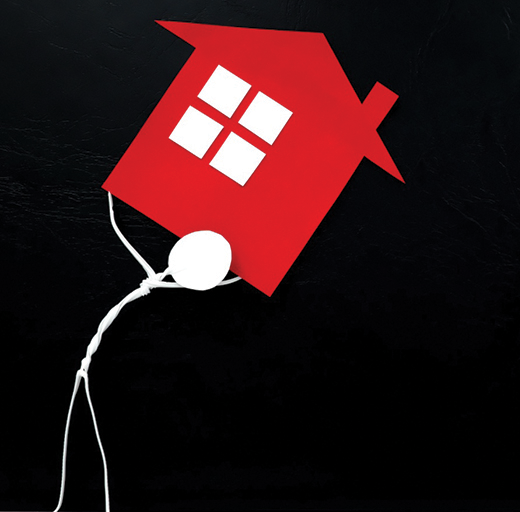
    Enjoying a successful career or owning a profitable business can enable a person to give some wealth back to the community where it was generated. If this describes you, consider the following pointers:

    NEVER SELL APPRECIATED ASSETS IN ORDER TO MAKE CASH GIFTS
    If you sell an asset in order to generate cash to make a charitable gift, you may rob the charity of a bigger gift and yourself of a bigger income tax deduction. There is a better way.

    Let’s say you own property worth $100,000 that you inherited back in the ’70s when it was worth next to nothing. If you sell the property now because you want to make a big gift to your favorite charity, you may have to recognize a capital gain of $100,000 and pay $22,500 or so in tax on that gain. This will leave you with $77,500 to donate to the charity, for which you will get a deduction of $77,500.

    While the tax deduction is nice and the gift is generous, what if you gave the property to your favorite charity and then the charity sold it? In that case, the charity would receive the $100,000 sales proceeds, and you would get a charitable deduction of $100,000. That’s a great deal for your favorite charity and for you.

    There is an annual limit on how much you can deduct each year for gifts to charity, but you can carry forward the excess of what you gave over the amount you could deduct for up to five years. Even with the carry forward, if your gift is very generous, you might not be able to deduct the full amount of your gift.

    YOUR TRADITIONAL IRA MIGHT BE A CHARITABLE GIFT CASH MACHINE
    Once you reach a certain age (currently, 73, but this number may go up in the future), you have to take Required Minimum Distributions (RMDs) from your IRA so the IRS can collect some tax.

    However, if you direct your IRA trustee to send your RMD directly to one or more charities, you will not have to pay tax on the RMD, up to $100,000 worth of charitable gifts per year.

    Unfortunately, you will not get a deduction for your gift, but when you crunch the numbers, not having to recognize the RMD as income is usually a far better deal for you than being able to deduct your gift.

    As pointed out above, there is a limit on how much of your RMD can go to charity without you being taxed on it. Moreover, you cannot apply future years’ RMDs against a current gift of IRA assets in excess of $100,000.

    TALK WITH YOUR TRUSTED ADVISORS
    Meet with your trusted advisors to discuss the best way to benefit your favorite charities that will also reduce your income tax.

    There are lots of complicated rules to navigate, but making enhanced gifts to charity while reducing your income tax liability just might make the effort worthwhile.

    And please remember that there are many more ways to make charitable gifts. Your trusted advisors can help you to explore them.

    EST8PLANNING COUNSEL LLLC
    Scott Makuakane, Counselor at Law
    808-587-8227 | maku@est8planning.com
    Est8planning.com
    Enjoying a successful career or owning a profitable business can enable a person to give some wealth back to the community where it was generated. If this describes you, consider the following pointers: ■ NEVER SELL APPRECIATED ASSETS IN ORDER TO MAKE CASH GIFTSIf you sell an asset in order to generate cash to make…

  • Siblingship

    Siblingship

    Siblingship describes the unique relationship between siblings. Siblings begin their relationship at a young age, and if they are fortunate, they reach old age together. They experience joys and setbacks, they laugh and cry — and they fight. Through the fighting, they can learn conflict resolution. Spouses join us in our adult lives. Friends often come and go. But no other relationship is quite like a siblingship.

    When siblings fight as kids, it’s over property and fairness. Parents make sure property is divided up fairly — they are the ones to “divide up the pie,” so siblings don’t fight over things as much.

    When parents die, siblings are called home to “divide up the pie,” this time, without parental supervision. In my experience, adult siblings fight over the same things that they fought over when they were kids: property and fairness. However, the parents are no longer there to referee and help divide up the pie fairly.

    Estate planning can minimize the risk of fighting when parents die. If parents and the estate planning attorney don’t spend enough time anticipating and planning to minimize the risk of fighting, there exists a risk of fracturing, or worse, destroying this unique, wonderful relationship — the siblingship.

    STEPHEN B. YIM, ATTORNEY AT LAW
    2054 S. Beretania St., Honolulu, HI 96826
    808-524-0251 | stephenyimestateplanning.com

    Siblingship describes the unique relationship between siblings. Siblings begin their relationship at a young age, and if they are fortunate, they reach old age together. They experience joys and setbacks, they laugh and cry — and they fight. Through the fighting, they can learn conflict resolution. Spouses join us in our adult lives. Friends often…

  • Financial Success for Parents & Kids

    Financial Success for Parents & Kids

    According to a recent study published by Ameriprise Financial, individuals in their 30s and 40s have received significant financial help from family and expect additional assistance in the future. And over a quarter of those surveyed said they received $25,000 or more.(1)

    It’s admirable to see that parents want to go to such great lengths to help their children achieve financial success. Yet parents need to be mindful that they don’t inadvertently diminish their own success in doing so. As a financial advisor, here’s the advice I offer parents who want to give their adult children a financial head start without harming their own financial future:
    Prioritize saving for your own retirement. It takes many years to accumulate the savings you need to retire comfortably. Your children are likely just starting their careers, while your time remaining in the workforce may be limited to five, 10 or 15 years. Putting yourself first isn’t a selfish move. It’s about being wise with your money. If you make it a priority to have enough saved when you retire, your kids won’t have to worry about providing you with financial support later in life.
    Be strategic with your financial gifts. Like other monetary goals, it’s important to add gifts of cash to your overall financial plan. When you treat cash gifts separately, you shortchange other priorities such as retirement. What will it cost you to divert savings from your retirement plan? With a complete list of financial priorities, you can see how much you need to save to reach them all.
    Consider alternate approaches to helping your kids. There may be ways to help your kids other than by dipping into savings. Encourage them to take financial responsibility when they can do so. Your college-bound son or daughter may be able to take out student loans at a low interest rate, which will reduce or eliminate the amount you need to contribute for tuition. Instead of writing a check to help your child buy a car or house, you might co-sign a loan to help them lock in a lower interest rate or more favorable repayment terms.
    Have conversations about money. Your willingness to talk about your finances is a valuable example for your adult children. So, too, is your attention to your retirement savings. I encourage parents to invite their adult children to attend a financial planning session with a financial advisor. It’s a time to address money concerns and explore how actions today can affect your future finances.

    MICHAEL W. K. YEE, CFP,® CFS,® CLTC, CRPC®
    1585 Kapiolani Blvd., Ste. 1100, Honolulu, HI 96814
    808-952-1240 | michael.w.yee@ampf.com
    ameripriseadvisors.com/michael.w.yee

    Michael W. K. Yee, CFP®, CFS®, CLTC, CRPC ®, is a Private Wealth Advisor, Certified Financial Planner ™ practitioner, with Ameriprise Financial Services, LLC in Honolulu, HI. He specializes in fee-based financial planning and asset management strategies and has been in practice for 40 years. Investment products are not insured by the FDIC, NCUA or any federal agency, are not deposits or obligations of, or guaranteed by any financial institution, and involve investment risks including possible loss of principal and fluctuation in value. Investment advisory products and services are made available through Ameriprise Financial Services, LLC, a registered investment adviser. (1) The 2023 research was created by Ameriprise Financial Inc. and conducted online by Artemis Strategy Group from Jan. 19 to Feb. 14, 2023, among 3,518 Americans ages 27 to 77. Millennial respondents have $25,000 or more in investable assets, and Gen X and boomer respondents have $100,000 or more. The sample is weighted on region and by generation on age, gender, race/ethnicity, assets and income based on the Federal Reserve 2021 Survey of Household Economics and Decision making (SHED). To ensure sufficient response sizes for additional analysis, Ameriprise oversampled investors who identify as millennials. For further information and details about the study, including verification of data that may not be published as part of this report, please contact Ameriprise Financial or go to ameriprise.com/millennials. Ameriprise Financial Services, LLC. Member FINRA and SIPC. © 2024 Ameriprise Financial, Inc. All rights reserved.

    According to a recent study published by Ameriprise Financial, individuals in their 30s and 40s have received significant financial help from family and expect additional assistance in the future. And over a quarter of those surveyed said they received $25,000 or more.(1) It’s admirable to see that parents want to go to such great lengths…

  • It’s the Season for Health Insurance Options

    It’s the Season for Health Insurance Options

    October through December brings an annual opportunity for seniors to review their health status and medical insurance plan to ensure coverage that suits them best.

    All seniors 65 and over can have health insurance. If needed, no-cost government sponsored plans are a ready and available option. Hawai‘i seniors who have had changes in income, assets or disability status are encouraged to check eligibility and apply for coverage. Eligibility depends on many factors, including age, household size, assets and income.

    For seniors with Medicare, Oct. 15 through Dec. 7 is known as the “Annual Enrollment Period.” During this time, people with Medicare can change their Medicare health plan and prescription drug coverage for the following year. To learn more about getting Medicare coverage and plan information, visit Medicare.gov or call 1-800-MEDICARE.

    Regardless of coverage, don’t let the year go by without seeing your doctor. If you don’t have one, contact your health insurance plan to assist you or make an appointment with a clinic nearby. An annual checkup can be lifesaving. Community health centers will see patients for medical and/ or dental services regardless of the ability to pay. Learn more at hawaiipca.net.

    ALOHACARE
    1357 Kapiolani Blvd., Ste. G101, Honolulu, HI 96814
    808-973-0712 | toll free 1-877-973-0712
    kreid@alohacare.org
    alohacare.org

    October through December brings an annual opportunity for seniors to review their health status and medical insurance plan to ensure coverage that suits them best. All seniors 65 and over can have health insurance. If needed, no-cost government sponsored plans are a ready and available option. Hawai‘i seniors who have had changes in income, assets…

  • Senior Pedestrian Safety Tips

    Senior Pedestrian Safety Tips

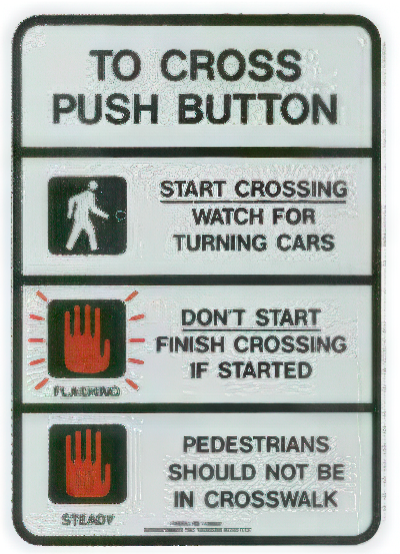
    Seniors 65 years and older represent about a third of all pedestrian fatalities across the state. The Hawai‘i State Department of Transportation’s Walk Wise Hawaii program launched a partnership with First Insurance Company of Hawaii (FICOH) to stress the importance of visibility while walking — day or night.

    Most pedestrian crashes occur between 6 pm and 6 am, when visibility is low. FICOH provided over 3,500 green reflective pedestrian snap-on wristbands and safety lights at senior outreach events across the state.

    SOME SAFETY TIPS

    • Dress to be seen. During the day, wear brightly colored clothing. At night, wear reflective material on your shoes, hat or clothing.
    • Cross only at corners or marked crosswalks.
    • Always walk on the sidewalk. If there is no sidewalk, make sure you walk facing traffic.
    • Look left, right, left again and over your shoulder before you step into the street.
    • Keep looking and listening as you cross, until you reach the other side.
    • When crossing in front of stopped cars, make eye contact to be sure drivers see you before crossing in front of them.

    If your organization would like to receive pedestrian safety wristbands, email Lance@tlcpr.com to book a pedestrian safety presentation. For more information, visit hidot.hawaii.gov/walk-wise-hawaii.

    Seniors 65 years and older represent about a third of all pedestrian fatalities across the state. The Hawai‘i State Department of Transportation’s Walk Wise Hawaii program launched a partnership with First Insurance Company of Hawaii (FICOH) to stress the importance of visibility while walking — day or night. Most pedestrian crashes occur between 6 pm…

  • Bounty of Activities at Kaua‘i Senior Centers

    Bounty of Activities at Kaua‘i Senior Centers

    At its nine senior centers, the County of Kaua‘i Department of Parks & Recreation (DP&R) provides quality educational and recreational opportunities for growth and enhancement through an array of diverse programs and special events that promote community participation and environmental awareness while meeting the physical, mental, social and psychological needs of our island’s kūpuna.

    Senior Classes & Activities: Kekaha, Waimea, Kaumakani, Hanapēpē, Kalāheo, Kōloa, Līhu‘e, Kapa‘a/Anahola (combined sites) and Kīlauea Neighborhood Centers serve as hubs for senior classes and activities, including hula, ‘ukulele, wellness, crafts, ballroom and line dancing, mahjong, Nordic Walk, yoga, meditation, chi gung, drumming, tai-chi, weightlifting and bingo.
    Senior Pickleball: Pickleball continues to grow among the senior population, attracting well over 300 participants on Kaua‘i. Mini tournaments, leagues, classes and open play are offered at outdoor public venues and gyms across the island.■ Senior Mini Fun Day: In September, Kaua‘i DP&R holds competitive outdoor games, including Portuguese horseshoes, water balloon toss and bingo with prizes, entertainment and morning snacks. Seniors look forward to meeting up and mingling with friends from other senior centers.
    Senior Craft Fair: The Līhu‘e Senior Center hosts a popular craft fair in October, offering a jumpstart on holiday shopping. Homemade wares, such as rugs, quilts, blankets and lei are sold. Bonsai plants are also on display, with knowledgeable seniors on-hand to share their expertise about cultivation and care. Strong community support has baked goods, pickled onions and other favorites selling out, so get there early.
    Valentine Aloha Party: A well-deserved, popular “Mahalo Party” with a live band welcomes the members of all Kaua‘i Senior Centers in February. Kaua‘i firefighters serve as dance partners. Seniors enjoy a delicious buffet luncheon, with door prizes given away throughout the day, courtesy of Na Kupuna Council.

    COUNTY OF KAUA‘I DEPT. OF PARKS & RECREATION
    4444 Rice St., Ste. 105, Lihue, HI 96766
    808-241-4460 | dagaran@kauai.gov
    kauai.gov/Government/Departments-Agencies/Parks
    Kaua‘i’s Senior Programs throughout the island:
    Melanie Okamoto
    808 241-4462 | mokamoto@kauai.gov
    Bronson Carvalho
    808 241-4465 | bbcarvalho@kauai.gov

    At its nine senior centers, the County of Kaua‘i Department of Parks & Recreation (DP&R) provides quality educational and recreational opportunities for growth and enhancement through an array of diverse programs and special events that promote community participation and environmental awareness while meeting the physical, mental, social and psychological needs of our island’s kūpuna. ■…

  • Support for Veterans Who Give/Receive Care

    Support for Veterans Who Give/Receive Care

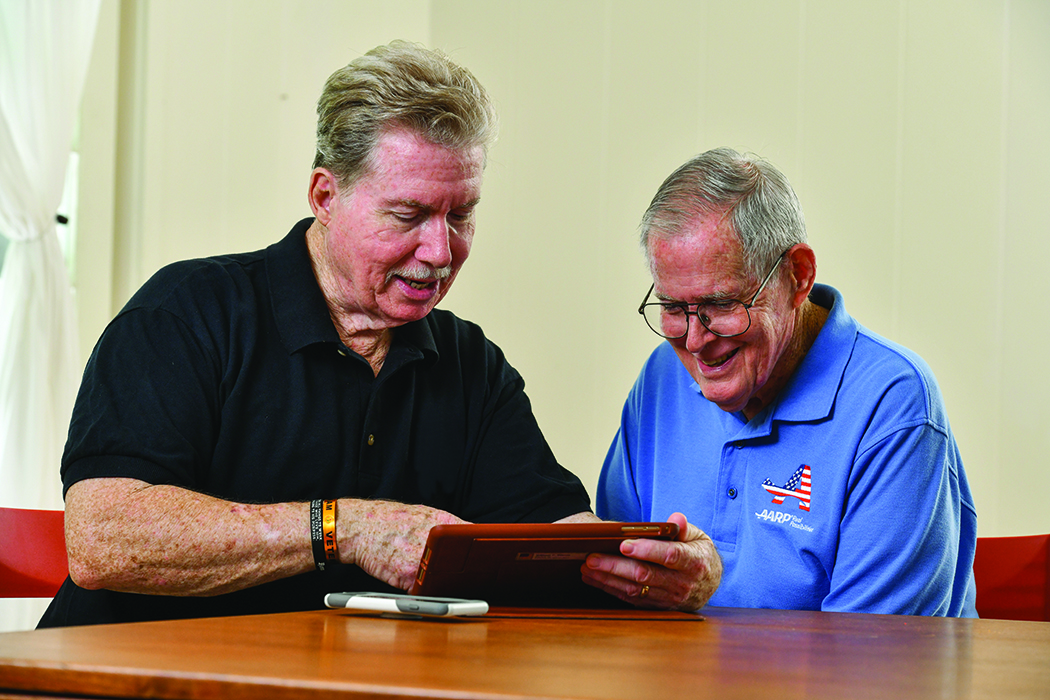
    Help is available for veterans who have served our country and who now need assistance with caregiving — either as a caregiver or someone who needs care.

    However, many veterans are not aware of the services available to them, a new AARP survey of veterans 45 and older reveals.

    About half of those surveyed said they currently provide care for an adult loved one, relative or friend, or have done so in the past. But 60% did not know that the US Department of Veterans Affairs (VA) offers grants for home modification. The survey also found that nearly half (46%) need bathroom modifications in order to age in place themselves or to provide care for a loved one in their home.

    That’s why AARP has two guides available for veterans and caregivers of veterans:

    1. A new Veterans Home Modification Benefits Guide helps veterans navigate the VA’s $150 million program to help buy, build or modify a home to support long-term needs. Grants can help eligible veterans with up to $117,000 to pay for renovations, such as adding grab bars in bathrooms, installing ramps or widening doorways.
    2. The AARP Military Caregiving Guide provides basic tips to help families through the caregiving journey and has tips and details of other VA caregiving programs.

    Tips for military caregivers:

    • Talk about the medical and emotional needs of wounded warriors and caregivers of veterans.
    • Create a support system of family, friends and colleagues. You can’t be a caregiver by yourself.
    • Create a plan that enables you to respond to specific needs as they arise.
    • Seek professional support for information and resources from those with experience with military or veteran caregivers.
    • Care for yourself so you can sustain your energy and maintain your own health.

    RESOURCES

    Military Caregiving Guide:
    aarp.org/content/dam/aarp/caregiving/pdf/family-caregiving-guide/military-veterans.pdf
    Veterans Home Modification Benefits Guide:
    aarp.org/home-family/voices/veterans/info-2024/military-home-benefit-guide.html
    Military Financial Workbook:
    aarp.org/content/dam/aarp/caregiving/pdf/2022/aarp-military-financial-workbook.pdf
    AARP Information for Veterans:
    aarp.org/veterans

    AARP HAWAI‘I (nonprofit)
    1001 Bishop St., #625, Honolulu, HI 96813
    808-545-6000 | hiaarp@aarp.org | aarp.org/hi
    AARP is a non-partisan organization dedicated to empowering Americans 50 and older to choose how they live as they age.

    Help is available for veterans who have served our country and who now need assistance with caregiving — either as a caregiver or someone who needs care. However, many veterans are not aware of the services available to them, a new AARP survey of veterans 45 and older reveals. About half of those surveyed said…

  • Harvesting Wellness: Nutrient-Dense Foods

    Harvesting Wellness: Nutrient-Dense Foods

    Physical health enables us to lead active lives, with food intake being a primary determinant. The food we consume not only provides us with energy, but also influences our weight, diversity of gut bacteria, immune system strength, inflammation levels and rate of aging.

    The nutrient density of our produce is an important factor. Studies reveal that most vegetables can lose up to 55% of their Vitamin C within a week, and spinach can lose 90% within just 24 hours. This underscores the importance of growing your own produce or purchasing fresh fruits and vegetables from local farmers.

    Fruits and vegetables are rich sources of anti-inflammatory antioxidants, sugar and fiber, benefiting both us and our gut bacteria. Since 80% of our immune system resides in the small intestine, maintaining good gut health is crucial. Poor gut health can lead to inflammation and autoimmune disease.

    Nutrient-dense foods

    • High fiber: legumes (beans), leafy greens and vegetables.
    • Anti-inflammatory: turmeric and ginger.
    • Antioxidants: fruits and berries.

    Keep in mind that the foundation of good physical health relies heavily on nutrient-dense foods for ourselves and our gut bacteria.

    VEGANFEST INTERGRATED HEALTH
    27-711 Onohi Loop, Pepeekeo, HI 96783
    808-765-8393 | info@veganfestintegratedhealth.com
    veganfestintegratedhealth.com
    The Medicinal Agriculture & Lifestyle Festival
    Oct. 19–20, 10am–5pm, Butler Bldg. in Ho‘olulu Park, Hilo

    Physical health enables us to lead active lives, with food intake being a primary determinant. The food we consume not only provides us with energy, but also influences our weight, diversity of gut bacteria, immune system strength, inflammation levels and rate of aging. The nutrient density of our produce is an important factor. Studies reveal…

  • Top 10 Yoga Benefits for Seniors

    Top 10 Yoga Benefits for Seniors

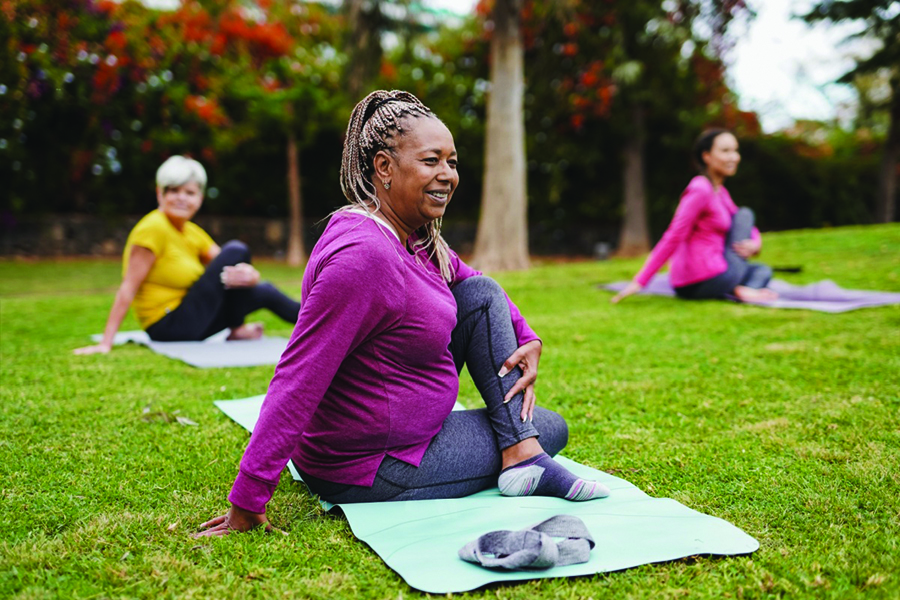
    Practicing yoga can improve quality of life for seniors. As with any exercise regimen, check with your doctor before beginning yoga for the first time as a senior citizen.

    Reduce stress: With its combination of low-impact exercises and breathing techniques, yoga can have a relaxing effect on the body and mind, leading to a sense of improved overall wellness. Some forms of yoga have also been shown to have positive effects on brain health, which may help combat the cognitive decline often experienced by seniors.
    Improve mood: Through stretching, breathing, movement and meditation, there is evidence that yoga has mood-enhancing properties because it can inhibit both physiological stress and inflammation that can adversely affect behavioral health.
    Improve posture:
    – Improve core strength. When the core muscles of the body are strong, the spine is supported to maintain proper alignment.
    – Improve bone density. The weight-bearing aspects of yoga may slow the decrease in bone density that leads to osteoporosis.
    – Greater awareness of the body. Through yoga’s focus on the body and breath, seniors can feel more in control of their bodies, which makes them more likely to stand tall with confidence.
    Improve sleep: Older adults are more susceptible to sleep disorders like insomnia. Studies have shown that yoga improves sleep quality after just six months of practice.
    Increase flexibility: Yoga promotes flexibility through gentle stretching, breathwork and increased internal awareness.
    Reduce risk of falls: Yoga can prevent/reduce falls by strengthening muscles, improve balance, calm the mind and bring focus into the body.
    Improve mobility: Stiff muscles and joints are common among senior citizens, but practicing yoga can gently support your range of motion.
    Increase strength: Even the most gentle yoga can strengthen your body. Using a combination of gravity and your own body weight, yoga can help build lean muscle to make you stronger.
    Increase social interactions: People may find themselves increasingly isolated as they get older. Attending group yoga classes is a great way to stay engaged within your community.
    Encourage mindfulness: Yoga focuses on breathing and listening to your body. Looking inward in this way helps create a deeper connection between your mind and body.

    BODY & BRAIN
    99-080 Kauhale St., #C21, Aiea, HI 96701
    808-486-9642 | aiea@bodynbrain.com
    bodynbrain.com
    *Excerpt from bodynbrain.com

    Practicing yoga can improve quality of life for seniors. As with any exercise regimen, check with your doctor before beginning yoga for the first time as a senior citizen. ■ Reduce stress: With its combination of low-impact exercises and breathing techniques, yoga can have a relaxing effect on the body and mind, leading to a…

  • Planning for the Future & Beyond

    Planning for the Future & Beyond

    Real estate is often considered one’s residential or rental property. But as we age, real estate can become a burden. If this is you, you’re not alone.

    Meet “Mrs. Lee,” a longtime homeowner who finds her home is too big and too much work to maintain. She receives support from a real estate planner who helps her understand her options and she learns ways to transition to a more stress-free lifestyle.

    “Mrs. Wong,” is concerned about capital gains taxes and her kids fighting over inheritance. She’s been told that 70% of families will fight after their parents pass away. So she removes the burden of the rentals by selling them and creates a plan to eliminate capital gains taxes with a 1031 exchange. She is ecstatic that she can remove the potential family disputes.

    “Mr. Smith” is tired of the worry of his rentals and dreams of a stress-free retirement. Collaborating with his real estate planner, he sells his rental via a 1031 exchange and replaces it with a Delaware Statutory Trust (DST), achieving financial freedom, reducing property management hassles and avoiding capital gains taxes.

    The moral of these tales: With the right guidance, a real estate plan can help seniors achieve financial security and peace of mind.

    THE IHARA TEAM — KELLER WILLIAMS HONOLULU (RB-21303)
    1347 Kapiolani Blvd. #300, Honolulu, HI 96814
    808-754-2225 | ihara@iharateam.com
    iharateamhawaii.com
    Each office independently owned and operated.

    Real estate is often considered one’s residential or rental property. But as we age, real estate can become a burden. If this is you, you’re not alone. Meet “Mrs. Lee,” a longtime homeowner who finds her home is too big and too much work to maintain. She receives support from a real estate planner who…

  • Negotiation Tips: How to Haggle

    Negotiation Tips: How to Haggle

    Paying too much but don’t know how to get a better price? Haggling might help. Negotiating prices via haggling can save savvy shoppers money, especially on big-ticket items like homes, vehicles or expensive services. Although it can be intimidating, haggling is common. When done respectfully, it can create a healthy marketplace. Here are a few tips to help:

    Tips for New Hagglers

    • Research First: Find what a fair market price is and use BBB’s Get-a-Quote tool (bbb.org/get-a-quote) to get multiple quotes, empowering you to negotiate reasonably and knowledgeably.
    • It’s a Conversation: Think of haggling as a conversation communicating your needs and expectations to get the best value for your money.
    • Be Willing to Walk Away: If the seller doesn’t meet your expectations, be prepared to go elsewhere. Showing you aren’t desperate increases leverage.
    • Be Respectful: Always maintain a polite attitude, striving for a satisfying middle ground for both parties. When done right, haggling can be enjoyable, help you identify the right company to purchase from and save you thousands of dollars on your next big purchase.

    BETTER BUSINESS BUREAU GREAT WEST + PACIFIC (nonprofit)
    800-460-0910 | info@thebbb.org | thebbb.org
    Ad or company clarification: bbb.org
    Report a scam: bbb.org/scamtracker
    File a complaint: bbb.org/file-a-complaint

    Paying too much but don’t know how to get a better price? Haggling might help. Negotiating prices via haggling can save savvy shoppers money, especially on big-ticket items like homes, vehicles or expensive services. Although it can be intimidating, haggling is common. When done respectfully, it can create a healthy marketplace. Here are a few…

  • Tennis Friends ‘Love’ This Spinach Salad

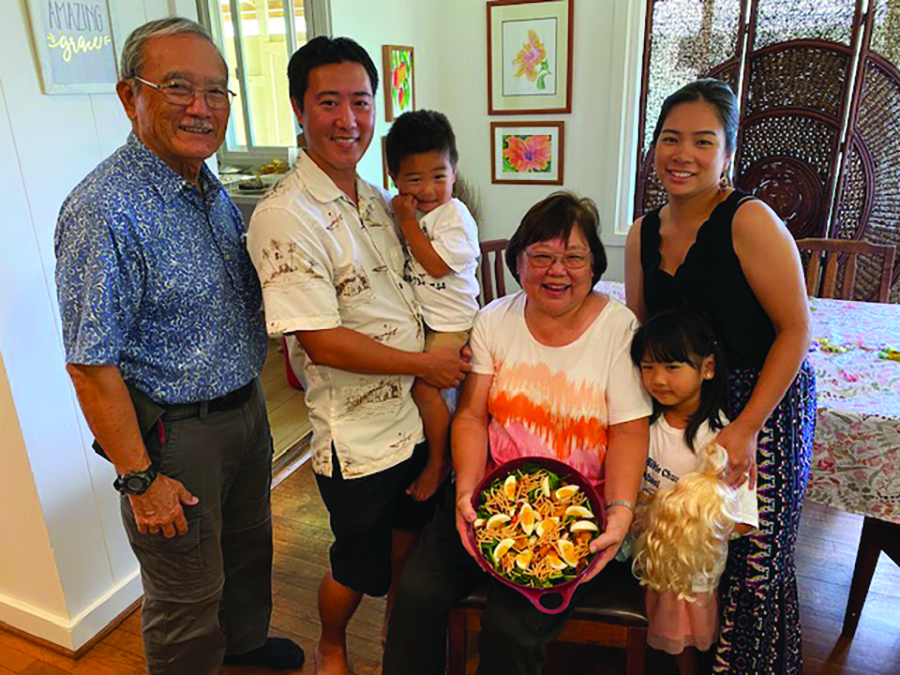
    This refreshing salad is so easy to make, especially when I bake the bacon in the oven.

    I usually double or triple the salad dressing recipe so there is plenty on hand for everyone to enjoy.

    While I can’t remember how I got this recipe, my family has enjoyed this salad for over 40 years. When I first “served” this salad at our “tennis gang” potluck dinner, it instantly became their favorite.

    Our tennis friends have been together for over 40 years now. Even though some of us no longer play tennis, we all get together because we enjoy each other’s company. It still always makes me smile when someone brings this salad.

    Salad Ingredients:
    1 lb. spinach
    2 hardboiled eggs
    2 tomatoes
    5 bacon slices (425 degrees, 10 minutes)
    1 can Chinese noodles
    2 can water chestnuts, sliced
    1 can mandarin oranges
    (Optional add-ons: mushrooms, chopped apple,
    avocado, bean sprouts, any of your favorites!)

    Dressing:
    3/4 cup white sugar
    1 cup salad oil
    1/2 cup apple cider or Japanese vinegar
    1/3 cup ketchup
    2 Tbsp. Worcestershire sauce
    1 tsp. salt

    Directions:

    1. Wash, dry and tear spinach leaves.
    2. Cut hardboiled eggs into quarters.
    3. Slice tomatoes into bite-sized wedges.
    4. Break bacon into crumbles.
    5. Combine all salad ingredients in wooden bowl.
    6. For the dressing, mix the sugar, salad oil, vinegar, ketchup, Worcestershire and salt in a small bowl. Blend well.
    7. Pour desired amount over salad ingredients. Toss lightly and serve immediately.

      Prep time: 30 minutes | Serves: 6

    Do you have a favorite recipe and story to share? For consideration in the next issue, include a photo and mail them to Generations Recipe, PO Box 4213, Honolulu, HI 96812, or email them to Cynthia@generations808.com.

    This refreshing salad is so easy to make, especially when I bake the bacon in the oven. I usually double or triple the salad dressing recipe so there is plenty on hand for everyone to enjoy. While I can’t remember how I got this recipe, my family has enjoyed this salad for over 40 years.…