Category: Date

  • What To Do With Unwanted Heirlooms

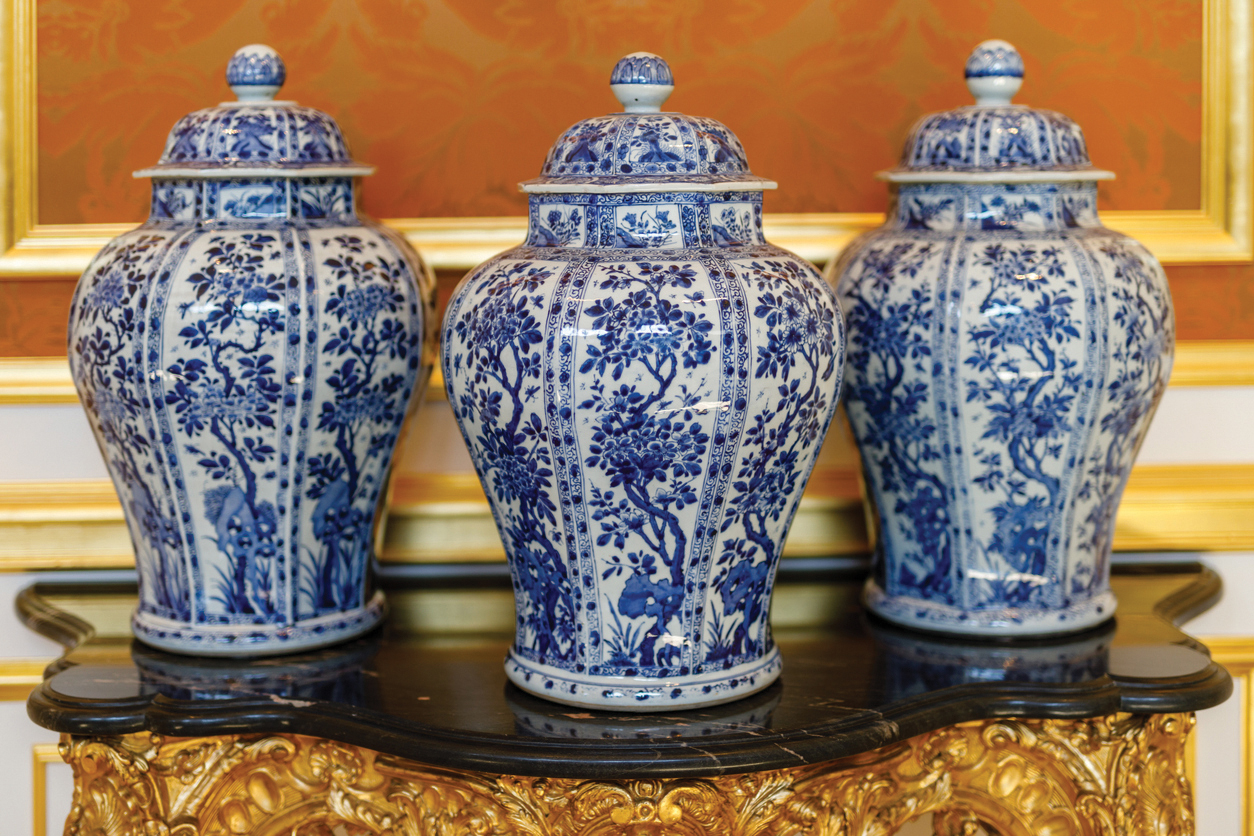
    If your family members and friends have declined your offer to pass your treasured heirlooms to them, you are not alone. Jon Vendiola, the owner of a decluttering and moving service for kūpuna called “Lets Move, LLC,” has found this to be common among his customers. He cites differences in taste between generations and the lack of available space for storage in the smaller homes that are being purchased in a difficult housing market. Members of Gen X and Gen Z gravitate toward aspects of minimalism, and are more likely to value the memories, stories and the time spent together over the clutter.

    But rather than lug these items to the landfill or drop them in a donation box, he recommends that you first explore other options. Take items that may have monetary value, such as tea sets, furniture, antiques, vintage items and designer clothing to a consignment store to be appraised. But do some research online or give the consignment store a call first. Consignment stores are selective. The merchandise they accept must be in “pristine condition,” says Jon. If they choose to accept an item, you retain ownership until it is sold. When the item is sold, the store will keep its commission and you take home the rest.

    If all else fails, take your items to your local thrift shop, Goodwill, Salvation Army, homeless shelter or a domestic violence shelter. Or find a nonprofit thrift store that sells donated items to fund a charitable mission. Precious treasures that your family may reject could be highly prized by a perfect stranger—a win-win for everyone.

    If your family members and friends have declined your offer to pass your treasured heirlooms to them, you are not alone. Jon Vendiola, the owner of a decluttering and moving service for kūpuna called “Lets Move, LLC,” has found this to be common among his customers. He cites differences in taste between generations and the…

  • The Cure for Retirement Disease

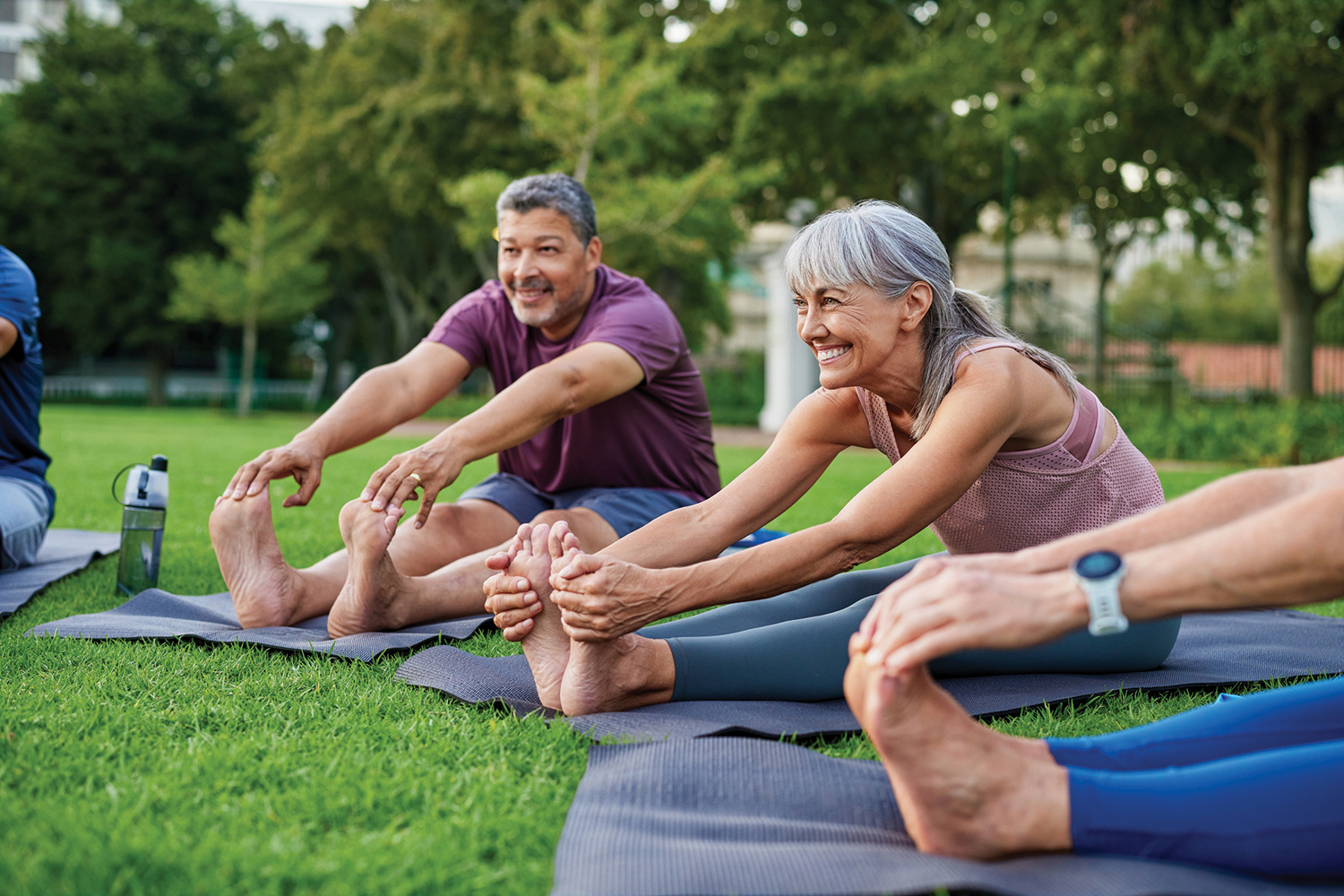
    Many of us have heard the paradox “all alone in a crowded room.” For many of our island seniors, it is a reality. Social isolation and loneliness are major enemies of the senior population. They are the common challenges of life after work.

    Imagine the situation: You have worked for over 50 years, many as supervisors in charge of others. And after all that time, you look forward to retiring. You see yourself as being free to do as you wish, when you wish and with whom you wish. But on that first day of retirement, you no longer have a place where you feel you belong. There are no “good morning” greetings—no afternoon lunch gossip.

    This is a reality for many retirees. Of course, many are prepared. They had their travel group set up. They were all set to garden, babysit or meet their friends for kanikapila at a local McDonald’s. But not all are prepared. Many seniors retire without having long-term plans in place. After the first month, they stop looking forward. They wake up, watch TV, eat alone and fall asleep. This becomes their new pattern. So, what do you do to prevent this? Start again.

    Having worked for Parks and Recreation Senior Section for over 30 years, I met the people who gave in to “the disease of being retired.” Others I met formed new beginnings. They joined clubs, set up a schedule of activities and rediscovered life. They found new reasons to wake up every day. Whether it was a senior club or just a group they met at the mall, life started to form anew.

    Remember back when you started your career? Do it again and this time you are your own boss. Rekindle a former passion, challenge yourself with a new project, order yourself to join a club or start a club of your own. Create activities you have always wanted to do—travel, garden or work out at your local recreation center.

    Look at opportunities to help others. I just started retirement and began a new career doing just that! My hobbies now dictate my deadlines. I feel renewed; I am just waiting for people to start telling me I look younger!


    CITY & COUNTY OF HONOLULU DEPT. OF PARKS & RECREATION, RECREATION SUPPORT SERVICES
    1000 Uluohia St., Kapolei HI, 96707
    808-768-3045 | ssantiago@honolulu.gov
    honolulu.gov/dpr

    Many of us have heard the paradox “all alone in a crowded room.” For many of our island seniors, it is a reality. Social isolation and loneliness are major enemies of the senior population. They are the common challenges of life after work. Imagine the situation: You have worked for over 50 years, many as…

  • Every Drop, a Lifeline for Hawai’i

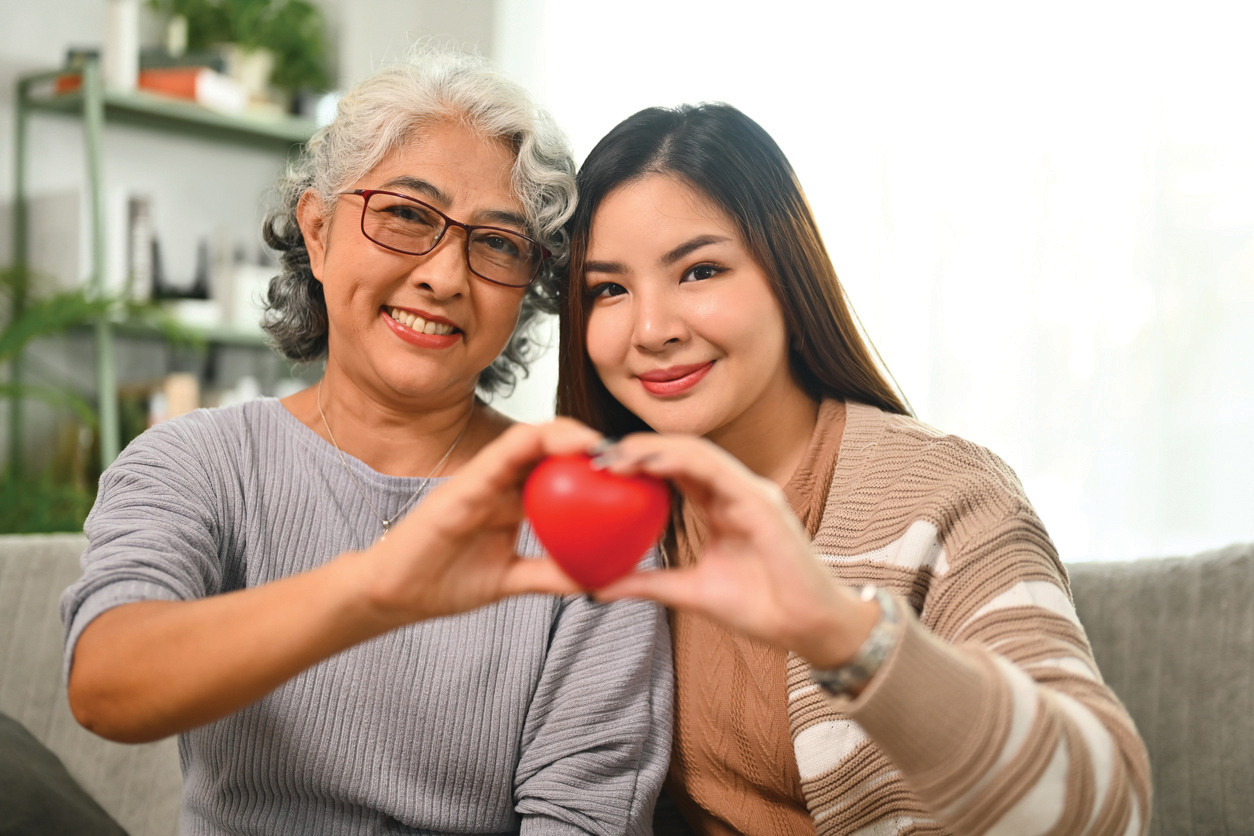
    The Blood Bank of Hawai‘i (BBH) is the state’s only center for blood collection and distribution, supplying all 18 civilian hospitals. Because shipments from the continental US take time, local donations are essential to meet daily patient needs. BBH often relies on 150 to 200 donors each day to support surgeries, cancer treatments and childbirth. When emergencies spike, demand can exceed 300 units. On days with low supply, reserves can fall below a single day’s worth, forcing hospitals to make difficult choices about who receives life-saving treatment immediately and who must wait.

    Traci Takehara, senior recruiter for donor services at BBH and a multiple-time donor herself, oversees Lifesaver Clubs and coordinates drives throughout the islands. “Every donation has the power to save a life right here in our community,” Takehara says. “It’s life, hope and time for families who need it most.”

    Because blood cannot be manufactured, Hawai‘i’s hospitals depend entirely on volunteer donors to maintain a stable supply. Each unit has a limited shelf life, and demand fluctuates with surgeries and emergencies, making regular donations essential. All blood types are needed—including the most common—O-positive and A-positive—while O-negative remains especially valuable due to its universal compatibility.

    Many kūpuna rely on a consistent blood supply, especially those managing chronic conditions or preparing for procedures like dialysis, heart treatments or joint replacements. Yet fewer than 2% of Hawai‘i residents donate regularly, leaving hospitals with little buffer when demand is high. One pint can support up to three patients, so supplies can run low quickly.

    Different types of donations address specific medical needs. Whole blood, the most common, is used for a wide range of treatments. Platelets help cancer and trauma patients. Plasma supports burn-care and clotting disorders. Rare types like Jk3-negative, more common among Polynesian populations, are in high demand because they are harder to match.

    Most adults in Hawai‘i can donate if they are generally healthy, weigh at least 110 pounds and meet screening requirements. Many kūpuna remain eligible, depending on medications and medical history.

    BBH operates fixed locations on O‘ahu and regularly holds mobile drives to make donations accessible across the islands. Staff guide donors through every step, from check-in to recovery, and follow consistent safety protocols to protect both donors and patients. By maintaining a reliable supply, the Blood Bank supports care that keeps families together and ensures treatment remains close to home.

    Takehara emphasizes, “A steady blood supply ensures hospitals can care for all patients without making impossible choices.”


    For more information or to schedule a donation, visit bbh.org.

    The Blood Bank of Hawai‘i (BBH) is the state’s only center for blood collection and distribution, supplying all 18 civilian hospitals. Because shipments from the continental US take time, local donations are essential to meet daily patient needs. BBH often relies on 150 to 200 donors each day to support surgeries, cancer treatments and childbirth.…

  • Easiest Dumpling Soup (Mandu-guk)

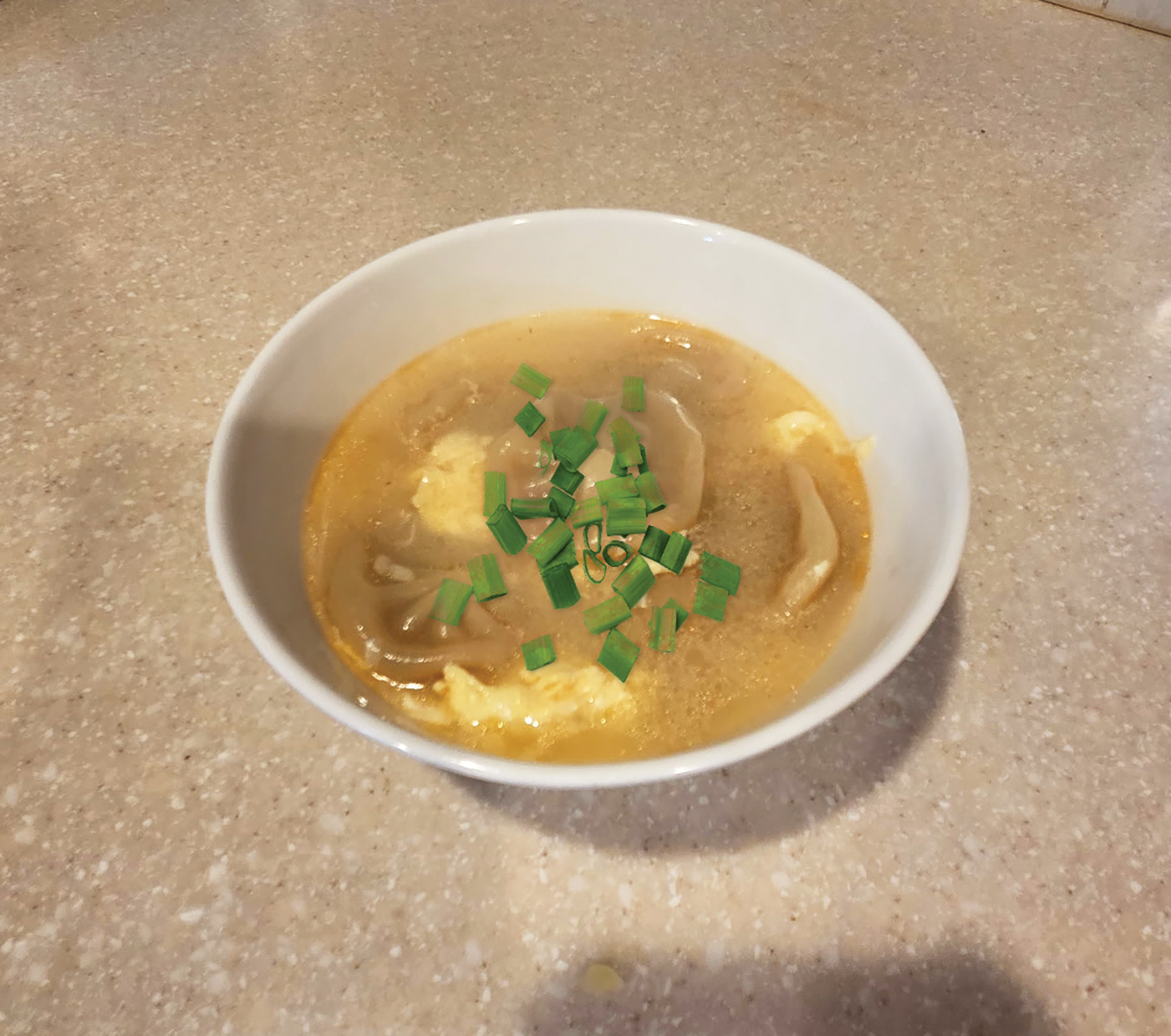
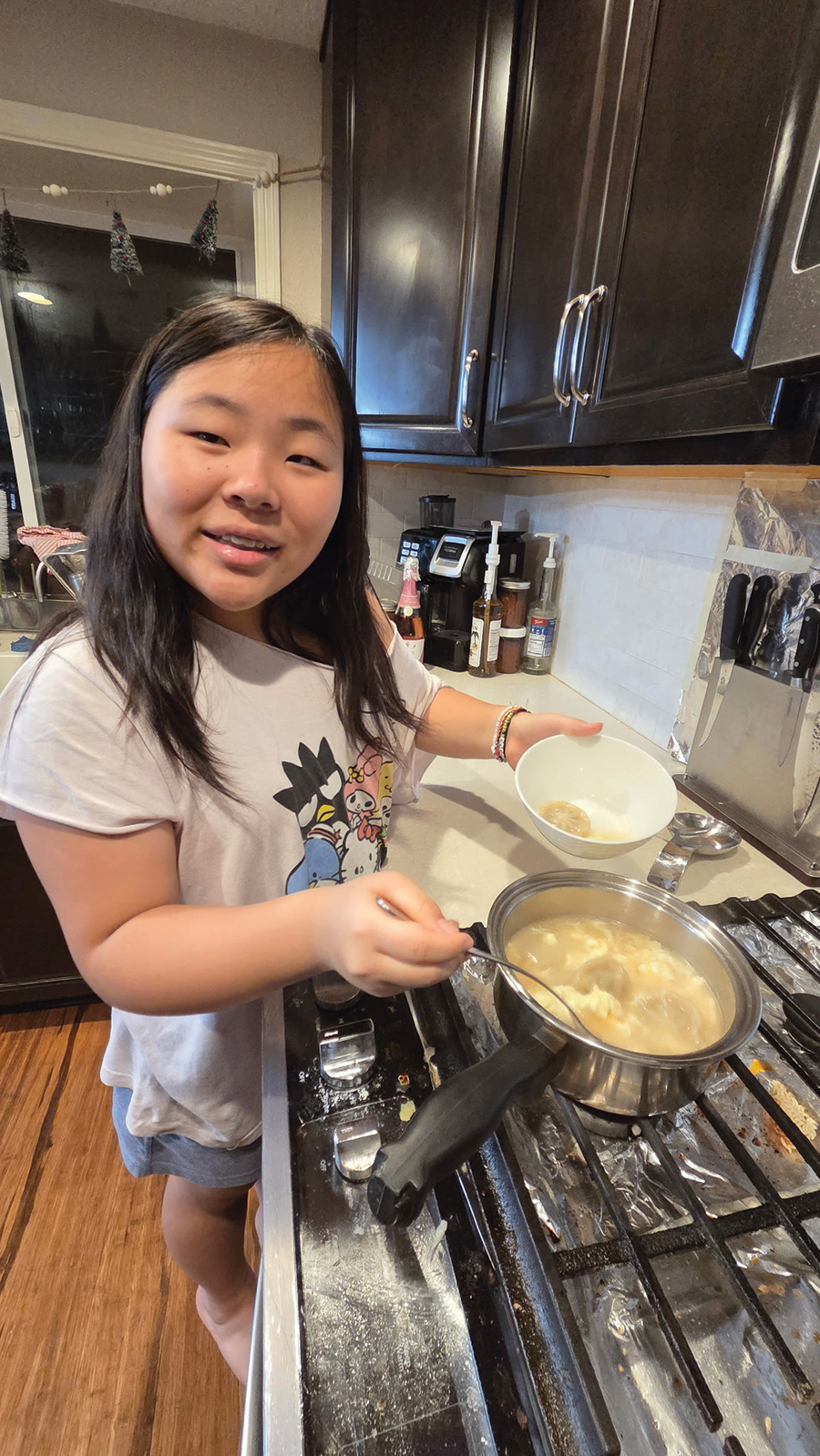
    This soup has become a new tradition for the Kim family—the dumpling soup my kids ask for every time we want a quick, comforting and easy dinner. And it is simple enough that at age 10, my daughter, Sophia, could make it on her own. Mandu (dumplings) are usually made during holidays like the Korean New Year or Chuseok, an autumn harvest festival. Families make them together and eat them together. There’s something special about a meal that is stress-free and still brings everyone to the table. On chilly days, manduguk is our go-to and a perfect recipe for kids who are learning their way around the kitchen.

    Ingredients

    1 pack Store-bought beef bone broth
    8–10 Store-bought dumplings (any brand)
    1 egg
    Chopped green onions, to taste
    Minced garlic, to taste
    A little sesame oil

    Directions

    1) Pour 1 pack of store-bought beef bone broth into a pot and add the same amount of water. Bring to a boil.
    2) While the broth is heating, mince the garlic and finely chop the green onions.
    3) Crack the egg into a bowl and beat it lightly.
    4) When the broth comes to a boil, add about 8–10 dumplings. Cook until the dumplings float to the surface.
    5) Once the dumplings float, add the minced garlic and stir.
    6) Slowly pour in the beaten egg in a circular motion. When the egg starts to set, gently stir with a spoon.
    7) Add the green onions and a little sesame oil, then stir.
    8) Season with salt and pepper if needed.

    If you add sliced rice cakes (tteok) along with the dumplings, it becomes tteok-mandu-guk (rice cake and dumpling soup).

    Prep & cook time: 45 minutes
    Serves: 2


    Do you have a favorite recipe and story to share?
    For consideration, include a photo and mail them to
    Generations Recipe, PO Box 4213, Honolulu, HI 96812, or
    email them to Cynthia@generations808.com.

    This soup has become a new tradition for the Kim family—the dumpling soup my kids ask for every time we want a quick, comforting and easy dinner. And it is simple enough that at age 10, my daughter, Sophia, could make it on her own. Mandu (dumplings) are usually made during holidays like the Korean…

  • Celebrating the Korean Culture

    Since more than 1,500 years ago, Kānaka Maoli (Native Hawaiians) have welcomed immigrants from every corner of the globe, cultivating and perpetuating a tapestry of diverse cultures. In the eighth article of this ongoing series on the many cultures that comprise Hawai‘i, we will focus on the Koreans, how they arrived in the Hawaiian Islands, the culture and celebrations.

    Korean Arrival in Hawai‘i

    The story of Korean immigration to Hawai‘i officially began on Jan. 13, 1903, when 56 men, 21 women and 25 children arrived in the islands. Like many other ethnic groups migrating to Hawai‘i, the men were recruited as laborers for sugarcane plantations. Their situation was unique in that Korean laborers were primarily seen as strikebreakers when Japanese laborers refused to work under exploitative conditions.

    By 1915, Korean presence in Hawai‘i had grown to over 7,000 strong. In these early years of immigration to Hawai‘i and then to the United States continent, some Korean intellectuals believed that emigrating from Korea would be useful in modernizing their homeland. As a result, the recruitment of Korean laborers and those willing to move to Hawai‘i saw little issue. Today, around 55,000 residents of Hawai‘i claim Korean heritage—about 4% of the population.

    Culture and Tradition

    The Koreans in Hawai‘i were self-starters. They immediately began organizing themselves through churches, establishing schools/social organizations and becoming business owners, and these practices continue today. As proof of this living history, Ke‘eaumoku Street in Honolulu – also affectionately called “Koreamoku”—features plenty of Korean-owned businesses, restaurants and sites for communal gathering.

    Many keiki grow up going to taekwondo practice and learning seoye (calligraphy). Hallyu (South Korean popular culture), Korean pop (K-Pop) and dramas are enjoyed across generations.

    The most beloved manifestation of the different cultures in Hawai‘i is, of course, food, and delicious and comforting Korean cuisine—like bulgogi, kalbi and meat jun, and banchan (sides) like kimchi and mandu—is no exception.

    Celebrations

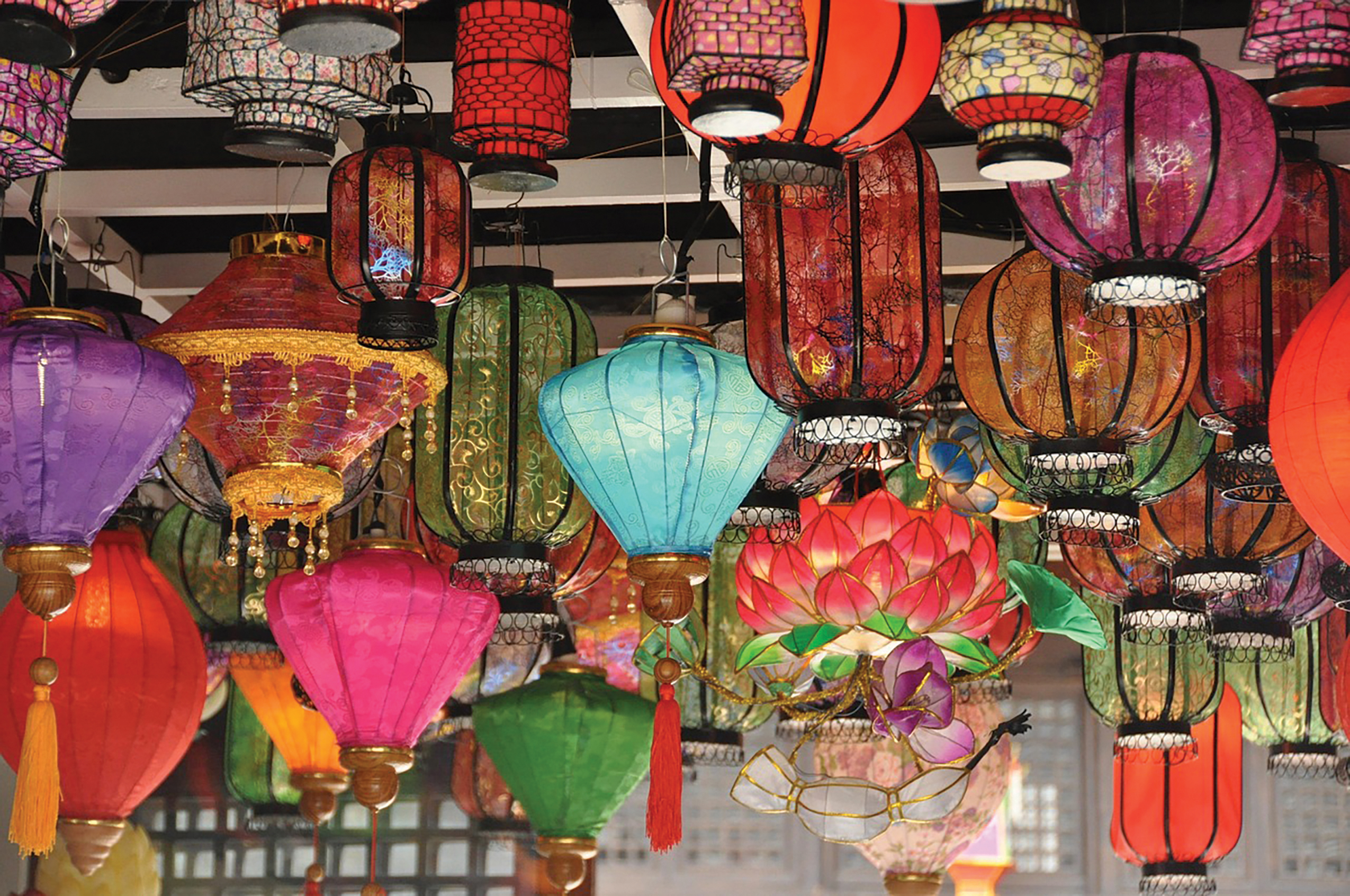
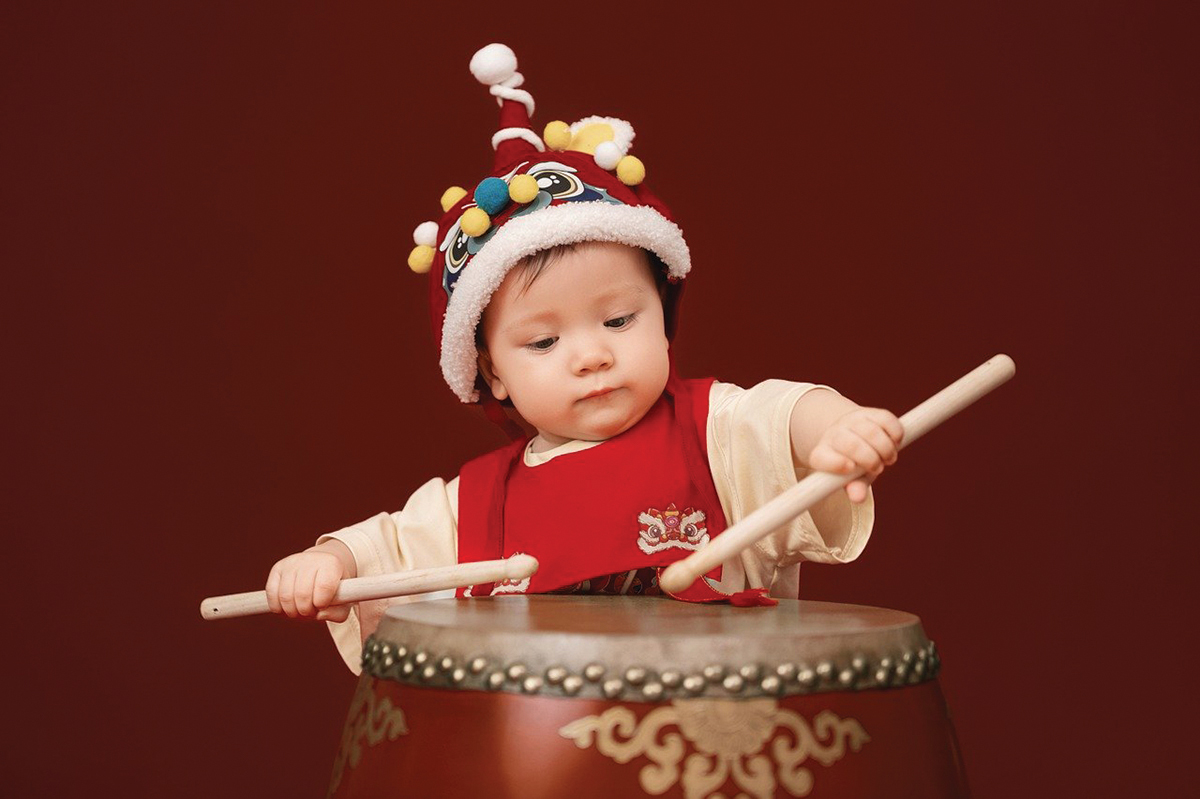
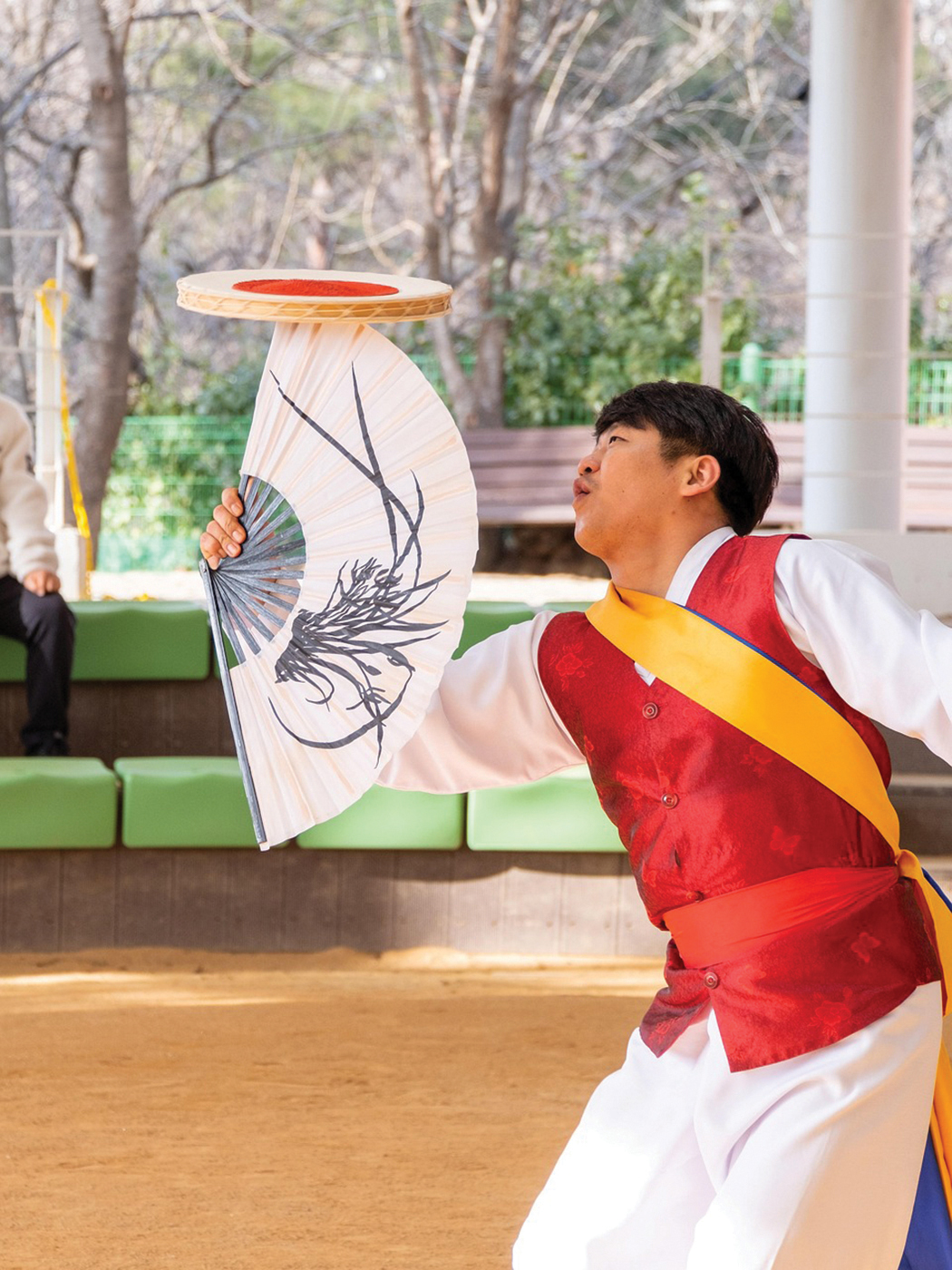
    Organizations such as the United Korean Association of Hawaii and the Hawaii Korean Cultural Center offer culturally relevant classes and events throughout the year. The two largest cultural celebrations are the Korean Festival in August and the newer Kimchi Day Festival in November—both annual, held on O‘ahu and featuring events such as dance and drum performances, eating contests and celebrations of the arts.

    For more information, see the Hawai‘i Korean Chamber of Commerce website (hawaiikorean-chamber.org) as well as Generations Magazine’s Facebook page (facebook.com/genmag808) and website calendar (generations808.com/calendar) for community events and opportunities.


    The next article in this series will feature the influences of Mexican culture in Hawai‘i.

    Since more than 1,500 years ago, Kānaka Maoli (Native Hawaiians) have welcomed immigrants from every corner of the globe, cultivating and perpetuating a tapestry of diverse cultures. In the eighth article of this ongoing series on the many cultures that comprise Hawai‘i, we will focus on the Koreans, how they arrived in the Hawaiian Islands,…

  • How to Best Support Grieving Keiki

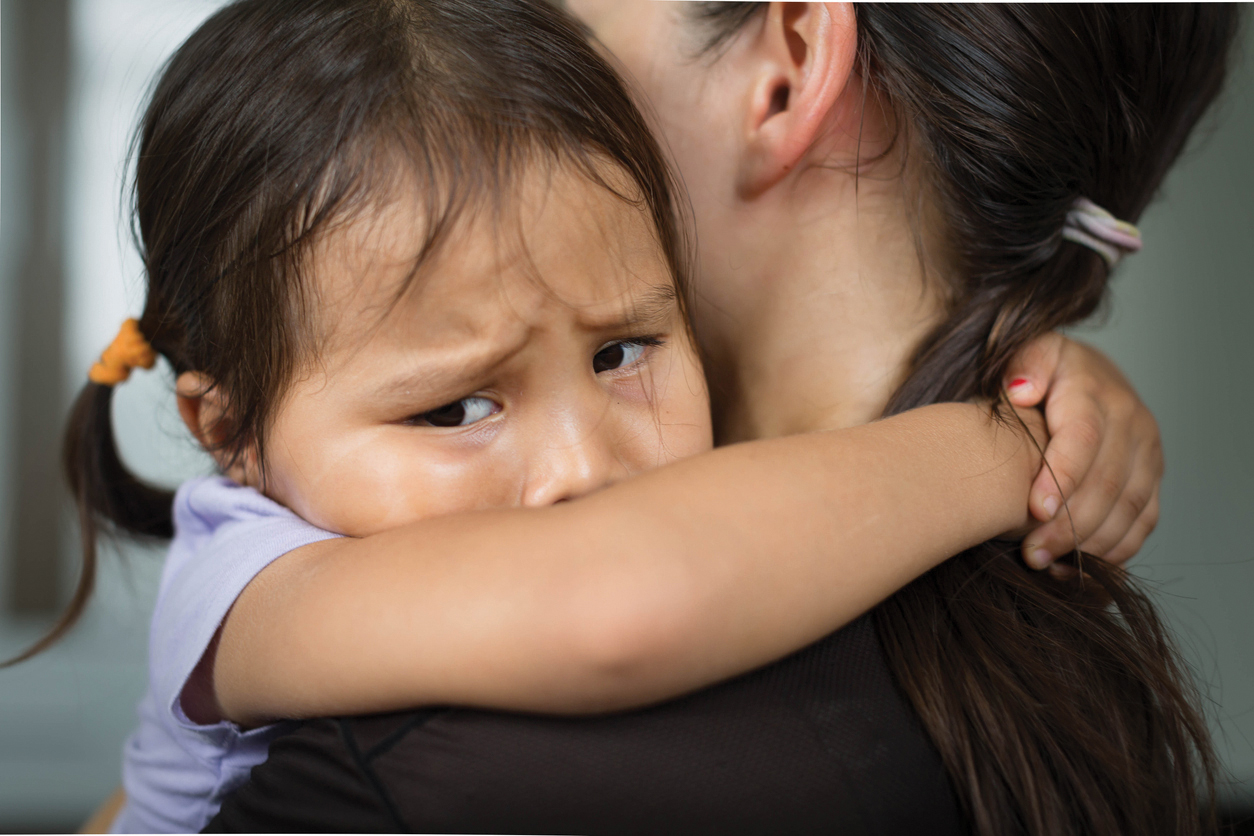
    Children process and experience grief according to their developmental stage. If we try to determine their grief status by an adult measure, then something may be missed.

    Grieving kids can experience a wide range of emotions, expressing sorrow through tears one moment and wanting to play the next. From an adult lens, this can be perceived as the child being “fine,” but in actuality, playing is one way they process their emotions. Another indicator of grief in children may be a regression in behaviors. The child may have a consistent developmental skill, then suddenly, they are no longer exhibiting their typical abilities. For example, a child may have independent toileting skills, then they begin to have bathroom accidents. This can be frustrating for a parent or the child’s caregiver, especially if they are unaware of the root cause. Healthy support includes talking story with them using simple words about their feelings, allowing them to cry, assuring them that what they are going through is normal and modeling healthy coping skills.

    Good conversation starters may include encouraging the child to draw their emotions, reading through a children’s grief book or discussing a movie. Disney movies have many threads of grief sewn through their storylines.

    Addressing grief can be uncomfortable, but it does not have to be overwhelming.


    BEREAVEMENT NETWORK OF HAWAI‘I
    Facilitated by KŌKUA MAU (nonprofit)
    808-585-9977 | kokuamau.org

    Children process and experience grief according to their developmental stage. If we try to determine their grief status by an adult measure, then something may be missed. Grieving kids can experience a wide range of emotions, expressing sorrow through tears one moment and wanting to play the next. From an adult lens, this can be…

  • Where Do Implants Go After Cremation?

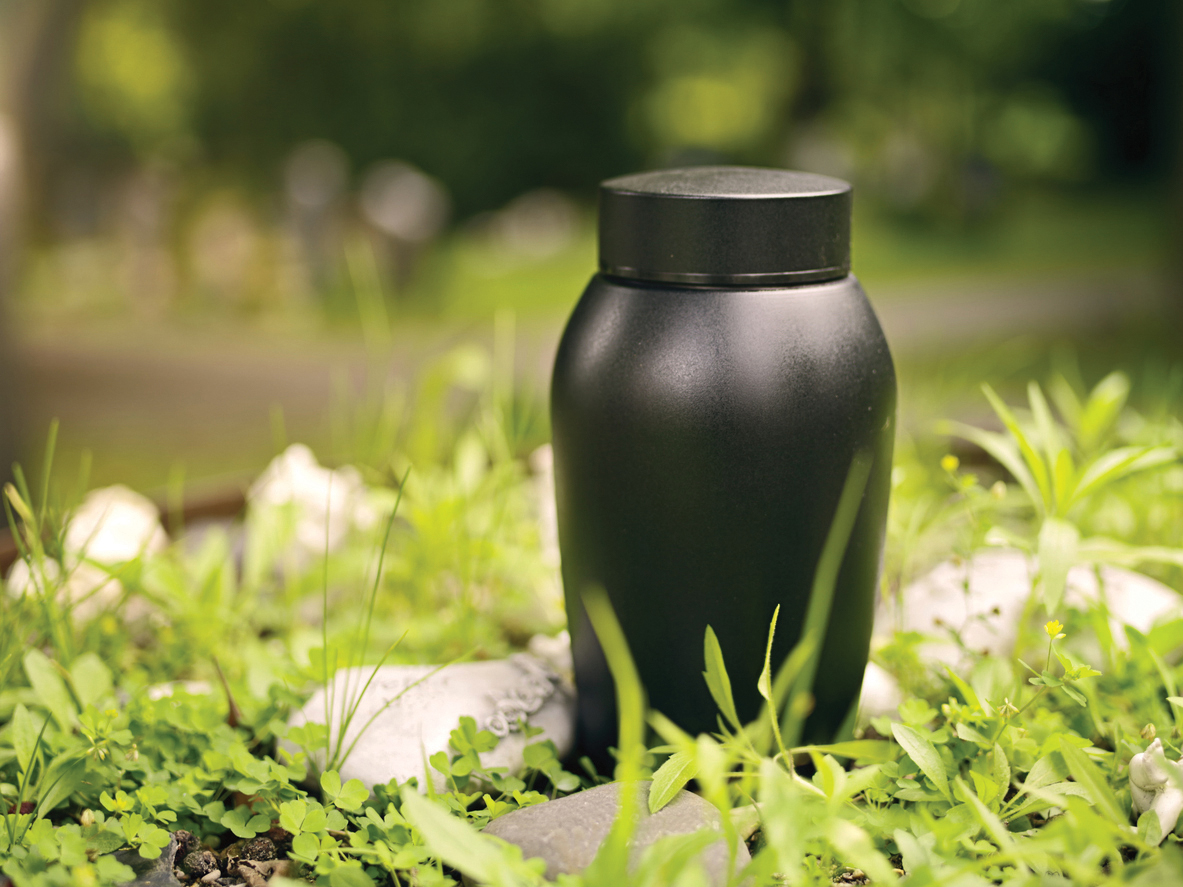
    If you or a loved one have surgical implants, be aware that metal implants will not be in your loved one’s urn following cremation. Handling of incombustible semi-precious metal implants following cremation is not something we think about when we are grieving. However, there are a few reasons why this will be a consumer protection concern increasingly affecting a growing segment of Hawai‘i:

    1. Hawai‘i, like much of the US, is experiencing a rapid growth in its retiree population.
    2. Significant medical advances and the increased use of surgical implants are becoming common-place for repairing or replacing bones and joints due to deterioration or fractures.
    3. Hawai‘i has the fourth-highest cremation rate in the US, therefore, a continued accumulation of surgical implants after cremation is likely.

    These incombustible remains will need to be discarded, recycled or resold by the mortuary industry in Hawai‘i. These metals may include, but are not limited to, silver, gold, titanium, platinum and palladium, in the form of dental fillings, plates, rods and screws for your teeth, neck, spine, hip and other joints. What happens to them? Are they donated, recycled, sold or discarded in a landfill? Are families providing their informed consent regarding their approved method of disposition?

    Is there evidence of unreported revenue generation? The fact is, we do not know what Hawai‘i’s mortuaries are doing. Meanwhile, companies in the continental US are harvesting these metals from mortuaries. Some company websites indicate that they can donate the proceeds to a nonprofit upon a mortuary’s request. The proceeds can also provide the mortuary with an additional revenue stream.

    But what is happening in Hawai‘i is unclear. The mortuary industry is silent. If a financial transaction is made, should mortuaries reimburse families for the value of these metals? That might be an insurmountable administrative task and a challenge to enforce. If there is revenue, a donation to a nonprofit would impress the community. Through community dialogue, it is possible to create a collaborative framework that ensures transparency, ethics and community benefits.


      CULLEN T. HAYASHIDA is an affiliate faculty member with the Center on Aging, and the School of Nursing and Dental Hygiene at the University of Hawai‘i at Mānoa. Over the past 50 years, he has been involved with developing over 50 elder care service projects in hospital, nursing home, home care, college and community settings, and has provided technical assistance to other organizations locally, nationally and in East Asia. He has taught at the University of Washington, Willamette University, Case Western Reserve University, Kapi‘olani Community College, University of Hawai‘i and JF Oberlin University.

      If you have a story to share, email the editor: debra@generations808.com.

      If you or a loved one have surgical implants, be aware that metal implants will not be in your loved one’s urn following cremation. Handling of incombustible semi-precious metal implants following cremation is not something we think about when we are grieving. However, there are a few reasons why this will be a consumer protection…

    1. Her Handi-Van Heroes

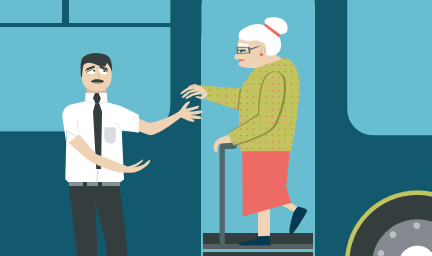
      Not all heroes wear capes. In fact, many go unnoticed, with their efforts sometimes taken for granted. These “unsung heroes” are a model of compassion who contribute valuable, often challenging work without receiving recognition or praise for their efforts. But once in a while, a recipient of their kindness steps up to sing their praises. O‘ahu resident Diane Wright contacted us to help her make that happen.

      “TheHandi-Van drivers do more on the van for passengers than most people know,” says Diane. “They work hard and do it with compassion and care.”

      “They are well trained,” says Diane. “The nice, friendly drivers greet you when you get onboard, then, if the van is full, the driver helps to space the people apart in the van so we can all fit. They move around a lot to help the passengers, buckling wheelchairs to the floor and strapping in rollators and walkers. They even help seatbelt you in, if you need.”

      When the passengers disembark, the driver unbuckles each rider and helps them to the exit lift, lowering the lift so they can get out easily. “The drivers always say a friendly ‘have a nice day’ when we leave,” adds Diane.

      “TheHandi-Van drivers have a lot of compassion and patience, so I thought I’d tell others about them,” says Diane. “I admire them. Thank you to all hard-working Handi-Van drivers who show compassion every day!


      To share your story of gratitude for possible publication, email the editor at debra@generations808.com.

      Not all heroes wear capes. In fact, many go unnoticed, with their efforts sometimes taken for granted. These “unsung heroes” are a model of compassion who contribute valuable, often challenging work without receiving recognition or praise for their efforts. But once in a while, a recipient of their kindness steps up to sing their praises.…

    2. Getting Old is Getting Old!

      Getting old has its blessings and its challenges. The blessings are many, especially here in Hawai‘i where kūpuna are usually treated with a bounty of respect and kindness. However, I have found that to be less true while traveling on the continent.

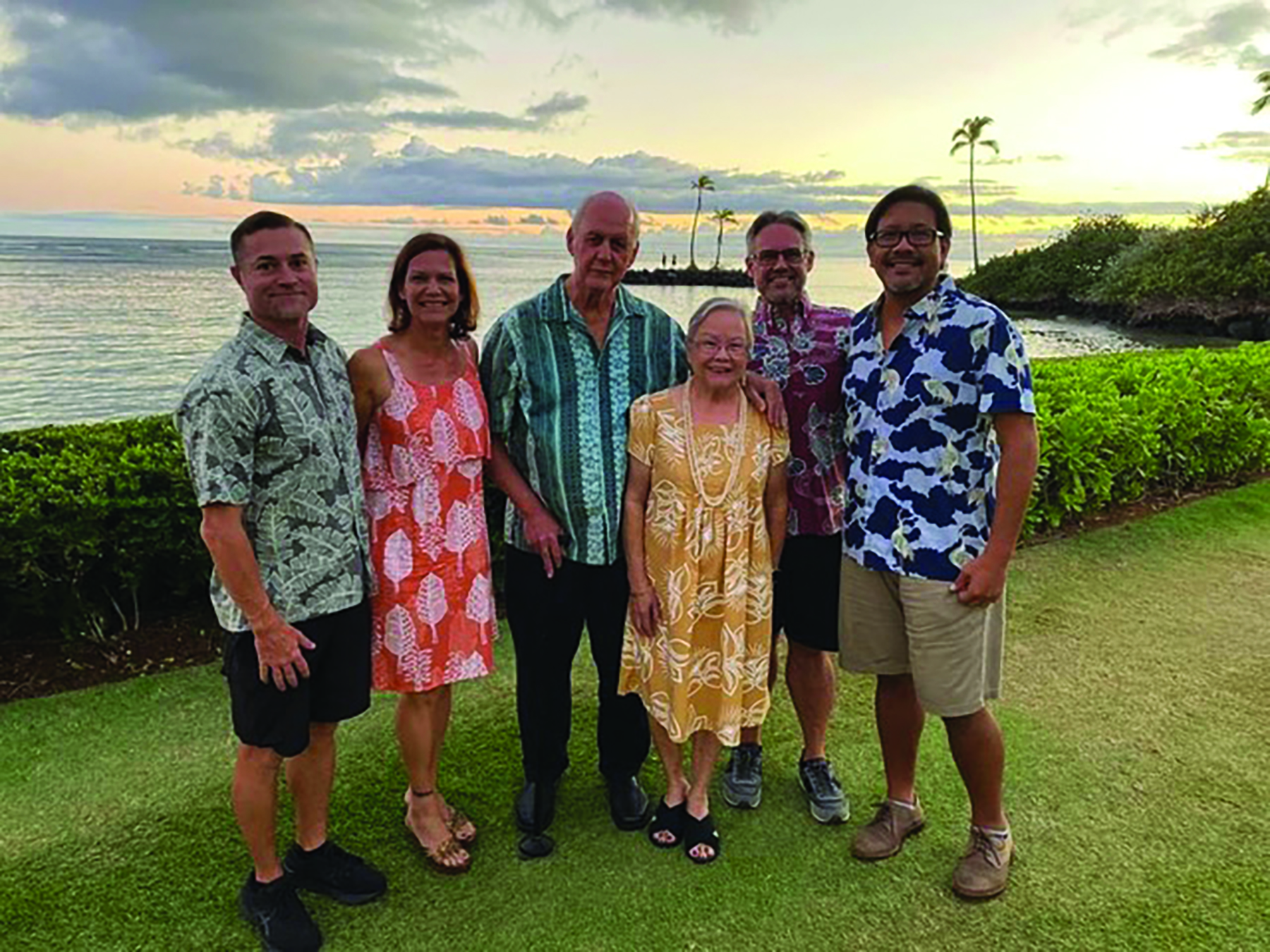
      Among my many blessings, I count my three kids. My eldest daughter, Kalei, age 54, who lives upstairs from me with her husband, Paul, are there to help when asked. Kala‘i, age 51, and his partner, Lawrence, are also both willing and able to help in any way that they can. Puna, my youngest daughter, age 47, lives in Florida, but comes when needed, as she demonstrated when her father was diagnosed with brain cancer. She appeared two days later and stayed for two months.

      (L–R) My son-in-law Paul, daughter Kalei, husband Bill,
      me, son Kala‘i and his partner, Lawrence.

      But challenges are also many. Pesky little obstacles include being unable to recall the names of actors and classmates from long ago, and forgetting appointments, even though they are in my cell phone calendar and written on a paper calendar. Trials include being unable to do the simple, everyday tasks that were once so easy to do, like bending to tie shoelaces, reaching for dishes from a high kitchen shelf, opening a jelly jar and even popping open a can of cola. All the little things…

      The big things are getting short of breath during a slow, 18-minute walk halfway around the loop, or during a 45-minute sitting-fitness class at the YMCA, enduring the pain from my knees and feet from arthritis while walking and exercising or even just trying to fall asleep at night.

      But the biggest challenge in my life is grieving for a lifetime companion who died and left me to survive without him, dealing with the pain of turning over in bed and seeing an empty pillow, preparing meals for one person instead of two, filling out forms required by the government after the death of spouse for VA, Social Security, military retirement, medical insurance…

      Yes, getting old has its blessings and its challenges. Getting old is getting old!


      ANITA ‘ILIMA STERN is a retired elementary school teacher and writer who taught hula for 33 years. Her students liked learning hula and chant from her and appreciated the positive feedback they received. She lives in Kailua, O‘ahu.

      If you have thoughts or a story to share, email the editor: debra@generations808.com. It may be published in Generations Magazine, Facebook or our website.

      Getting old has its blessings and its challenges. The blessings are many, especially here in Hawai‘i where kūpuna are usually treated with a bounty of respect and kindness. However, I have found that to be less true while traveling on the continent. Among my many blessings, I count my three kids. My eldest daughter, Kalei,…

    3. A Class Reunion Trip Down Memory Lane

      When I got the save-the-date card for my 50th high school reunion, I was shocked! Hey, 50th reunions are for old people! Then I realized I must be one!

      So I volunteered to be our Class of 1975 reunion secretary and sent out emails asking for life updates and attendance plans. As I sifted through the replies, I began getting information about classmates who had passed away. A girl I had dated died of cancer. Another I had a crush on had died the year before. I received a heart-breaking email from the widow of a wrestling team buddy saying he had passed. All told, I found out a dozen classmates had passed on.

      Those sad responses convinced me that I must go to the reunion to reconnect with people with whom I had spent four important years.

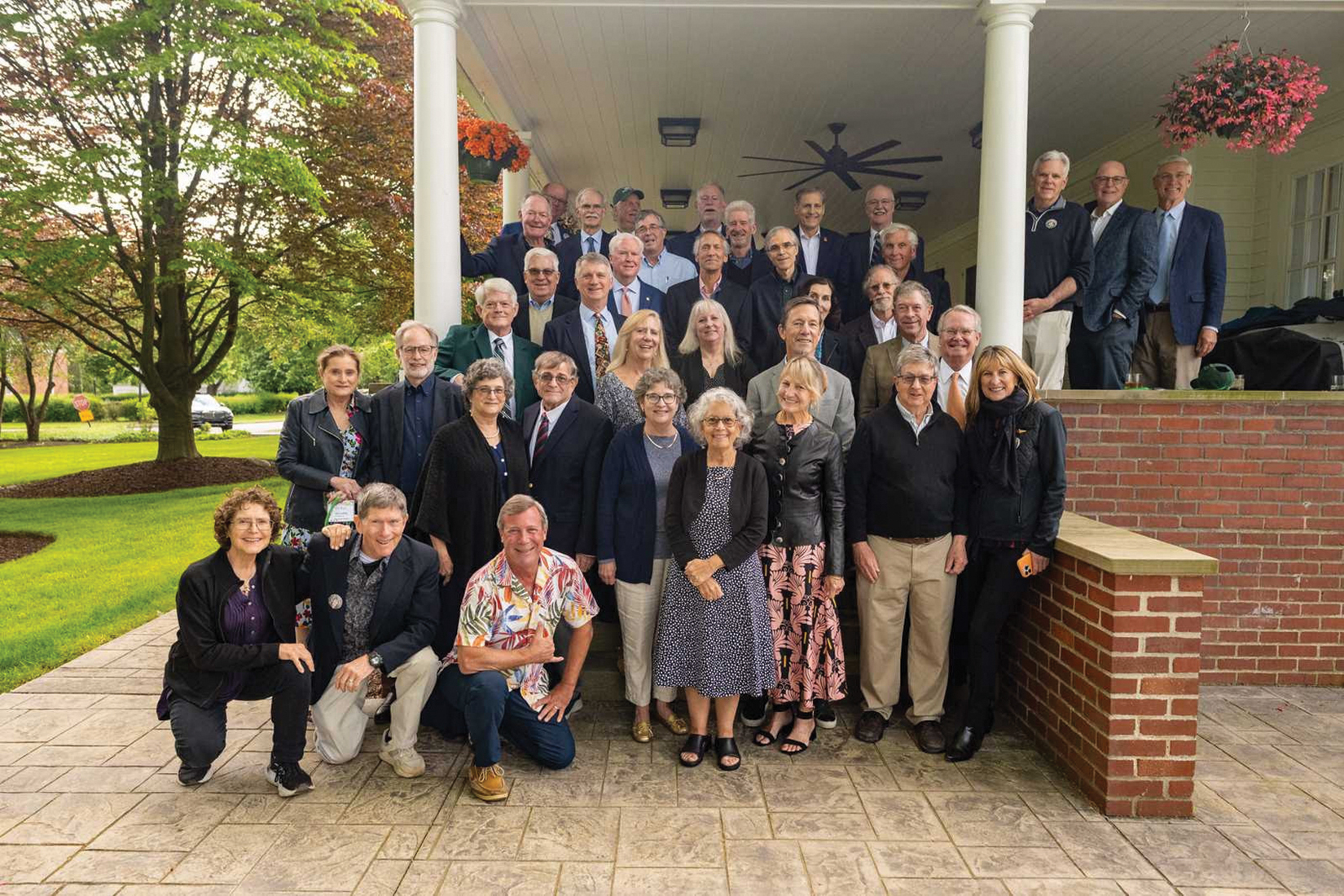
      The 50th reunion of Western Reserve Academy’s Class of 1975 was well-attended. Following “the road less traveled,” Rob paved his own path to a permanent home on Maui, where he enjoys life with wife Kelly

      When my wife and I arrived in my hometown for the reunion, we went for a long walk around the school grounds. Memories came flooding back. The next evening, we dined with our 50th reunion group. I was pleased that 36 classmates of the 100 (about) in our graduating class attended. Everyone looked great! Granted, now in our late 60s, our definition of “looking great” is far more forgiving than it used to be!

      During dinner, we didn’t compare accomplishments, cars or careers—we honored the past as we reminisced about our classmates who are no longer with us. We remembered a classmate I had known since we went to preschool together. After I shared precious memories of her, others who were close to her shared theirs. We remembered another friend—a funny, well-liked, brilliant and athletic student who became a leading brain surgeon at Johns Hopkins. His widow joined us; we all cried with her. And so it went through the list, with shared recollections triggering tears and eliciting laughs. I was pleasantly surprised that as we all told our stories, old friends recalled things that I had forgotten and I was able to jog their memories, as well.

      As we talked, my classmates transformed in my mind’s eye to how they looked in our school days. Grey hair turned brown again and bald heads regrew shoulder-length locks. Guys shuffling painfully to their tables were once again fleet-footed soccer jocks and track stars. Grandmothers with etched laugh lines and crow’s feet transformed into gorgeous young girls again.

      Saying goodbye at the end of the reunion was bittersweet. I hugged it out with everyone.

      I had viewed reunion group photos of the older classes above us, hanging in the hallways. Seeing fewer people in each five-year grouping, I realize that at our next reunion, I may not be seeing some of these dear friends again.

      So I’m glad I went back for the Big Five-O and I’m going to attend all of my class reunions for as long as I am able, God willing.


      ROB MELDRUM was born and raised in Hudson, Ohio, and graduated from Middlebury College in Vt. summa cum laude, with high honors for his senior thesis. After a 20-year career with AT&T, he started a telecomm software company and is a patent-holder. He and his wife, Kelly, moved from Seattle to Maui in 2019. In retirement Rob enjoys playing guitar, writing songs, playing pickleball and baking sourdough bread.

      If you have a story to share, email the editor: debra@generations808.com.

      When I got the save-the-date card for my 50th high school reunion, I was shocked! Hey, 50th reunions are for old people! Then I realized I must be one! So I volunteered to be our Class of 1975 reunion secretary and sent out emails asking for life updates and attendance plans. As I sifted through…

    4. Enjoy the Ride!

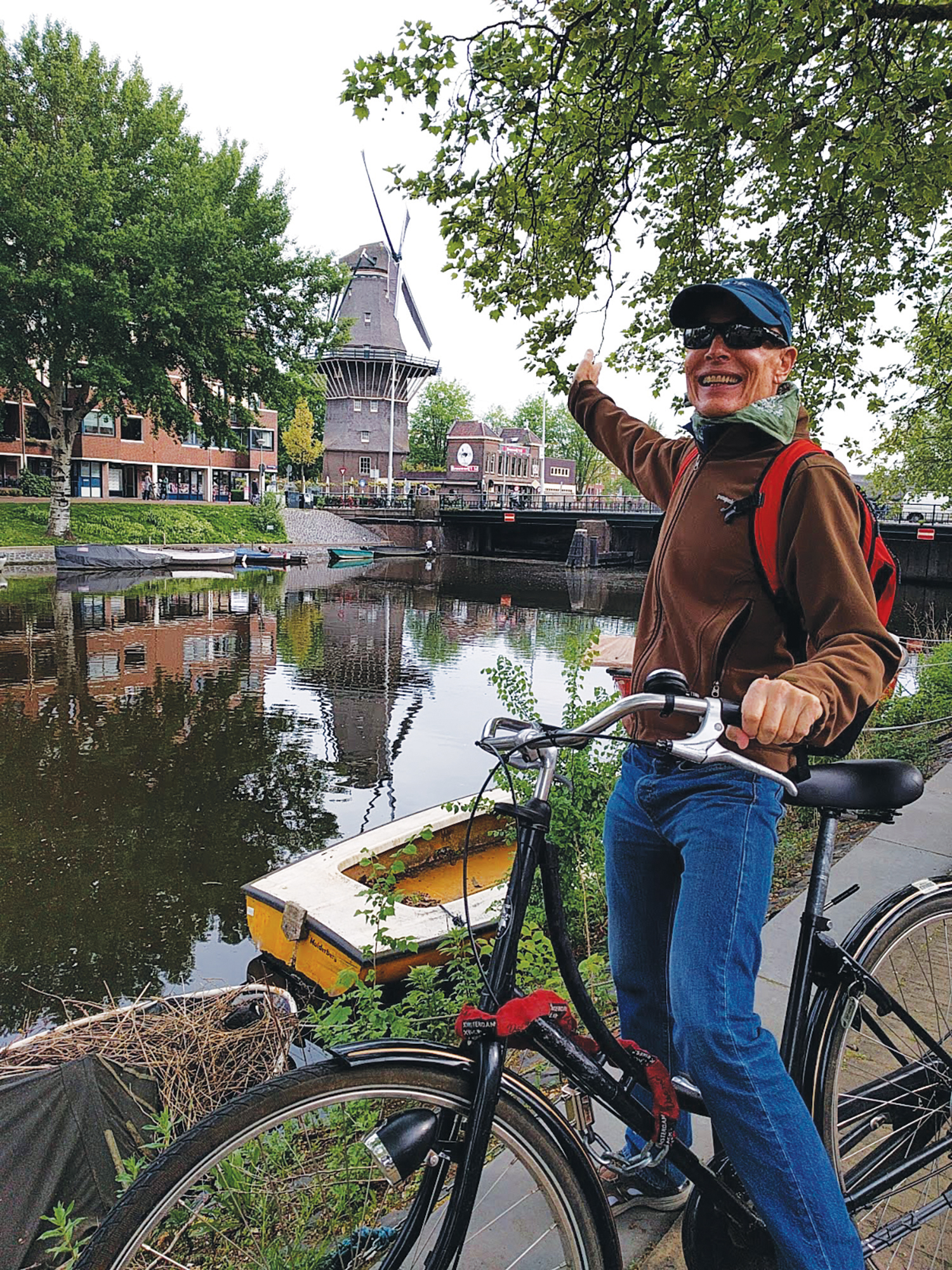
      r. Steve L. Chaplin, a 64-year-old Honolulu psychiatrist, has seen the world from a unique perspective. He has ridden his bicycle through South America, Asia and Europe, cycled through 39 countries, including Morocco, Myanmar, India, Chile and Vietnam, and most recently, biked through Iceland and Greenland.

      What inspired him to see the world this way? Dr. Chaplin’s father taught him to ride at age 6, but initial lessons didn’t include how to stop by using his brakes, which caused him some scrapes. His interest in bicycling blossomed while biking with a friend in San Francisco. The bicycling bug really took hold of him as he navigated the city’s highly textured topography. By then, of course, he had learned how to brake.

      Today, adhering to the hypothesis “safety in numbers,” his excursions always include a friend or a group. He says he has never experienced a bad bike trip. To the contrary, friendly foreigners often approach him, asking about the details of and reasons for his international bicycle trek. He says that riding a bicycle has proven to be an easy way to make friends in a foreign country, as natives are always eager to give him advice and share information about their country.

      Dr. Chaplin says that the most interesting country he visited was Vietnam in 1995. The Vietnamese were very welcoming, saying, “America number one.” And, of course, Dr. Chaplin fit naturally into the culture, as most Vietnamese rode bicycles as their primary transportation.

      Riding his bicycle in a foreign country also gave Dr. Chaplin an opportunity to appreciate the culture and natural beauty at a pace that could not be accomplished in motorized travel mode, yielding time and space for contemplation and reflection, in addition to social interaction.

      Dr. Chaplin says, “Somehow, foreign residents and I succeed in communicating. English seems to be an international language and there is always someone who can speak it to some extent. In the remote parts of a country, where English is barely spoken, we use hand motions and somehow we manage. We smile, we laugh and catch on to what each is saying.

      “For example, when a foreign resident points at my bicycle, I know from experience that they are asking me why I am traveling in their country on a bicycle, especially in a far-off region. Traveling to a foreign country is always an experience. It depends on your attitude of why you are there. So I tell them that riding a bicycle abroad is a priceless experience if your aim is to learn, have fun and meet the people. The bottom line is to be pleasant and patient.”

      Dr. Chaplin believes in exercise and encourages his patients to do so, because studies have shown that such activity promotes mental alertness, stamina and positive interactions. Such being the case, bicycling in a foreign country with his interest focused on a new environment stimulates his mind and memories of people and places.

      Studies have shown that a human on a bicycle is more efficient than a swimming salmon or flying seagull and jet plane. Dr. Chaplin concurs that it reduces global warming and conserves natural resources as well as introduces the bicyclist to different cultures, cuisine, history and people—up close and personal. “There is no doubt that bicycling is good for the health, for the preservation of our Earth and if you travel to a foreign country, I like to believe that in some ways it leads to international understanding, friendship and world peace.”

      His philosophy of life is simple—“enjoy the moment. Enjoy the ride.”

      r. Steve L. Chaplin, a 64-year-old Honolulu psychiatrist, has seen the world from a unique perspective. He has ridden his bicycle through South America, Asia and Europe, cycled through 39 countries, including Morocco, Myanmar, India, Chile and Vietnam, and most recently, biked through Iceland and Greenland. What inspired him to see the world this way?…

    5. The Kūpuna Power Movement & Mindset

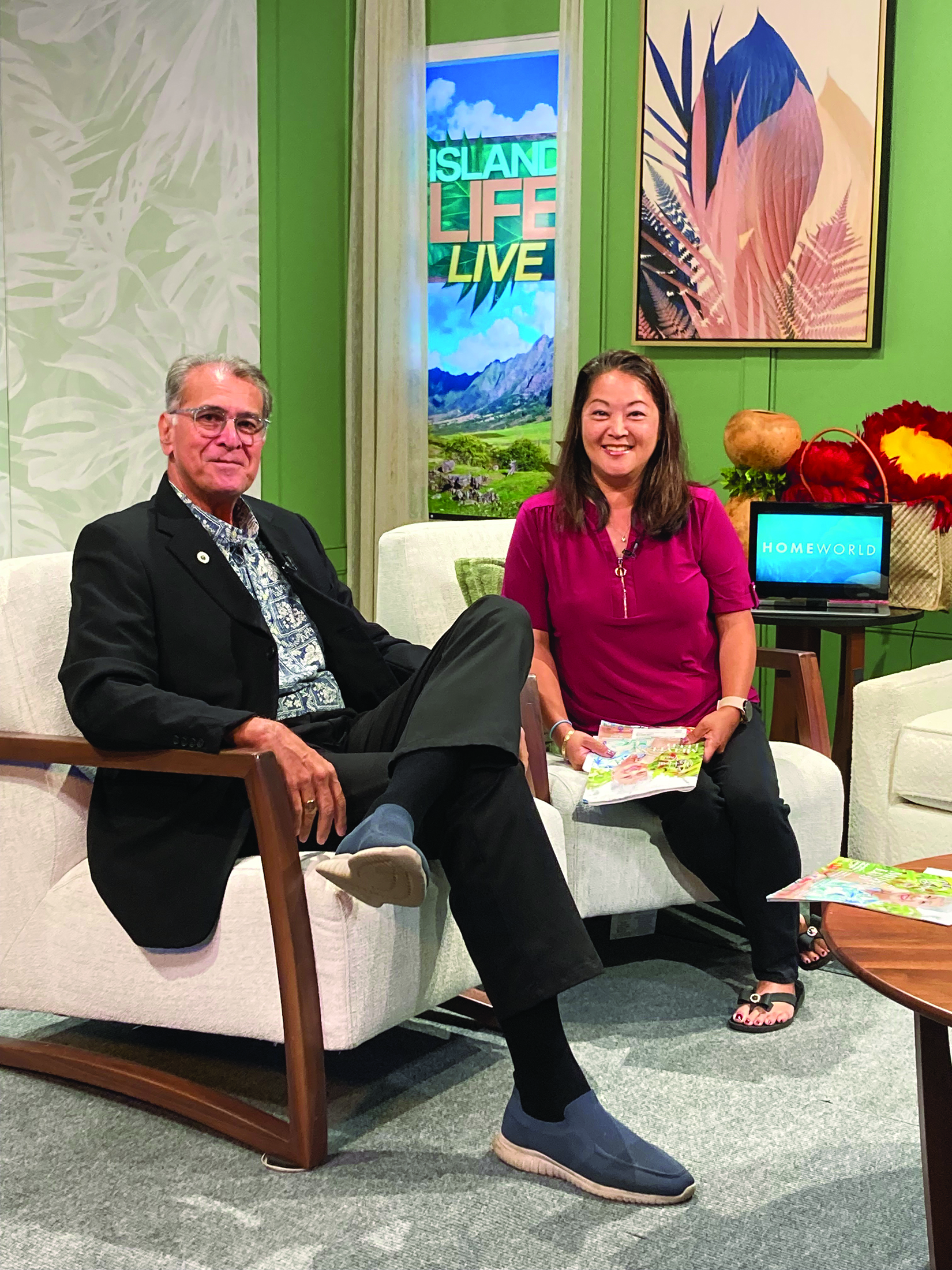
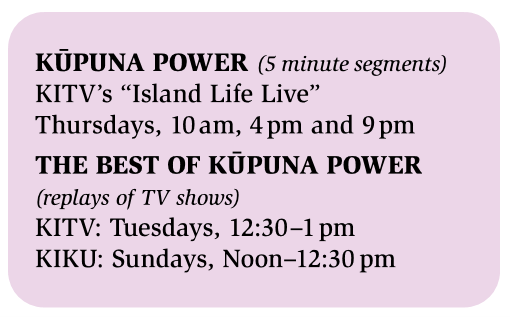
      Kūpuna Power, a platform that seeks to educate and empower Hawai‘i’s elderly, is both a movement and a mindset—a reminder that Hawai‘i’s elders carry not only our history, but our momentum. Born out of an immediate response to a church family member being scammed, I launched the initiative after witnessing firsthand how vulnerable Kūpuna can be when clear, reliable information is hard to find—or when a kupuna is too embarrassed to reveal such a situation. The experience exposed an urgent need for information to accessible resources at the federal, state, county and private levels—and the spark that ignited Kūpuna Power.

      Kūpuna Power is about helping them tap into resources that enable them to live their golden years the way they want to, as independently as possible and without worries. Kūpuna Power helps restore dignity, visibility and agency to the people who built the foundations we stand on today.

      At its core, the initiative insists that kūpuna are cultural anchors and political stabilizers whose lived experiences—from plantation life to the Hawaiian Renaissance—give them a clarity that Hawai‘i still depends on. When elders speak, they bring generations of insight.

      Kūpuna Power channels that wisdom into present-day action by encouraging kūpuna to stay informed, vote, testify, organize and guide the lāhui (people) with the same steady hands that raised families and communities.

      The movement also strengthens intergenerational connection, creating joyful, dignified spaces where young people learn directly from elders through stories, mele and lived truth. That exchange fuels coherence, unity and disciplined civic participation.


      KŪPUNA POWER
      808-768-7700 | info@wearekupuna.com
      wearekupuna.com

      Kūpuna Power, a platform that seeks to educate and empower Hawai‘i’s elderly, is both a movement and a mindset—a reminder that Hawai‘i’s elders carry not only our history, but our momentum. Born out of an immediate response to a church family member being scammed, I launched the initiative after witnessing firsthand how vulnerable Kūpuna can…