Category: January – February 2025

  • Kupuna Connection

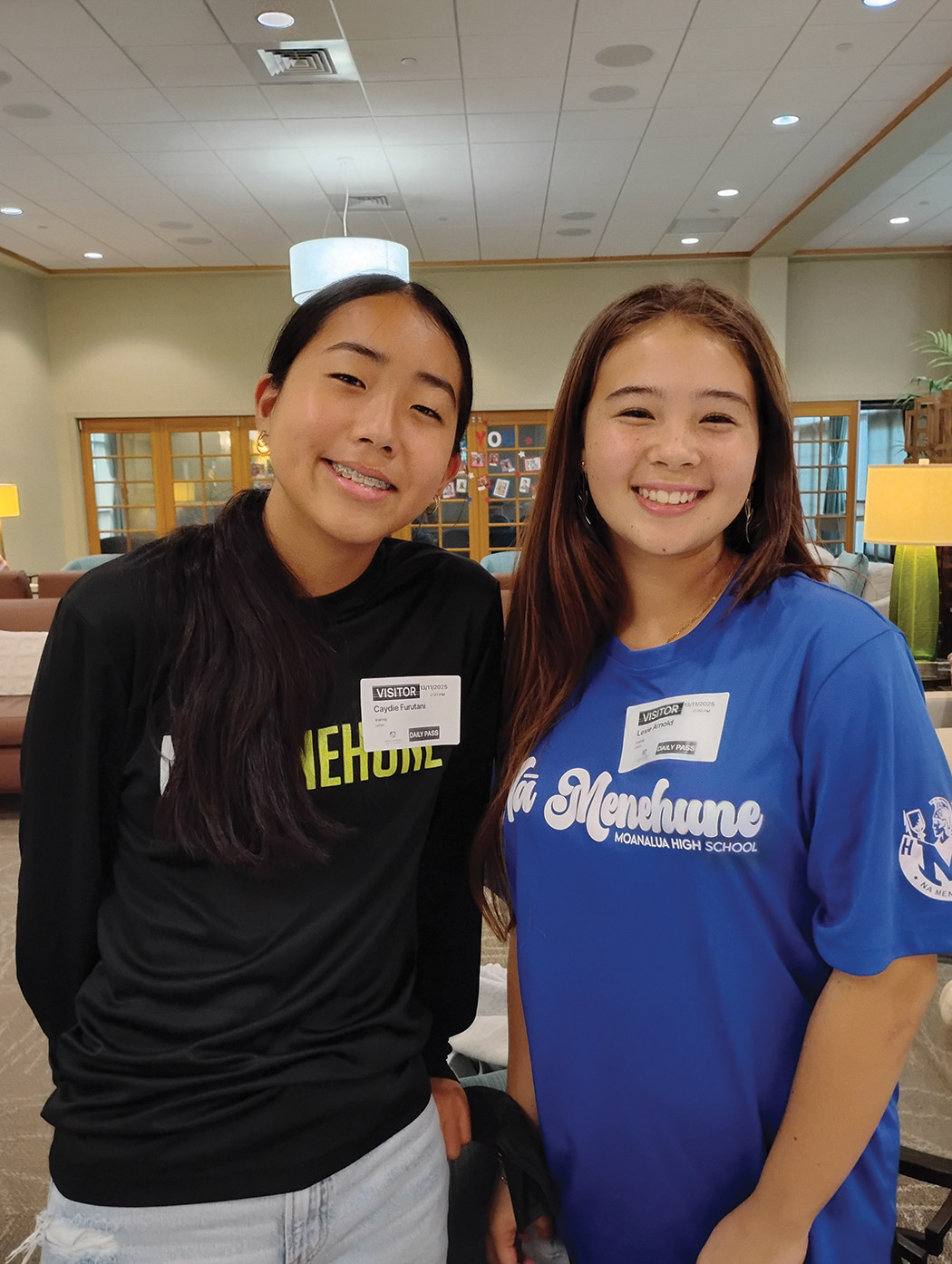
    Caydie Furutani and I are 9th graders at Moanalua High School on O‘ahu. For our social studies project, our teacher asked us to identify ways in which we could positively impact our community on a local or national level. We brainstormed and came up with three different ideas. Eventually, we chose to focus our attention on our local kūpuna community. Our project centered on efforts to improve the mental and emotional health of our kūpuna.

    Because some kūpuna may not have grandchildren near them, we came up with the simple idea to hang out with them, play games, talk story and bring them homemade snacks, in hopes that socializing with fun young people would make them feel happy and less lonely. And it would be fun for us to engage with the older generation.

    When I was born, my mom, Cynthia Arnold, was working to help seniors downsize and move to senior living facilities. She helped many move into 15 Craigside Retirement Community, which had just opened. She continues to this day.

    My mom told me that when I was little, she brought me there every Christmastime and we’d give out homemade cookies and treats to all her past clients. Some of them remembered me as a little one, but all I remember is this was the home where all the GGs (great-grandparents) lived. This is the reason that 15 Craigside Retirement Community was the perfect location for our social studies project.
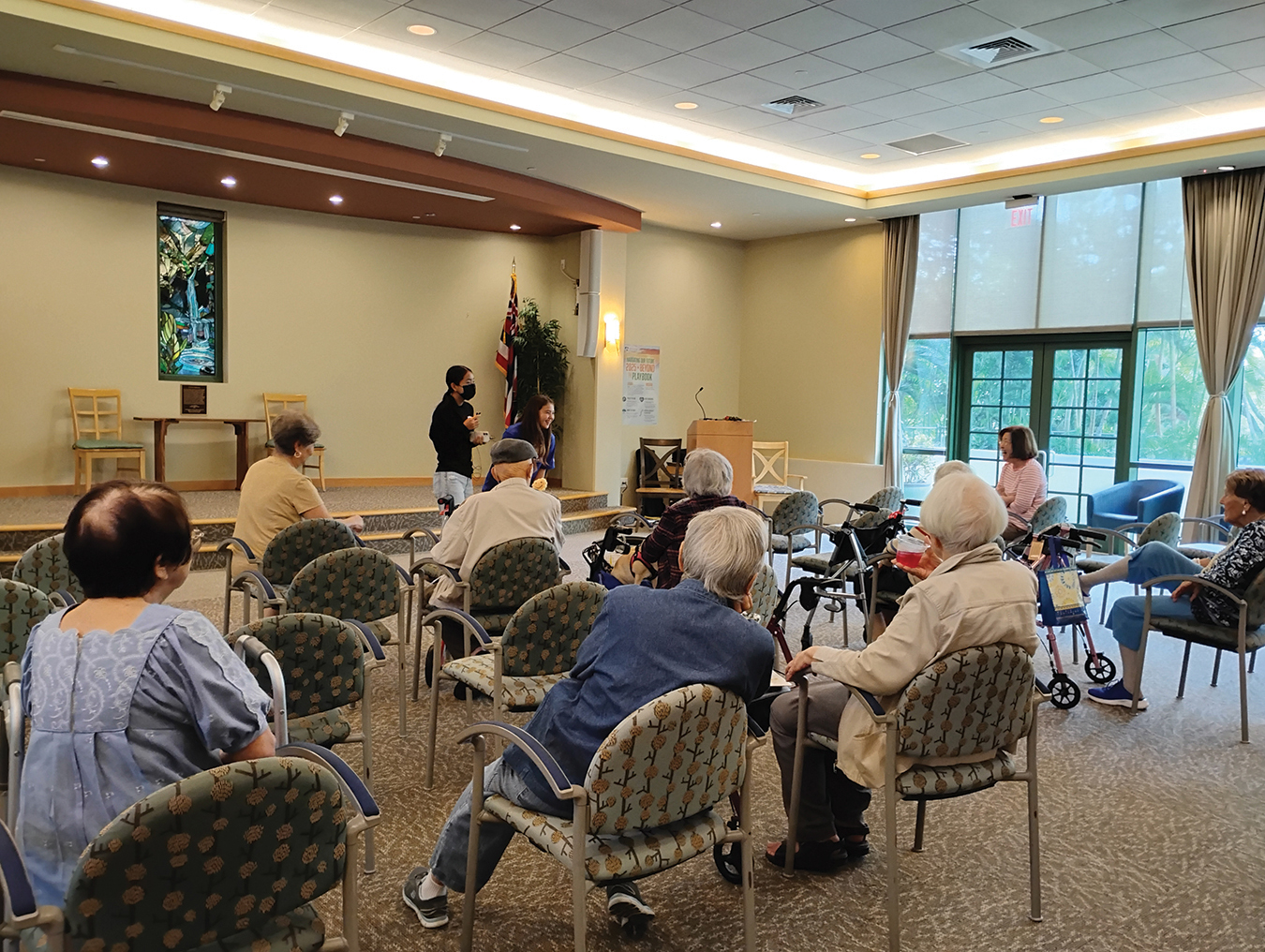
    We brought them homemade brownies, broken glass jello and manju. We talked and played “Thanksgiving Catch Phrase” to stimulate their minds in a fun and friendly environment. Some of the residents were surprisingly competitive, but everyone laughed and had a great time. And all the treats were eaten by the end of our visit.

    While talking story with them, we found out what they had done for a living and how they are now enjoying their later years. Some even gave us some life lessons, such as, “take the negativity out of your life” and “do yoga to keep looking young!” It was a great time of laughing and learning.

    Besides getting an “A” on our project, we took away many happy memories we can share with others. We want to go back again soon!


    Lexie Arnold is a 9th grader at Moanalua High School and the daughter of GM Publisher Cynthia Arnold. She loves to dance and play softball, hang out with her friends and volunteer for organizations on the island.

    If you have a story to share, email the editor: debra@generations808.com.
    Caydie Furutani and I are 9th graders at Moanalua High School on O‘ahu. For our social studies project, our teacher asked us to identify ways in which we could positively impact our community on a local or national level. We brainstormed and came up with three different ideas. Eventually, we chose to focus our attention…

  • Estate and Gift Tax Exemption Changes

    Hau‘oli Makahiki Hou! We hope 2025 is filled with prosperity, vitality and good health for you and your loved ones!

    If Congress doesn’t act, the federal lifetime estate tax and gift tax exemption is due to sunset at the end of 2025 and will revert back to the 2017 exemption amount of approximately $5.6 million per individual, adjusted for inflation. This would result in a significant increase in the number of estates subject to federal estate tax and a higher estate tax liability for estates already subject to the tax.

    Currently per person, the Hawai‘i estate and gift tax exemption is $5.49 million and the federal lifetime estate and gift tax exemption is $13.61 million (or $27.22 million per married couple). If you are married, under the current estate tax exemption and have separate trusts, it may be a good time to explore a joint trust. A joint trust can significantly reduce or even eliminate capital gains tax for your children, should they sell inherited real estate or other appreciating assets.

    If you are hedging up to the current estate tax exemption or you exceed the estate tax exemption, contact your estate planning attorney to see how possible changes to the estate and gift tax exemption may affect you.

    YIM & YEMPUKU LAW FIRM
    2054 S. Beretania St., Honolulu, HI 96826
    808-524-0251 | yimandyempukulaw.com

    Hau‘oli Makahiki Hou! We hope 2025 is filled with prosperity, vitality and good health for you and your loved ones! If Congress doesn’t act, the federal lifetime estate tax and gift tax exemption is due to sunset at the end of 2025 and will revert back to the 2017 exemption amount of approximately $5.6 million…

  • Some Final Considerations

    Donating your body to the local medical school is a way to both dispose of your remains and benefit your community. The most valuable resource for learning about a human body is, well, a human body. Many medical schools will have your body picked up (at no charge to your family) and delivered to the school to be used for educational purposes. After a time, your remains will be cremated and the ashes can be returned to your family for disposition.

    Yet another set of considerations is whether there will be some kind of public or private celebration of life or religious service after your demise. You can have some say in what those festivities might include. Of course, even if you direct that there be no observance of your death, that may not stop the people who love you from indulging in an event that will help them deal with their grief. If you want to be proactive, you can write your own funeral service, including such things as what musical selections will be shared, who will deliver your eulogy and whether you will ask for donations to your favorite charity in lieu of enriching a local florist. Frankly, most people leave all these details to their loved ones, but a funeral service planned and written by you might be one of the most loving things you can do for the people who will mourn your loss.

    EST8PLANNING COUNSEL LLLC
    Scott Makuakane, Counselor at Law
    808-587-8227 | maku@est8planning.com
    Est8planning.com

    Donating your body to the local medical school is a way to both dispose of your remains and benefit your community. The most valuable resource for learning about a human body is, well, a human body. Many medical schools will have your body picked up (at no charge to your family) and delivered to the…

  • Maximize Your Charitable Giving

    Many investors give back to their communities through traditional monetary gifts. But other gifting strategies may help maximize the value of your generosity and provide tax advantages. Four strategies that may be worth exploring:

    1. Gift highly appreciated stocks or other assets

      If you hold stocks or other investments for more than one year that have gained value, you may consider liquidating the asset to make a charitable donation with the proceeds. However, doing so may result in a taxable long-term capital gain. Giving appreciated stock directly to a qualified charity may be a more efficient way to maximize the value of your donation. Ensure that the charity accepts this type of donation before exploring it as a financial strategy.

    2. Establish a charitable trust

      Another way to consider gifting assets is to set up a charitable trust. Trusts can help you manage highly appreciated assets in a more tax-efficient manner, in some cases, allowing you to split assets among charitable and non-charitable beneficiaries. The timing of each gift and the flexibility you want dictates the type of trust that works best. With a Charitable Lead Trust, a charity is funded with income from assets placed in the trust for a specified time period. After that time, the remaining assets revert to other named beneficiaries. In a Charitable Remainder Trust, the reverse occurs. The trust makes regular payments back to you or another beneficiary. After a period of time specified in the trust, the remaining assets are directed to the named charities. A donor-advised fund allows you to make a large donation that may be immediately deductible from taxes, but gives you flexibility to recommend gifts to charities spread out over the years.

    3. Maximize donations through your employer

      Your employer may offer the convenience of making contributions through payroll deductions, allowing you to give systematically with each paycheck. In addition, your employer may match a certain donation amount, which can add to the impact your gift makes. Check to see if the charities you care about are eligible for this type of donation.

    4. Make a charitable individual retirement account (IRA) donation

      If you have reached the age at which you are required to take distributions from your traditional IRA each year, but you don’t need the money to meet your essential and lifestyle expenses, you may prefer to avoid the resulting tax bill. The Qualified Charitable Distribution rule allows you to transfer funds directly from your IRA to a qualified charitable organization. By doing so, you may avoid having to claim income (and subsequent tax liability) since you would not receive the required distribution. To determine when required distributions will start for you (based on your birth year), visit IRS.gov.

    As you consider these strategies, consult with your financial advisor and tax advisor, who can help you evaluate the choices to ensure the gifts you make are most effective for your goals and consistent with your overall financial plan.

    MICHAEL W. K. YEE, CFP,® CFS,® CLTC, CRPC®
    1585 Kapiolani Blvd., Ste. 1100, Honolulu, HI 96814
    808-952-1240 | michael.w.yee@ampf.com
    ameripriseadvisors.com/michael.w.yee
    Michael W. K. Yee, CFP®, CFS®, CLTC, CRPC®, is a Private Wealth Advisor, Certified Financial Planner™ practitioner, with Ameriprise Financial Services, LLC ,in Honolulu, HI. He specializes in fee-based financial planning and asset management strategies and has been in practice for 40 years. Certified Financial Planner Board of Standards, Inc. (CFP Board) owns the CFP® certification mark, the CERTIFIED FINANCIAL PLANNER™ certification mark, and the CFP® certification mark (with plaque design) logo in the United States, which it authorizes use of by individuals who successfully complete CFP Board’s initial and ongoing certification requirements. Ameriprise Financial, Inc. and its affiliates do not offer tax or legal advice. Consumers should consult with their tax advisor or attorney regarding their specific situation. Investment products are not insured by the FDIC, NCUA or any federal agency, are not deposits or obligations of, or guaranteed by any financial institution, and involve investment risks including possible loss of principal and fluctuation in value. Investment advisory products and services are made available through Ameriprise Financial Services, LLC, a registered investment adviser. Securities offered by Ameriprise Financial Services, LLC. Member FINRA and SIPC. ©2025 Ameriprise Financial, Inc. All rights reserved.

    Many investors give back to their communities through traditional monetary gifts. But other gifting strategies may help maximize the value of your generosity and provide tax advantages. Four strategies that may be worth exploring: As you consider these strategies, consult with your financial advisor and tax advisor, who can help you evaluate the choices to…

  • Legacy2Action Bridges Students & Kūpuna

    The 100th Infantry Battalion was a unit of second-generation Americans of Japanese ancestry men, nisei, who were born in Hawai‘i and achieved worldwide recognition as fierce fighters and loyal Americans. They achieved these accomplishments despite initial, unfounded suspicion and discrimination because they looked like the Japanese enemy who attacked Pearl Harbor on Dec. 7, 1941. Together with the 442nd Regimental Combat Team, the 100th earned recognition as the most decorated in US military history for its size and length of service. There are only seven known living veterans remaining from the 100th.

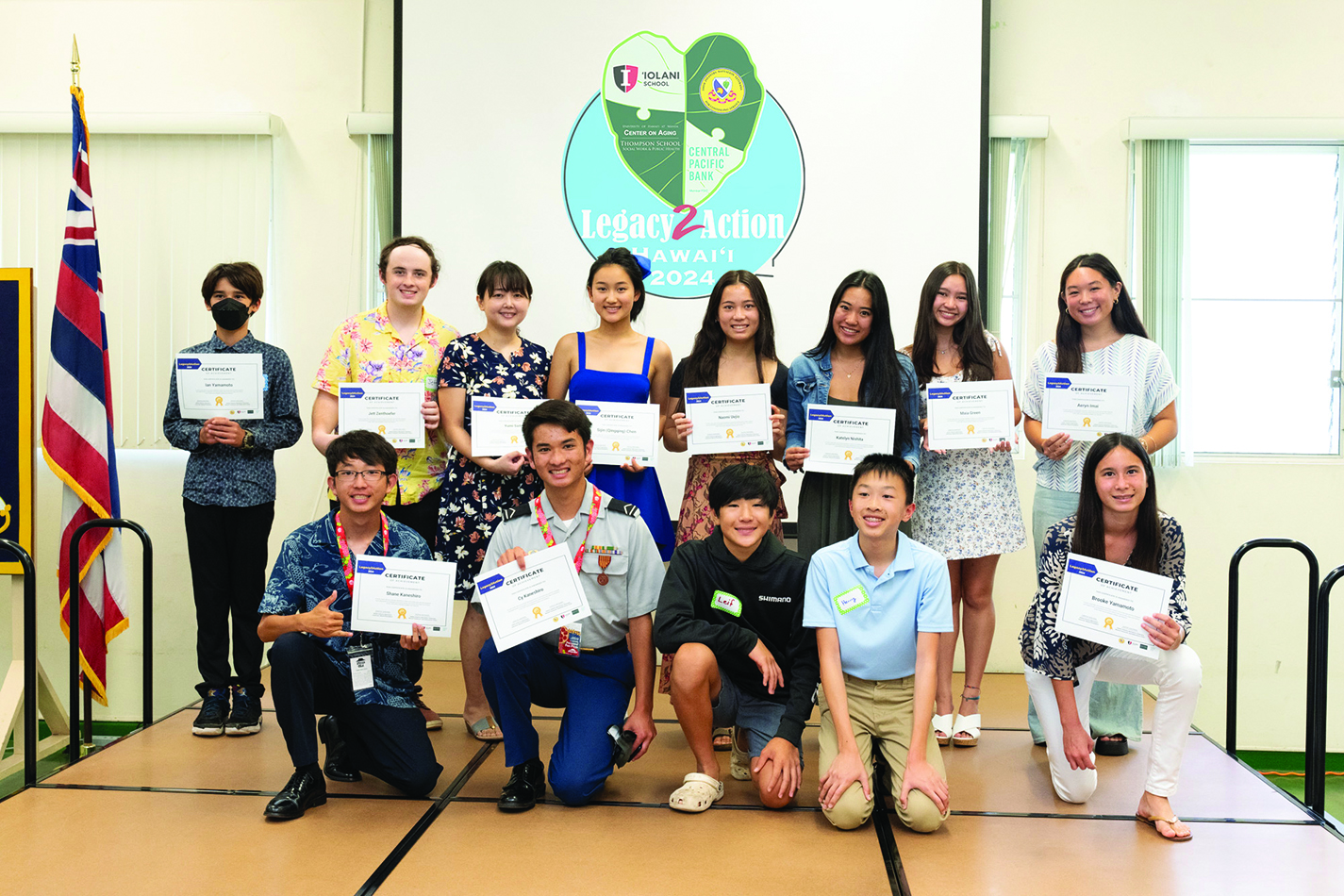
    Club 100 (primarily descendants) and its partners — ‘Iolani School, the University of Hawai‘i Center on Aging and Central Pacific Bank — are passionate about sharing the values of the 100th with youth, so they can apply these leadership characteristics to community service projects. They call this initiative “Legacy2Action.”

    The concept was piloted in 2022 with four students. In 2024, over 100 students participated and shared creative solutions. Their foci included inspiring students to learn about their grandparents’ history and culture, providing hygiene supplies for the Women’s Correctional Center, providing more ethnic/diverse books for schools, promoting peace, containing fire ants and more. The students shared leadership values, such as gaman (quiet endurance), ganbari (perseverance) and giri (obligation), that made the nisei so successful, despite being small in stature — on average 5-feet 4-inches tall, weighing 125 pounds.

    Organizers also welcomed kūpuna to help by sharing their knowledge. A few months ago, internationally acclaimed gerontologist Dr. Emi Kiyota visited the 100th Infantry Battalion Clubhouse and shared her thoughts on healthy aging, living with independence and purpose. Her studies show seniors enjoy giving to others and making a difference in their community. The organizers encourage kūpuna to share their skills and interests to help students develop their community service projects. Please share your interests by using the contact information below.

    100th INFANTRY BATTALION VETERANS
    520 Kamoku St. Honolulu, HI 96826
    For more information:
    info@100thbattalion.org | 808-946-0272
    Written in collaboration with the UH Center on Aging and ’Iolani School

    The 100th Infantry Battalion was a unit of second-generation Americans of Japanese ancestry men, nisei, who were born in Hawai‘i and achieved worldwide recognition as fierce fighters and loyal Americans. They achieved these accomplishments despite initial, unfounded suspicion and discrimination because they looked like the Japanese enemy who attacked Pearl Harbor on Dec. 7, 1941.…

  • Save More on Prescriptions

    On Aug. 16, 2022, the Inflation Reduction Act became law, bringing relief for many Medicare beneficiaries who pay a lot for their prescription drugs. New benefits begin each year to lower your copays and out-of-pocket costs.

    2023: The law caps copay at $35/month for certain insulin medications. Medicare covers 100% of Part D vaccinations, such as for shingles.

    2024: Medicare Part D covers 100% of drug costs once you meet $8,000 out-of-pocket limit per calendar year. More people qualified for Extra Help to offset drug plan copays and deductibles.

    2025: Payment plan spreads out prescription drug copays through the calendar year. Maximum out-of-pocket limit drops from $8,000 to $2,000 per calendar year.

    2026: It significantly reduces costs of 10 lifesaving drugs. For a comprehensive list of drugs and their newly negotiated prices, visit hawaiiship.org.

    The Inflation Reduction Act is a major step toward improving Medicare coverage. Beneficiaries can expect more enhancements soon to lessen financial strain and increase access to needed medications to support health and well-being.

    If you have questions regarding Medicare or how these benefits may affect you, contact Hawai‘i SHIP using the information below.

    HAWAI‘I SHIP
    250 South Hotel St., Ste. 406, Honolulu, HI 96813
    O‘ahu: 808-586-7299 | Toll free: 888-875-9229
    hawaiiship.org
    Free, local, one-on-one Medicare counseling is provided by the Hawai‘i State Health Insurance Assistance Program.

    On Aug. 16, 2022, the Inflation Reduction Act became law, bringing relief for many Medicare beneficiaries who pay a lot for their prescription drugs. New benefits begin each year to lower your copays and out-of-pocket costs. 2023: The law caps copay at $35/month for certain insulin medications. Medicare covers 100% of Part D vaccinations, such…

  • SMART911 Helps First Responders Help You

    In emergencies, quick, informed responses can make the difference between life and death. Whether it’s responding to a 911 call of an individual experiencing a medical crisis at home or or an impending natural disaster, access to critical information can empower first responders to act appropriately and effectively in saving lives.

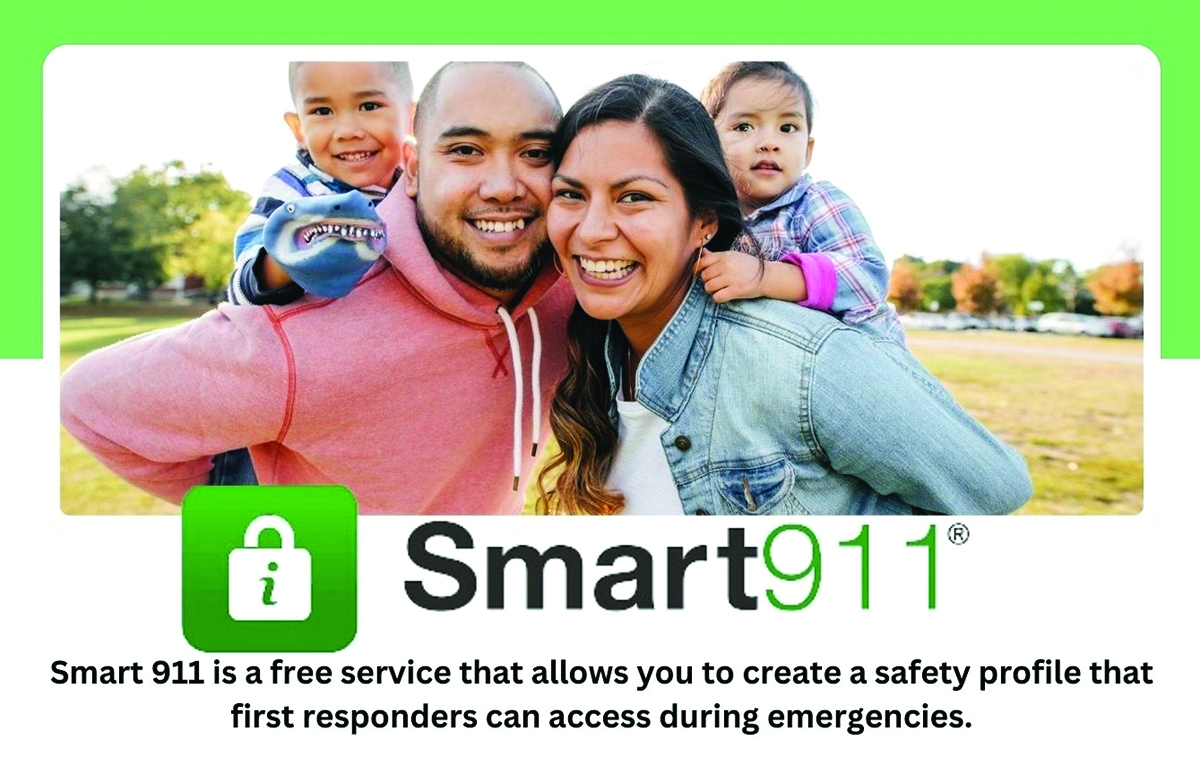
    The SMART911 service helps protect your family by providing this vital information to first responders. The public safety service enables individuals to create secure profiles with crucial information that first responders can access during emergencies. The core purpose is to enhance safety and response time by providing responders with important context about a person’s medical conditions, disabilities, care needs, personal preferences and other factors that could impact how they approach and assist in a crisis. This system is particularly valuable for people with disabilities or dementia, and older adults who may have specific access and functional needs.

    Smart911 profiles can highlight health conditions, communication preferences, mobility constraints, cognitive impairment, medications, behavioral triggers, sensory sensitivities and more, giving first responders the context needed to respond safely and compassionately.

    Instructions and emergency contacts can also be added. And incorporating an Advance Healthcare Directive and Power of Attorney document alongside SMART911 ensures that your wishes are clear. SMART911 allows these individuals or their caregivers to proactively share this information in a secure system, bridging communication gaps that can arise during stressful situations. This will enhance emergency response effectiveness, reduce distress, avoid escalation and promote dignified, informed care.

    Set up a SMART911 profile at smart911.com. Join SMART911 and empower first responders with the information that could save lives when seconds matter. Together, we can contribute to a safer, more inclusive community, where first responders have the tools to help anyone in crisis — particularly our most vulnerable members.

    HAWAI‘I STATE COUNCIL ON DEVELOPMENTAL DISABILITIES
    1010 Richards St., Room 122, Honolulu, HI 96813
    808-586-8100 | hiddcouncil.org

    In emergencies, quick, informed responses can make the difference between life and death. Whether it’s responding to a 911 call of an individual experiencing a medical crisis at home or or an impending natural disaster, access to critical information can empower first responders to act appropriately and effectively in saving lives. The SMART911 service helps…

  • Palliative Care vs. Hospice Care

    When facing a loved one’s serious illness, family members rarely know how to reduce his or her suffering or where to turn. Ask your doctor about available options.

    Palliative care is specialized medical care for people with a serious illness. Care is focused on providing relief of symptoms and stress, helping to improve the patient and family’s quality of life. A team of doctors, nurses and specialists provide care by working together with a patient’s other doctors for an extra layer of support. Care is not based on the patient’s prognosis and it can be provided alongside curative treatment.

    BEREAVEMENT NETWORK OF HAWAI‘I
    Facilitated by KOKUA MAU (nonprofit)
    808-585-9977 | kokuamau.org
    kokuamau.org/grief-and-bereavement
    Learn more about grief and the healing process: Help For The Bereaved — The Healing Journey
    kokuamau.org/wp-content/uploads/CtrOnAging-Booklet-5-REV_6-30-11.pdf

    When facing a loved one’s serious illness, family members rarely know how to reduce his or her suffering or where to turn. Ask your doctor about available options. Palliative care is specialized medical care for people with a serious illness. Care is focused on providing relief of symptoms and stress, helping to improve the patient…

  • Community & Private Case Management

    Case managers help clients navigate the social service system. Community case managers help clients with housing, benefits and other resources. Private case managers work with clients in a variety of settings, including healthcare and mental health care.

    ■ Community case managers work for healthcare institutions and insurance companies. They manage large patient loads and support patient care transitions to the appropriate level. They are accessible to the consumer. They aim to keep the patient out of the hospital setting and safely cared for in a minimally restricted environment that supports optimum health. A case manager follows high-risk populations and identifies problems early to keep the patient in optimum health.

    ■ Private case managers are hired privately and often partner with local hospitals, clinics, home health and hospice agencies. They have close relationships with these providers as they ensure that all partners are aligned with the client’s plan of care, enhancing their quality of life.

    By hiring a private case manager, patients can benefit from dedicated support, ultimately leading to improved health outcomes and a higher quality of life. Investing in a private case manager can significantly enhance a patient’s healthcare experience. Private case managers focus on personalized care and deliver tailored health plans that cater to the patient’s unique needs. Their increased availability means patients can expect prompt responses to concerns and frequent communication, fostering a supportive environment for the patient’s health journey.

    Moreover, they excel in coordinating with various healthcare professionals, ensuring seamless communication and alignment throughout treatment. As a dedicated advocate, a private case manager empowers a patient to navigate the complexities of the healthcare system, confidently prioritizing his or her needs and preferences.

    By monitoring a patient’s health closely, they identify potential issues early, helping to prevent costly hospitalizations and maintaining optimal well-being. Their holistic approach addresses medical needs and the social and emotional factors that influence a patient’s overall health.

    A private case manager provides continuity of care, ensuring consistent oversight, especially for chronic conditions. Their flexible scheduling and personalized services help enhance a patient’s overall
    quality of life.

    ALOHA COMPLEX CARE LLC
    808-269-5463 | alohacomplexcare@outlook.com
    alohacomplexcare.com
    Aloha Complex Care LLC is a case-management and care company, networking island-wide, servicing all levels and stages of care, from the initial stages and on through hospice and bereavement.

    Case managers help clients navigate the social service system. Community case managers help clients with housing, benefits and other resources. Private case managers work with clients in a variety of settings, including healthcare and mental health care. ■ Community case managers work for healthcare institutions and insurance companies. They manage large patient loads and support…

  • When Should Caregivers Seek Help?

    Caring for a family member is a deeply rewarding experience, but it can also bring challenges that may feel overwhelming. Even the most devoted caregivers might reach a point where seeking professional guidance is necessary to ensure their loved one receives the best care possible.

    The first sign of caregiver burnout is physical or emotional exhaustion. If caregiving is starting to take a toll on your own health, it’s crucial to recognize that your own well-being is just as important. Another indicator is when the needs of your loved one surpass your ability to manage them safely, such as with advanced medical conditions, frequent falls or increasing confusion.

    Additionally, if caregiving starts to impact your ability to balance other responsibilities — work, family or personal time — it might be time to explore outside help. Professional caregivers and experienced nurse advisors can provide expertise in managing complex medical conditions and ensure that your loved one receives the appropriate level of care, while giving you peace of mind.

    Remember, asking for help is not a sign of failure, but a step toward ensuring the best care for your loved one. Knowing when to seek professional advice can make a significant difference in both your life and theirs.

    NURSING HOME PARTNERS
    828 Ailuna St., Honolulu, HI 96821
    808-468-9112 | Info@Nursinghomepartners.com
    Nursinghomepartners.com

    Caring for a family member is a deeply rewarding experience, but it can also bring challenges that may feel overwhelming. Even the most devoted caregivers might reach a point where seeking professional guidance is necessary to ensure their loved one receives the best care possible. The first sign of caregiver burnout is physical or emotional…

  • RSV Symptoms & Vaccine Developments

    Respiratory Syncytial Virus (RSV) is a widespread infection that can affect anyone. But the virus poses a heightened threat to infants, young children, seniors and those with compromised immune systems. The virus tends to circulate more frequently during fall and winter. Gaining awareness of the virus’ symptoms, risk factors and available vaccines can help safeguard vulnerable individuals.

    What is RSV?

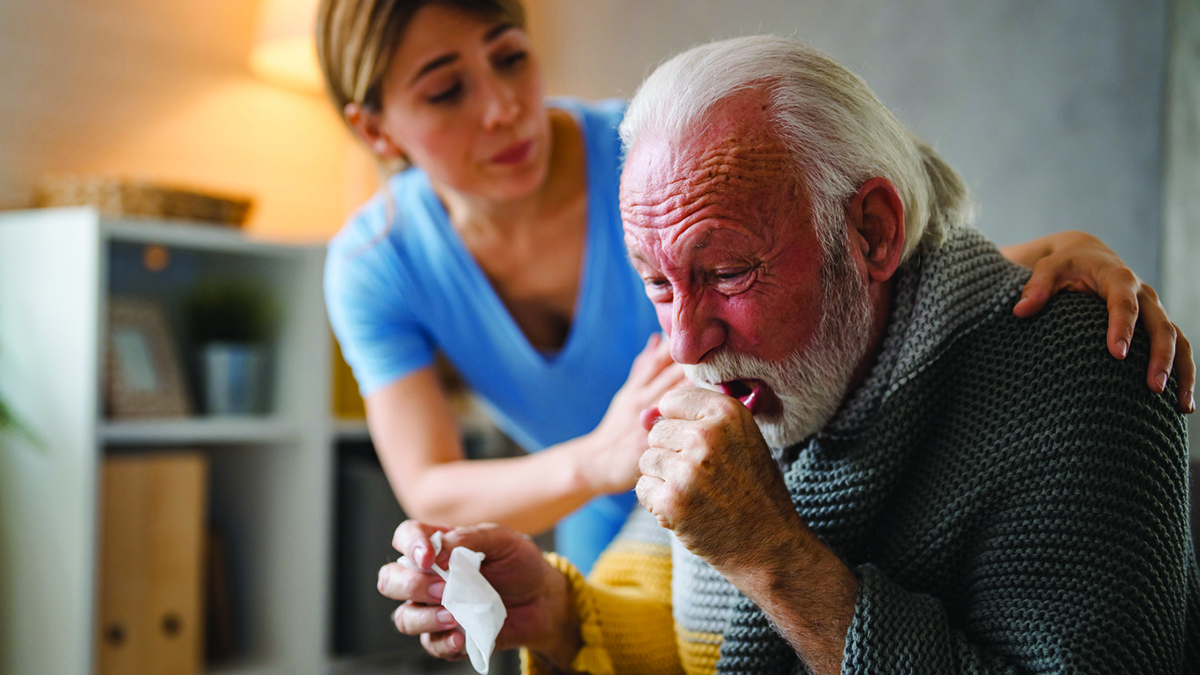
    RSV is a highly infectious virus that impacts the respiratory system, particularly the lungs and airways. While most cases result in mild symptoms resembling a cold, some individuals may develop more severe respiratory illnesses, such as bronchiolitis and pneumonia. These more serious cases often occur in infants and the elderly. The virus spreads through droplets when an infected person coughs or sneezes and can also be contracted by touching contaminated surfaces. Due to its ease of transmission, it frequently spreads in schools, daycare facilities and nursing homes.

    Symptoms of RSV

    Symptoms of RSV usually begin to manifest within four to six days after exposure. The severity of symptoms can vary, influenced by factors such as age and pre-existing health conditions. Common signs include runny nose, persistent coughing, sneezing, fever, wheezing, loss of appetite, and in severe cases, difficulty breathing.

    Older individuals with chronic lung or heart conditions may experience more significant respiratory issues, such as pneumonia, which may necessitate hospitalization.

    High-Risk Groups
    ■ Infants, particularly those born prematurely or with health complications.
    ■ Children under the age of 2 who have chronic lung or congenital heart disease.
    ■ Adults over 65, especially those with weakened immune systems or chronic respiratory conditions like COPD or asthma.
    ■ Immunocompromised individuals of all ages.

    Preventive Measures and Vaccines

    For many years, RSV prevention was limited, as no specific vaccines existed. However, recent medical advancements have led to vaccines and treatments that provide greater protection for high-risk groups.

    Vaccination for Older Adults

    In 2023, the FDA approved a vaccine known as Arexvy, designed for adults aged 60 and over. This vaccine aims to reduce the risk of severe illness caused by RSV, particularly for seniors who are at an elevated risk for hospitalization. The vaccine is administered in a single dose to help protect against serious respiratory complications — ideally, before RSV season begins.

    RSV, though common, can lead to serious health risks for certain individuals. Recognizing its symptoms and the current availability of new vaccines offer hope in reducing severe cases, particularly among those most at risk. With proper preventive measures, we can significantly reduce both the spread and the impact of RSV.

    CARE PLUS by OHANA PACIFIC MEDICAL LLC
    1150 S. King St. #1007, Honolulu, HI 96814
    808-930-9858 | info@micareplus.org
    micareplus.org

    Respiratory Syncytial Virus (RSV) is a widespread infection that can affect anyone. But the virus poses a heightened threat to infants, young children, seniors and those with compromised immune systems. The virus tends to circulate more frequently during fall and winter. Gaining awareness of the virus’ symptoms, risk factors and available vaccines can help safeguard…

  • Exercise Does Not Have to Be a Chore

    Incorporating fitness into your schedule doesn’t have to feel like a chore or an obligation you struggle to find time for. Adding physical activity — focusing on strength, balance and flexibility — can easily fit into your day.

    Start Your Day with Gentle Movement

    Before getting out of bed, awaken your muscles and joints. Begin with deep breathing and heel slides. Slide one leg up and down on the bed, lengthening and bending it. After a few reps, hug your knee to your chest and hold. Straighten your leg and repeat these motions with the other leg. With the soles of your feet touching, let your knees fall open like a butterfly to stretch your hips and thighs. A low trunk rotation is a good stretch for increasing your back’s range of motion. Allow your knees to fall to one side of your body at a time and take a breath.

    Incorporate More Movement

    Throughout your day, add simple exercises. For example, try two to three sit-to-stands before you walk to your task. While enjoying your favorite show, do leg kicks during commercials or move pillows from one side of the sofa to the other to increase your torso’s range of motion. Daily outdoor walks are great, but consider adding a few laps around the grocery store or doctor’s office to boost your step count. When your grandkids visit, engage them in a game of catch using a ball or socks. Sit to catch and stand to throw. Get a small basketball hoop that attaches to a door and shoot while seated or standing, or play a game of HORSE. If bowling is more your style, mini sets can be used on the floor or tabletop. All of these offer fun, total body workouts that allow you to focus on balance, strength and flexibility.

    End With a Breath and a Stretch

    At the end of your day take a moment to focus on breathing and posture. Seated or lying, lengthen your neck, and relax your shoulders as you inhale through your nose and exhale through your mouth. Imagine sniffing flowers and blowing out candles. Initially, you may feel muscle soreness from exercise, but remember that soreness doesn’t always indicate something is wrong. The right amount of work can increase muscle strength and flexibility. Gradually incorporating more activity as your body allows is an effective way to cultivate a more active lifestyle, helping you stay functionally fit and engaged in your daily life.

    GYMGUYZ Urban Honolulu
    808-204-4747 | urbanhonolulu@gymguyz.com
    gymguyz.com/urban-honolulu-hi

    Incorporating fitness into your schedule doesn’t have to feel like a chore or an obligation you struggle to find time for. Adding physical activity — focusing on strength, balance and flexibility — can easily fit into your day. Start Your Day with Gentle Movement Before getting out of bed, awaken your muscles and joints. Begin…