Category: Jan – Feb 2024

  • Esther Chan: Cybercrime Fighter

    Esther Chan: Cybercrime Fighter

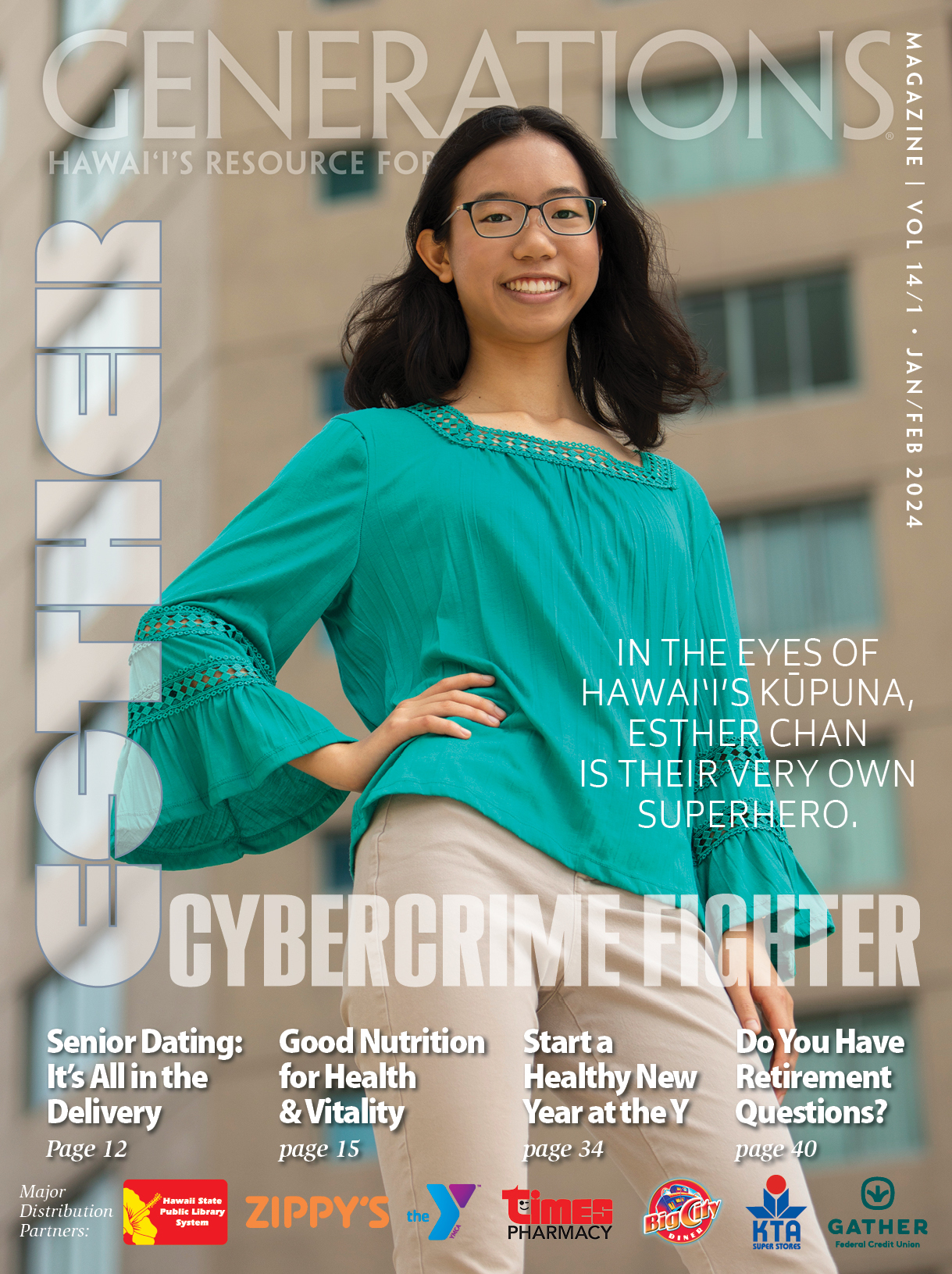
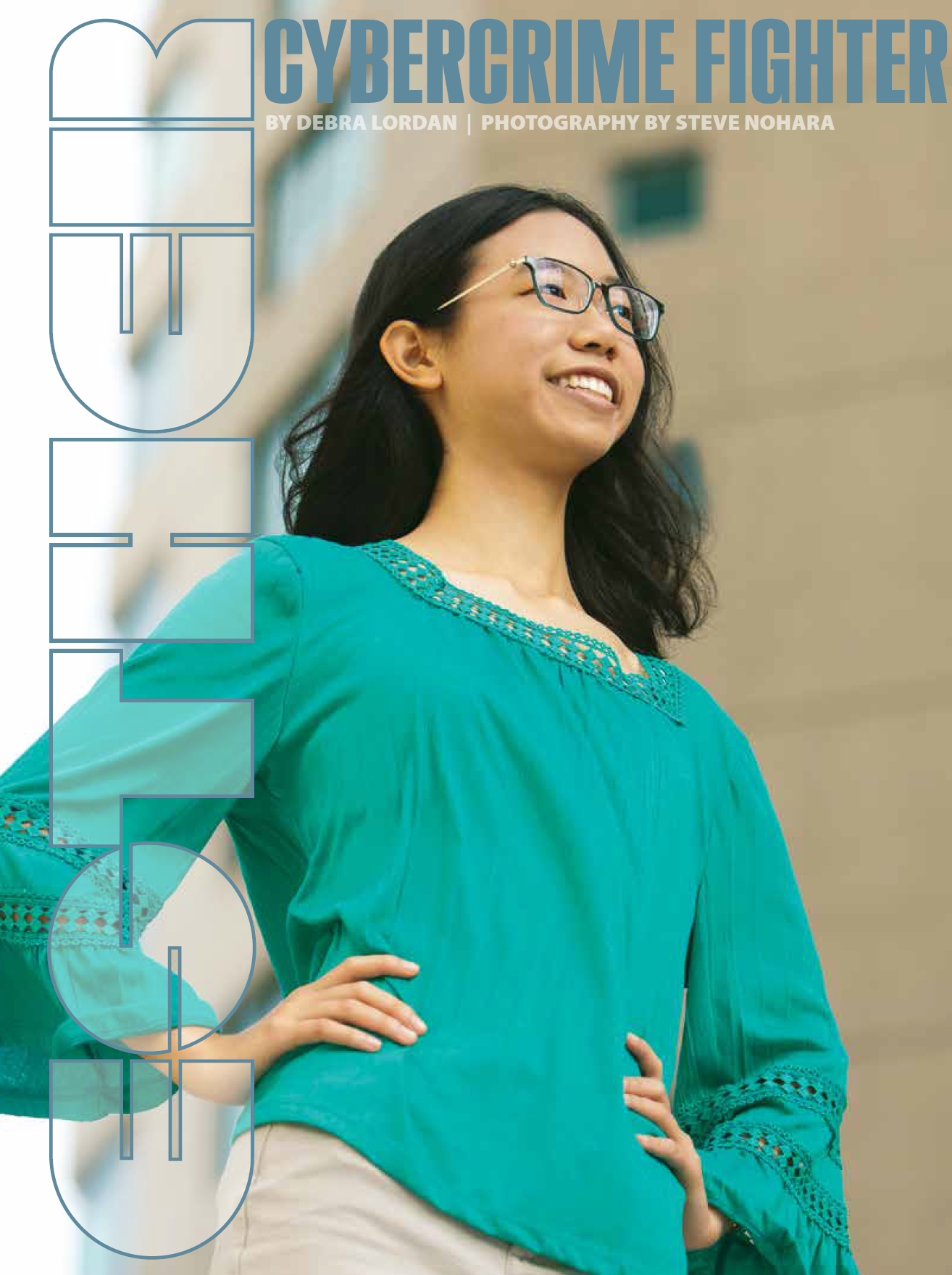
    She may not wear a mask or a cape, but in the eyes of Hawai‘i’s kūpuna, Esther Chan is their very own superhero as she continues her battle against online crime in cyberspace — one workshop at a time — wielding only her mighty curriculum and stalwart spirit.

    If criminals stole money from your dear grandmother using online trickery and treachery, what would you do about it? When she was a Punahou High School sophomore, Esther took matters into her own hands to protect her grandmother and other unsuspecting elders like her from cyber scams. For Esther, the call to action was not a question of “should I do it” but “how can I do it.”

    And so her crusade against cybercrime began.

    “In 2021 during the pandemic, my grandma received a pop-up on her computer screen,” recalls Esther. A pop-up is a window that suddenly appears on a website screen or browser that contains advertisements or other information that the user likely did not request. The pop-up asked her to call a phone number. Unsuspecting, she thought is was just a harmless antivirus helpline, so she made the call.

    “She was on the phone with them for quite a while, and ended up giving them her bank account numbers and other personal information,” says Esther. “Unfortunately, it was not a legitimate pop-up and they went into her bank account and withdrew money.” After she realized it was a scam, Esther’s father was able to help her grandmother change all of her passwords to mitigate further damage.

    “A few hundred dollars was lost, but luckily, nothing super terrible happened,” says Esther. “But it really affected us. It was really scary to have that happen and to realize that similar things are happening to many people across the nation and globally. That realization was really shocking to me.”

    With our increased dependence on technology comes an increased risk of cybersecurity attacks. This year, $8 trillion is predicted to be lost to cybercrime. According to Forbes, global cybercrime costs are estimated to increase to $10.5 trillion annually by 2025. It is also reported that 95% of cybersecurity breaches are a result of human error, which highlights the importance of cybersecurity education in minimizing successful cyberattacks. According to a recent cybercrime report, victims of elder fraud reported losses totaling almost $1.7 billion in 2021, up 74% from 2020. These statistics highlight the need for widespread cybersecurity education for seniors.

    “Eight trillion is a massive number!” says Esther. “I don’t think people realize how big of an issue these cyberattacks are. That’s really what inspired me to start this whole organization because I saw how easy it was for these scammers to get onto devices and use a tactic called ‘social engineering’ to get people to fall for their scams. I really wanted to be able to help kūpuna, in particular, be able to defend themselves against these sorts of cyberattacks.”

    Seniors have become targets for many cybercriminals who utilize trust as their scamming mechanism. Studies have shown that our willingness to trust other human beings increases as we age.
    “In general, kūpuna are more vulnerable because they are more trusting,” says Esther. “They may also be less familiar with technology or less aware of cybercrime and may not have anyone to teach them about it.”

    Another part of the problem is that scammers are highly adaptable and quite sophisticated in mimicking legitimate communications from tech support staff, government agencies, potential romantic partners and even relatives. Seniors with healthy financial savings, good credit scores and a trusting nature are attractive and often lucrative targets for scammers, bringing elders to the frontline of these cyber assaults.

    “I believe that helping kūpuna to defend themselves against cybercrime should be a priority in this increasingly digital age and that they deserve more than the dull and obscure cybersecurity curricula that currently exist,” says Esther. “That’s really what inspired me to start the Cyber Safe Seniors organization, seeing the effects of cyberattacks on kūpuna like my own grandmother. What we try to do at Cyber Safe Seniors (gocybersafe.org) is equip kūpuna with the knowledge, tools and resources they need to defend themselves against these attacks.”

    VARIATIONS ON SCAMS ARE ENDLESS

    The best way to avoid losing money or confidential information to a scammer is by learning to recognize the different types of fraud. Below are a few of the most common scams, however, there are variations of each. Scam artists are devious and will change their tactics in order to steal from you. (Visit gocybersafe.org/resources on Esther’s website).

    • IMPERSONATION SCAMS happen when one person pretends to be another — a government official, a caregiver or even a grandchild — and tricks you into giving them what they want.
    • ONLINE DATING FRAUD accounted for $304 million lost in 2020 alone. Half of these scams reportedly started through social media.
    • UNEXPECTED MONEY SCAMMERS know that most of us would love to receive a large sum of money at the drop of a hat — that’s why these scams are often effective in getting your money.
    • LOTTERY SCAMS are one of the most common ways of extracting money from seniors. If you receive a phone call, letter, pop-up message or email saying you’ve won money or an expensive item, be wary. Too good to be true?
    • FAKE CHARITY SCHEMES occur most often around the time of a disaster.
    • FAKE PRODUCT SCAMS try to convince you that your life will be better with a certain product or service. You then pay for the product or service, but you never receive it.
    • DEBT RELIEF SCAMS try make you believe that your debt can be reduced. Scammers will often charge a large upfront fee to help you lower your debt-repayment responsibility, only to disappear after you’ve sent them the money.
    • TECH SUPPORT SCAMS often send a pop-up on your computer saying you have a virus or other issue. They will include a phone number for you to call and pressure you into sending them money to fix the fake problem.

    That is what happened to Esther’s 85-year-old grandmother, Sophia, when Esther was 16. Concerned about protecting her grandmother and others from the dangers of cybercrime, Esther proceeded to create a curriculum comprised of a series of video lessons to educate kūpuna on how to shield themselves from online scams.
    CYBERSAFETY 101 IS BORN

    “The attack was definitely one of the components that spurred me on to create the CyberSafety 101 curriculum,” says Esther.

    At about the same time her grandmother became a victim of cybercrime, Esther discovered a class through Girl Scouts called “CompuGirls Hawaii” that focused on educating high school girls in STEM, cybersecurity, scams and information technology (IT). Prior to attending the program in 2021, she hadn’t realized how serious of an issue cyberattacks were.

    In addition to the attack on her grandmother and the CompuGirls Hawaii course, the chance to pursue a Girl Scout Gold Award project further inspired Esther to equip kūpuna with the knowledge and resources they need to stay safe from cybercrime. “This was a great opportunity to work on something I was really passionate about,” she says. So she started creating scripts and producing video lessons for her Girl Scouts project, Cyber Safe Seniors, beginning with a free, self-paced course called “CyberSafety 101.”

    The project drew her to the first-ever Prudential Emerging Visionaries. The national recognition program awards young people for their innovative solutions to financial and societal challenges in their communities. An Emerging Visionary is a changemaker — a young person with a bold vision for impact and a project to make it happen.

    She applied to the program and was one of 25 recipients nationwide to receive a $5,000 award. She was also invited to attend a three-day summit at Prudential headquarters in New Jersey, where she met with other youth changemakers for networking sessions and workshops.

    “It was really great to meet all the amazing changemakers,” says Esther. “What really made an impact on me personally was that I was able to see what everyone else was doing. All of my peers at the summit were very incredible. They all created their own organizations related to finance and various other social structures. Being able to observe that and be a part of it had a great impact on my project. It was super inspiring. I took a lot of lessons I had learned at the summit back home.”

    The young changemakers received coaching sessions with a Prudential representative. She was able to work with Colleen Grimsley, director of New Business Case Management at The Prudential Insurance Company of America. “She gave me some great advice for the project.

    ”WHAT IS CYBER SAFE SENIORS?

    Cyber Safe Seniors, which hosts the CyberSafety 101 curriculum, is an organization and a website (gocybersafe.org) with a mission to keep seniors cyber safe by providing them with access to effective, high-quality cybersecurity education that is as engaging as it is informative.

    “This course is the culmination of work by so many people — so many hands,” she says. “I am really grateful to Jodi Ito, who is the chief information security officer of the University of Hawai‘i System, for helping me to verify the accuracy of the information I was giving.”

    Dr. Dorothy Hirata, the instructional design manager with the University of Hawai‘i System’s Online Innovation Center, was especially helpful with the second iteration of her course.

    “I started in 2021 with an idea of a curriculum,” she says. “I empathized with the kūpuna and tried to figure out what their needs were through research and talking with Jodi about needs — and, of course, my grandmother.”

    From there, she worked quite hard on the curriculum. She completed hundreds of hours of research, wrote scripts from scratch, filmed and edited video footage, added activities and compiled all the information for the course.
    BETA TESTING

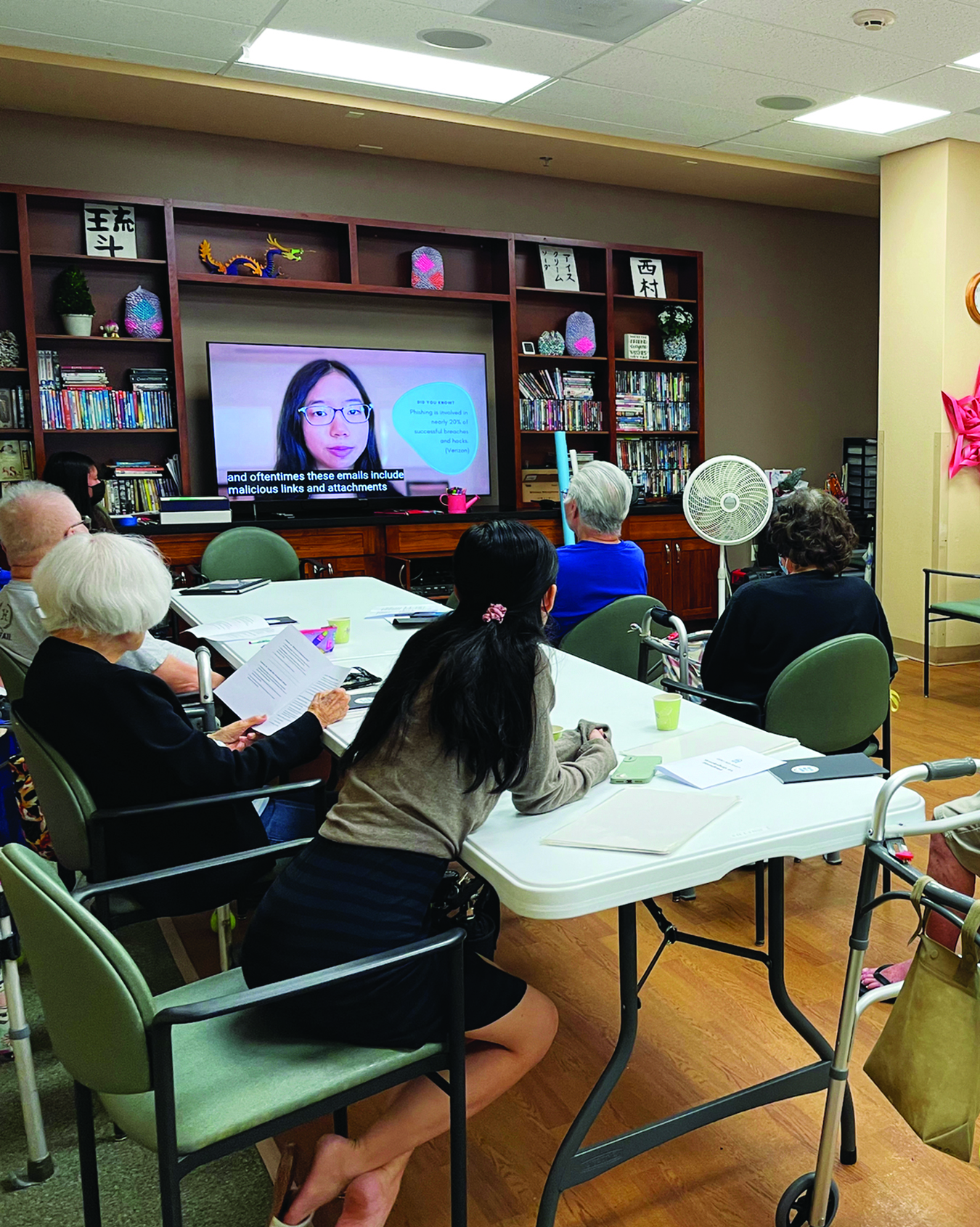
    To test and assess the new curriculum and figure out what was working well and what could be improved, she took the program to One Kalakaua Senior Living and The Plaza at Waikiki, another living community. Out of respect for the visitor restrictions that were instituted during the COVID-19 pandemic, these workshops were hosted using the pre-recorded videos that Esther had created. In return for completing a questionnaire about the curriculum, the residents were entered into a gift card drawing.

    “It was well-accepted, and then Esther spent a lot of time improving the program so that it would benefit more seniors,” says One Kalakaua resident Sophia, Esther’s grandmother. “She revised and improved her videos by increasing the sound and adding subtitles to benefit those who are hard of hearing. She also improved her presentation, assembling a team of schoolmates so that they could be more efficient and thorough. When she was invited back a second time, she brought her team along to teach the new and improved course.” For example, team members supplied one-on-one, in-person phone support to show residents how to block spam calls and to answer other questions pertinent to each of the many types of mobile phones now available.

    The second presentation after the fine-tuning based on feedback was even more popular, Sophia said. “More residents attended than show up to our most popular exercise classes. They all ended up loving it and learning a lot. Everybody was very happy. It was very successful.”

    “Their feedback was very valuable and I am very grateful,” says Esther.

    During the pandemic, she also presented her program at other senior homes in Honolulu, and later, AARP Hawaii accepted her project.

    “We also got some feedback from members of AARP Hawaii which was quite helpful,” says Esther. “I took all that feedback and implemented it into the second iteration of the curriculum. For instance, I learned that participants found the practical tips helpful. I took all that feedback and incorporated it into the second iteration — the one I worked with Dorothy on — the one that is being used now. Again, we tested and optimized the second version.”

    THE CYBERSAFETY 101 COURSE

    CyberSafety 101 (gocybersafe.org/the-course) is free, convenient and easy to use. The curriculum is self-paced and you can return to the course whenever you need a refresher. It covers cybersecurity basics, from phishing, to malware, to digital footprints and more.

    “This course was created because we believe that everyone — regardless of economic status — deserves access to quality cybersecurity education,” Esther says on her website.

    The first thing you do is enroll for the class through a series of fill-in boxes and answer a short questionnaire that assesses your level of cybersecurity knowledge. You are then sent an email that lets you enter the virtual classroom. The videos used to relay the lessons are colorful and clear. The sound is crisp and the information presented by a smiling and articulate Esther is well-paced and easily understood. The information and insights you will receive, along with the amount of money you may save by avoiding an expensive scam, are well worth the short time you will invest in the training — it only takes about an hour.

    CYBER-SAFETY 101 EXPANDS

    To spread word of her program, Esther contacted media outlets, such as the Honolulu Star-Advertiser.

    She also connected directly to senior centers through email and through personal connections. Esther has since shared the project with the Lanakila Multi-Purpose Senior Center and aims to partner with more organizations and care homes to continue to spread awareness.

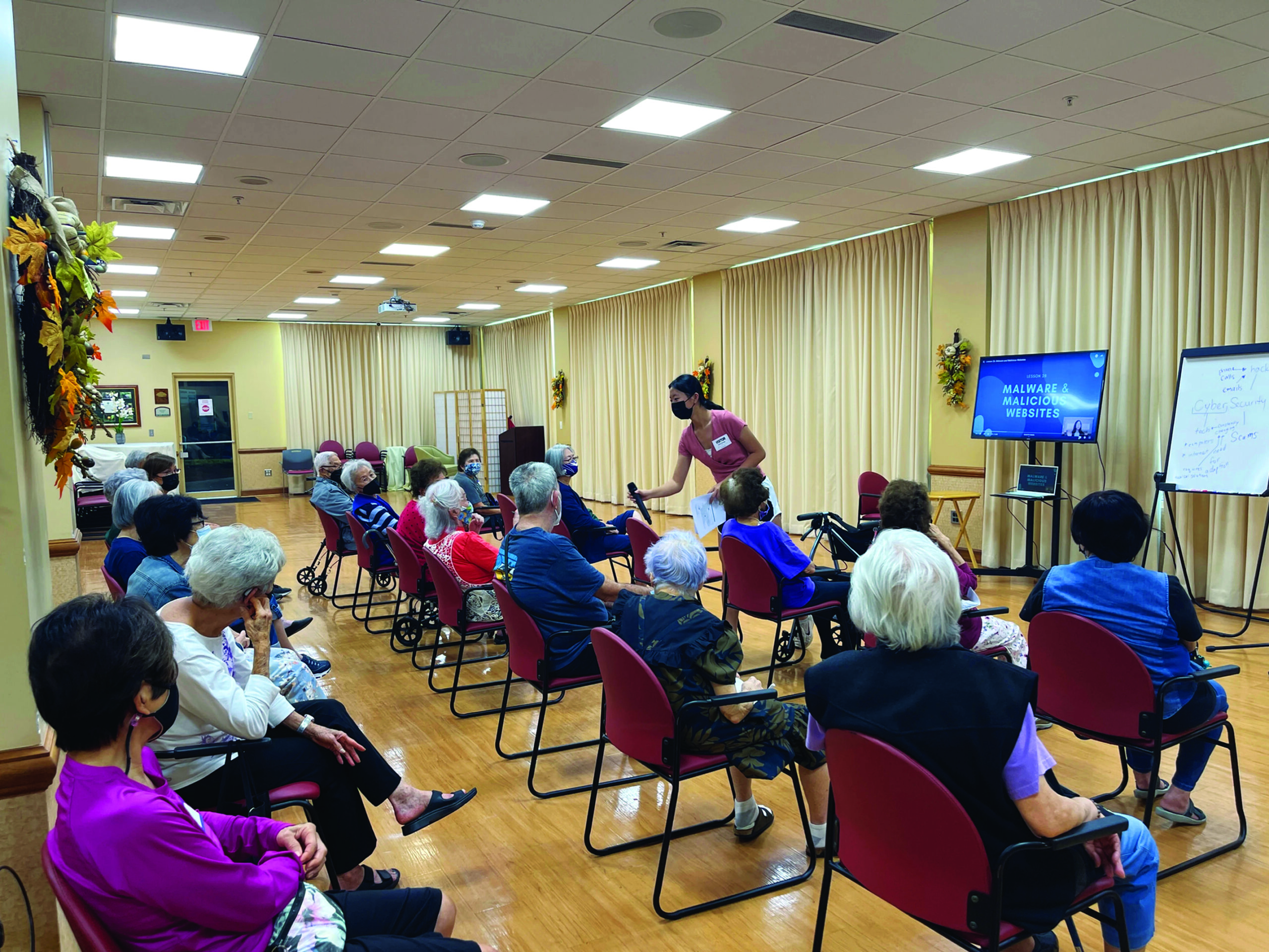
    Recently, in addition to her online program, Esther has been offering workshops for kūpuna based on her online curriculum, reaching out to care homes directly and coordinating from there.

    “We pride ourselves in working with kūpuna side-by-side during workshops and are currently designing a training program to empower others across the nation to do so as well,” says Esther.

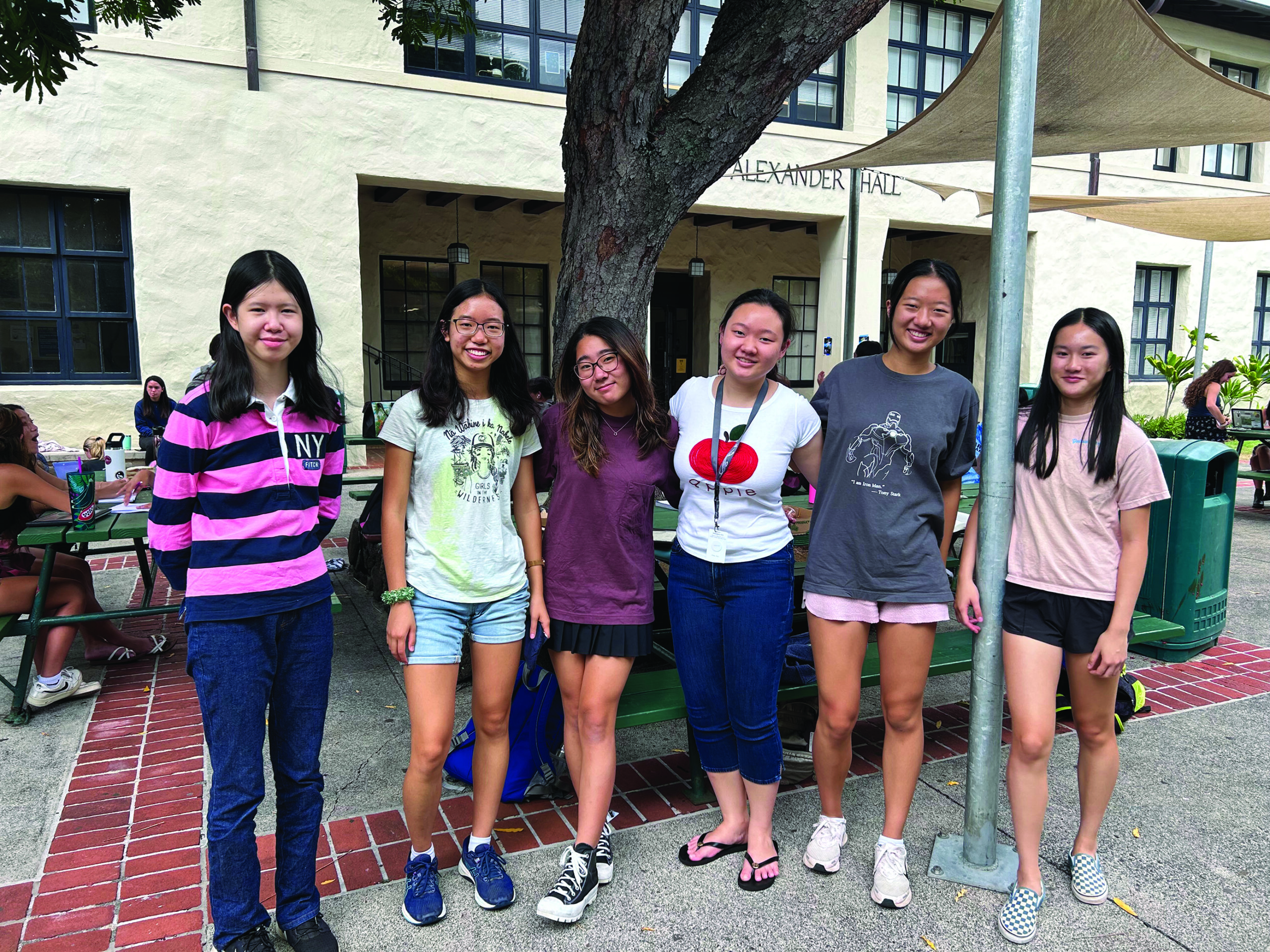
    She has not been doing it alone, but with the help of her “wonderful board members” who have been working with her for the past year or so. They help organize the workshops and sometimes lead them. “They are all such incredible young women,” she says of her eight peers. “It is definitely a group effort.”

    Her handpicked eight-member board have commonalities in addition to being interested in STEM, information technology and cybersecurity. They all have a special place in their heart for their elders. “I think each of them has their own motivation for getting involved with Cyber Safe Seniors (CSS), but in general, they all want to help them,” says Esther.

    EVOLVING LEADERSHIP

    Through CSS, Esther’s enthusiasm and good will spread to her peers. One of her eight CSS volunteer directors, Irene Zhong, met Esther about three years ago in an accelerated summer chemistry honors course. Irene was impressed by Esther’s curiosity. “I listened to Esther ask our teacher questions after the entire class had left, and I was baffled by their breadth and depth. She inspired me to dig deeper in my own learning and to be unafraid to ask questions.”

    She got involved with CSS shortly thereafter. “I wanted to join the board of directors because I live with my grandparents who use technology prolifically,” says Irene. “They are immigrants from China and can’t speak English, so it was even more important for me to work with cyber safety because their risk for attack is higher.”

    “Esther is the epitome of a great leader,” says Irene. “She has a great capacity for empathy not only for the elders but for her board members, as well. I appreciate that she does not hover over her board members, but instead gives us autonomy to be creative and make original contributions. For example, Esther gave me full reign to design Cyber Safe Senior’s volunteer shirt.”

    “Esther’s greatest traits are her timeliness and work ethic,” says Irene. “She has never been late to an event and never missed a deadline. She also curated, created, and revised the entire Cyber Safe Seniors curriculum on her own, which is a great feat considering the amount of work that goes into script writing, graphic design, recording and editing.”

    Her involvement with CSS has deepened her passion for service work, says Irene. “I feel a greater connection to the community and kūpuna, and through Esther, have connected with many of my peers — most of whom I would not have been friends with without Esther’s organization,” says Irene. “CSS has also given me experience with leadership and oversight. I am now more confident in organizing and managing volunteers, and coordinating with different branches of the organization.”

    “Before I leave for college, my goal is to create a community of cyber safe volunteers who are passionate about this work,” says Irene.

    ESTHER’S TIME TO SHINE

    Esther’s experiences with CSS helped her to overcome her innate shyness, learn how to take risks and reach outside of her comfort zone to become one of Hawai‘i’s unsung heroes. Along the way, she has garnered much recognition and many accolades.

    Of course, Esther earned her coveted Girl Scouts USA Gold Award Scholarship and was featured on the national GSUSA website. After she received the Prudential award in 2022, Esther was recognized by the Hawai‘i State Legislature during Hawai‘i Education Week. She is a Coca-Cola Scholarship Semifinalist, National Merit Semi-Finalist, and was one of four Carson Scholars nationwide who received the Michael Hollins Foundation Award for exceptional humanitarianism. She also received the Violet Richardson Soroptimist Award, George HW Bush Point of Light Award, a Punahou Distinction in Student Entrepreneurship and the President’s Gold Volunteer Service Award in recognition of 129 hours of service to the nation. Inscribed at the bottom of the award: “The country is counting on you.”

    METAMORPHOSIS

    “The whole project was a risk for me,” says Esther. “I learned so much about sticking with it and putting up with challenges and working through them.”

    “I’ve always been a driven person and I am passionate about a lot of things,” says Esther. “I feel that this organization really stemmed from that. I didn’t lay out a plan to do this; it developed organically out of a passion for helping others, especially seniors. From there it just blossomed.”

    “This project has definitely contributed to my personal growth — more than anything else I have done. It has been an incredible experience and I have learned countless lessons. Cyber Safe Seniors has been very meaningful to me, and I feel that I have poured out my heart into this organization in a lot of ways. I have been blessed to have been able to gain so much from it in terms of skills I’ve learned and relationships I’ve built. It’s been incredible.”

    “Two years ago, I would not have envisioned myself where I am today in terms of this organization. I am incredibly grateful for everyone who was there to support me — God, my parents and my mentors and peers at Prudential. In terms of the organizational aspect of the project, my mom has been a really great role model for me because she is very driven and likes to take initiative. She leads a prayer group and is on the board of our church. She is really involved, so I drew a lot from her example.”

    THE CRUSADE AGAINST CYBERCRIME

    Given that Esther launched her career path at 16, where does she plan to go from here? “In terms of where this program is going to go next, I think the plan right now is to pass the program on to younger students and get them to become leaders and head this project throughout the state.” Esther will continue to support the Hawai‘i branch of the organization from afar and perhaps start a new chapter of Cyber Safe Seniors wherever she attends college.

    “It would be really cool if I could start another branch where I go to college and continue to expand it. I’m not sure what the future holds but I am excited for where this can go seeing how it has blossomed so far. I think it has a lot of potential to expand statewide, nationally and even internationally.”

    To that end, Esther and her team have developed a self-contained teaching package that can be easily distributed to care homes anywhere. The single package includes the curriculum, notes on how to run the workshop and frequently asked questions.

    “The main thing I’ve learned from this project is how to be a good leader. I am not a perfect leader, but this project has taught me that being a leader is really about empowering other people to be able to create their own vision for a project and take their own initiative. It is about empowering others to become leaders themselves. Before this, I never really thought of myself as a leader, but through CSS, I have really been able to grow into that role and I’ve been able to learn much more about what being a leader actually entails.”

    “I love helping others and aspire to become a good role model for future generations — someone who brings peace and hope to this chaotic world and whose character inspires others,” says Esther.

    A DIFFERENT KIND OF TEENAGER

    “The family’s way of life is totally different and she is a different kind of teenager,” says Sophia. Esther is intelligent, curious and hardworking. She’s an explorer and an achiever who always does her best. Anything that is difficult, she will try it out. She was taught to do her best to excel in whatever studies or activities she is participating in. “I‘m really proud of her.”

    “I am very thankful that God protected me and that He can change something so bad — the scam — into a very good thing — something that benefits me, my friends here and so many seniors in Hawai‘i and in other states,” says Sophia. “It is all because of the way Esther was brought up by very good, God-centered parents, my son Stephen, a cardiologist at Kaiser Permanente, and my daughter-in-law Monica, who is also a detail-oriented achiever.”

    Both parents are Harvard graduates. It follows that education along with healthy eating and exercise are important in their family dynamic.

    Esther and her two younger brothers were raised to not follow popular culture — they do not spend time on social media, and don’t have a TV in their home —“but to follow the Lord’s command to honor God, be kind and compassionate to others,” says Sophia.

    When she was a freshman, she started holding a food drive every year in their apartment building. “Nobody asked her to do that,” says Sophia.

    Esther is not really interested in things like fashion and trends, the lifeblood of many her age. “We encourage every member of every generation of our family to fly high,” says Sophia. Instead, Esther is very busy adhering to the unwritten family motto: “You do not complain. You overcome.”

    Many forces of good fuel Esther’s superpowers — her humble nature, maturity, discipline, innate compassion and kindness, and her family legacy of fortitude, faith and respect for education. The self-sacrificing Punahou senior manifested her super-abilities by rising to the call in times of trauma and need.

    Her disguise — her secret identity — is transparent now. No longer the shy, introverted teenager she once was, she has grown wings and metamorphosed into an intrepid force that any CEO would envy, as her talents and abilities have been recognized by all who meet her as significantly beyond those of “normal” people.

    The world needs more superheroes like Esther and her team to help combat cybercrime — mask and cape not required.

    The best way to contact Esther Chan is via email at: emailcybersafe@gmail.com.



    She may not wear a mask or a cape, but in the eyes of Hawai‘i’s kūpuna, Esther Chan is their very own superhero as she continues her battle against online crime in cyberspace — one workshop at a time — wielding only her mighty curriculum and stalwart spirit. If criminals stole money from your dear…

  • Dealing With Details While Grieving

    With death comes grief, the natural emotional response to losing someone meaningful. With death comes a myriad of complexities that grievers face that can significantly interfere with the natural progression of grief and adaptation to a new life without the significant other person. These complexities, which we call “estate administration,” include:

    1) making funeral and memorial service arrangements
    2) inventorying the decedent’s assets and debts, and paying all last expenses and taxes
    3) locating the decedent’s estate plan and following through on the decedent’s wishes regarding the disposition of assets

    Estate Administration While Grieving

    Estate administration happens during the grieving period when grief can be most pronounced, and the grievers must continue with their own lives. Grievers not only grieve on an individual level, but must collaborate and cooperate with other grievers during this estate administration. Conflict can easily arise due to differences of opinion among the grievers as to how to arrange the decedent’s affairs, and past relational wounds and differences tend to surface.

    If the decedent’s family’s history in terms of conflict-resolution was one of collaboration, listening and fairness in coming to an agreement while preserving relationships, and when a decedent establishes an estate plan that clearly communicates intentions and instructions, the stress and anxiety that often accompany grief will be greatly minimized. Properly preparing one’s estate plan in this manner allows the survivors to experience the natural grieving process with reduced stress, guilt and conflict.

    Hard feelings among survivors can result simply from the way each person processes grief. In G. Scott Budge’s article “Grief and Estate Settlement,” he introduces two main types of grieving styles — instrumental and intuitive. As more task-oriented, the instrumental griever will want to work on the estate administration paperwork and get things completed.

    Hard-pressed to take action, the intuitive griever may not want to take any action, and instead spend time emotionally contemplating and feeling the loss of a loved one. The risk is that one may perceive the instrumental griever as cold-hearted and the intuitive griever as lazy. So for the benefit of all, prepare an estate plan that minimizes the potential for conflict.


    STEPHEN B. YIM, ATTORNEY AT LAW
    2054 S. Beretania St., Honolulu, HI 96826
    808-524-0251 | stephenyimestateplanning.com

    With death comes grief, the natural emotional response to losing someone meaningful. With death comes a myriad of complexities that grievers face that can significantly interfere with the natural progression of grief and adaptation to a new life without the significant other person. These complexities, which we call “estate administration,” include: 1) making funeral and…

  • I’m a Trustee… Now What?

    Inheriting property can be both a gift and challenge. As a trustee, you’re not just receiving real estate, you’re inheriting family responsibilities, property maintenance and tax implications. In Hawai‘i, the complexity increases given the unique real estate landscape. So what options can maximize the potential of your inheritance?

    Consider the 1031 Exchange, which permits trustees to swap inherited investment properties for another “like-kind” property while deferring capital gains taxes in the process. This tool can be immensely advantageous for trustees, allowing them to diversify an inherited portfolio, enhance investment value, ensure a more consistent cash flow and increase recession resiliency.

    The 1031 Exchange can be pivotal in real estate planning. While there are essential criteria to meet (the property, for instance, must be for investment and not a primary residence), the benefits can be significant. However, given the tight windows for property identification (45 days) and purchase completion (180 days), expert guidance is crucial. Working with an experienced real estate planning team can lead to informed and lucrative decisions. If you’re a trustee uncertain about your  options, the 1031 Exchange can offer you solutions to reach your goals.


    THE IHARA TEAM OF KELLER WILLIAMS HONOLULU
    (RB-21303)
    1347 Kapiolani Blvd. #300, Honolulu, HI 96814
    808-427-3006 | ihara@iharateam.com
    iharateam.com
    Each office independently owned and operated.

    Inheriting property can be both a gift and challenge. As a trustee, you’re not just receiving real estate, you’re inheriting family responsibilities, property maintenance and tax implications. In Hawai‘i, the complexity increases given the unique real estate landscape. So what options can maximize the potential of your inheritance? Consider the 1031 Exchange, which permits trustees…

  • What’s Wrong With Probate?

    Probate can be a simple, painless process. Sometimes, however, it can be a nightmare, and that’s what gives it a bad name. Probate just means “to prove.” Your personal representative has to prove to the court that the document being offered for probate is your last will. Probate begins with your personal representative filing your will with the court, along with your death certificate and a petition asking the judge to recognize your will as your last will and testament. The petition also asks the court to give your personal representative the authority to carry out its terms.

    Once the petition is filed, copies of it and your will must be sent to just about all of the people who could be affected by your will. Those people include not only the individuals named in your will, but also the people who, by law, would have gotten your stuff if you died without a will. So the first thing probate does is provide a venue (for larger estates, a colosseum) for a fight.
    If that doesn’t sell you on the benefits of probate avoidance, consider this. Probate is a public proceeding. That means that anybody who wants to can go to the probate court, obtain copies of your will, and gather other sensitive and personal information about you, your stuff, and your family members, and then do who-knows-what with that information. If you and your loved ones value privacy — and you should — then probate is an awfully good thing to avoid. The public nature of probate all by itself should deter most people from subjecting their loved ones to it.

    Some years ago, the Last Will and Testament of Michael Jackson appeared on the internet. Once the King of Pop’s will was filed in court, somebody downloaded a copy and posted it on the internet. Do you want your will to be the next online “Thriller” or would you prefer to tell the internet trolls to “Beat It?” So, probate can take a long time, be expensive and publicize things that are best kept private. Read my next article for more about avoiding probate.


    EST8PLANNING COUNSEL LLLC
    Scott Makuakane, Counselor at Law
    808-587-8227 | maku@est8planning.com
    Est8planning.com

    Probate can be a simple, painless process. Sometimes, however, it can be a nightmare, and that’s what gives it a bad name. Probate just means “to prove.” Your personal representative has to prove to the court that the document being offered for probate is your last will. Probate begins with your personal representative filing your…

  • Do You Have Retirement Questions?

    Most hardworking Americans dream about retirement, but the path to get there can be less than clear. For those relatively new to the workforce, the idea of retiring may feel distant and abstract. However, even people who are only a few years from retirement are often perplexed by the decisions they face. While everyone’s journey is different, I know from my years of experience as a financial advisor that there are common themes when it comes to questions about retirement.

    For example, those who just started their careers and have decades before retirement may wonder:

    “With all my current financial priorities, why should I worry about saving money for retirement?”

    The sooner you start saving for retirement, the greater the opportunity for your money to grow. If you are in your twenties or thirties, you may not have as many assets as those who have been in the workforce for decades. What you do have is time, and that can be a powerful ally. Time allows you to take full advantage of the opportunity to compound growth in your investments. Even modest investment amounts that have years to potentially grow can make a significant difference in your retirement savings.

    “How much should I save for retirement?”

    A reasonable goal is to save 10% of your pre-tax income in retirement savings vehicles. If you have the option, strongly consider directing a portion from your paycheck to a 401(k) or another workplace savings plan. If your employer offers a matching contribution, even better. That’s essentially “free money” that you don’t want to miss out on. If you have additional discretionary income beyond that, you may want to save it in a Roth IRA, which could help you build retirement savings with after-tax dollars and create potentially tax-free income in the future.

    On the other hand, if retirement is in your near future, you may be pondering these questions:

    “Should I pay off my home mortgage early?”

    Paying off your mortgage may seem like a great idea, and if you’re like a lot of near retirees, the prospect of eliminating debt and reducing your monthly expenses may be appealing. But there are a variety of factors to consider. One of the biggest is the cost and potential tax consequences of moving a large sum of money out of an existing investment in order to pay off your mortgage. If the interest rate you pay on your mortgage is low, you may want to keep that money invested and continue making mortgage payments.

    Also, holding a mortgage is key to many Americans’ tax strategy because the interest paid could potentially be tax-deductible. If mortgage interest is part of your tax strategy, consult with your tax professional before making the decision to own your home outright.

    “How will I know if I saved enough money?”

    The answer to this question will depend on your retirement dreams and current financial situation. The variables that come into play include the amount of money you’ll need to cover your expenses each year and other sources of income you have (a pension or Social Security). Most people should be prepared to spend several decades in retirement. A financial plan can help you test different assumptions based on an appropriate retirement date.

    “Will Medicare cover my healthcare costs in retirement?”

    Healthcare is one of the largest expenses most retirees incur in their later years and Medicare only covers a portion of healthcare expenses. Medicare is broken up into different parts. Part A is offered at no cost, but mainly covers only expenses related to hospitalization. Part B requires a monthly premium, but makes medical services such as care from a doctor or tests more affordable. Part C is an alternative type of Medicare coverage provided through private insurers at a cost. Part D is a prescription program that helps reduce the price of drugs. Medicare Supplement coverage is another form of coverage that charges a premium, but helps reduce out-of-pocket medical expenses.

    “At what age should I begin to collect Social Security?”

    This varies by person. The earliest you can qualify to begin collecting Social Security retirement benefits is age 62. The longer you wait, the larger your benefit will be. The highest monthly benefit you can earn occurs when you reach age 70. If you continue to work, it may make sense to delay taking Social Security. When you retire, you’ll need to weigh the value of delaying Social Security against the cost of taking money out of your personal savings to make up the difference.

    Whether retirement is a year away or decades down the road, it’s important to craft a plan for how you will build your nest egg and fund your retirement dreams. If you have questions or want to discuss your personal situation, consult your financial advisor, estate planner and tax professional for expert guidance.


    MICHAEL W. K. YEE, CFP,® CFS,® CLTC, CRPC®
    1585 Kapiolani Blvd., Ste. 1100, Honolulu, HI 96814
    808-952-1240 | michael.w.yee@ampf.com
    ameripriseadvisors.com/michael.w.yee

    Michael W. K. Yee, CFP®, CFS®, CLTC, CRPC ®, is a Private Wealth Advisor, Certified Financial Planner ™ practitioner, with Ameriprise Financial Services, LLC in Honolulu, HI. He specializes in fee-based financial planning and asset management strategies and has been in practice for 39 years. Ameriprise Financial, Inc. and its affiliates do not offer tax or legal advice. Consumers should consult with their tax advisor or attorney regarding their specific situation. Investment products are not insured by the FDIC, NCUA or any federal agency, are not deposits or obligations of, or guaranteed by any financial institution, and involve investment risks including possible loss of principal and fluctuation in value. Investment advisory products and services are made available through Ameriprise Financial Services, LLC, a registered investment adviser. Ameriprise Financial Services, LLC. Member FINRA and SIPC. © 2023 Ameriprise Financial, Inc. All rights reserved

    Most hardworking Americans dream about retirement, but the path to get there can be less than clear. For those relatively new to the workforce, the idea of retiring may feel distant and abstract. However, even people who are only a few years from retirement are often perplexed by the decisions they face. While everyone’s journey…

  • Do You Like Helping Kūpuna?

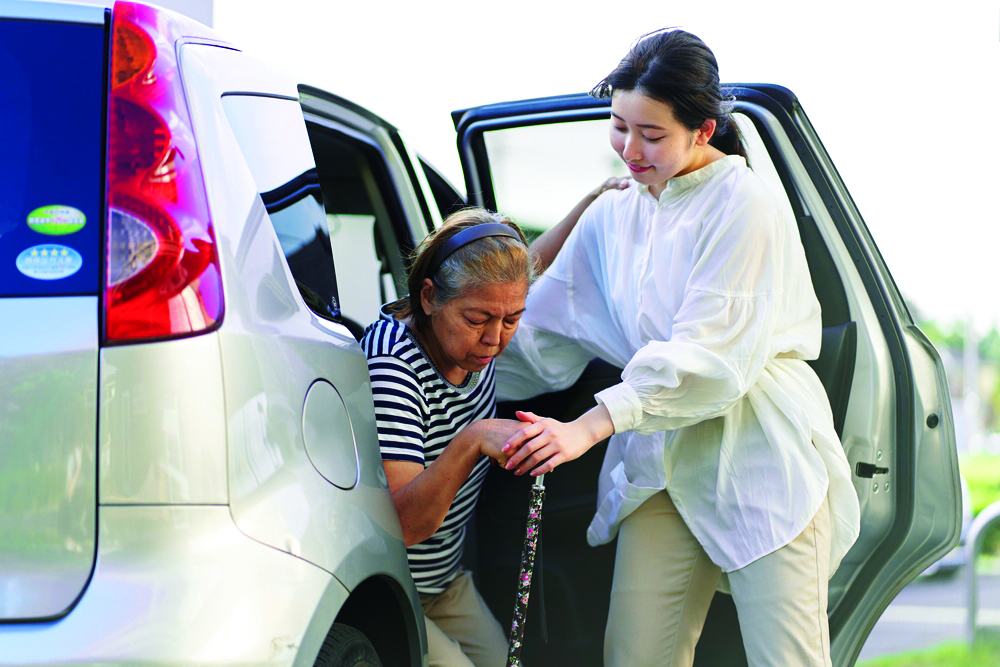
    A woman who removes an elderly person from a car

    Are you 55 years or older and looking for a fulfilling way to spend your time? Do you enjoy connecting with other seniors and making a difference in their lives? Whether you’re a recent retiree or an empty nester, Catholic Charities Hawai‘i has an opportunity for you.

    Transportation Friends for Kūpuna (TFK) is a new Catholic Charities Hawai‘i project that is seeking compassionate volunteers to provide free transportation and chaperone assistance for frail kūpuna living independently in the community. By sharing your time and companionship, you can make a significant impact on the lives of seniors in need of this resource.

    TFK welcomes volunteers of all experience levels, and will provide training and screening. Schedules are flexible. Whether you can spare a few hours on the weekends or have more availability during the week, there are a variety of opportunities to choose from to help Hawai‘i’s seniors.

    Let’s work together to bring joy to the lives of kūpuna in our community. If you’re interested in learning more about this rewarding volunteering opportunity, please contact Program Volunteer Coordinator Julie Chang using the information below.


    CATHOLIC CHARITIES HAWAI‘I (501(c) 3 nonprofit)
    1822 Keeaumoku St., Honolulu, HI 96822
    808-527-4783 | julie.chang@catholiccharitieshawaii.org
    CatholiccharitiesHawaii.org

    Are you 55 years or older and looking for a fulfilling way to spend your time? Do you enjoy connecting with other seniors and making a difference in their lives? Whether you’re a recent retiree or an empty nester, Catholic Charities Hawai‘i has an opportunity for you. Transportation Friends for Kūpuna (TFK) is a new…

  • The Legacy of the 100th Infantry Battalion

    The Legacy of the 100th Infantry Battalion

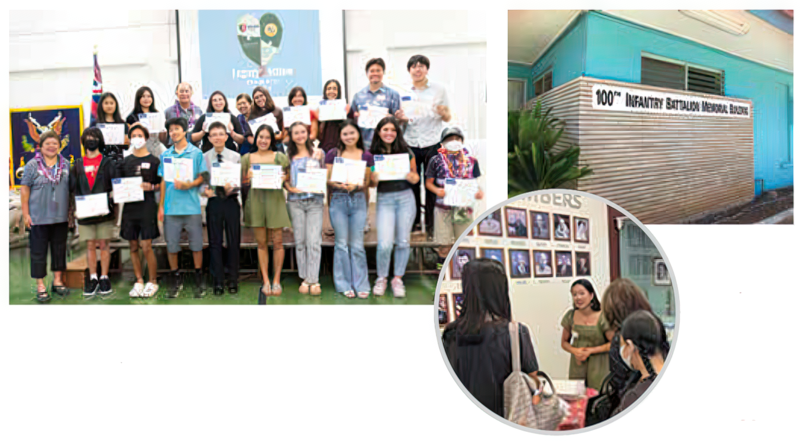
    Since it was built in 1952, the unassuming one-story building long known as Club 100 on Kamoku Street in Honolulu served as a gathering place for veterans of the legendary 100th Infantry Battalion. The battalion originated as a primarily all-Japanese-American combat unit during World II. These Hawai‘i-born soldiers were the first Japanese American combat unit to serve in WWII. They proved their loyalty to their country, the US, despite the fact that Japanese Americans were considered enemy aliens at the time. For their bravery and sacrifices, the 100th/442nd Regimental Combat Team would be recognized as the most decorated unit for its size and length of service in the history of the US military.

    Last year marked the 81st anniversary of the formation of the 100th Infantry Battalion (Separate). To date, there are 10 known soldiers who are still alive and able to tell their stories. As our veterans pass on, the stories of their valor will also begin to fade in the memories of our children and our community. Hawai‘i needs to act now to ensure their legacy lives on for generations to come.

    The 100th Infantry Battalion Veterans organization and its partners, ‘Iolani School, the University of Hawai‘i’s Center on Aging and Central Pacific Bank are committed to keeping their stories alive through the Legacy2Action challenge, now in its third year. Through project-based learning, students identify an important community issue and take action by creating and implementing an innovative project aligned with the unit’s values.

    The students’ 2023 projects were creative and uplifting, addressing wide-ranging issues. Two focused on homelessness and community-building, culminating in the production of art kits and writing activities for houseless children. Other projects focused on climate change, environmental and intergenerational programs.

    The 100th Infantry Battalion Veterans organization is calling on middle and high school students, teachers and club leaders to help keep the memory of these Hawai‘i heroes alive.


    UNIVERSITY OF HAWAI‘I CENTER ON AGING
    2430 Campus Road, Honolulu, HI 96822
    For more information, contact info@100thbattalion.org
    Written in collaboration with the 100th Infantry Battalion Veterans Organization and ‘Iolani School.

    Since it was built in 1952, the unassuming one-story building long known as Club 100 on Kamoku Street in Honolulu served as a gathering place for veterans of the legendary 100th Infantry Battalion. The battalion originated as a primarily all-Japanese-American combat unit during World II. These Hawai‘i-born soldiers were the first Japanese American combat unit…

  • AARP: Support Family Caregivers

    AARP: Support Family Caregivers

    Cheryl, a caregiver from Makawao, had to retire early to take care of her mother, who has dementia. “But now, how am I going to pay the bills?”

    Every day, Hawai‘i’s 154,000 family caregivers help their parents, spouses and other loved ones remain at home — where they want to be — instead of in an expensive nursing home.

    Family caregivers help with medications, medical care, errands, meals, bathing, dressing and much more. AARP estimates that Hawai‘i caregivers put in nearly 144 million unpaid hours each year, valued at an estimated $2.6 billion. Instead of getting paid, the average family caregiver spends more than $7,000 of their own money each year taking care of loved ones.

    Family caregivers deserve our support. That’s why AARP is advocating for commonsense solutions to help caregivers, such as a tax credit for caregivers and paid family leave to help them so they can keep working, save for their own retirement and continue to pay taxes.

    To learn more about the AARP Caregiving Campaign, visit aarp.org/politics-society/advocacy/caregiving-advocacy.

    For more about support and resources for caregivers, visit aarp.org/caregiving.


    AARP HAWAI‘I (501(c) nonprofit)
    1001 Bishop St., Ste. 625, Honolulu, HI 96813
    808-545-6000 | hiaarp@aarp.org | aarp.org/hi
    facebook.com/aarphawaii

    Cheryl, a caregiver from Makawao, had to retire early to take care of her mother, who has dementia. “But now, how am I going to pay the bills?” Every day, Hawai‘i’s 154,000 family caregivers help their parents, spouses and other loved ones remain at home — where they want to be — instead of in…

  • What to Say & Not to Say to Grievers

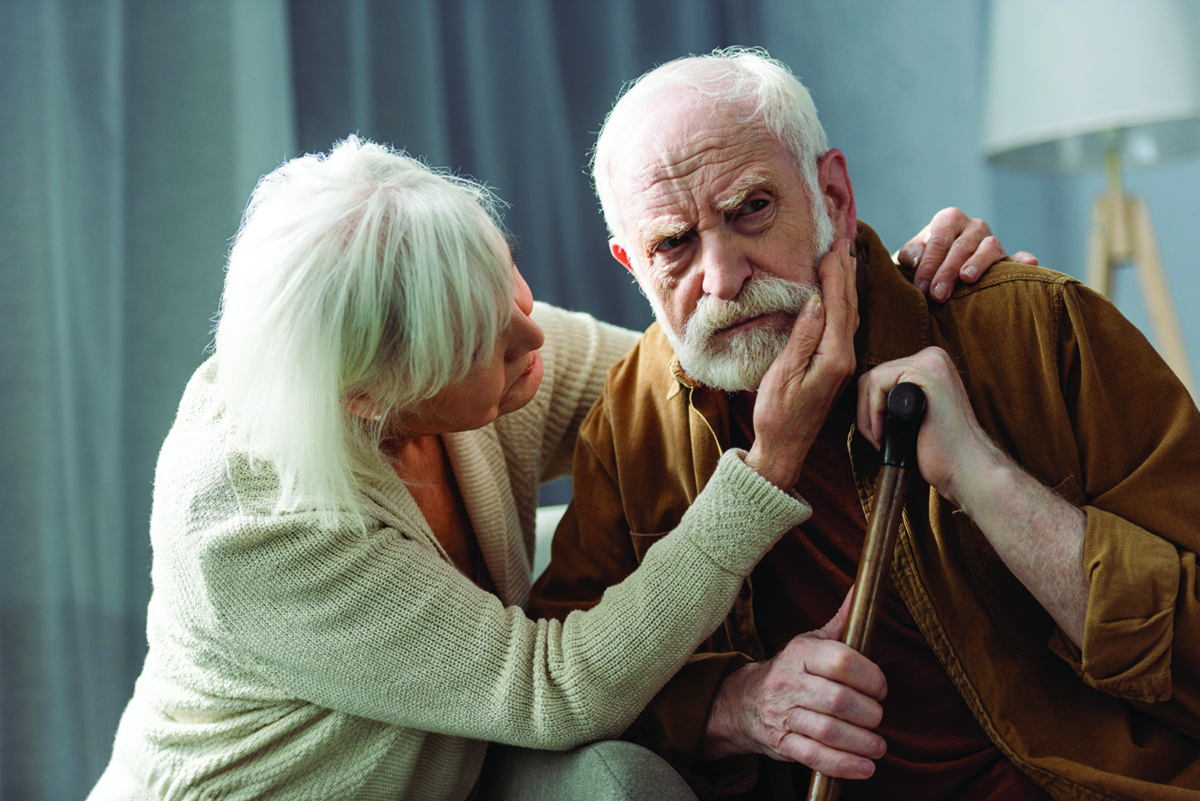
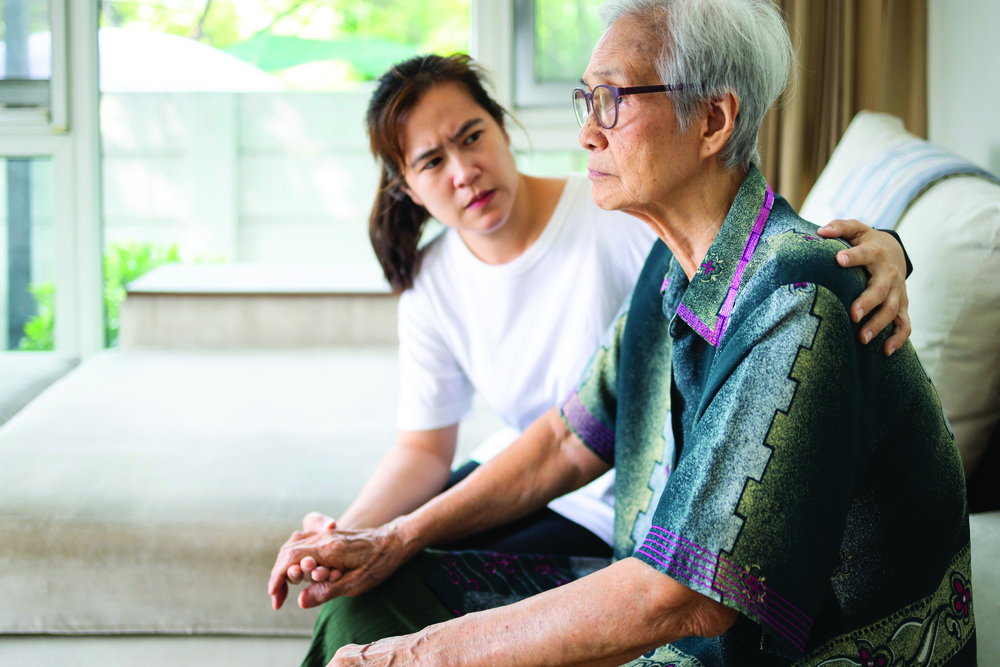
    Grief hurts. It hurts to witness our loved ones hurt. So a typical response to someone who is grieving is to try to comfort them and make them feel better.

    There is nothing wrong with trying to comfort the bereaved, but making them feel better is not possible. A grieving person simply wants their grief to be acknowledged and witnessed, not fixed. They have permission to be sad, angry, distracted and confused.

    There are phrases used commonly in an effort to comfort a bereaved person, but even with the best of intentions, these words can be hurtful, as they inadvertently minimize and diminish the griever’s feelings.

    WHAT NOT TO SAY

    They are in a better place.
    They lived a long life.
    At least they are no longer suffering.
    Be strong.
    Don’t cry.
    You’ll get over it.
    Shouldn’t you be over it by now?
    I know exactly how you feel.
    I understand.

    ALSO NOT HELPFUL

    You should be over this by now.
    Time heals all wounds.
    If you’re not crying, you’re not really grieving.
    Real men shouldn’t cry.

    WHAT TO SAY

    I’m sorry that you are having to navigate this.
    My condolences for your loss.
    I care.
    I love you.
    I don’t know what to say except I’m here for you.
    How do you want me to support you?

    There are many commonly held myths and misunderstandings about grief, which can present significant barriers to someone who is grieving. But when we understand the needs of those who are experiencing this painful but inescapable unbinding of the heart, we will likely be more mindful with our words.

    As much as words are important, know that your mere presence in the midst of their sorrow can be just the comfort they need.


    BEREAVEMENT NETWORK OF HAWAI‘I
    Facilitated by KOKUA MAU (501(c) 3 nonprofit)
    808-585-9977 | kokuamau.org
    kokuamau.org/grief-and-bereavement
    Learn more about grief and the healing process: Help For The Bereaved — The Healing Journey (kokuamau.org/wp-content/uploads/CtrOnAging-Booklet-5-REV_6-30-11.pdf).

    Grief hurts. It hurts to witness our loved ones hurt. So a typical response to someone who is grieving is to try to comfort them and make them feel better. There is nothing wrong with trying to comfort the bereaved, but making them feel better is not possible. A grieving person simply wants their grief…

  • Start a Healthy New Year at the Y

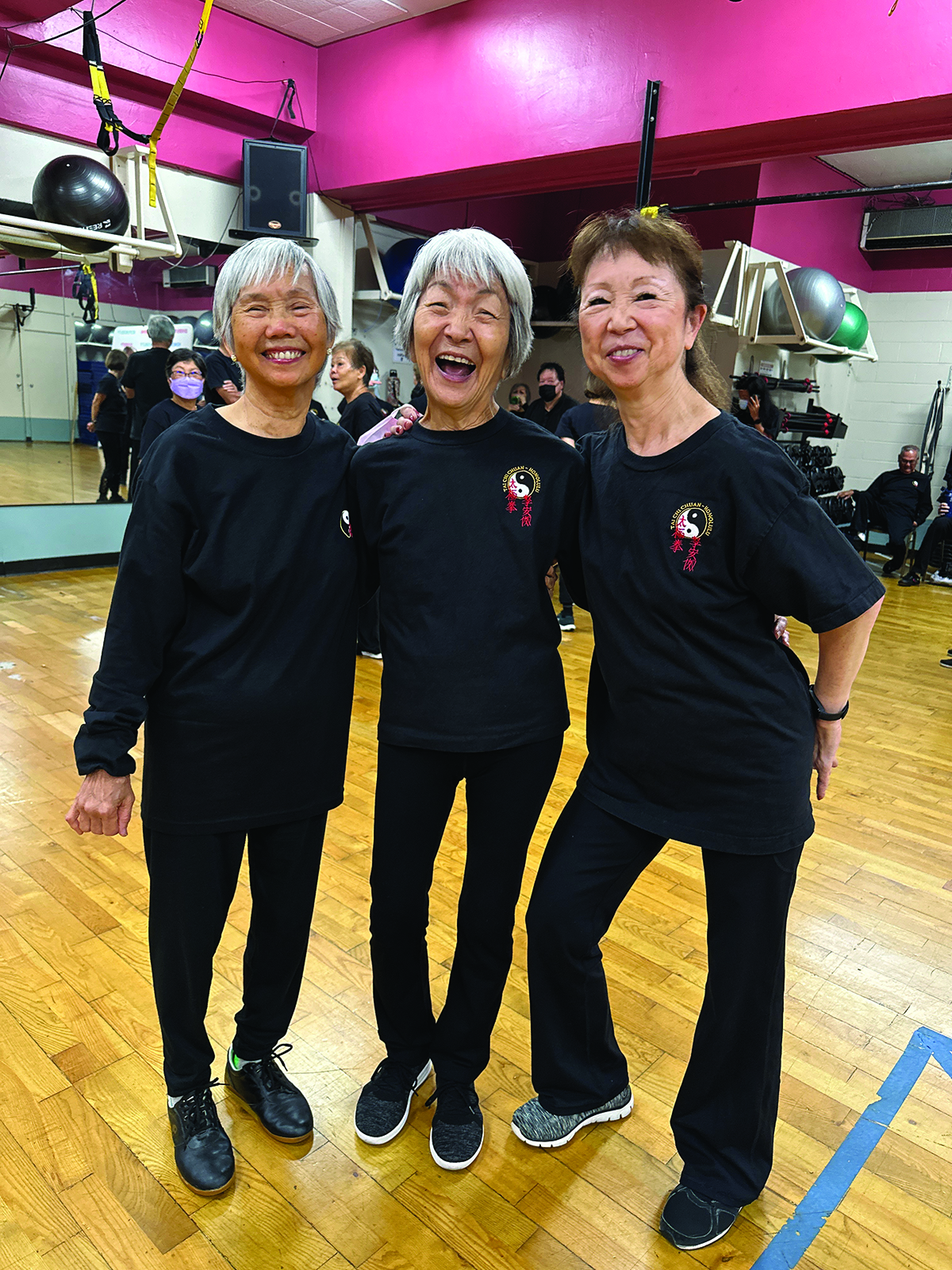
    (L–R) Cecilia, Gail and
    Donna enjoy exercising
    together at the Y. PC: YMCA

    For new exercisers, the gym can be a daunting place. They may not be sure what to do or how to get started. That holds true even more so for kūpuna, who perhaps have not been to a gym in a long time — maybe not ever.

    • The YMCA is an excellent place for new exercisers! In fact, 73% of YMCA of Honolulu members identified as health seekers, meaning they want to get healthy but struggled with how to do so and chose the Y for help.

    Feeling good isn’t just about your physical well-being but also includes your spirit and mind. The Y helps kūpuna achieve this perfect balance by offering a large and varied selection of classes, activities and programs to promote overall wellbeing, so staying healthy is fun and never boring!

    • The Y is here to guide and support. All new Y members get a free guided workout in order to make them feel more comfortable and confident using the equipment. Support continues with our fitness floor staff, who are always available to help members and answer any questions.

    • Studies show that people who enjoy physical activity participate more frequently and consistently. There are hundreds of classes and activities to choose from at the Y. Y staff can recommend classes or activities that fit your interests and schedule so that you’re doing something you enjoy at a convenient time.

    • Find a buddy! When you work with a partner, you’re more likely to feel motivated, try new things and stay consistent.

    You can make friends at the Y through fitness classes, clubs, activities, or social sports such as pickleball or basketball. These are great ways to meet people with similar interests and goals who can support you on your journey to well-being.

    Got a green thumb? The Y’s Garden Club at Mililani is great for sharing your gardening talents.

    Love to craft? Play games? Participate in the Y’s Kupuna Food & Fun program, a recreational dining program that includes potlucks, lei making, painting and more!

    • The Y is affordable. Many kupuna members get a free or reduced membership through their health plans. And thanks to generous donors, the Y also offers financial aid.

    • Be my guest! Stop by any YMCA for a free week pass. You can also register for your free week online at bit.ly/FreeOneWeek, or call or email our Service Center at 808-678-4296 or info@ymcahonolulu.org.


    YMCA OF HONOLULU (501(c) 3 nonprofit)
    1441 Pali Hwy., Honolulu, HI 96813
    808-678-4296 | info@ymcahonolulu.org
    ymcahonolulu.org

    For new exercisers, the gym can be a daunting place. They may not be sure what to do or how to get started. That holds true even more so for kūpuna, who perhaps have not been to a gym in a long time — maybe not ever. • The YMCA is an excellent place for…

  • Can You Keep Your Teeth as You Age?

    Nearly one in five adults aged 65 or older has lost all of their teeth, impacting their quality of life. While some assume that tooth loss is an inevitable consequence of aging, proactive dental care can preserve both your teeth and overall health throughout your entire life.

    Maintaining good oral health is crucial for kūpuna, extending beyond mere aesthetics. When kūpuna experience tooth loss, it can hinder their ability to eat properly and obtain essential nutrition. In some cases, to avoid becoming a burden on their families, they might refrain from expressing hunger or discomfort. Additionally, seniors with medical conditions like diabetes are at a higher risk of developing gum diseases. They may also experience dry mouth due to taking certain medications.

    To ensure kūpuna maintain good oral and overall health, they must make it a habit to see their dentist at least twice a year, practice good oral hygiene and maintain a healthy diet. These preventive measures against tooth loss, gum disease and other issues will help seniors maintain their overall health, enjoy a higher quality of life and continue to lead active and fulfilling lives well into their golden years. So the answer to the question is: Yes, you can keep all your teeth as you age as long as you take the necessary preventive measures to live well and smile more.


    HAWAII DENTAL SERVICE (501(c) 4 nonprofit)
    Kahala Howser, Wellness & Events Manager
    khowser@hawaiidentalservice.com
    HawaiiDentalService.com

    Nearly one in five adults aged 65 or older has lost all of their teeth, impacting their quality of life. While some assume that tooth loss is an inevitable consequence of aging, proactive dental care can preserve both your teeth and overall health throughout your entire life. Maintaining good oral health is crucial for kūpuna,…

  • Overcautiousness Can Lead to Health Risks

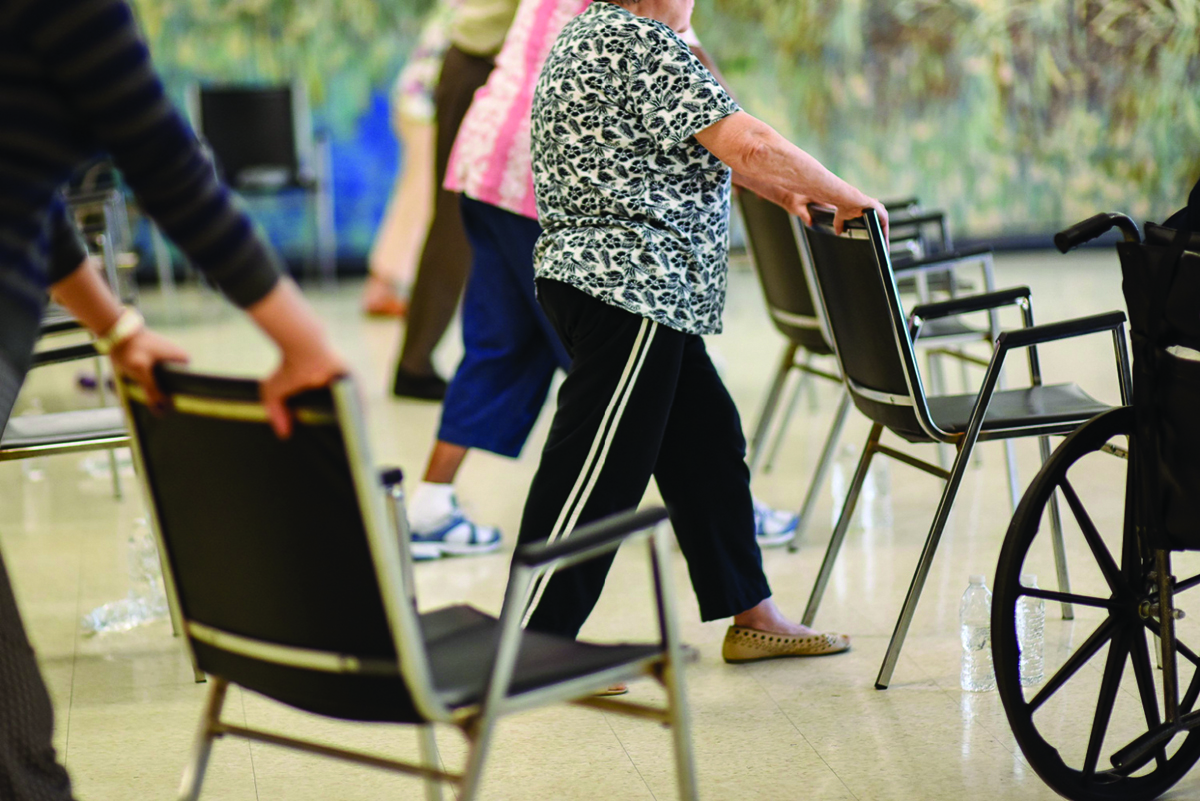
    Striving to ensure safety and fear of falls consistently top the list of concerns for kūpuna. Unfortunately, fear itself can become a risk factor, leading to anxiety,  hesitancy and overcautiousness. Being cautious is natural during activities that involve risk. However, being overly careful out of fear can result in moving less,  avoiding activities that require balance skills and reliance on external objects for stability.

    Everyone has witnessed the signs:

    • Shortened steps and/or increased shuffling
    • Stiffening of the trunk with no rotation or turning of the body
    • Becoming more robot-like when moving
    • Reaching for a chair or wall for stability
    • Choosing to sit instead of standing
    • Increased difficulty standing up after sitting

    As the pattern progresses, kūpuna become even more wary and immobile, resulting in a downward spiral, so using good judgment is critical. Balancing the pros and cons of being too cautious in each situation is imperative.

    Being sedentary leads to weakness and loss of range of motion and coordination. We all need to “use it or lose it,” and keep moving to maintain our muscle strength and balance. By being “safe,” good intentions may actually contribute to an increased risk for falls. Therefore risk assessments become critical in determining whether an activity is actually beneficial or dangerous.

    A home assessment and modifications are a good place to start in order to fall-proof your home. An activity assessment and modifications are also needed. When a loss of balance is observed during an activity, note whether the body is able to compensate adequately and get re-centered and stable again without falling.

    Although we tend to overreact when observing unsteadiness, having the ability to recover from a loss of balance is an important activity that requires coordination, core stability and strength. These skills must be retained.

    So the next time you feel anxious about the safety of someone doing an activity, carefully observe the person and conduct a risk assessment and assess if there is a modification that could be made to make it safer before eliminating the activity altogether. Every activity has inherent risks at every age. Just be aware that inactivity poses even greater health risks.


    GYMGUYZ Urban Honolulu
    Home Personal Training & Mobile Fitness
    808-638-2525
    gymguyzurbanhonolulu@gymguyz.com
    gymguyz.com

    Striving to ensure safety and fear of falls consistently top the list of concerns for kūpuna. Unfortunately, fear itself can become a risk factor, leading to anxiety,  hesitancy and overcautiousness. Being cautious is natural during activities that involve risk. However, being overly careful out of fear can result in moving less,  avoiding activities that require…