Category: February – March 2013

  • Medicare: Staying Healthy

    February is “Heart Healthy Month” (and for all of you sweethearts out there, don’t forget Valentine’s Day on February 14th). Taking care of your heart is very important and there are some easy things that each of us can do.

    Ask your physician what your “healthy weight” is and make an effort to eat lots of color: purple (eggplants), red (radishes), blue (blueberries), green (broccoli), white (cauliflower) and orange (tangerines). Try some grains like quinoa, instead of white rice.

    Quit smoking and stay away from second-hand smoke.

    Exercise — don’t let this scare you. One of the best things is walking. You don’t need equipment; and if you have a dog, you both benefit. A 30 minute walk each day will have you signing up for the Honolulu Marathon in no time.

    March is “Colorectal Cancer Awareness Month” and the same three things are suggested to lower your risks — healthy eating, exercising, and quitting smoking.

    Medicare’s benefits include a yearly “Wellness” visit where you will fill out a Health Risk Assessment form and then you and your physician will develop a personalized prevention plan to help you stay healthy.

    Other preventive services include: bone mass measurement, mammograms, cardiovascular screenings, diabetes screenings, flu shots and glaucoma tests, just to name a few. Some of the new preventive benefits in 2013 are:

    Cardiovascular Disease — Behavioral Therapy. Medicare will pay for one visit per year with your primary care doctor to help you lower your risks for cardiovascular disease.

    Alcohol Misuse Counseling. One screening per year for adults with Medicare who use alcohol and don’t meet the medical criteria for alcohol dependency. Your primary care doctor can recommend up to four brief face to face counseling sessions per year and Medicare will pay for those.

    Depression Screening. One screening per year. The screening must be done in a primary care setting (like a doctor’s office) that can provide follow-up treatment and referrals.

    Obesity Screening and Counseling. If you have a BMI (body mass index) of more than 30 you may be eligible for intensive counseling to help you lose weight.

    Sexually Transmitted Infections Screening and Counseling. These screenings are covered by Medicare for those that are pregnant and/or for certain people who are at an increased risk for STIs. Medicare will also pay for up to two individual 20-30 minute face to face counseling sessions each year for those at risk.

    For more information about these preventive benefits and other Medicare benefits, the Hawai‘i SHIP (State Health Insurance Assistance Program) is available by calling 1-888-875-9229.


    Sage PLUS - Generations Magazine - June-July 2013

    February is “Heart Healthy Month” (and for all of you sweethearts out there, don’t forget Valentine’s Day on February 14th). Taking care of your heart is very important and there are some easy things that each of us can do. Ask your physician what your “healthy weight” is and make an effort to eat lots…

  • Financial: Selecting Your Financial Advisor

    Speaking from experience, the relationship between financial advisors and their clients is incredibly important. Whether you rely on your advisor to help with retirement planning, saving for college, or meeting other goals, this individual will help determine how you approach some of life’s biggest financial decisions. Here are a few things to keep in mind when choosing an advisor.

    Find someone who shares an interest in your future. Your financial advisor should ask questions about your hopes, dreams and concerns. Your advisor should not be someone who only talks at you, but also listens to you.

    Your advisor should know the marketplace. A good advisor should offer a tailored plan based on your goals — whether it’s building cash reserves, protecting your income against death or disability, or creating a balanced portfolio.

    Financial advisors shouldn’t be know-it-alls. A smart advisor knows when it’s time to gather input from other experts, such as tax and legal professionals. Find an advisor who is willing to use a team approach to help you reach your goals.

    Select an advisor with a solid reputation. When interviewing advisors, ask for references and specific examples of how they helped clients reach their goals. Check the advisor’s educational background and note any professional designations they have earned. You may find this infor-mation and on websites like FINRA.org.

    Once you choose an advisor, you can start customizing a financial plan that fits you. Here’s what to expect during the planning process:

    Set Goals: Your advisor will ask questions to help you identify your financial needs and dreams. These might include:

    • Envisioning your future — what’s next for you?
    • Where do you see yourself living?
    • What lifestyle goals are important to you?
    • Providing for your children’s education?
    • How do you envision your retirement?
    • Do you want help to reduce the effect of taxes on your assets?

    Don’t worry if you can’t provide detailed answers. As you go through the financial planning process, your responses will become clearer to both you and your advisor.

    Determine the Facts. After setting goals, assess your current financial picture. This includes gathering information and materials for your advisor to get a clear picture of your present situation.

    Create the Plan. Your financial advisor will work with you to establish a course of action designed to help you achieve your goals. This strategy may cover things like:

    • Your needs, goals and values.
    • Current assets and liabilities.
    • Investment portfolio recommendations.
    • Retirement plan.
    • Insurance audit and needs analysis.
    • Estate planning analysis.
    • Product recommendations and action items.

    Implement the Plan. After reviewing your strategy and consulting with your financial, tax and legal professionals, you and your advisor will implement the plan.

    Meet and Review. Now that your plan is in motion, you will want to meet once or twice a year to review progress and make updates.

    Selecting an advisor and creating a financial plan does take some time and effort. Once you take action to achieve your goals, you’ll likely discover life’s challenges can be better managed with the security of having a plan in place.


    For info, contact Michael W.K. Yee at (808) 952-1240.

    1 The Money Across Generations IISM study was commissioned by Ameriprise Financial, Inc. and conducted by telephone by GfK in December 2011 among 1,006 affluent baby boomers (those with $100,000 or more in investable assets); 300 parents of baby boomers; and 300 children of baby boomers at least 18 years old. The margin of error is +/- three percentage points for the affluent boomers segment and +/- six percentage points for the parents and children of boomers segments.

    Ameriprise Financial and its representatives do not provide tax or legal advice. Consult with your tax advisor or attorney regarding specific tax issues.

    Brokerage, investment and financial advisory services are made available through Ameriprise Financial Services, Inc. Member FINRA and SIPC. Some products and services may not be available in all jurisdictions or to all clients. ©2012 Ameriprise Financial,Inc. All rights reserved. File # 143286

    Speaking from experience, the relationship between financial advisors and their clients is incredibly important. Whether you rely on your advisor to help with retirement planning, saving for college, or meeting other goals, this individual will help determine how you approach some of life’s biggest financial decisions. Here are a few things to keep in mind…

  • Arthritis, Diet and Dietary Supplement

    “Arthritis” means “inflamed joints.” About 100 different types exist, and each has its own treatment. On top of this list are osteoarthritis (OA) and rheumatoid arthritis (RA). In medicine, the conventional treatments for any disease are provided under “clinical practice guidelines.” For arthritis, these and “patient resources” are listed at www.rheumatology.org. However, each patient responds differently so the treatment is carefully determined by the physician.

    Although many conventional medical diets exist, some diets and supplements fall under “complementary” medicine, a method of health care sought by up to 90 percent of adults with arthritis. Does diet help? Researchers suggest that vegetarian diets may help people with RA. An elimination may help because grains (gluten), dairy, meats and citrus were among the top 10 common foods that worsen RA symptoms. Not all people with arthritis have food sensitivities. For those that do, an elimination diet under the guidance of a registered dietitian may help find the offending foods. Losing excess weight may very well alleviate OA pain, especially in the knees where the protective pad wears out between the two bones pressing against each other. Avoiding obesity is the best preventative measure against OA that affects 1/3 of the people over 65.

    Numerous dietary supplements have been touted to help arthritis, and those with some limited clinical research support in humans, are now briefly listed below:

    Avocado/Soybean unsaponifiables (ASU) — A Cochrane review of two OA studies show improvement in function, pain, and reduced medications.

    Bromelain — This enzyme found in pineapples has been traditionally used by boxers to reduce their hand inflammation. One OA study found it was as beneficial as anti-inflammatory drugs in relieving pain.

    Cat’s Claw — Three studies support the use of cat’s claw for OA. This vine native to the Amazon has been used for centuries.

    Chondroitin Sulphate — Although it takes two months to show an effect, if any because results are mixed, this supplement may relieve OA pain.

    Collagen — Polymerized collagen reduces inflammation in OA.

    Devil’s Claw — A few studies show that pain, stiffness, and function improve in OA.

    Fish Oil — Strong research support exists for treating RA pain.

    GLA (gamma linolenic acid) — About 7 studies suggest that this omega-6 fatty acid found in evening primrose oil, black currant oil, and barrage oil, may reduce the stiffness, pain, and amount of required medication for RA.

    Ginger — Reduced knee pain was observed in one OA study (possibly RA).

    Glucosamine — Some, but not all, people with OA respond after about two months on this natural substance. Diabetics should monitor their blood glucose when taking glucosamine-containing supplements.

    Glucosamine Chondroitin — A National Institutes of Health study (GAIT) supported its use in OA patients where it provided significant knee pain relief, but only for moderate or severe pain.

    Hyaluronic Acid — Found naturally in the body and used on horses, studies show it helps people too.

    Rose Hips — Two studies show that rose hips reduced the pain of OA and RA.

    SAM-e — Many studies support S-adenosylmethionine use for joint pain, but it is also used for depression.

    Stinging Nettle — Several studies show that this supplement taken orally or applied to the skin as a cream may be helpful in reducing OA inflammation and pain.

    Tumeric — Curcumin, a yellow coloring agent extracted from tumeric, may reduce inflammation in the body, including that caused by arthritis.

    “Arthritis” means “inflamed joints.” About 100 different types exist, and each has its own treatment. On top of this list are osteoarthritis (OA) and rheumatoid arthritis (RA). In medicine, the conventional treatments for any disease are provided under “clinical practice guidelines.” For arthritis, these and “patient resources” are listed at www.rheumatology.org. However, each patient responds…

  • A Story to Tell of Life and Love

    Taking good care of ourselves and helping others who suffer from disease is important not only for ourselves but for others who may be impacted by disease. In the context of Chronic Kidney Disease and kidney transplantation even young children can learn much and be shaped by the experience they share with adult members of the family. Consider the following story.

    Hearts - Generations Magazine - February-March 2013

    My Big Surprise
    By Trevor Toma

    “I have been surprised many times in my life, but the absolute greatest surprise was in March 2012 when my mother told me she was going to give away her kidney. When my mother came home from work, she looked way happier than usual. So I asked her, “Why are you so happy?” Then she told me the story of how uncle Gregg’s kidneys were running at 11% efficiency and how he was on the National Kidney Foundation Donor’s list. She told me that it would be a long time for him to get a kidney and maybe he wouldn’t even get one. He would die without a kidney transplant. Then she told me, “I have decided to give uncle Gregg one of my kidneys. Don’t worry because I can live just fine with only one. I am going to have surgery in San Francisco when it is time.” Then she asked me if I had any questions or suspicions about the transplant but I wasn’t worried at all. She decided to give her kidney away because it made her sad to think that he would die and his kids wouldn’t have a father and his wife wouldn’t have a husband. He was shocked, excited, and grateful because he didn’t even know that his wife and my mom were talking about it. He was surprised because he didn’t think that a friend would risk their life to give him a kidney. He was grateful because he knew that this kidney would give him a new life.

    During the tests, my mom took x-rays, blood tests, urine tests, and an IV. Sometimes she was gone for hours then came back with some news – sometimes good, sometimes bad. But my mother knew it was all worth it. Then one day she had to go to San Francisco for 3 days with her co-worker’s family to get more tests. She had a very good time. When she got back, she gave me a baseball cap and showed me pictures of the house she stayed at. After, she told me that there would be only a few more tests to take and then they would have to wait for a kidney match to swap.

    Well, now it’s only a matter of time before my mother and uncle Gregg are ready to swap. Now I see how much love and effort was put into this transplant. I hope to save lives like her one-day. Even now — this very minute — I see how much she cares for uncle Gregg and his family.”

    Hearts - Generations Magazine - February-March 2013

    The decision to donate a kidney so that another person may live is one that is made with much planning, testing, and care. Those who donate one of their kidneys profoundly affect lives besides the life of the recipient.


    National Kidney Foundation of Hawaii
    1314 South King St., #304, Honolulu, Hawai‘i 96814

    808.589.5976 info@kidneyhi.org www.kidneyhi.org

    Taking good care of ourselves and helping others who suffer from disease is important not only for ourselves but for others who may be impacted by disease. In the context of Chronic Kidney Disease and kidney transplantation even young children can learn much and be shaped by the experience they share with adult members of…

  • Legal: Review Your Estate Plan Often

    As we turn the page from 2012 to 2013, it is not a bad time to focus on your Rule Book (the set of documents in which you lay out your estate plan) and make sure that the rules you have in place are still consistent with your wishes and your needs. How often you review your Rule Book is up to you, but it is important to appreciate that things change. As they do, your Rule Book can gradually become obsolete, and if you fail to update it, it may do more harm than good.

    What kinds of changes impact your estate plan?

    Changes in your health. Like it or not, your health will change over time, and the general trend will not be for the better. Your doctors can do a lot to keep you going, but they have not discovered the Fountain of Youth yet. If you ever lose the capacity to update your estate plan, your family may be stuck with a Rule Book that does not meet your needs, and there may be little that can be done about it, short of taking an expensive foray through the court system.

    Changes in your assets. Values go up, values go down. Those fluctuations can affect how your estate plan works. More importantly, it is important to take periodic stock of your assets and make sure they are all properly titled. If you have a revocable living trust, you probably should have all or most of your assets in the name of your trust. If you sell an asset that belongs to your trust, make sure the proceeds go into an account owned by your trust, and when the proceeds are reinvested, make sure the new assets are properly titled.

    Changes in your family situation. Any time your family experiences a marriage, a divorce, a birth, or a death, you should have a look at your Rule Book. Other changes might impact what you want to say in your Rule Book as well. Those changes might be good, such as a child heading off to college, or not so good, such as the discovery that a family member has a drug problem or a debt problem.

    Changes in the law. There have been some dramatic changes in the Federal and Hawai‘i estate tax laws over the past several years, and you can expect those kinds of changes to continue for the foreseeable future. Though the changes have caused uncertainty, they have also given rise to opportunities. Over the past two years, Hawai‘i laws relating to trusts and tenancy by the entirety have changed in some very positive ways that open the door to enhanced asset protection. Don’t miss out on what those new laws have to offer.

    If you review your Rule Book at least once per year, you will probably be able to stay on top of all of these changes and be able to make appro-priate updates to your estate plan.

    You should also sign a new durable power of attorney and advance health-care directive each year, even if there are no changes. The reason to update your power of attorney is that once it is more than a year old, many financial institutions will not honor it, and once it is five years old, nobody will honor it. The reason to update your advance directive is to force you to focus on it and make sure that it accurately reflects your wishes. It will not be called upon until you are unable to speak for yourself, so you need to get it right while you still have the capacity to do so.


    Scott Makuakane, Attorney at Law
    Specializing in estate planning and trust law.
    www.est8planning.com
    O‘ahu: 808-587-8227, Maui: 808-891-8881
    Email: maku@est8planning.com

    As we turn the page from 2012 to 2013, it is not a bad time to focus on your Rule Book (the set of documents in which you lay out your estate plan) and make sure that the rules you have in place are still consistent with your wishes and your needs. How often you…

  • Your Mind & Body: Disease of the Kings

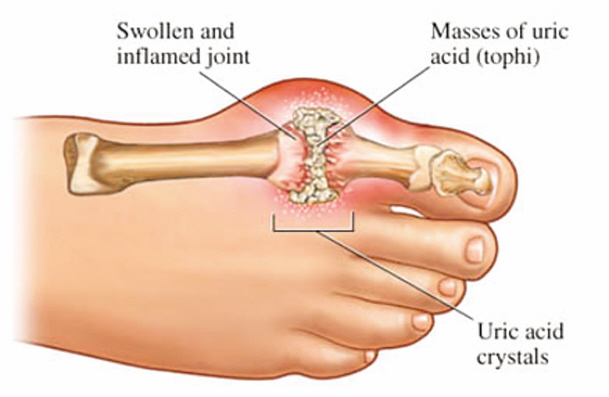
    Gout - Generations Magazine - February-March 2013An estimated 6 million people in the United States have experienced gout at some point in their lives. Known as “the disease of kings and the king of diseases,” gout has been studied by physicians and has caused suffering in many people for centuries. Gout is a type of arthritis that occurs when uric acid builds up in the blood and causes joint inflammation. Men aged 40 to 50 are most commonly affected.



    What causes Gout?

    Gout is one of the few types of arthritis where the cause is known. It results from deposits of needle-like crystals of uric acid in the connective tissue, joint spaces, or both. Uric acid is a byproduct of the breakdown of purines or waste products in the body. Normally uric acid breaks down in the blood and is eliminated in urine. When the body increases its production of uric acid or if the kidneys do not eliminate enough uric acid from the body, levels build up. This is called hyperuricemia. If excess uric acid crystals form as a result of hyperuricemia, gout can develop.

    What are the symptoms?

    • Sudden, severe attacks of pain
    • Tenderness
    • Redness
    • Warmth
    • Swelling in some joints
    • It usually affects one joint at a time, especially the joint of the big toe, but can also affect the knee, ankle, foot, hand, wrist and elbow.
    • Deposits of uric acid, called tophi, can appear as lumps under the skin around the joints and at the rim of the ear.
    • In addition, uric acid crystals can also collect in the kidneys and cause kidney stones.

    How is it diagnosed?

    Standard diagnostic tools for gout may include a medical history and physical examination, blood test for uric acid, and urine sample for uric acid. For a definitive diagnosis of gout, a sample of synovial fluid from the affected joint is required. X-rays may be helpful. Not everyone with high uric acid levels in the blood has gout.

    How is Gout treated?

    Indomethacin is the usual choice for pain relief during an acute attack of gout. Colchicine (Colcrys), a derivative of the autumn crocus, has been used to treat gout for hundreds of years. This drug relieves the pain and swelling and can help prevent future attacks. Corticosteroids such as Prednisone can also be very effective for short term relief of joint inflammation and pain.

    Allopurinol blocks uric acid production and is the standard drug used in long-term treatment of gout. Probenecid is another maintenance drug that increases uric acid excretion in the urine. Febuxostat (Uloric) is the newest drug available to lower uric acid in the blood and has greatly improved the quality of life for persons with gout.

    • Lifestyle and Dietary Recommendations
    • Weight loss can help reduce uric acid levels in those people that are overweight.
    • Drinking plenty of water also helps remove uric acid from the body.
    • Avoid alcohol.
    • Limit the amount of meat at each meal.
    • Avoid purine rich foods – anchovies, sardines, fish roes, herring, yeast, organ meats (e.g., liver, kidneys), legumes (e.g., dried beans, peas, and soybeans), meat extracts, consommé, gravies, mushrooms, spinach, asparagus, cauliflower, and poultry.

    An estimated 6 million people in the United States have experienced gout at some point in their lives. Known as “the disease of kings and the king of diseases,” gout has been studied by physicians and has caused suffering in many people for centuries. Gout is a type of arthritis that occurs when uric acid…

  • Stretch to Better Health and Well Being

    quad stretch - Generations Magazine - February-March 2013
    Quad Stretch (Front of thigh) — Stand up straight and tilt pelvis forward. Keep the knee down and lean only as far back as you can still relax.

    We all know exercise and staying active plays a big role on how we age, but a lot of us forget about the importance of stretching and staying flexible. Tight short muscles create muscle imbalances, which leads to loss of function and range of joint motion. Not to forget the aches and pains that goes along with it. Tasks that used to be simple like reaching for something in the cabinet, putting on your seat belt, or even putting on a sock become extremely difficult or impossible. A regular stretching program can help lengthen your muscles and make daily activities so much easier and manageable.

    hip flexor stretch - Generations Magazine - February-March 2013
    Hip Flexor (Front of hip) — Kneel on a pad or pillow. Bring one leg forward; enough to keep your knee behind your toes. Press the opposite hip to the floor.

    Anyone can learn to stretch regardless of age or flexibility. There are simple stretches you can do on a daily basis while watching television at the computer or before you get out of bed. It feels good and doesn’t have to involve a huge time commitment, but can deliver huge results!

    Here are just a few of the benefits of stretching you can expect.

    • Increased flexibility, improves function, balance and coordination, lowering your risk for falls.
    • Improved circulation increases blood flow to your muscles and arteries to give you more energy and lower blood pressure.
    • Reduced muscle tension reduces stress so you feel more relaxed.
    • Less prone to injury and muscle strains.
    • Better posture helps to minimize discomfort of aches and pains.
    • Develops body awareness. As you stretch you focus on that particular part of your body you become more in touch with yourself. It is a form of active meditation for a better sense of well being.


    calf stretch - Generations Magazine - February-March 2013
    Calf / Achilles Tendon — Only step as far back as you can. Keep your back heel on the floor.Stretching your calves keeps your ankle joint functioning.

    Muscles stretch easier if you warm up first. You can do a 5 minute walk making sure to move your arms, or even taking a warm shower. If you do strength training, stretch between sets. It is particularly important not to sit for more than an hour at a time without getting up and stretching!

    hamstring stretch - Generations Magazine - February-March 2013
    Hamstring (Back of leg) —Keep your chest up and reach forward. You can also lay on your back and wrap a towel or rubber tubing around your foot and hold.

    Begin a stretch by holding it for 10–30 seconds to where you feel a mild tension. More is not better when comes to stretching. Find the degree of comfortability, then relax into it. Slight discomfort is okay, providing it starts to subside as you hold your pose. Don’t bounce, that can cause tears which can lead to scar tissue and tighter muscles.

    Your breathing should be slow and controlled. Deep breathe in through the nose and out through the mouth. That sends a signal to the brain to relax and to allow your muscles to lengthen.

    If you cannot relax then you’re trying to hard. Ease up slow and start again. Breath and relax.

    Make stretching part of your daily activities, you’ll feel better and your body will love it!

    hipe and lower back stretch - Generations Magazine - February-March 2013
    Hip and Low Back — On your back and pull your bent knee across your body. Look the opposite direction. Keep your arm on the floor. Repeat with otherside.


    inner thigh stretch - Generations Magazine - February-March 2013
    Sissor Inner Thigh — Sit up tall and sissor your legs. With your hands behind your back you will also feel a stretch in your forearms and chest.

    Photos by Kathy Boast


    We all know exercise and staying active plays a big role on how we age, but a lot of us forget about the importance of stretching and staying flexible. Tight short muscles create muscle imbalances, which leads to loss of function and range of joint motion. Not to forget the aches and pains that goes…

  • Social Security: W-2s, 1099s and Benefits

    April’s showers bring more than just May’s flowers — they also bring the deadline day for filing taxes. Don’t wait until the showers arrive to prepare for tax season. Whether you are a small business owner, a retiree, or a new parent, here are some Social Security tax tips that may help you.

    Are Social Security benefits taxable?

    They are for some people. About one third of those receiving benefits must pay taxes on some of their Social Security. If your total income, including Social Security and all of your other taxable income, is $25,000 or more and you file federal taxes as an individual, you’ll need to pay federal taxes on some of your benefits. (That amount is $32,000 for married couples filing a joint return.)

    Will I get a tax form for my Social Security benefits?

    Yes. In fact, you should have already received it. Social Security Benefit Statements (Form SSA-1099) for tax year 2012 were mailed to beneficiaries and should’ve been received by January 31, 2013. If you receive Social Security and haven’t received your 1099, you can request one online at www.socialsecurity.gov/1099.

    We had our first child in 2012. Does our baby need a Social Security Number?

    Yes. Most people apply for their baby’s Social Security number while they’re still in the hospital at the same time they apply for the birth certificate. But if you didn’t, you’ll need to apply for your child’s Social Security number in order to claim the child as a dependent on your tax return. You’ll also need it if you ever apply for government benefits on behalf of the child or your family. Learn more about Social Security cards and numbers at www.socialsecurity.gov/ssnumber.

    I changed my name when I got married last year. Do I need to report it to Social Security?

    Yes. If you’ve legally changed your name due to marriage, divorce, court order, or for any other reason, make sure you change your name with Social Security, as well as with your employer. If you change with one source but not the other, it could cause your earnings to be improperly recorded. That could result in you not getting all the benefits you earned when you become eligible for Social Security in the future. You can learn more about your Social Security number and how to change your name at www.socialsecurity.gov/ssnumber.

    I own a small business. Can I report the W-2s of my employees online to Social Security?

    Yes, and we encourage you to do so at www.socialsecurity.gov/bso. Filing your W-2s electronically is free, fast, and secure! Plus there’s an added bonus: when you file electronically, you receive an extra month to file because electronically filed W-2s aren’t due until March 31st. You’ll also receive an electronic acknowledgement receipt. And when you file electronically, you can print out your W-2s for your employees.

    Does Social Security have any advice to make tax filing and future benefit applications go smoothly?

    We encourage you to carefully check your name, Social Security number and all of the data on your W-2s, your online Social Security Statement, and Social Security card to make sure they all match. If you don’t have access to your card or statement but know your Social Security number, make sure the number and information is correct on your W-2s. A mismatch could delay your tax refund and cause problems with your Social Security benefits in the future. Such errors are much easier to fix now. If you do notice an error, you should contact Social Security at 1-800-772-1213 (TTY 1-800-325-0778), or if the information on the W-2 is incorrect, notify your employer.

    For more information about Social Security, visit www.socialsecurity.gov.

    Social Security Administration - Generations Magazine - June-July 2013

    April’s showers bring more than just May’s flowers — they also bring the deadline day for filing taxes. Don’t wait until the showers arrive to prepare for tax season. Whether you are a small business owner, a retiree, or a new parent, here are some Social Security tax tips that may help you. Are Social Security benefits…

  • Wisdom Tooth: Smile Rejuvenation

    My teeth are yellow, chipping and make me look so old. What can be done to have my smile look younger and my teeth stronger? Are crowns or caps the only solution?

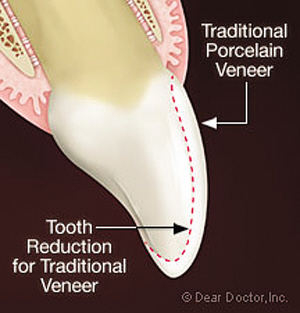
    Widsom Tooth Vaneer - Generations Magazine - February-March 2013These are the questions I hear often. As people get older they become concerned about their teeth looking yellowed, darkened, worn down, showing cracks, or being different colors. Solutions for making a smile look refreshed, brighter, youthful and stronger (or a “Smile Rejuvenation”) vary, depending on a patient’s needs.

    In today’s technology we no longer have to fully crown or cap teeth to have them be healthy. I have found that porcelain veneers are an excellent solution for many seniors, for healthier and stronger teeth. The myth about porcelain veneers is they just make a smile beautiful.

    Porcelain veneers allow the dentist to remove the least amount of tooth structure while reinforcing your natural teeth. Veneers, which are thin shells that fit over the front of your teeth, are often used as a minimal invasive alternative to crowns. Porcelain veneers allow you to have a natural, youthful smile, by brightening the color and altering the shape of the teeth. These restorations are ideal to have your teeth not only look better but be stronger as well, when the goal is to keep your teeth for a lifetime.

    For more information call our office for a complimentary consultation.


    Wynn H. Okuda, DMD, Inc.

    Cosmetic, Implant and Restorative Dentistry
    3660 Waialae Ave., Suite 315, Honolulu, Hawai‘i 96816

    808-734-1099 | www.cosmeticdentistryhawaii.com

    My teeth are yellow, chipping and make me look so old. What can be done to have my smile look younger and my teeth stronger? Are crowns or caps the only solution? These are the questions I hear often. As people get older they become concerned about their teeth looking yellowed, darkened, worn down, showing…

  • February – March 2013

    February – March 2013

    WANT THIS ISSUE?

    Download your own personal copy of this issue in PDF format. Click the button below:

    DOWNLOAD IT NOW

    Bringing Hope and Help to People with Arthritis