Category: April – May 2013

  • Message from the Editor – April / May 2013

    Spring is here and it’s time to get moving! More and more research is telling us that as we age, we need to get in shape to stay out of the hospital. Generations Magazine will feature more proactive resourceful information to do just that. As a baby boomer, I have begun my quest to keep myself healthy and help my peers to do the same.

    Thanks to the YMCA, we can all do more to live active lives. As the Y’s CEO Michael Broderick points out, exercising is only the beginning. The Y also offers many social and emotional benefits, especially for seniors who enjoy the Y’s activities and cultural classes…and making friends along the way.

    If you are 65 or turning 65, remember that some Medicare plans offer free YMCA membership. Yes, free membership. Check with your plan and ask for all the benefits. If you are one of the 86,000-plus older residents in Hawai‘i, check out the YMCA.

    The Ihara Family - Generations Magazine - April-May 2013
    Percy, Dan, Les (Dad), Shirley (Mom), Sherry, Arlene and Cathy; missing is Les, Jr.

    With Mother’s Day right around the corner, I wanted to send my thoughts and thanks to my mother, Shirley Ihara. My mom raised my brood of siblings with never ending care, instilling values and endless love to us all. To this day, I don’t know how she did it all—the grocery shopping, cooking, cleaning, vacuuming, laundry, chauffeuring, assisting with our homework and traveling around the country lugging six kids for more than 30 years as my father was a career Army officer. Can you imagine that? I still remember my mom’s words “We will always love and be here for you.” Mom, I send you my love, along with my siblings, and all of your 14 grandkids and four great-grandchildren send their love on Mother’s Day!

    And lastly, SAVE THESE DATES!

    ARTHRITIS WALK–May 5th at Kaka‘ako Waterfront Park 7:30a.m.–11a.m.
    Join in for great fun, resourceful information and for a wonderful cause.
    For details call the Arthritis Foundation at 596-2900.

    2013 Elderhood Project’s 7th Annual “AGING IN PLACE” WORKSHOP August 9th at the Ala Moana Hotel 8:30 a.m. – 3 p.m.
    Come listen to presentations on Financial/Legal Issues, Caregiving Resource’s, Healthy Living Tips and State/Federal Programs for Seniors and their families.

    Live Well,

    Percy Ihara, Editor/Publisher

    Spring is here and it’s time to get moving! More and more research is telling us that as we age, we need to get in shape to stay out of the hospital. Generations Magazine will feature more proactive resourceful information to do just that. As a baby boomer, I have begun my quest to keep myself…

  • NKFH: Create a Kidney-Friendly Kitchen

    Some 26 million Americans suffer from Chronic Kidney Disease (CDK), but experts predict this number will rise due to high obesity rates (approximately one-third of all adults) and high blood pressure. Both of these are risk factors for CKD. The aging of baby boomers will also increase this number because age over 60 is also a risk factor for CKD, making kidney disease a very important issue for seniors.

    Most people have no symptoms until CKD is advanced. If you wait until you have symptoms to be tested, you’ve waited too long. Therefore, taking care of overall health should not be postponed. Wise practices for seniors include exercising regularly, a low-salt diet, controlling weight, monitoring blood pressure, cholesterol and glucose levels, not smoking, drinking moderately, avoiding non-steroidal anti-inflammatory drugs (NSAIDs) and getting an annual physical.

    For spring cleaning, start in the kitchen to take steps toward kidney health. Get ready to clear out some common grocery items that could be wrecking your kidneys. The kidneys work 24/7 to clean out toxins in the body, so keep them healthy by cleaning out your kitchen. Now is the perfect time to trash the following:

    SALT SHAKER. Believe it or not, Americans today consume 50% more than the recommended daily amount of sodium. Diets high in sodium increase blood pressure levels and high blood pressure damages the kidneys over time. It’s 2,300 mg of sodium (or 1 teaspoon of salt) per day that should be the limit.

    RED MEAT. High protein diets, especially those containing large quantities of animal protein, may harm the kidneys. Red meat is also high in saturated fat—another no–no.

    SODA. Sugar-sweetened beverages, such as sodas are high calorie and contain no nutritious value. These beverages are linked to the presence of protein in the urine, one of the earliest signs of kidney disease. Colas also have phosphorus
    additives which can harm the kidneys.

    PROCESSED FOOD. Crackers, potato chips, deli meats, cheese spreads, instant potato mix are all examples of processed foods that are high in sodium and phosphorus additives — both which can have negative effects on the kidneys.

    SUGAR. An overdose of sugar can lead to health problems such as diabetes and obesity. As these are risk factors for kidney disease, eliminating or reducing sugar intake can reduce your kidney risk as well.

    With CKD, there are many dietary considerations and options. On the Internet, search for “kidney friendly recipes” to discover a wealth of helpful information. Start with our own Calabash Cookbook at www.kidneyhi.org/index.php?cid=16. Pay special attention to foods recommended for kidney patients and consult an expert if you are already diagnosed with CKD, because diets are especially critical for different stages of the disease.


    National Kidney Foundation of Hawaii
    1314 South King St., #304, Honolulu, Hawai‘i 96814
    808.589.5976 info@kidneyhi.org www.kidneyhi.org

    Some 26 million Americans suffer from Chronic Kidney Disease (CDK), but experts predict this number will rise due to high obesity rates (approximately one-third of all adults) and high blood pressure. Both of these are risk factors for CKD. The aging of baby boomers will also increase this number because age over 60 is also…

  • Your Mind & Body: Seniors Raising Grandchildren

    Seniors Raising Grandchildren - Generations Magazine - April-May 2013According to the U.S. 2010 Census, there were more than 2.7 million households with grandparents raising their grandchildren … and growing. As grandparents age, raising children can sometimes be challenging. Grandparents need to take care of themselves mentally, physically and spiritually, as it is vital to overall health and to live prosperous lives raising healthy grandchildren.
    Grandparents often step in because of the “missing generation” of parents who are unable to care for their own children because of their immaturity, substance abuse, domestic violence, AIDS or death.

    How could grandparents adapt to this new role?

    • Get help and support, join a support group.
    • Stay healthy by getting regular check ups.
    • Remember your age. Acknowledge how you feel and your capabilities.
    • Encourage open and honest communication.
    • Don’t neglect the relationship with your spouse.
    • Make it legal, seek advice of an attorney.
    • Find out about public assistance.
    • Take advantage of tax breaks.
    • Start an education fund.
    • Stay positive. Focus on creating a stable environment.

    What programs are available in Hawai‘i?

    Foster Grandparent Program is a part-time volunteer program that enrolls eligible low income seniors statewide to assist children with special needs. Stipends are provided. 808-832-5167.

    Grandparents Support Group at the Queen Lili‘uokalani Children’s Center conducts support groups for grandparents raising grandchildren. 808-235-7613.

    Hawai‘i Family Services, Inc. provides information on program services for grandparents providing care to grandchildren. 808-696-3482.

    Na Tutu is an advocacy group comprised of grandparents, relatives and organizations concerned with issues facing the caregiving of children.
    808-239-8908.

    PATCH provides information on licensed day care centers. 808-839-1988.

    Senior Helpline provides information on grandparent support groups, legal services and housing assistance. 808-768-7700.

    The Parent Line provides resources for caregivers and children. 808-526-1222.

    Tutu Support Group offers emotional support, counseling and information for grandparents caring for children. 808-696-3482.

    Tutu and Me is a mobile preschool program targeting Hawaiian communities. 808-524-7633.

    According to the U.S. 2010 Census, there were more than 2.7 million households with grandparents raising their grandchildren … and growing. As grandparents age, raising children can sometimes be challenging. Grandparents need to take care of themselves mentally, physically and spiritually, as it is vital to overall health and to live prosperous lives raising healthy grandchildren. Grandparents…

  • Payments, Lost Pensions and Free Legal Help

    Like many retirees and widows, Margaret has been relying on a fixed income. Suddenly, she receives a letter from the pension company stating that her monthly pension of $800 was an error and will be reduced to pay back a $4,000 overpayment.

    The pension is Margaret’s only income and already doesn’t cover basic living expenses. She recently moved in with her elderly father, has no medical insurance, is a month behind on her car payment, and visits food closets for groceries.

    Unable to afford an attorney, Margaret turns to the Western States Pension Assistance Project (WSPAP), a federally funded program that provides free pension assistance by phone to people who live or have worked in Hawaii, California, Arizona or Nevada. The counseling project, one of seven nationwide funded by the U.S. Administration on Aging, serves all ages and income levels.

    “Pension law is complicated, and many retirees, surviving spouses and their family members are not able to afford to hire an attorney when a problem occurs,” said attorney Parisa Ijadi-Maghsoodi, who directs the project. “We provide vital legal assistance to hundreds of workers and their families, many of whom would otherwise have little or no access to expert advice regarding their retirement benefits. Since the project started in 2007, we have helped retirees and surviving spouses access more than $10 million in retirement benefits that they earned.”

    In Margaret’s case, WSPAP successfully represented the senior before the pension plan, defending against the recovery of the overpayment. The company agreed to waive the overpayment and restore Margaret’s monthly benefit.

    Many people contact WSPAP after trying unsuccessfully to track down pension benefits from a company that no longer exists, whether due to a bankruptcy, a merger or a sale.

    “We do a lot of detective work,” Ijadi-Maghsoodi said. “In order to find lost pensions, we conduct extensive research, review pension plan documents, file FOIA requests, write letters and make many phone calls.”

    Language access can make it difficult for clients with limited English proficiency to receive the pension that they or a spouse earned. A 76-year-old widow called WSPAP after trying unsuccessfully for three months to get her small survivor benefit started. The woman, who was living on a small Social Security check, spoke very limited English. Before passing away, the widow’s husband had hand-written a letter for her to sign and submit to the plan in the event of his death to ensure that she would receive her survivor annuity. Her husband died in September but by late January, the plan had still not started her benefit — or even told her when it might start.

    Attorney Ijadi-Maghsoodi intervened, asserting the client’s right to the survivor annuity and informing the plan that ignoring the widow’s claim for survivor benefits violated federal law. Within two weeks, the plan distributed a retroactive payment for the payments she should have received. In addition, she will receive a survivor annuity for the rest of her life.

    After assisting hundreds of people with pension problems, the Western States Pension Assistance Project attorneys have a few tips:

    • Keep all documents related to your pension or retirement savings account.
    • Never destroy old tax records.
    • Think carefully before taking a lump sum instead of a monthly pension.
    • Do not give up your right to a survivor benefit through your spouse’s pension plan unless you have enough retirement income of your own to live comfortably after your spouse’s death.

    For more tips and fact sheets, visit the Pension Rights Center online at www.pensionrights.org. For help with your pension, please contact the Western States Pension Assistance Project toll free at 866-413-4911.

    Like many retirees and widows, Margaret has been relying on a fixed income. Suddenly, she receives a letter from the pension company stating that her monthly pension of $800 was an error and will be reduced to pay back a $4,000 overpayment. The pension is Margaret’s only income and already doesn’t cover basic living expenses.…

  • Wisdom Tooth: Major Cause of Tooth Loss

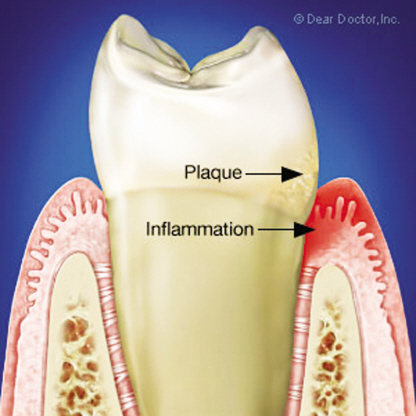
    Wisdom Teeth - Generations Magazine - April-May 2013Periodontal or gum disease is an infection that affects the gums and bone. It starts with plaque, the sticky, colorless layer of bacteria that forms on your teeth. If not removed thoroughly each day, it hardens into tartar or calculus, which irritates the gums. Toxins from the bacteria also irritate gums, and may cause the gums to separate from the teeth. Gingivitis is an early stage of periodontal disease. If untreated, the bone level around the affected teeth may recede, resulting in loose teeth.

    The goal of keeping your teeth for a lifetime ensures you are able to eat a variety of healthy foods, maintain good nutrition and enjoy the foods you love! Gum maintenance is the key.

    The American Dental Association states gum disease is a major cause of adult tooth loss and affects about 75% of Americans. Gum disease is a “silent disease.” When you first feel pain it may be already too late to save your teeth. The warning signs include red, swollen, tender or bleeding gums, or persistent bad breath. Depending on the severity, treatment may include special rinses, extensive cleanings and surgery.

    To prevent gum disease, routine dental exams and cleanings are highly recommended to keep your teeth and gums safe. Visit www.ada.org for proper techniques on brushing and flossing and more information.

    Healthy gums and a strong bone foundation contributes positively to oral and overall health.


    Wynn H. Okuda, DMD, Inc.

    Cosmetic, Implant and Restorative Dentistry
    3660 Waialae Ave., Suite 315, Honolulu, Hawai‘i 96816

    808-734-1099 | www.cosmeticdentistryhawaii.com

    Periodontal or gum disease is an infection that affects the gums and bone. It starts with plaque, the sticky, colorless layer of bacteria that forms on your teeth. If not removed thoroughly each day, it hardens into tartar or calculus, which irritates the gums. Toxins from the bacteria also irritate gums, and may cause the…

  • Caring for Aging Parents: Don’t Wing It

    As the parents of boomers age, more family members are managing eldercare responsibilities. Healthcare and finances aren’t easy topics for many families to broach. In fact, research from the Money Across Generations IISM study shows that 36 percent of boomers’ parents feel that talking about healthcare with family will likely or very likely create tension or spark an argument.1

    This is where a long-term financial plan comes into play. Your plan should support your financial goals and help to care for your parents needs, especially when there are unexpected expenses and emotions involved.

    To get started:

    • Talk about finances now. While it may be uncomfortable to discuss finances, it’s essential that you’re familiar with your parents finances. This includes medical, disability and long-term care insurance policies. Use this information—along with your own funds—to choose healthcare options.
    • Create a contact list. Ask your parents to compile a list of account numbers, computer login names and passwords, plus the names, addresses and phone numbers of the professionals they work with. Also, ask about the location of important financial and legal documents and lockbox keys.
    • Identify current healthcare costs and needs. Learn about your parents medical and pharmaceutical expenses and identify any cost savings. For example, change from a name brand to a generic prescription or, instead of filling prescriptions at your pharmacy, order a long-term supply from a mail-order provider.
    • Build a support network. Talk with family members, neighbors and industry professionals to see who can help you care for your parents and in what capacity and at what cost.
    • Anticipate future lifestyle changes. Even if they aren’t yet needed, explore the costs of in-home, senior apartment, assisted living and memory care housing and services, as well as the costs of having a parent live with you. Consider the pros and cons of each option.
    • Become familiar with assistance programs. Your parents may qualify for government programs, supplements or services. For information, visit www.Govbenefits.gov. Also, contact your local Area Agency on Aging for information about elder programs and services.
    • Keep your retirement goals in mind. Continue to manage your budget and save for your future. Be mindful that exiting and re-entering the workforce even temporarily may affect your earning power and employer-sponsored retirement plan.
    • Know your rights at work. The Federal Family and Medical Leave Act of 1993 (FMLA) allows covered employees up to 12 weeks of unpaid leave to provide care for a family member with a serious health condition.2 If you’re caring for a parent, inform your Human Resources department about your situation to take advantage of this legal protection, if relevant, and create a workable plan within your company’s policies.

    Thinking about caring for an ill or aging parent isn’t easy to do, but creating a plan now can help immensely down the road. Consider working with a financial advisor who can help you plan for unexpected expenses and prepare for the costs of healthcare during your own retirement.


    Michael W. K. Yee at (808) 952-1222 ext. 1240

    Michael W K Yee, CFP®, CFS®, CRPC®, is a Financial Advisor and CERTIFIED FINANCIAL PLANNER practitioner™ with Ameriprise Financial Services, Inc. in Honolulu, HI. He specializes in fee-based financial planning and asset management strategies and has been in practice for 25 years. To contact him, michael.w.yee@ampf.com, 808.952.1222 ext 1240, 1585 Kapiolani Blvd., Suite 1100 Honolulu, Hawai‘i 96814.
    Advisor is licensed/registered to do business with U.S. residents only in the states of Honolulu, Hawai‘i.
    1 The Money Across Generations IISM study was commissioned by Ameriprise Financial, Inc. and conducted by telephone by GfK in December 2011 among 1,006 affluent baby boomers (those with $100,000 or more in investable assets); 300 parents of baby boomers; and 300 children of baby boomers at least 18 years old. The margin of error is +/- three percentage points for the affluent boomers segment and +/- six percentage points for the parents and children of boomers segments.
    2 United States Department of Labor, Wage and Hour Division, Family and Medical Leave Act http://www.dol.gov/whd/fmla/
    Ameriprise Financial and its representatives do not provide tax or legal advice. Consult with your tax advisor or attorney regarding specific tax issues.
    Brokerage, investment and financial advisory services are made available through Ameriprise Financial Services, Inc. Member FINRA and SIPC.
    ©2012 Ameriprise Financial, Inc. All rights reserved.

    As the parents of boomers age, more family members are managing eldercare responsibilities. Healthcare and finances aren’t easy topics for many families to broach. In fact, research from the Money Across Generations IISM study shows that 36 percent of boomers’ parents feel that talking about healthcare with family will likely or very likely create tension…

  • Shrimp Coleslaw with Southeast Asian Twist

    Shimp Coleslaw - Generations Magazine - April-May 2013Ingredients

    1 head cabbage, shredded
    1 head Chinese/Napa cabbage, shredded
    2 carrots, grated
    1 red onion, peeled, halved and sliced thin
    1 cup fresh mint, roughly chopped
    1 cup fresh cilantro, roughly chopped
    1 cup roasted peanuts, chopped
    1 lb. salad shrimp

    Dressing

    1-1/2 cups unsweetened coconut milk
    1/2 cup mayonnaise
    Juice of 1 lime, or 3 tablespoons
    3 tablespoons Asian fish sauce
    3 tablespoons rice vinegar
    1 cup green onion, sliced thin
    salt and fresh ground black pepper

    Prepare dressing by combining all dressing ingredients in a mixing bowl and whisking. Refrigerate for about an hour to thicken and let the flavors develop.

    In a large bowl, toss all of the ingredients, except shrimp and nuts. Top the salad with shrimp. Add dressing, but a little at a time in order to not saturate your salad greens (depending on the size of your cabbages, the size of the salad will vary). Season with salt and fresh ground pepper then sprinkle the chopped peanuts on top.

    Serves: 10-12

    Time: 35 minutes active, about 1 hour total to allow for preparation of dressing.


    Chef Michi founded ‘Cooking Fresh For You’. Her recipes center on healthy and flavor-packed dishes. Visit www.cookingfreshforyou.com or contact via cookingfreshforyou@gmail.com, 808-286-6484. Also, visit her Cooking FRESH locations: 909 Kapahulu Ave. | Queens POB I – 1329 Lusitana St. |
    Queens POB II – 550 S. Beretania St. | Lunch Truck – UH Manoa on East West Rd. by Kennedy Theatre.

    Ingredients 1 head cabbage, shredded 1 head Chinese/Napa cabbage, shredded 2 carrots, grated 1 red onion, peeled, halved and sliced thin 1 cup fresh mint, roughly chopped 1 cup fresh cilantro, roughly chopped 1 cup roasted peanuts, chopped 1 lb. salad shrimp Dressing 1-1/2 cups unsweetened coconut milk 1/2 cup mayonnaise Juice of 1 lime,…

  • Pain Should Not Be a Part of Getting Old

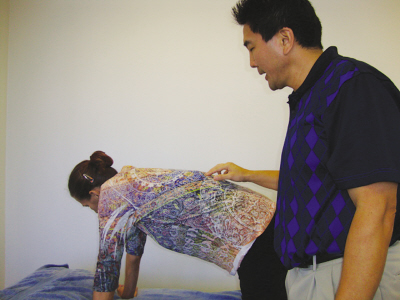
    Dean Kashiwabara Physical Therapy - Generations Magazine - April-May 2013No one likes to endure aches and pains during work or play, or, for that matter, completing routine day-to-day activities such as housecleaning and yard work. Even standing, walking and sitting for short periods of time can be agonizing for those with ongoing, chronic pain. Physical therapy can help people return to their “pre-pain” condition and resume their life in comfort. A physical therapist can help people transition from chronic pain to a well-deserved quality of life in movement.


    SYMPTOMS & DIAGNOSIS

    It all starts with an evaluation, summarizing physical deficiencies in or near the area of pain. For example, a typical patient with low back pain may demonstrate restricted range of motion (ROM) and/or pain with forward-bending, weakness (tingling and numbness) in the area of pain or in remote areas; poor posture and/or significant muscle spasms in the lower back area.

    Diagnosis can include:

    • limitation in joint range of motion (ROM)
    • muscle inflexibility
    • loss of strength or motor control
    • abnormal postures
    • inefficient movement patterns
    • soft tissue changes (swelling & muscle spasms)
    • All of the above issues directly or indirectly contribute to the cause of symptoms — most notably pain. As these impairments diminish, so will the symptoms.

    TREATMENT

    Treatment may include strengthening exercises, massage and education on proper mechanics with forward bending and sitting. Patients should also be shown the correct form to take with body movements or static positions that may contribute to the symptoms.

    COMMON PROBLEM AREAS

    Injuries may not necessarily be caused by a single traumatic event, such as a fall or a strain, but can be caused by repetitive overuse. Overuse causes gradual and cumulative wear and tear of tissues. Furthermore, improper movement patterns or postures can perpetuate this type of injury.

    For musculoskeletal disorders, typical sites of treatment include the spine (neck, upper, lower back); hip and pelvis; lower extremities (knees, ankles, feet); and upper extremities (shoulders, elbows, wrists, hands). However, physical therapy supplements a variety of medical specialties such as neurology, cardiopulmonary, geriatrics, pediatrics and sports medicine.

    Some may say that “getting old is not for sissies!” It doesn’t have to be that way. No one should have to live with pain. Don’t ever believe that pain is just a part of getting older. Research has shown that physical therapy can produce positive, meaningful change — regardless of age.

    Ask your advising physician for a referral to physical therapy, as most health insurance plans reimburse for these services. It’s not uncommon to treat chronic pains for several months or up to years. Procrastination can actually prolong recovery and delay the potential to a “pre-pain” lifestyle. Recovery is possible with a combination of education and stylized exercise.

    Don’t worry… exercise doesn’t have to be agonizing and grueling. It’s less arduous or complicated than you may think, with a satisfying pain-free reward!

    No one likes to endure aches and pains during work or play, or, for that matter, completing routine day-to-day activities such as housecleaning and yard work. Even standing, walking and sitting for short periods of time can be agonizing for those with ongoing, chronic pain. Physical therapy can help people return to their “pre-pain” condition…

  • How to Re-Enroll in Medicare

    As it may happen to some seniors, retirees or other individuals with Medicare, the decision to get off of any health insurance plan is a personal risk. And then deciding to get back on becomes another decision/challenge. Here, a personal friend contacted me asking what it would take to do such a thing. How to re-enroll in Medicare Part B after dropping it because he was living outside the U.S. and the territories and has now returned back to Hawai‘i to live.

    Answer:

    Medicare (federal health insurance): Part B covers doctors visits, labs & x-rays etc. (the things people use the most). If individuals dropped their Medicare Part B (currently in 2013 the monthly premium is $104.90 and it comes directly out of the Social Security check) and they wanted to re-enroll, they would have to enroll during the General Enrollment Period from January 1– March 31 and coverage begins July 1st. They could face a penalty for the time that they were eligible and not covered. It is a 10% penalty for every 12 months that they were not covered and did not have an active Employer Group Health Plan.

    Medicaid (state assistance): Assists those with limited income and assets. Individuals can apply for Medicaid at any time. For full state assistance/Medicaid, income has to be under 100% of the federal poverty level (a couple that is $17,850 per year combined income) and combined assets can not be more than $3,000. Theres a program that pays just for the Part B premiums —  that is $24,097 combined annual income (about $2,008 per month) with combined assets no more than $10,620.

    Both programs will give help in paying for prescription drug coverage. BUT the important thing is if they qualify for either of the programs, then they can get Medicare Part B coverage through a special enrollment and the penalty may be waived.

    The State has 45 days (by federal law) to review the application. The best way we at Sage PLUS have found is to fax the application to the MedQUEST office, as you have a receipt that they received it (proof for an appeal if the application is lost). Or, you can take it directly to the MedQUEST office with a copy and have the person who takes the application sign, date and time stamp your copy.

    There is no on-line application, but the form is on the DHS website and can be filled out and printed . Otherwise, you can contact us and we can mail an application or assist individuals in completing the form and fax it to MedQUEST.

    Do you have a Medicare question that you would like answered in this column?

    Please send questions to help@hawaii-ship.org or call and leave your name and phone number on the SHIP/Sage PLUS Program hotline, leave the message “question for Generations Magazine column” and we will call you for more information.

    Would you like to learn more about Medicare?

    Did you know that April is National Volunteer Month and May is National Older Americans month? Become a volunteer for the Hawai‘i SHIP and become a Super Hero in your community by helping seniors and disabled individuals navigate Medicare. For volunteer information, please visit email at help@hawaiiship.org, www.hawaiiship.org or call 1-88-875-9229.

    Sage PLUS - Generations Magazine - June-July 2013

    As it may happen to some seniors, retirees or other individuals with Medicare, the decision to get off of any health insurance plan is a personal risk. And then deciding to get back on becomes another decision/challenge. Here, a personal friend contacted me asking what it would take to do such a thing. How to…

  • April – May 2013

    April – May 2013

    WANT THIS ISSUE?

    Download your own personal copy of this issue in PDF format. Click the button below:

    DOWNLOAD IT NOW

    YMCA: Fun for Life at the Y with Michael Broderick