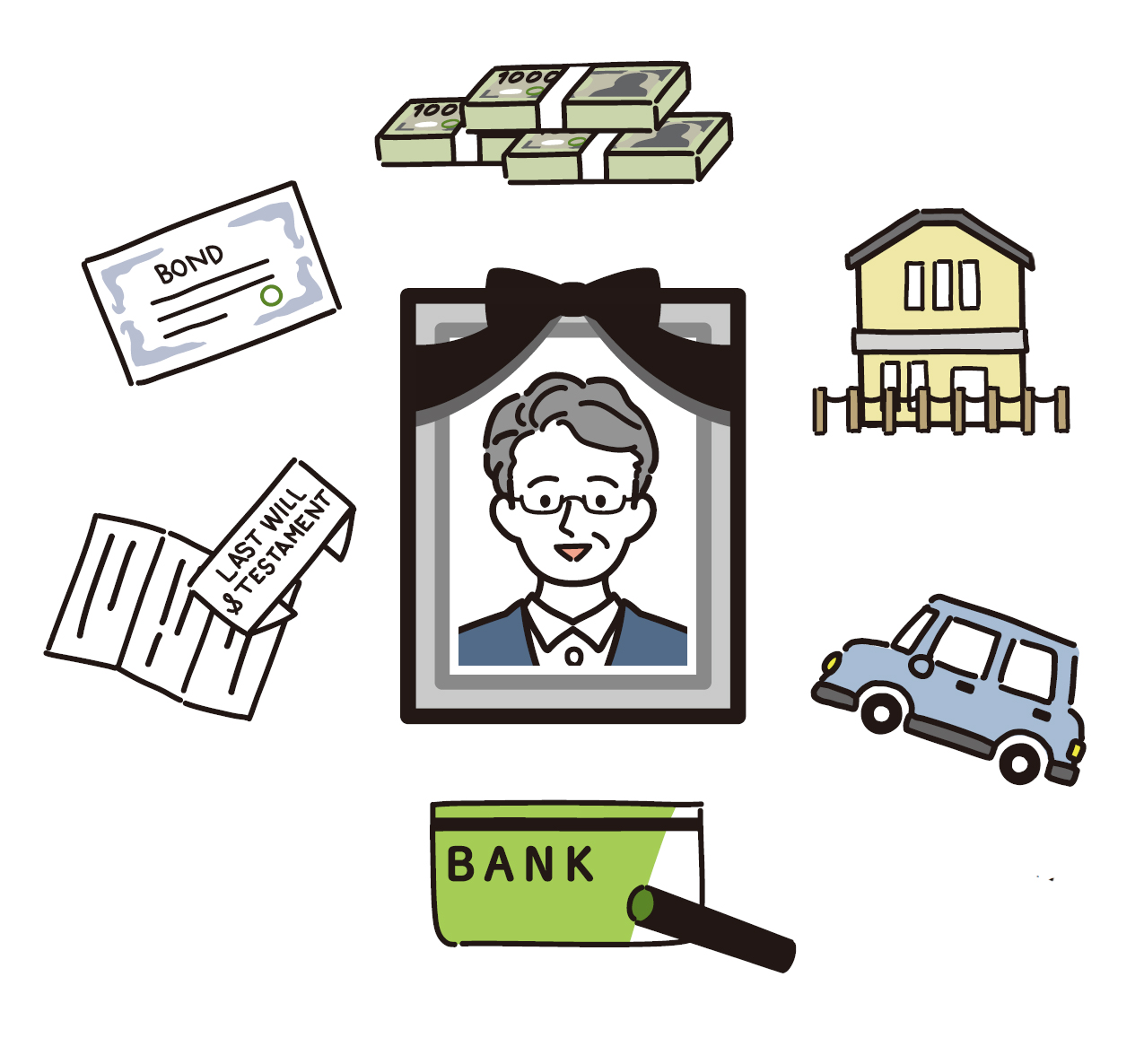
Category: Wisdoms

  • Grief & Bereavement — Part VI

    Businessman and lawyer discuss the contract document. Treaty of the law. Sign a contract business.While the attorney is an expert in the estate planning process, the client is the expert about their own life, grief and choices. The attorney, as counselor, helps clients find solutions and make choices as they compassionately facilitate the estate planning process.

    Holistic planning involves more than probate avoidance and tax minimization. It is person-centered, value-driven and process-oriented. The law historically prioritizes a different approach, viewing planning as document-centered, worth-driven and procedurally oriented. This approach is visible in the emphasis Congress, legislatures and estate planning attorneys place on the crafting of laws and drafting of documents.

    The binary nature of estate planning documents simply does not help clients. We must allow space for each client to express emotions and intentions if we are to craft a successful and complete plan.

    Statistical studies demonstrate the dismal success rate of estate planning and end-of-life planning. In Roy O. Williams and Amy A. Castoro’s Bridging Generations, they analyzed the success rate of more than 3,250 estate plans over a 52-year period and found a success rate of about 30%. The authors define success as “future generations retaining the family’s financial assets while remaining a unified family.”

    When dissecting the failure rate further, the study finds that 3% of the failures occurred due to bad drafting or tax planning. The remaining 97% of failures occurred because intentions were not honored, monetary legacies were misspent, lost or stolen and family relationships fractured.

    Professor Thomas Shaffer, in his article titled “Estate Planning Games” — a play on the book written by E. Berne, Games People Play — encourages attorneys to meet clients with curiosity.

    Attorneys are advised to consider the client’s needs rather than starting with the needs of the attorney. In other words, Shaffer affirms that we must start with the question: Why? Why are you here? Why is what you said important to you? Then, the process can organically grow from there.


    STEPHEN B. YIM, ATTORNEY AT LAW
    2054 S. Beretania St., Honolulu, HI 96826
    808-524-0251 | stephenyimestateplanning.com

    While the attorney is an expert in the estate planning process, the client is the expert about their own life, grief and choices. The attorney, as counselor, helps clients find solutions and make choices as they compassionately facilitate the estate planning process. Holistic planning involves more than probate avoidance and tax minimization. It is person-centered,…

  • Financial Freedom in Your Golden Years

    Aging is a process that’s changing. We’re now living longer and more active lives. And as we approach our later years, many of us have strong feelings about where and how we want to spend this period of our lives.

    While residential care homes can be wonderful places, most people want to remain in their homes and “age in place” for as long as possible. This can, however, present some unique challenges. As we age, our physical and mental health can decline, sometimes quite quickly. That’s why it’s vital to create the right support system for ourselves or loved ones.

    From housekeeping to managing medication and meal preparation, there are many common areas where people need assistance. Fortunately, there are companies that specialize in home care services. They can help resolve these issues. These services do come with a price tag, though, so it’s important to consider your family budget.

    Financial management is another important consideration that’s often overlooked. As we age, our financial capacity decreases — and according to the Journal of the American Geriatrics Society (April 2017), women may be impacted more than men.

    That’s why it’s important to consider financial management early. This includes:
    • Paying bills
    • Depositing checks and balancing bank statements
    • Providing budgeting and longterm planning
    • Managing health insurance and medical claims
    • Evaluating government and pension benefits
    • Facilitating communication with legal, financial
    and tax professionals

    Finding a financial manager can be challenging, but there are options available. You can ask a trusted family member or friend to help, or consult with your tax preparer to see if they offer this service. Corporate trust companies and private fiduciaries also offer financial management services.

    Working with a financial manager is a partnership that requires careful consideration and structuring. But with the right approach, this relationship can help ensure  controlled and wise management of your finances as you age — and help you focus on enjoying life to the fullest.


    HAWAII FIDUCIARY SERVICES LLC
    3615 Harding Ave., Ste. 309, Honolulu, HI 96816
    808-777-4200 | kholt@hifiduciaryservices.com
    HawaiiFiduciaryServices.com

    Aging is a process that’s changing. We’re now living longer and more active lives. And as we approach our later years, many of us have strong feelings about where and how we want to spend this period of our lives.

  • Don’t Do It Yourself: DIY Estate Plans

    You can devise your estate plan without lawyers or accountants. All you need is a credit card, a computer, a printer and access to the internet. Armed with those four things, you can create one or more documents that may — or may not — accomplish what you expect.

    But you will probably never know. The ultimate success or failure of an estate plan is rarely revealed during the lifetime of the one who created the plan.

    You have seen or heard ads touting websites that claim to save you oodles of money by sidestepping your lawyer and designing your estate plan for you. But ask yourself this: why would you trust a website to come up with your estate plan? Your last name may not be Musk or Bezos, and you may not have as much stuff as Elon or Jeff, but everything you own is everything you own. You probably care a great deal about where it goes after you are gone. It most likely also makes a difference to you who will make decisions for you if there is ever a time when you cannot make them for yourself.

    You may respond, “You’re a lawyer who makes a living putting together estate plans for clients. Of course, you do not like those legal websites. They cut into your bottom line.” Well, not really. It would be more profitable for the legal profession if you go ahead and do your estate plan online. There is far more money to be made in dealing with screwy estate plans after they go wrong compared to administering them when they’ve been set up correctly.

    However, most estate planning lawyers would rather earn a living by helping people create estate plans that work. This is more gratifying than assisting families in crisis trying to make the best of estate plans that missed the mark.

    In the real world, computer-driven estate plans rarely work as intended. An effective estate plan involves more than a set of documents — even very well-drawn documents that would stand up in any court in the land, as they say. But why would you want your estate plan to have to stand up in court? Wouldn’t it be better to have an estate plan that will help your family stay out of court?

    Bottom line: There is a lot of great information on the internet. There is also a lot of misinformation. Do you have the discernment necessary to sort through it and put your estate plan in order? If not, there is something to be said for working with live professionals instead of an impersonal website that cares more about your credit card authorization than what happens to you, your family and your stuff when you become incapacitated or die.


    SCOTT MAKUAKANE, Counselor at Law
    Focusing exclusively on estate planning and trust law.
    808-587-8227 | maku@est8planning.com
    est8planning.com

    You can devise your estate plan without lawyers or accountants. All you need is a credit card, a computer, a printer and access to the internet. Armed with those four things, you can create one or more documents that may — or may not — accomplish what you expect.

  • Grief & Bereavement — Part V

    Clients who start the estate planning process do so with the knowledge that they will die one day. This death awareness comes with some degree of death anxiety, as  well as anticipatory grief.

    Clients may also have preconceived notions about lawyers; they may be concerned about cost. They may be unsure of what estate planning is and how to go about it. They are entering a legal environment that is unfamiliar to them. All of these factors create stress, anxiety and fear.

    But in order for clients to be able to consider important matters — quality of life questions, exploring family relationships and establishing the plan to coordinate their assets with this understanding — clients must be as relaxed and calm as possible. Estate planning attorneys must not only create a physical environment conducive to this process, but we must also maintain a level of calm and comfort, so that the client can continue to give concentrated thought and effort to this task at hand. We must do our best in our interviewing, counseling and facilitating so as not to inadvertently and unnecessarily arouse defensiveness in a client.

    As attorneys, we serve as counselors for our grieving clients to guide each of them through grief as they adapt to the loss and facilitate reentering into life in a meaningful way. But we are not therapists who need to delve into deep-seated issues, neuroses, psychosis, dysfunctions or pathologies in order to fix someone or something. As counselors, we want to address our clients’ daily concerns and issues. In Drs. Darcy Harris and Howard Winokuer’s “Principles and Practice of Grief Counseling,” they suggest that as counselors, we want to do the following:

    • Help clients gain insight and perspective on their situation, behavior, emotions and relationships.
    • Provide a safe place for clients to express feelings and clarify their thoughts.
    • Offer a context for clients’ experiences within a broader perspective (e.g., within a family context, social and political structures, existential viewpoint).
    • Enhance the development of clients’ skills in dealing with painful and distressing situations.
    • Empower clients to become their own best advocates.
    • Facilitate clients’ process of finding and making meaning in their experiences.


    STEPHEN B. YIM, ATTORNEY AT LAW
    2054 S. Beretania St., Honolulu, HI 96826
    808-524-0251 | stephenyimestateplanning.com

    Clients who start the estate planning process do so with the knowledge that they will die one day. This death awareness comes with some degree of death anxiety, as  well as anticipatory grief.

  • Hiring Strangers as Caregivers

    When Hiroko hired a healthcare agency to assist her in caring for her husband, she trusted that the company would provide her with caregivers who were responsible and professional. Unfortunately, this agency sent a “caregiver” who helped herself to Hiroko’s jewelry. This is only one of many cases of caregiver abuse handled by the Office of the Prosecuting Attorney, but it highlights the need for people to become aware of the risks involved when hiring a stranger as a caregiver.

    These are the two agencies that can be contacted to see if any complaints have been made against a licensed care provider service are:

    1) The Better Business Bureau: 808-536-6956
    2) The Consumer Resource Center: 808-587-3222

    Also, seek recommendations from friends who have already gone through the process of finding somebody.

    Things to consider when hiring:

    • Ask the healthcare agency about their workers’ training and experience

    • What kind of coverage does their insurance provide in case there are accidents in the home?

    • What kind of experience do they have in providing the specific care you need for your loved one?

    • What background checks have been done? And what are their rules about the caregivers accepting gifts from their patients?

    Our office has received many complaints over the years about caregivers receiving thousands of dollars in “gifts” and “loans” from their patients. Is there a policy regarding this?

    The above questions may seem too probing to ask, but you must remember, a stranger is going to be entering your home. It is a lot better to know than assume they are the caregivers you envisioned them to be.

    Even when hiring a caregiver outside an agency, it is wise to ask the above questions, as well. Keep in mind that any caregiver is an employee — they are not a family friend or a relative. Problems can arise when employees think of themselves as your pal. They may be more likely to take advantage of you or the family member in need of care.


    If you suspect elder abuse, call these numbers:
    Police: 911 | Adult Protective Services: 808-832-5115
    Elder Abuse Unit: 808-768-7536
    For questions, email ElderAbuse@honolulu.gov

    When Hiroko hired a healthcare agency to assist her in caring for her husband, she trusted that the company would provide her with caregivers who were responsible and professional. Unfortunately, this agency sent a “caregiver” who helped herself to Hiroko’s jewelry. This is only one of many cases of caregiver abuse handled by the Office…

  • Starting Your Estate Planning Journey

    The first steps in your estate planning journey are learning 1) how to stay in control of your stuff while you are able to be in control and 2) how to make sure your wishes are carried out when incapacity or the grim reaper catch up with you. Sorry to rub it in, but there is a 100% probability that at least one of these things is going to happen to you and a 70% probability that both of them will.

    Your estate plan should reflect your choices about such things as the kind of healthcare you will receive throughout your life, as well as who will enjoy your stuff when you are done with it. The only way to make effective choices about these things is to learn what your choices are.

    Choices, Changes & Flexibility

    This is a lifelong challenge, because your choices will change as your circumstances change. Your health is going to change — so will your assets, your comfort with your list of designated decision-makers and the laws that affect your estate plan. As things change, you will need to stay on top of the choices you can make in order to be confident that your wishes will be followed at every phase of your life — and beyond.

    The Sooner the Better

    Let’s say you are thinking about going on an adventure. Where do you want to go? How do you want to get there? Are there any better destinations you might want to consider? Is there a better means of getting you there than the one you originally chose?

    The only way to know the answers to these questions is to do some research, talk with people who have taken similar trips and better yet, talk with folks who have helped lots of people take all kinds of journeys. It’s kind of like asking for directions.

    While I have never regretted asking for directions, I have regretted waiting too long to do so. The sooner you learn about your estate planning options, the sooner you can implement ways to head off problems that are headed your way, even though you don’t know exactly what they are or when they will arrive.


    SCOTT MAKUAKANE, Counselor at Law
    Focusing exclusively on estate planning and trust law.
    808-587-8227 | maku@est8planning.com
    est8planning.com

    The first steps in your estate planning journey are learning 1) how to stay in control of your stuff while you are able to be in control and 2) how to make sure your wishes are carried out when incapacity or the grim reaper catch up with you. Sorry to rub it in, but there…

  • Out-of-Pocket Healthcare Costs

    The number of infants born in the US jumped significantly after World War II and continued to increase through the mid-1960s. Social scientists believe it was the result of the thousands of WWII veterans returning home to a booming economy and GI Bill benefits that provided access to home ownership, encouraging them to marry and start families. These infants born between 1946 and 1964 are known as baby boomers.

    The oldest boomers are well past age 65 and those born at the end of the range will be there soon. According to the most recent US census, the Medicare population is expected to double, along with the number of people drawing Social Security benefits and qualifying for Medicare insurance. Healthcare costs may also increase for approximately 63 million existing Medicare beneficiaries and those “aging in,” as they experience the aging process and health issues that are likely to develop.

    Little has been written about how unprepared boomers are as they find themselves living longer and working past age 65. Unlike the prior generation, boomers must sometimes navigate the post-65 Medicare enrollment process and deal with episodes of illness that can strike unexpectedly. Many boomers are also unprepared for the cost of healthcare premiums and out-of-pocket costs for certain procedures, prescription drugs and non-covered medical expenses.

    In 2023, the standard Medicare Part B premium is $164.90 per month. Unless another entity pays the premium, Medicare beneficiaries must pay as long as they have Medicare Part B. Some Medicare beneficiaries pick up a Medicare Advantage, prescription drug or Medigap plan (Medicare Supplemental Insurance) at an additional ongoing cost. According to Fidelity Investments, the average 65-year-old couple retiring today can expect to pay $275,000 in out-of-pocket health expenses in their lifetimes. At a minimum, boomers need to ask their financial advisors how they will cover these costs in retirement and plan ahead. Boomers need to acknowledge that with longevity comes the need to set aside funds to cover out-of-pocket healthcare costs to stay on track for a healthy and happy retirement.


    GET2INSURANCE.COM FAMILY OFFICE
    1003 Bishop St., Ste. 2700, Honolulu, HI 96813
    800-226-3660 | martha@get2insurance.com
    Get2insurance.com

    The number of infants born in the US jumped significantly after World War II and continued to increase through the mid-1960s. Social scientists believe it was the result of the thousands of WWII veterans returning home to a booming economy and GI Bill benefits that provided access to home ownership, encouraging them to marry and…

  • Tips for Transitioning Into Retirement

    Retirement marks the end of a chapter in your career and the start of a new lifestyle. This unique transition can bring a myriad of emotions, most commonly, excitement and apprehension. If you’re pondering retiring in the next year or so, here are five tips to help you transition smoothly.

    1) Know the transition could take weeks — or even months. You likely spent decades forming a routine around your work schedule. Establishing your new normal of volunteer work, an encore career or helping family will take time. If you are married, remember that your retired status may affect your spouse’s routine, too. Talk openly about how you’re feeling during the transition to keep your spouse in the loop.

    2) Communicate your retirement plans with family members. Your parents, kids or other family members will likely be interested in how you intend to spend your retirement days. Will you be visiting the grandkids more often? Will you continue to host family get-togethers? Are you planning to move or purchase a retirement home? As you share your plans, don’t forget to discuss your financial picture. The benefits of open communication are three-fold:

    • It reassures your kids that you’re financially prepared;

    • allows you to introduce or remind your family of your estate and legacy plans;

    • and establishes a safe space for both sides to discuss potentially challenging financial topics.

    3) Maintain healthy habits. Staying diligent with the activities that help you feel your best is important as you shift into retirement. Prioritize eating healthy, sleeping well, staying fit and maintaining friendships in your new routine.

    4) Evaluate your finances. Prior to retirement, you likely outlined how you will manage your cash flow. (If not, today is the day to put a plan in place!) As you enter  retirement, review your expenses to ensure they’re aligned with your plan. It’s common to revise your spending and activities after experiencing the first few weeks away from your primary job, so it’s okay if you need to adjust how much you withdraw from your accounts each month. If you want to increase your spending, calculate what that means for your later retirement years, as you don’t want your savings to come up short. Consult a financial advisor for guidance on how to make your money last while living the lifestyle you desire.

    5) Reset your attitude. Retirement is not the ultimate finish line. Experiencing a lot of emotions is common, but try to focus on what you’re excited about in this next chapter. And remember, you’re not alone. Talk to friends, family and professionals in your life for support along the way.


    MICHAEL W. K. YEE, CFP,® CFS,® CLTC, CRPC®
    1585 Kapiolani Blvd., Ste. 1100, Honolulu, HI 96814
    808-952-1240 | michael.w.yee@ampf.com
    ameripriseadvisors.com/michael.w.yee
    Michael W. K. Yee, CFP®, CFS®, CLTC, CRPC ®, is a Private Wealth Advisor, Certified Financial Planner ™ practitioner, with Ameriprise Financial Services, LLC. in Honolulu, HI. He specializes in fee-based financial planning and asset management strategies and has been in practice for 38 years. Investment advisory products and services are made available through Ameriprise Financial Services, LLC, a registered investment adviser. Investment products are not insured by the FDIC, NCUA or any federal agency, are not deposits or obligations of, or guaranteed by any financial institution, and involve investment risks including possible loss of principal and fluctuation in value. Ameriprise Financial Services, LLC. Member FINRA and SIPC.© 2023 Ameriprise Financial, Inc. All rights reserved.

    Retirement marks the end of a chapter in your career and the start of a new lifestyle. This unique transition can bring a myriad of emotions, most commonly, excitement and apprehension. If you’re pondering retiring in the next year or so, here are five tips to help you transition smoothly.

  • Grief & Bereavement — Part IV

    Portrait of depressed senior man crying during therapy session with female psychiatrist trying to console himAll grief starts as anticipatory grief. Dr. Daniel Miller defines the term “anticipatory grief” as the “process of grieving that starts prior to a loved one passing away.”

    Certainly, acute anticipatory grief comes into one’s consciousness upon the diagnosis of a terminal illness of oneself or of a loved one. A more chronic and less intense grief starts much earlier in life, when we realize at a young age that we and our loved ones will eventually die. This realization leads to a flood of  overwhelming emotions that leave us breathless for a moment — anticipatory grief. But this anticipatory grief allows the family to prepare for the inevitable loss of a loved one.

    Grief starts much earlier than a diagnosis of a terminal illness and inches, sometimes barely noticeably, throughout each person’s lifetime. And, of course, each person experiences grief differently.

    Our understanding and skill in the estate planning process intersects with the client’s fear of death and anticipatory grief. In no other area of the law is it more essential that estate planning attorneys understand their role as counselors. In order to assist the client in making meaningful and well thought-out decisions with respect to their estate plan, attorneys must continually refine their counseling skills.


    STEPHEN B. YIM, ATTORNEY AT LAW
    2054 S. Beretania St., Honolulu, HI 96826
    808-524-0251 | www.stephenyimestateplanning.com

    All grief starts as anticipatory grief. Dr. Daniel Miller defines the term “anticipatory grief” as the “process of grieving that starts prior to a loved one passing away.”

  • Beware of Romance Scams

    Data from the Federal Trade Commission show that more consumers than ever report falling prey to romance scamming, also called “catphishing.” The total reported lost over the past five years has now reached $1.3 billion.

    How Do They Do It?

    Scammers create fake profiles on dating sites, apps and social media platforms in order to offer relationships and companionship to unsuspecting seniors. They may mention a common friend and/or the same interests or hobbies as you. They say they are lonely and seek companionship. Conversations will be brief and frequent.

    Once they feel they have good rapport with you, they will mention financial hardships or they will say they want to travel from afar to meet you, but don’t have the means to do so. They may even say they had been recently scammed online. They will not ask for assistance directly, but will wait for you to offer it.

    They will be reluctant at first, but will finally accept your assistance. They will instruct their target to wire money to a bank account, or via Western Union or an online payment service like PayPal. They may also ask for a cashier’s check. One very big red flag is if they ask for gift cards or prepaid credit cards.

    The amount they ask for is usually small at first, but soon they will make up some excuse for needing more funds. They will resist meeting in person or even video chatting. They may agree to a phone call, but it will be very brief and rare.

    They will continue their scam until the money runs out or until their mark says they are going to inform a family member or friend about the relationship. But by then it may be too late.

    Red Flags

    • Their profile seems too good to be true.
    • They contact you frequently and progress the relationship quickly.
    • They make professions of love far too early.
    • They live very far away.
    • They can’t visit, call, video call or send many pictures.
    • They ask for money.
    • They require specific payment methods.

    Prevention Tips
    • Remember that not everything you see online is true.
    • Talk about your online relationship with a family member or trusted friend.
    • Never give out personal or financial information to someone you have never met in person (email and home addresses, telephone numbers, account numbers and information).
    • Ask them to set up a video call, but be very wary of the link they send you. It might redirect you to a site where malware and/or spyware will infect your devices.
    • Never send money to someone you haven’t met in person.

    If you feel you are a victim of a romance scam, contact your local law enforcement agency immediately. Provide them with all the information you have about the scammer, including financial records showing your payments to him or her.

    Do not feel ashamed! Anyone can be affected by a romance scam, but sadly, scammers often target the elderly, who may be lonely or struggling to find emotional connection.


    Contact me with questions about online security.
    Christopher Duque | aikea808@gmail.com

    Data from the Federal Trade Commission show that more consumers than ever report falling prey to romance scamming, also called “catphishing.” The total reported lost over the past five years has now reached $1.3 billion. How Do They Do It?

  • Leaving a Legacy of Aloha

    Estate planning involves protecting what is important and then passing it on to our loved ones and future generations. Many concepts central to Hawaiian culture are applicable to estate planning. Starting with the concept of ‘ohana (an inclusive notion of family), all the way through lokahi (unity — especially appropriate at the passing of a loved one), estate planning and the culture of our islands can interweave to form a rich tapestry of aloha.

    Ha‘aha‘a describes an attitude of humility, which promotes family harmony at stressful times. Stress may arise in dealing with illness and death, and it may arise in dealing with the distribution of assets. It takes humility for family members to form closer bonds at these times.

    Sometimes, dealing with issues surrounding the disposition of a loved one’s remains, much less the disposition of assets, requires family members to talk out differences and come to consensus regarding what is the right, or pono, thing to do, as well as respecting the wishes of the deceased and the living. It is not uncommon for different family members to have different views of what a deceased person’s wishes were in various contexts. This may result in disagreements that can be both heated and destructive.

    Ho‘oponopono is an option at times of family disagreement. It is a delicate process that enables family members to express their views and come to understanding of alternative perspectives. Although ho‘oponopono may be employed after the fact in resolving disputes, it can also be used while the senior family member is still alive to head off disputes and instill unity in the family. A successful ho‘oponopono requires the sensitive leadership of a moderator who is not involved in the dispute and who can make sure that all perspectives are expressed and validated.

    Finally, the concept of mālama, or caring for and perpetuating one’s legacy, infuses and motivates Hawaiian-style estate planning. This extends from caring for one’s family to caring for one’s community through charitable giving.

    Remembering our root values helps us to leave a legacy of aloha.


    SCOTT MAKUAKANE, Counselor at Law
    Focusing exclusively on estate planning and trust law.
    www.est8planning.com
    808-587-8227 | maku@est8planning.com

    Estate planning involves protecting what is important and then passing it on to our loved ones and future generations. Many concepts central to Hawaiian culture are applicable to estate planning. Starting with the concept of ‘ohana, all the way through lokahi, estate planning and the culture of our islands can interweave to form a rich…