
Category: Programs & Services

  • Is Your Medicare Plan Ending This Year?

    Generations Magazine- Is Your Medicare Plan Ending This Year- Image 01Have you reviewed your Medicare Plan this fall? If not, this article is for you. While It is common for a Medicare Advantage organization to add or change benefits each year, sometimes they may need to discontinue a plan altogether. If so, notification must be sent to the plan’s Medicare members by October 2, 2014. Because the plan will no longer be offered, the Medicare members are allowed to join a new Medicare plan anytime between October 15, 2014 and February 28, 2015. However, if you don’t take action before December 31, 2014, you will lose your prescription drug coverage and only have Original Medicare starting January 1, 2015. If you recently received a notice in the mail that your Medicare plan won’t be offered in 2015, be sure to take action now to avoid coverage interruptions or late enrollment penalties.

    In October 2013, the Honolulu Advertiser reported that UnitedHealthcare©, citing rising health-care costs as well as changing Medicare rules and government funding, would eliminate its Hawaii Medicare Complete Choice plan in 2014, impacting about 4,000 of their Medicare members that lived mostly in Hawai‘i, Kaua‘I and Maui counties. It is important to note that UnitedHealthcare© did continue to offer other Medicare plans statewide in 2014. Even so, they still have a robust share of the Medicare market.

    It is very important to carefully read your mail from your Medicare health plan each fall even if your plan will be offered in 2015. Medicare has an Annual Enrollment Period (AEP) every fall, when all enrollees may evaluate their current plan. It’s an opportunity for Medicare beneficiaries to decide if they want to remain in their existing Medicare plan or select a new one. If you are pleased with your current plan you do not need to do anything. If you review a plan and would like to join, you will be able to enroll in the plan from October 15, through December 7th. Your new plan will become effective the 1st day of the following year or January 1st.

    CHOICES ABOUND

    The array of choices from all the competing plans can be a bit overwhelming. So once a Medicare beneficiary has decided, the Medicare organization and the Centers for Medicare & Medicaid Services (CMS) provide many tools designed to ease the enrollment process. When the sign-up period begins October 15 and a Medicare bene-ficiary chooses to select a new plan, they have several options:

    • they may walk-in to the Medicare plan office to enroll in-person
    • schedule an appointment with a licensed Medicare agent
    • contact the plan’s customer service department to enroll by phone or visit the plan’s website and complete an online enrollment application

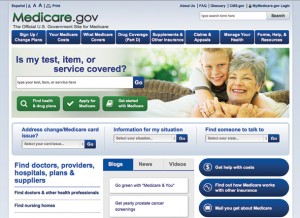
    CMS also accepts enrollments, by telephone at 1-800-MEDICARE (1-800-633-4273) or by visiting www.medicare.gov online. Health plans offering Medicare products have toll-free numbers and websites where Medicare-eligible persons may gather additional information before enrolling.

    In addition, the State of Hawai‘i has its own agency designed to assist seniors in reviewing the many Medicare plan options available: the State Health Insurance Program (SHIP) office, formerly known as Sage PLUS, offers volunteer counselors to help navigate through the various options. To make an appointment or for more information, call toll free, 1-888-875-9229 or 808-586-7299, or contact them by email at help@hawaiiship.org.

    We strongly encourage all Medicare beneficiaries to pay close attention to the steps required to select a new plan. Be sure to act in time to continue coverage that meets your specific health care needs.

    COMMON QUESTIONS

    Here a few recent questions received regarding Medicare Plans that are ending:

    When should a Medicare beneficiary impacted by the terminating plan receive notice?

    Companies offering supplemental plans are required by CMS to notify members by October 2, 2014, if the plan will not be renewed for 2015. If you become aware that your Medicare plan is impacted and you have not received a notice by October 2, 2014, you should call your plan to confirm if your plan is ending and alert them that you have not received any notification. It may also be a good time to make sure the company has your correct current address, phone number and emergency contact.

    Why is my plan ending?

    There can be many reasons and it is best to check with your plan. A company’s decision to cancel one plan is usually a matter of managing the company’s resources to keep their plans financially healthy. Premiums or cost sharing may or may not change. One plan may be discontinued and other plans may be maintained or new plans may be introduced.

    Can my existing plan provider auto-enroll me into their new plan options?

    Plan providers are prohibited from auto-enrolling clients or switching clients to a new plan without the express permission of CMS If your current plan is no longer offered in 2015, the notice from your provider will have instructions for finding alternative coverage options available in Hawai‘i. You may also contact 1-800-MEDICARE to get help enrolling or visit www.Medicare.gov. Keep in mind, you cannot enroll in a 2015 plan until October 15, 2014 but you can start shopping for information about 2015 plans on October 1, 2014.

    Will my premiums and cost sharing with a new plan be higher than my existing plan?

    Your out of pocket costs may be more or less depending on the plan you select and the package of benefits and cost sharing it offers. This is precisely the reason you should take time to review all your options and choose a plan that is affordable for you.

    Is there a deadline for choosing a new plan so my coverage is not interrupted?

    Yes, if your plan is ending December 31, 2014, you may consider your available options and choose a new plan during the seven-and-a-half week Medicare Annual Election Period, which begins October 15, and ends December 7, 2014. If your plan has notified you that it will not be offered, you automatically qualify for a Special Enrollment Period (SEP), which allows you to choose a new plan through February 28, 2015. However, for coverage by your new plan to become effective January I, 2015, you must choose a plan before December 31, 2014.

    Delaying your choice of a new plan pushes back the effective date of your coverage. If you exercise your SEP and choose a plan before January 31, 2015, your plan will not become effective until February 1, 2015. If you don’t choose a plan until February 28, 2015, your coverage will become effective March 1, 2015. The SEP available to you at plan termination expires February 28, 2015, unless other SEPs apply.

    What happens if I do not select a plan before December 31, 2014?

    If you do not enroll in a new plan and no SEP applies, you will be enrolled in Original Medicare (Parts A & B). Any prescription drug coverage under your former plan will end unless you pick up a stand-alone drug plan before December 31, 2014. If you get “Extra Help” to assist with prescription drug co-payments, or have full Medicaid benefits and the State picks up your Medicare prescription drug premium and co-payments, you will be enrolled in Original Medicare and a Medicare Part D stand-alone drug plan.

    I am still confused and not convinced that I can handle this process without more help.

    Lucky you live Hawai‘i! Your Medicare health plan will likely include plan options available in your area as part of the notification process. Health plans that are discontinuing want to help you with this transition. They have prepared documentation according to CMS guidance and regulations; they will also provide other contacts and websites where you can get additional help.

    For more information, call us at 808-543-2073 or email us at getmedicare@aol.com; attend one of our seminars on this topic or invite us for a presentation at your church or senior group.

    TAKE ACTION

    If your medicare plan is ending this year; be sure to review all your options and enroll in a new plan.

    • Carefully read your notice-of-plan-ending
    • Note the date you received the letter
    • Seek the help of a translator if needed
    • Highlight deadlines and keep required copies
    • Schedule an appointment with an Agent
    • Review plan summary of benefits, formulary, provider directory and supplemental benefits
    • If you may be qualified, ask about Medicaid
    • Ask about “Extra Help” aka Low Income Subsidy (LIS), it may cover Part D drug premiums and reduce copays
    • Learn about guaranteed issue Medigap plans
    • Contact your doctor to confirm he accepts plan
    • Confirm your medication’s part of the formulary
    • Confirm affordability of premiums/cost-sharing
    • Complete all steps needed to enroll in new plan
    • Note the name of each person you speak with
    • Keep list of organization names and contacts
    • Accept a “verification of enrollment” call, if requested
    • Look for your new Medicare Identification Card
    • Provide new Medicare Insurance Card to doctors
    • Make your premium payments on time, if any

    DOCUMENTS YOU MAY NEED TO COMPARE
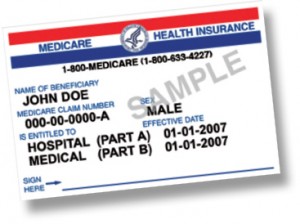
    Generations Magazine- Is Your Medicare Plan Ending This Year- Image 02Prepare yourself with this handy checklist that can help you provide information to a licensed sales agent, Medicare plan staff or a Medicare representative who can assist you in finding a new plan, or compare the options of an existing plan, that will meet your health care needs.

    Find your Red, White & Blue Original Medicare Card that indicates when your Part A and Part B coverage started, call Medicare to request a new one, if needed
    Locate any other active medical or prescription drug member identification cards, including Medicaid, if any
    Provide a list of the name(s) of your primary care doctor and any specialists you have seen in the last 12 months
    Get a list of all current prescription medications with dosage from your doctor’s office
    Share a list of your favorite or most commonly used Medicare plan benefits
    Prepare a list of any concerns

    HOW MEDICARE ADVANTAGE SAVED A LIFETIME OF SAVINGS AND A LIFE

    There is nothing that prepares you for a phone call saying that a loved one has been rushed to the hospital after suffering a massive stroke and heart attack. When it is your Mom and you live thousands of miles away, it is even more unsettling.

    Martha Wilson in her 20s
    Martha Wilson in her 20s

    Jimmie Wilson was totally unprepared when he received that call on January 1, 2013. He rushed to New Jersey to see his Mom, Martha Wilson. His worst expectations loomed in the Intensive Care Unit where amidst a hustle-bustle of nurses and doctors, his mom lay still and unresponsive with tubes everywhere, except around her forehead, which he gently kissed.

    In shock and disbelief, he remembered their last conversation. Just two days earlier, he had wished her a “Happy New Year,” just a moment before the stroke of midnight.

    Jimmie was fighting back his tears when an ICU nurse tapped his shoulder and said that the finance department wanted him to come by and complete some admissions paperwork. The woman in the finance department smiled warmly when Jimmie came in. She seemed a little too happy to tell him that she had verified that Jimmie’s mom had a new health plan, a Horizon Blue Cross Medicare Advantage plan that became effective at 12:01 am on New Year’s Day. She explained that his mom’s previous Original Medicare plan required a deductible, payable when you get admitted to the hospital. His mom would have been charged over $1,200 for this admission or Jimmy would have been asked to sign an agreement for a payment plan. Jimmie was so focused on his mom’s recovery that it hardly sank in. He thanked the lady and returned to ICU.

    Jimmie never returned to work and stayed by his mother’s side daily as she recovered from the stroke that left her paralyzed on her left side, and her speech impaired. At week six in New Jersey, Jimmie was visiting his mom when the doctor stopped by and explained that this patient’s recovery was remarkable. She had been in the hospital for 45 days and now the treatment team was ready to start the evaluation process to release her to skilled nursing. The doctor told Jimmie that his mother’s six weeks of hospitalization might have cost half a million dollars. Out-of-pocket Original Medicare costs would have amounted to tens of thousands of dollars — enough to wipe out a lifetime of savings or all the equity in his mother’s home. Everyone in the hospital was talking about the lucky woman whose Medicare Advantage plan took effect on New Year’s Day. Jimmy watched in amazement, as the doctor and his mom reached up and gave each other a “high five.”

    Jimmie’s mom spent a total of 90 days in the hospital and 30 more in skilled nursing. She recovered enough to move in with her son and return to a good quality of life.

    Have you reviewed your Medicare Plan this fall? If not, this article is for you. While It is common for a Medicare Advantage organization to add or change benefits each year, sometimes they may need to discontinue a plan altogether. If so, notification must be sent to the plan’s Medicare members by October 2, 2014.…

  • Hospice & Part D Prescription Medications

    Earlier this year the Centers for Medicare & Medicaid Services (CMS) clarified the criteria for determining payment responsibility under the Part A hospice benefit and Part D prescription drug benefit for individuals who are under the Medicare hospice benefit. This was done to help prevent duplicate payments. CMS has issued a new guidance that requires denial of Part D claims on the basis of Prior Authorization (PA) for Medicare members who choose the hospice benefit after May 1, 2014.

    What is a “prior authorization” of a prescription drug?

    This is usually when the Medicare Part D plan will cover a particular drug, but your doctor must first show the plan that it is medically necessary for you to have that particular drug. The plans also do this to be sure that the drugs are used correctly. In this new scenario the Medicare Part D plan must confirm who is responsible for paying for the drug; the hospice benefit or the prescription drug benefit. This will also reduce the number of inaccurate claims.

    What medications does hospice benefit pay?

    This benefit will pay for medications that ease the suffering and help in pain management in a terminal condition. The Medicare approved Hospice provider will supply the medications and the copayment to the individual will be no more than $5.00 per prescription.

    What does Medicare Part D pay for?

    Your Part D plan will pay for those maintenance prescriptions not related to the hospice benefit. Medications for things like high blood pressure, heart disease, diabetes and other chronic conditions. Under this new guidance these medications will require prior authorization,

    What can I or my caregiver do so that there is not a delay in getting the medications I need?

    First, whenever possible order your refills at least seven days before your current prescription runs out. Call your Medicare Part D plan to ask for the forms and process in requesting a “coverage determination”. Talk with your hospice provider or nurse on what prescription drugs are under your hospice benefit.

    Please call for more information about this or other Medicare subjects. We have trained and certified counselors available to help navigate the Medicare health care system. If you have a group that would like more information about the upcoming Medicare Open Enrollment Period (October 15 – December 7, 2014) we are available for community presentations and annual Medicare screenings. And always, we are looking for individuals who would like to help their community by becoming a Hawaii SHIP Volunteer.


    Hawaii SHIP (State Health Insurance Assistance Program)
    1-888-875-9229 | 808-586-7299
    help@hawaiiship.org | www.hawaiiship.org
    For 2014 Medicare updates: www.medicare.gov

    Earlier this year the Centers for Medicare & Medicaid Services (CMS) clarified the criteria for determining payment responsibility under the Part A hospice benefit and Part D prescription drug benefit for individuals who are under the Medicare hospice benefit. This was done to help prevent duplicate payments. CMS has issued a new guidance that requires…

  • Solutions to the De-Clutter Dilemma

    As Baby Boomers and their parents retire, many are choosing to downsize to a simpler life. With their children out of the nest, many are seeking a more comfortable living environment as they age. Many are choosing to spend their retirement years living in a smaller home, retirement community, or with their adult children. This transition is often too overwhelming and very stressful. With years of memories and accumulated “stuff” in their home, they simply don’t know where to begin. With little to no help available, many aren’t able to make the move so they stay where they are even if they know that other living options would be better for them.

    The Good News is, now there is a solution to this growing issue developing in our community of retirees.

    Senior Move Managers LLC, also dba De-clutter Hawaii, was formed by Dan and Julie Ihara in October 2010. After years of servicing senior clients in their Real Estate business, they have created efficient, friendly tools that help Seniors downsize their personal belongings. They’ve learned ways that help people de-clutter their home and detach from their personal belongings. In January of 2011, they joined the National Association of Senior Move Managers (NASMM) as the first and only Senior Move Management firm in Hawai‘i. Dan’s niece, Cynthia Goya Arnold, is the Vice President of Operations and manages the day-to-day services for their clients. Since the inception, Senior Move Managers has helped hundreds of clients move into Retirement Communities, Condos, as well as helped clear out family Estates where parents have passed on.

    We’ve seen it all: from the vacant “hoarder home” to the everyday Senior who has lived in the same home for 80 years. No job is too big, or too small for us to help. We have also been called on to downsize and de-clutter homes to make them safer and more functional for those choosing to stay at home and age in place. No matter what your age, most people can use help with de-cluttering their home. Each client receives customized services based on their personal situation. We do anything to help our clients minimize stress. Seniors like that we’re insured, bonded and nationally certified with the NASMM.

    Senior Move Managers offers a free one hour consultation to determine your goals, create a plan and schedule to meet those goals. Senior Move Managers is part of The Complete Solution for Seniors who also helps seniors with finding alternative living environments, improve the value of their home and sell their home for the highest price within your time frame.

    We started this business to help families through an often challenging phase of life. As a local, family-owned and operated business, we treat you like our family. Call us and you’ll see our passion to serve and compassion for Seniors. Cynthia Arnold at 808-221-8345, or Dan Ihara at 808-256-7873.

    As Baby Boomers and their parents retire, many are choosing to downsize to a simpler life. With their children out of the nest, many are seeking a more comfortable living environment as they age. Many are choosing to spend their retirement years living in a smaller home, retirement community, or with their adult children. This…

  • Retrofit Your Home for Aging

    Most seniors prefer living in the home they know and love, but as tasks become harder and unmanageable, seniors will either hire an in-home caregiver, move in with their children or decide to move to an assisted living facility.

    Aging-in-place, or moving in with family, is a more comfortable option, but may require re-modeling the home to make it safe. These improvements may consist of ramps, walk-in showers, wheel chair accessibility and more. When a home is no longer safe, or care becomes unmanageable for the family, finding the right retirement community is the next step.

    There are several types of retirement communities available, such as assisted living facilities, skilled nursing homes, Continuing Care Retirement Communities (CCRC) and Adults Residential Care Homes (ARCH’s) available. Prices can be as high as $120,000 yearly or low-income housing options are available. Knowing the differences between these options will help you decide where you will feel more comfortable. Site visits are a must.

    Kahala Associates Senior Concierge offers free seminars on many senior related topics year round. Here are two upcoming events:

    August 30th — Home Safety & Improvement Tips Join guest speaker Curt Kiriu with C.K. Independent Living Builders.

    October 18th — Senior Housing Option Seminar Learn about the different retirement communities and how they differ.

    For more information and to register (seating is limited), email Seniors@LaneyRE.com or call 808-282-1399.

    Most seniors prefer living in the home they know and love, but as tasks become harder and unmanageable, seniors will either hire an in-home caregiver, move in with their children or decide to move to an assisted living facility. Aging-in-place, or moving in with family, is a more comfortable option, but may require re-modeling the…

  • Housing Assistance Program

    The “Golden Years” are sometimes anything but for seniors living on a fixed income and in need of a place to live. Unexpected circumstances and daily challenges can lead to housing instability and place a senior at risk of becoming homeless.

    Catholic Charities Hawai‘i’s Housing Assistance Program* (HAP) helps seniors (age 60 and older) who live on O‘ahu avoid housing crisis and prepare for the future. HAP Housing Specialists offer housing counseling for seniors, providing information about rental housing options, eligibility requirements, how to apply and how to maintain wait list status. HAP also maintains the O‘ahu Housing Guide for the C&C Elderly Affairs Division: www.elderlyaffairs.com/site/449/publications.aspx#HG.

    Here is some basic information for seniors seeking affordable rental options:

    • What is affordable housing? Affordable housing is privately developed housing, usually built with government funds and operated by different housing management companies. Rents vary, with many projects having a limited number of units for very low income seniors who may pay as little as 30% of their income and remaining units for low income to moderate income seniors, with rents ranging around $440 to $950 (utilities\ not always included). Age eligibility for private affordable housing varies, 55 – 62 years old. Disabled, nonelderly may qualify at some projects.
    • What is public housing? The Hawai‘i Public Housing Authority is the State entity that manages public housing, including public senior housing. These projects are for low-income elderly and disabled individuals and rent is based on 30% of income. Age eligibility for public senior housing is 62 years old or disabled.
    • Eligibility factors: Meeting the age eligibility is just the first step. All affordable/public projects have income limits and some projects have asset limits or minimum income requirements. Barriers for some projects could include credit history, criminal history, rental history, pets, personal vehicles, or inability to pay initial deposit.
    • Wait lists: Most affordable and all public senior housing have wait lists. Wait lists vary from a few months to several years. With different management companies involved, the procedures to follow vary to stay on different wait lists and it’s possible your application can be removed without your knowledge because a step was missed — and you would have to start from scratch.

    The HAP Housing Specialists are experts who can help you navigate a complex and competitive rental housing market. A housing counseling session can help identify projects that are best suited for you, give you opportunity to view the projects virtually (via computer), get assistance and advice to apply and maintain your wait list status. For seniors interested in market-based rentals, Housing Specialist can identify and explain search options to help navigate the rental market.

    *The Housing Assistance Program is funded through the Older Americans Act, as administered by the Elderly Affairs Division, C&C of Honolulu.


    Catholic Charities Hawai‘i Housing Assistance Program
    808-527-4777 | www.catholiccharitieshawaii.org

    The “Golden Years” are sometimes anything but for seniors living on a fixed income and in need of a place to live. Unexpected circumstances and daily challenges can lead to housing instability and place a senior at risk of becoming homeless. Catholic Charities Hawai‘i’s Housing Assistance Program* (HAP) helps seniors (age 60 and older) who…

  • Medicare and The Working Individual

    Take your family for ice cream and you’ll find a variety of flavors. Same with Social Security, most people think of retirement, but that’s like limiting yourself to vanilla. Social Security has a variety of benefits. Know them all online at www.socialsecurity.gov.

    Retirement — by far is our most popular flavor. Most people need about 10 years of work (40 credits) to qualify for retirement benefits. You can retire as early as age 62 (generally, benefits are permanently reduced) or wait until full retirement age (currently age 66, but gradually increasing to age 67) for a larger benefit payment. Put off retirement and earn even more. To learn more, read When To Start Receiving Retirement Benefits, available at www.socialsecurity.gov/pubs.

    Disability — if you become disabled and unable to work, you may qualify for Social Security disability benefits. The number of credits needed depends on how old you are when you become disabled. Learn more at www.socialsecurity.gov/disability.

    Survivors — your family may be eligible for survivor benefits. In most cases, you need to have worked about 10 years for your surviving family members to qualify for survivor benefits. Learn more at www.socialsecurity.gov/survivorplan.

    Supplemental Security Income (SSI)— this needs-based program pays benefits to aged, blind, and disabled people with low income and few resources. Find out more at www.socialsecurity.gov/ssi.

    Variety of benefits, indeed … all online.


    Questions, online applications, or to make an appointment to visit a Social Security office, contact:
    1-800-772-1213 (toll free) | 1-800-325-0778 (TTY)
    www.socialsecurity.gov

    SSA Logo Pantone 289-185

    Take your family for ice cream and you’ll find a variety of flavors. Same with Social Security, most people think of retirement, but that’s like limiting yourself to vanilla. Social Security has a variety of benefits. Know them all online at www.socialsecurity.gov. Retirement — by far is our most popular flavor. Most people need about…

  • Medicare and The Working Individual

    Are you going to stop working when you are 65 years old? If you are like some people in Hawaii — you love your job and you aren’t ready to stop working just because you are eligible for Medicare. What happens then? Do you have to sign up for Medicare? Will you be penalized if you don’t enroll?

    These are some common questions that we receive at the Hawaii SHIP Program (State Health Insurance Assistance Program). We will try and walk you through the common factors, but again, you need to check with your current employer and any other insurance that you are eligible for to see how they all fit together.

    First, we suggest that you contact the benefits administrator at your current job (or your spouse’s job if you are covered by their plan) to find out how Medicare may change your coverage or what you need to do for them. This is usually the Human Resource department.

    Second, call Social Security Administration (or best to create an account with them so you can check it online) and see if you are eligible for “premium free” Medicare Part A (for most people they have worked 40 quarters (10 years) and paid payroll taxes). If you don’t have to pay for Part A — enrolling will usually be secondary to your employer group health plan and you will also receive the Medicare & You Handbook in the mail each fall.

    The decision to enroll in Medicare Part B & Medicare Part D is a personal decision, but you want to make the right decision at the right time so that you will have the coverage when you need it and won’t incur higher costs through penalties.

    If you are able to delay enrolling in Part B (Medical Insurance) and Part D (Prescription Drug Coverage) then you will have a special enrollment period when you (or your spouse) stop working and are no longer covered by the active employer group health plan. The special enrollment periods are eight (8) months for Part B and 63 days for Part D. Best to start investigating your options about 6 months before you plan to retire.

    Again, Medicare unlike your Social Security, full retirement begins at 65 and you should begin looking at what your options are about six (6) months prior to your 65th birthday. If you need assistance the Hawaii SHIP provides counseling, pre-retirement webinars and presentations to help you look at your options.

    Contact our certified Medicare counselors if you would really like to learn more about Medicare and help your community, or becoming a Hawaii SHIP Volunteer.


    Hawaii SHIP (State Health Insurance Assistance Program):
    1-888-875-9229 | help@hawaiiship.org
    www.hawaiiship.org
    For 2014 Medicare updates: www.medicare.gov

    Are you going to stop working when you are 65 years old? If you are like some people in Hawaii — you love your job and you aren’t ready to stop working just because you are eligible for Medicare. What happens then? Do you have to sign up for Medicare? Will you be penalized if…

  • Don’t Stress Over Fraud

    Generations Magazine - Don’t Stress Over Fraud - Image 01

    April is Stress Awareness Month, but one thing that should never cause stress is doing business with Social Security.

    However, if you fall victim to fraud, it can really stress you out, not to mention damage your credit score and wallet. We encourage you to be cautious of suspicious email, letters, and phone calls or any time someone asks for your personal information.

    What Social Security Does Not Do

    Generally, Social Security will not call or email you and ask for your personal information, such as your Social Security number or banking information. If someone contacts you and asks for this kind of information and claims to be from Social Security, do not give out your personal information without first contacting us to verify the validity of the request. It could be an identity thief phishing for your personal information.

    When making a report, please include as many of the following details as possible of the alleged suspect(s) and victim(s):

    • Names, addresses, phone numbers, dates of birth, and Social Security numbers
    • Description & Location of the fraud
    • When & How the fraud was committed
    • Why the person committed the fraud (if known)
    • Who else has knowledge or witness of the potential violation.

    Stealing Your Identity

    Identity theft is one of the fastest-growing crimes in America. If you or anyone you know has been the victim of identity theft, you should contact the Federal Trade Commission at www.idtheft.gov, or call 1-877-IDTHEFT (1-877-438-4338); TTY 1-866-653-4261.

    False Advertising

    Misleading advertisers may victimize people who receive Social Security and Supplemental Security Income (SSI) benefits. Such companies offer Social Security services for a fee, even though the same services are available directly from us free of charge. Especially upsetting are ads that make it appear as though they came directly from us. By law, such advertisements must indicate that the company is not affiliated with Social Security.

    If you see, what you believe is misleading advertising for Social Security services from a company that fails to say it is not affiliated with Social Security, report it to us at:

    Office of the Inspector General
    Fraud Hotline
    Social Security Administration
    P.O. Box 17768
    Baltimore, MD 21235
    This goes for advertisements in print, online, or on television or radio. Also, advise your state’s attorney general or consumer affairs office and the Better Business Bureau. You can visit the Office of the Inspector General online at www.oig.ssa.gov and select the “Fraud, Waste or Abuse” link.

    Learn more about identity theft and misleading advertising by reading our publications on the subjects at www.socialsecurity.gov/pubs.

    You may have enough stress already. Don’t get stressed over fraud.


    Questions, online applications, or to make an appointment to visit a Social Security office, contact:
    1-800-772-1213 (toll free) | 1-800-325-0778 (TTY)
    www.socialsecurity.gov

    April is Stress Awareness Month, but one thing that should never cause stress is doing business with Social Security. However, if you fall victim to fraud, it can really stress you out, not to mention damage your credit score and wallet. We encourage you to be cautious of suspicious email, letters, and phone calls or…

  • Real Property Tax Credits for Homeowners

    The City and County of Honolulu offers a real property tax credit to property owners who meet certain eligibility requirements. If you qualify, the maximum real property tax owed would not exceed 3% or 4% of your income, depending on your age.

    What are the Eligibility Requirements?

    • You must have a home exemption in effect on the property at the time of application and during the tax year of July 1, 2015 – June 30, 2016
    • Any of the titleholders do not own any other property anywhere
    • Combined income of all titleholders for the 2013 calendar year does not exceed $50,000

    How Do I Apply for the Tax Credit Program?

    Application available at the following locations beginning July 1, 2014 to the deadline date of September 30, 2014:

    • All Satellite City Hall locations
    • Treasury Division in Honolulu Hale, Room 115
    • Tax Relief Section at the Standard Financial Building at 715 So. King St., Room 505
    • Online at www.honolulu.gov/budget/default.html

    When will the tax credit be applied to my real property taxes?

    If approved, the tax credit will be applied to the July 1, 2015 – June 30, 2016 tax year.

    You must file annually for this credit.

    For more information and assistance in applying for the Tax Credit Program, contact the Tax Relief Office at 808-768-3205. *Information subject to change without notice.

    The City and County of Honolulu offers a real property tax credit to property owners who meet certain eligibility requirements. If you qualify, the maximum real property tax owed would not exceed 3% or 4% of your income, depending on your age. What are the Eligibility Requirements? You must have a home exemption in effect…

  • East O’ahu’s Hidden Gem for Adult Day Care

    Tucked away in Niu Valley, Kilohana Senior Enrichment Center is a little-known resource for East O‘ahu families. The adult day care is operated by Arcadia, Oahu’s only provider of continuum care. For almost 50 years, Hawai‘i’s families have looked to Arcadia as a trusted resource for senior living.

    The center serves seniors and their caregivers during the workday with a safe, stimulating environment. Seniors can enjoy activities, games, wellness exercises, and nutritious meals with plenty of space for private time. Caregivers have the freedom to work or attend daytime activities with peace of mind knowing loved ones are in good hands.

    In addition to socialization, Kilohana offers a personal care plan based on a client’s needs and managed by Arcadia’s interdisciplinary care team. Services are available Monday — Friday 7:30 am — 5:30 pm.

    Kilohana Senior Enrichment Center, like Central Union Church Adult Day Care & Day Health, is operated by Arcadia. The Arcadia family of companies includes 15 Craigside, Arcadia Retirement Residence and Arcadia Home Health Services. For more information on Kilohana Senior Enrichment Center call 808-373-2700 or visit arcadia-hi.org.

    Tucked away in Niu Valley, Kilohana Senior Enrichment Center is a little-known resource for East O‘ahu families. The adult day care is operated by Arcadia, Oahu’s only provider of continuum care. For almost 50 years, Hawai‘i’s families have looked to Arcadia as a trusted resource for senior living. The center serves seniors and their caregivers…

  • Mirror, Mirror on the Wall: A Tale About Medicare Eligibility

    The Hawaii SHIP office recently received a call from a woman who left the message, “I looked in the mirror this morning and this young 50 year old was looking back at me. Then my high school classmate called and asked if I had enrolled in Medicare yet? I realized I will be 65 this year, how the time has flown by.”

    Our caller wasn’t sure where to start and these were some of her questions, along with our answers that you may find helpful.

    How do I sign up for Medicare?

    If you are currently receiving a benefit (check) from the Social Security Administration then you will be automatically enrolled in Medicare Part A & Part B. Otherwise, you will need to enroll at www.socialsecurity.gov/medicareonly.

    Can I sign up at anytime?

    Medicare has several enrollment periods. But be aware. If you miss enrolling when you are first eligible, you may not be able to enroll when you need the coverage and you could face a penalty.

    • Initial Enrollment Period (IEP). This is the first enrollment period and it has a seven-month window around the month of eligibility (which for most is when they turn 65 years old).
    • General Enrollment Period (GEP). This is for those who did not sign up for Part B (or Part A if it includes a premium). The GEP annually is from Jan. 1 – Mar. 31. Coverage begins July 1.
    • Annual Enrollment Period (AEP). This is the next regular enrollment period which is also called Open Enrollment. This is each year from October 15 — December 7 with the change in coverage taking affect January 1.

    There are also Special Enrollment Periods (SEPs), which are due to special circumstances and the enrollment period will depend on what the special circumstance is.

    What does Medicare cover?

    Part A covers inpatient hospital care, skilled nursing care, home health services (on a medically necessary basis), hospice care and blood.

    Part B covers physician services, labs and x-rays, durable medical equipment and preventive services.

    Part C plans are also called Medicare Advantage Plans (managed care). These plans contract with Medicare to provide all your Part A & Part B services and can include additional benefits.

    Part D is prescription drug coverage and is sold by private companies that contract with Medicare or by the Medicare Part C companies. Medicare Part B and Part D have different special enrollment periods so make sure you ask about both.

    Enrolling in Medicare is a very timely issue. The state-certified Hawaii SHIP volunteers can assist you in navigating the Medicare maze.


    Hawaii SHIP (State Health Insurance Assistance Program):
    1-888-875-9229 | help@hawaiiship.org
    www.hawaiiship.org
    For 2014 Medicare updates: www.medicare.gov

    The Hawaii SHIP office recently received a call from a woman who left the message, “I looked in the mirror this morning and this young 50 year old was looking back at me. Then my high school classmate called and asked if I had enrolled in Medicare yet? I realized I will be 65 this…

  • Social Security: Ring in the New Year With a COLA

    May people ring in the new year with champagne. People who receive Social Security or Supplemental Security Income (SSI) got to ring it in with a COLA. This year, more than 60 million Americans are receiving a 1.5 percent cost of living adjustment (COLA) in their monthly benefit payment.

    The 1.5 percent COLA began with increased benefits for Social Security beneficiaries in January 2014, and payments to SSI recipients started in late December 2013.

    The estimated average monthly Social Security payment to a retired worker is $1,294 (in 2014), up from $1,275 (in 2013). The average monthly SSI payment is $1,148 (in 2014), up from $1,131 (in 2013).

    The basic monthly federal payment for SSI is $721 (in 2014), up from $710 (in 2013).

    Some other changes that take effect in January of each year are based on the increase in average wages. For example, the maximum amount of earnings subject to the Social Security payroll tax (taxable maximum) will increase to $117,000, up from $113,700. Of the estimated 165 million workers who will pay Social Security taxes in 2014, about 10 million will pay higher taxes as a result of the increase in the taxable maximum.

    The amount of earnings needed for one credit of Social Security coverage has gone up as well, but all workers can still earn up to four credits in a year. In 2014, a worker earns a credit after earning $1,200 ($1,160 in 2013). It takes 40 credits to be fully insured for retirement benefits.


    For 2014 updates, other information and locations:
    1-800-772-1213 (toll free) | 1-800-325-0778 (TTY)
    www.socialsecurity.gov
    For more on COLA: www.socialsecurity.gov/pressoffice

    May people ring in the new year with champagne. People who receive Social Security or Supplemental Security Income (SSI) got to ring it in with a COLA. This year, more than 60 million Americans are receiving a 1.5 percent cost of living adjustment (COLA) in their monthly benefit payment. The 1.5 percent COLA began with…