Category: Articles

  • Finding the Right Type of Caregiver

    Evaluate the logistics and duration of the care you want and need. If seniors prefer to stay at home for comfort and convenience, the family should consider long-term, in-home caregivers who are part-time, full-time or can reside in-home. Those needing specialized care or end-of-life care often chose full-time caregivers, whose skills, credentials and fees vary.

    There are three primary types of caregiver roles: companions/homemakers; home care aides/assistants; and medical caregivers, such as certified nursing assistants and registered nurses.

    Although companion caregivers are limited when it comes to medical or hands-on assistance, they play a very valuable role, providing support and comfort to seniors when family members are in need of respite.

    Home care aids/assistants can perform the same duties as companion caregivers. In addition, certified home healthcare aides can render hands-on care and help seniors with activities of daily living — bathing, dressing, grooming and ambulation.

    Medical caregivers work in both home and facility settings. They include certified medical assistants (AMAs), certified/registered nursing assistants (CNAs/RNAs) and registered nurses (RNs). An AMA or CNA can fulfill most needs; RNs meet more specialized needs, aiding cancer, advanced dementia and stroke patients.


    OHANA HEARING CARE
    Kona Smith: 808-593-2137
    www.ohanahearingcare.com
    Evaluate the logistics and duration of the care you want and need. If seniors prefer to stay at home for comfort and convenience, the family should consider long-term, in-home caregivers who are part-time, full-time or can reside in-home. Those needing specialized care or end-of-life care often chose full-time caregivers, whose skills, credentials and fees vary.

  • The Right Senior Living Community for You

    {Play}First, you and your loved ones will deal with the emotions of a changing lifestyle. Family and friends may feel guilt and apprehension, even when moving is clearly for the benefit, safety and happiness of a loved one who needs special care.

    Spectrum of Support. Check the senior living community’s reputation by accessing social media postings—better yet, by getting referrals from current residents, family and friends. The best communities focus on both healthcare and hospitality services. Find out if there is a supportive transition plan to Memory Care units available for early-stage dementia patients.

    Body & Mind. The connection between physical and mental well-being is well documented. Make sure the community offers physical activities that can be tailored to keep your loved one vital.

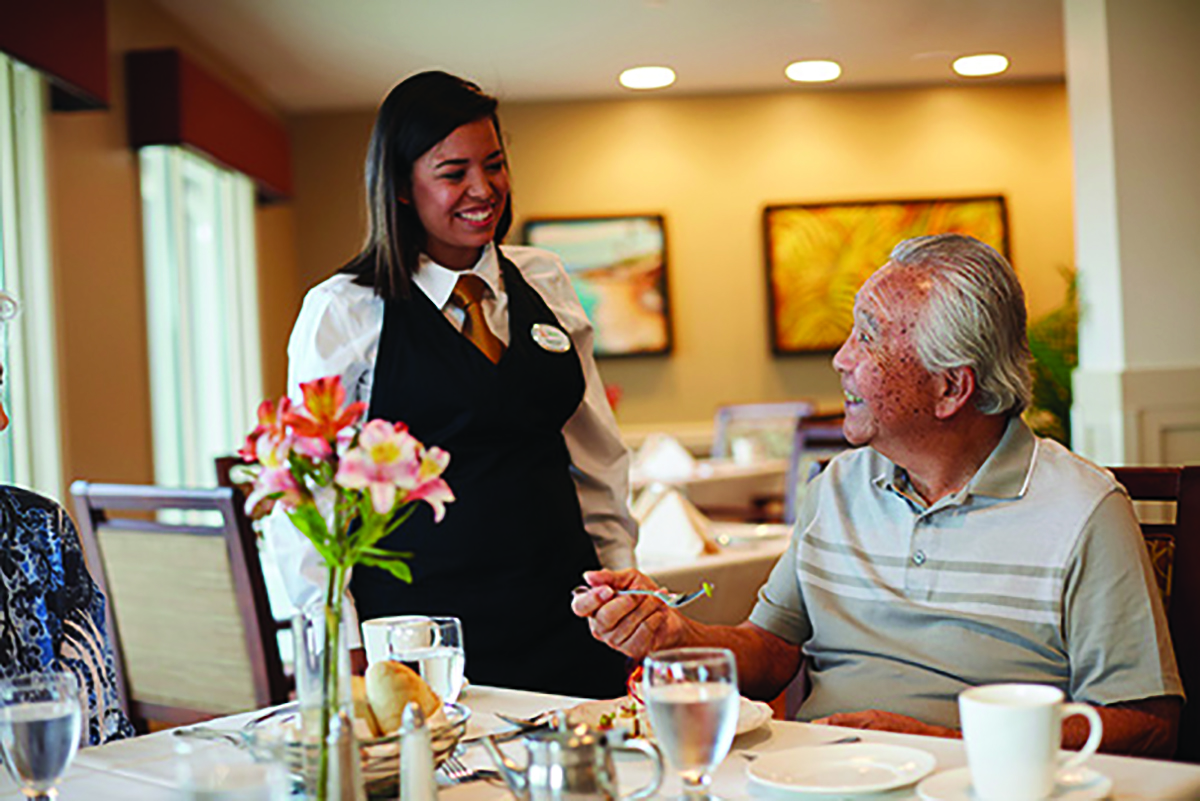
    Nutritional Needs. Providing a variety of nutritious meals and fresh produce options support the brain’s health. Senior meals should be reviewed by a licensed dietitian for balance and nutrition, calories and enjoyment. Upscale communities have regular “menu chat” sessions, when residents meet with the dining services director and executive chef to evaluate menu items.

    Care with Compassion. In addition to quality training and good staff-to-resident ratios, the  management should be committed to delivering service with integrity, dignity and compassion. Great senior living care engages kūpuna, gives them space to be active and offers a complete program of physical and emotional support.


    ILIMA AT LEIHANO SENIOR LIVING
    739 Leihano St., Kapolei, HI 96707
    808-674-8022 | www.kiscoseniorliving.com/hawaii/

    Is it the right fit? Will the community support your wants, needs and desires? When you or a loved one consider senior living, questions and options can become overwhelming.

  • The Pearl State of Dementia

    {Play}These characteristics present many possible challenging situations when it comes to personal care. Here are some tips for having successful interactions with a Pearl.

    Appropriately greeting a Pearl. If your person living with dementia’s (PLWD) eyes are closed as you approach, you may consider touching a non-threatening area of the body. Gently placing your hand on their knee or on their hand and telling them your name will help introduce your presence, and reduce combative reflexes. Too many quick movements may cause your PLWD to become stressed and their primitive instinctual reflex to protect oneself may kick in.

    Go SLOW. Pearls are ruled by reflexes and can be startled easily. Stabilize unsteady equipment like rocking chairs or recliners. With little to no control over their body weight, a Pearl may experience increased anxiety if they’re rocking back and forth. Verbalize your movements and let  the Pearl know what you plan to do with them next. For example, if you are feeding a Pearl, you may narrate each thought you have: “Let’s scoop up some rice; here it comes to your mouth; open big; bite; yummm; let’s try some veggies now.”

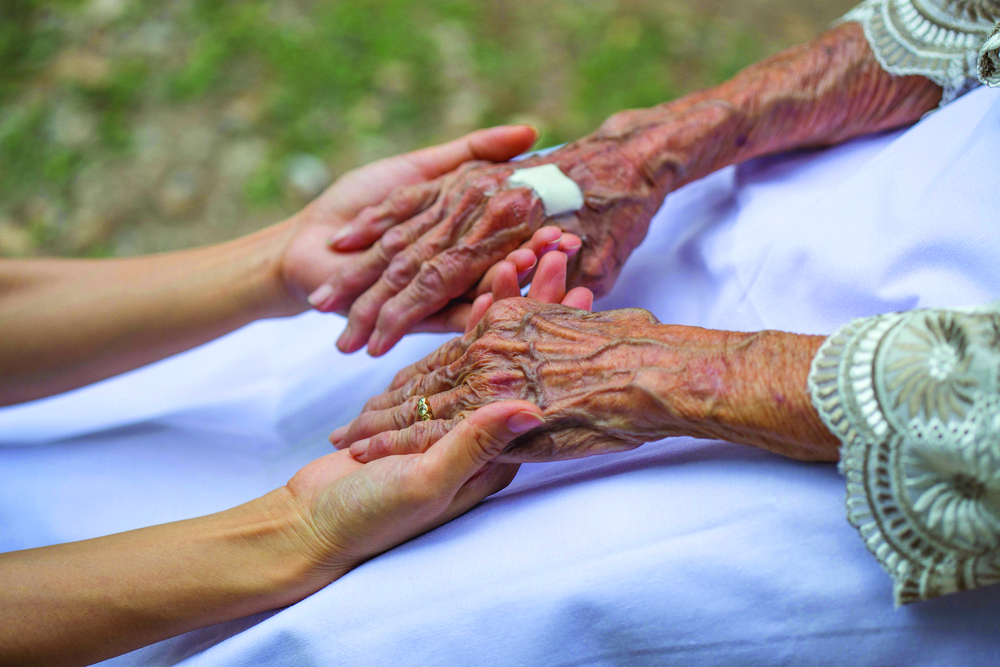
    Use the Hand-under-Hand (HuH) technique. This simple hand technique can be used for doing tasks “with” your PLWD rather than “to” your PLWD. We can connect with an individual by using HuH to minimize combative behaviors and provide a sense of independence. Although a Pearl may have range of motion limitations, we can still involve them in their self-care activities.

    Non-verbal behaviors are clues! A PLWD in the Pearl state has a very limited word bank when it comes to communicating wants and needs.

    Instead of using words to describe the feeling of pain, a Pearl might scream, attempt to hit, bite or make agonizing facial expressions. Whether we are causing the pain or it stems from an open wound, behaviors are another way of communicating. As a care partner, we can use these behaviors as clues and choose to take a time out to reassess a new approach.


    HAWAII MEMORY FRIENDS LLC
    Caregiver Education & Consultation
    Mapuana Taamu, Certified PAC Trainer
    808-469-5330 | mfriends808@gmail.com
    Learn more about dementia at our upcoming 2020 workshops. Contact Hawaii Memory Friends LLC for details.

    In previous articles that I’ve written for Generations Magazine, I mention the GEMS® states of dementia. There are six GEMS®: Sapphire, Diamond, Emerald, Amber, Ruby and Pearl. The last state, Pearl, signifies that the end of life is nearing. In the Pearl state, bodily functions are shutting down, the person is likely to spend most…

  • Adult Children Become Caregivers

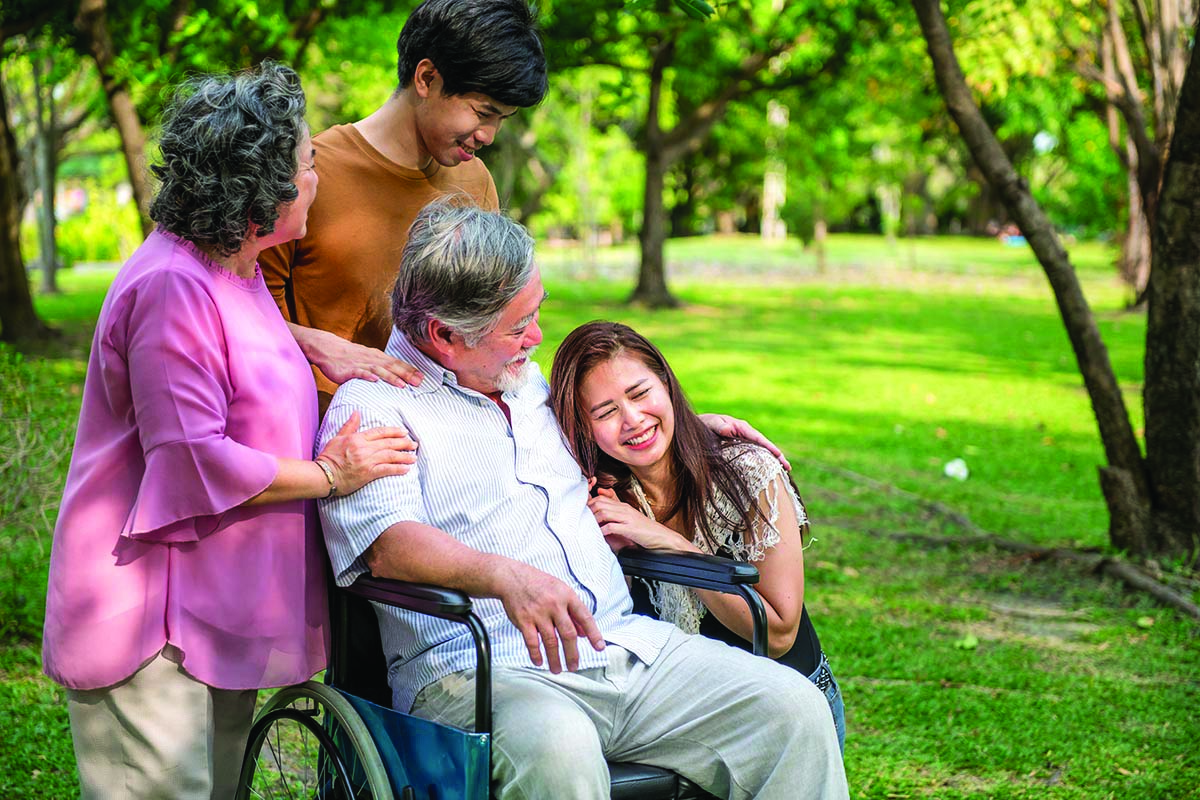
    {Play}As parents age and grown-up children take on more responsibilities in managing their care, unforeseen challenges often arise. The roles of parent and child reverse as adult offspring increasingly manage the often complex affairs of their parents.

    This change can create tension when family members share more time together, such as at get-togethers and holiday celebrations. Here are four tips on how to best handle these situations, mitigate stress and bring everyone closer.

    Keep lines of communication open: Parents may feel uncomfortable talking about the gradual loss of independence that comes with age and advancing medical conditions. Often, the subject is not addressed directly, or avoided altogether, with the parent dismissing offers of help with a curt “I’ll ask for help when I need it” reply. In this case, it’s important to get a close reading on specific areas where help is needed. A refusal of help is also not final and the topic should be revisited regularly as the situation changes.
    Be emphatic: Always try to see things from both sides. For parents, loss of mobility and memory issues are not easy to accept after a lifetime of independence. Adult children may attempt, with best interests in mind, to take control of aspects of the parents’ life that they don’t want to relinquish yet. Sometimes it is better to take incremental steps to assist in key areas (driving, shopping, housekeeping chores) and always keep parents apprised on what the plan is going forward. While sometimes a medical emergency may force a decision, it is always good to review options and discuss a plan of action before it occurs.
    Don’t be afraid to play the humor card: Forgetfulness and other symptoms of advancing age will give rise to many situations where the humor card can be played without disrespect for parents’ feelings — the lighter side of these moments should be recognized and used to ease the mood. Contrary to expectations, parents are often quite prepared to laugh along and see the funny side of their limitations!
    Bring in a third party to be an objective observer: Sometimes a person who is respected and observed as being honest and true, such as a doctor or nurse, can give their insight and provide direction when decisions need to be made. Suggestions of help from a third party could support the decisions needed to keep parents safe and maintain their quality of life, with just a little bit of help here and there. This will make it easier to increase this kind of help as the parents’ capabilities decrease.

    Perhaps the most important advice for taking care of aging parents is to encourage their full participation in the discussion and decision-making process. By giving everyone a chance to voice
    their opinion, the implementation of care can be fine-tuned so as to respect everyone’s wishes and best interests.


    ATTENTION PLUS CARE HOME HEALTHCARE
    Accredited by The Joint Commission
    1580 Makaloa St., Ste. 1060, Honolulu HI 96814
    808-739-2811 | www.attentionplus.com
    AGING IN HAWAII EDUCATIONAL OUTREACH PROGRAM
    by Attention Plus Care — a program providing resources for seniors and their families, covering different aging topics each month. For class information and upcoming topics, call 808-440-9356.

    As parents age and grown-up children take on more responsibilities in managing their care, unforeseen challenges often arise. The roles of parent and child reverse as adult offspring increasingly manage the often complex affairs of their parents. This change can create tension when family members share more time together, such as at get-togethers and holiday…

  • Inflammation: ‘The Secret Killer’

    Acute inflammation is vital to good health for healing wounds or fighting infection. In contrast, low-grade, ongoing “chronic inflammation” is the underlying driver of many chronic diseases.

    Triggers of chronic inflammation include:
    • Low-grade viral and bacterial infections
    • Pollutants
    • Smoking
    • Belly fat
    • Diet high in processed foods
    • Frequent bouts of stress and anger.

    Free radicals generated by these processes trigger inflammation, which can worsen the stiffening of arteries and promote plaque accumulation. In rheumatoid arthritis, the immune system produces inflammation that wears down the joints.

    Inflammation is also a focus of research in the formation of Alzheimer’s disease. Stress-related hormones — namely cortisol — can further instigate inflammation and exacerbate some of these chronic conditions. Inflammation may also be associated with depression.

    Inflammation can be measured through a blood test called “hsCRP” (high sensitivity C-Reactive Protein). You can manage your inflammatory health through better diet and exercise, as well as pharmacological and nutraceutical treatments. However, not all nutraceuticals and supplements are created equal. When buying any type of supplement, read the label to determine purity (contamination by external elements), bioavailability (greater blood and tissue levels) and cost per dose. Be sure to add all supplements to your list of medications that you provide to your primary care physician and contact them immediately with any adverse reactions. For emergencies, do not hesitate to call 911.


    CARDAX
    2800 Woodlawn Dr., Ste. 129, Honolulu, HI 96822
    800-618-3050 | zanthosyn@cardaxpharma.com
    www.zanthosyn.com/

    As Time Magazine put it in its 2004 cover story, “Inflammation is the body’s first defense against infection, but when it goes awry, it can lead to heart attacks, colon cancer, Alzheimer’s and a host of other diseases.” Understanding and managing inflammation is key to health and longevity.

  • Are Dental Implants an Option for You?

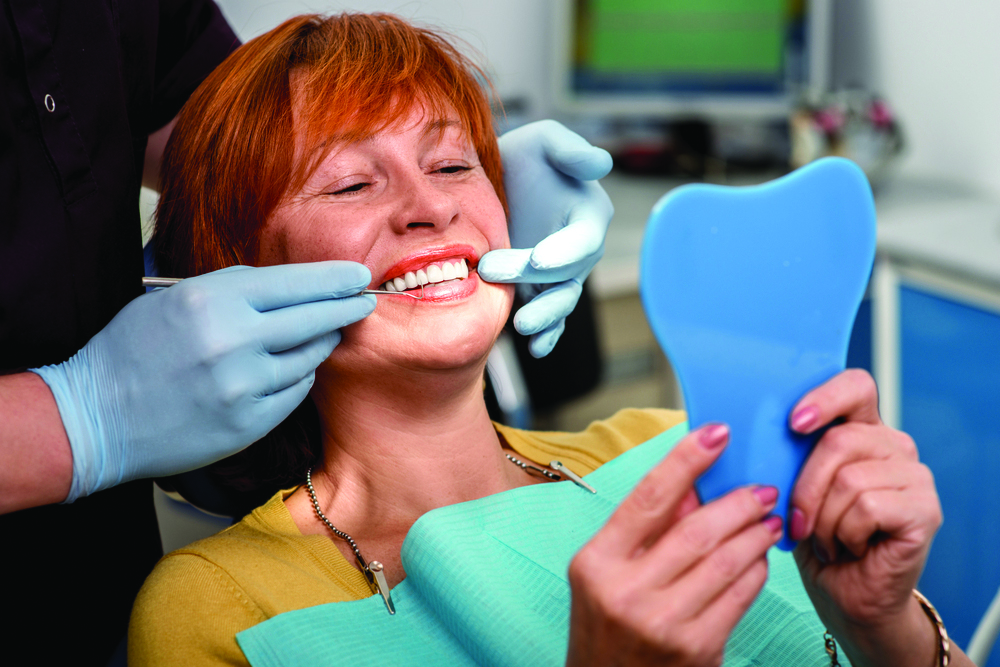
    {Play}The field of dental implants is one of the fastest growing areas in dentistry. In 2019, over 3 million implants were placed in the United States and that number is predicted to grow in 2020.

    Dental implants are very popular due to the high success rate of the procedure (over 90 percent) and the results of these implants are very beneficial.

    In the past, removable full or partial dentures,and/or cemented bridges were the only options available to replace missing teeth. In most dental offices today, single or multiple implant options are available. The function, comfort and longevity of dental implants now make them the superior choice for replacing missing teeth.

    Although the financial investment for dental implants is higher than dentures and bridges, the end result is longer lasting comfort. There are some dental insurance plans that partially cover implant procedures.

    If you have any questions about dental implant procedures or if you wonder if implants are an option for you, consult with your dentist.


    PAUL K. TANAKA, DDS
    4747 Kilauea Ave., Ste. 113, Honolulu, HI 96816
    808-737-6229 | office@paultanakadds.com
    www.paultanakadds.com
    Dr. Tanaka was the first dentist to perform Navigational Dental Implant Surgery in Hawai‘i with the use of X-Guide.

    The field of dental implants is one of the fastest growing areas in dentistry. In 2019, over 3 million implants were placed in the United States and that number is predicted to grow in 2020. Dental implants are very popular due to the high success rate of the procedure (over 90 percent) and the results…

  • Ahchoo! It’s Cold & Flu Season!

    Hawai‘i may not have snowy winters, but we still experience a seasonal increase in cold and flu infections. Here are some tips to help you and your loved ones survive the season.

    1. Wash your hands. Hand washing is the best, most effective way to prevent the spread of cold viruses. Good hygiene can go a long way in keeping you healthy.

    2. Get a flu shot. Most cold symptoms are due to the common cold virus, but any infection makes your immune system more vulnerable to the influenza virus, which can be devastating for the elderly and those with chronic diseases.

    3. Stay home from work. This is not just to help expedite your recovery — it’s to keep those around you safe from germs. The same goes for your children. One day at home for an ill child can prevent many sick days for the rest of the class.

    4. Avoid unnecessary antibiotics. Most colds are viral infections. Antibiotics are only effective against bacterial infections. Most cold sufferers will recover within 14 days, regardless of whether or not they take antibiotics, but one in eight patients will experience adverse effects from antibiotics. Remarkably, the best elixir for reducing your cold and cough symptoms is honey!

    5. Talk to your doctor. Always call or visit your doctor if you experience persistent or worsening symptoms. It’s our job to help you out!


    KUAKINI PRIMARY CARE CLINIC
    405 North Kuakini St., Ste. 1009, Honolulu, HI 96817
    808-547-9105 | www.kuakini.org

    Hawai‘i may not have snowy winters, but we still experience a seasonal increase in cold and flu infections. Here are some tips to help you and your loved ones survive the season.

  • Smile Through Retirement

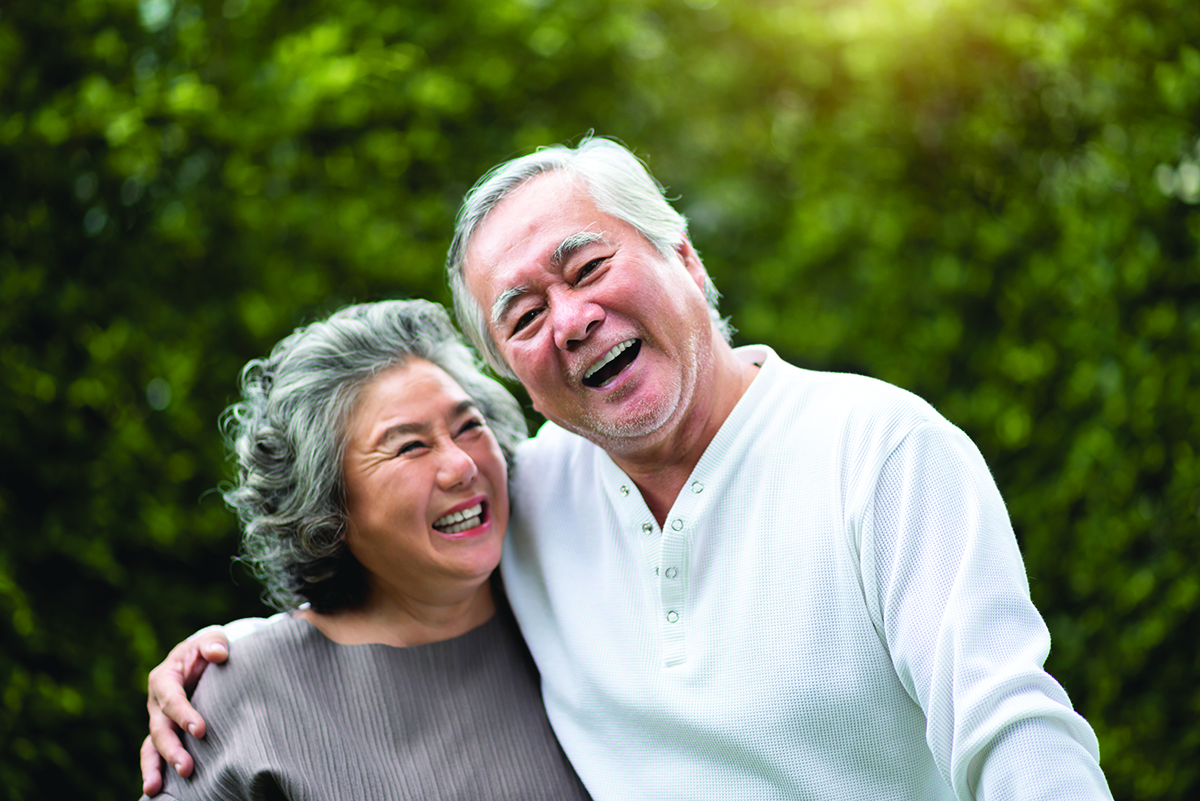
    Portrait of Asian Senior Couple laughing at the park. Happy Elderly with positive feeling at outdoor. Retirement.

    {Play}A healthy smile should last well into your retirement years. Many believe it’s natural for teeth to deteriorate as they age, but it’s possible to maintain healthy teeth and gums for life. Consider these tips to keep your smile healthy:

    Protect Your Smile: Protect your smile (and body) from infectious diseases and ailments by brushing twice a day, flossing daily and visiting your dentist regularly. A simple dental visit can identify signs of any systemic diseases or future oral health issues that may arise in your retirement years. Find a dental plan that fits within your budget and includes preventive care to ensure your exams and cleanings are covered.

    Keep Your Dentist Informed: Inform your dentist about medications you are taking and conditions you are experiencing. In some cases, certain medical conditions can impact your oral health. Your dentist can detect signs of infection and increase the frequency of cleanings throughout the year.

    Maintain Healthy Habits: Good nutrition has a direct impact on oral health. Maintain a balanced diet full of fibrous vegetables, lean protein and fruit. Limit the intake of sugary foods and drinks.

    Good oral health habits and visits to the dentist ensure a sparkling smile, and better overall health and quality of life. Live well, smile more.


    HAWAII DENTAL SERVICE
    Kahala Howser, Wellness & Events Manager
    808-521-1431 | khowser@hawaiidentalservice.com
    www.HawaiiDentalService.com

    A healthy smile should last well into your retirement years. Many believe it’s natural for teeth to deteriorate as they age, but it’s possible to maintain healthy teeth and gums for life. Consider these tips to keep your smile healthy…

  • The Month for All Things of the Heart

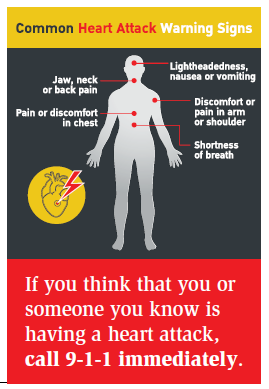
    {Play}February, the month that includes Valentine’s Day, is also American Heart Month, reminding us to take care of our hearts.

    What is heart disease?

    “Heart disease” refers to several types of heart conditions. The most common type is coronary artery disease, which can cause a heart attack. Smoking, eating an unhealthy diet and not getting enough exercise increase your risk for heart disease. High cholesterol, high blood pressure or diabetes are other conditions that can put you at and even higher risk. Ask your doctor about preventing or treating these medical conditions.

    What steps can you take to reduce your risk of having heart disease?

    To help prevent or reduce the risk of heart disease, you should:

    • Eat a heart-healthy diet
    • Get active
    • Stay at a healthy weight
    • Quit smoking and stay away from secondhand smoke
    • Control blood pressure and cholesterol
    • Drink alcohol only in moderation
    • Manage stress


    MDX HAWAI‘I
    500 Ala Moana Blvd., Ste. 2200, Honolulu, HI 96813-4993
    808-522-7500 | www.mdxhawaii.com
    MDX Hawai‘i has over 34 years of experience serving the people of Hawai‘i. Our physician network represents over 630 primary care physicians, and 2,200 specialists, hospitals and ancillary providers. MDX Hawai‘i contracts with Humana HMO, Humana PPO, and AARP/UnitedHealthcare PPO Medicare Advantage Plans.

    February, the month that includes Valentine’s Day, is also American Heart Month, reminding us to take care of our hearts. “Heart disease” refers to several types of heart conditions. The most common type is coronary artery disease, which can cause a heart attack.

  • Prevent Yourself From Falling Backward

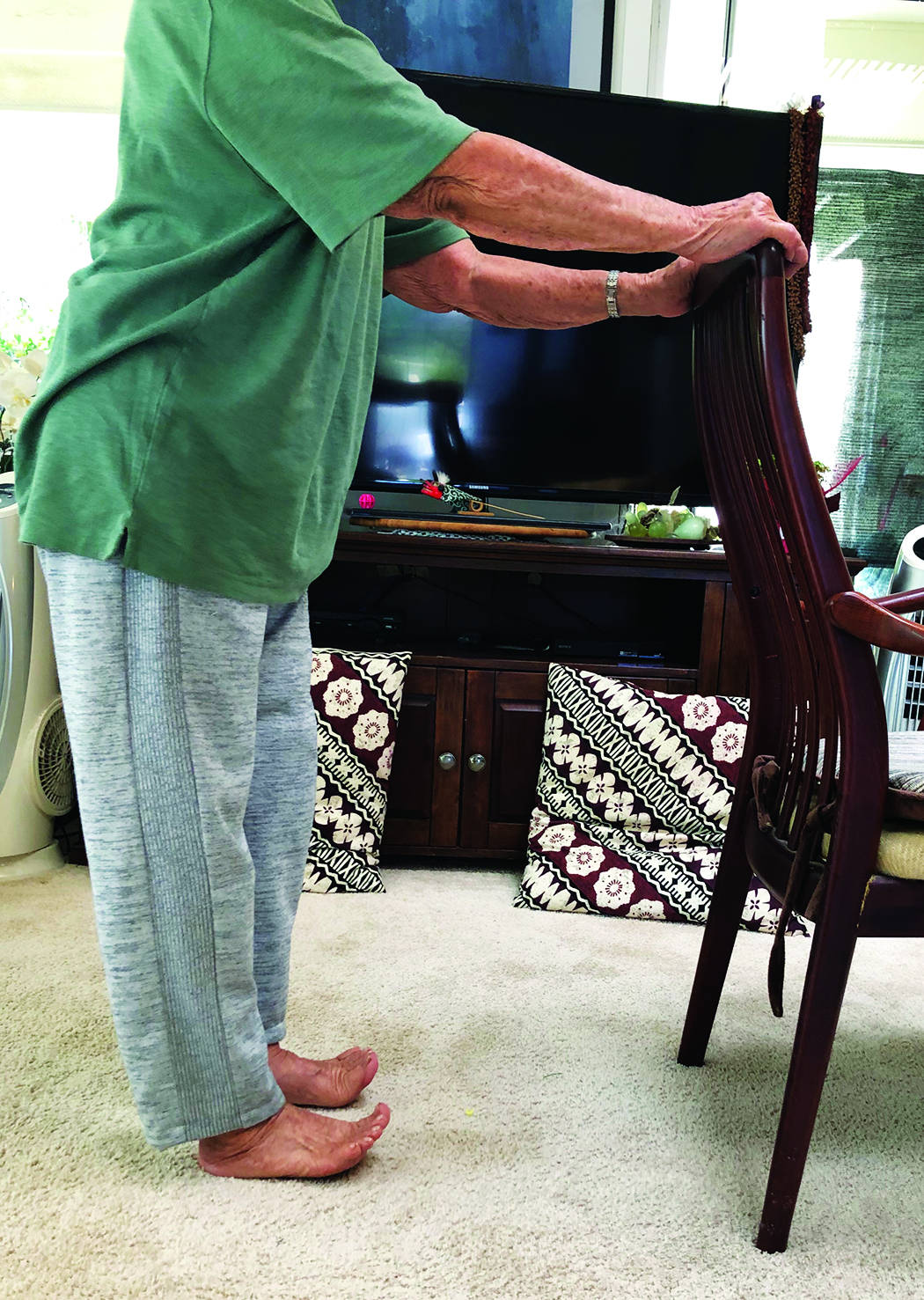
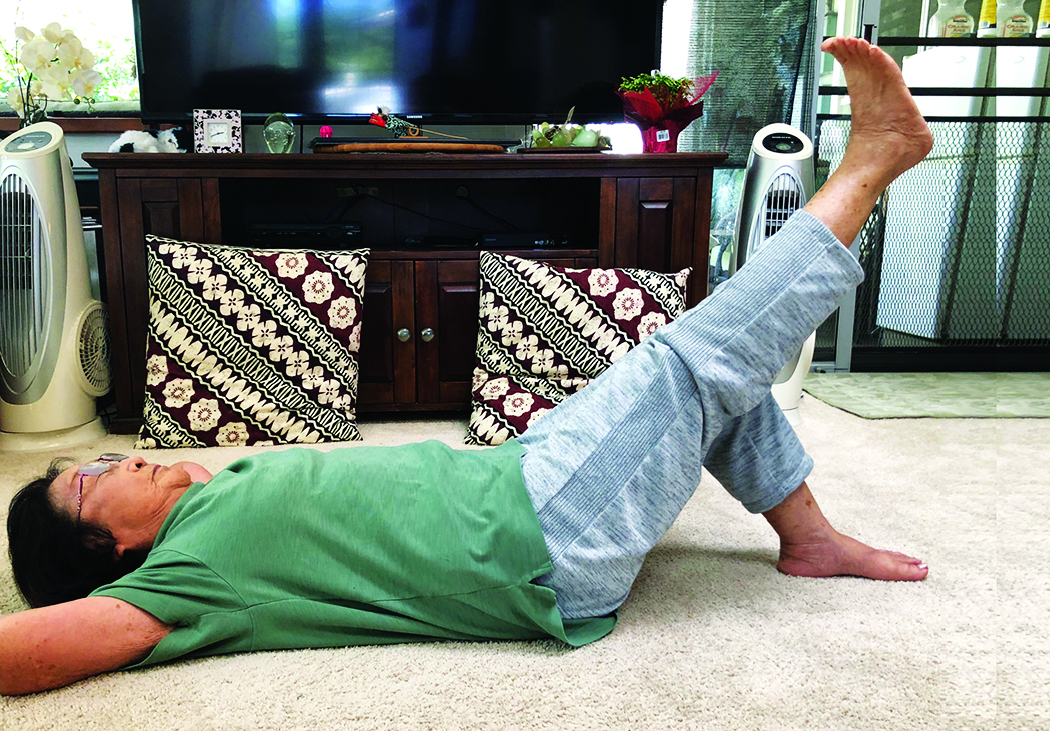
    {Play}One method of prevention is to strengthen muscles that pull forward when a posterior fall starts to occur. We are primarily talking about muscles in the front of the ankles, hip flexors and abdominals. Here are some exercises you can do to strengthen these pertinent muscles:

    TOE RAISES. In a standing position (sitting is OK if you have a fall risk), lift your toes and feet and feel the muscles in the front of your ankles engage. Do up to 3 sets of 10 reps for each feet (You may do both simultaneously).


    STRAIGHT LEG RAISES. Lie on your back with one knee bent. With the other leg kept straight, lift it up and down with your thigh and stomach tight, keeping your back flat. Do up to 3 sets of 10 reps per leg.


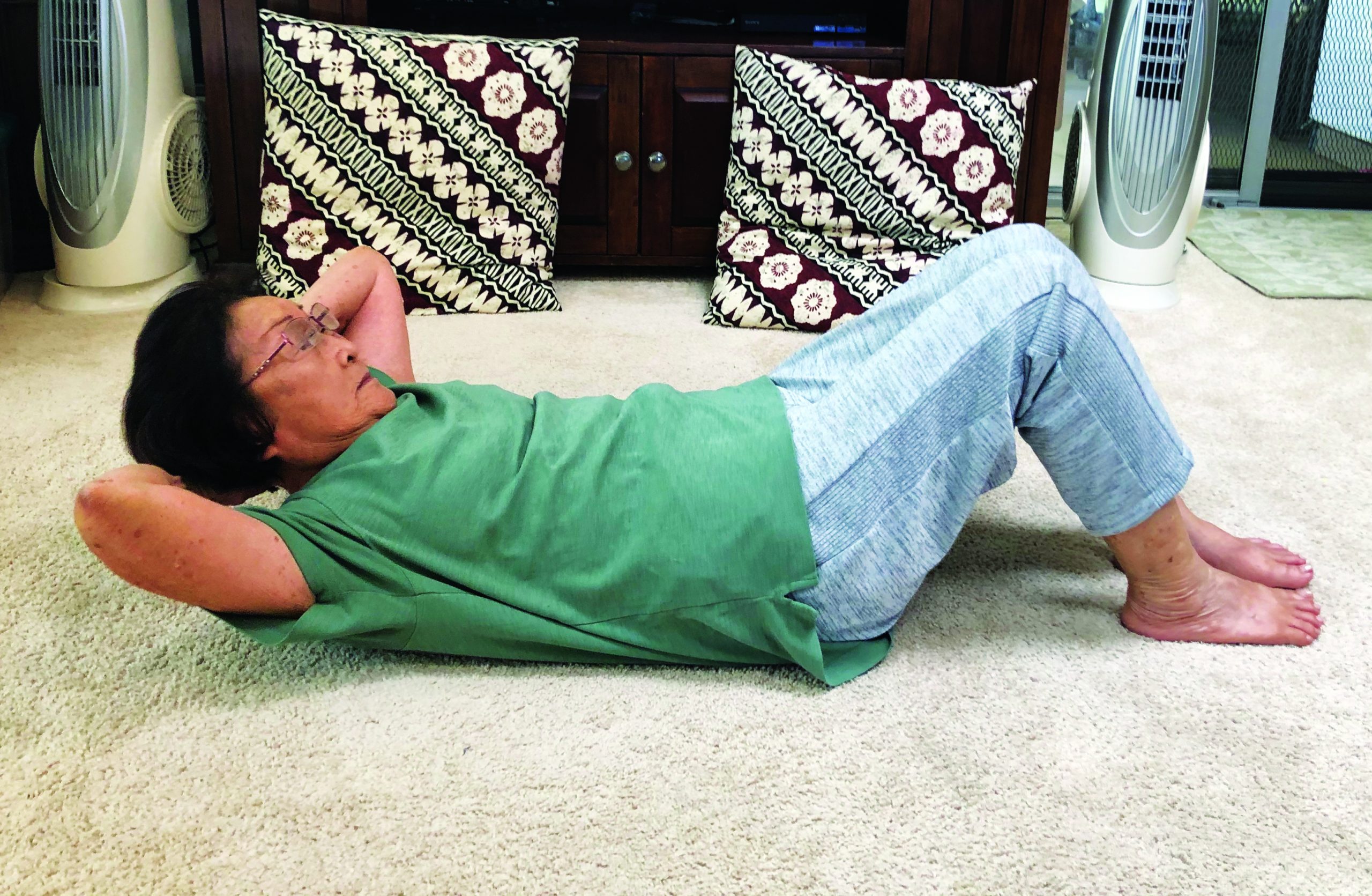
    ABDOMINAL CRUNCHES. Lie on your back with your hands behind your head or crossed over your chest. Tuck your chin in and lift up just your head and shoulder blades. Do up to 3 sets of 10 reps.


    If you continue to fall backward or have difficulty doing these exercises, it’s important that you consult with your primary care doctor or physical therapist.


    MAKAI MOBILE REHAB LLC (In-Home Physical Therapy)
    Jason Dacumos PT, MPT President/Owner
    808-783-9320 | jason@makaimobile.com
    www.makaimobile.com

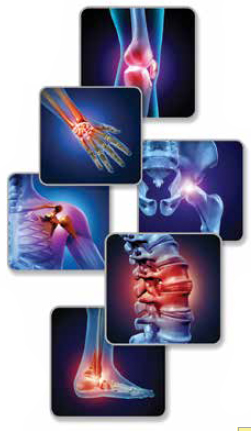
    One of the most common causes of injuries in the elderly is due to falling backward. This type of fall can lead to serious injuries to the hips, spine, head, arm and/or wrists, depending on how someone lands. Ultimately, the best way to avoid serious injury is to prevent the fall from ever happening.

  • Neuroplasticity: Key to Stroke Recovery

    Many people who suffer from a stroke lose hope and resign themselves to their “new normal.” But it doesn’t have to be this way. Here are some important recovery ideas:

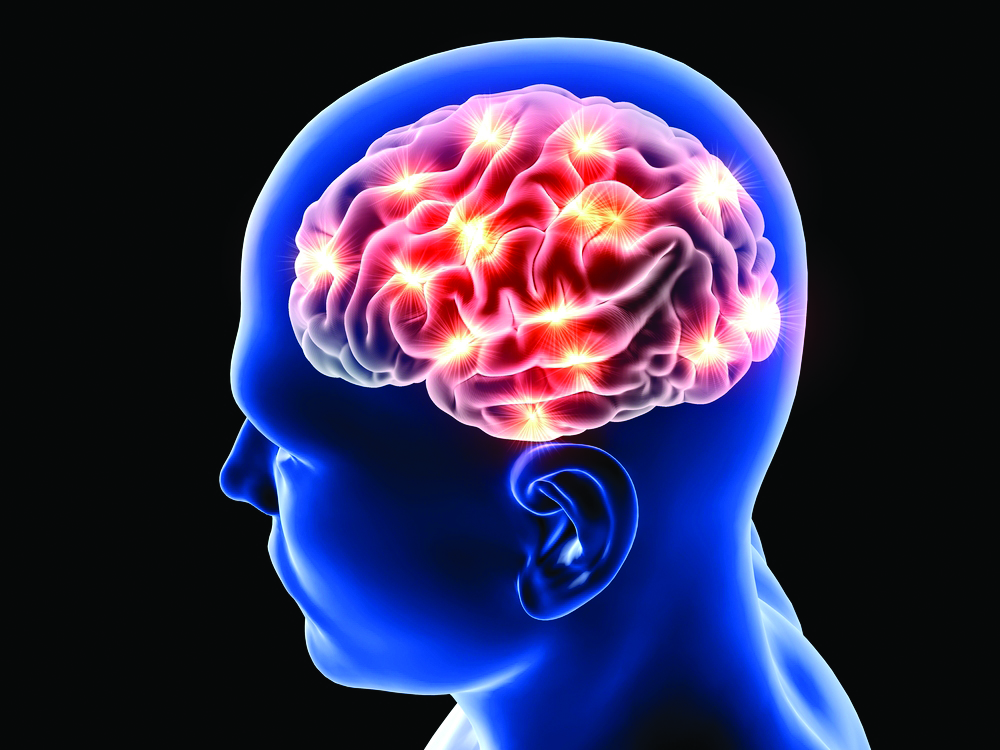
    Heal the brain, heal the body. When the brain is deprived of oxygen-rich blood during a stroke, it leads to brain damage. Although this damage cannot be reversed, it is possible to train other parts of the brain to take over specific tasks. This process is called neuroplasticity. Neuroplasticity allows healthy parts of the brain to pick up the slack, thus helping to regain lost functions, such as movement and speech.

    Repetition helps activate neuroplasticity. In order to recover from a stroke, your brain needs a lot of repetition of exercises to successfully rewire itself and heal. The more repetitions performed, the more functions, such as your mobility, will improve. But this doesn’t just apply to exercise. You can also regain most abilities (language and memory)
    by practicing these skills.

    Stimulate key areas of the brain. Alternative therapies such as acupuncture can stimulate key areas of the brain, helping to improve mobility and sensory issues. It can also help with fine motor skills, swallowing, balance, speech and vision.

    Believe in recovery. Our biggest obstacle is ourselves. Remember that recovery only stops when we stop believing in recovery!


    NEEDLES OF HOPE
    1314 S. King St., Ste. 1050, Honolulu, HI 96814
    808-450-2527 | kathy@needlesofhope.com
    www.needlesofhope.com

    Many people who suffer from a stroke lose hope and resign themselves to their “new normal.” But it doesn’t have to be this way. Here are some important recovery ideas. Heal the brain, heal the body. When the brain is deprived of oxygen-rich blood during a stroke, it leads to brain damage. Although this damage…

  • The Power of One-Minute Exercises

    Is more exercise on your list this  year? Was it on last year and the previous years’ as well? Don’t feel bad — exercise holds the No. 1 spot in U.S. surveys as a resolution to be made and broken.

    So how can you make this year’s intention a success? All you need is one minute each hour to move your body or practice deep breathing. Studies have shown that by being mindful of your movement and breathing for one minute every hour, your focus and concentration will also improve. Smiling helps, too.

    Set your alarm on your phone to ring throughout the day, and when it does, set a timer and then move. You don’t need special equipment. Just spend that time observing your body. You can do slow neck rolls or shake your hands, or march. It doesn’t have to be difficult exercise — any movement, when done mindfully and with intention can be very beneficial to your body and your brain. Even tapping your body all over for one minute can get the blood flowing and boost your endorphins to make you feel good. Ten “1-minutes” a day is recommended to improve circulation and help you sleep better.


    BODY & BRAIN YOGA/TAI CHI
    Honolulu 808-596-9642 | Aiea 808-486-9642
    Kaimuki 808-738-5522
    Manoa Energy Healing Center 808-691-9642
    www.bnbenergyhealing.com
    www.bodynbrain.com | www.bodynbrain.com/manoa

    Is more exercise on your list this  year? Was it on last year and the previous years’ as well? Don’t feel bad — exercise holds the No. 1 spot in U.S. surveys as a resolution to be made and broken. So how can you make this year’s intention a success?