Most people think of a last will and testament as the cornerstone of an estate plan. For most of us, however, it’s a lousy cornerstone. Your will is often simply a safety net that helps make sure your overall estate plan is going to work as it was designed.
Your will is like the spare tire in the trunk of your car. Hopefully, you will never need to use it because your assets are either in your revocable living trust or you have used other means to direct your assets to your beneficiaries so that the assets will avoid probate. But if you experience a flat along your journey, your family will be awfully glad you had the spare. Having a will provides added assurance that your wishes are going to be carried out.
A more formal name for a will is “last will and testament.” The “last” part refers to the fact that you can sign as many wills as you like during your lifetime, but only the last one you signed before your death counts. A document called a “codicil” can amend one or more provisions of your will without completely replacing it. In the age of computers, codicils are still valid, but more often, we just do a whole new will. Why use two or more documents with conflicting provisions when you can simplify and use only one?
Most people think of a last will and testament as the cornerstone of an estate plan. For most of us, however, it’s a lousy cornerstone. Your will is often simply a safety net that helps make sure your overall estate plan is going to work as it was designed. Your will is like the spare…
Social Security remains a critical component of most Americans’ retirement plans and questions persist around its long-term solvency. While the number of Social Security beneficiaries is expected to continuously grow over the next decade, payments into the program via payroll taxes are likely to slow. This dynamic is creating anxiety for many about whether they can rely on Social Security to help fund their retirement. It can be beneficial to explore the role that Social Security may have in your retirement and how to best prepare if there are meaningful changes to the program.
◆ The future of Social Security. If you have been following financial news, you may have heard industry pundits commenting on the solvency of Social Security and its ability to pay full benefits over time. Indeed, Social Security is currently paying out more than it is taking in, which many view as problematic. In May of this year, the Social Security and Medicare Trustees released their annual report, which predicts that by 2033, assets of the program will be depleted. It is expected that in 2033, the Social Security’s Old-Age and Survivors Insurance (OASI) fund will only take in 79% of tax revenue needed for benefit payments. As a result, payments under the program could be reduced by 21%.1 It’s widely expected that Congress may act to shore up the program before this happens, however there are no guarantees. Planning ahead can help shield your retirement income should Social Security be unable to fully meet its obligations.
◆ Determine the role Social Security has in your retirement plan. It is important to understand where Social Security fits into your retirement plan. For many retirees, Social Security benefits provide key supplemental income because the program alone will not provide enough income to cover all essential and desired lifestyle expenses. Additionally, each individual’s benefits will vary depending on their lifetime earnings and the age at which they begin taking distributions. If future payments are adjusted lower to make up for the deficit of flows coming into the fund when you retire, it may be wise to plan on utilizing other means for retirement income. Take some time to determine your desired lifestyle during retirement and the associated costs, so you can craft a Social Security plan that aligns with your retirement goals.
◆ Work with a financial advisor to adapt your retirement plan. A financial advisor can help determine the optimal payment plan for Social Security in your retirement. The age at which you begin taking distributions and where these distributions fit into the whole of your retirement plan is unique to you. An advisor can assist you in evaluating the variables that may impact the time at which you begin collecting benefits such as your health and life expectancy. With careful financial planning you can consider a variety of income producing investments that may contribute to your retirement security.
How Social Security programs morph and change in future is largely outside of your control, but it is important to plan for what you can. It is never too soon to work with a financial advisor to plot various scenarios for retirement based on factors that are unique to you. Ultimately, knowing you’re prepared can help you feel more confident about retirement.
Michael W. K. Yee, CFP®, CFS®, CLTC, CRPC®, is a Private Wealth Advisor with Ameriprise Financial Services, LLC. in Honolulu, Hawai‘i. He specializes in fee-based financial planning and asset management strategies and has been in practice for 41 years. Certified Financial Planner Board of Standards, Inc. (CFP Board) owns the CFP® certification mark, the CERTIFIED FINANCIAL PLANNER™ certification mark, and the CFP® certification mark (with plaque design) logo in the United States, which it authorizes use of by individuals who successfully complete CFP Board’s initial and ongoing certification requirements. 1Ameriprise Financial: “Did You Know…” May 8, 2024. Compiled by Russell T. Price, Chief Economist Investment products are not insured by the FDIC, NCUA or any federal agency, are not deposits or obligations of, or guaranteed by any financial institution, and involve investment risks including possible loss of principal and fluctuation in value. Securities offered by Ameriprise Financial Services, LLC. Member FINRA and SIPC.
Social Security remains a critical component of most Americans’ retirement plans and questions persist around its long-term solvency. While the number of Social Security beneficiaries is expected to continuously grow over the next decade, payments into the program via payroll taxes are likely to slow. This dynamic is creating anxiety for many about whether they…
Medicare covers many medically necessary services for both inpatient and outpatient surgical procedures, but the cost may vary depending on many factors.
For outpatient surgery, the costs of ambulatory surgical center and hospital outpatient surgery may be different. Ambulatory centers usually have lower overhead costs than hospital-based outpatient surgery. For inpatient services, Medicare covers 80% of the Medicare-approved amount for doctors’ services you get while you are in a hospital and you pay the remaining 20% after meeting the deductibles. Currently, the Medicare Part A deductible is $1,676 and Part B is $257.
Other factors that may affect cost include other insurance you may have aside from Medicare (Medicare Advantage or a Medigap plan), how much the provider charges or if the provider accepts Medicare assignment (the provider agrees to accept the Medicare-approved amount as full payment for covered services) and the type of facility.
Outpatient costs can be found by looking up the procedure name, CPT code or Health Care Common Procedure Coding System code at medicare.gov/procedure-price-look-up. Get the code for a specific service from your healthcare provider for more accurate pricing.
Medicare covers many medically necessary services for both inpatient and outpatient surgical procedures, but the cost may vary depending on many factors. For outpatient surgery, the costs of ambulatory surgical center and hospital outpatient surgery may be different. Ambulatory centers usually have lower overhead costs than hospital-based outpatient surgery. For inpatient services, Medicare covers 80%…
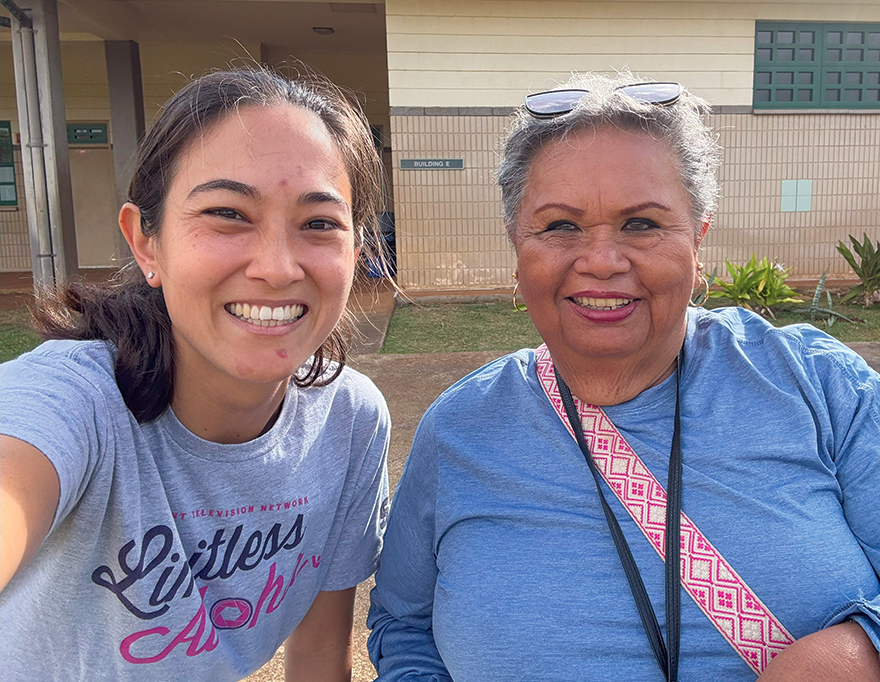
In classrooms across the State of Hawai‘i, a quiet yet powerful force is shaping the academic and emotional well-being of students: senior volunteers. Kupuna in the Classroom volunteers are stepping up to provide essential services that help bridge educational and emotional gaps many students face. They provide the kind of one-on-one attention and support that overburdened teachers often can’t consistently offer.
Kupuna in the Classroom is also known as the Foster Grandparent Program.
Kupuna in the Classroom volunteers are assigned to three to five students and focus on the specific needs of students. The one-on-one time they dedicate to students enables them to develop meaningful and productive relationships. This intergenerational model is good for the soul and helps kūpuna to stay active, use their cognitive skills and enhance their lives.
To become a Kupuna in the Classroom (foster grandparent), an individual must be at least 55 years of age, commit to volunteering a minimum of 15 hours per week, and meet income and other program requirements.
To volunteer as a foster grandparent, apply for services or for more information about this program, call the Foster Grandparent Program office on O‘ahu at 808-832-5169.
In classrooms across the State of Hawai‘i, a quiet yet powerful force is shaping the academic and emotional well-being of students: senior volunteers. Kupuna in the Classroom volunteers are stepping up to provide essential services that help bridge educational and emotional gaps many students face. They provide the kind of one-on-one attention and support that…
These questions are asked by every caregiver everywhere! Family caregivers frequently begin their journey with no experience and little or no training, which, understandably, leaves the caregiver feeling overwhelmed by their new responsibilities. There are 60,000 family caregivers caring for someone living with Alzheimer’s, so they bear the brunt of the disease in Hawai‘i.
Caregivers don’t know what to expect as their loved one’s dementia progresses, so they don’t know what questions to ask in order to prepare themselves for what lies ahead. With no experience and no education, the caregiver will most likely experience stress, uncertainty, fear, frustration and a myriad of other emotions.
The most effective ways to help ensure the highest quality of care for those with dementia are through caregiver education and making sure all the resources available to caregivers are easily accessible. Learning about the disease and knowing what to expect can help caregivers feel more in control and better able to cope and plan. Knowing where to turn to for help is crucial to help caregivers navigate their caregiving journey.
There are many organizations that offer quality caregiver education at no cost to the caregiver, including the Alzheimer’s Association, The Caregiver Foundation, Project Dāna, AARP, the Hawaii Parkinson Association and Hale Hau‘oli Hawai‘i. Virtual workshops are advertised on websites.
“To be forewarned is to be forearmed” makes sense for providing the public with information about Alzheimer’s disease and related dementias. Receiving education and training for caregiving, learning practical caregiving approaches and using local caregiving resources are important strategies. Armed with the resources needed to continue to provide safe, effective care for their loved one, and knowledge that there is help in the community to assist them, caregivers can be successful in their caregiving journeys, and their loved ones can remain in their communities.
In addition, “The Dementia Public Awareness Campaign” bill passed through the legislature a few years ago and will be rolling out soon.
These questions are asked by every caregiver everywhere! Family caregivers frequently begin their journey with no experience and little or no training, which, understandably, leaves the caregiver feeling overwhelmed by their new responsibilities. There are 60,000 family caregivers caring for someone living with Alzheimer’s, so they bear the brunt of the disease in Hawai‘i. Caregivers…
This year, we celebrate the 50th anniversary of the Long-Term Care Ombudsman Program (LTCOP). Part of the Executive Office on Aging, an ombudsman is primarily an advocate for residents living in a nursing home, assisted living facility, community care foster family home, or an adult or expanded adult residential care home. Having an advocate is especially important for residents who are comatose, have dementia or cannot speak for themselves.
The LTCOP is federally mandated to visit every facility at least once a quarter. With 1,779 facilities (12,895 beds) spread over six islands, that can only be accomplished with volunteers.
We are not state inspectors. We don’t cite facilities for deficiencies when regulations are violated. The state Department of Health’s Office of Health Care Assurance does that. We champion quality of life and quality of care for all residents.
The LTCOP utilizes both staff and certified volunteers to promote its mission to provide culturally sensitive advocacy and referral services to Hawai‘i’s long-term care residents.
For more information on becoming a volunteer, use the contact information below.
This year, we celebrate the 50th anniversary of the Long-Term Care Ombudsman Program (LTCOP). Part of the Executive Office on Aging, an ombudsman is primarily an advocate for residents living in a nursing home, assisted living facility, community care foster family home, or an adult or expanded adult residential care home. Having an advocate is…
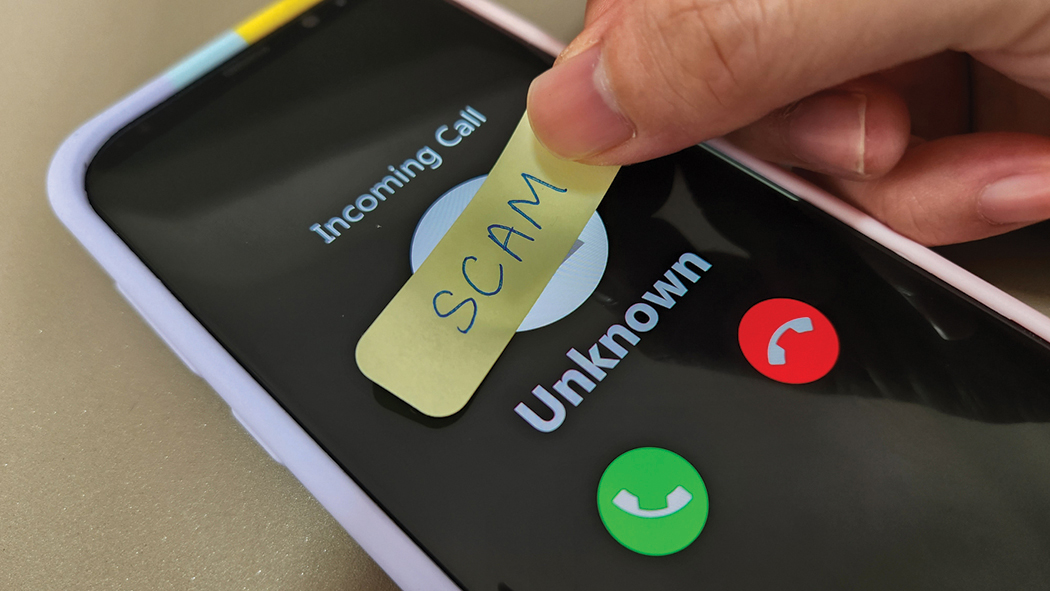
Social Security (SS) imposter scams continue to be widespread across the United States. Scammers use tactics to deceive you into providing sensitive information or money. If you receive a suspicious letter, text, email or call, do not respond.
SSA WILL NEVER:
Text or email images of an employee’s official government identification
Suspend your SS number
Threaten you with arrest or other legal action unless you immediately pay a fine or fee
Require payment by retail gift card, wire transfer, internet currency or cash by mail
Promise a benefit increase or other assistance in exchange for payment
Mail or email “official” letters or reports containing your personal information
WE ONLY SEND TEXT MESSAGES IN LIMITED SITUATIONS, INCLUDING:
When you have subscribed to receive updates and notifications by text
As part of our enhanced security when accessing your personal my Social Security account
If you owe money to us, we will mail you a letter with payment options and appeal rights. SS employees do contact the public by telephone for business purposes. Ordinarily, the agency calls people who have recently applied for a SS benefit, are already receiving payments and require an update to their record or have requested a phone call from the agency. If there is a problem with a person’s SS number or record, SS will mail a letter.
Report suspected SS imposter scams and other SS fraud by going to the Office of the Inspector General’s website: oig.ssa.gov/report. Find more information about scams at ssa.gov/scam. Please share this information with your friends, family and colleagues to help spread awareness about Social Security imposter scams.
Individuals who have a personal my Social Security account can view their COLA notice online, which is secure and faster than receiving a letter in the mail. Users can also receive text or email alerts when there is a new message waiting for them, including a COLA notice. Set up a my Social Security account at ssa.gov/myaccount.
Social Security (SS) imposter scams continue to be widespread across the United States. Scammers use tactics to deceive you into providing sensitive information or money. If you receive a suspicious letter, text, email or call, do not respond. SSA WILL NEVER: WE ONLY SEND TEXT MESSAGES IN LIMITED SITUATIONS, INCLUDING: If you owe money to…
Long-term care events can happen without warning—and in an instant, everything changes. Having long-term care insurance is important, but what truly matters is having the right people by your side. Without them, even the best policy benefits can be delayed or go unused.
Here are some of your key team players:
◆ CARE ADVOCATE
This is the person who knows the plan, where relevant documents are and who to contact. They know how to file claims and make sure benefits are accessed without delay.
◆ RESOLUTION ADVOCATE
After the crisis, this person handles transitions, expenses and tasks. They bring closure and peace of mind during emotionally difficult times.
◆ FINANCIAL ADVOCATE
This person ties your care plan to your overall financial goals. They help prevent financial strain by preparing for care costs, coordinating accessible benefits and building a strategy that protects your assets and family’s legacy.
Having insurance is one thing. Knowing how to use it and who will help is everything.
Building a strong long-term care team is vital in order to ensure that you and your family are prepared for future care needs.
Long-term care events can happen without warning—and in an instant, everything changes. Having long-term care insurance is important, but what truly matters is having the right people by your side. Without them, even the best policy benefits can be delayed or go unused. Here are some of your key team players: ◆ CARE ADVOCATE This…
It is estimated that there will be 1,160 new cases and 190 deaths from prostate cancer in Hawai‘i in 2025. If it is diagnosed at an advanced (metastatic) stage, the five-year survival rate is just 37%. If diagnosed at an early stage, the five-year survival rate is more than 99%.
Early-stage prostate cancer often does not have any symptoms. Screening starts with a prostate-specific antigen (PSA) blood test. Individualized risk assessment and imaging can now help determine if a biopsy is necessary.
Non-aggressive prostate cancers may not need treatment. New treatments available in Hawai‘i, such as focal therapy, target only the cancerous part of the prostate, minimizing side effects.
Men don’t have to face prostate cancer alone. The Us TOO Hawaii support group offers virtual monthly meetings for patients/their loved ones, providing information, education and support.
Patients often have choices in their cancer treatment. Learning about prostate cancer terminology, various diagnostic and treatment options and talking with other prostate cancer patients helps them make informed decisions for their individual situation.
The information and opinions expressed on this article are not an endorsement or recommendation for any medical treatment, product, service or course of action by Us TOO Hawaii and are not intended to be a substitute for professional medical advice, diagnosis or treatment. Consult with your physician or other qualified healthcare provider.
It is estimated that there will be 1,160 new cases and 190 deaths from prostate cancer in Hawai‘i in 2025. If it is diagnosed at an advanced (metastatic) stage, the five-year survival rate is just 37%. If diagnosed at an early stage, the five-year survival rate is more than 99%. Early-stage prostate cancer often does…
September is National Gum Care Month—a great reminder for kūpuna to care for their oral health and protect their smiles. As we age, maintaining healthy gums becomes even more important to overall well-being. One common concern is gum disease, also called periodontal disease, which affects nearly 60% of adults over age 65.
Often caused by poor brushing and flossing habits, gum disease can lead to tooth loss and increase the risk of other health problems if left untreated. It is fortunate that it’s both preventable and treatable, especially when caught early.
Early signs include red or swollen gums, tenderness, bleeding, bad breath, painful chewing and receding gums. These symptoms may seem small but can lead to serious problems.
To keep your gums healthy, brush twice a day with fluoride toothpaste and floss daily. Regular dental visits are also important, especially if you notice changes. Your dentist may recommend a deep cleaning, such as scaling and root planing, or surgery.
Caring for your gums is a lifelong habit. This September, make oral health a priority and keep your smile strong for years to come.
September is National Gum Care Month—a great reminder for kūpuna to care for their oral health and protect their smiles. As we age, maintaining healthy gums becomes even more important to overall well-being. One common concern is gum disease, also called periodontal disease, which affects nearly 60% of adults over age 65. Often caused by…
The pink ribbons and pink merchandise at retail stores mean it is National Breast Cancer Awareness Month, commemorated annually in October. Think Pink is a campaign for prevention, perseverance in finding a cure and the possibilities for surviving breast cancer.
According to the National Cancer Institute, 1 in 8 women and 1 in 800 men in America will develop breast cancer. Yes, men are susceptible, too. Breast cancer is the second most diagnosed cancer in the US, and No. 1 in Hawai‘i. Although diagnosis rates are high, death rates have significantly decreased.
The best way to increase your chance of survival is to detect cancer early. Getting tested according to your doctor’s recommendations is so important. If you are due or overdue for a mammogram, please call your doctor’s office today! Many insurance plans do not charge a copayment for mammograms. And if copay amounts are a concern, most hospitals will work with patients to provide financial assistance or a payment plan.
In between machine screenings, everyone can benefit from self-exams. If at any time you see or feel anything unusual or suspicious, contact your doctor.
The pink ribbons and pink merchandise at retail stores mean it is National Breast Cancer Awareness Month, commemorated annually in October. Think Pink is a campaign for prevention, perseverance in finding a cure and the possibilities for surviving breast cancer. According to the National Cancer Institute, 1 in 8 women and 1 in 800 men…
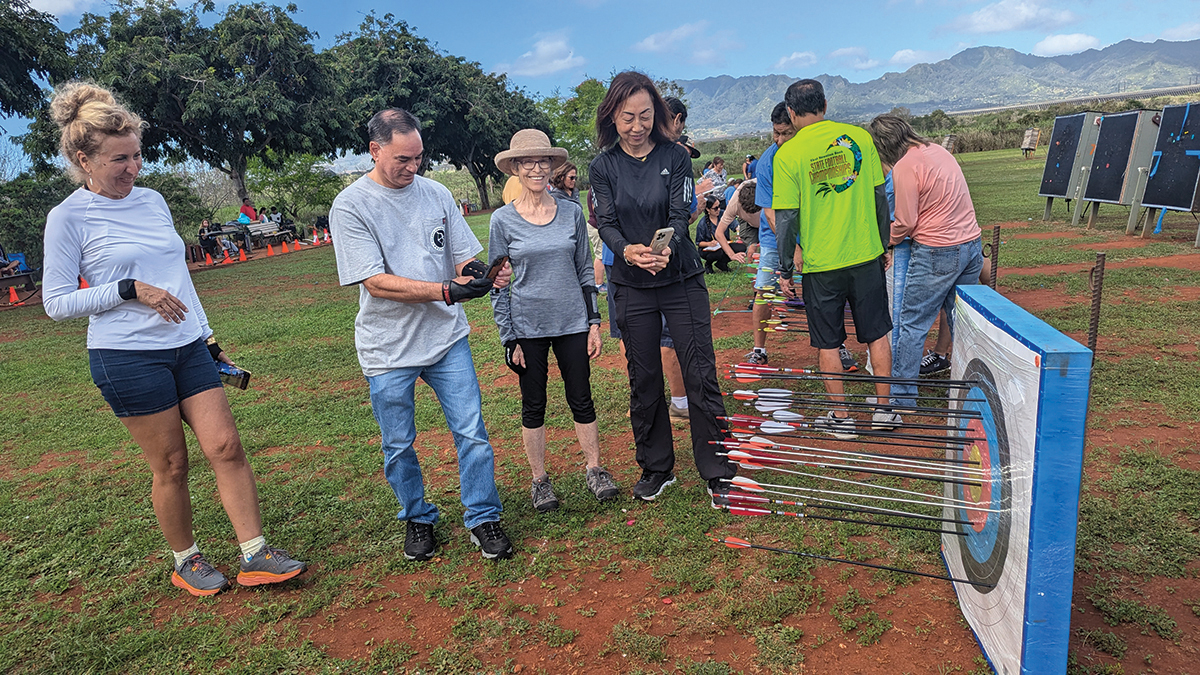
Archery, the sport of kings, is finding its way into our city parks. The City and County of Honolulu Department of Parks and Recreation has introduced archery into its programs. Many participants say they first shot a bow and arrow at a summer camp. Then they grew up and found other interests. With cartoons and TV series recently including the sport, archery interest has resurged.
City and County of Honolulu Parks and Recreation programs are open to people of all ages. But the group seeing the most growth is ku¯ puna. It is never too late to recreate and archery is a sport in which they can shine!
Archery is one of the few sports in which men and women compete together at a venue. In our program, men and women shoot side by side at the range.
It is both a social sport and a “private” sport. You can enjoy the camaraderie of all the other archers, laughing and talking between shots, or you can find your “Zen” space and use it as a contemplative time. Our island seniors have found both. We may have a wife talking to her archery friends between shots while her husband finds his relaxation drilling holes in a gold circle.
Archery equipment is not extremely expensive for a beginner. It costs way less than a set of golf clubs and the range is free.
Archery is also not difficult to start. Equipment can be borrowed from the recreation center; you will buy your own as you get into the sport.
The strength needed to pull the string is adjusted to your physical capability. As you develop your muscles, you will move up to better equipment. But many archers use the same bow for a long time. The arrows, of course, are reusable.
Your biggest competition is yourself. You can shoot for fun and relaxation or you can shoot for higher scores. So, get up, get out and join other senior citizens in our programs who are re-finding the sport of archery!
Clear your mind and sharpen your focus! Call your local park to find the nearest class.
Archery, the sport of kings, is finding its way into our city parks. The City and County of Honolulu Department of Parks and Recreation has introduced archery into its programs. Many participants say they first shot a bow and arrow at a summer camp. Then they grew up and found other interests. With cartoons and…